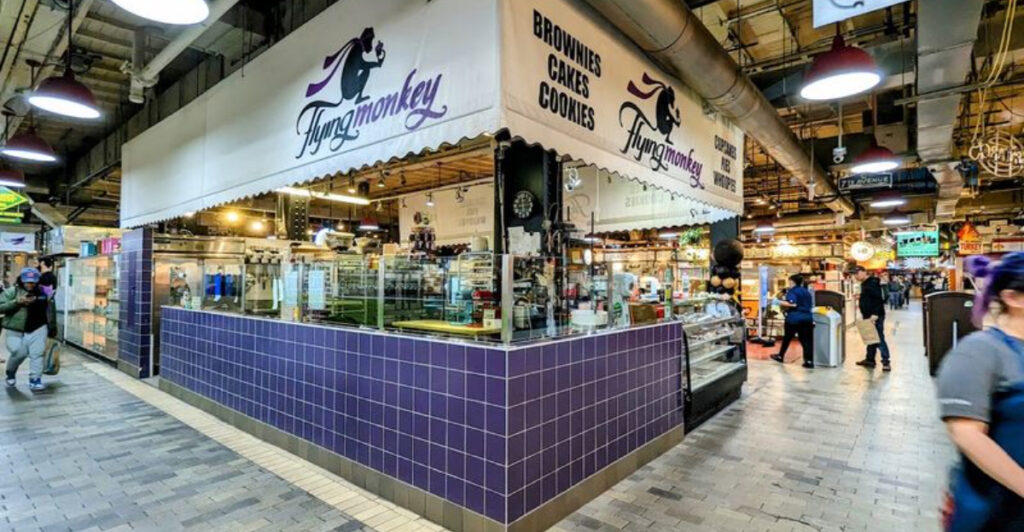
Some trips are planned around landmarks. Others are planned around food.
The best kind of trip? The kind where the food IS the landmark.
Street food has a way of telling you more about a city than any museum or guided tour ever could. It shows you what people eat on a Tuesday afternoon, what gets passed down through generations, and what a place actually tastes like when no one is trying to impress you.
This list covers 12 destinations where street food is not a side note to the trip. It is the reason to go.
From ancient market squares in Morocco to covered market halls in Philadelphia, each stop on this list offers something specific, real, and genuinely worth the airfare.
Gwangjang Market, Seoul, South Korea
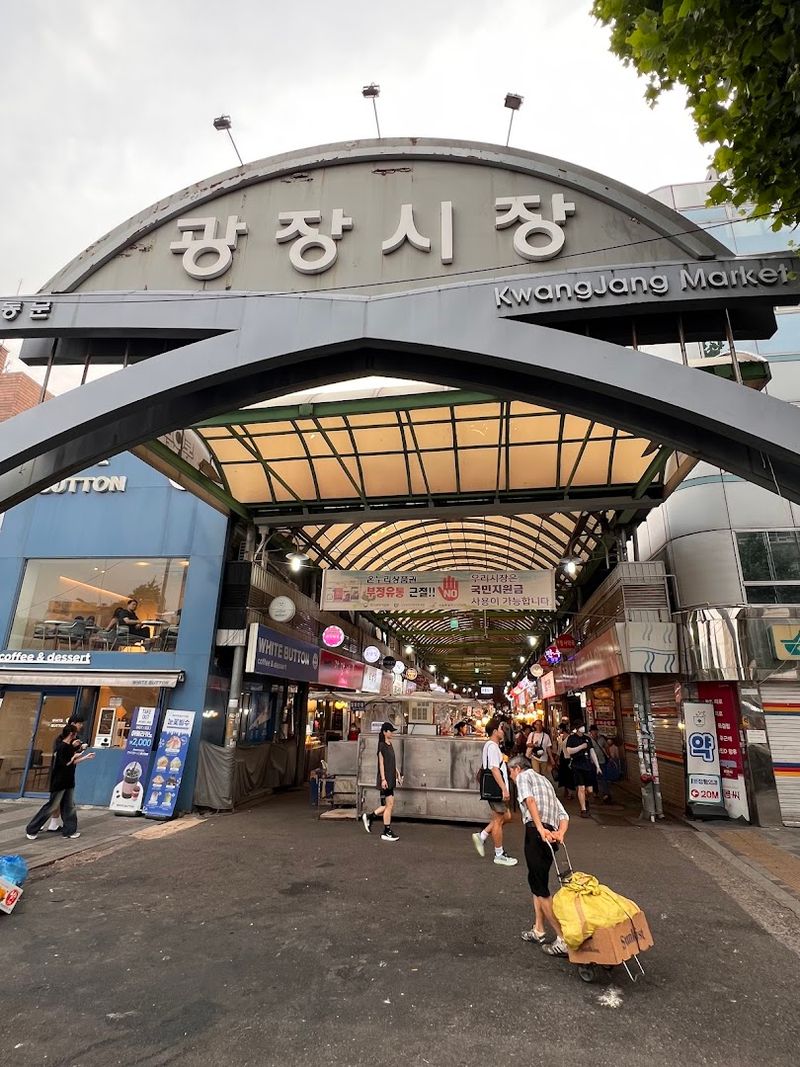
Dating back to the early 1900s, Gwangjang Market holds the distinction of being Korea’s first permanent market, and it has never stopped being relevant. That alone makes it worth showing up for.
Visit Korea recognizes the food street as one of its most popular sections, where traditional bites are served fresh from stalls that have been doing this for decades.
Expect gimbap rolled to order, mung bean pancakes fried on flat griddles, tteokbokki in its classic spicy form, fish cake skewers, and other everyday Korean dishes you won’t find on most restaurant menus abroad. The market does not try to be trendy.
It is straightforward, busy, and deeply rooted in how Seoul actually eats.
For travelers who want to understand Korean food culture beyond polished restaurants, Gwangjang is the kind of first stop that recalibrates your whole trip. Go hungry and plan to stay longer than you intended.
Tsukiji Outer Market, Tokyo, Japan
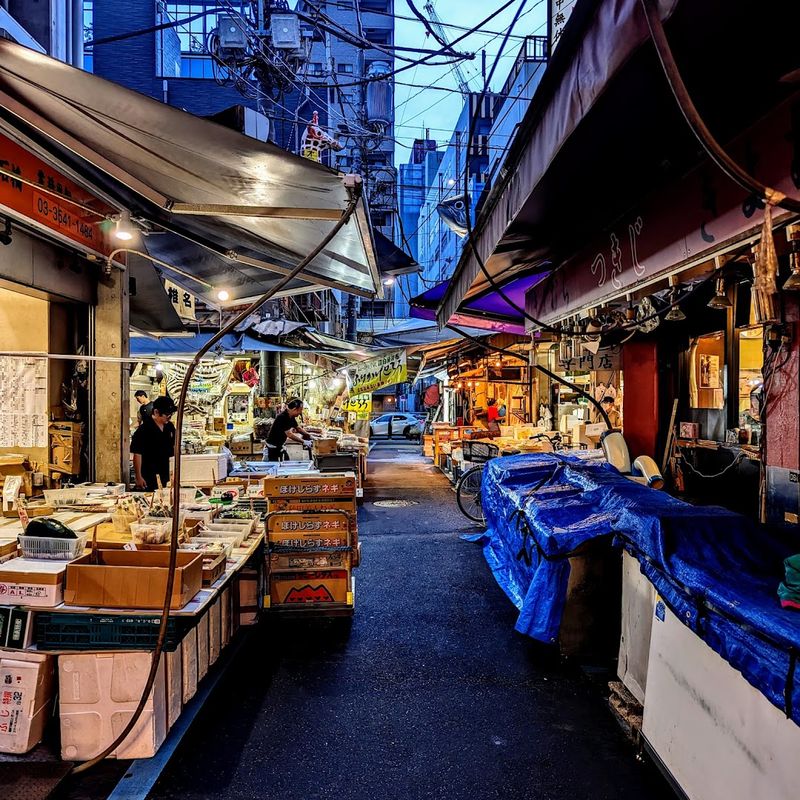
The inner wholesale market may have relocated to Toyosu, but Tsukiji Outer Market has held its ground as one of Tokyo’s most visited food destinations. The official market site calls it Japan’s Food Town, and that description holds up.
The surrounding streets are packed with traditional food shops, ready-to-eat stalls, knife vendors, and restaurants that open early and move fast.
Travelers come specifically for fresh sushi, seafood bowls, grilled scallops, tamagoyaki, and Japanese snacks that taste better eaten standing up outside a stall than anywhere else. Kitchen goods and specialty teas fill in the gaps between food stops, making it easy to spend a full morning without covering the same ground twice.
One practical note: individual shop schedules vary, and the official market calendar lists business days worth checking before you go. Early morning visits tend to offer the most activity and the freshest options before the midday crowds shift the energy.
Maxwell Food Centre, Singapore
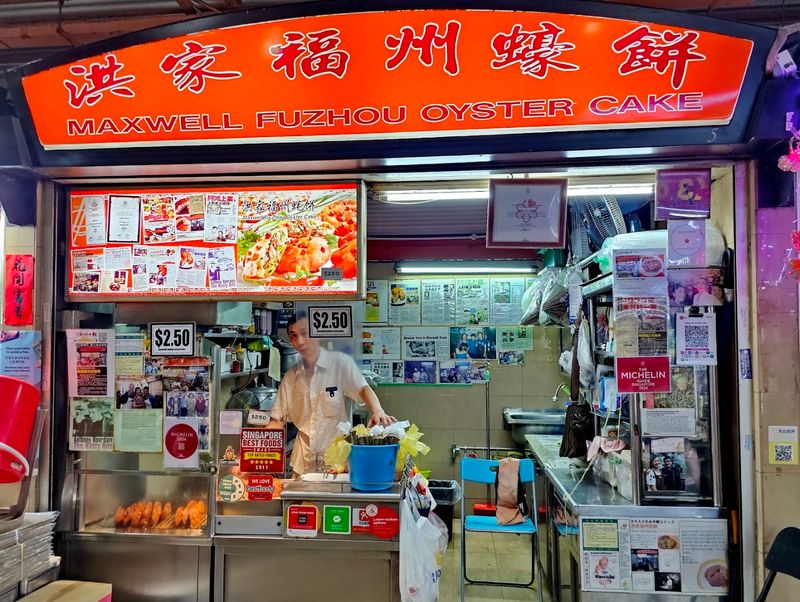
Few places explain Singapore’s food identity as clearly as a hawker center, and Maxwell Food Centre is one of the most famous examples in the city. Located in Chinatown, it is a long, open hall lined with individual food kiosks, each one specializing in a specific dish that has often been perfected over years of repetition.
Chicken rice is the dish most associated with Maxwell, and the lines at certain stalls make it obvious which vendors have built a loyal following. Beyond that, you can find noodle soups, congee, dim sum, fish ball dishes, and traditional desserts that round out a full meal across multiple stops.
Hawker centers are not just convenient eating spots in Singapore. They are a recognized part of the country’s cultural heritage, and Maxwell captures that status well.
Prices stay affordable, the crowd is a mix of locals and visitors, and the food moves quickly from kitchen to table.
Lau Pa Sat, Singapore
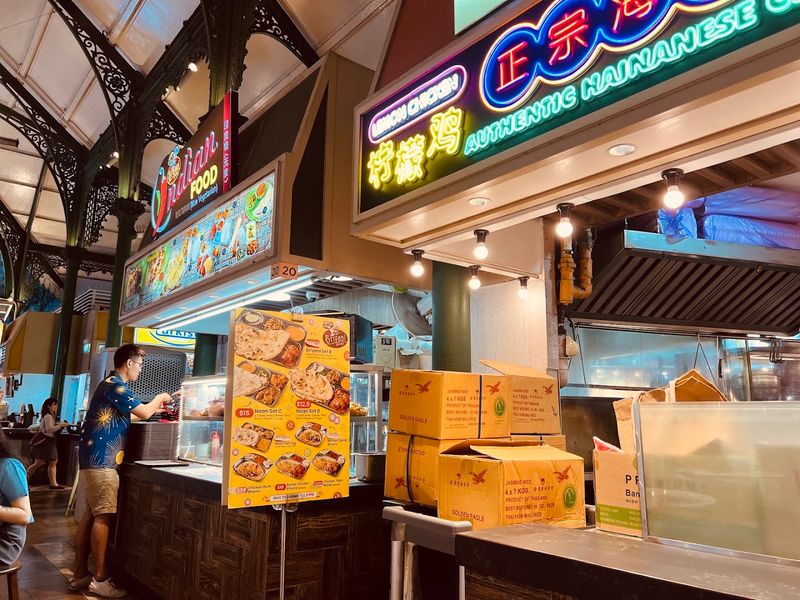
Lau Pa Sat earns its place on this list for a reason most food markets cannot claim: it operates inside a gazetted national monument. The cast iron structure dates to the Victorian era, and the building itself is worth a look even before you order anything.
That combination of architecture and food makes it genuinely different from most hawker stops in the city.
Satay Street is the main draw after dark, when the surrounding road fills with outdoor grill stations serving charcoal-cooked skewers to tables spilling into the street. Inside the market, the menu expands to laksa, nasi lemak, char kway teow, roti prata, kaya toast, and other Singapore staples.
For first-time visitors trying to cover a lot of Singapore’s food culture in one evening, Lau Pa Sat is a practical and atmospheric choice. The nighttime setting, the outdoor grills, and the historic structure all work together in a way that feels specific to this city.
Jemaa el-Fnaa, Marrakech, Morocco
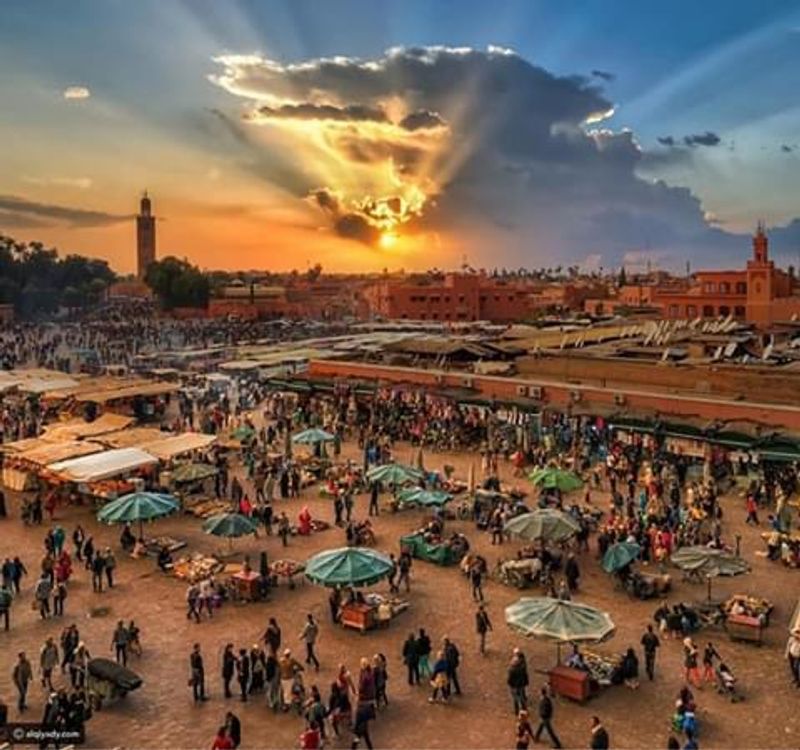
Jemaa el-Fnaa is not a market in the conventional sense. It is a public square that transforms completely between day and night, and the food is only part of what makes it one of the most memorable places to eat in the world.
UNESCO recognized it as part of Morocco’s intangible cultural heritage, which gives some sense of how significant this square is beyond tourism.
During the day, vendors sell fresh-squeezed orange juice, dried fruits, and snacks while performers work the crowd. After dark, the square fills with rows of food stalls offering grilled meats, harira soup, snails, Moroccan sweets, and flatbreads cooked on the spot.
The energy at night is unlike almost anything else on this list.
Travelers who visit Marrakech and skip the square after dark are missing the version that stays with you. The food is the anchor, but the full experience of Jemaa el-Fnaa is something that takes the whole square to understand.
Borough Market, London, England
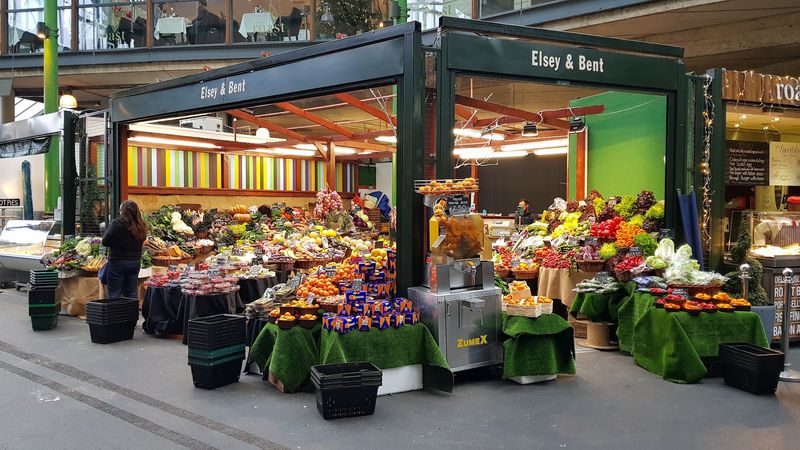
Borough Market sits near London Bridge and has been feeding the city in various forms for centuries. The official site frames it around high-quality food, sustainable production, and community, which sounds formal until you actually walk through it and realize how well that description fits what is happening stall by stall.
This is not a place built around cheap bites. It is built around producers who care about what they make, which means the sandwiches, pastries, cheeses, and prepared dishes you pick up tend to be a step above what you find at a typical market.
British classics sit alongside international food vendors, and the variety makes it easy to graze through a full meal without planning one.
The official visitor page lists current opening information and operating days, which is worth checking since not every vendor operates on every day. For food-focused travelers, Borough Market rewards a slow visit rather than a quick pass-through.
Give it a full morning if you can.
La Boqueria, Barcelona, Spain
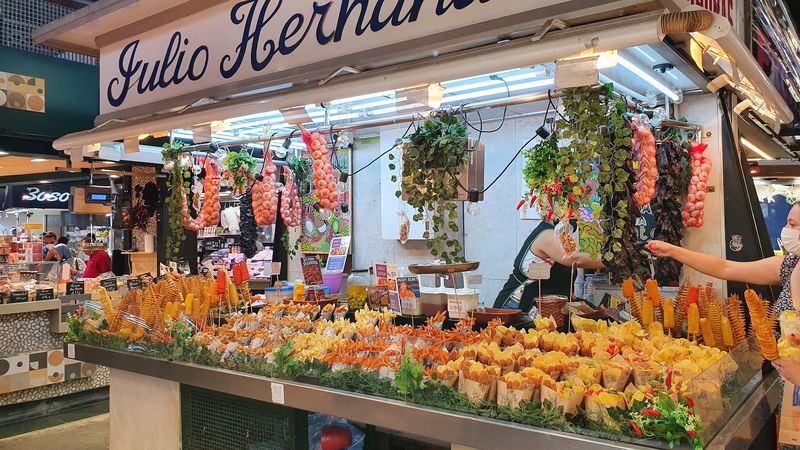
La Boqueria gets dismissed by some travelers as too touristy, but that criticism misses what the market still does well. Arriving early on a weekday morning shifts the experience considerably.
The official market lists Monday through Saturday hours, and the earlier you show up, the more you see the working market side rather than the visitor rush.
The layout pulls you past fresh produce, whole fish, cured meats, jamón hanging from hooks, fresh juices, candy displays, and small counter bars where you can order tapas-style bites and seafood plates without sitting down for a full meal. It is colorful in a way that feels earned rather than staged.
La Boqueria works for this list because it delivers classic market energy in a city that takes food seriously. Barcelona’s food culture is active and visible here, from the ingredients people are buying to the quick counter meals being eaten standing up.
Patience and an early start make the difference.
Or Tor Kor Market, Bangkok, Thailand
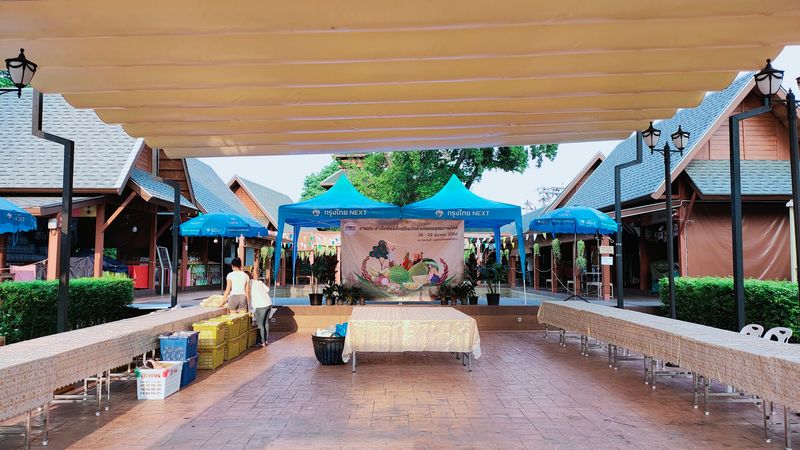
Bangkok is famous for chaotic, late-night street food energy, and Or Tor Kor Market offers something deliberately different. It is clean, well-organized, and stocked with some of the highest-quality Thai produce and prepared food in the city.
That contrast is exactly what makes it worth a separate visit from the night market circuit.
Current visitor information lists typical operating hours from 6 a.m. to 6 p.m., though holiday schedules can shift. The market is known for exceptional fruit selections, freshly made curries, grilled seafood, rice dishes, and traditional Thai sweets that showcase regional variety beyond the dishes most travelers already know.
Its location near Chatuchak Weekend Market makes combining both stops on the same day a practical option. Or Tor Kor may not give you the unpredictable energy of eating on a plastic stool at midnight, but it gives you something equally valuable: a concentrated and high-quality look at what Thai food actually looks like at its best.
Ben Thanh Market, Ho Chi Minh City, Vietnam
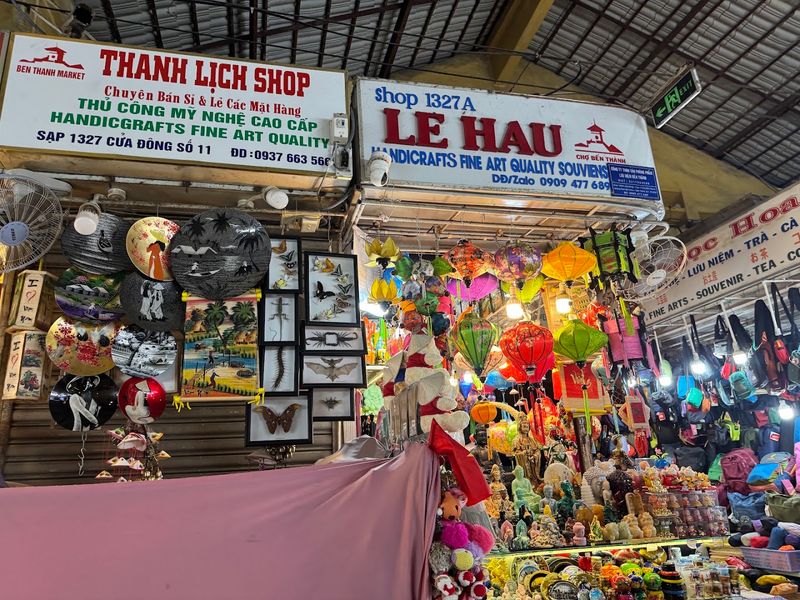
Ben Thanh Market has anchored District 1 in Ho Chi Minh City for well over a century, and it remains one of the most recognized landmarks in the country. Thousands of visitors pass through daily, drawn by a combination of shopping, souvenirs, and Vietnamese food that ranges from quick snacks to full bowls of noodle soup.
Food lovers can find bánh mì built to order, pho and other noodle soups, fresh spring rolls, rice plates, Vietnamese iced coffee, tropical fruit, and traditional sweets. The daytime market transitions into a night market in the surrounding streets, which extends the food options into the evening hours.
Yes, it is touristy. The prices reflect that, and the bargaining culture is part of the experience whether you are ready for it or not.
But Ben Thanh still earns its spot because it puts Saigon’s food, street-level energy, and cultural texture in one central, accessible location that is hard to replicate elsewhere in the city.
Mercado 20 de Noviembre, Oaxaca, Mexico
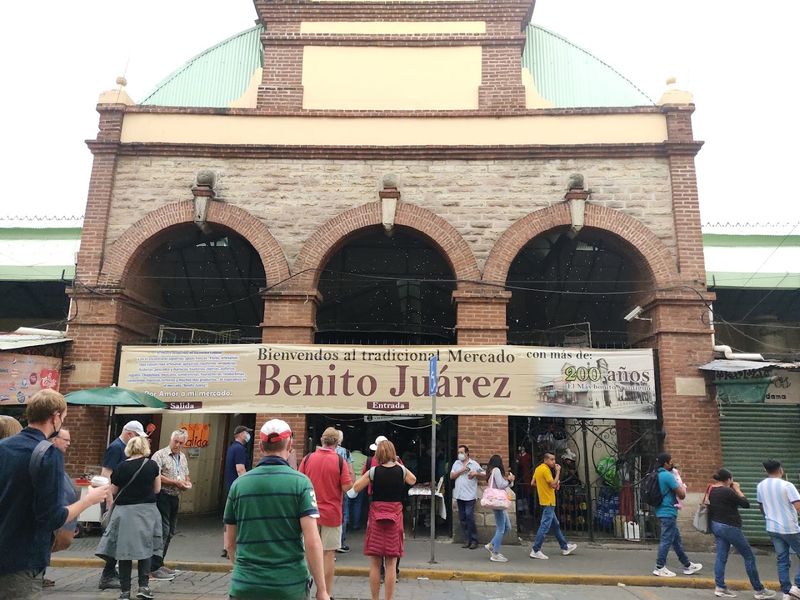
Oaxaca has a food reputation that draws serious travelers from around the world, and Mercado 20 de Noviembre is where much of that reputation lives on a daily basis. Current visitor information places it alongside nearby Mercado Juárez as one of the city’s central markets, with hours running from morning into the evening on most days.
The market is known for Oaxacan staples including complex moles, pan de yema, tejate, aguas frescas, and tamales. The most talked-about section is the pasillo de carnes asadas, a corridor of charcoal grills where visitors select cuts of meat and sides before sitting down to eat in the smoky, open-air passage.
It is one of the most specific and memorable eating experiences on this entire list.
For a food trip to Oaxaca, this market is not an optional add-on. It is a direct connection to the cuisine that defines the region, served in a setting that feels exactly like it should: informal, flavorful, and completely local.
Reading Terminal Market, Philadelphia, Pennsylvania
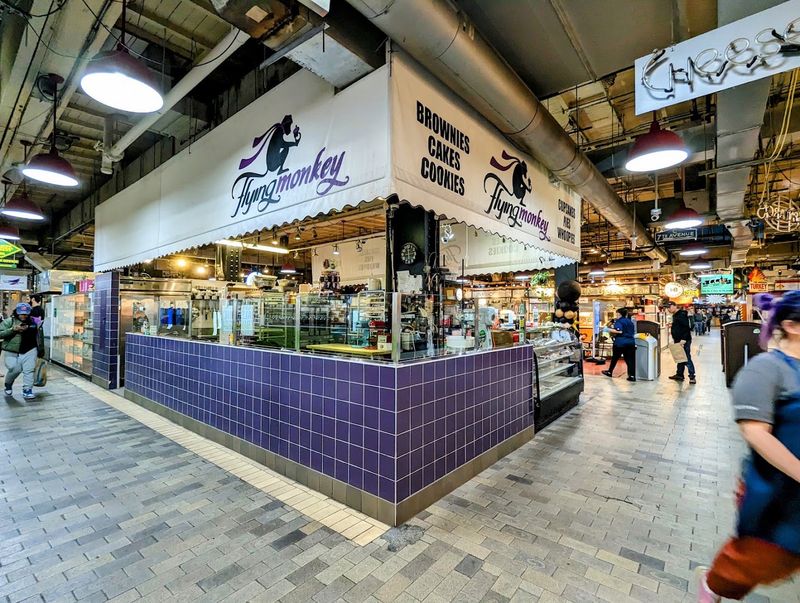
Open since the 1890s, Reading Terminal Market makes the case that street-food-style eating does not require a sidewalk or an outdoor grill. The official site describes it as a famous indoor farmers market serving Philadelphia’s grocery, dining, and shopping needs, and the visitor page keeps current hours and holiday schedules updated for planners.
The vendor mix is genuinely impressive. Amish bakers and farmers bring goods from Lancaster County, while longtime Philadelphia food counters serve roast pork sandwiches, cheesesteaks, soft pretzels, doughnuts, fresh seafood, and regional produce.
Dessert options alone could occupy a separate visit.
For travelers, Reading Terminal is one of the most efficient ways to taste a wide range of Philadelphia food in a single stop. The building has its own history, the vendors have their own stories, and the crowd on any given weekday is a good cross-section of the city itself.
Arrive with time to walk the full floor before committing to a line.
Grand Central Market, Los Angeles, California
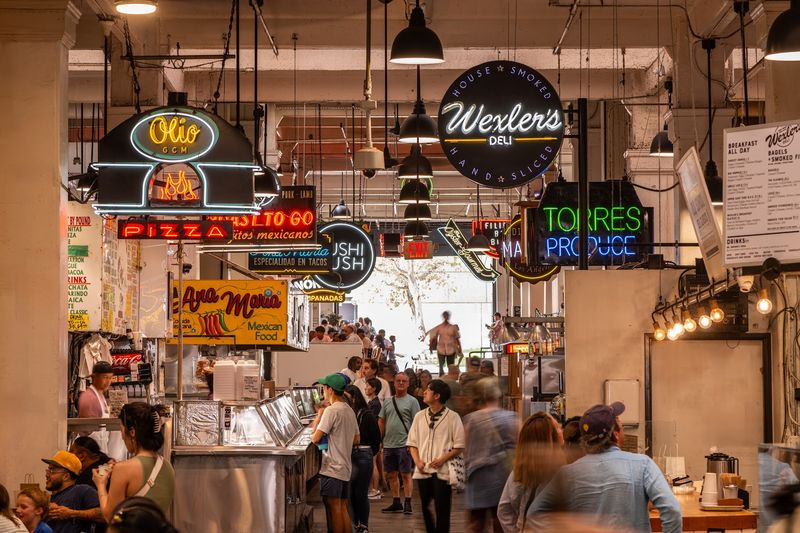
Grand Central Market has been part of downtown Los Angeles since 1917, which makes it one of the oldest continuously operating public markets in California. The official site confirms it is open daily with more than 40 vendors, and that combination of history and variety is exactly why it belongs on a global street food list.
The vendor lineup brings together long-running Mexican food stands, newer restaurant concepts, breakfast counters, coffee roasters, baked goods, sandwiches, and a range of dishes that reflect how many food cultures have shaped Los Angeles over the decades. No two visits feel identical because the market keeps evolving while keeping its original bones intact.
Grand Central Market works as a starting point for travelers trying to understand L.A.’s food range quickly. It is loud, crowded, and full of competing options, which is fitting for a city that has never been easy to summarize.
One visit gives you a working map of how the city eats.
Share this story