Sunday used to feel different the moment you woke up. For Boomer kids, it came with familiar sounds, comforting smells, and routines that made the whole day feel meaningful.
It was slower, more connected, and full of little rituals that brought families closer without anyone needing to plan a thing. These are the Sunday traditions that turned ordinary weekends into lasting memories.
1. Dressing Up for Church
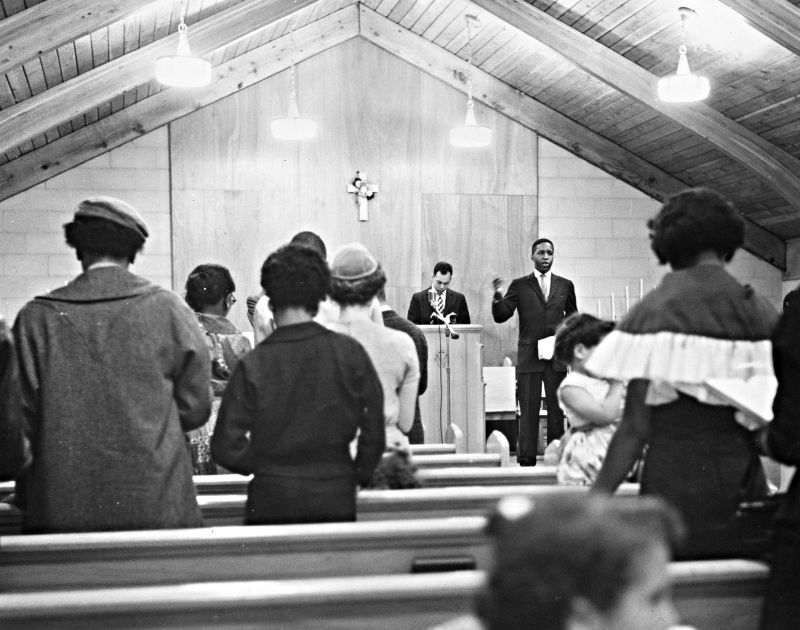
Sunday mornings started with a ritual that felt nonnegotiable: getting dressed in your Sunday best. Shoes were shined, collars were straightened, and not a single cowlick was allowed to stay wild if a parent noticed it.
Even if you were half awake and grumbling, you knew church was happening, and looking presentable mattered just as much as showing up on time.
There was something memorable about how seriously families treated the occasion. The clothes might have felt itchy, the socks might have slid down, and the pews could seem endless, but the routine gave the day a sense of structure and importance.
Looking back, it was not only about religion. It was about respect, community, and learning that some moments deserved a little extra care, even when you would have rather stayed in your pajamas and played outside instead.
2. The Big Family Dinner
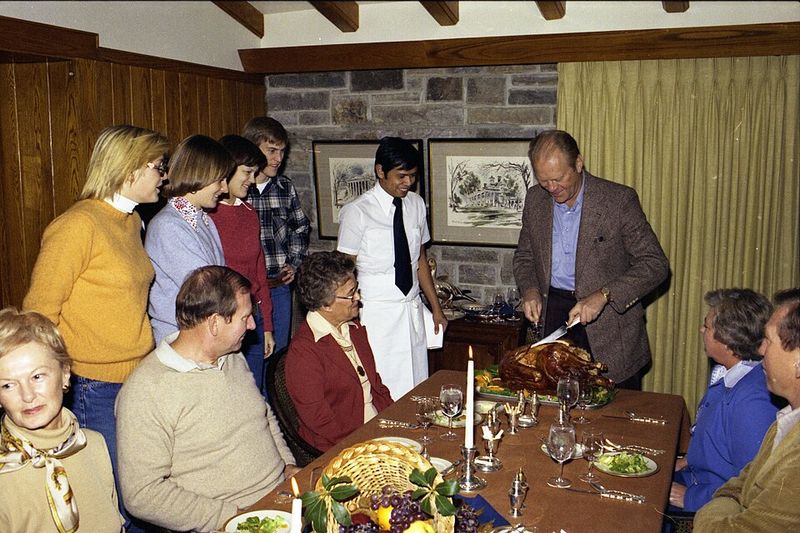
Sunday dinner was the meal that seemed to anchor the whole weekend. You could smell it coming for hours, whether it was pot roast, baked ham, or a roast chicken surrounded by vegetables and gravy.
By the time everyone sat down, the table looked fuller, the conversation lasted longer, and nobody acted like eating was something to squeeze in between other plans.
What made it special was not just the food, although that certainly helped. It was the expectation that everyone would be there, pass dishes, talk about the week, and stay put long enough for second helpings and dessert.
For a kid, that kind of gathering could feel both comforting and a little chaotic in the best way. Looking back, those dinners taught you what togetherness looked like when it was baked into the schedule and served family style every single Sunday.
3. Visiting Grandparents
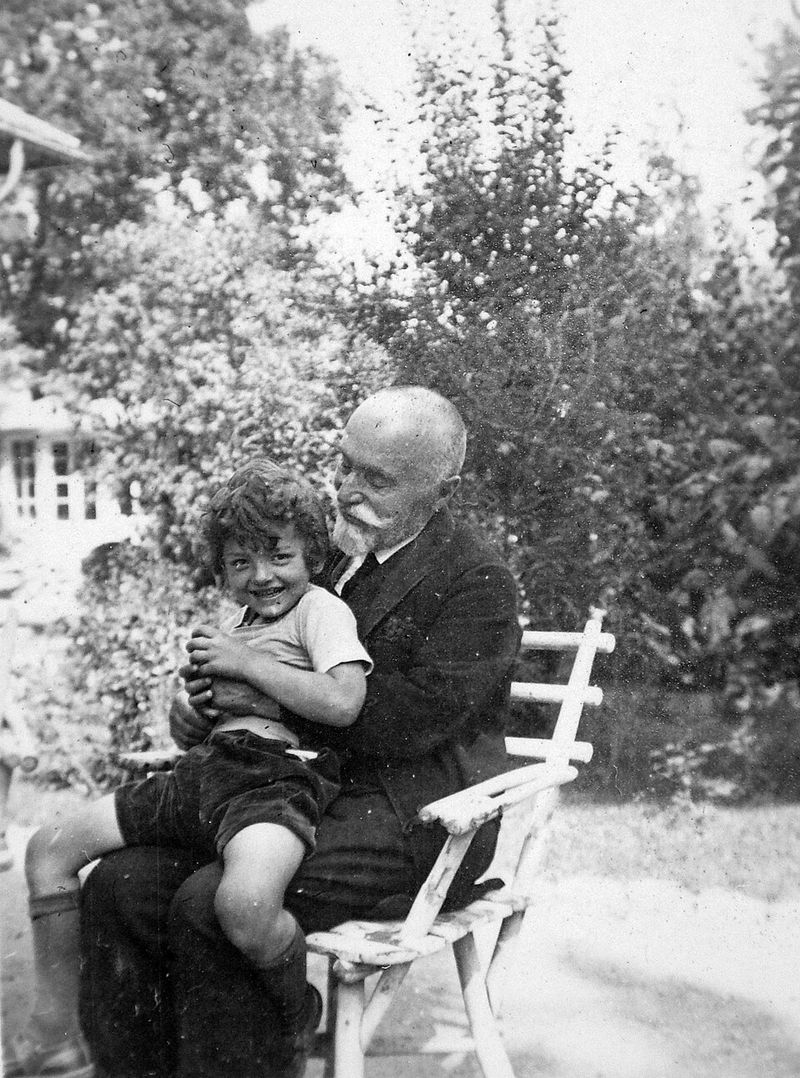
After church or dinner, many families climbed into the car and headed to Grandma and Grandpa’s house. The visit happened so regularly that it felt less like an event and more like a rhythm everyone understood without discussing.
You knew there would be familiar furniture, stories you had heard before, and some small treat waiting in a bowl or tucked into a kitchen cabinet.
For kids, these visits were a mix of comfort, patience, and quiet reward. Adults talked for what felt like hours, but somewhere in the middle came hugs, family history, neighborhood gossip, and maybe a cookie or peppermint slipped into your hand.
Grandparents made Sundays feel rooted, as if every week needed a stop at the place where time moved slower. Looking back, those ordinary visits carried a lot more than politeness.
They passed down connection, memory, and the feeling that family was something you showed up for consistently.
4. Watching The Ed Sullivan Show

Sunday night television felt like a shared event, and The Ed Sullivan Show was one of the biggest reasons why. Families gathered around the set, adjusted the antenna if needed, and settled in together for music, comedy, and performances that gave everyone something to talk about afterward.
In a time with fewer channels and no second screens, watching was not background noise. It was the evening’s entertainment, and everybody paid attention.
What made it memorable was the mix of acts that could surprise you from one week to the next. One moment there might be a singer your parents loved, and the next, a performance that made kids feel like they were seeing the future arrive in the living room.
That kind of cultural togetherness is hard to recreate now. Back then, it turned Sunday night into a family appointment, where laughter, commentary, and amazement were all packed into one glowing black and white box.
5. Reading the Sunday Newspaper
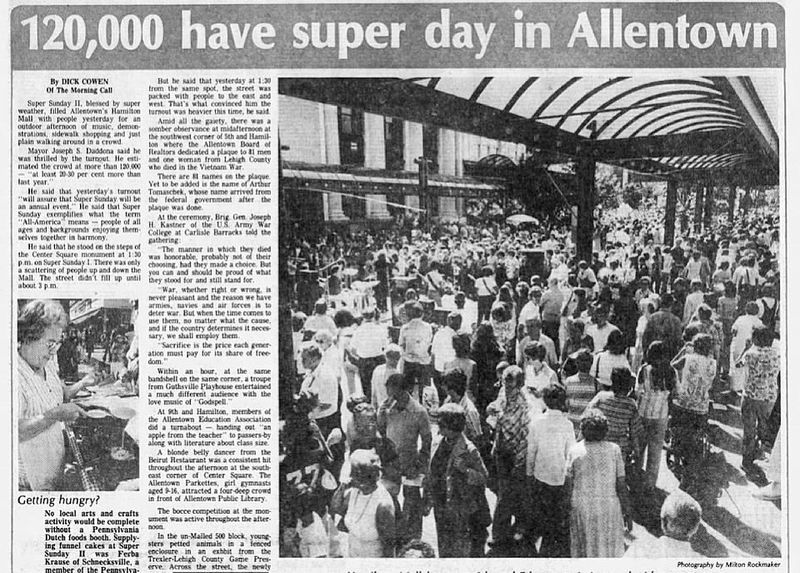
The Sunday newspaper was practically part of the furniture by morning. It landed on the porch with a heavy thud, packed with headlines, coupons, magazines, and the comics section that kids usually wanted first.
Before the day fully got going, someone unfolded that enormous paper at the table, and the whole house seemed to settle into a slower pace.
There was a small ritual to it that made Sundays feel different from every other day of the week. Adults read the front page and editorials, while kids scanned cartoons, puzzles, and colorful inserts that felt made just for them.
You might not have cared about national news yet, but you understood that the paper mattered. It connected the family to the wider world while still giving everyone their own little corner to enjoy.
Looking back, it was a quiet tradition that taught patience, curiosity, and the pleasure of taking your time with information.
6. Homemade Desserts Fresh from the Oven
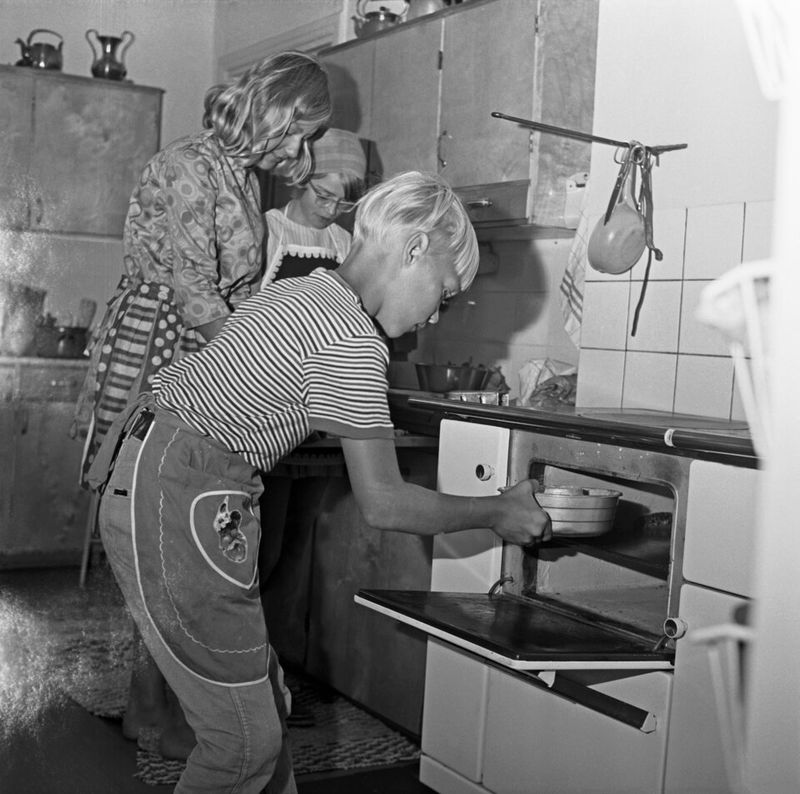
Few things announced Sunday quite like the smell of dessert baking in the kitchen. A pie cooling on the counter, a cake waiting for frosting, or a tray of cookies fresh from the oven could make the whole house feel softer and warmer.
These were not quick store-bought sweets grabbed on the way home. They were made from scratch, with mixing bowls, measuring cups, and recipes that had probably been used for years.
For kids, the best part was often the anticipation. You hovered nearby hoping to lick a spoon, sneak a crust scrap, or be the first one offered a still-warm cookie if the baker was feeling generous.
Dessert became part of the rhythm of Sunday, arriving after a big meal and stretching the feeling that the day was meant to be savored. Looking back, those homemade treats represented more than sugar.
They carried care, tradition, and the unmistakable message that somebody had taken time to make the day special.
7. Afternoon Naps and Quiet Time
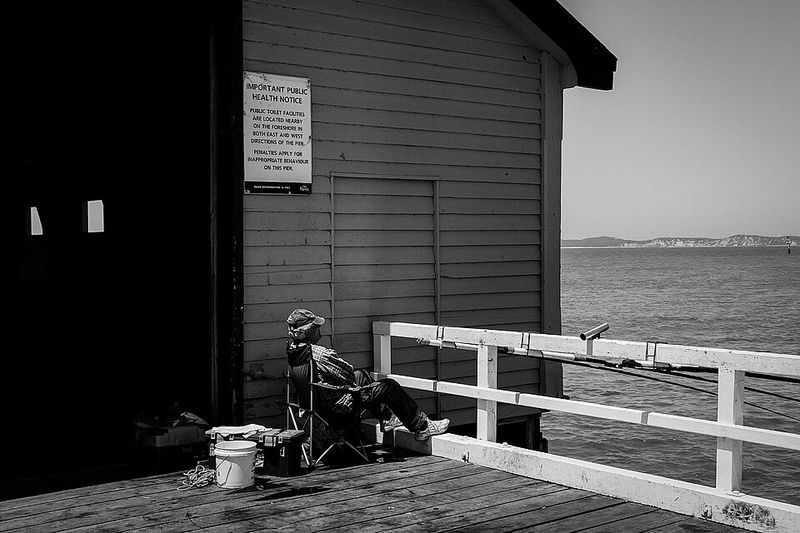
Sunday afternoons often slowed to a near standstill after lunch or dinner. Parents claimed their chairs or the couch, drifted off to sleep, and the household entered that unmistakable period known simply as quiet time.
If you were a kid, that meant no slamming doors, no shouting, and definitely no roughhousing in the hallway while adults rested.
At the time, quiet time could feel like a punishment disguised as peace. You might read comics, color at the table, look through old photo albums, or wander outside with strict instructions to stay calm and not come back in arguing with a sibling.
Yet those hushed hours gave Sundays a different texture from the rest of the week. They created a pause that forced everyone to slow down, whether they wanted to or not.
Looking back, that peaceful lull feels almost luxurious, a built-in reminder that rest had value and not every waking minute needed to be filled with noise.
8. Taking a Sunday Drive
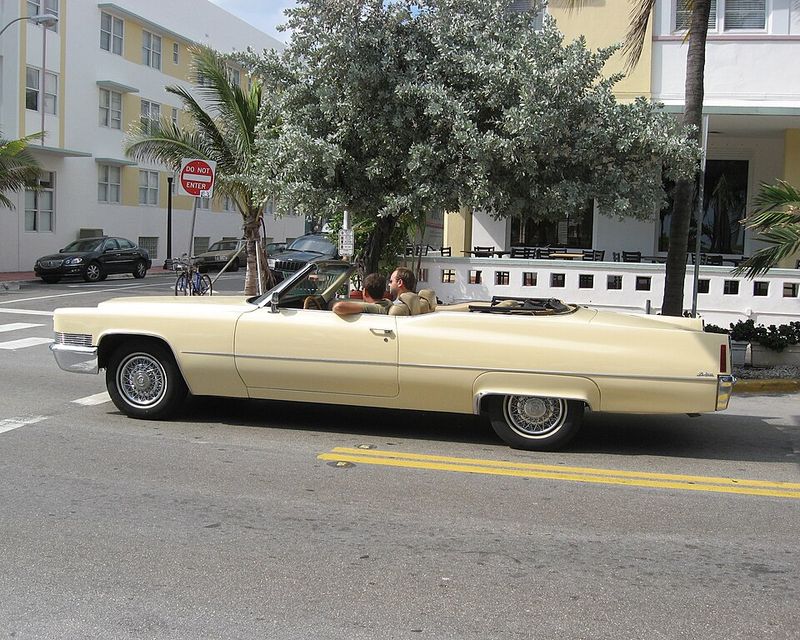
A Sunday drive was one of those simple traditions that somehow felt like an outing and a rest at the same time. Families piled into the car, windows cracked, and headed down country roads or around town without needing a firm destination.
The point was not to arrive anywhere important. It was to be together, see what was out there, and let the day unfold at its own pace.
For kids in the back seat, the drive could mean everything from mild boredom to quiet fascination. You watched fields roll by, counted cows, waved at people on porches, and listened to the adults point out landmarks or houses they remembered from years earlier.
Sometimes there was ice cream at the end, and sometimes there was not, but the ride itself was the event. Looking back, Sunday drives captured a kind of family leisure that feels rare now.
They turned an ordinary road into shared time, conversation, and the pleasure of not being in a hurry.
9. Listening to the Radio
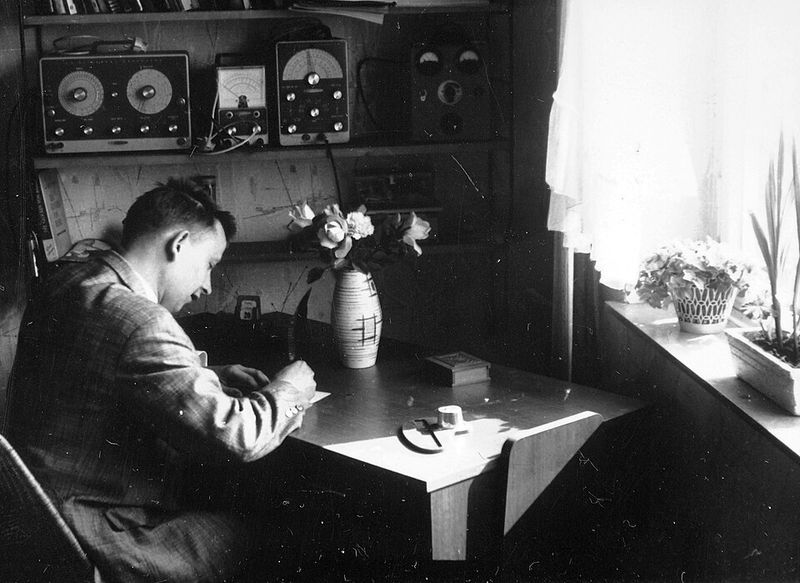
Before playlists, podcasts, and endless on-demand entertainment, the radio helped set the tone for Sunday. Families listened to music, religious broadcasts, storytelling programs, or familiar voices that seemed to float through the whole house from a tabletop set in the living room or kitchen.
The sound was comforting in a way that felt steady and communal. Even if nobody sat perfectly still, everyone shared the same soundtrack.
There was something special about how the radio filled quiet spaces without completely taking over them. You could hear it while helping in the kitchen, shining shoes, folding clothes, or simply sitting still for a while as the weekend wound down.
The programs often carried a slower, more reflective mood that matched the day itself. Looking back, that background of songs, sermons, and announcers made Sunday feel stitched together from one room to the next.
It was a simple technology, but it brought companionship, routine, and a gentle sense that the whole household moved in harmony.
10. Polishing Shoes for the Week Ahead
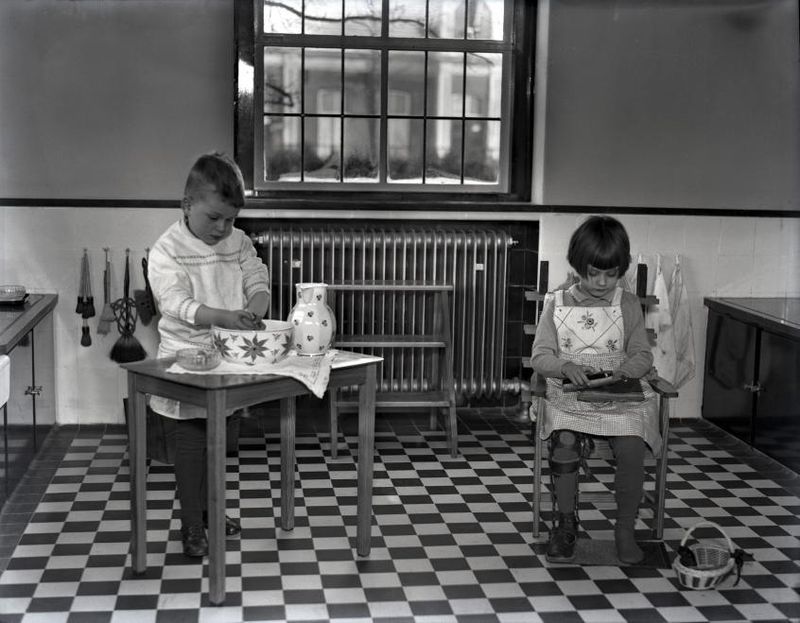
For kids, this ritual felt like the official signal that Sunday was winding down. The smell of shoe polish, the soft brush strokes, and the quiet focus of getting everything just right made the moment feel oddly serious.
Parents often hovered nearby, offering reminders or inspecting the final shine as if it mattered more than it probably did. But that was the point.
It was about being ready, showing care, and starting the week with some sense of order.
There was something grounding about the routine. Even if you dragged your feet at first, by the time your shoes were lined up and your clothes were ready, Monday felt a little less overwhelming.
Looking back, it was not really about the shoes. It was about preparation, responsibility, and the small habit of getting yourself together before the week began.
11. Sunday Phone Calls to Relatives
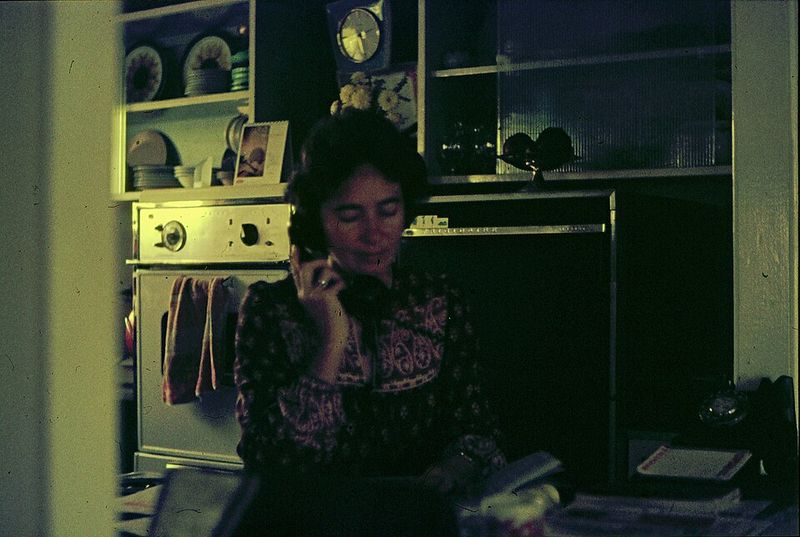
Sunday was prime time for catching up with relatives, especially the ones who lived too far away for a quick visit. The phone sat in a central spot, and when it rang, everyone knew it was probably family checking in.
Calls were not rushed. Parents settled in, kids were occasionally pulled over to say hello, and conversations covered everything from the week’s events to extended family updates that somehow always included someone you barely remembered.
There was a rhythm to it. You waited your turn, listened to half the conversation whether you meant to or not, and learned that staying connected required a little effort.
Looking back, those Sunday calls kept families tied together across distance. They turned a simple phone into a lifeline of voices, stories, and shared history that showed up reliably every week.
12. Ironing Clothes for the Week
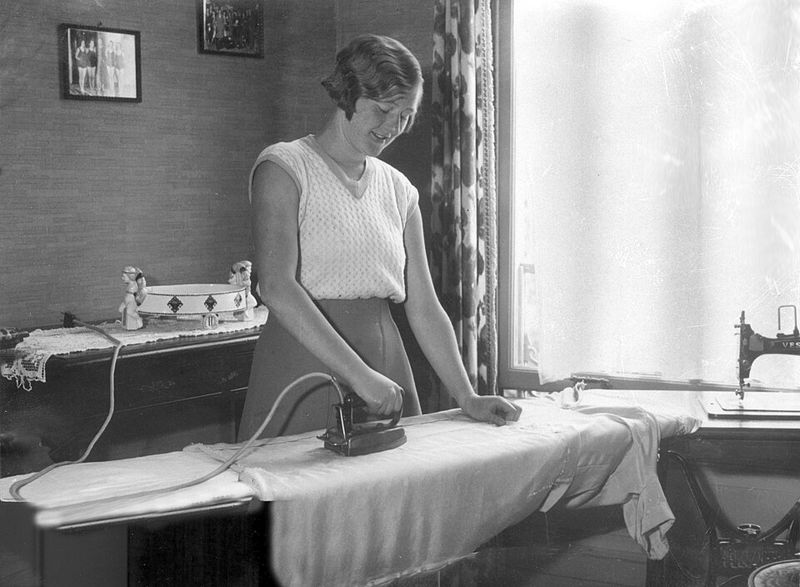
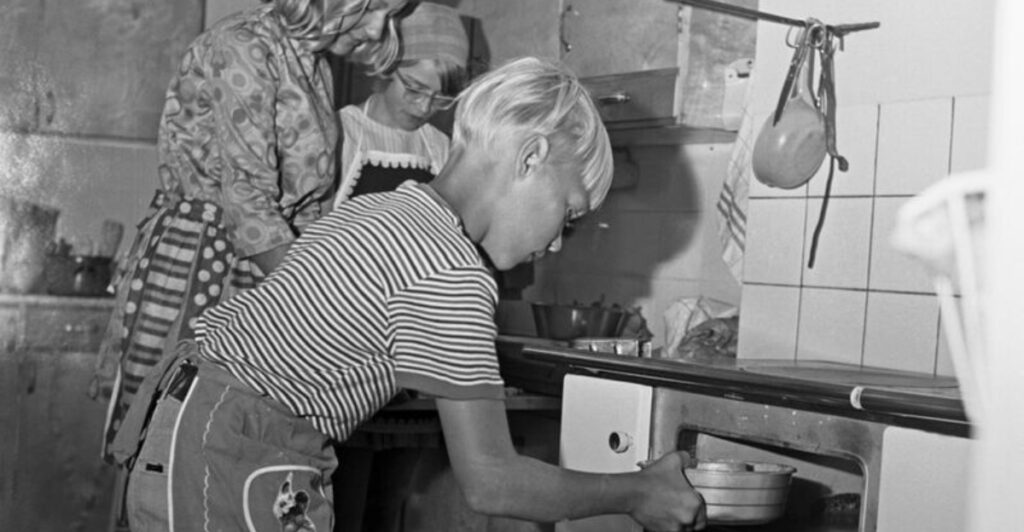
If there was one chore that quietly defined Sunday evenings, it was ironing. The ironing board came out, the iron heated up, and a small pile of shirts, dresses, or school clothes waited their turn.
It was not glamorous, but it was part of the routine. Parents pressed collars and sleeves while keeping an eye on the clock, making sure everyone would be ready when Monday morning arrived.
Kids might have been asked to help or at least stay out of the way, but the process itself felt steady and purposeful. The hiss of steam and the careful smoothing of fabric added to that unmistakable “weekend ending” atmosphere.
Looking back, ironing was about more than neat clothes. It was another quiet act of preparation, a way of setting the tone for the days ahead and making sure the week started off on the right foot.
Share this story