Los Angeles does not believe in doing anything halfway. This is a city where movie premieres shut down streets, taco trucks earn cult followings, and someone is probably pitching a screenplay three tables away while you order coffee.
It stretches across beaches, hills, studios, neighborhoods, and palm-lined boulevards so large that first-time visitors often realize they accidentally planned activities forty-five minutes apart. On a good traffic day.
Still, there is a reason millions of people keep showing up every year. Los Angeles delivers an unusual mix of entertainment history, outdoor landmarks, cultural institutions, and pure pop-culture chaos that few cities can match.
One moment you are staring at dinosaur fossils older than civilization itself, and the next you are standing beside a sidewalk star honoring someone whose sitcom aired three decades ago but still somehow runs every afternoon.
The city also refuses to stay in one lane. Glamorous mansions sit near hiking trails.
Historic theaters share blocks with trendy cafés. Beach culture collides with film history at nearly every turn.
These attractions capture the places that truly define Los Angeles, from iconic landmarks to spots locals still proudly show off to out-of-town visitors.
1. Santa Monica Pier
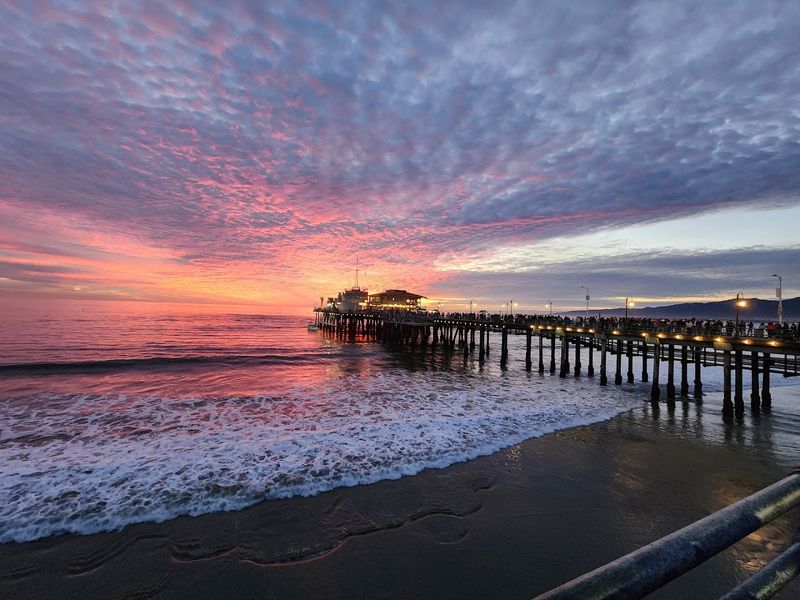
A Ferris wheel spinning beside the Pacific Ocean is about as unmistakably Southern California as it gets. The Santa Monica Pier has been entertaining visitors since 1909 and still manages to feel lively despite appearing in approximately one million vacation photos every year.
The pier combines old-fashioned boardwalk energy with modern tourist attractions in a way that somehow avoids feeling completely outdated. Pacific Park’s solar-powered Ferris wheel dominates the skyline while arcade games, snack stands, street performers, and small shops keep the area buzzing throughout the day.
One reason the pier remains so popular is its location at the end of Route 66. Travelers finishing cross-country road trips often gather near the famous sign marking the highway’s western endpoint, usually looking both exhausted and oddly triumphant.
Below the pier, Santa Monica Beach stretches for miles with wide bike paths, volleyball courts, and enough rollerbladers to convince visitors they accidentally traveled back to 1994. Nearby Third Street Promenade adds another layer of activity with outdoor shopping, restaurants, and musicians performing almost constantly.
2. Hollywood Walk of Fame
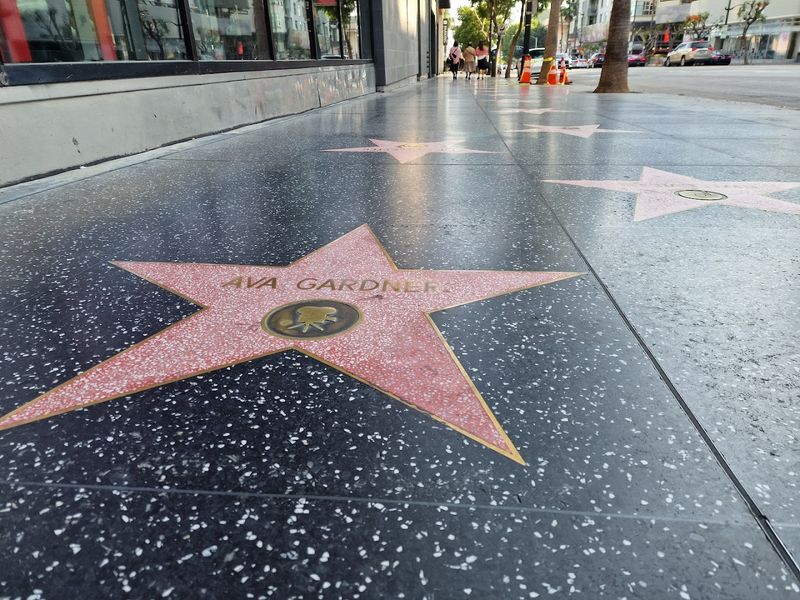
Few attractions inspire such a strange mix of excitement and confusion quite like the Hollywood Walk of Fame. Visitors arrive expecting nonstop glamour and quickly discover that searching for celebrity stars along crowded sidewalks requires patience, comfortable shoes, and solid crowd-navigation skills.
Stretching along Hollywood Boulevard and Vine Street, the Walk of Fame features more than 2,700 brass stars honoring actors, musicians, directors, producers, and fictional characters who apparently negotiated excellent representation. The attraction began in 1960 and has since evolved into one of the world’s most recognizable tourist destinations.
Some visitors carefully track down favorite celebrities while others accidentally step on ten famous names before breakfast. Michael Jackson alone creates occasional confusion because there are actually two stars honoring different people with the same name.
Hollywood truly loves keeping tourists alert.
The surrounding area adds to the spectacle. Costumed performers pose for photos, souvenir shops sell everything imaginable with “Hollywood” printed on it, and massive theater marquees line the boulevard.
The TCL Chinese Theatre remains especially popular thanks to its collection of celebrity handprints and footprints preserved in cement.
3. The Getty Center
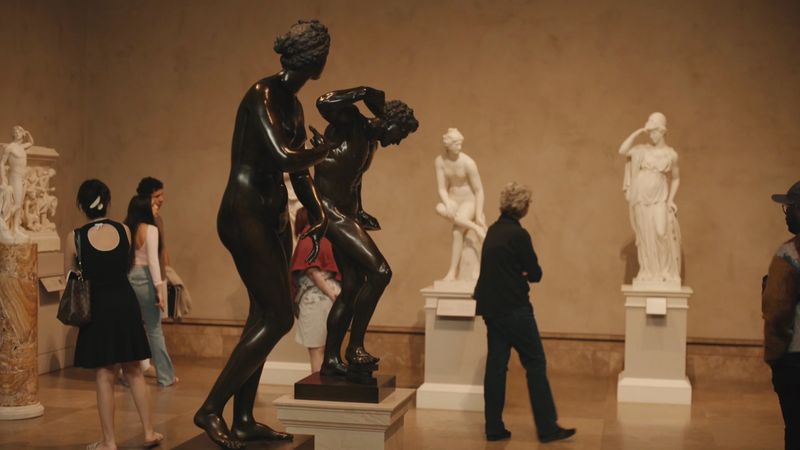
Art museums usually focus on paintings. The Getty Center decided to add architecture, gardens, panoramic city views, and a hilltop tram ride just to make things interesting.
Opened in 1997, the Getty sits high above Los Angeles in the Santa Monica Mountains. Visitors reach the museum by boarding a sleek tram that climbs toward the striking white complex designed by architect Richard Meier.
The arrival alone feels surprisingly cinematic.
Inside, the museum houses impressive collections ranging from European paintings and decorative arts to photography and illuminated manuscripts. Works by Van Gogh, Rembrandt, and Monet attract major attention, though many visitors end up equally distracted by the building itself and the sweeping views outside.
The Central Garden deserves special credit for becoming one of the museum’s most photographed areas. Carefully designed pathways, fountains, and seasonal flowers create a space where people suddenly become very interested in landscape architecture despite having zero previous opinions about landscape architecture.
4. Universal Studios Hollywood
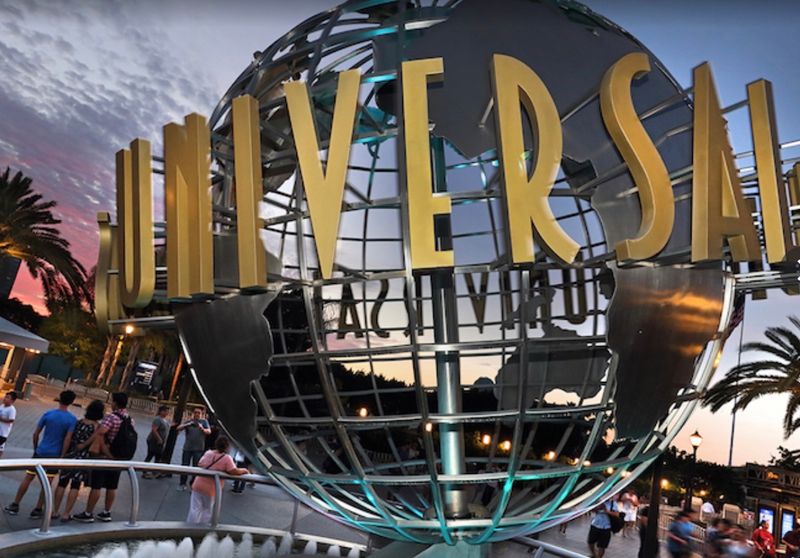
Movie studios and theme parks eventually collided in Los Angeles and produced Universal Studios Hollywood, a place where visitors can scream through roller coasters before casually touring actual filming locations.
The Studio Tour remains the park’s defining attraction. Guests board trams that travel through working backlots filled with famous sets, soundstages, and practical effects demonstrations.
Longtime visitors still get excited when guides point out locations from classic films and television shows because Hollywood nostalgia is basically the city’s unofficial fuel source.
The park balances filmmaking history with modern blockbuster attractions surprisingly well. The Wizarding World of Harry Potter draws massive crowds with its detailed recreation of Hogsmeade, while rides based on Jurassic World, Transformers, and The Simpsons lean heavily into spectacle.
One particularly memorable section involves the famous “Jaws” encounter from the original Studio Tour. Despite decades of technological upgrades elsewhere, audiences still enjoy reacting dramatically to a mechanical shark like it is 1975 all over again.
5. Griffith Observatory
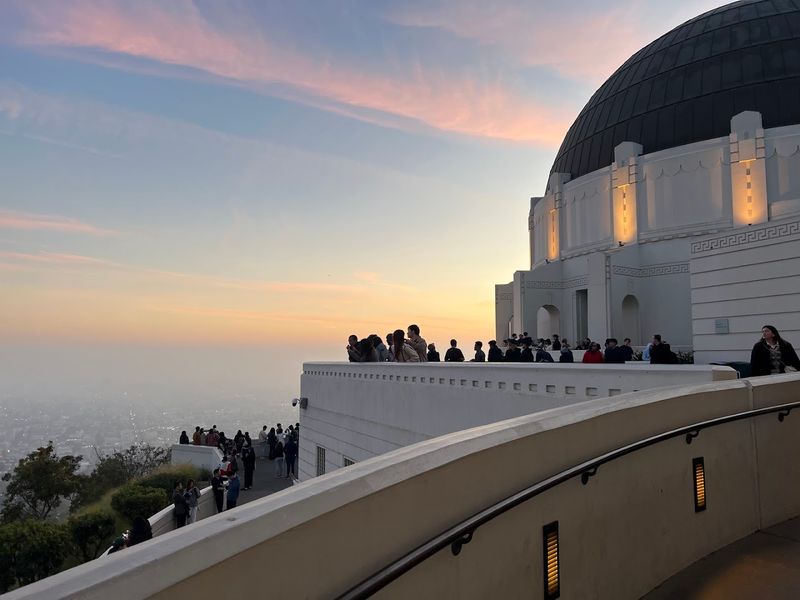
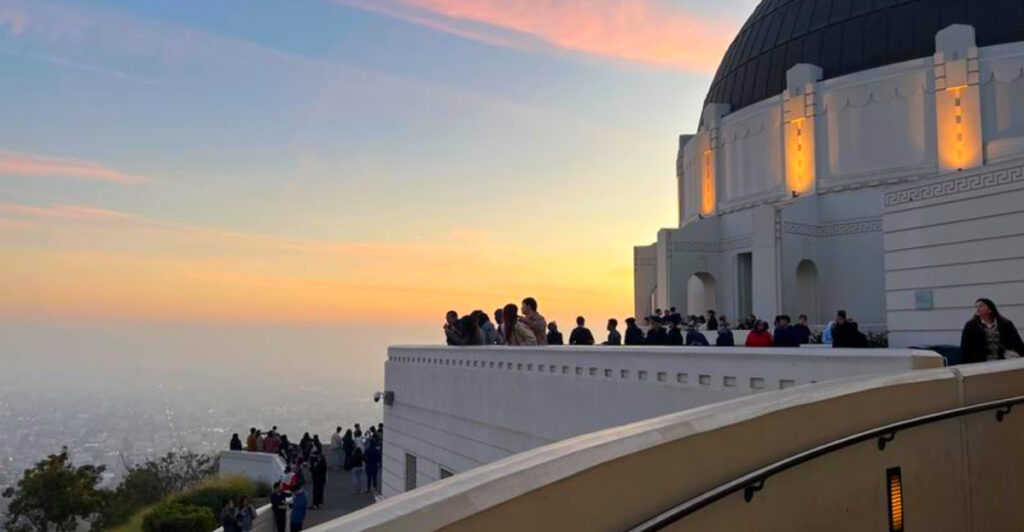
Some buildings become landmarks because of architecture. Griffith Observatory became legendary because it gives visitors one of the best skyline views in America while casually teaching them about space at the same time.
Perched high above the city in Griffith Park, the observatory has overlooked Los Angeles since 1935. The location alone deserves applause.
On clear days, visitors can spot downtown skyscrapers, the Pacific Ocean, and the Hollywood Sign from the surrounding terraces without paying a single admission fee.
Inside, the observatory mixes science exhibits with old-school charm. Massive telescopes, interactive displays, and the famous Foucault pendulum turn astronomy into something far more entertaining than most people expected during high school science class.
The Samuel Oschin Planetarium remains one of the building’s biggest draws, featuring immersive shows that somehow make outer space feel both enormous and oddly personal.
Hollywood also loves the observatory almost as much as tourists do. Films like Rebel Without a Cause, La La Land, and countless television shows helped cement the building’s pop-culture status over the decades.
6. Venice Beach
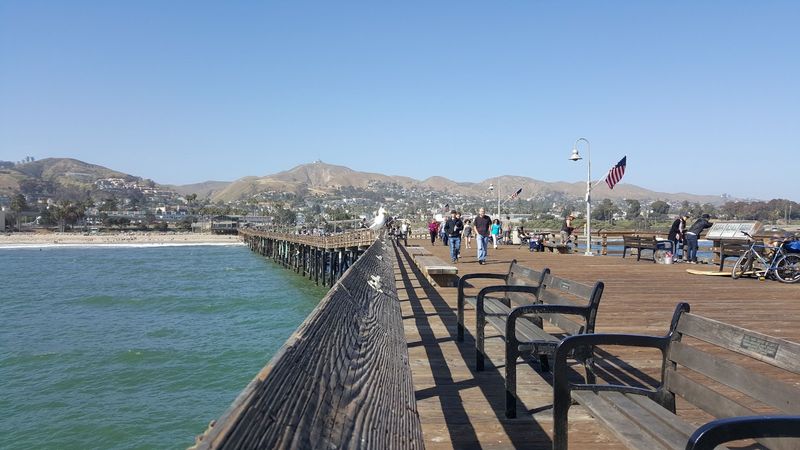
Muscle Beach bodybuilders, skateboarders, street performers, artists, and tourists somehow coexist along Venice Beach like participants in a very unofficial parade that never ends.
The Venice Boardwalk remains one of Los Angeles’ most unpredictable attractions. Vendors sell artwork beside tarot readers while basketball games unfold near outdoor gyms where fitness enthusiasts continue lifting weights with the confidence of action movie stars.
The people-watching alone deserves its own travel rating system.
Originally developed by tobacco millionaire Abbot Kinney in the early twentieth century, Venice aimed to recreate the atmosphere of Venice, Italy. The canals still exist in quieter residential sections nearby, though the boardwalk evolved into something much more distinctly Southern Californian over time.
Skateboarding culture plays a huge role here too. The Venice Skatepark attracts talented skaters performing tricks beside the ocean while crowds gather around the edges pretending they definitely could have landed that jump themselves.
7. The Hollywood Sign
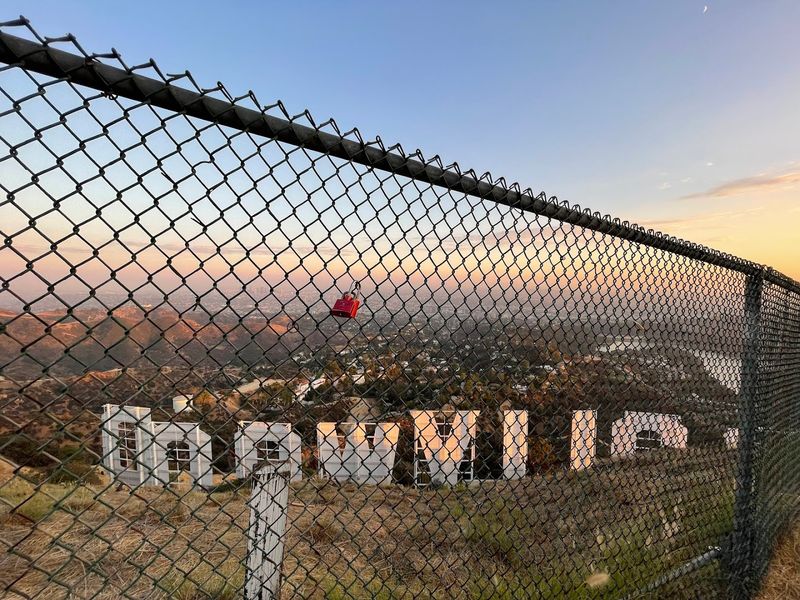
Nine giant white letters somehow became one of the world’s most recognizable symbols. The Hollywood Sign started as a temporary real estate advertisement in 1923 and accidentally turned into an international icon with far greater career longevity than anyone expected.
Originally reading “Hollywoodland,” the sign promoted a housing development in the hills above Los Angeles. Over time, the final four letters disappeared, but the remaining sign gained legendary status thanks to decades of film appearances, celebrity culture, and tourism.
Visitors cannot walk directly up to the sign itself without restrictions, which has not stopped millions of people from trying to find increasingly creative photo angles around the city. Griffith Park offers several excellent viewpoints, while hiking trails in the Hollywood Hills bring visitors closer to the landmark without actually touching it.
8. Rodeo Drive
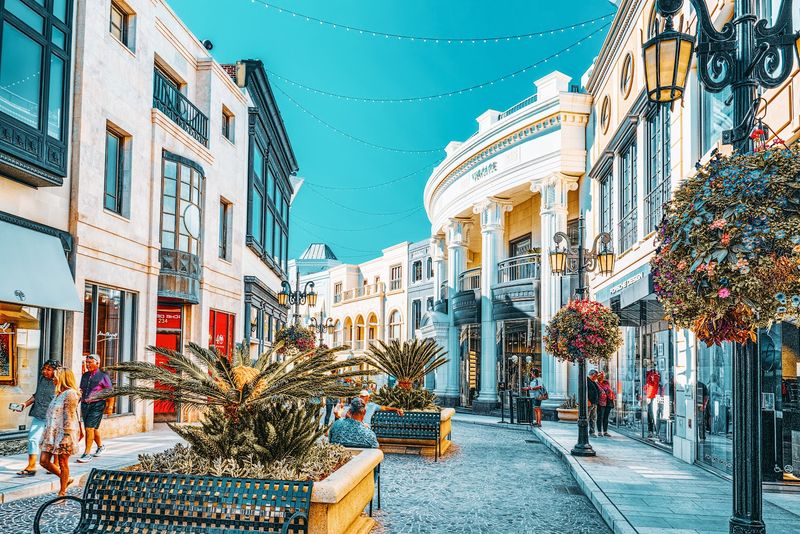
Luxury shopping reaches Olympic levels on Rodeo Drive, where designer storefronts line perfectly manicured streets and parked sports cars occasionally attract as much attention as the merchandise itself.
Located in Beverly Hills, Rodeo Drive became globally famous through movies, celebrity culture, and decades of high-end fashion branding. Visitors arrive hoping to spot famous faces, admire extravagant window displays, or briefly pretend they might casually purchase a watch priced like a suburban home.
The street itself remains remarkably compact considering its international reputation. Palm trees, polished storefronts, and spotless sidewalks create an environment that feels intentionally curated down to the smallest detail.
Even people with zero interest in shopping usually stop by simply because Rodeo Drive represents a certain version of Los Angeles fantasy.
Films like Pretty Woman permanently boosted the street’s fame, turning it into shorthand for luxury and celebrity lifestyles. High-end boutiques from brands like Gucci, Chanel, and Louis Vuitton dominate the area, while luxury hotels nearby continue the atmosphere.
9. Dodger Stadium
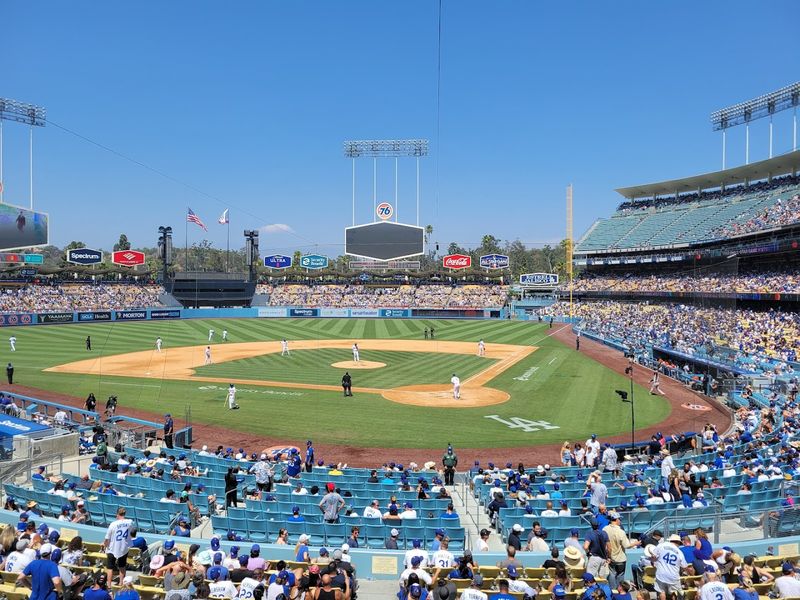
Baseball stadiums often become landmarks, but Dodger Stadium feels more like a city institution with a scoreboard attached. Opened in 1962, it remains one of Major League Baseball’s most iconic venues and continues drawing massive crowds every season.
Built into the hills overlooking downtown Los Angeles, the stadium offers surprisingly scenic views beyond the outfield. Sunset games become especially popular as the sky changes color behind palm trees and city lights gradually appear below.
Dodgers fans also bring enormous energy to the experience. Generations of Angelenos have grown up attending games here, and the atmosphere ranges from deeply loyal to wonderfully dramatic depending on the inning.
Few crowds react to baseball with more emotional commitment.
The stadium itself has maintained much of its mid-century design while receiving modern upgrades over the years. Bright seat colors, open-air layouts, and classic signage preserve its retro charm without making it feel outdated.
10. The Griffith Park Trails
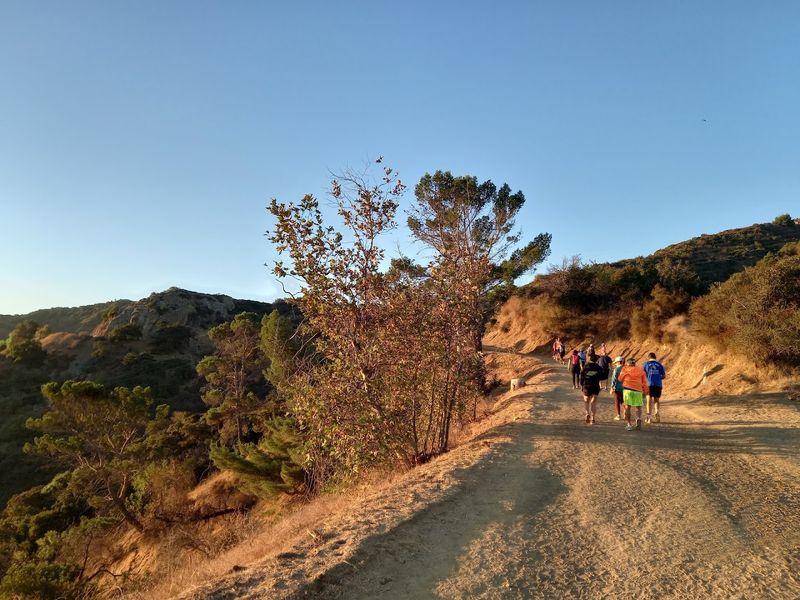
One of America’s largest urban parks sits right in the middle of Los Angeles quietly reminding residents that nature still exists beyond traffic reports and studio lots.
Griffith Park covers more than 4,000 acres and contains hiking trails, picnic areas, museums, golf courses, horseback riding paths, and scenic overlooks spread across rugged hills. Many visitors arrive for the Hollywood Sign views, then realize the park itself deserves far more attention.
Trails range from casual walks to steep climbs that quickly expose who underestimated Southern California heat. Routes leading toward Mount Hollywood and the Griffith Observatory remain especially popular because they combine exercise with sweeping city views.
Wildlife surprises many first-time visitors too. Coyotes, hawks, deer, and even occasional mountain lions inhabit sections of the park despite the surrounding urban sprawl.
Los Angeles truly enjoys keeping people guessing.
11. LACMA
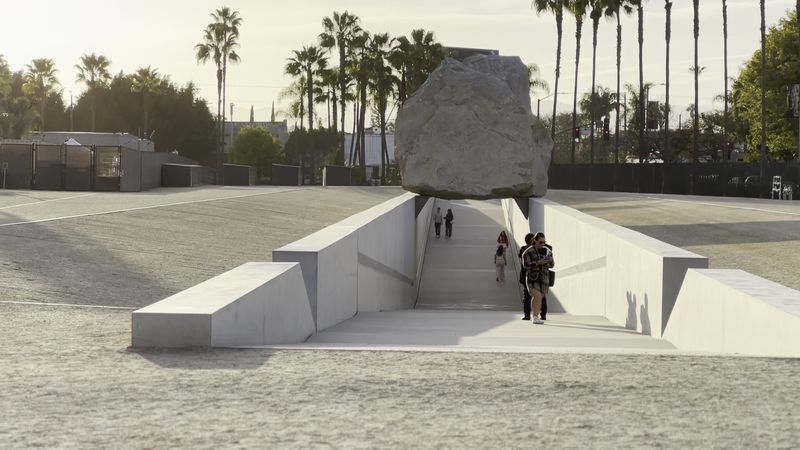
Streetlights became one of Los Angeles’ most photographed attractions thanks to LACMA, which somehow turned vintage lamps into an international selfie destination.
The Los Angeles County Museum of Art stands as the largest art museum in the western United States, housing collections spanning centuries and cultures. Yet for many visitors, Chris Burden’s “Urban Light” installation outside the museum serves as the first major attraction.
The installation features more than 200 restored cast-iron street lamps arranged in neat rows, creating one of the city’s most recognizable public art displays. Day or night, crowds gather constantly to photograph it from every possible angle.
Inside, LACMA offers an enormous range of exhibits covering everything from ancient artifacts to contemporary installations. Rotating exhibitions ensure repeat visitors rarely encounter the exact same museum twice.
12. La Brea Tar Pits
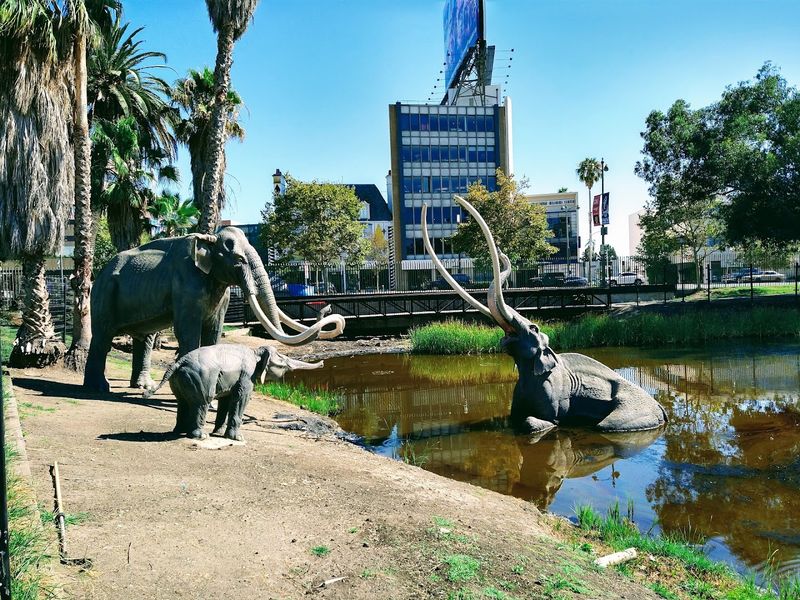
Nothing says “welcome to Los Angeles” quite like prehistoric fossils bubbling up beside busy city streets. The La Brea Tar Pits remain one of the strangest and most fascinating attractions in Southern California precisely because they sound completely made up.
Located in the middle of modern Los Angeles, the site contains natural asphalt pits that trapped animals for tens of thousands of years. Scientists later uncovered massive numbers of fossils including mammoths, saber-toothed cats, dire wolves, and giant sloths.
Apparently prehistoric Los Angeles was having an extremely intense time.
Excavation work continues today, giving visitors opportunities to watch paleontologists actively cleaning and studying fossils in real laboratories. The adjacent museum displays skeletons and recreated prehistoric scenes that help explain how the region looked long before freeways appeared.
Outdoor exhibits add another layer to the experience. Bubbling tar pits, life-sized mammoth statues, and fenced excavation zones create a setting that feels oddly surreal against the backdrop of nearby office buildings and traffic.
Share this story