 Unearth The Voyage
Global travel has fully rebounded, and some destinations are growing faster than anyone expected. Recent data from UN Tourism shows a clear shift: travelers are skipping the usual hotspots and heading to emerging, affordable, and less crowded places instead.
From ancient desert kingdoms to tiny European gems, these spots are seeing double-digit jumps in visitors and serious global buzz. Here are 13 destinations around the world experiencing explosive tourism growth right now.
Japan
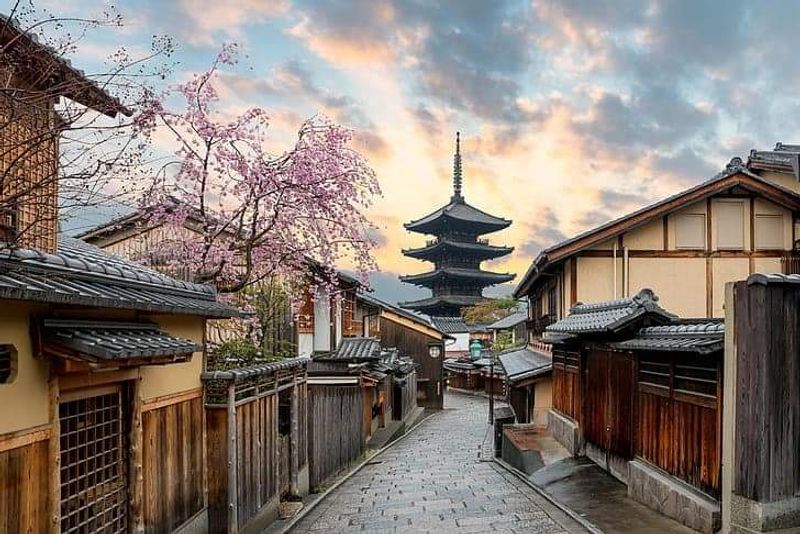
Japan is having an absolute moment right now, and honestly, it has earned every bit of the hype. International arrivals jumped around 17% year-over-year, making it one of the fastest-rebounding destinations on the planet.
A weaker yen means your travel budget stretches surprisingly far here.
Tokyo dazzles with its neon-lit streets, world-class sushi, and quirky pop culture around every corner. Kyoto offers bamboo forests, ancient temples, and tea ceremonies that feel like stepping into another century.
Osaka is pure food paradise, where locals say you will eat until you genuinely cannot move.
Beyond the big three cities, lesser-known regions like Tohoku and Hokkaido are quietly stealing hearts. Hokkaido alone offers ski resorts, lavender fields, and seafood that rivals anything in the world.
Japan blends tradition and modernity so effortlessly that first-time visitors almost always book a return trip before they even land back home. Spring cherry blossom season and autumn foliage are peak travel times, so book accommodations months ahead to avoid disappointment.
Iceland
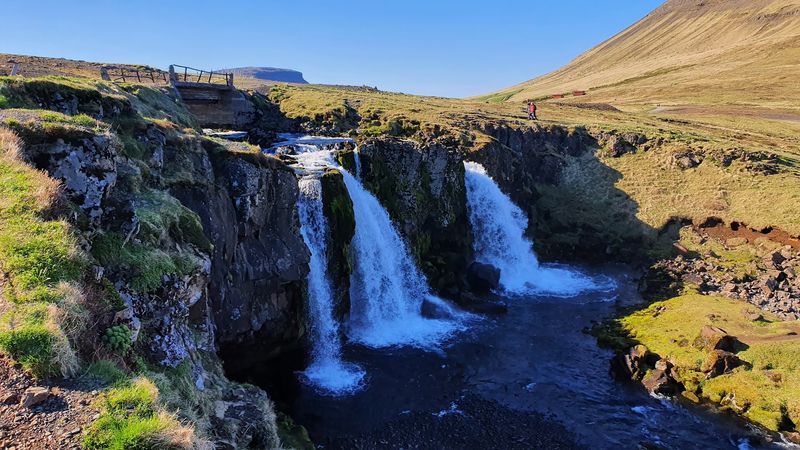
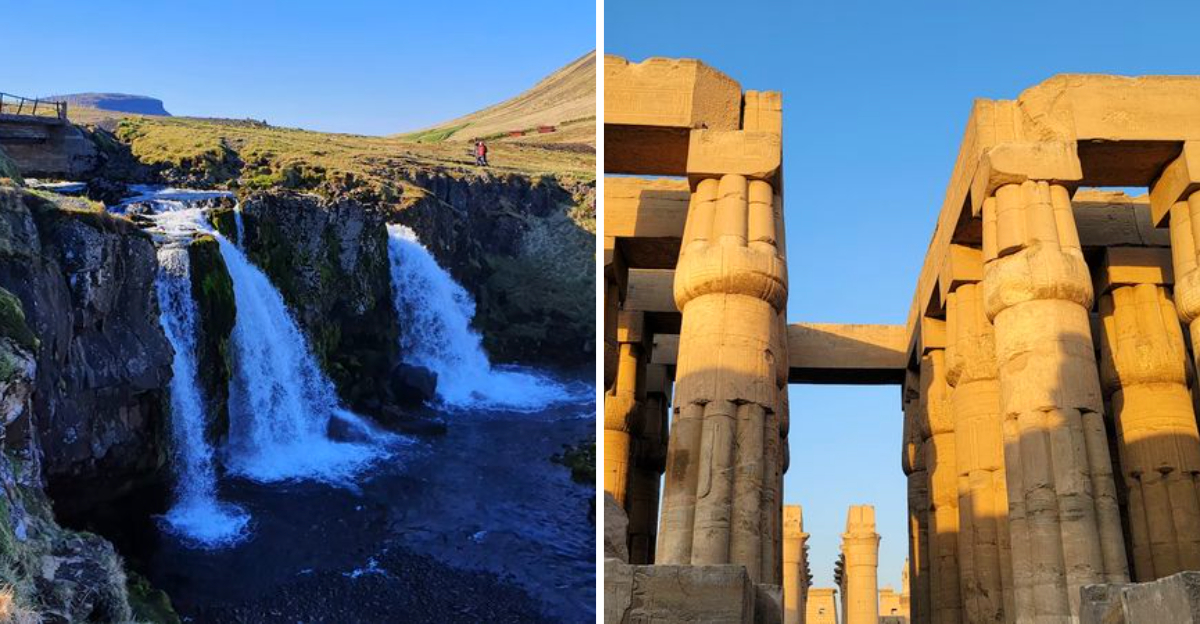
Standing on a glacier while a volcano smolders nearby is not something most people get to say, but in Iceland, that is just a Tuesday. This small North Atlantic island has been drawing record visitor numbers, driven largely by its jaw-dropping natural scenery that looks almost too dramatic to be real.
Improved flight connections from North America and Europe have made Iceland far more accessible than it used to be. Budget airlines now offer direct routes into Reykjavik, meaning a spontaneous long weekend trip is genuinely possible.
That accessibility has been a game-changer for tourism growth.
The Golden Circle route hits three major attractions in one day: the Geysir geothermal area, Gullfoss waterfall, and Thingvellir National Park. Whale watching tours, ice cave adventures, and midnight sun hikes in summer round out an extraordinary menu of experiences.
Winter visitors chase the Northern Lights, while summer travelers enjoy nearly 24 hours of daylight. Pack layers regardless of when you visit because Icelandic weather has a well-known habit of changing four times before lunch.
Egypt
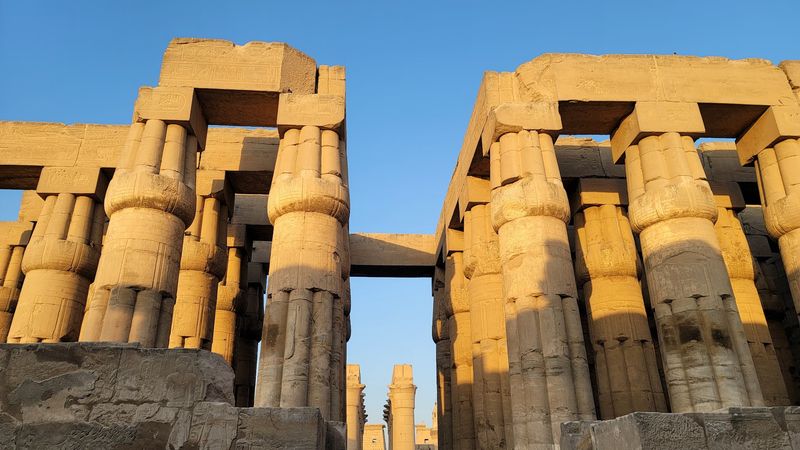
Few places on Earth carry the weight of history quite like Egypt, where monuments built thousands of years ago still stand tall enough to make your jaw drop on arrival. Tourism here has surged with double-digit growth in recent years, fueled by renewed global fascination and some seriously smart infrastructure investment.
The long-awaited Grand Egyptian Museum near Giza opened its doors and immediately became a must-visit, housing the largest collection of ancient Egyptian artifacts anywhere in the world. Tutankhamun’s treasures alone are worth the flight.
Restored temples along the Nile have also brought fresh excitement to river cruise itineraries.
Beyond the pyramids, the Red Sea coast at Hurghada and Sharm el-Sheikh offers world-class diving and snorkeling at surprisingly affordable prices. Luxor is often called the world’s greatest open-air museum, and that title is well deserved.
Cairo’s chaotic, colorful energy is an experience all on its own. The Egyptian government has actively worked to improve tourist safety and streamline visa processes, making the country easier and more welcoming to visit than it has been in over a decade.
Azerbaijan
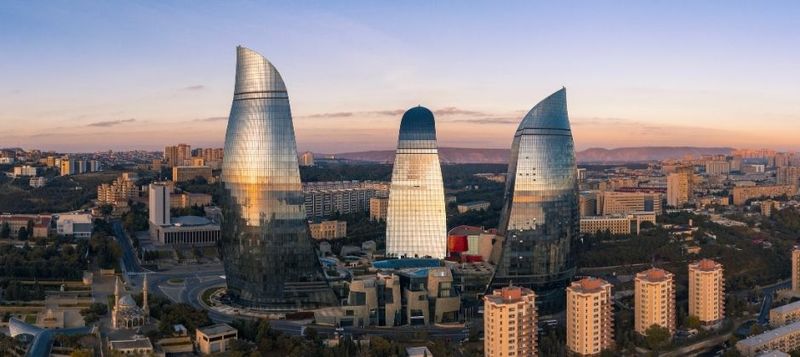
Not many countries can say their capital looks like a futuristic sci-fi set while also having a medieval walled city right next door, but Baku pulls it off without breaking a sweat. Azerbaijan saw air bookings jump over 25%, placing it firmly among the fastest-growing destinations on the global travel radar.
The Flame Towers, three skyscrapers shaped like fire and lit up brilliantly at night, have become one of the most photographed skylines in the world. The old city, known as Icherisheher, is a UNESCO World Heritage Site packed with mosques, caravanserais, and centuries of layered history.
Walking between the two feels genuinely surreal.
Azerbaijan sits at the crossroads of Europe and Asia, giving its culture, food, and architecture a fascinating blend unlike anywhere else. Azerbaijani cuisine features fragrant rice dishes, pomegranate-infused sauces, and grilled meats that will have you rethinking your lunch priorities immediately.
Outside Baku, the mud volcanoes of Gobustan and the fire-burning hillside of Yanar Dag add some truly bizarre natural attractions to the mix. Visa-on-arrival availability for many nationalities has made spontaneous visits much easier in recent years.
Saudi Arabia
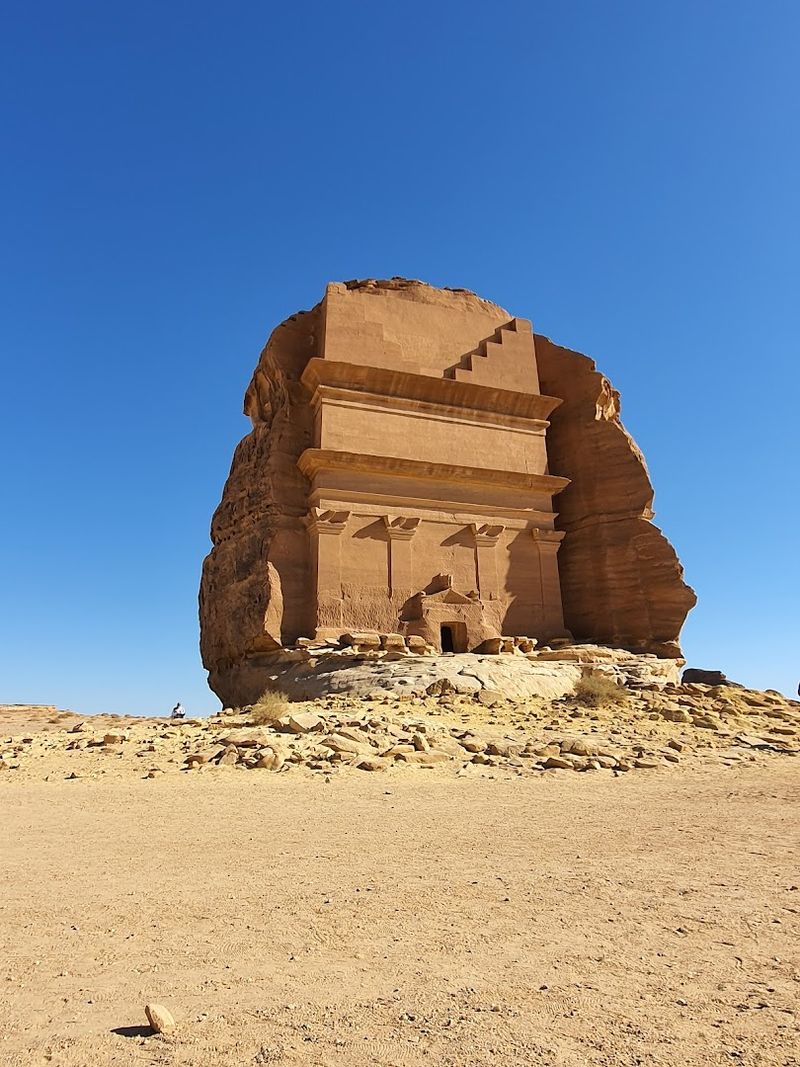
Saudi Arabia was essentially off-limits to international tourists just a few years ago, which makes its current tourism explosion all the more remarkable. Arrivals have grown by over 100% since the country opened its doors to leisure travelers, a transformation that has genuinely surprised the global travel industry.
AlUla is the headline attraction right now, an ancient desert landscape filled with Nabataean tombs, dramatic sandstone formations, and ruins that rival Petra in Jordan for sheer wow factor. The site is still relatively uncrowded compared to other ancient wonders, making it feel like a genuine discovery.
Luxury desert camps and boutique resorts have popped up nearby to welcome visitors in serious style.
Riyadh has invested heavily in entertainment, museums, and dining experiences to become a proper city destination. The Red Sea coast is being developed into a world-class resort area with pristine coral reefs and clear turquoise water.
NEOM and other futuristic mega-projects are generating global curiosity even before they fully open. Saudi Arabia’s tourism push is ambitious, well-funded, and moving fast.
For travelers who enjoy being early to a destination before it becomes mainstream, right now is an ideal time to visit.
Albania
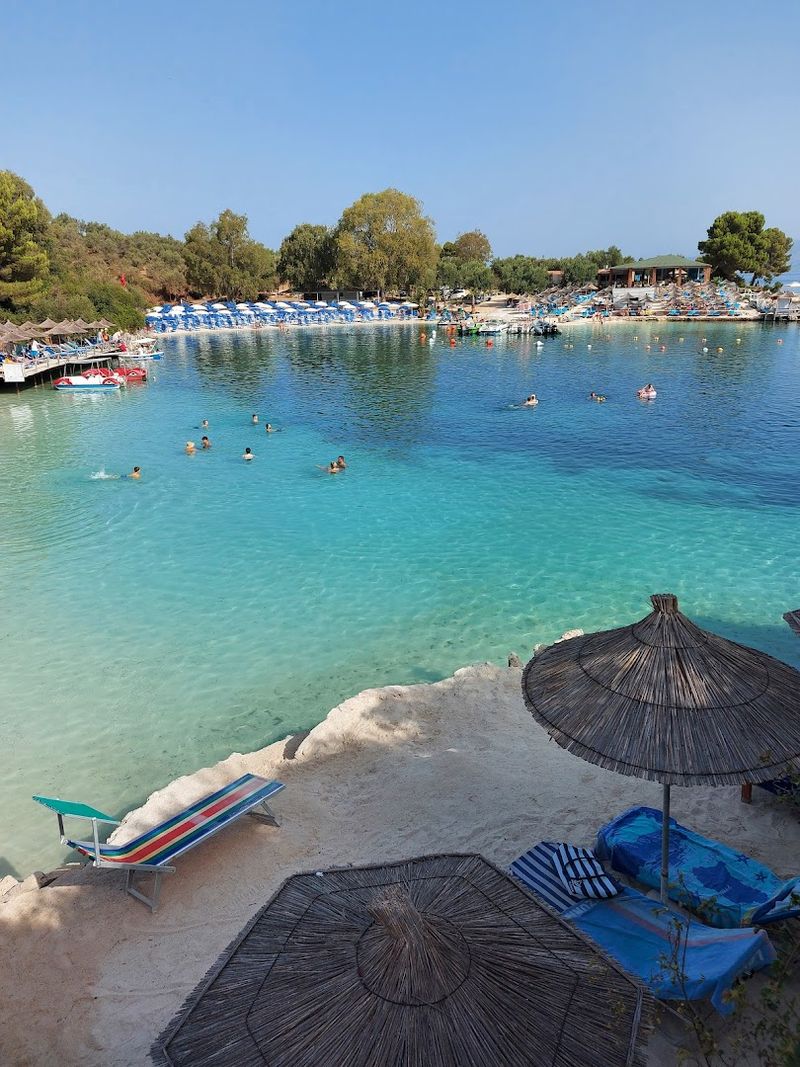
Somewhere between Greece and Croatia, a little country called Albania has been quietly building one of Europe’s most exciting travel reputations. Tourism numbers have climbed dramatically, and the secret is getting out fast among budget-savvy and adventure-hungry travelers alike.
The Albanian Riviera stretches along the Ionian coast with beaches so clear and blue they look digitally enhanced in photos. Spots like Ksamil and Himara offer the kind of Mediterranean beauty that other countries charge a fortune for, at prices that feel almost suspiciously low.
A decent meal with drinks rarely costs more than a few dollars even at beachside restaurants.
Inland, the city of Gjirokaster is a UNESCO-listed Ottoman-era town that most tourists have never heard of, which is exactly why it is worth visiting. The capital Tirana has transformed into a lively, colorful city with a booming cafe culture and growing art scene.
Albania’s history is fascinating, complex, and largely unexplored by mainstream tourism, which adds an extra layer of intrigue to every visit. Getting there is becoming easier as more European airlines add routes, so catching this destination before the crowds fully arrive is still very much possible.
Morocco
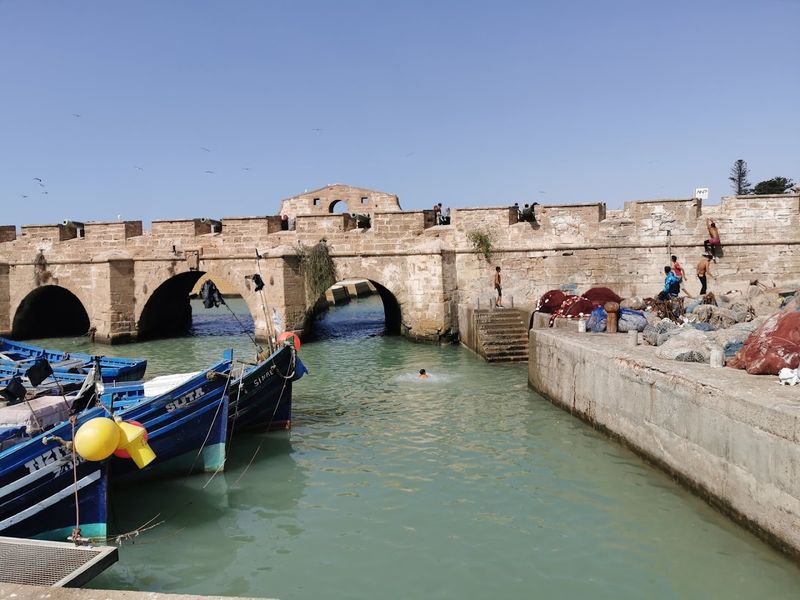
The smell of cumin, rose water, and fresh mint tea hits you the moment you step into a Moroccan medina, and from that point forward, Morocco has you completely. Tourism here continues to grow strongly, powered by a combination of sensory richness, cultural depth, and landscapes that shift from desert to mountain to ocean within a single road trip.
Marrakech remains the country’s most visited city, drawing visitors with its chaotic Djemaa el-Fna square, labyrinthine souks, and rooftop riads that offer a peaceful escape from the buzz below. Fez takes things even deeper into history with the world’s oldest functioning university and a medina so ancient and maze-like that getting lost is basically part of the itinerary.
The Sahara Desert near Merzouga is a bucket-list experience, with camel treks and overnight stays in luxury desert camps under skies absolutely packed with stars. Chefchaouen, the famous blue-painted mountain town, has become a social media phenomenon that actually looks even better in person.
Morocco’s food scene deserves its own article entirely, from slow-cooked tagines to honey-drenched pastilla pastries. Direct flights from Europe, North America, and beyond keep visitor access growing year after year.
Qatar (Doha)
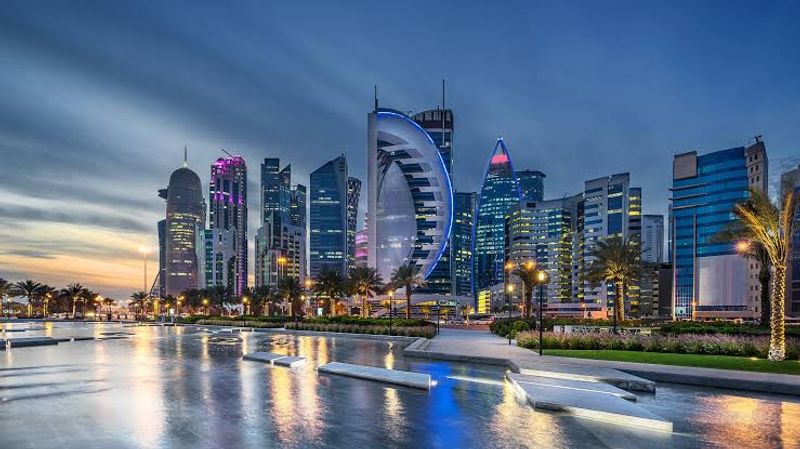
Before 2022, most people outside the Middle East could not have pointed to Qatar on a map without a little help. Then the FIFA World Cup arrived, and suddenly Doha was everywhere.
Visitor numbers have kept climbing well past the tournament, proving that Qatar’s tourism appeal goes far beyond a single sporting event.
The Museum of Islamic Art is one of the most stunning museum buildings on the planet, sitting elegantly on its own peninsula jutting into the Doha Corniche. Inside, its collection covers 1,400 years of Islamic civilization across three continents.
Nearby, the National Museum of Qatar, shaped like a desert rose, is equally breathtaking inside and out.
Souq Waqif is the old market district where you can browse spices, falconry equipment, and traditional textiles while sipping strong Arabic coffee. The food scene in Doha is genuinely world-class, with restaurants representing nearly every cuisine on Earth.
Desert safaris into the surrounding dunes offer a dramatic contrast to the city’s polished skyline. Qatar’s tax-free shopping, safety record, and efficient infrastructure make it one of the most comfortable destinations in the region.
Qatar Airways connecting flights also make Doha a natural stopover worth extending into a proper stay.
Georgia (Tbilisi)
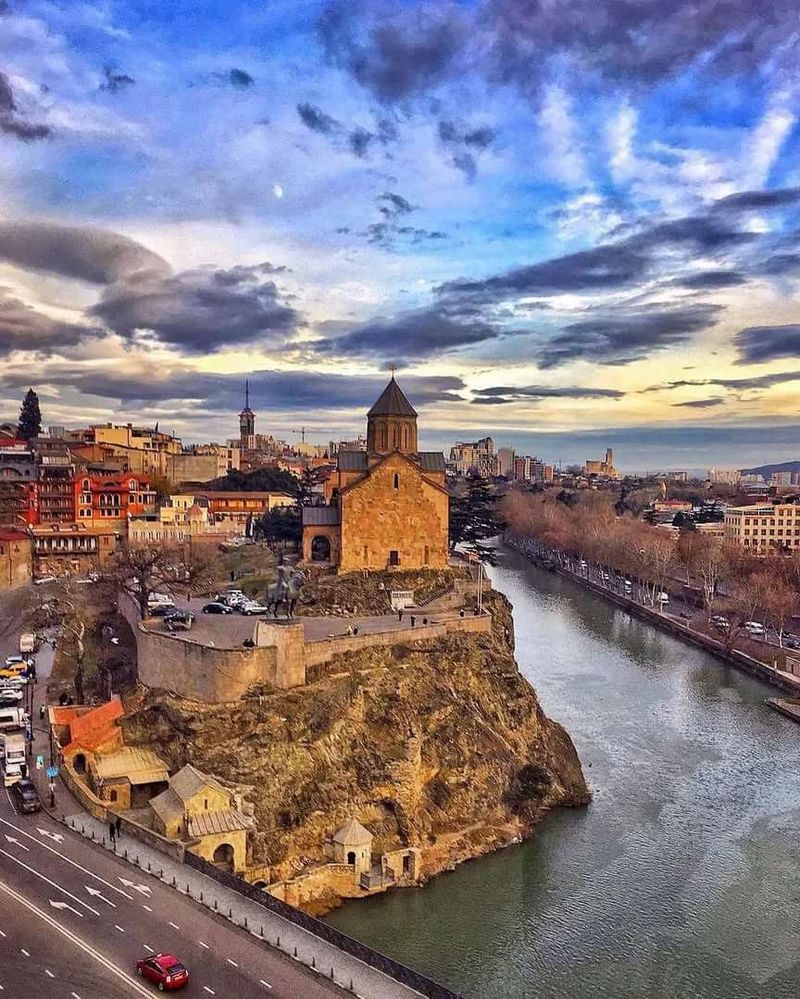
Tbilisi has a magnetic quality that is genuinely hard to explain until you have sat on a rickety wooden balcony eating churchkhela and watching the city glow at sunset. Georgia’s capital has become one of the most talked-about emerging destinations in Europe, and the people who have been going for years are slightly annoyed the secret is out.
The old town, called Kala, is a wonderfully chaotic mix of crumbling Soviet architecture, ornate wooden balconies, and ancient churches that date back to the fifth century. The sulfuric hot spring bathhouses in the Abanotubani district have been in operation for centuries and remain one of the city’s most beloved experiences.
A soak in one costs almost nothing and feels like a genuine local ritual.
Georgian cuisine is one of the most underrated food traditions in the world. Khachapuri, a cheese-filled bread boat with an egg cracked on top, should be listed as a travel destination on its own.
Natural wine from the Kakheti region has developed a serious international following among sommeliers and food lovers. Beyond Tbilisi, the Caucasus Mountains offer dramatic hiking, ancient monasteries, and ski resorts that are still blissfully uncrowded.
Affordability remains one of Georgia’s biggest draws for international visitors.
Kazakhstan
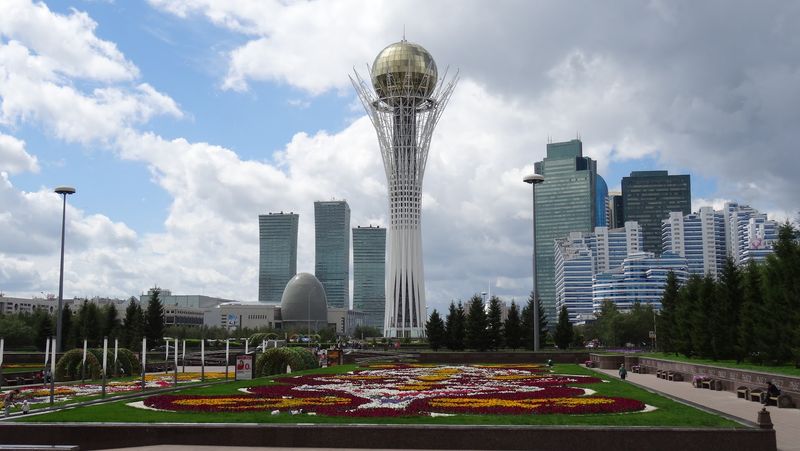
Kazakhstan is the kind of place that makes you feel like a genuine explorer, the sort of traveler who goes somewhere before it shows up on anyone else’s radar. The country covers a territory larger than Western Europe, offering landscapes that range from endless golden steppe to soaring mountain peaks to bizarre chalk formations that look like something from another planet.
Almaty, the former capital and largest city, sits dramatically at the foot of the Tian Shan mountains with ski resorts accessible in under an hour from the city center. The Big Almaty Lake, a vivid turquoise glacial lake high in the mountains above the city, is one of Central Asia’s most photogenic spots.
Charyn Canyon, often compared to the Grand Canyon, is a jaw-dropping natural wonder that most Western travelers have never heard of.
The new capital Astana, recently renamed from Nur-Sultan, is an architectural spectacle of futuristic towers and sweeping plazas that feels like a city from a science fiction novel. Traditional nomadic culture, including eagle hunting festivals and yurt stays on the steppe, gives Kazakhstan an experiential depth that adventurous travelers find irresistible.
Improving flight connections and a streamlined e-visa process are making this vast frontier increasingly easy to reach.
El Salvador
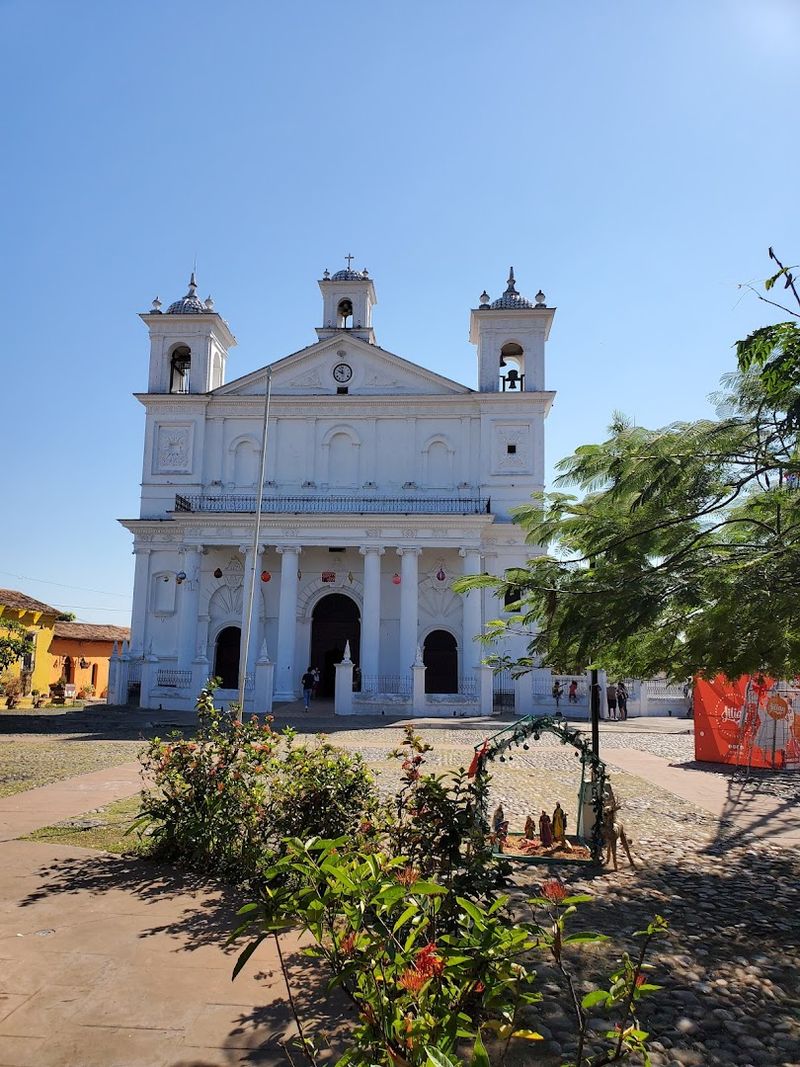
El Salvador is the smallest country in Central America, and for a long time that was about all most travelers knew about it. That story has changed dramatically.
Visitor numbers have risen sharply as the country has undergone a remarkable transformation in safety, infrastructure, and international reputation over the past few years.
The surf scene along the Pacific coast, particularly at El Tunco and El Zonte, has become genuinely world-famous. El Zonte earned the nickname Bitcoin Beach after becoming one of the first communities in the world to adopt cryptocurrency for everyday transactions, drawing a curious mix of surfers, tech enthusiasts, and digital nomads.
The waves here are consistently excellent and the beach towns have a laid-back, welcoming energy.
Inland, Ruta de las Flores winds through coffee-growing highlands and colorful colonial towns that feel untouched by mass tourism. The archaeological site of Joya de Ceren, a pre-Columbian village preserved under volcanic ash, is sometimes called the Pompeii of the Americas.
Pupusas, thick handmade corn tortillas stuffed with cheese and beans, are El Salvador’s national dish and genuinely one of the most satisfying foods in all of Latin America. Budget travelers will find their money goes remarkably far here.
Rwanda (Kigali)
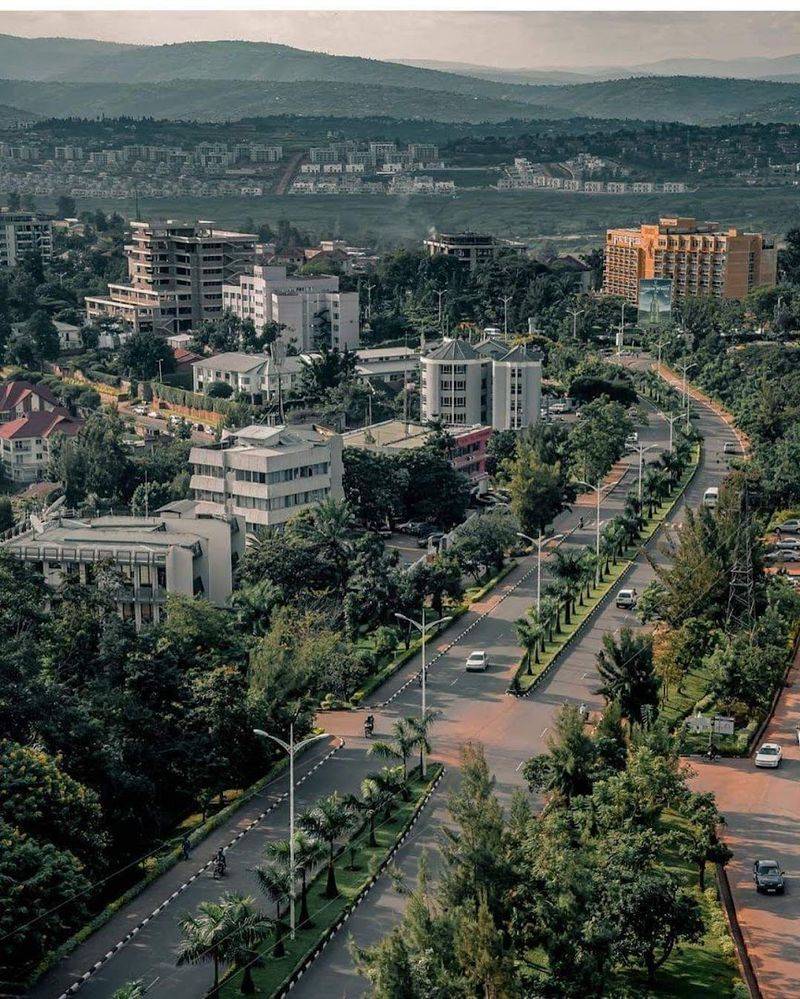
Rwanda is one of those destinations that completely rewrites your expectations the moment you arrive. Kigali is regularly ranked among the cleanest and safest cities in Africa, and the national pride visible in its well-maintained streets, blooming gardens, and friendly residents is immediately striking to first-time visitors.
Gorilla trekking in Volcanoes National Park is the headline experience, and it lives up to every bit of its legendary reputation. Spending an hour with a wild mountain gorilla family in the misty highland jungle is the kind of encounter that people describe as life-changing without any exaggeration.
Permits cost around $1,500 per person, but that fee directly funds conservation efforts that have helped mountain gorilla populations recover significantly.
Beyond gorillas, Nyungwe Forest National Park offers chimpanzee tracking and a thrilling canopy walkway suspended high above the rainforest floor. Lake Kivu along the western border is a stunning freshwater lake perfect for kayaking and sunset boat cruises.
Kigali’s culinary scene has grown impressively, with rooftop restaurants, specialty coffee shops, and international dining options spread across the hilly city. Rwanda’s commitment to sustainable and eco-conscious tourism is setting a standard that many other African nations are actively looking to replicate.



