Some cities are so good, a weekend feels like a cruel joke. You barely scratch the surface before you’re packing your bags and wishing you had booked a full week.
From mountain towns packed with art studios to coastal gems dripping with history, the U.S. is loaded with places that reward the slower traveler. These 12 cities are calling your name, and trust me, they deserve way more than 48 hours.
Asheville, North Carolina
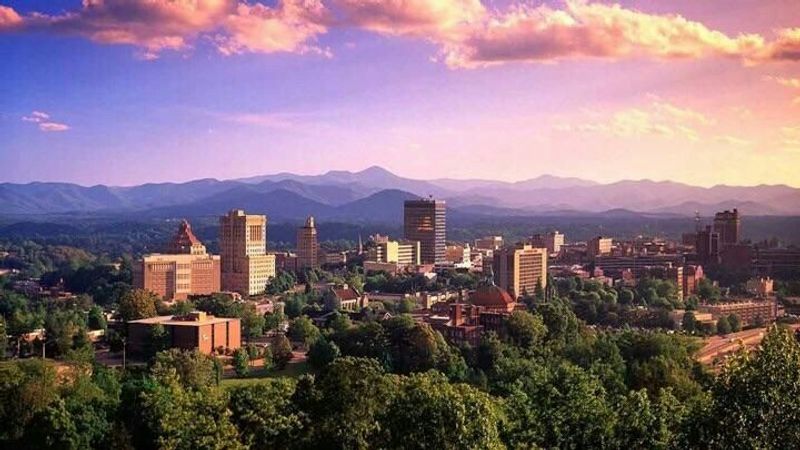
Asheville has a way of making you feel like you accidentally stumbled into the coolest neighborhood on Earth. Nestled in the Blue Ridge Mountains, this city blends outdoor adventure with a thriving arts scene that would make any big city jealous.
Street murals compete with mountain views for your attention, and honestly, both win.
The food scene here is no joke. Asheville boasts more breweries per capita than almost anywhere in the country, and the farm-to-table restaurants are genuinely outstanding.
I spent three days here once and barely made a dent in my list of places to eat.
The Biltmore Estate alone could eat up an entire day. Add River Arts District studio hops, hiking trails on the Parkway, and live music spilling out of every bar on Friday night.
One weekend is basically a warm-up. Plan for at least five days.
Savannah, Georgia
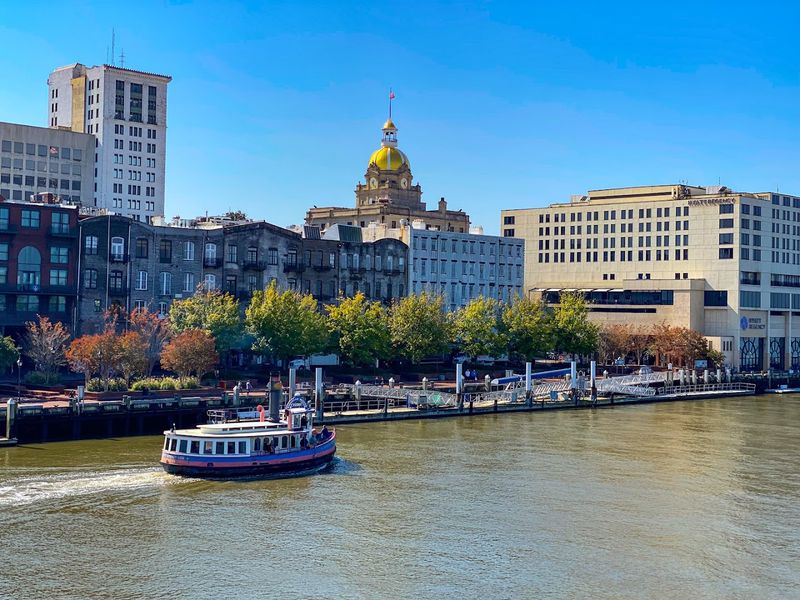
Savannah moves at its own pace, and once you arrive, you will want to match it immediately. The city is built around 22 gorgeous public squares, each shaded by ancient live oaks dripping with Spanish moss.
Walking between them feels like flipping through a very beautiful history book.
The historic district is remarkably walkable, which is great because you will want to wander without a plan. Grab a drink in a to-go cup, which is perfectly legal here, and just stroll.
Savannah is one of the few cities where getting lost is genuinely rewarding.
Beyond the squares, River Street offers waterfront dining, quirky shops, and a lively bar scene that runs late. The ghost tours are legitimately spooky and wildly entertaining.
Forsyth Park is a must on any morning. A weekend barely covers the highlights, so budget at least four days to do Savannah right.
Santa Fe, New Mexico
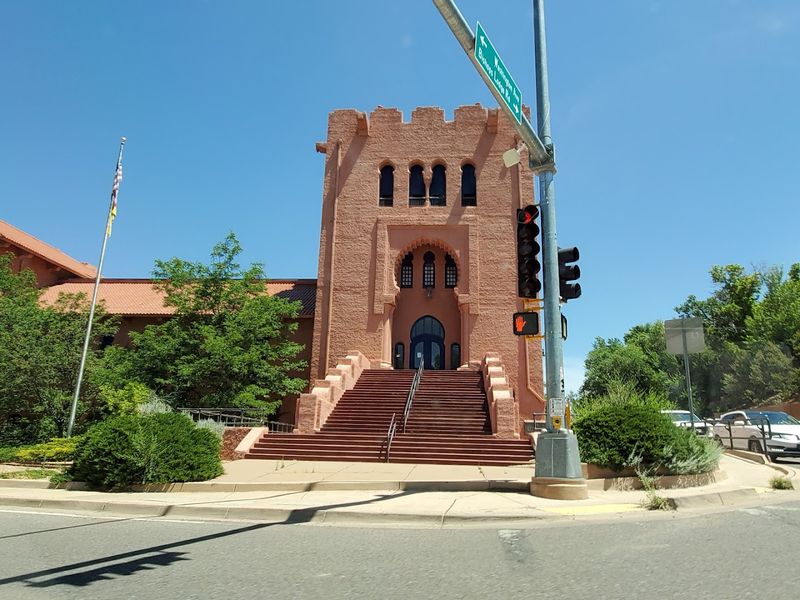
At 7,000 feet above sea level, Santa Fe will literally take your breath away, and not just because of the altitude. The city is the oldest state capital in the U.S., and its adobe architecture looks like it was designed by someone who really, really loved the color terracotta.
Every building feels intentional and ancient.
The art scene here is world-class. Canyon Road alone has more than 100 galleries packed into a single walkable stretch.
The Georgia O’Keeffe Museum is a must, and the New Mexico Museum of Art never disappoints. Foodies should not skip the green chile cheeseburger, a local obsession worth every calorie.
The Santa Fe Farmers Market is one of the best in the country, and the nearby Meow Wolf art installation is genuinely mind-bending. A weekend here feels rushed.
Give yourself a full week and still leave wanting more.
Charleston, South Carolina
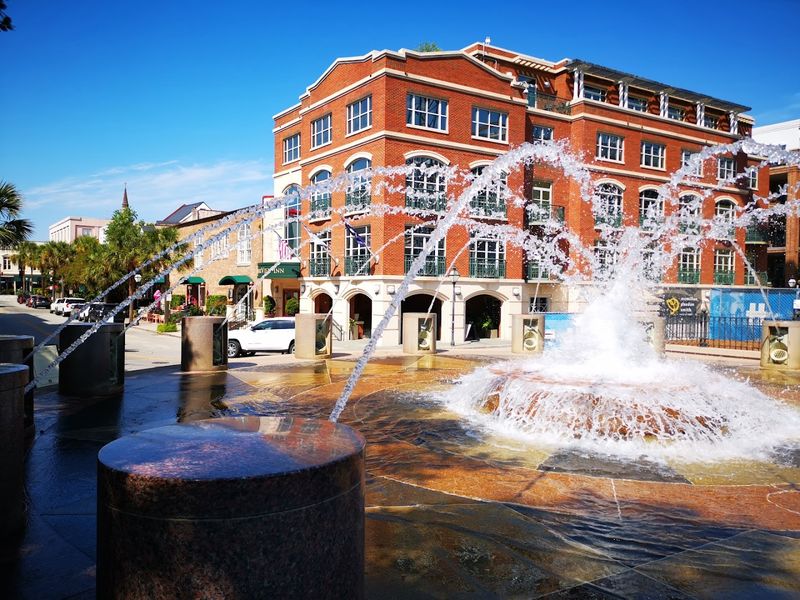
Charleston is the kind of city that makes you want to wear linen and sip sweet tea on a porch for the rest of your life. The pastel-colored homes along Rainbow Row are iconic for good reason.
Every block of the historic district looks like a postcard someone forgot to send.
The food scene in Charleston punches well above its weight. Husk, FIG, and Halls Chophouse are just the beginning of a long, delicious rabbit hole.
Low country cuisine, which features dishes like shrimp and grits and she-crab soup, is a culinary tradition worth studying in depth.
Fort Sumter, the Battery, and the Old Slave Mart Museum all offer important historical context that makes the city feel layered and complex. Day trips to nearby Folly Beach or Middleton Place plantation are worth adding to any itinerary.
Charleston rewards slow travelers who show up curious and hungry.
Providence, Rhode Island
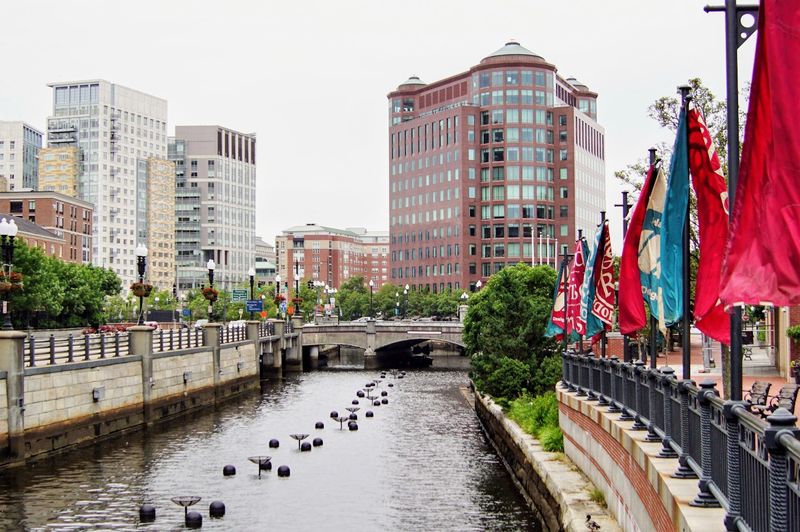
Rhode Island’s capital is wildly underrated, and locals seem perfectly fine keeping it that way. Providence is home to Brown University and the Rhode Island School of Design, which means the city has serious intellectual and creative energy baked right in.
RISD’s museum alone is better than most people expect.
The Federal Hill neighborhood is the city’s Italian-American heart, and the food there is outstanding. Think handmade pasta, cannoli the size of your forearm, and espresso served with zero apology.
I once spent an entire afternoon on Federal Hill and left genuinely happy.
WaterFire, a public art installation where bonfires burn on the river, is one of the most magical urban experiences I have ever had. Benefit Street’s mile of colonial architecture is a genuine architectural gem.
Providence is compact, walkable, and endlessly interesting. Give it four or five days and you will wonder why you ever overlooked it.
Milwaukee, Wisconsin
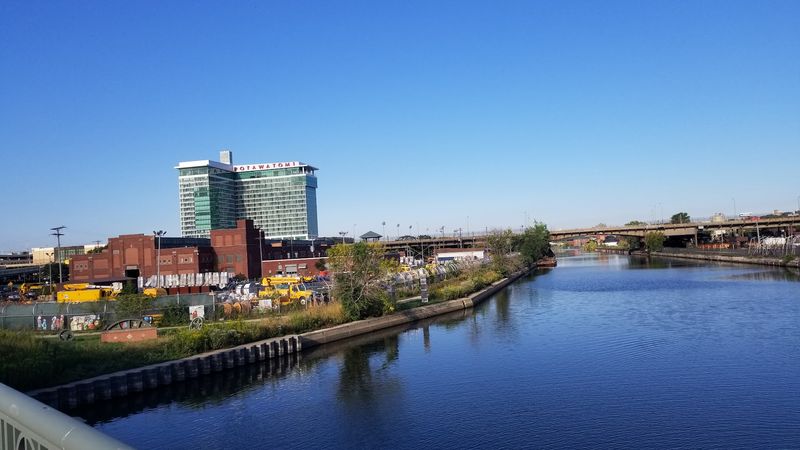
Milwaukee gets unfairly dismissed as just a beer town, which is like calling the Louvre just a building with some paintings. Yes, the brewing heritage here is legendary, but this city has layers that most visitors never bother to explore.
The lakefront alone is worth the trip.
The Milwaukee Art Museum, designed by Santiago Calatrava, has a roofline that opens and closes like giant wings. It sounds dramatic because it is.
The museum’s collection is equally impressive, covering everything from ancient artifacts to contemporary works. Admission is surprisingly affordable for the quality on offer.
Brady Street and the Historic Third Ward neighborhoods offer excellent dining, local boutiques, and a bar scene that runs deep into the night. Summerfest, held every summer, is the world’s largest music festival and draws massive talent.
Harley-Davidson has a museum here worth visiting even if motorcycles are not your thing. Milwaukee earns at least five full days.
Tucson, Arizona
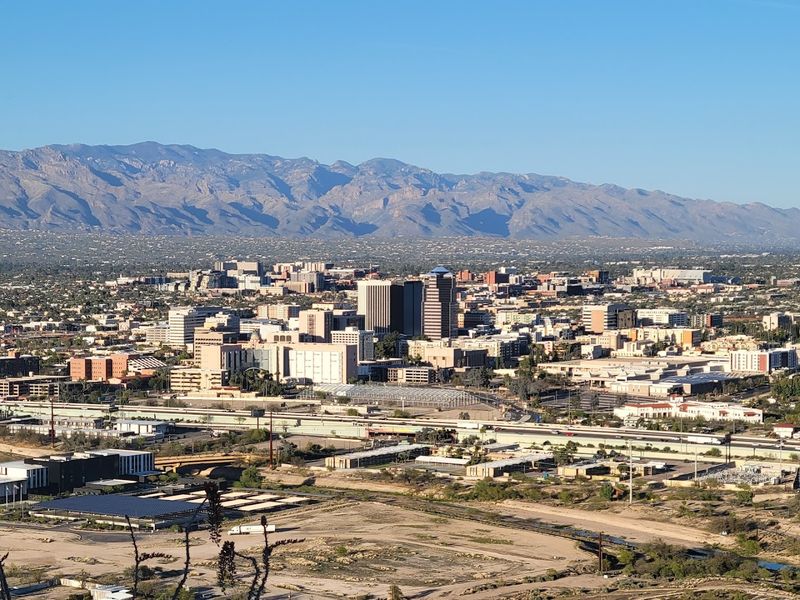
Tucson is the kind of place that sneaks up on you. The desert landscape looks harsh at first, but spend a day hiking through Saguaro National Park and you will start to understand why people fall hard for this city.
Those giant saguaro cacti have been growing for over 150 years, which puts a lot of things in perspective.
The food scene in Tucson is seriously underrated. The city holds a UNESCO Creative City of Gastronomy designation, making it the first U.S. city to earn that honor.
The Sonoran-style Mexican food here is genuinely different from anything you will find elsewhere. Do not skip the carne seca or the Sonoran hot dog.
The University of Arizona campus is beautiful and walkable, and the surrounding 4th Avenue district is packed with indie shops and eclectic bars. Mount Lemmon offers a surprising escape into pine forests just an hour from downtown.
Tucson deserves a solid week.
San Antonio, Texas
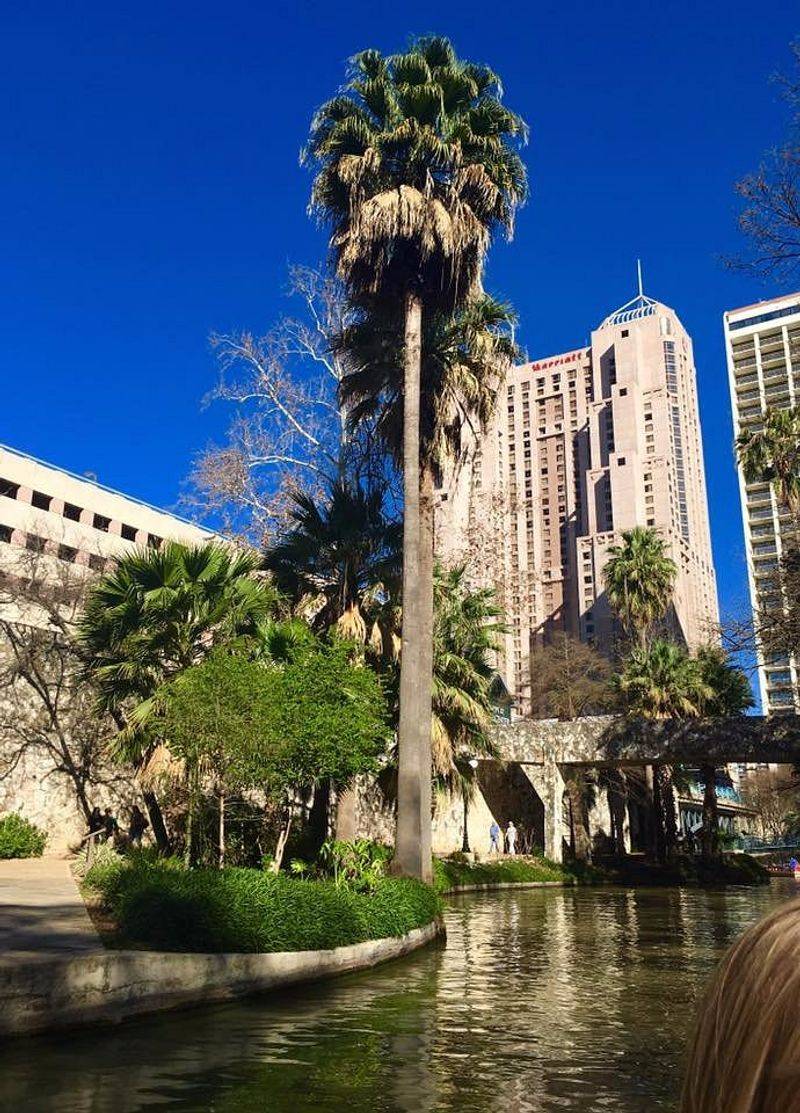
San Antonio is Texas’s most historically rich city, and the River Walk alone makes it worth an extended stay. The winding canal lined with restaurants, bars, and flowering trees runs through the heart of downtown.
On a warm evening, there is honestly nowhere better to be in the entire state.
The Alamo is right there in the middle of the city, which still feels surreal every time I walk past it. Beyond the famous mission, San Antonio has four other Spanish colonial missions that form a UNESCO World Heritage Site.
Most tourists skip them, which means more elbow room for you.
The Pearl District has transformed into one of the best food and drink neighborhoods in Texas. The Saturday farmers market there draws serious crowds for good reason.
Nearby Natural Bridge Caverns offer a cool underground adventure, literally. San Antonio blends culture, history, and great food in a way that demands at least five or six days to appreciate properly.
Portland, Maine
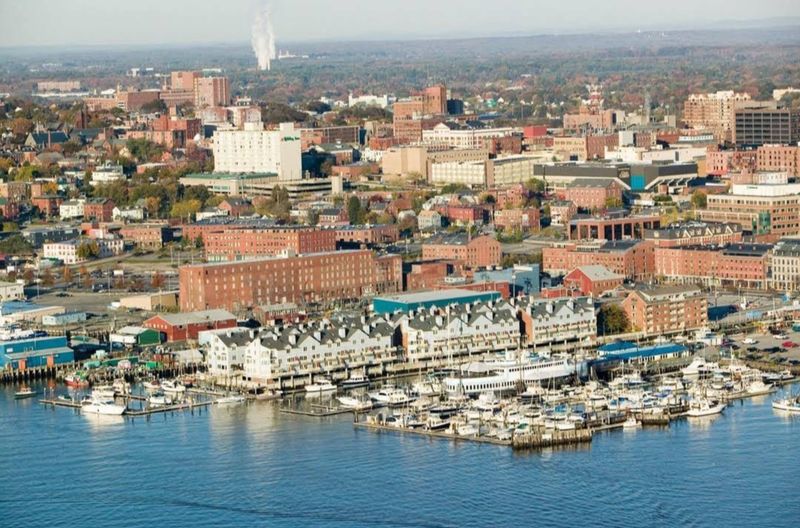
Portland, Maine, is a tiny city punching at an absolutely absurd weight class when it comes to food. For a city of fewer than 70,000 people, it has more outstanding restaurants per capita than almost anywhere in the country.
Fore Street, Eventide Oyster Co., and Duckfat are just the beginning of a very long, very delicious list.
The Old Port district is charming in a genuinely non-touristy way, with independent bookshops, art galleries, and boutiques filling the historic brick buildings. The working waterfront is still very much a working waterfront, which gives the whole place an authentic, unpolished energy that is hard to find these days.
Casco Bay ferry rides, Portland Head Light, and the Eastern Promenade trail offer great outdoor options between meals. The craft beer scene is thriving, with breweries popping up across the city.
Fall foliage season here is breathtaking. A weekend will only leave you planning your return trip before you even get home.
Cincinnati, Ohio
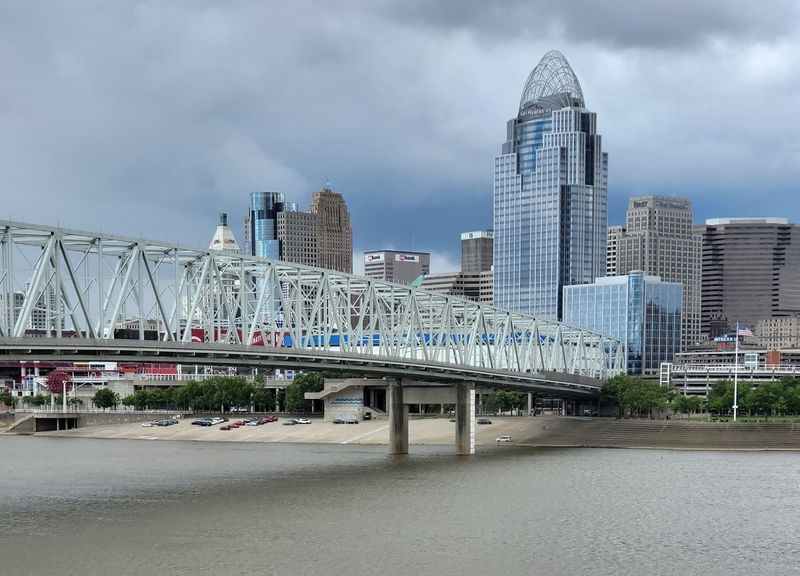
Cincinnati is the Midwest’s most underappreciated city, and anyone who has spent real time there will back me up on that. The skyline viewed from across the Ohio River in Covington, Kentucky, is genuinely stunning.
It is the kind of view that makes you stop scrolling your phone and just look.
The Cincinnati Art Museum is free and excellent, which is a combination that should be celebrated. The Over-the-Rhine neighborhood is one of the largest collections of Italianate architecture in the country, and it has been revitalized into a thriving food and bar district.
Findlay Market on a Saturday morning is the best version of a farmers market.
Cincinnati chili, served over spaghetti and topped with cheese, is either brilliant or bizarre depending on who you ask. I say brilliant.
Eden Park, the Cincinnati Zoo, and the National Underground Railroad Freedom Center all add serious depth to any visit. Budget at least four solid days here.
St. Augustine, Florida
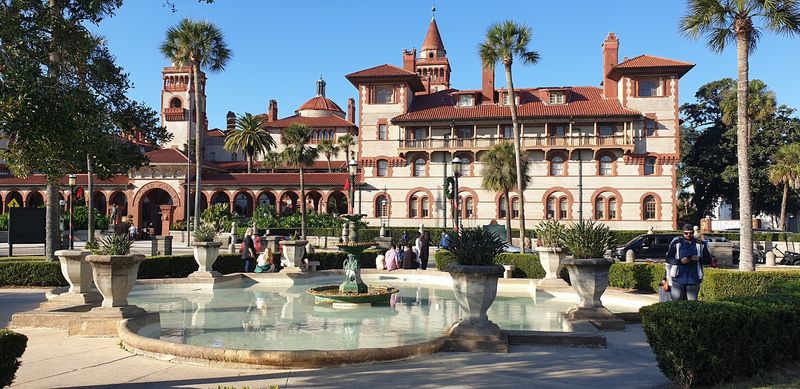
St. Augustine is the oldest continuously occupied European settlement in the United States, founded in 1565, which means the history here runs deeper than almost anywhere else in the country. Walking through the colonial quarter feels different when you realize people have been doing exactly that for over 450 years.
The Castillo de San Marcos, a 17th-century Spanish fort made of coquina stone, is one of the most impressive historic structures in the entire country. It has survived sieges, hurricanes, and centuries of Florida humidity, which is honestly more impressive than any of the battles.
Tours are well worth the time.
St. George Street is packed with shops, restaurants, and street performers, and the vibe is festive without feeling overwhelming. The beaches nearby at Anastasia State Park are excellent and far less crowded than the bigger Florida destinations.
The Lightner Museum is a hidden gem. Give this city at least three or four unhurried days.
Kansas City, Missouri
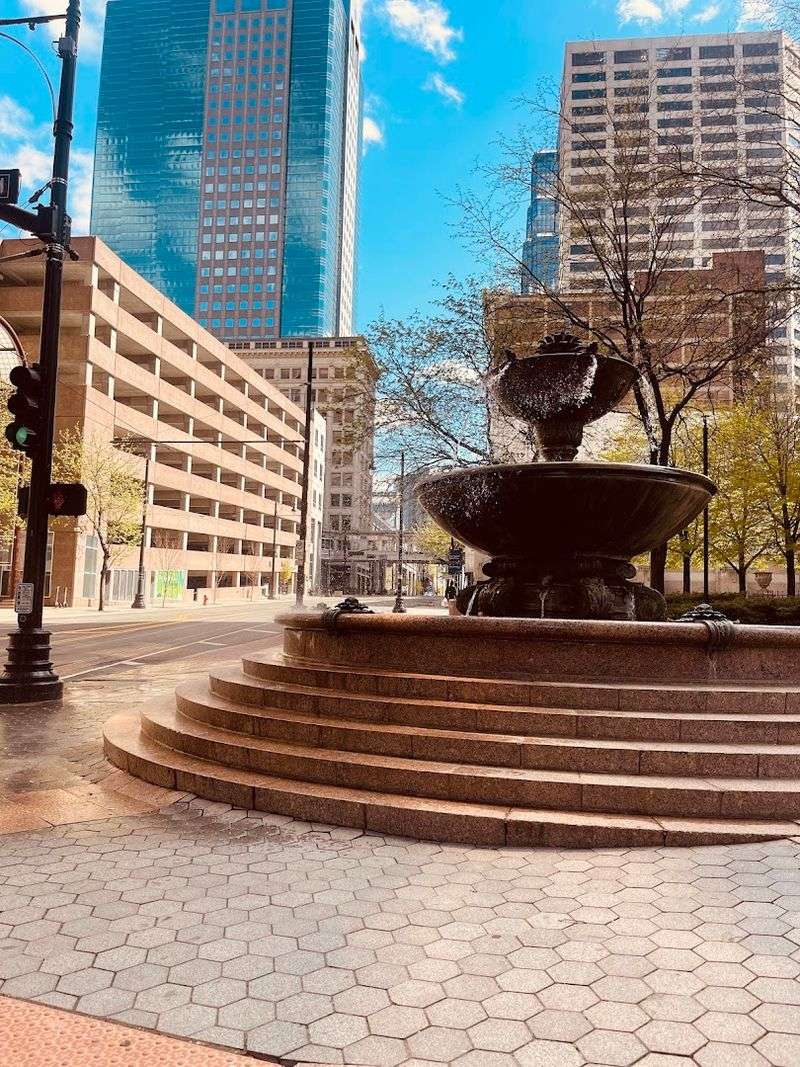
Kansas City has two things it will defend with absolute passion: its barbecue and its jazz heritage. Both are completely justified.
The city’s barbecue style, slow-smoked with a thick, sweet-and-tangy sauce, is a legitimate religion here. Joe’s Kansas City Bar-B-Que has a line out the door for a reason, and that reason is the Z-Man sandwich.
The 18th and Vine Jazz District is where American jazz history was made. Charlie Parker grew up here, and the American Jazz Museum does a beautiful job honoring that legacy.
The Negro Leagues Baseball Museum, located right next door, is one of the most moving sports museums in the country. Plan two hours minimum.
The Nelson-Atkins Museum of Art is free and world-class, with a sculpture garden that is worth visiting even in January. The Crossroads Arts District pulses with galleries, rooftop bars, and food halls.
Kansas City rewards the curious traveler who shows up ready to eat, listen, and explore for at least five days.
Share this story