 Unearth The Voyage

Jobs are not just numbers on a chart. When hiring slows and layoffs spread, entire neighborhoods feel the squeeze, from coffee shops to childcare. Recent data shows several U.S. regions where losses are outrunning gains, pushing unemployment higher and straining household budgets. Here is where the ground is shifting fastest, and what it means for you.
1. Pacific Region

You can feel the tension across the Pacific region as gains get erased by sector specific setbacks. California added jobs on paper, but losses in manufacturing, information, professional services, and retail overshadowed the progress. Nevada and Washington show similar crosscurrents that leave workers cautious.
For many households, hours are trimmed before layoffs arrive, and that cuts spending quickly. Small businesses sense it first with fewer weekday customers and delayed invoices. If you are job hunting, you are competing in crowded applicant pools where employers remain selective and budgets tight.
2. Northwest Region

Across the Northwest, the unemployment rate sits near the top among HUD regions, and that reality shows up in everyday conversations. Washington’s drop in mining, logging, and construction jobs has weighed on paychecks from Tacoma to Spokane. In Oregon and Alaska, energy and timber swings complicate planning for families.
Even where Idaho posts gains, they are not enough to offset neighbors’ declines. You may notice longer job searches, fewer postings with benefits, and more contract roles. Communities lean on seasonal work, but volatility makes saving hard, and that stress travels from kitchen tables to city councils quickly.
3. Rust Belt Core

The Rust Belt’s long manufacturing slide still shapes daily life. You see it in empty plants, shrinking tax bases, and schools juggling tighter budgets. Cities like Detroit and Gary serve as cautionary tales where population loss compounds job scarcity.
Even with advanced manufacturing and EV promises, the transition leaves gaps many workers struggle to bridge. Training helps, but the timeline feels slow when rent is due. If you rely on legacy skills, you are likely juggling gig work, commutes to distant plants, or retraining programs that require childcare and time you are not sure you have.
4. Rock Hill, South Carolina Metro Area
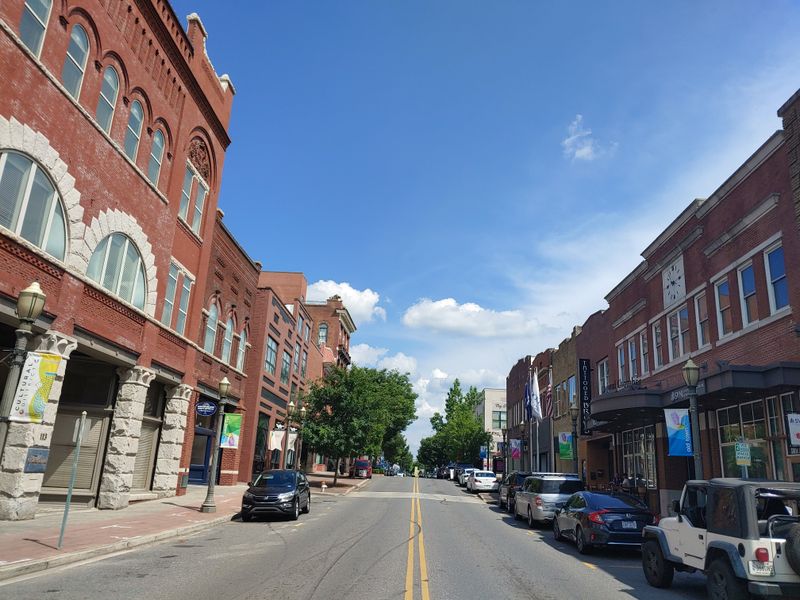
Rock Hill’s employers have been restructuring, and the ripple effects land directly in household budgets. When big names trim operations, contractors, vendors, and local diners feel the pinch. You might notice neighbors comparing severance details and updating resumes over coffee.
Some workers pivot to Charlotte, but commuting costs add new math to every paycheck. Others try short term certifications to switch lanes quickly. What keeps people going is community support and church led networks, yet the numbers are stubborn. Fewer stable openings mean more competition, slower callbacks, and a tightrope between optimism and overdue bills.
5. California Inland Valleys
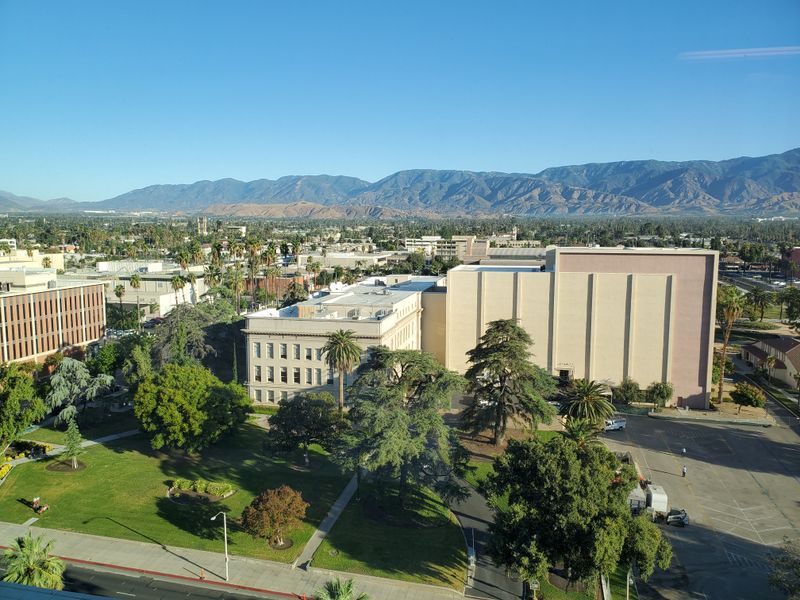
In the inland valleys, logistics once felt unstoppable. Now slower imports, automation, and cost pressures cool hiring at warehouses that used to run nonstop. Manufacturing suppliers tied to port volumes and e commerce cycles feel whiplash as orders fluctuate.
If you work hourly, shifts can vanish with little notice. Overtime that made budgets work becomes sporadic, stressing rent and car payments. Some workers chase steadier positions in healthcare or utilities, but demand does not match the number searching. You hear more conversations about relocating, even though family ties and housing costs make that decision heavy.
6. Coastal Oregon and Southwest Washington
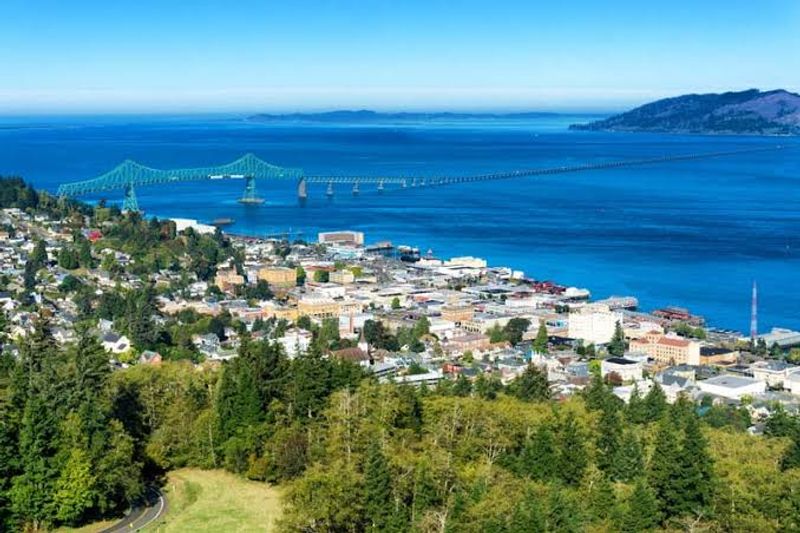
Small coastal cities rely on timber, fishing, and seasonal tourism, and that mix turns fragile when construction slows. Mill hours are cut, and new building projects pause as rates stay high. The result is fewer reliable checks for families living month to month.
You notice pickup trucks parked midday and fewer diners open on weekdays. Tourism helps in summer, but winter gaps widen debts. Job postings skew part time, and health benefits are rare. People stitch income from multiple gigs, yet stability feels elusive, pushing young adults inland and leaving aging workers navigating tougher choices close to home.
7. Alaska Resource Belt
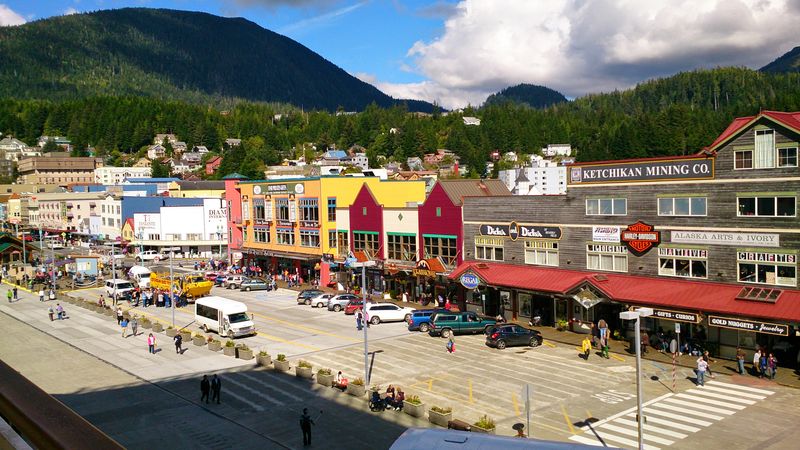
Alaska’s resource economy moves in cycles that can upend plans quickly. When projects pause, flights slow, camps shrink, and paychecks disappear overnight. Retail and services in hub towns follow suit, leaving fewer hours and leaner tips.
If you depend on seasonal stints, gaps between rotations feel longer now. Training for alternative roles helps, but opportunities are spread out and travel is costly. Families weigh leaving versus staying close to subsistence networks that cut food bills. This is resilience territory, but even the toughest crews feel strain when oil, gas, and construction move against them simultaneously.
8. Great Lakes Manufacturing Arc
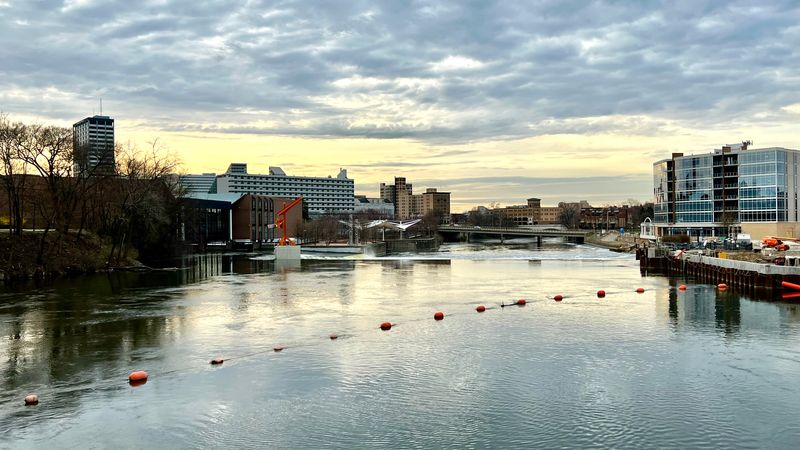
The Great Lakes corridor lives and dies by factory rhythms. EV retooling promises future jobs, yet interim layoffs hit hard as lines are modernized. Suppliers juggling thin margins hesitate to hire, which drags on smaller towns built around single plants.
You feel it in overtime disappearing and weekend shifts canceled. Training grants exist, but not everyone can pause income for months. Some pivot to logistics or healthcare aides, but wages may not match prior production roles. Communities invest in new industrial parks, and hope is real, but the waiting period stings when bills keep arriving relentlessly.
9. Appalachian Coal Transition Counties
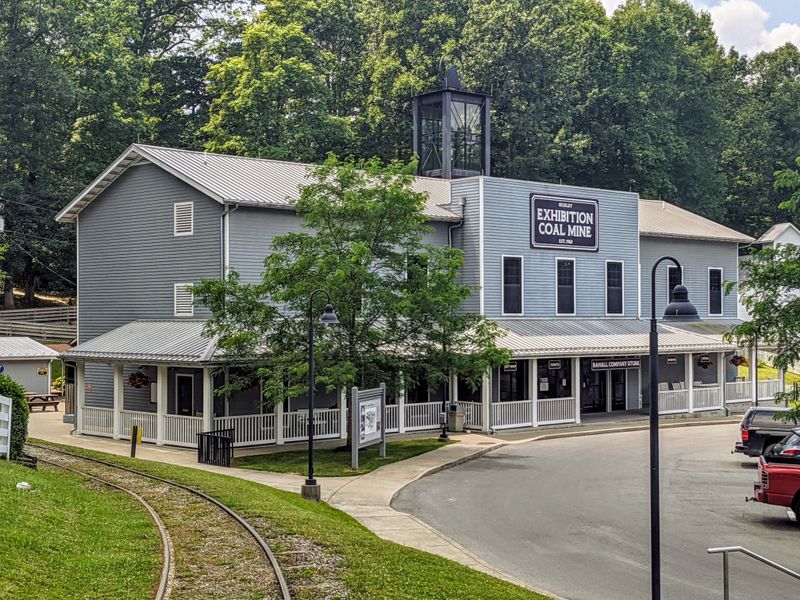
Coal country has been transitioning for years, and that grind continues. Mines close or automate, reducing steady roles that once supported whole neighborhoods. Local budgets strain as tax bases shrink, limiting investments in schools and broadband.
You can find training in trades, solar installation, trucking, or healthcare, but placement rates vary. Some folks commute far for shift work, spending more on gas while missing family time. Community colleges are lifelines, yet transportation and childcare remain hurdles. Hope shows up in entrepreneurship and co ops, though capital is scarce, and growth rarely moves fast enough to replace the old wage floor.
10. Middle America Farm and Meatpacking Towns

Farm and meatpacking towns face uneven seasons. When commodity prices tighten and plants automate, overtime dries up and temporary shifts lead schedules. That ripple reduces foot traffic on Main Street and compresses margins at family owned shops.
If you rely on plant work, you may be bidding for fewer slots while juggling safety and childcare. Some towns invest in cold storage or value add processing, but projects take time. Meanwhile, younger workers leave for metros, deepening labor mismatches. You feel community pride remain strong, yet the math of rent, food, and fuel keeps getting tougher to balance.
11. Gulf Coast Petrochemical Corridor

The petrochemical belt runs on global prices and plant turnarounds, and volatility lately has clipped hiring. Maintenance contractors see gaps, and overtime throttle backs ripple through port trucking and diners near the gates. Storm risks and insurance costs add new uncertainties.
If you work the corridor, you know how quickly schedules can shift. Certifications help but do not guarantee steady rotations when budgets tighten. Some workers pursue offshore or renewables slots, yet travel and timing complicate plans. Families try to build emergency funds, but irregular paychecks make that tough, testing resilience and patience month after month.
12. Mountain West Resort Counties

Resort economies look busy on weekends but can hide fragile job markets. Higher costs squeeze local workers just as off season drops thin hours across hotels, restaurants, and rentals. Construction pauses hit trades that rely on second home projects.
You may juggle two or three jobs to bridge gaps, yet housing eats a larger share of income. Some switch to remote roles if broadband allows, but those gigs are scarce. Local leaders eye year round attractions, though big capital is slow. Until stability arrives, service staff shoulder unpredictable schedules, rising rents, and fewer chances to build savings.



