 Unearth The Voyage
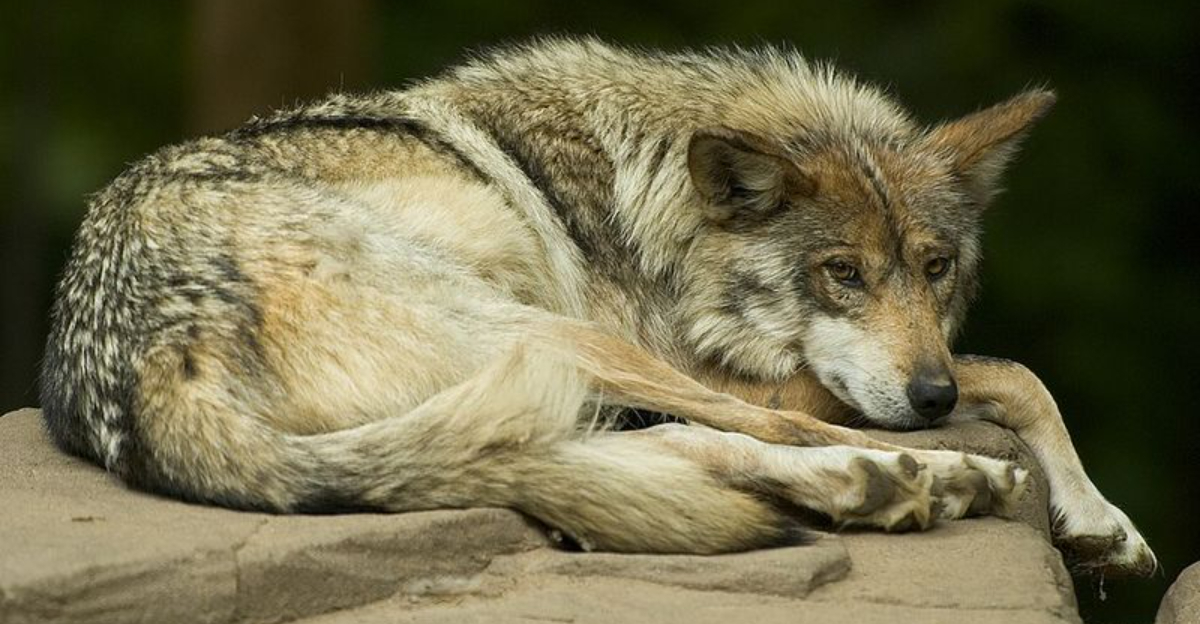
Wolves were once nearly wiped out across the United States, but thanks to decades of conservation efforts and legal protections, they are slowly returning to their historic ranges. From the dense forests of the Great Lakes to the rugged mountains of the Rocky West, wolf packs are reclaiming territory they lost over a century ago.
This recovery is a big deal for ecosystems, since wolves play a key role in keeping deer and elk populations in balance. Here is a look at 12 U.S. states where wolf numbers are climbing back up.
1. Minnesota
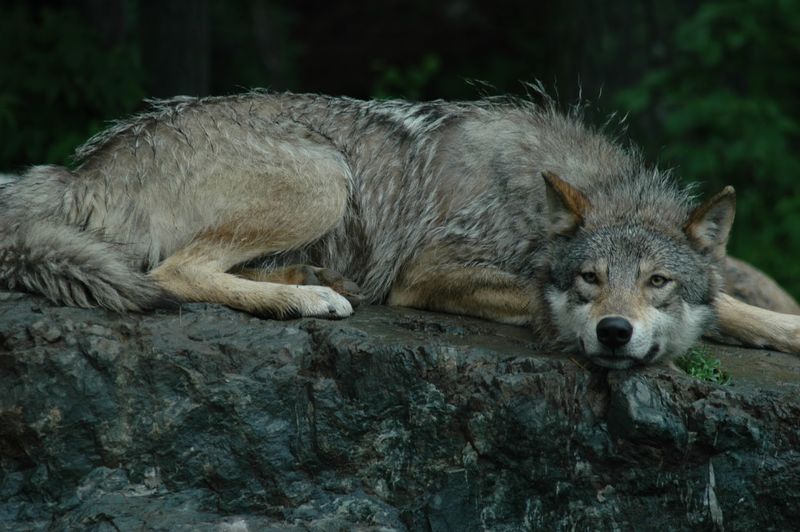
Minnesota is the wolf comeback capital of the lower 48 states, and the numbers back that up. Between 2,700 and 3,000 wolves roam the state’s vast northern forests, making it home to the largest wolf population outside of Alaska.
That kind of density is remarkable given how close wolves came to disappearing from the region entirely.
Federal protections under the Endangered Species Act gave Minnesota’s wolves the breathing room they needed to stabilize and grow. Over several decades, packs spread steadily across suitable habitat in the northern and northeastern parts of the state.
Wolves here mostly prey on white-tailed deer and moose, playing a vital role in keeping those populations healthy. Minnesota’s long-term wolf recovery is often cited as a model for what sustained legal protection can achieve.
The state remains a cornerstone of wolf conservation in the continental United States.
2. Wisconsin
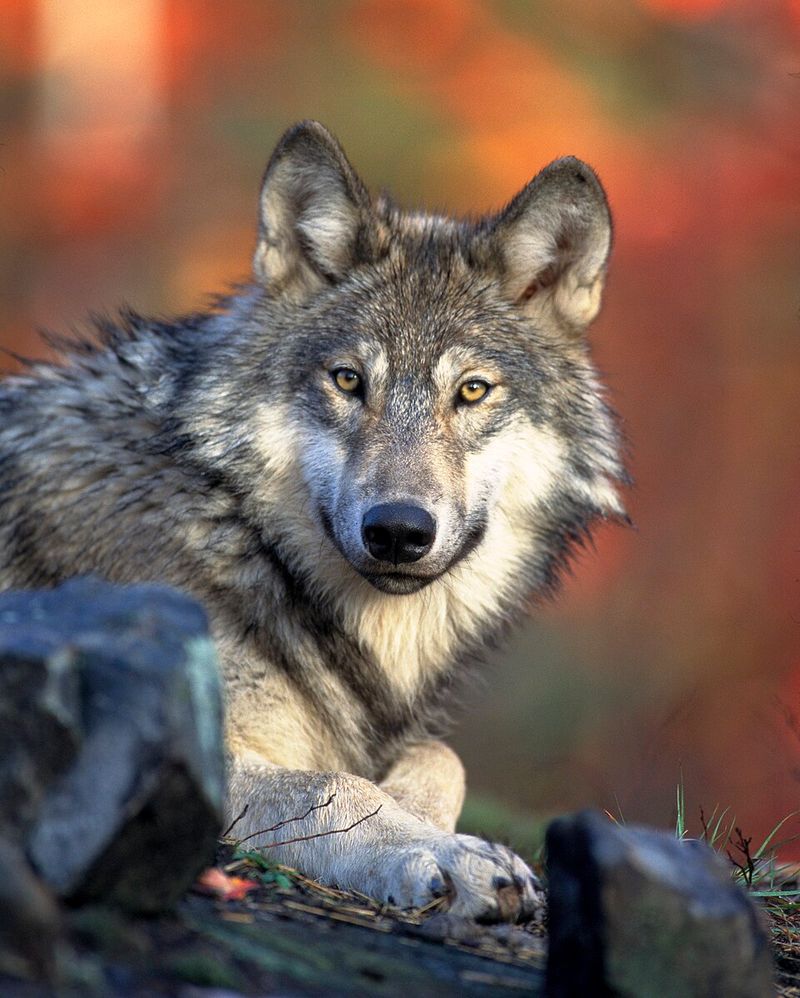
Few wildlife recovery stories in the Midwest are as dramatic as Wisconsin’s. The state’s wolf population clawed its way back from near total extinction to over 1,000 animals, a turnaround that took decades of careful management and strong legal protections.
Most of Wisconsin’s wolf packs live in the northern forest region, where large tracts of public land provide shelter and prey. White-tailed deer are the primary food source, and wolves have had a measurable effect on deer behavior across the region.
The recovery has not been without controversy. Farmers and ranchers in wolf territory have reported livestock losses, sparking ongoing debates about hunting seasons and population management.
Still, the sheer scale of the rebound is hard to argue with. Wisconsin went from having almost no wolves to hosting a thriving, stable population that continues to be closely monitored by state and federal wildlife agencies.
3. Michigan
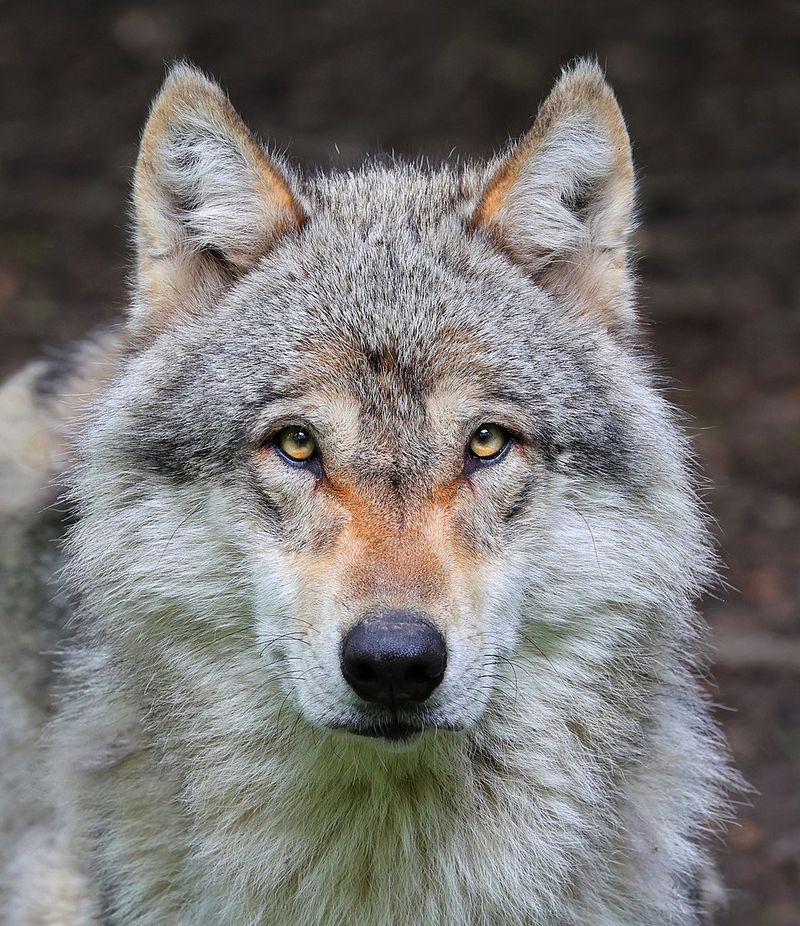
Michigan’s wolf story is one of natural resilience. Wolves did not need to be reintroduced here.
They crossed into the Upper Peninsula on their own, migrating from Minnesota, and slowly built a self-sustaining population. Today, over 700 wolves live across the Upper Peninsula’s forests and wetlands.
The Upper Peninsula’s remote terrain, abundant deer, and low human density made it ideal wolf habitat. Packs established territories and began reproducing without any direct human assistance, which wildlife managers consider a significant sign of ecological health.
Michigan also has a small number of wolves on Isle Royale, a national park island in Lake Superior, where researchers have studied wolf-moose dynamics for over 60 years. That ongoing study is one of the longest predator-prey research projects in the world.
Michigan’s broader wolf population continues to grow and serves as a key piece of the Great Lakes recovery puzzle.
4. Idaho
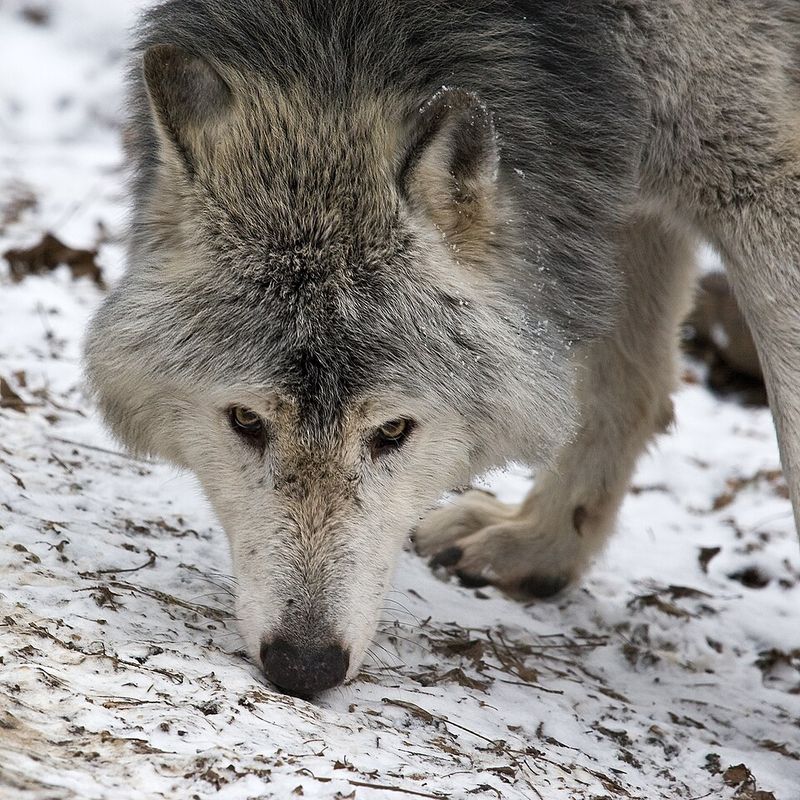
When wolves were reintroduced to Yellowstone National Park in 1995, Idaho was part of that same historic effort. Wolves were released into central Idaho’s Frank Church River of No Return Wilderness, one of the largest roadless areas in the lower 48 states.
From that starting point, the population grew rapidly.
Today, Idaho is home to roughly 1,200 or more wolves, distributed across much of the state’s rugged backcountry. The terrain suits them well, with vast wilderness areas, healthy elk herds, and limited road access keeping human conflict relatively low in many zones.
Idaho has also been at the center of heated debates over wolf management. The state has pushed for greater control over hunting and culling programs, arguing that wolf numbers have grown large enough to impact elk and deer populations.
Balancing predator recovery with hunting traditions remains a politically charged issue that Idaho continues to navigate.
5. Montana
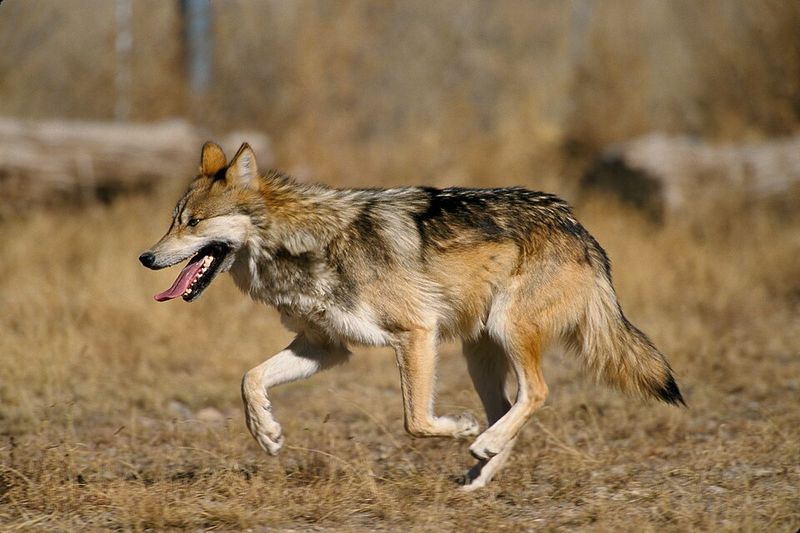
Montana sits at the heart of the Northern Rocky Mountain wolf recovery zone. With roughly 1,000 or more wolves spread across the state, Montana has one of the most widely distributed wolf populations in the country.
Packs range from Glacier National Park in the north to areas bordering Wyoming and Idaho in the south.
The state’s diverse landscape, from mountain ranges to river valleys, gives wolves plenty of room to roam. Elk and deer are abundant, providing reliable prey throughout the year.
Montana’s wolves have also benefited from spillover from Yellowstone, with packs regularly crossing in and out of the park.
Like its neighbors, Montana has faced ongoing tension between ranchers and wolf advocates. Livestock depredation remains a real concern in rural areas.
Despite that friction, Montana’s wolf population has proven stable and resilient over the past two decades, representing a genuine conservation success story in the Northern Rockies.
6. Wyoming
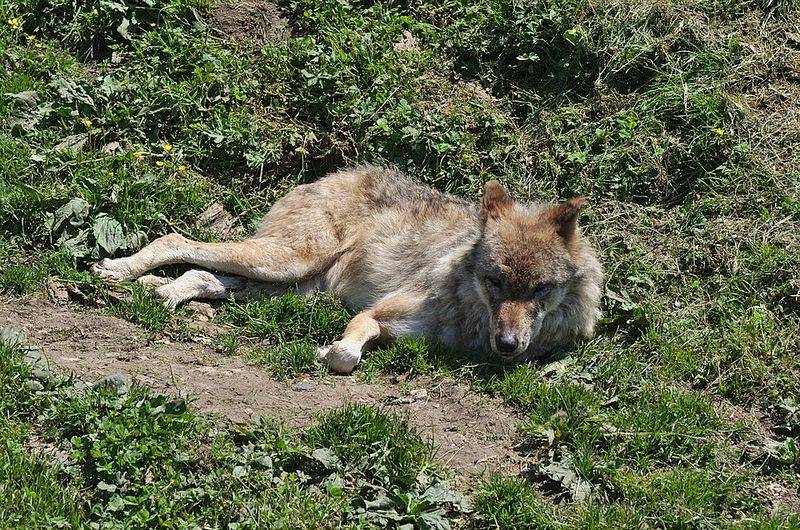
Wyoming is where the world’s most famous wolf recovery story unfolded. Yellowstone National Park became the centerpiece of the 1995 wolf reintroduction effort, and the results have been scientifically extraordinary.
Wolves reshaped the park’s entire ecosystem, triggering what ecologists call a trophic cascade that changed how elk grazed and even altered river courses over time.
Outside the park, Wyoming has documented around 330 wolves in recent population counts. Packs concentrate around Yellowstone and the surrounding wilderness areas, including Grand Teton National Park and the Bridger-Teton National Forest.
Wyoming’s wolf management has been controversial because the state classifies wolves as predatory animals outside a designated management zone, allowing them to be shot on sight in large portions of the state. That policy has drawn criticism from conservation groups.
Even so, the population around Yellowstone remains one of the most studied and celebrated wolf communities anywhere on Earth.
7. Washington
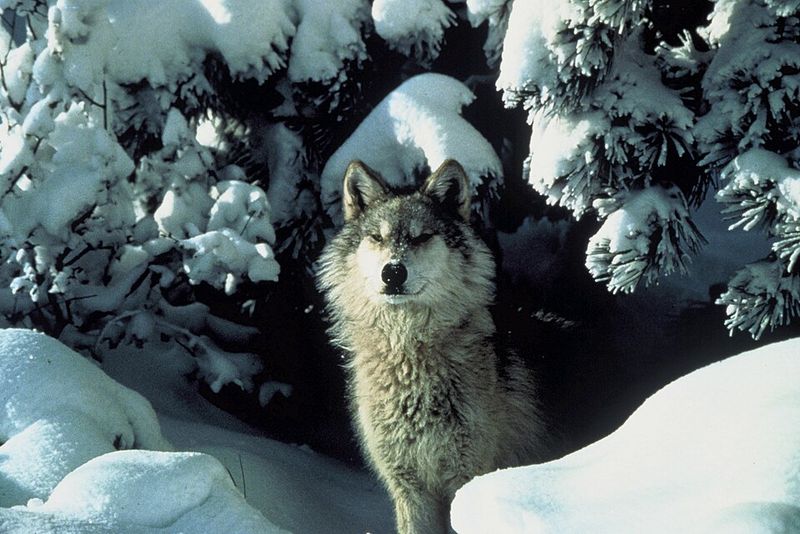
Washington State’s wolf recovery is one of the fastest in the country. In 2008, a single pack, the Lookout Pack, was confirmed in the state’s northeastern corner.
That was the first verified wolf pack in Washington in decades. Fast forward to today, and the state now has more than 30 confirmed packs.
The growth has been driven by wolves naturally dispersing from Idaho and Montana, establishing new territories as they move westward. Packs now occupy areas across eastern Washington, the Cascades, and are slowly pushing toward the western part of the state.
Washington’s Department of Fish and Wildlife tracks each pack closely and has developed a wolf management plan that tries to balance recovery goals with livestock protection. The state has faced some difficult situations involving repeat livestock depredations, leading to controversial lethal removals of certain packs.
Still, the overall trajectory for Washington’s wolf population remains strongly upward.
8. Oregon
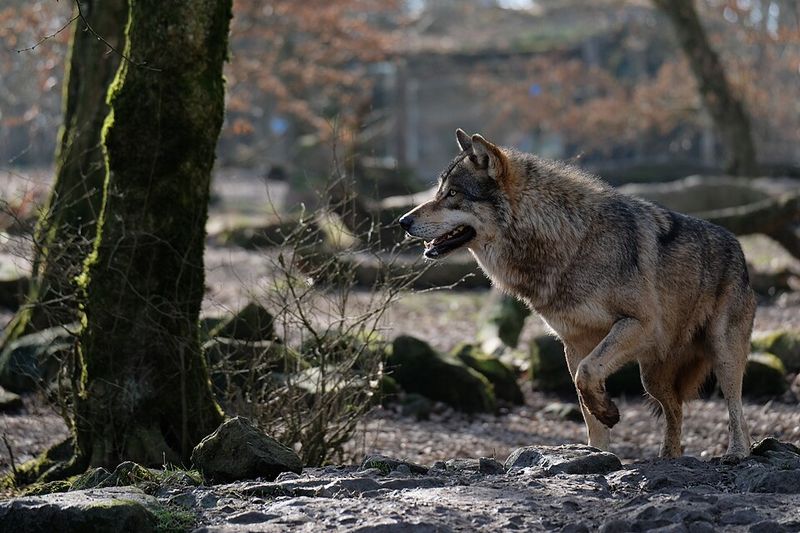
Oregon’s wolves arrived the same way Washington’s did, by walking in from Idaho on their own. The first confirmed wolf in modern Oregon was a lone male nicknamed OR-7, who became a media sensation as he wandered across hundreds of miles searching for a mate.
He eventually found one, and his descendants are now part of Oregon’s growing wolf population.
By 2024, Oregon’s wolf count had increased by about 15 percent, reaching roughly 204 animals. Most packs remain concentrated in the northeastern and central parts of the state, but wolves are slowly pushing westward into the Cascades and beyond.
Ranchers in eastern Oregon have been vocal about livestock losses, and the state has had to balance those concerns against recovery commitments. Oregon removed state-level endangered species protections for wolves in 2015, a move that remains debated.
The population’s steady growth suggests the recovery is on solid footing regardless.
9. California
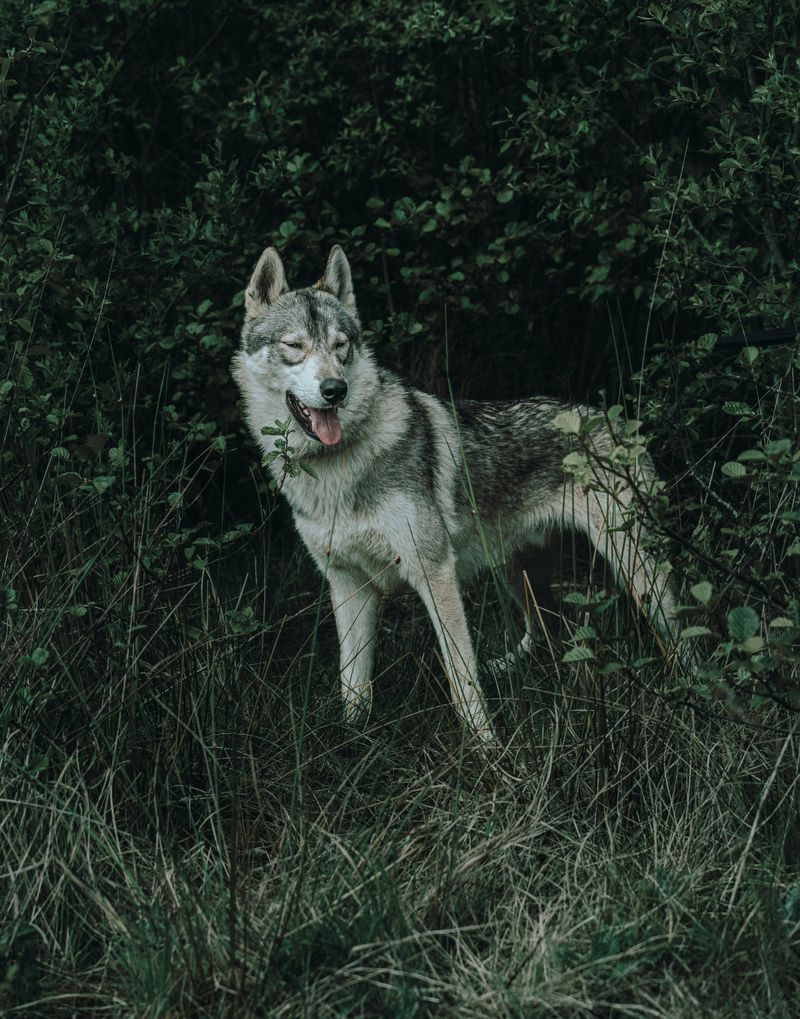
California had not seen a wild wolf in nearly 90 years when OR-7, that same famous wolf from Oregon, crossed the state line in 2011. His visit was brief, but it signaled something bigger.
A few years later, the Shasta Pack became the first confirmed breeding pack in California since the 1920s.
Since then, the population has grown steadily. Multiple packs now roam Northern California, and new packs were confirmed as recently as 2025.
The wolves occupy forested regions in the northern part of the state, including areas near Lassen and Siskiyou counties.
California listed gray wolves as endangered under state law, providing them strong legal protection. That status has helped shield the growing population from hunting and other threats.
The return of wolves to California is considered a landmark moment in western wildlife conservation, and researchers are watching the state’s packs closely as they continue to expand.
10. Colorado
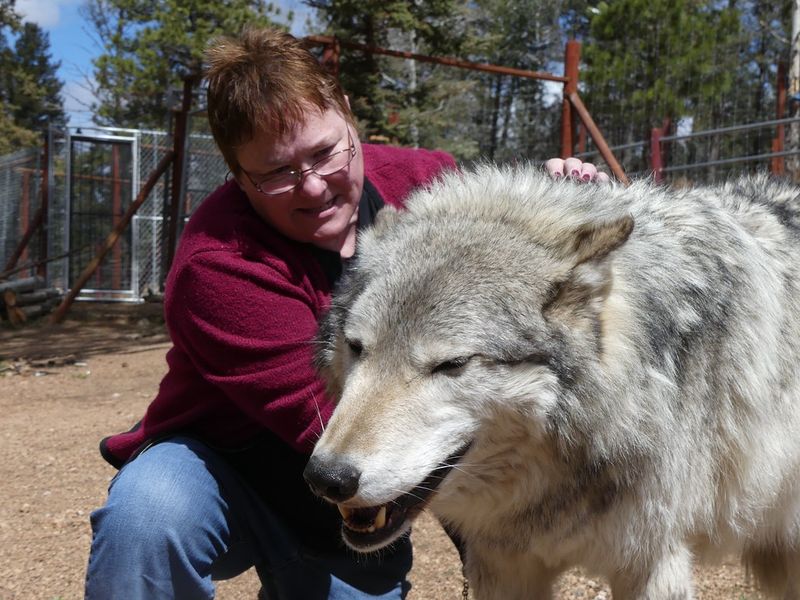
Colorado made history in December 2023 when it became the first state to reintroduce gray wolves through a voter-approved ballot initiative. Residents voted in 2020 to bring wolves back, making it a rare case where the public directly decided the fate of a predator reintroduction program.
The first wolves were brought from Oregon and released in Grand County on the western slope of the Rockies. As of the most recent counts, about 30 animals are now living in Colorado, including pups born in the state, which is a strong early sign of successful establishment.
Wildlife managers expect the population to grow significantly over the coming years as the wolves settle into their new territory and form stable packs. Colorado’s vast wilderness areas and healthy elk populations make it well-suited for a thriving wolf community.
The reintroduction is being closely monitored as a potential model for future efforts elsewhere.
11. New Mexico
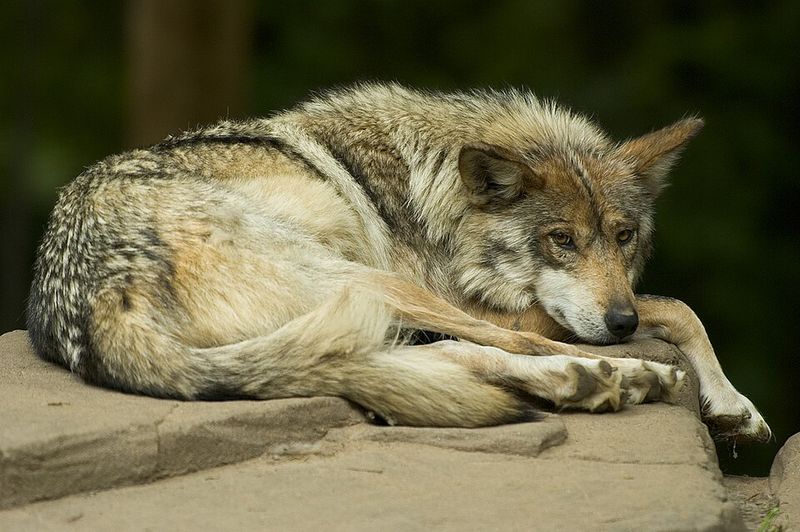
New Mexico is part of one of the most ambitious subspecies recovery programs in U.S. history. The Mexican gray wolf, a smaller and genetically distinct subspecies of the gray wolf, was declared extinct in the wild by the late 1970s.
A captive breeding program saved the subspecies from total disappearance.
Reintroduction into the wild began in 1998 in the Apache and Gila National Forests of New Mexico and Arizona. The effort has been slow and challenging, but the numbers are moving in the right direction.
By 2025, approximately 162 Mexican gray wolves were documented in the wild, a new recovery milestone.
The lobo, as it is locally known, faces unique challenges including small gene pool concerns, conflicts with ranching communities, and slower reproduction rates than northern gray wolves. Recovery advocates continue pushing for expanded reintroduction zones to give the subspecies more room to grow and diversify genetically.
12. Arizona
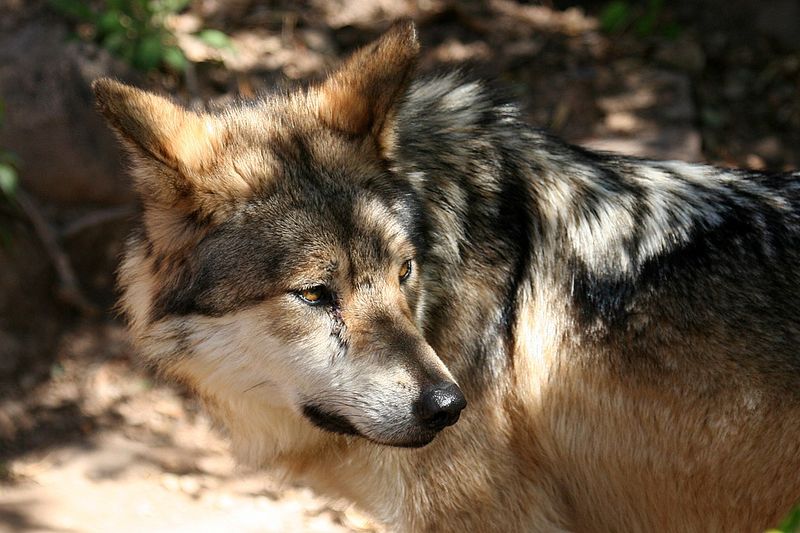
Arizona shares the Mexican gray wolf recovery effort with New Mexico, and the two states together form the core of the lobo’s wild range. As of the most recent surveys, 124 Mexican gray wolves have been recorded in Arizona, making the state a critical piece of the subspecies’ survival puzzle.
The wolves in Arizona primarily occupy the White Mountains region and the surrounding Apache-Sitgreaves National Forests. The terrain is rugged and remote, offering good habitat with sufficient prey like elk and mule deer.
Several breeding packs have established themselves in Arizona over the past decade.
Ranching communities in the region have expressed frustration over livestock losses, and the recovery program has had to navigate complex relationships with local landowners. Federal agencies continue working on compensation programs and non-lethal deterrents to reduce conflict.
Arizona’s wolf numbers, while still relatively small, represent a meaningful step forward for a subspecies that came remarkably close to permanent extinction.



