Some cities were simply built for wandering. Whether it’s cobbled medieval streets, sweeping riverside paths, or seaside promenades bursting with color, the UK has no shortage of places that reward those who explore on foot.
Lace up your shoes and prepare to be surprised, because the best views, hidden gems, and local secrets are always just around the next corner. Here are 12 UK cities that truly come alive when you slow down and walk them.
1. York
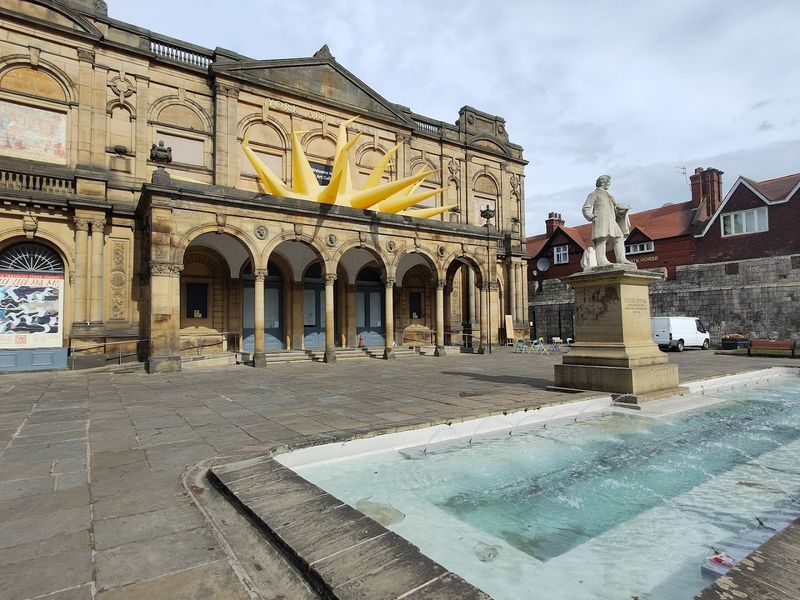
Nowhere else in England can you walk streets so narrow that medieval buildings almost touch overhead. York is a city where history isn’t behind glass – it’s under your feet and all around you.
The Shambles, once a butcher’s row dating back to the 14th century, is now one of the most photographed streets in Europe.
Start your walk along the ancient city walls for sweeping views over rooftops and the magnificent York Minster. The walls stretch nearly three miles, making them one of the most complete medieval fortifications in the world.
Every section offers a different angle of the city.
York is compact enough to cover on foot in a single day, yet rich enough that you’ll want to return. Don’t leave without completing the full city walls loop – it’s unforgettable.
2. Edinburgh

Few cities greet walkers with as much drama as Edinburgh. The moment you step onto the Royal Mile, you’re flanked by centuries of Scottish history – from the formidable castle at the top to the elegant Holyrood Palace at the bottom.
The mile-long stretch is packed with closes, courtyards, and curiosities.
Arthur’s Seat, an ancient volcanic hill sitting right inside the city, offers one of the most rewarding urban hikes in the UK. The climb takes about 45 minutes and rewards you with jaw-dropping panoramic views across Edinburgh and beyond.
It’s genuinely spectacular on a clear day.
For something slightly less strenuous, Calton Hill delivers equally stunning sunset views with far less effort. Edinburgh is a city that layers its rewards – the more you walk, the more it gives back.
3. Bath
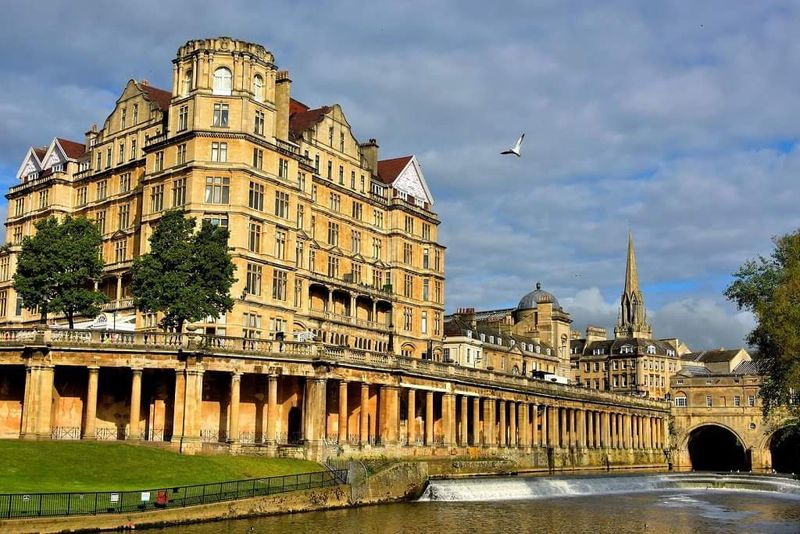
Bath is the kind of city that makes you feel like you’ve wandered onto a film set. Honey-colored Georgian stone lines every street, and the whole city center is remarkably compact – you can walk between most major landmarks in under ten minutes.
That’s rare for a UNESCO World Heritage Site.
The Roman Baths, the Pump Room, Pulteney Bridge, and the Royal Crescent are all connected by pleasant streets that beg to be strolled slowly. Bath’s layout rewards curious walkers who peek down side streets and into hidden courtyards.
There’s always something unexpected to discover.
After exploring the main sights, follow the River Avon for a peaceful, tree-lined walk that feels a world away from the tourist bustle. Bath is elegant without being stuffy, and walkable without feeling small.
It’s one of England’s most satisfying cities on foot.
4. Oxford
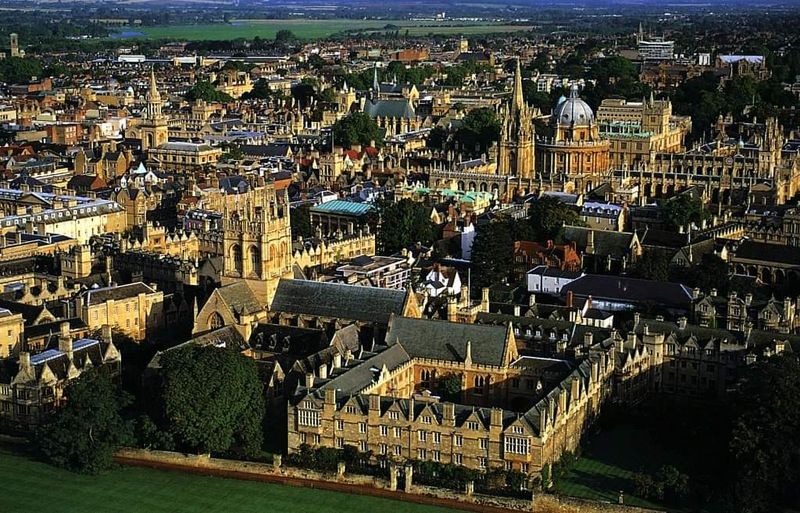
Oxford has a pace all its own, and rushing through it feels almost disrespectful. The city’s ancient university colleges, dating back to the 13th century, are best appreciated on foot – peering through iron gates into manicured quadrangles and imagining the scholars who walked these same stones before you.
Wander down Turl Street, pop into the covered Covered Market, or follow the footpath through Christ Church Meadow where cows still graze peacefully beside the Thames. Oxford mixes the grand and the quietly charming in a way few cities manage.
Every alley leads somewhere worth finding.
The Bodleian Library, Radcliffe Camera, and Bridge of Sighs are all within easy walking distance of each other. Oxford rewards slow exploration – the kind where you put the map away and just follow your curiosity.
You’ll stumble upon something wonderful every single time.
5. Cambridge
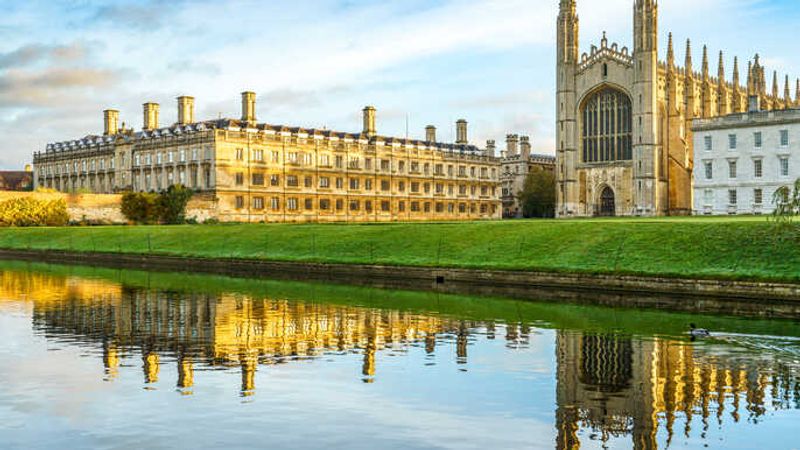
Cambridge is refreshingly flat, which makes walking here feel effortless rather than exhausting. The city’s famous colleges line the River Cam in a stretch so pretty it almost doesn’t seem real – especially in spring when the trees are in full bloom and punters drift lazily past.
The Backs, the grassy stretch running behind the colleges along the river, is arguably the most beautiful urban walk in England. King’s College Chapel, with its soaring Gothic towers, looks even more magnificent from this angle.
Bring a picnic and take your time – there’s no rush here.
Beyond the riverbanks, Cambridge’s market square, Fitzwilliam Museum, and botanical gardens are all within comfortable walking distance. The city has a cheerful, bookish energy that makes even a solo stroll feel like a social adventure.
Flat roads and big skies make every walk feel breezy.
6. Chester
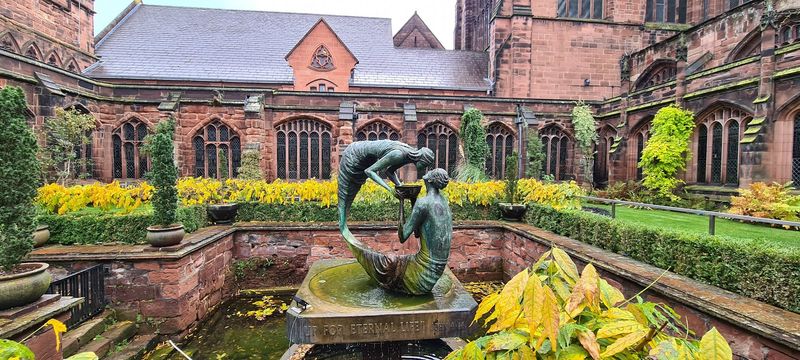
Chester might just be the most visually striking walled city in Britain. The bold black-and-white timber-framed buildings that line its streets are genuinely unlike anything else in England – a style so distinctive it’s become the city’s signature look.
Walking here feels like flipping through an architectural history book.
The Roman walls, built nearly 2,000 years ago, still circle the entire city and can be walked in their entirety – a circuit of about two miles. From the top, you get brilliant views over the rooftops and down into the famous Rows: two-tiered covered walkways filled with independent shops and cafes.
Chester also sits beside the River Dee, where a riverside walk offers a relaxed contrast to the busier city streets. History fans will love the Roman amphitheatre just outside the walls.
Chester is compact, characterful, and completely walkable from end to end.
7. Brighton
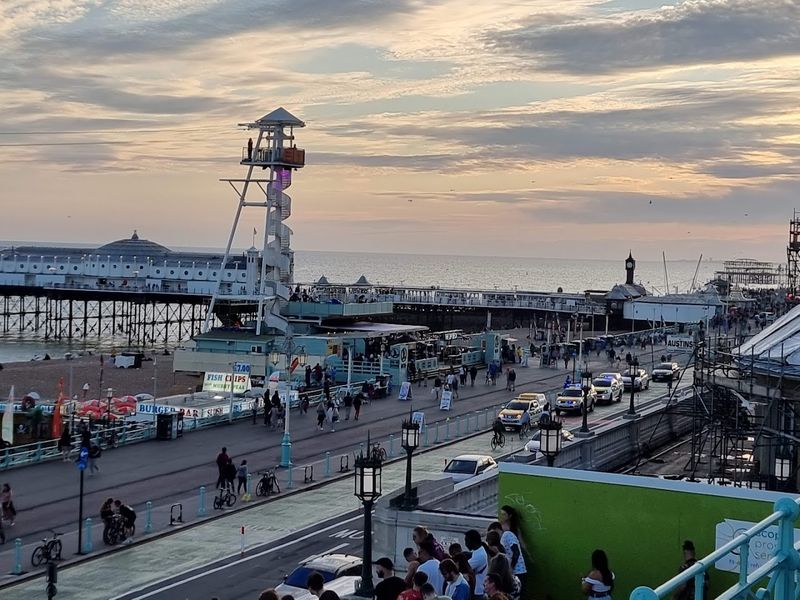
Brighton doesn’t do boring. The seafront promenade alone is a full sensory experience – crashing waves on one side, candy-colored beach huts on the other, and the smell of salt and chips drifting through the air.
It’s the kind of place that puts a smile on your face before you’ve even decided where to go.
The Lanes, a maze of narrow alleyways packed with independent jewelers, vintage shops, and coffee spots, reward those who wander without a plan. Then there’s North Laine, a slightly grittier, more creative neighborhood where street art, record shops, and quirky boutiques fill every block.
Both areas are best explored on foot.
Brighton’s hills and streets are lively but manageable, and the whole city buzzes with a creative, anything-goes energy. Whether you’re here for culture, coast, or just a very good brunch, Brighton delivers best when explored slowly.
8. Durham
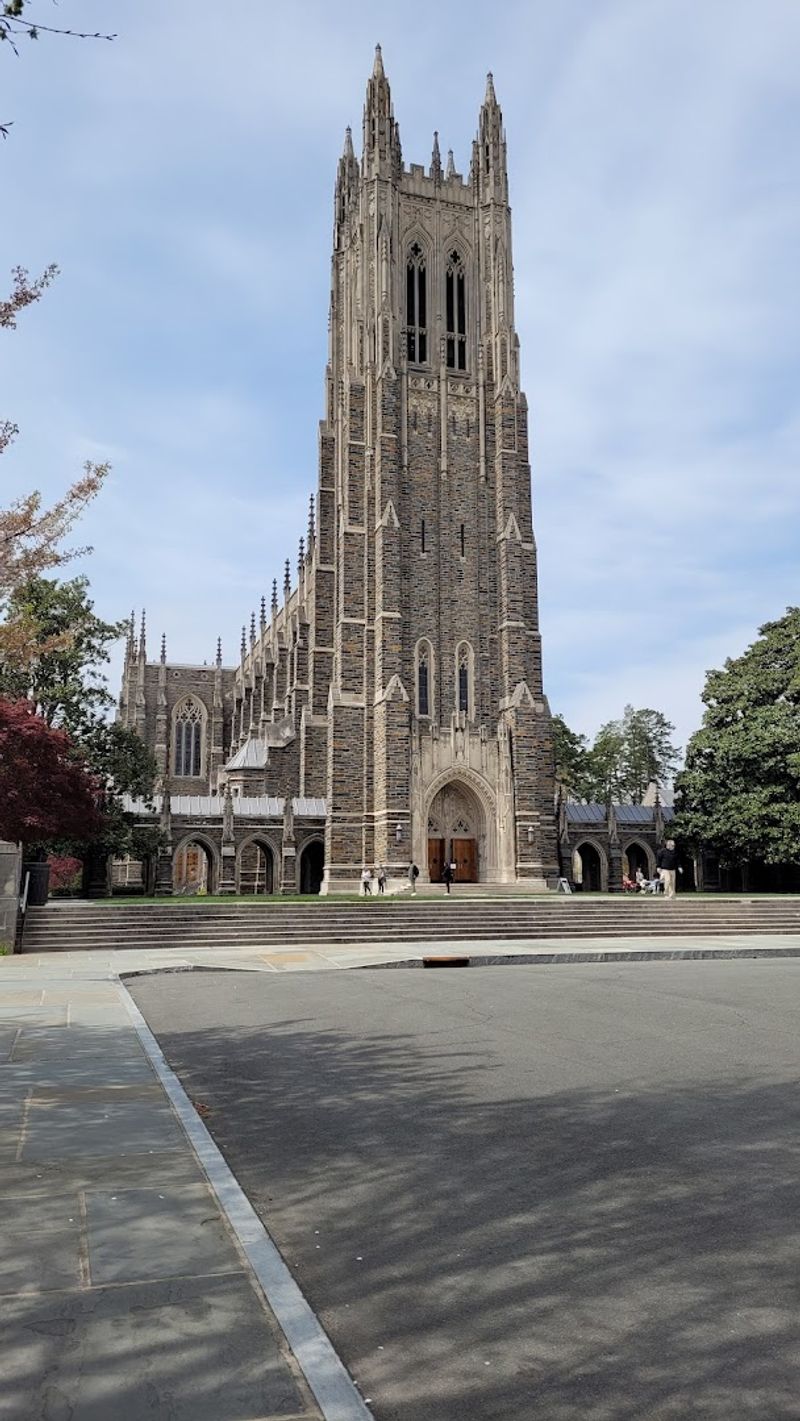
Standing below Durham Cathedral for the first time is a genuinely humbling experience. The 900-year-old Norman structure looms over the city from a dramatic rocky peninsula, and no matter how many times you’ve seen photos, nothing prepares you for the real thing.
Durham packs an enormous amount of beauty into a very small area.
The riverside walk along the River Wear is one of the most peaceful urban strolls in the north of England. A well-worn footpath loops around the peninsula, offering changing views of the cathedral and castle reflected in the water below.
It’s particularly magical in autumn when the trees turn gold.
Durham’s city center is tiny but full of independent cafes, bookshops, and market stalls. The whole loop from cathedral to riverside and back takes less than an hour.
Small in size, but absolutely massive in atmosphere.
9. St Albans
Just 20 minutes by train from London, St Albans punches well above its weight as a walking destination. The city sits on the site of Verulamium, one of Roman Britain’s most important towns, and remnants of that ancient world are still scattered across a beautiful public park.
History literally runs beneath your feet here.
Verulamium Park is free to enter and features Roman walls, a mosaic-floored hypocaust, and a brilliant museum that brings the whole story to life. After exploring the ruins, the park itself is ideal for a gentle stroll along the River Ver.
It’s the kind of place that surprises visitors who expected nothing more than a market town.
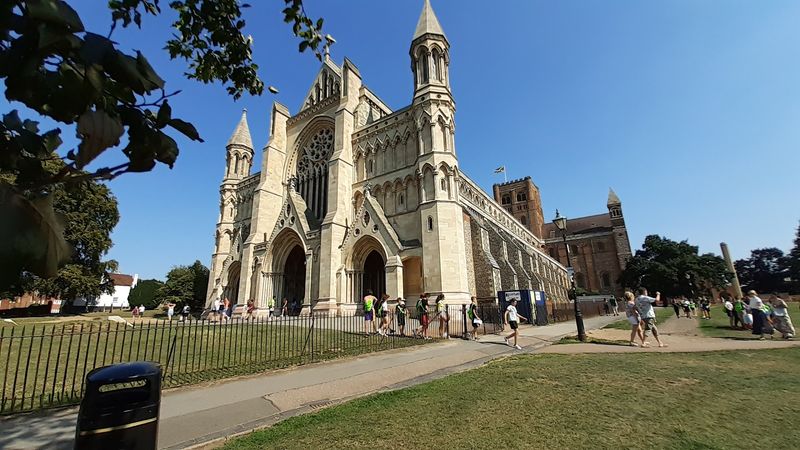
St Albans also has a gorgeous medieval cathedral and a charming high street lined with independent shops and pubs. It’s an easy, rewarding day trip that feels far removed from city life.
Definitely underrated.
10. Liverpool
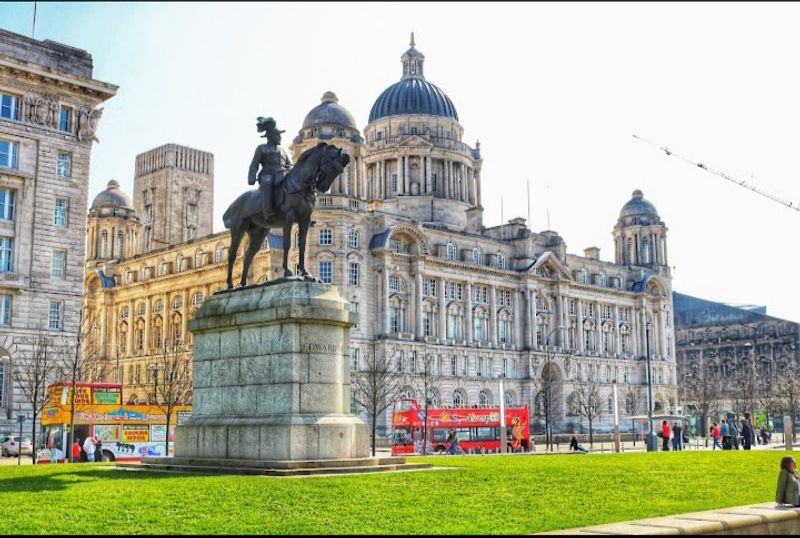
Liverpool’s waterfront is one of the most iconic in Europe, and it’s completely free to walk. The Three Graces – the Royal Liver Building, Cunard Building, and Port of Liverpool Building – stand shoulder to shoulder along the Mersey like a trio of architectural giants.
Seeing them from the Albert Dock is a proper wow moment.
The Albert Dock itself is a beautifully restored Victorian warehouse complex housing museums, galleries, restaurants, and bars – all connected by easy waterside paths. Tate Liverpool and the Beatles Story museum are right here, making this stretch one of the most culturally rich waterfront walks in the UK.
Beyond the dock, Liverpool’s Georgian Quarter and the bold street art of the Baltic Triangle are worth exploring on foot. The city is hilly in places, but the views more than justify the effort.
Liverpool rewards curious walkers with something unexpected at every turn.
11. Stratford-upon-Avon
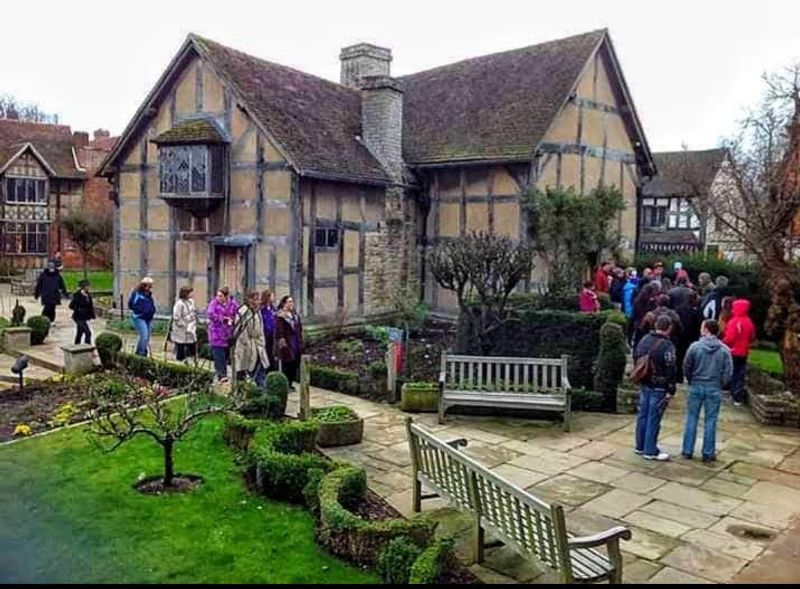
Born here in 1564, William Shakespeare left his mark on Stratford-upon-Avon so thoroughly that the whole town feels like a living tribute to the world’s most famous playwright. The half-timbered buildings, flower-lined streets, and gentle River Avon create a setting that’s genuinely picturesque rather than just pretty for the postcards.
Shakespeare’s Birthplace on Henley Street, Anne Hathaway’s Cottage, and the Royal Shakespeare Theatre are all reachable on foot within minutes of each other. The town is compact enough that a map almost feels unnecessary – just follow the signs and your instincts.
You’ll stumble across something charming whichever way you turn.
The riverside walk past the RSC Theatre is a highlight – especially on summer evenings when swans glide past and the light hits the water just right. Stratford-upon-Avon is small, slow, and completely enchanting.
It’s the kind of place that makes you want to linger longer than planned.
12. Inverness
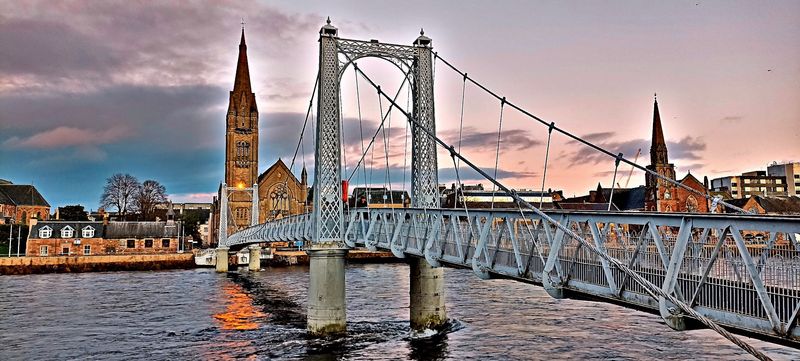
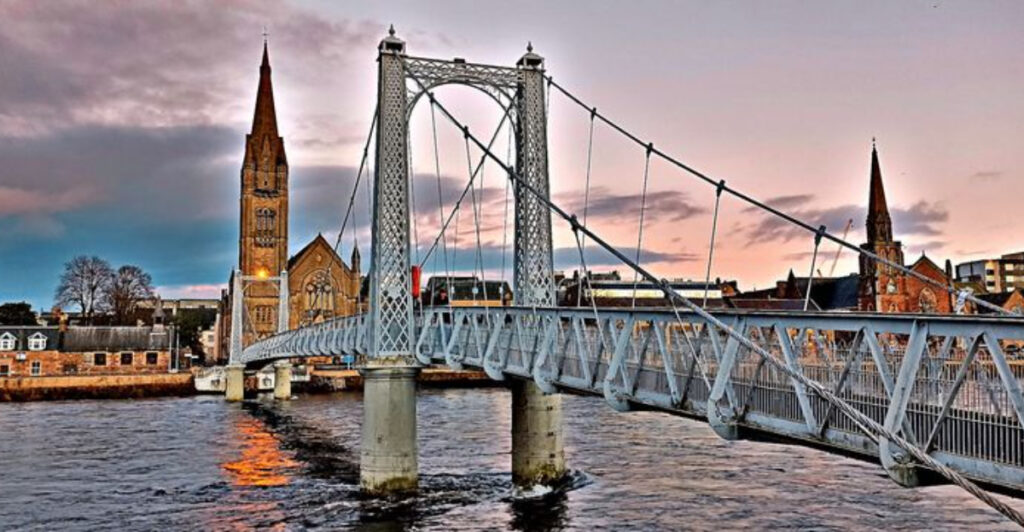
Gateway to the Scottish Highlands, Inverness has a quiet confidence that bigger cities could learn from. The River Ness cuts right through the heart of town, lined with colorful Victorian houses and weeping willows that trail into the water.
It’s the kind of scene that makes you stop walking and just stare for a moment.
The Ness Islands, a short walk from the city center, are a local favorite – two wooded islands connected by Victorian footbridges, where the only sounds are birdsong and flowing water. It’s remarkably peaceful for somewhere so close to a city center.
Early mornings here are especially magical.
Inverness Cathedral, the red sandstone castle, and the charming Victorian Market are all within easy walking distance of each other. The city is small enough to cover in a day but full enough to fill one completely.
A brilliant base, and a brilliant walk.
Share this story