Most travelers hit Seoul, Busan, and Jeju and call it a trip. But South Korea is packed with places that quietly outshine the famous spots, places that rarely show up on top-ten lists but absolutely should.
I stumbled onto a few of these by accident, and every single one left me thinking the same thing: why does nobody talk about this? Here are twelve spots that will genuinely surprise you.
Upo Wetland, Changnyeong
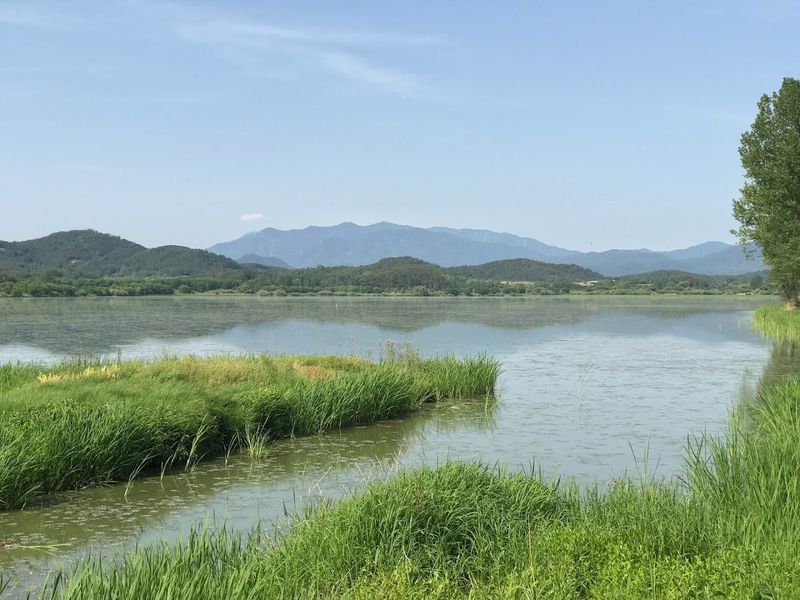
Korea’s largest natural wetland does not care about being trendy, and that is exactly what makes it special. Upo has existed for roughly 140 million years, which means it was here long before anyone thought to Instagram it.
The landscape feels ancient in a way that is hard to explain until you are standing right in the middle of it.
Flat, open, and eerily quiet, Upo covers about 2.3 square kilometers of reeds, lotus beds, and shallow water. Herons stand perfectly still like they are posing for a nature documentary.
I visited on a gray morning and found the whole place looked like a scene from an old Korean painting.
There are walking and cycling paths around the wetland that make exploring easy. Spring and autumn are the best seasons to visit, when migratory birds pass through in huge numbers.
Admission is free, which only makes the whole experience feel more like a secret find.
Oedo Botania, Geoje
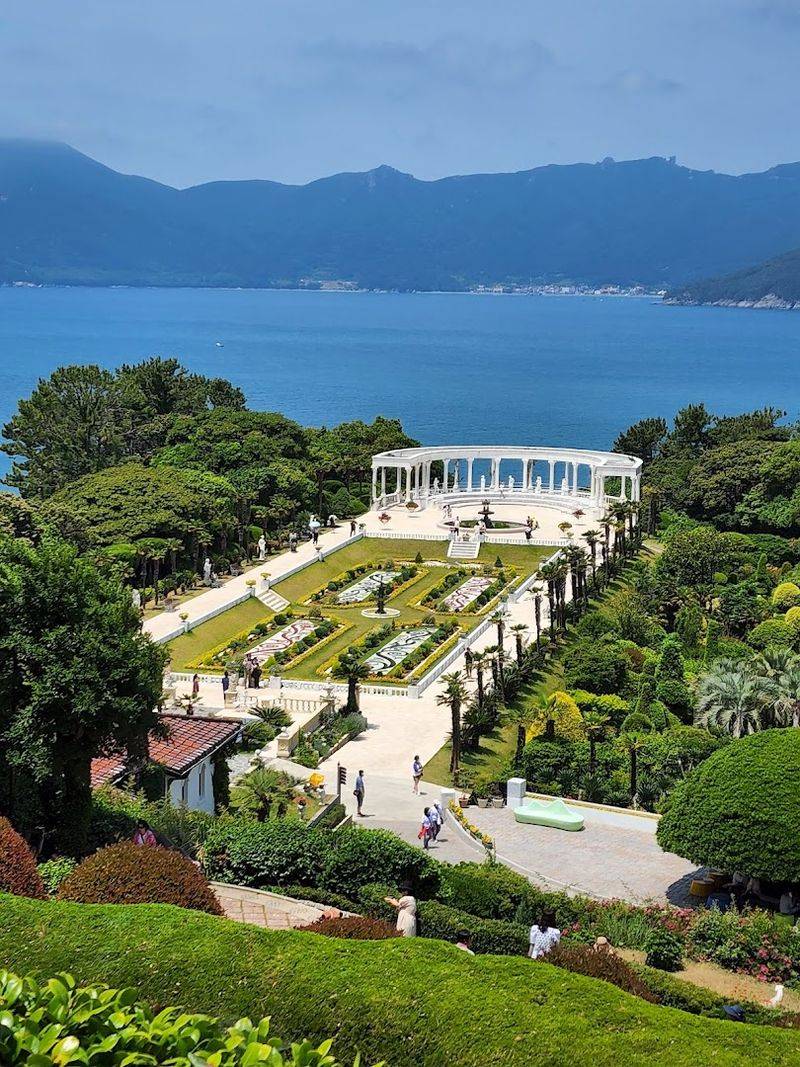
Nobody expects to find a subtropical island garden off the southern coast of Korea, but here we are. Oedo Botania sits on a small island near Geoje and packs over 1,000 rare plant species into a setting that somehow looks half-European and half-Korean coastal drama.
It is genuinely one of the most visually unexpected places in the country.
The garden was developed by a couple who bought the island in the 1960s and spent decades turning it into what it is today. That backstory alone makes the visit feel richer.
Sculpted hedges, wisteria-draped walkways, and sea views all compete for your attention at the same time.
You can only reach Oedo by ferry, which adds to the sense of occasion. The ride takes about 30 minutes from Geoje’s Gujora port.
Spring is peak season when the flowers are in full bloom, but the dramatic coastal scenery makes any time of year worth the trip.
Naganeupseong Walled Town, Suncheon
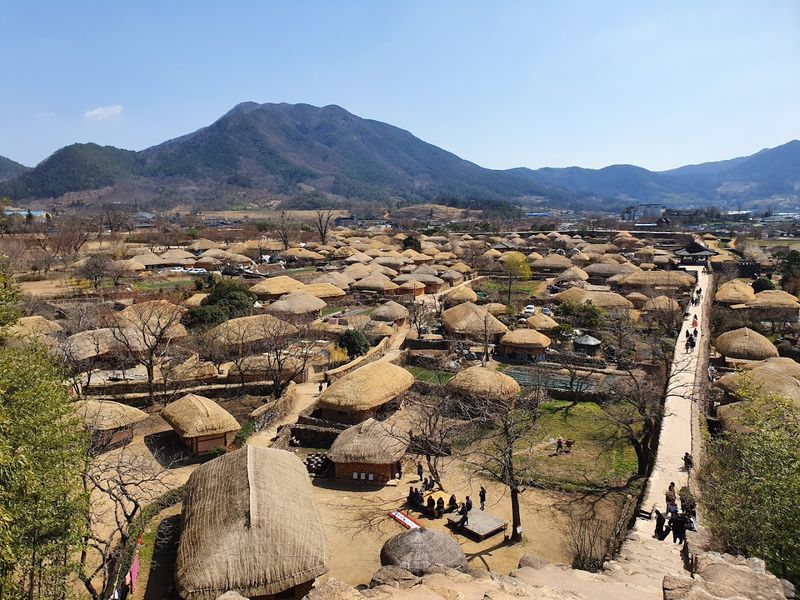
Most historic villages in Korea feel like stage sets. Naganeupseong does not.
People actually live inside this walled fortress town, which gives it a texture and realness that open-air museums simply cannot fake. The stone walls have been standing since the Joseon Dynasty, and the whole layout still follows the original fortress design.
Walking through the gates feels more like stepping into a working neighborhood than a tourist attraction. Residents grow vegetables, hang laundry, and go about their days while visitors wander around them.
It is a refreshingly honest version of heritage tourism.
The town covers a large area, so give yourself at least two to three hours to explore properly. There are small shops and local food stalls inside the walls selling Suncheon specialties.
The annual Naganeupseong Folk Festival in autumn is worth timing your visit around if you can. Entry fees are modest, and the experience is genuinely hard to replicate anywhere else in Korea.
Juknokwon Bamboo Garden, Damyang
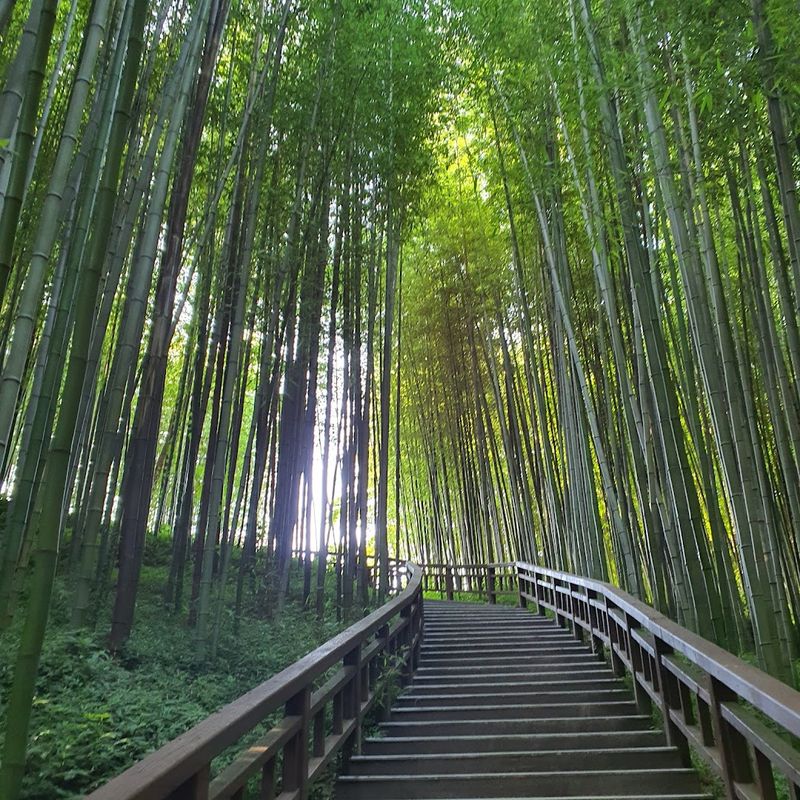
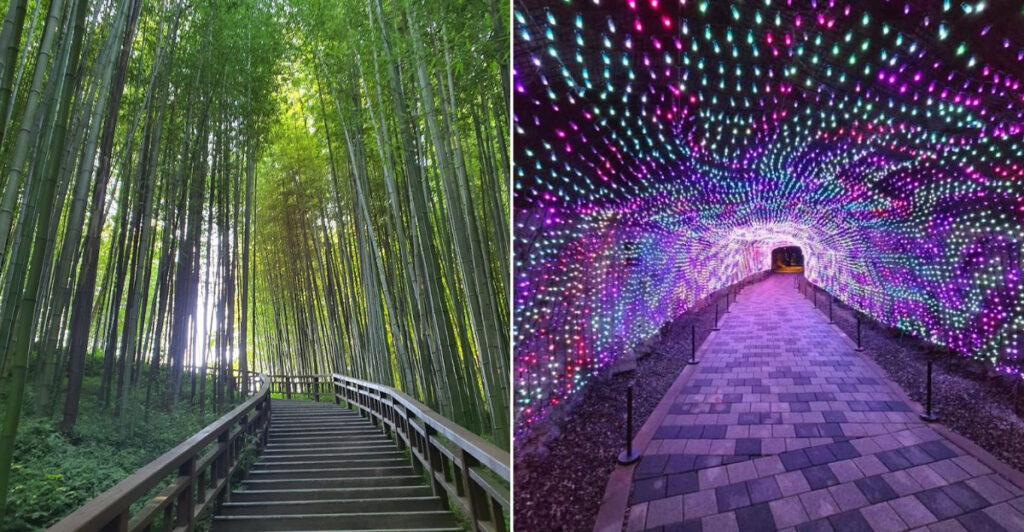
Bamboo gardens get written off as quick photo stops, but Juknokwon earns its own afternoon. The grove covers over 31 acres and the bamboo stalks shoot up to 20 meters high, which is tall enough to make even the most jaded traveler stop and stare upward for a moment.
The scale is genuinely impressive.
The paths wind through the forest in a way that makes you feel properly inside it rather than just passing through. A steady breeze moves through the grove almost constantly, which keeps things cool even in summer.
I visited on a hot July afternoon and it was easily the most comfortable I felt all day.
Damyang itself is worth exploring beyond the garden. The town is famous for its bamboo-based crafts and cuisine, including bamboo rice and tteok made with bamboo.
The garden is open year-round, and entry costs just a few thousand won. Morning visits are quieter and the light through the canopy is at its best.
Seonamsa Temple, Suncheon
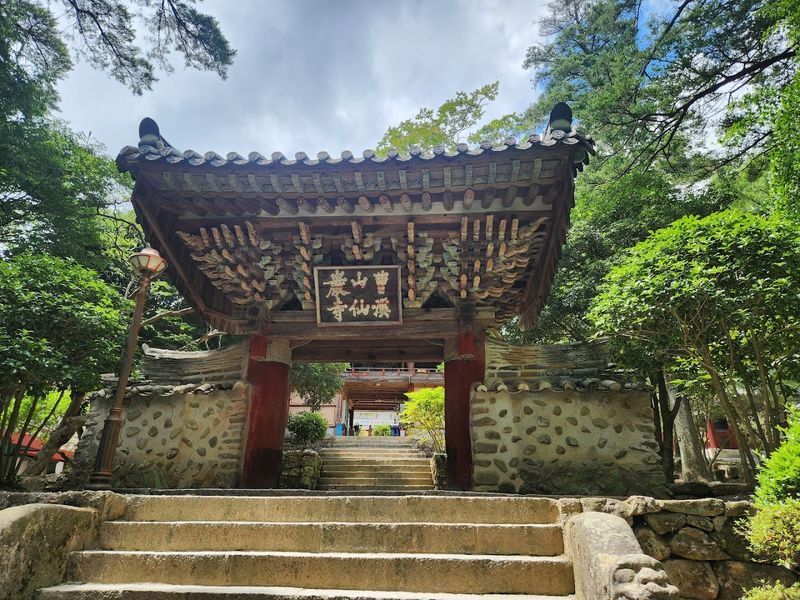
Korea has hundreds of Buddhist temples, and after a while they can start to blur together. Seonamsa does not blur.
The approach alone sets it apart: a long forested path that gradually builds atmosphere before you even see the first gate. The walk takes about 20 minutes from the entrance and feels like a deliberate slow-down, which is the whole point.
The stone bridge near the main hall, called Seungseongyo, is one of the oldest and most photographed in the country. It curves elegantly over a stream and has a way of making everything around it look like a classical painting.
The surrounding mountain scenery only adds to that effect.
Seonamsa is a UNESCO World Heritage candidate site and part of the Seven Buddhist Mountain Monasteries cluster. Despite that status, crowds stay manageable compared to more famous temples.
Autumn is stunning here, but spring cherry blossoms along the approach path are equally worth planning around. Wear comfortable shoes for the forest walk.
Hantangang River Jusangjeolli-gil, Cheorwon
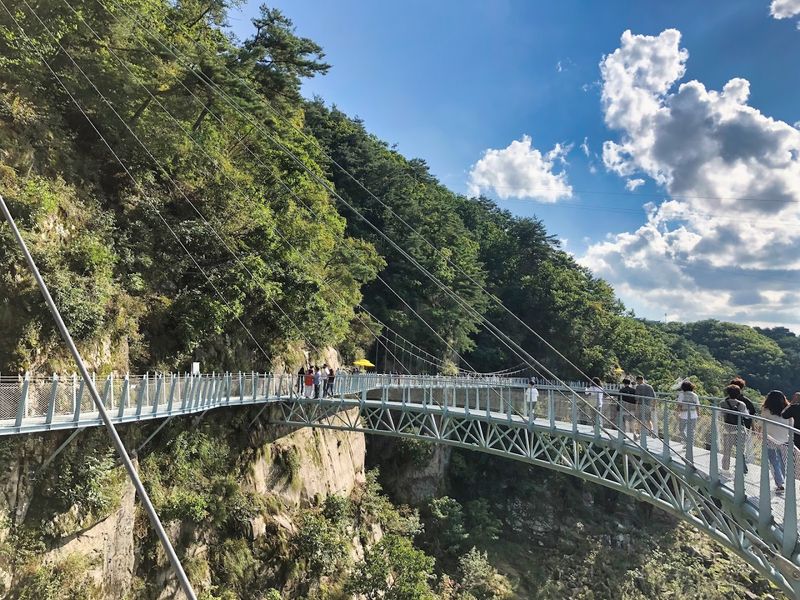
Columnar basalt cliffs are usually associated with Iceland or Northern Ireland. Finding them in Cheorwon, about two hours from Seoul, feels like a geography class going delightfully wrong.
The Hantangang River carved through ancient lava flows here, leaving behind sheer rock columns that rise dramatically from the riverbanks.
The Jusangjeolli-gil trail runs along these formations and covers several kilometers of genuinely striking scenery. The path is well-maintained and suitable for most fitness levels, though some sections require attention near the cliff edges.
The reward is a landscape that looks like it belongs in a fantasy film rather than central Korea.
Cheorwon itself sits near the Demilitarized Zone and carries a layer of modern history that adds weight to any visit. The area is part of a UNESCO Global Geopark designation, which gives the whole region a sense of protected significance.
Visiting in spring or autumn gives the best combination of comfortable temperatures and dramatic scenery without peak-season crowds.
Mungyeongsaejae Provincial Park, Mungyeong
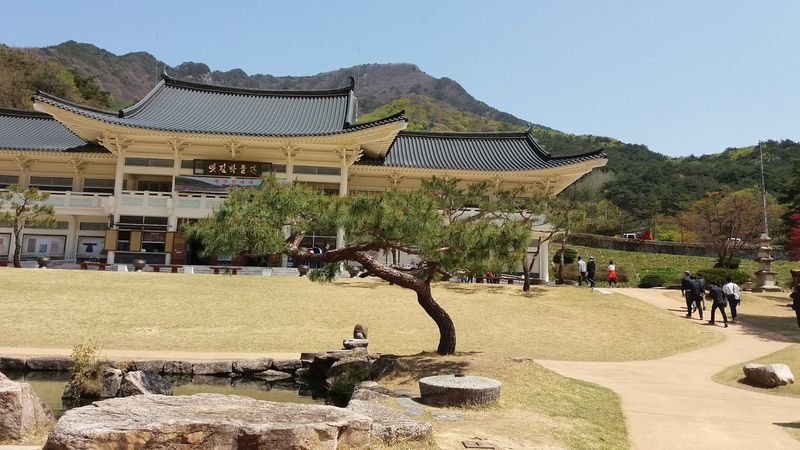
A mountain pass with three fortress gates sounds like a niche history interest. Mungyeongsaejae turns that assumption upside down fast.
This pass connected the capital to the southern provinces for centuries and served as a key defensive and commercial route during the Joseon Dynasty. The weight of that history is palpable as you walk through each gate.
The three gates, called Jubori, are spaced along a forested path and each one feels like a small event. Between them, the scenery is quietly beautiful: old pines, stone-paved tracks, and mountain ridges visible above the treeline.
It is the kind of walk where you find yourself slowing down without meaning to.
The park also doubles as a popular filming location for historical Korean dramas, so there is a good chance you will recognize a scene or two if you watch that genre. A folk village near the entrance adds context to the history.
Autumn foliage along the pass trail is genuinely spectacular and worth a visit in October.
Byeonsanbando National Park, Buan
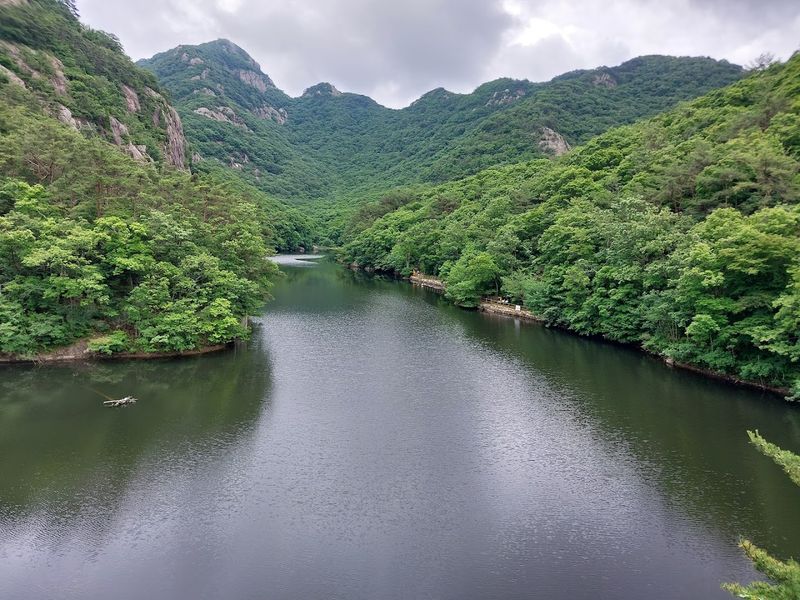
Korea has 22 national parks, and Byeonsanbando is the one that quietly does double duty. It is the only national park in the country that combines both mountain terrain and ocean coastline in a single destination.
That combination sounds like a marketing line until you are actually standing on a ridge with sea views on one side and forested peaks on the other.
The coastal section features dramatic rock formations, sandy beaches, and tidal flats that attract serious birdwatchers. The inland mountain area includes trails through pine forests and past Buddhist temples.
Both halves feel genuinely different from each other, which makes a full-day visit easy to fill.
Buan is not heavily visited by international tourists, which keeps the park refreshingly uncrowded. The nearby town has a growing reputation for local food, particularly raw fish and the region’s distinctive cuisine.
Hwasomokjang, a traditional lacquerware village within the park area, is an unexpected bonus worth adding to your itinerary.
Gwangmyeong Cave, Gwangmyeong
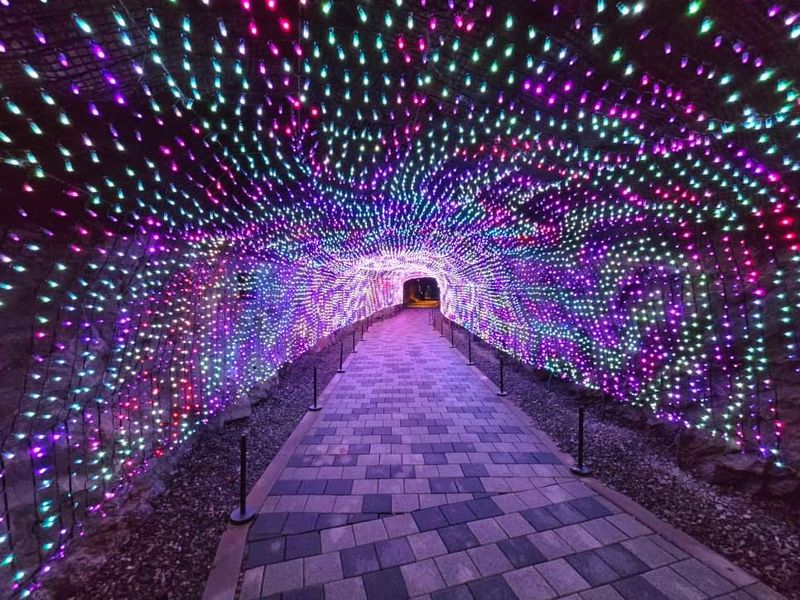
Few places have had a stranger career change than Gwangmyeong Cave. It started as a Japanese colonial-era gold and silver mine, was abandoned after liberation, then spent decades as a storage facility for salted seafood.
Now it is one of the most visited underground attractions near Seoul, which is a genuinely bizarre arc for a hole in the ground.
The cave is large enough to house multiple themed sections, including an art gallery, a bat habitat zone, and an underground lake. The lighting design inside is theatrical and surprisingly well done.
It is the kind of place that works for both kids and adults without feeling like it is panicking to please everyone.
Gwangmyeong is just 30 minutes from central Seoul by subway, which makes this an easy half-day trip. Entry fees are reasonable, and the cave maintains a cool temperature year-round, making it a smart choice on a hot summer day.
The adjacent wine cave section offers local Korean wine tastings if you fancy an underground tipple.
Yangdong Village, Gyeongju
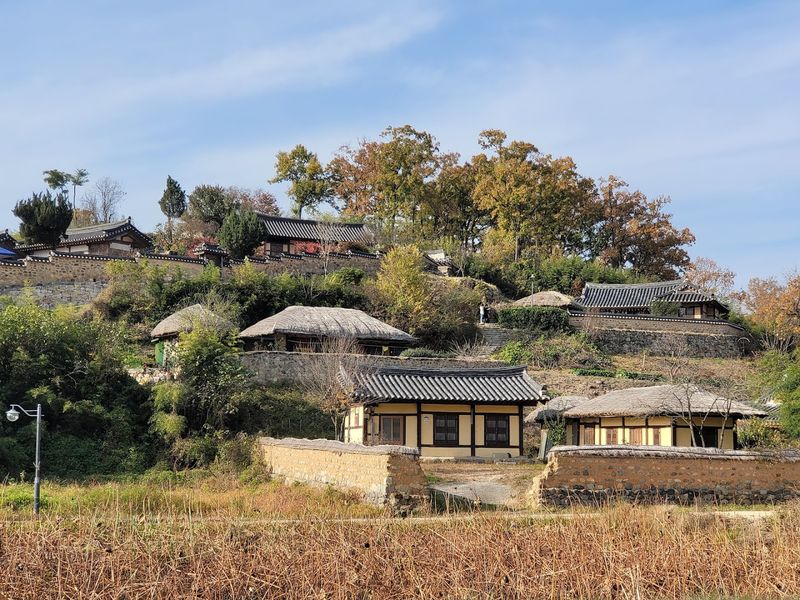
Gyeongju gets most of its attention for royal tombs and Bulguksa Temple, and those are genuinely worth your time. But skipping Yangdong Village to get to the headliners faster is a mistake I made on my first trip and corrected on my second.
This is Korea’s largest traditional village and holds UNESCO World Heritage status alongside Hahoe Village in Andong.
What sets Yangdong apart is its layout. The village spreads across a hillside in a way that separates aristocratic homes from commoner dwellings, and that social geography is still readable in the architecture today.
It is a surprisingly interesting way to understand Joseon-era class structure without reading a textbook.
Over 150 traditional structures remain intact, many still occupied by descendants of the original founding clans. The village feels lived-in and calm rather than performative.
Visiting on a weekday keeps the crowds thin, and the surrounding rice fields and hills make the whole setting look especially good in late afternoon light.
Hwansang Gotjawal Forest, Jeju
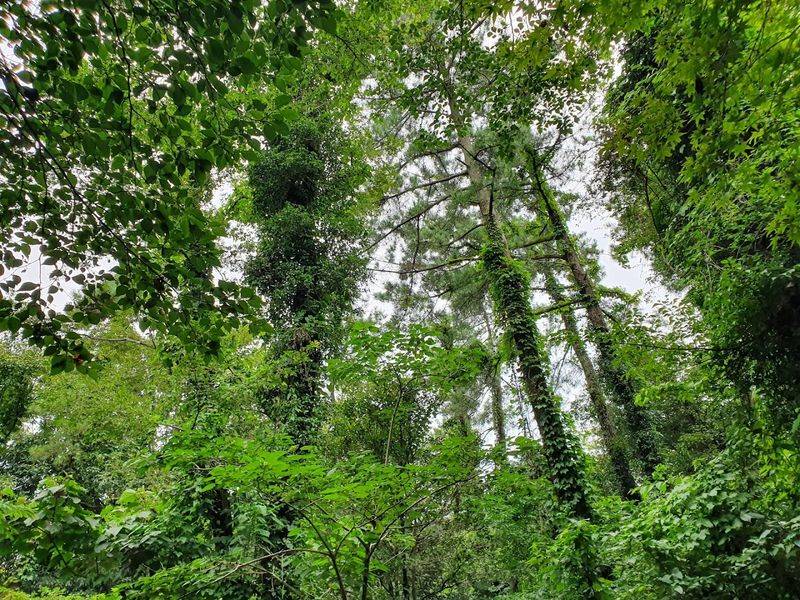
Jeju Island has waterfalls, beaches, and a volcano that gets most of the tourist traffic. Gotjawal forest is the part of Jeju that tourists consistently underestimate.
This ancient woodland grows directly on volcanic lava rock, which means the root systems twist and grip the stone in ways that look genuinely primeval. There is no other ecosystem quite like it on the island.
Hwansang Gotjawal is one of the most accessible sections of this forest type, with well-marked trails suitable for most visitors. The canopy is dense enough to keep things cool, and the forest floor is a tangle of ferns, mosses, and roots that makes the whole place feel slightly otherworldly.
Jeju’s famous tourist spots can feel crowded and processed; this one does not.
The forest plays an important ecological role as a natural groundwater filter for the island, which adds some weight to the visit beyond its visual appeal. Early morning is the best time to go before tour groups arrive.
Bring water and wear shoes with grip, as the lava rock surfaces can be uneven underfoot.
Suncheonman National Garden and Wetland, Suncheon
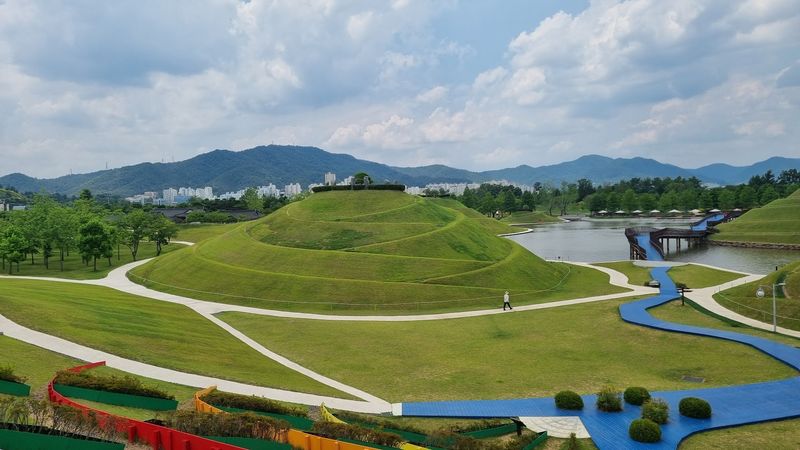
The name sounds like a pleasant park day out, which is technically accurate but dramatically undersells what this place actually is. Suncheonman combines a purpose-built national garden, which hosted the 2023 Suncheon Bay Garden Expo, with direct access to one of Korea’s most significant coastal wetland ecosystems.
The scale of the whole thing is genuinely surprising on arrival.
The garden section is large and well-designed, with international garden zones, themed planting areas, and plenty of walking paths. But the real draw is the connection to Suncheon Bay itself, where vast reed beds stretch toward the coast and serve as critical habitat for black-faced spoonbills and other endangered birds.
It is one of the few places where a designed landscape transitions so naturally into something wild.
Plan for a full day here because the two sections reward slow exploration rather than a quick loop. Sunset from the hilltop observatory over the reed beds and bay is one of those views that earns its reputation.
Admission includes access to both areas, making the value excellent.
Share this story