 Unearth The Voyage
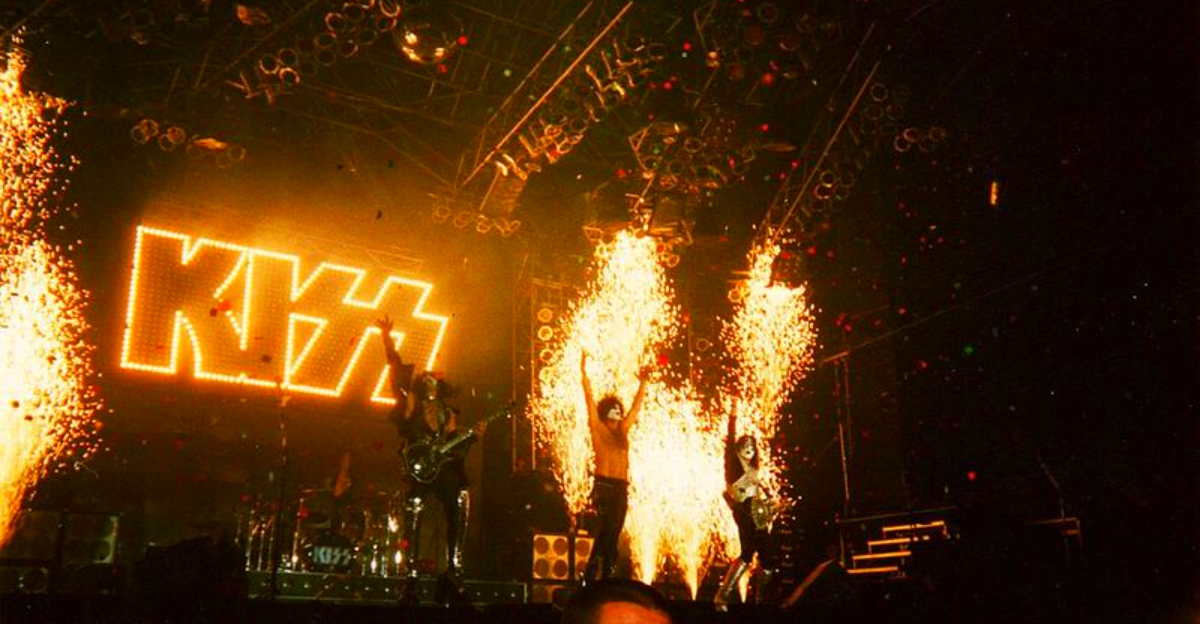
KISS did more than make hit records – they changed what a rock band could look, sound, and feel like. Their rise turned concerts into spectacles, musicians into mythic characters, and fandom into a full lifestyle.
If you want to see how rock became bigger, louder, and more theatrical, these moments tell the whole story. Here are the milestones that prove KISS did not just join rock history – they rewrote it.
1. When Face Paint Became Their Identity
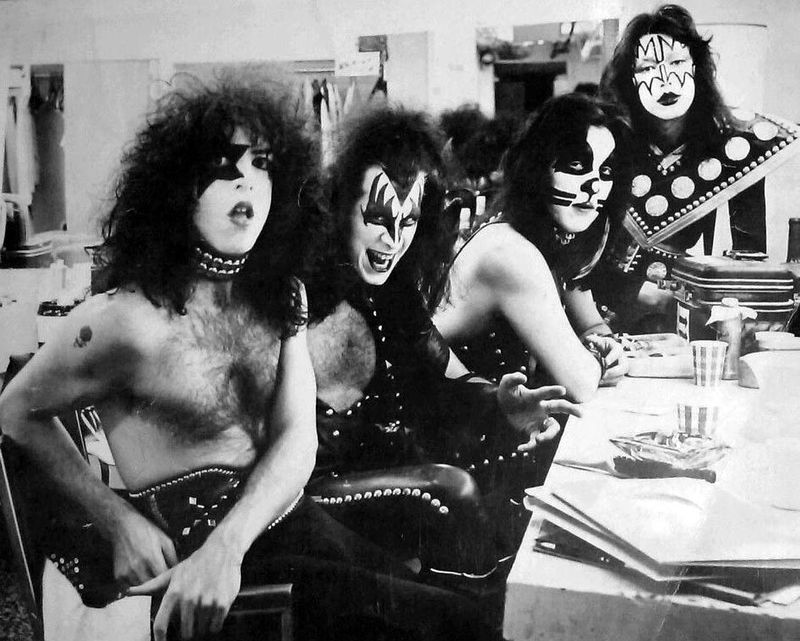
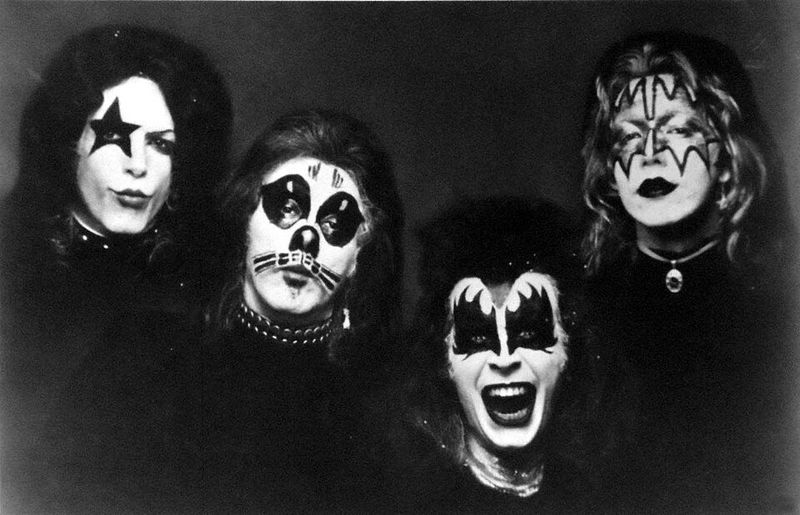
When KISS stepped out in full face paint in the early 1970s, they instantly separated themselves from every denim-clad band around them. The makeup was not a gimmick you forgot after one song – it was a complete visual language that turned each member into a character fans could recognize from the back row.
You did not just see musicians walking onstage, you saw Starchild, Demon, Spaceman, and Catman arrive like comic book heroes.
That choice changed rock because image suddenly became part of the performance, not just promotion. Plenty of artists had style before KISS, but few built such a clear mythology around it, and even fewer made fans want to imitate it so passionately.
Once that paint became their identity, rock felt bigger, stranger, and more theatrical, opening the door for generations of bands to think visually as boldly as they played musically.
2. The First Explosive Live Shows
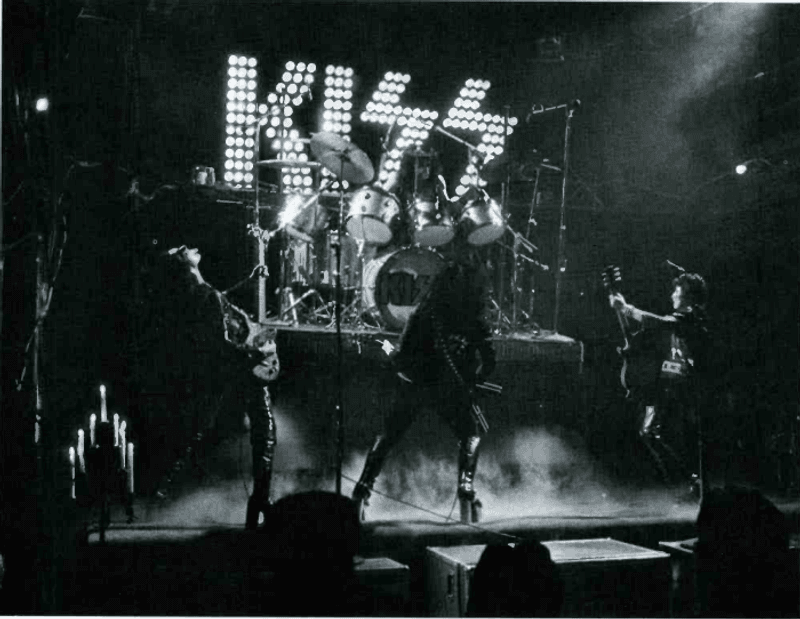
The first time audiences saw KISS lean fully into explosive stagecraft, rock concerts stopped feeling ordinary. Their shows came loaded with smoke, fire, flashing lights, and a sense that anything could happen before the final chord rang out.
Instead of treating the stage like a simple platform for songs, they treated it like a battlefield, a carnival, and a theater set all at once.
That shift mattered because it raised expectations for every live act that followed. Fans no longer wanted to stand still and politely watch a band reproduce the album – they wanted a real event, something loud enough and wild enough to talk about for weeks.
KISS understood that spectacle could amplify music rather than distract from it, and those early explosive shows helped define the modern arena experience, where the visuals, volume, and atmosphere are just as unforgettable as the setlist itself.
3. Gene Simmons Breathes Fire on Stage
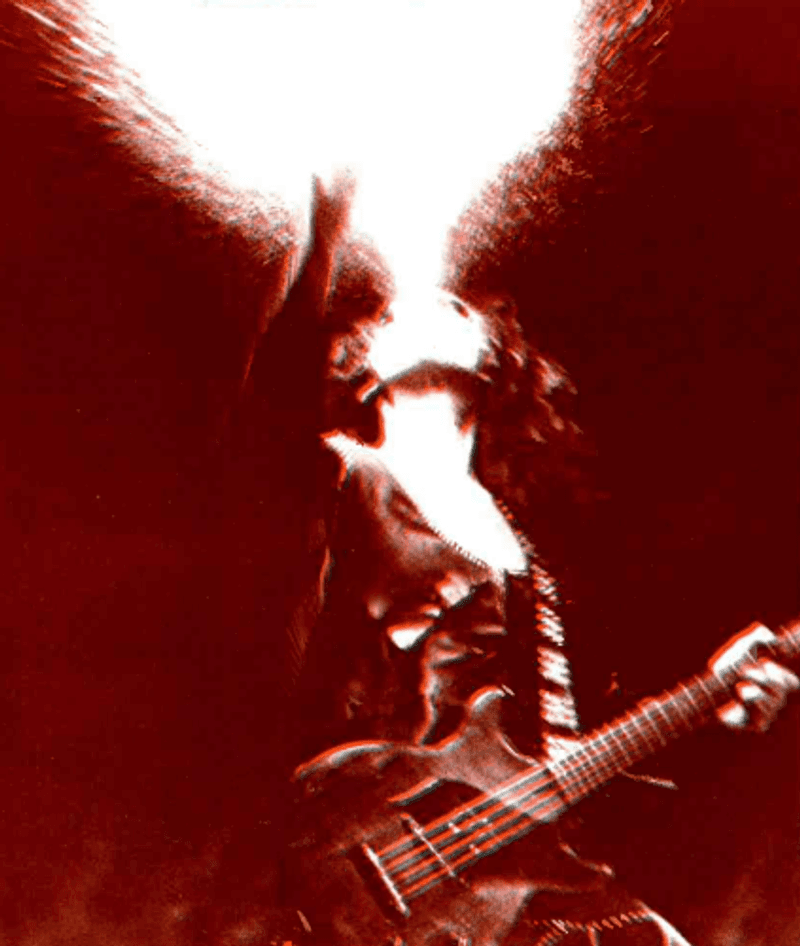
When Gene Simmons started breathing fire onstage, KISS pushed rock into a new realm of danger and drama. It was not just a visual trick tossed into the set for cheap shock value – it felt like proof that the band existed on a different level from everyone else.
In a single blast of flame, KISS told audiences this was not a safe, polite night out, but a full sensory assault.
That image became one of the defining symbols of their legend because it captured everything people associated with the band: excess, fearlessness, and theatrical control. Fire-breathing made the Demon persona feel real, and it showed how deeply KISS understood the power of commitment to a concept.
Once fans saw that moment, they expected more from rock stars than great riffs and swagger, and many later performers borrowed the lesson that unforgettable stage images can become as important as the songs themselves.
4. The Blood-Spitting Moment That Stunned Fans
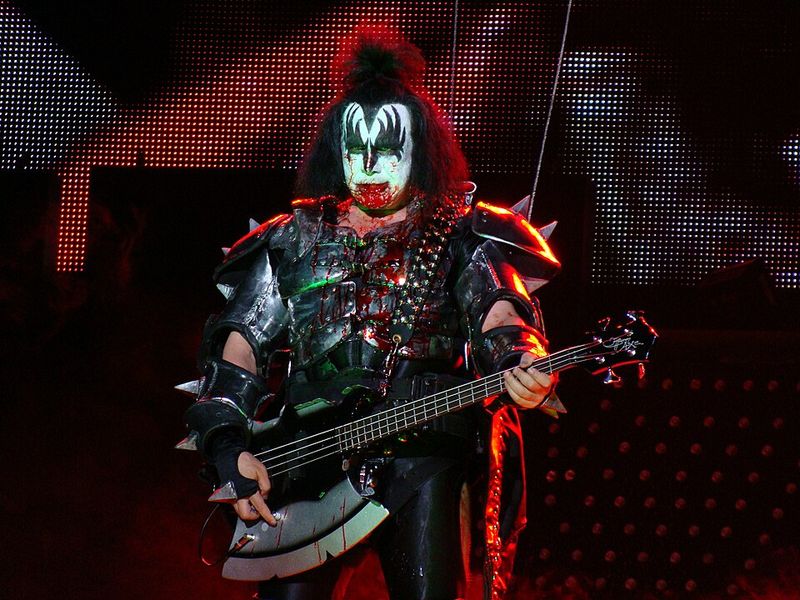
The first time fans saw Gene Simmons spit blood onstage, it felt like rock had crossed into horror theater. It was shocking, weird, and impossible to ignore, exactly the kind of moment that forced people to decide whether they were fascinated or completely overwhelmed.
Either way, no one forgot it, and that was the point KISS understood better than almost anyone.
By turning a concert into something grotesque and theatrical, they proved entertainment could thrive on tension as much as excitement. The blood-spitting act made the Demon character feel dangerous in a way that album covers and interviews never could, and it deepened the band’s larger mythology with every performance.
You can trace a line from that boundary-pushing image to countless later rock and metal artists who embraced shock, makeup, and stage storytelling, because KISS showed that if you committed hard enough to the spectacle, audiences would remember the moment forever.
5. Platform Boots and Superhuman Style
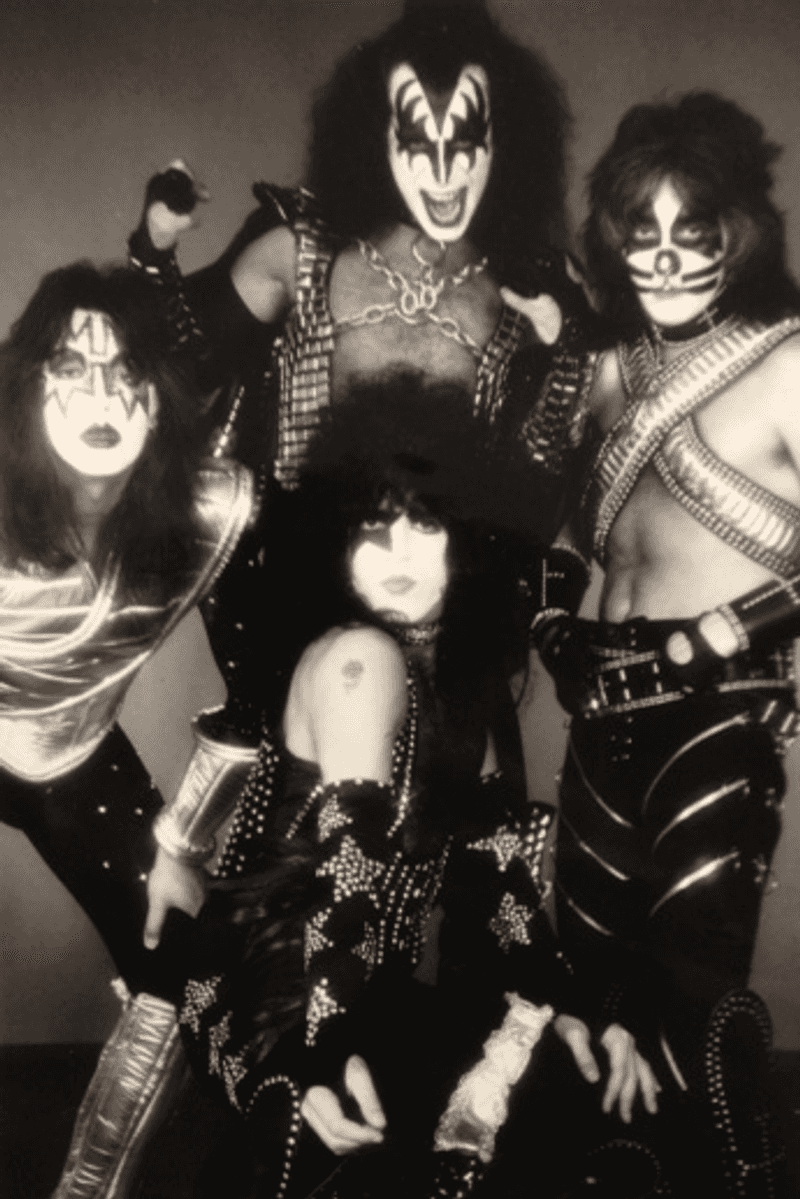
KISS did not dress like ordinary rock stars, and that was exactly why their image hit so hard. The platform boots, metallic costumes, capes, studs, and exaggerated silhouettes made them look less like a band and more like creatures from some louder, weirder universe.
When they walked onstage, their size and style alone told you this night belonged to fantasy, not realism.
That visual boldness mattered because it expanded what rock fashion could accomplish. Clothes were no longer just attitude or rebellion – they became architecture, mythology, and branding all at once, helping fans escape into a world built as carefully as the music.
KISS made it clear that style could enlarge a performer into something almost superhuman, and generations of glam, hard rock, and metal acts followed that lead. Even now, those towering boots and armor-like outfits remain proof that presentation can transform a concert into a larger-than-life experience before the first note lands.
6. The 1975 Alive! Breakthrough
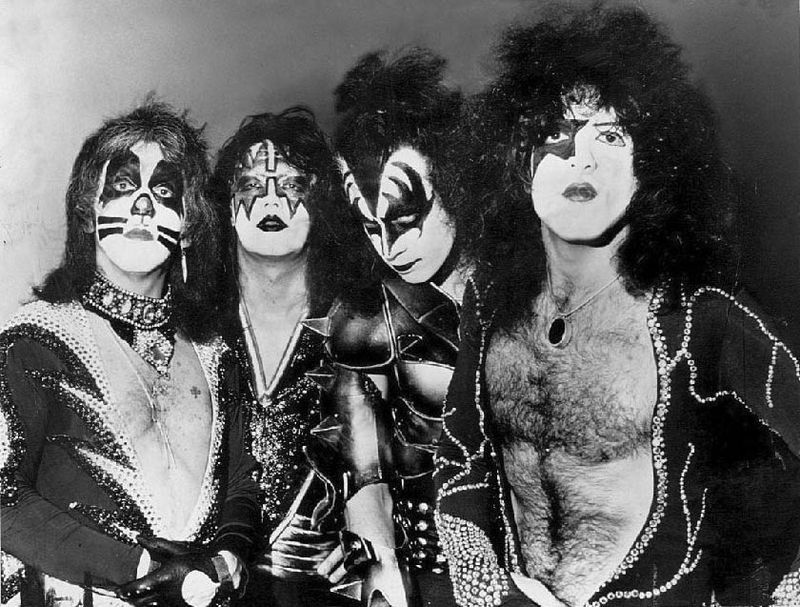
When Alive! arrived in 1975, it captured something studio records had only hinted at: KISS was built to explode in front of a crowd. The album bottled the noise, chaos, hooks, and swagger of their live show, giving listeners a sense of the electricity fans already knew firsthand.
Suddenly, people who had not witnessed the spectacle could hear why the band inspired such devotion.
This was the breakthrough because it proved the excitement was not all makeup and fire – the songs connected too. Alive! turned ‘Rock and Roll All Nite’ into a true anthem, pushed the band into stardom, and showed the industry that a live album could feel essential rather than supplemental.
More importantly, it confirmed that KISS had figured out how to merge musicianship with showmanship so completely that one strengthened the other. From that point on, they were no longer a cult attraction with outrageous visuals, but a genuine rock force that could not be dismissed.
7. Four Solo Albums Released on the Same Day
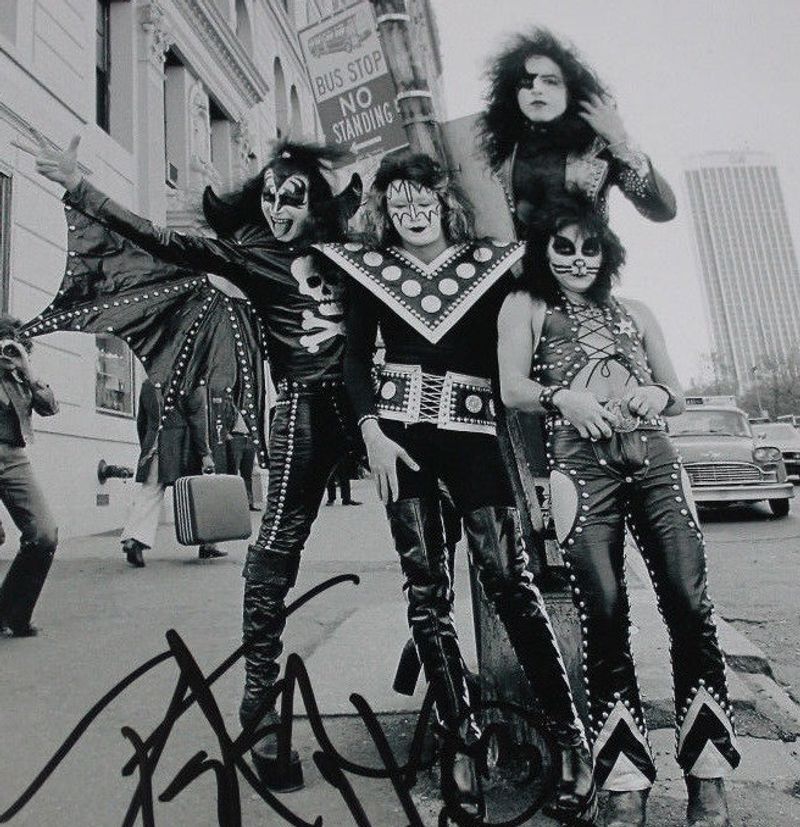
In 1978, KISS pulled off one of the boldest marketing swings rock had seen by releasing four solo albums on the same day. It was ambitious, risky, and perfectly on brand, because only KISS would treat individual projects like a major cultural event tied to one giant shared identity.
Fans were invited to choose favorites, compare personalities, and dive deeper into each member’s mythology all at once.
What made the move historic was how clearly it demonstrated the power of the KISS brand. The band had grown beyond records and concerts into a universe where each member was both part of the machine and a star in his own right, something very few groups could claim.
Even if the albums varied in style and reception, the release strategy itself showed a new level of commercial imagination in rock. KISS made fandom interactive, collectible, and personality-driven, helping shape how future artists would think about branding, identity, and audience engagement.
8. Taking Over Pop Culture With Merchandise
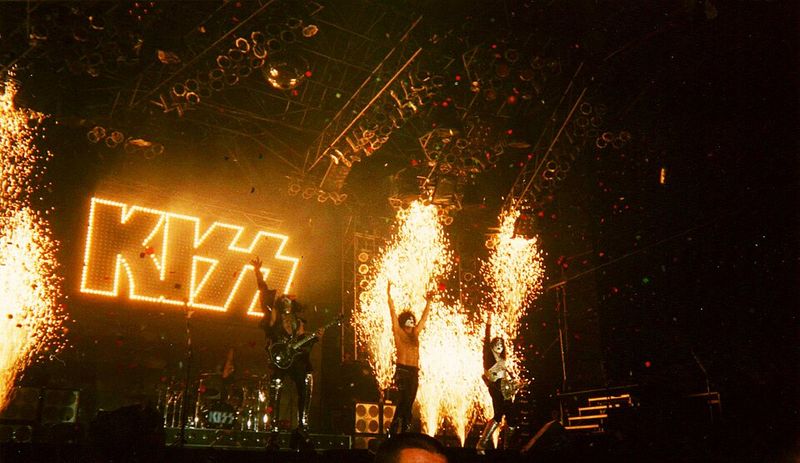
KISS changed the business of rock by realizing fans did not want the experience to end when the concert lights came up. Through lunchboxes, comic books, posters, dolls, pinball machines, and nearly every collectible you can imagine, they turned fandom into something people could wear, display, and carry into everyday life.
That approach made the band feel less like a touring act and more like a permanent cultural presence.
This mattered because KISS proved a rock group could build an empire without diluting its identity. The merchandise was not random – it extended the fantasy, reinforced the characters, and kept fans emotionally connected between albums and tours.
Long before branding became standard music industry language, KISS understood how powerful it was to create a complete world around the songs. Countless artists later borrowed that strategy, but KISS helped define it first, showing that the relationship between band and audience could stretch far beyond the stage into bedrooms, schools, stores, and pop culture itself.
9. The Unmasking in 1983
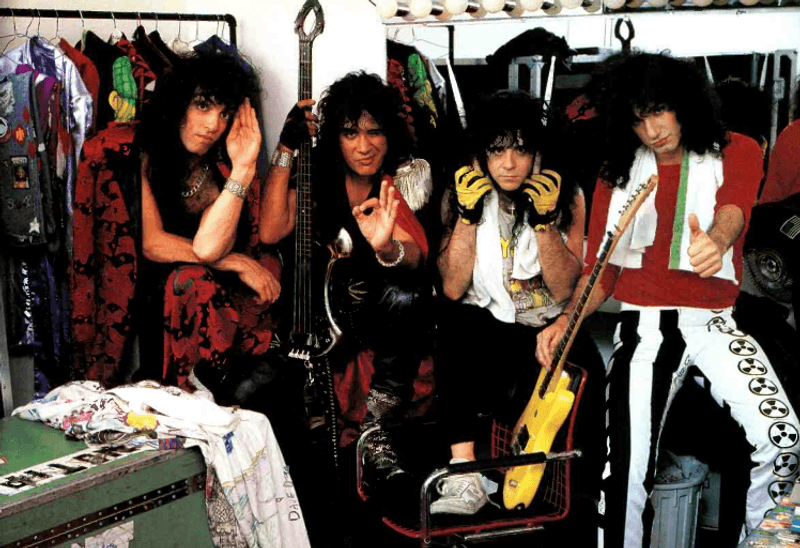
When KISS appeared without makeup in 1983, it felt like one of rock’s biggest mysteries had finally been cracked open. For years, the paint had been inseparable from the band’s power, so revealing their faces was not just a cosmetic shift – it was a gamble with their entire mythology.
Fans were stunned because KISS was suddenly asking them to accept reinvention without the mask that built the legend.
What makes the moment so important is that it showed the band understood survival sometimes requires disruption. Rather than cling to nostalgia and risk fading away, they used the unmasking as a reset button, creating headlines and inviting a new generation to see them differently.
It was a dramatic reminder that KISS had always been masters of presentation, whether they were hiding behind characters or stepping out from them. In that sense, the unmasking was not the end of the spectacle at all – it was another act in a career built on bold transformation.
10. Reinventing Themselves in the MTV Era
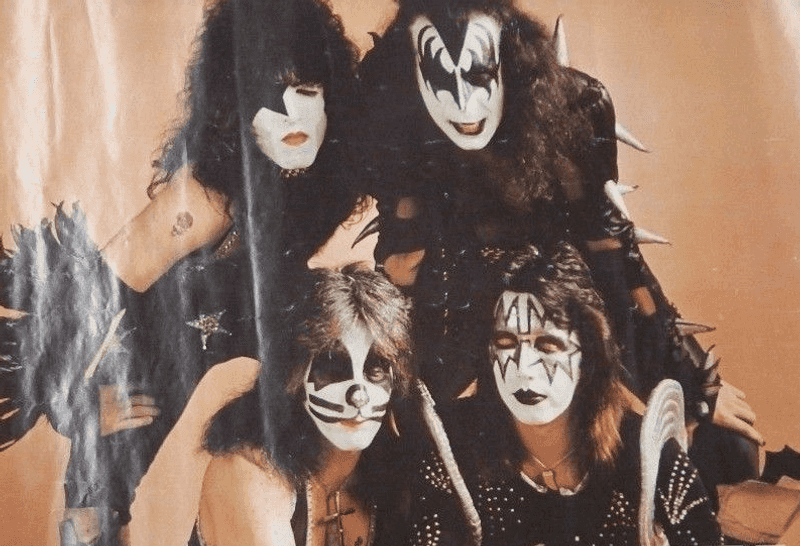
The MTV era could have turned KISS into a nostalgia act, but instead they adapted and fought for relevance in a very different musical landscape. Their look shifted, their sound evolved, and they embraced the glossy, video-driven style of the 1980s without losing the larger-than-life confidence that made them famous.
That willingness to change kept them visible when many earlier rock giants struggled to keep up.
This reinvention mattered because it proved KISS was more resilient than critics assumed. They were not trapped by one decade, one costume, or one formula, and songs from that period helped remind audiences that spectacle works best when it evolves with the culture around it.
By navigating the MTV years, KISS showed younger bands that longevity often depends on adaptation as much as identity. They balanced familiarity with reinvention, which is harder than it looks, and in doing so they extended their legacy far beyond the era that first made them legends.
11. The 1996 Reunion Tour That Broke Records
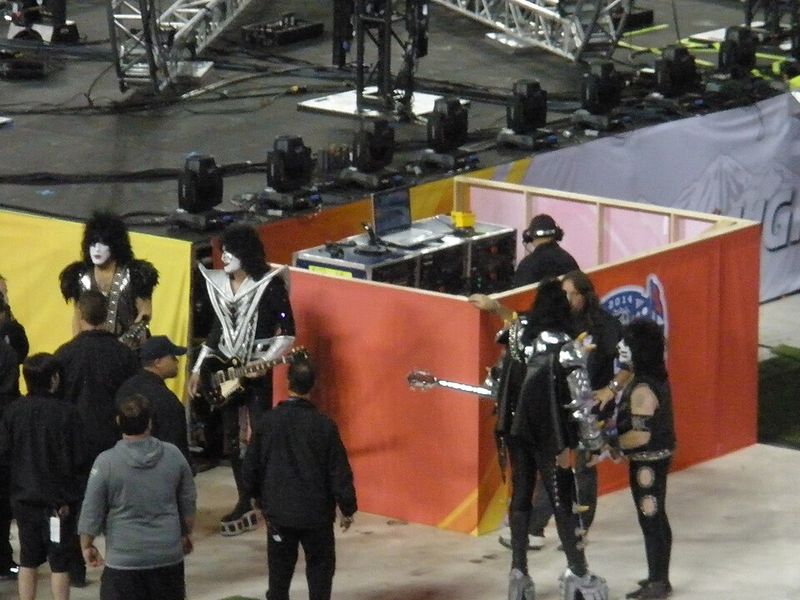
When the original KISS lineup reunited in full makeup for the 1996 tour, the response was immediate and enormous. Fans did not just show up for a pleasant dose of nostalgia – they arrived like they had been waiting years to see a myth restored in real time.
The tour became a huge commercial success because it tapped into memory, spectacle, and the emotional power of seeing the classic image come alive again.
This moment proved how deeply KISS had embedded themselves in rock culture. Few bands could reassemble their most iconic era and instantly command that level of attention, but KISS had built symbols so strong that a reunion felt like a major cultural event rather than a simple business move.
The success of the tour also helped normalize the modern blockbuster reunion, where legacy acts return with full theatrical force and huge ticket demand. KISS showed that if the mythology is powerful enough, audiences will come back in massive numbers to celebrate it.
12. Turning Farewell Into a Global Celebration
Even saying goodbye, KISS refused to think small. Their farewell era, especially the End of the Road tour and final performances, felt less like a quiet retirement and more like a worldwide celebration of everything the band had built over five decades.
The scale, emotion, and theatrical intensity made it clear they wanted the ending to feel as monumental as the beginning.
That final chapter matters because it reinforced the central lesson of KISS: rock can be ritual, memory, and spectacle all at once. Instead of fading out, they turned the close of their career into a communal event where generations of fans could honor the music, the costumes, the fire, and the impossible ambition that defined the band.
Ending at Madison Square Garden in 2023 only deepened the sense of legacy, giving the story a fittingly grand final scene. KISS proved that if you spend a lifetime thinking bigger than everyone else, even your farewell can reshape how rock history says goodbye.



