Sweden is one of those countries that quietly surprises you at every turn. From medieval old towns to Arctic wilderness, it packs an incredible range of experiences into one destination.
Whether you are planning a city break or a full Scandinavian adventure, knowing where to go first makes all the difference. This list covers the 12 places that every first-time traveler to Sweden should have on their radar.
Gamla Stan, Stockholm
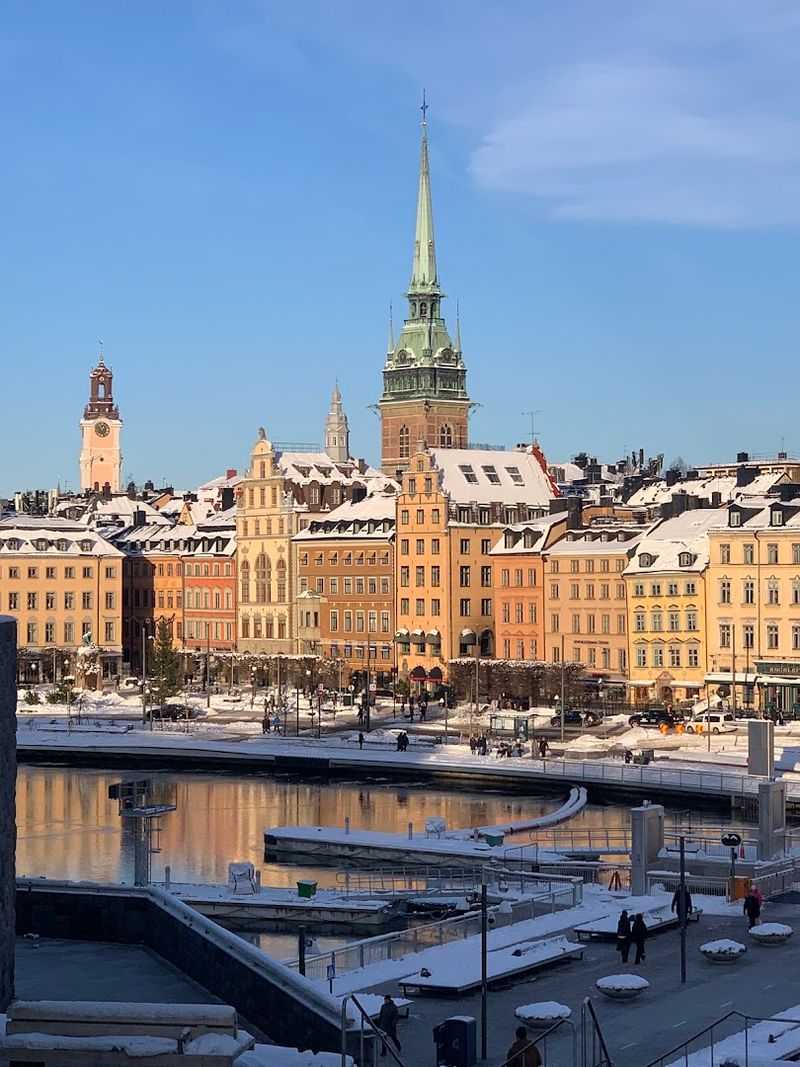
Cobblestones, candy-colored buildings, and centuries of royal drama packed into one tiny island. Gamla Stan is Stockholm’s Old Town, and it delivers an old-world atmosphere that hits you the moment you step off the metro.
I wandered in without a map once and ended up stumbling across the Royal Palace by accident, which is honestly the best way to find it.
The streets are narrow enough that two people walking side by side feel like a crowd. That intimacy is exactly what makes it so memorable.
Cafes tucked into 17th-century archways, souvenir shops squeezed into medieval cellars, and the faint smell of cinnamon rolls drifting through the air create a setting that feels almost too charming to be real.
Start at Stortorget, the oldest square in Stockholm, and let your feet take you from there. Gamla Stan is small enough to explore fully in a morning, but good enough to revisit every afternoon.
Vasa Museum, Stockholm

A warship that sank on its maiden voyage in 1628 and spent 333 years underwater is now the most visited museum in Scandinavia. That is not a bad comeback story.
The Vasa Museum in Stockholm is built entirely around the recovered wreck of the Vasa, a Swedish warship so top-heavy it capsized less than a mile from shore.
Walking inside and seeing the actual ship looming above you is genuinely jaw-dropping. The vessel is almost completely intact, which makes it one of the rarest historical artifacts in the world.
The museum does a brilliant job explaining the science, the history, and the human stories behind the disaster.
The museum is open every day of the year, which makes scheduling easy. It pairs perfectly with a walk through Djurgarden, the green island that also hosts Skansen open-air museum.
Budget at least two hours here because rushing through it would be a serious crime against history.
Drottningholm Palace, Ekerö
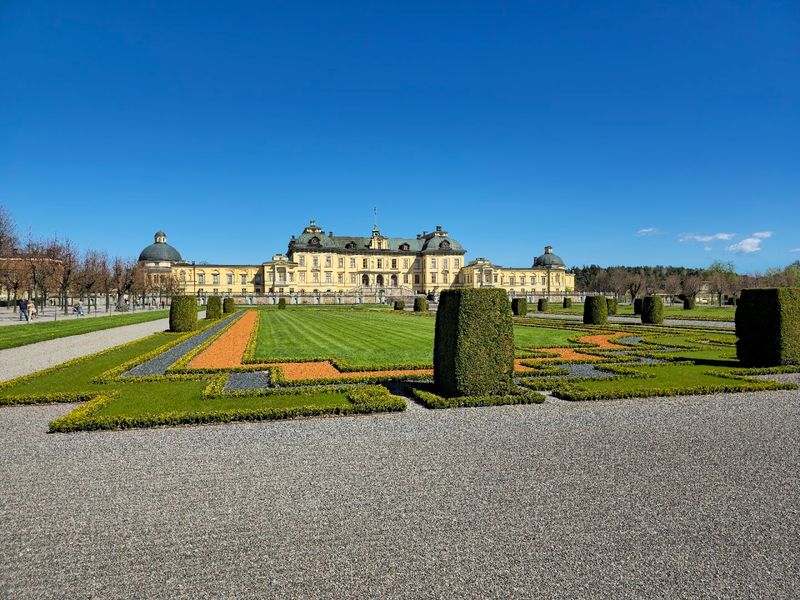
Sweden’s royal family actually lives here, which makes Drottningholm Palace one of the few UNESCO World Heritage Sites in the world with a “residents only” wing. The palace sits on the shores of Lake Malaren and looks like it was lifted straight from a French baroque painting.
Getting there by boat from Stockholm is a genuinely lovely way to arrive.
Built in the 1600s, Drottningholm is considered Sweden’s best-preserved royal castle from that era. The formal gardens are immaculate, the Chinese Pavilion on the grounds is a quirky highlight, and the 18th-century court theater still hosts live performances.
It is the kind of place where you feel slightly underdressed no matter what you wear.
The palace is about 45 minutes from central Stockholm by public transport, making it a very manageable day trip. Visit in spring or summer when the gardens are at their most impressive.
This is one stop that rewards travelers who take their time.
Stockholm Archipelago
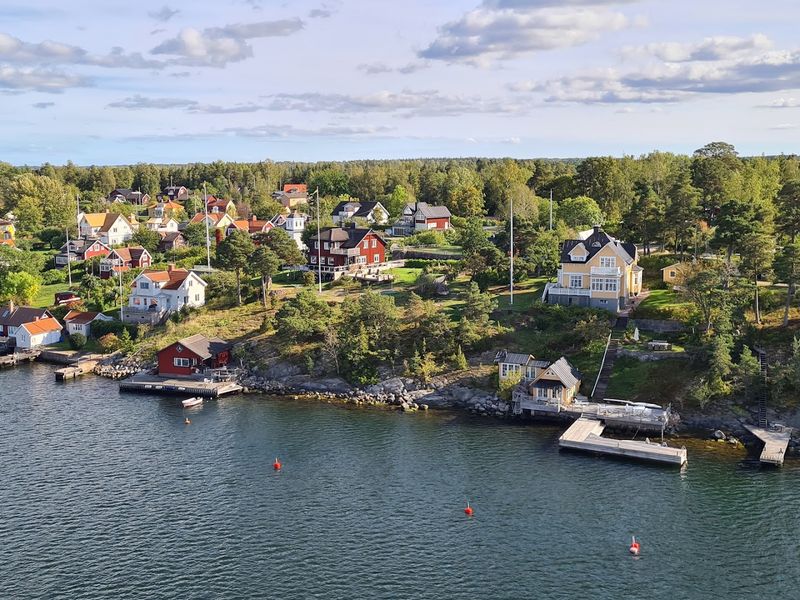
Thirty thousand islands, skerries, and rocks scattered across 80 kilometres of Baltic Sea. The Stockholm Archipelago is one of Scandinavia’s most spectacular natural playgrounds, and the best part is that you can reach it directly from the city center by ferry.
No long drives, no complicated logistics, just hop on a boat and watch Stockholm slowly disappear behind you.
Each island has its own personality. Some are lively with restaurants and summer cottages, others are barely more than a flat rock with a few pine trees clinging to the edges.
Swimming off the smooth granite is a Swedish summer tradition that visitors quickly adopt as their own.
Ferries run regularly throughout the year, though summer offers the fullest schedule and the best weather for outdoor exploring. Waxholmsbolaget operates the main boat routes and offers day passes that let you hop between islands freely.
Pack a light bag, bring snacks, and plan to be pleasantly lost for the day.
Visby, Gotland
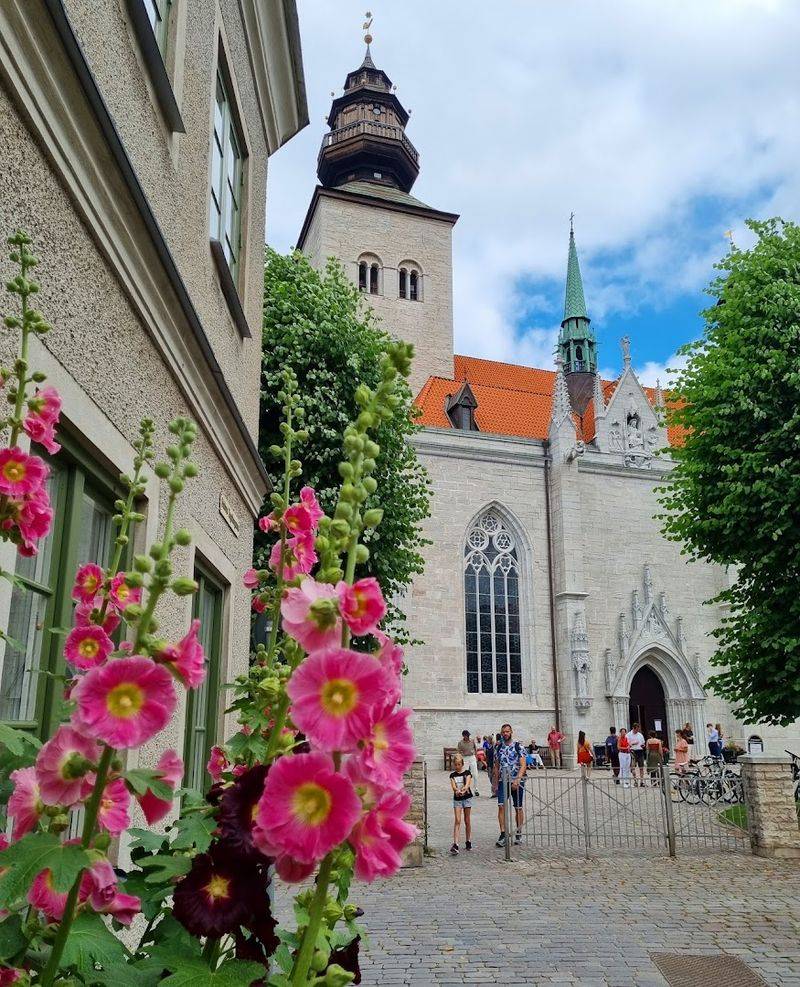
Visby looks like a medieval film set that nobody bothered to dismantle, and that is meant as the highest possible compliment. Located on the island of Gotland in the Baltic Sea, this UNESCO World Heritage town was one of the most powerful trading centers in northern Europe between the 12th and 14th centuries.
The old city walls still stand, stretching nearly four kilometres around the town.
Inside those walls, you will find cobblestone lanes, Gothic church ruins, and rose bushes climbing over ancient stonework. The whole place has an atmosphere that is hard to describe but impossible to forget.
Summer is peak season, when the famous Medieval Week festival fills the streets with jousting knights and market stalls.
Getting to Gotland means taking a ferry from Nynashamn or Oskarshamn, or flying from Stockholm. The ferry takes about three hours and is part of the experience.
Stay at least two nights because Visby deserves more than a rushed afternoon visit.
Gothenburg
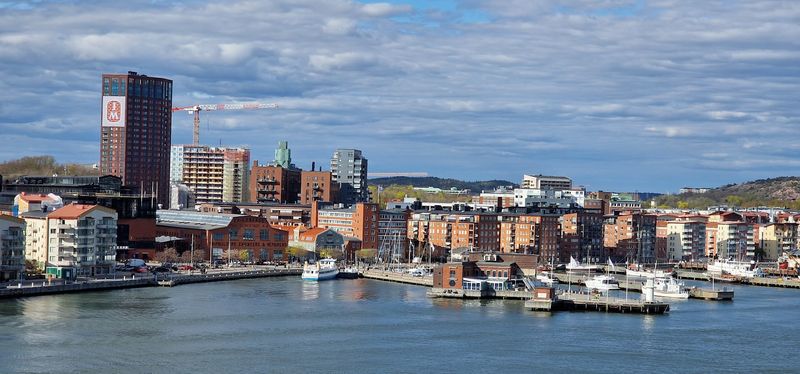
Sweden’s second city has a bit of an inferiority complex about Stockholm, which it absolutely should not. Gothenburg is charming, walkable, and refreshingly laid-back in a way that big capitals rarely manage.
Sitting on Sweden’s west coast, it has a slightly saltier, more relaxed energy that many travelers actually prefer once they arrive.
The Haga district is a highlight, with wooden 19th-century buildings, independent coffee shops, and the famous oversized cinnamon buns that require two hands and zero shame to eat. Liseberg, one of Scandinavia’s best amusement parks, sits right in the city and draws visitors of all ages.
The Gothenburg Museum of Art holds one of Scandinavia’s strongest collections and is often wonderfully uncrowded.
Gothenburg also hosts major international events including the Gothenburg Film Festival and Way Out West music festival. The city is well connected by train from both Stockholm and Malmö.
First-time travelers who skip it are genuinely missing out on one of Sweden’s most enjoyable urban experiences.
Southern Gothenburg Archipelago
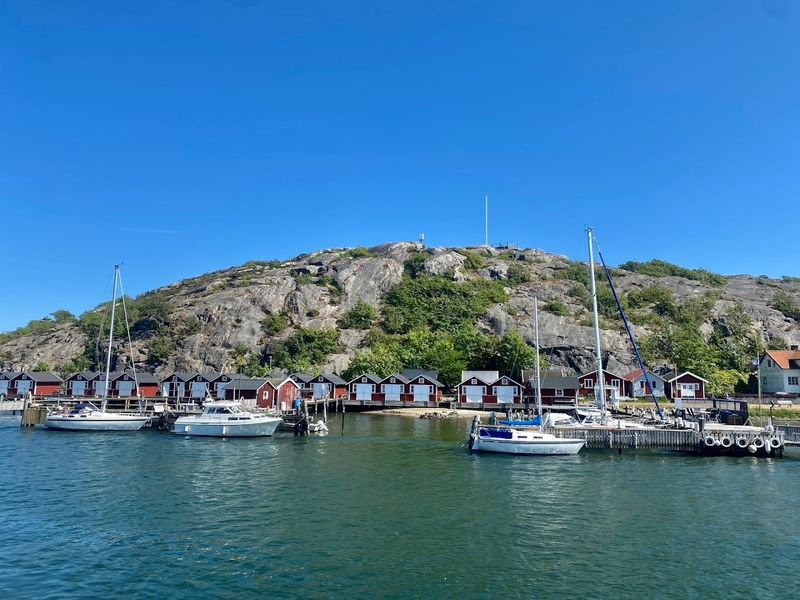
Just south of Gothenburg, a chain of islands sits waiting for travelers who want the archipelago experience without Stockholm’s tourist crowds. The Southern Gothenburg Archipelago has more than 20 islands reachable by public ferry, and several of them are completely car-free.
Vrango is the most famous, known for peaceful walking paths and excellent swimming spots off smooth granite rocks.
The pace out here is deliberately slow. Fishing villages with red wooden houses line the shores, small cafes serve fresh shrimp sandwiches, and the only traffic jam you will encounter involves a slow-moving cat crossing the path.
It is exactly the kind of place that makes you rethink your entire relationship with productivity.
Ferries depart from Saltholmen, which is reachable by tram from central Gothenburg. A day pass covers multiple island hops, so mixing and matching is easy.
Visit in summer for the best weather, but shoulder season brings fewer crowds and a quieter, more authentic island atmosphere worth seeking out.
Malmö Old Town And Western Harbour
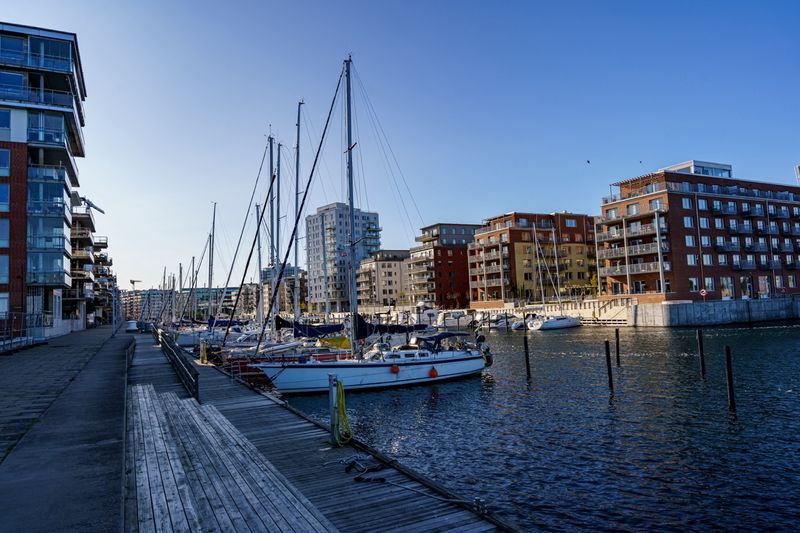
Malmö is the Swedish city that greets you if you arrive by train from Copenhagen, and it wastes no time making a strong first impression. The Oresund Bridge connecting Sweden and Denmark is one of the most iconic structures in northern Europe, and watching it appear as your train crosses the water is a proper arrival moment.
The Old Town centers on Stortorget, a grand market square flanked by the 15th-century Saint Peter’s Church and the Renaissance-era town hall. A short walk away, the Western Harbour district is all sharp modern architecture, including the spiraling Turning Torso skyscraper that has become the city’s unmistakable symbol.
The contrast between medieval and contemporary Malmö is genuinely fascinating.
Malmö is also one of Sweden’s most bike-friendly cities, with flat streets and a well-developed cycling network. Renting a bike for a few hours is the best way to connect the Old Town with the waterfront.
The city rewards slow exploration far more than a quick transit stop.
Lund Cathedral And Old Town
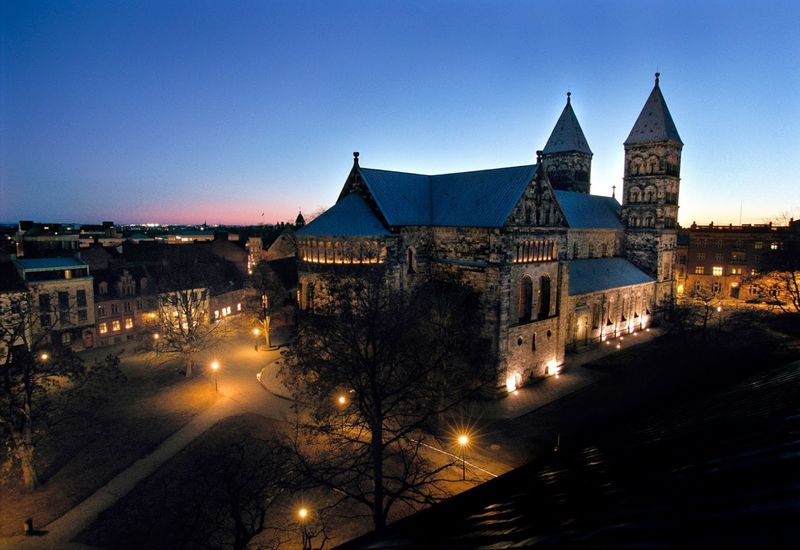
Lund is the kind of Swedish city that academics write love letters about, and honestly, the feeling is justified. This compact university town in Skane has been shaping Swedish intellectual and religious life since the 11th century.
The cathedral alone is worth the train ride from Malmö, which takes only about 15 minutes and costs almost nothing.
Lund Cathedral is a Romanesque masterpiece built in the early 1100s, making it one of the oldest and most significant churches in all of Scandinavia. Inside, the astronomical clock installed in 1424 still performs a mechanical show twice daily that draws crowds of genuinely delighted visitors.
The crypt beneath the cathedral is atmospheric in a way that no amount of Instagram filters could improve.
Outside the cathedral, the old town is full of cobbled lanes, bookshops, and cafes where university students nurse long coffees between lectures. The Museum of Cultural History sits in a beautiful garden setting nearby.
Lund is the kind of place you arrive at for an hour and stay for three.
Uppsala Cathedral And University Quarter
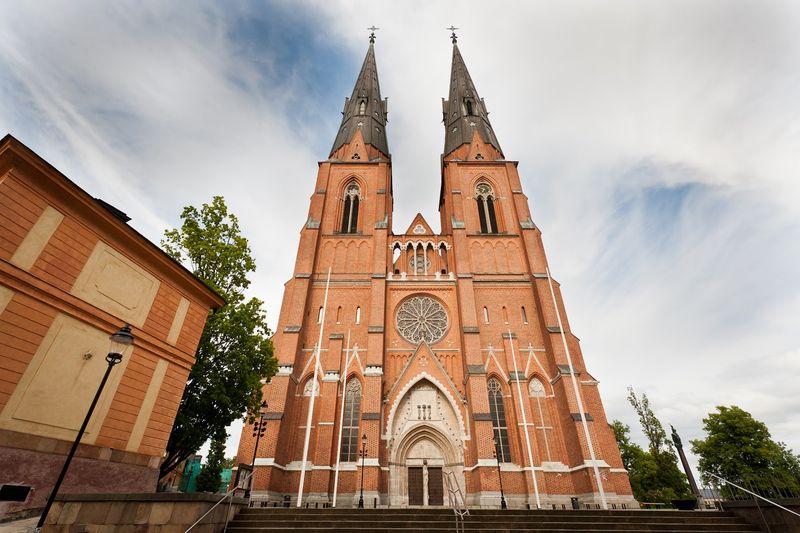
Uppsala holds a special place in Swedish history that goes far beyond its reputation as a university city. This is where Swedish kings were once crowned, where the country’s oldest university has operated since 1477, and where the tallest cathedral in Scandinavia still dominates the skyline with red Gothic towers that are visible from across the flat surrounding landscape.
Visit Sweden calls it the Cambridge of Sweden, which is a reasonable comparison if Cambridge were slightly colder and had significantly better cinnamon rolls. The university quarter clusters around the cathedral, with the Gustavianum museum and the botanical gardens adding depth to a very walkable historic center.
The riverfront along the Fyris is a pleasant spot to decompress after a morning of sightseeing.
Uppsala is 35 minutes by direct train from Stockholm Central Station, which makes it one of the most accessible day trips in the country. The cathedral is free to enter and open daily.
Arriving in the afternoon means slightly fewer tour groups and a more relaxed atmosphere throughout the city center.
Sigtuna Old Town
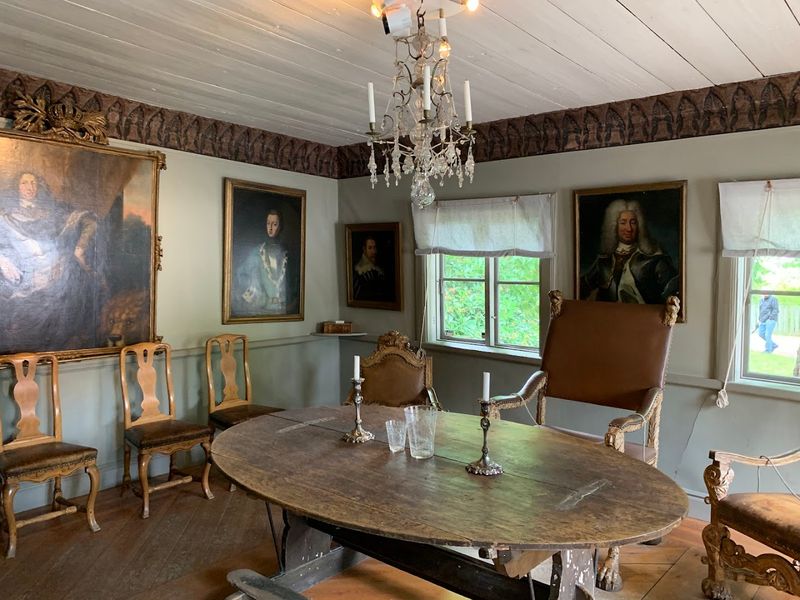
Sweden’s oldest town deserves far more attention than it typically gets from first-time travelers rushing between Stockholm and Uppsala. Sigtuna was founded around 980 AD, making it Sweden’s first town, and its main street, Storgatan, is the oldest pedestrian street in the entire country.
Walking it feels like a genuinely rare experience rather than a reconstructed tourist attraction.
The town is dotted with medieval church ruins, Viking-age runestones, and small red wooden buildings that look like they belong in a storybook. The concentration of runestones here is among the highest anywhere in Sweden, which is saying something in a country that has more runestones than anywhere else on Earth.
History fans will want extra time.
Getting to Sigtuna from Stockholm takes about 45 minutes by commuter train to Marsta, followed by a short bus ride. It is compact enough to explore fully in half a day, making it an easy addition to a Stockholm itinerary.
Combine it with a visit to nearby Arlanda if you are flying in or out.
Abisko National Park, Kiruna Municipality
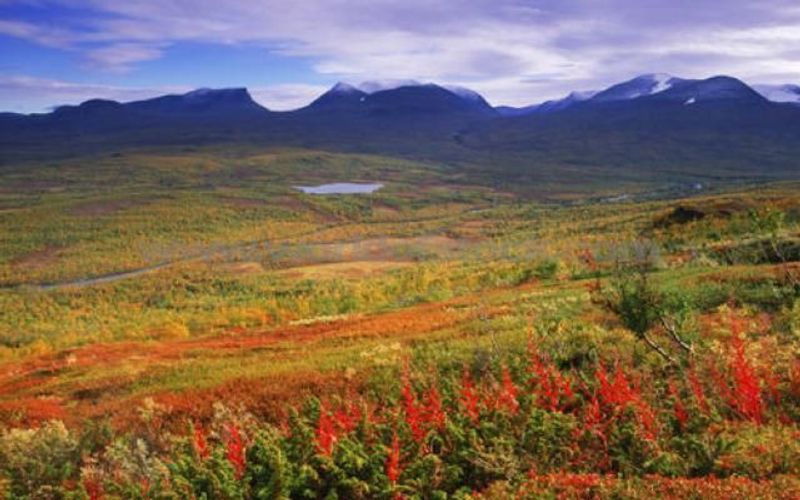
There are places that exist in travel dreams long before you ever book a flight, and Abisko is one of them. Located 200 kilometres north of the Arctic Circle in northern Sweden, this national park offers some of the best northern lights viewing conditions on the planet.
A unique local weather pattern keeps the sky above Abisko clearer than surrounding areas, giving it a nickname among aurora chasers: the blue hole of Abisko.
The best season for northern lights runs from early September to late March, with midwinter offering the longest dark skies. The Aurora Sky Station on Mount Nuolja provides an elevated viewing platform accessible by chairlift.
In summer, Abisko flips the script entirely, offering midnight sun hiking through stunning Arctic scenery along the famous Kungsleden trail.
Getting here means flying to Kiruna and taking a train west, or taking the overnight train from Stockholm directly to Abisko Turiststation. Book accommodation well in advance, especially in winter.
Abisko rewards travelers who plan ahead and punishes those who assume they can just show up.
Share this story