 Unearth The Voyage

Chicago is one of those cities that has its own personality, its own rhythm, and yes, its own rules. Some of these rules are written down, but most of them are just things locals know and expect visitors to figure out quickly.
From how you order a hot dog to how you ride an escalator, getting these things right can make your trip a whole lot smoother. Here is what you need to know before you set foot in the Windy City.
1. Do Not Put Ketchup on a Hot Dog

Ask any Chicagoan and they will tell you straight up: ketchup on a hot dog is practically unacceptable. The city takes its hot dogs seriously, and there is a very specific way they are supposed to be made.
Getting it wrong is a fast way to mark yourself as a tourist.
A real Chicago-style hot dog starts with a steamed poppy seed bun and an all-beef frankfurter. Then comes yellow mustard, white onions, bright green relish, tomato wedges, a pickle spear, sport peppers, and a dash of celery salt.
That combination is what locals call “dragged through the garden.”
Ketchup is nowhere on that list and most hot dog stands in Chicago will refuse to put it on for you. Embrace the tradition, try it the right way, and you might just understand why Chicagoans feel so strongly about this.
2. Deep Dish Is a Special Occasion, Not a Daily Meal

Deep dish pizza is one of the most famous things about Chicago, and yes, it is absolutely worth trying. However, do not assume that locals are eating it every week.
Most Chicagoans save it for out-of-town guests or special nights out.
The real everyday pizza in Chicago is tavern-style thin crust, cut into squares rather than triangles. It is crispy, light, and much easier to eat on a regular basis.
You will find it at neighborhood spots all across the city, and it is genuinely delicious.
Places like Lou Malnati’s and Giordano’s are great for the deep dish experience, and you should absolutely go at least once. Just know that ordering a deep dish for a quick lunch might raise a few eyebrows from the locals sitting next to you.
Thin crust is the everyday champion here.
3. Stand Right, Walk Left on Escalators
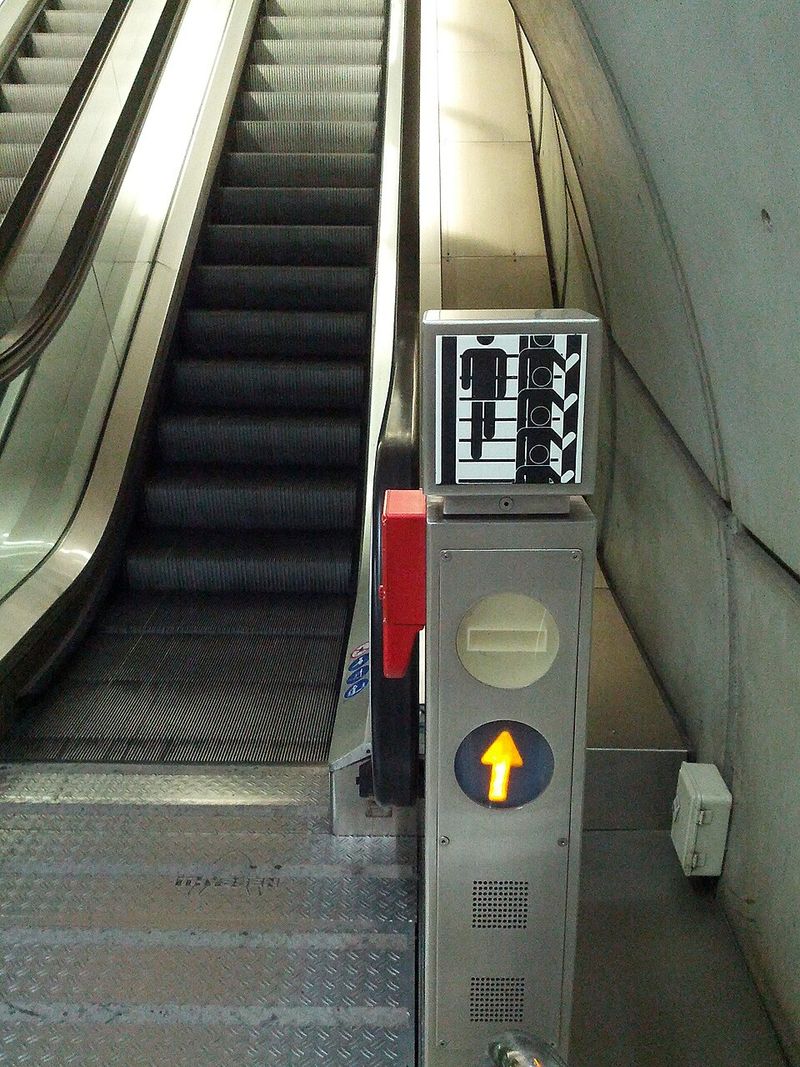
Escalator etiquette is taken very seriously in Chicago, especially during rush hour. The rule is simple: stand on the right, walk on the left.
If you block the left side while standing still, expect impatient glances and maybe a firm “excuse me” from someone in a hurry.
This rule applies in train stations, shopping centers, and basically anywhere with an escalator in the city. It is a basic courtesy that keeps foot traffic moving and prevents bottlenecks.
Visitors who ignore it tend to cause a small but very real amount of frustration.
Chicago has a strong commuter culture, and people are often moving with purpose. The CTA, which runs the city’s train and bus system, keeps millions of people moving every day.
Respecting the flow of that movement, even on an escalator, is one small way to blend in like a local.
4. Respect the Dibs System After a Snowstorm
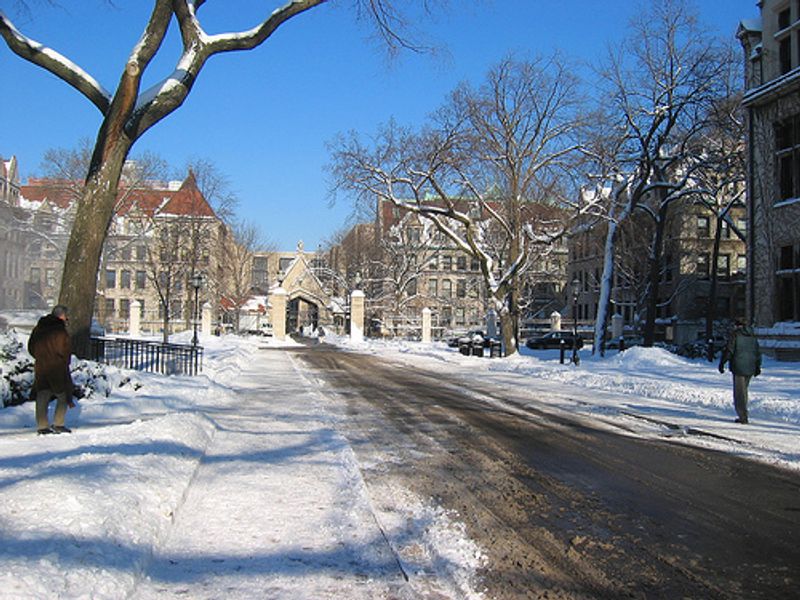
Winter in Chicago is serious business, and nothing makes that clearer than the “dibs” system. After a heavy snowstorm, residents spend significant time and effort shoveling out their street parking spots.
To mark their hard-earned space, they place chairs, cones, or other objects in the spot.
The unspoken agreement is that you do not move those items and take the spot. It sounds informal, and it is, but locals treat it with real seriousness.
Taking a dibsed spot can lead to confrontations, and in some cases, people have come back to find their car keyed or blocked in.
The city has had ongoing debates about whether dibs is fair, but the practice continues in many neighborhoods. As a visitor, the safest and most respectful move is to simply find another spot.
Shoveling out a parking space in a Chicago winter is no small task, and locals remember who respects that.
5. The Wind Is Genuinely Relentless

Chicago earned the nickname “Windy City” for a reason, though historians debate whether it was originally about politics or weather. What is not up for debate is how brutally cold and gusty the wind can get, especially between the tall buildings downtown.
Walking along certain streets in winter can feel like walking into a wall of frozen air.
Even in spring and fall, the wind off Lake Michigan can catch you off guard. A day that looks mild on your weather app can feel much colder once you are outside and moving.
Layers are your best friend, and a good windproof jacket is not optional.
Seasoned Chicago visitors always pack more than they think they need. Hats, gloves, and scarves are useful even in October.
The lakefront is especially exposed, so if you are planning to walk along Lake Shore Drive or visit the beach areas, prepare accordingly.
6. You Probably Do Not Need a Rental Car
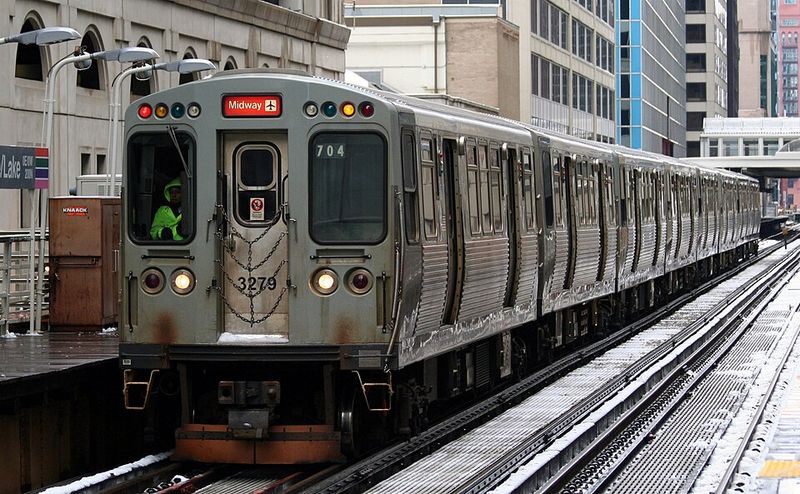
Many visitors automatically assume they need a car to get around a big city, but Chicago is one of the best cities in the country for public transit. The CTA’s “L” train system connects neighborhoods across the city and runs directly into the heart of downtown.
Buses fill in the gaps and reach areas the train does not.
Driving in Chicago comes with real headaches: traffic congestion, expensive parking garages, and limited street parking. In many neighborhoods, circling for a spot can eat up 20 to 30 minutes of your day.
That time is better spent actually enjoying the city.
Rideshare apps like Uber and Lyft are also widely available and affordable for shorter trips. For longer distances within the city, the L is often faster and far less stressful.
Save the rental car budget for food, experiences, and exploring neighborhoods you would never find from behind a steering wheel.
7. Know Your Sports Teams, at Least Broadly

Sports loyalty runs deep in Chicago, and the city is home to some of the most passionate fan bases in the country. The Bears handle football, the Bulls own basketball, and baseball is split between two teams: the Cubs on the North Side and the White Sox on the South Side.
That Cubs versus White Sox divide is not just friendly competition.
Mixing up which team belongs to which sport, or worse, which side of the city, can get you some serious side-eye from locals. You do not have to be an expert, but having a basic awareness shows respect for something the city genuinely cares about.
Chicago fans take pride in their teams even during tough seasons.
If you happen to visit during a Cubs game at Wrigley Field or a Bears game at Soldier Field, the energy is electric and worth experiencing. Sports are woven into the culture here in a real and meaningful way.
8. Tip Generously and Consistently

Tipping culture in Chicago is straightforward but firm. Bartenders, servers, baristas, and delivery drivers all rely on tips as a core part of their income, and the standard expectation is 15 to 20 percent of the total bill.
Anything below that is noticed, and anything above it is genuinely appreciated.
Bartenders in Chicago especially have a reputation for remembering who tips well and who does not. If you are planning to spend an evening at a local bar, starting off with a solid tip on your first drink sets a good tone for the rest of the night.
It is a small investment that pays off in better service.
Chicago has a thriving food and nightlife scene, and the people working in it work hard. Tipping is not just a courtesy here; it is part of how the industry functions.
Treat it as part of your overall budget when planning your trip.
9. Neighborhoods Are the Real Heart of the City
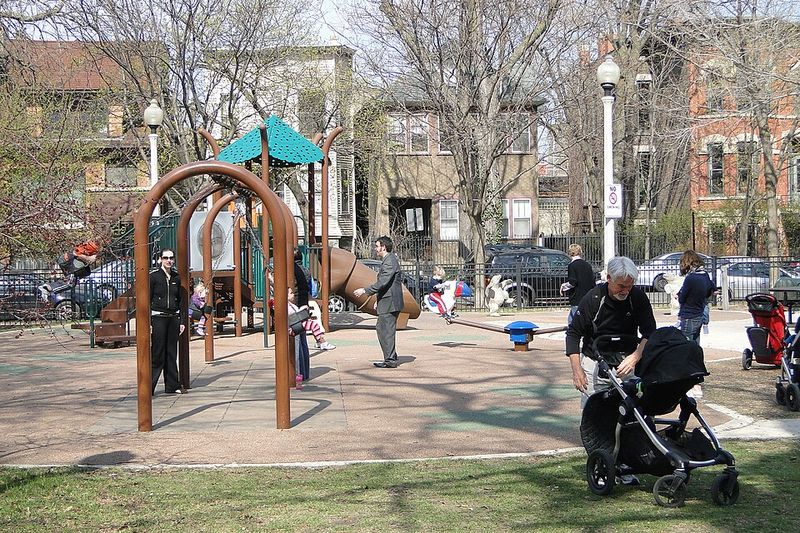
Chicago is made up of 77 officially recognized neighborhoods, and each one has a distinct personality. Wicker Park has an artsy, independent energy.
Pilsen is known for its Mexican heritage and incredible murals. Andersonville has a strong Scandinavian history mixed with a lively LGBTQ+ community.
Lincoln Park is green, walkable, and family-friendly.
Sticking to the Magnificent Mile or the Loop means you are only seeing a small slice of what Chicago actually is. The neighborhoods are where the real food, culture, and community live.
Some of the best restaurants in the city are tucked into side streets in areas most tourists never reach.
Getting on the L and riding to a neighborhood you have never heard of is one of the best ways to experience Chicago authentically. Talk to locals, try a new restaurant, and wander without a plan.
That is when the city really reveals itself to you.
10. Keep Moving on Busy Sidewalks
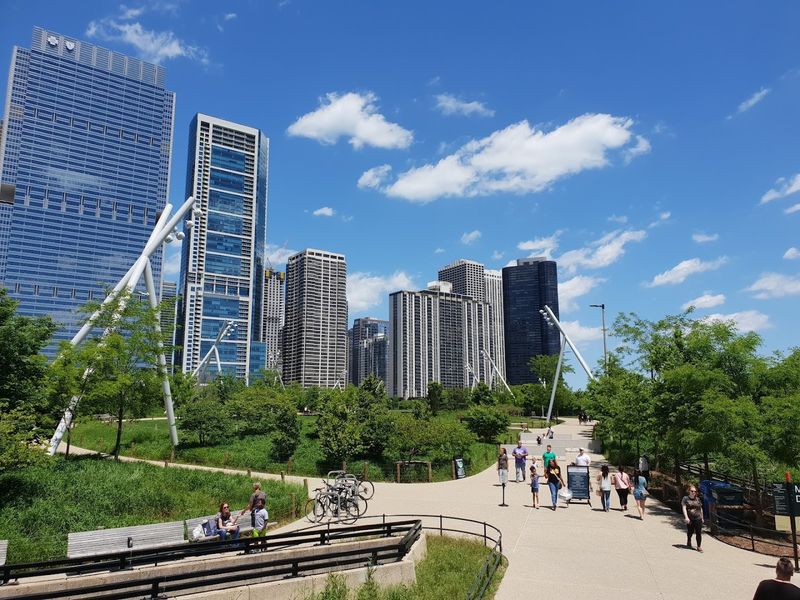
Chicago pedestrians move with purpose, especially downtown on streets like Michigan Avenue and State Street. Stopping suddenly to check your phone, take a photo, or look at a map in the middle of a busy sidewalk is a surefire way to cause a small pedestrian pileup behind you.
The etiquette is simple: if you need to stop, step to the side and out of the flow of foot traffic. It is the same logic as the escalator rule.
People are often heading to work, catching a bus, or just trying to get somewhere on time, and the sidewalks move accordingly.
This is not unique to Chicago, but the city’s density and pace make it more noticeable. If you are sightseeing and want to take your time, try to stick to less crowded streets or visit popular areas during off-peak hours.
A little spatial awareness goes a long way here.
11. Stay Alert and Be Aware of Your Surroundings

Chicago is a vibrant and exciting city, and like any major urban area, it rewards visitors who stay aware of their environment. Most tourist areas, including the Magnificent Mile, Millennium Park, and the Museum Campus, are busy and well-patrolled.
Using common sense goes a long way in keeping your experience positive.
At night, sticking to well-lit streets and populated areas is always a smart move. If you are unsure about a neighborhood or a route, checking a map or asking a local is completely fine.
Chicagoans are generally helpful and will point you in the right direction without making you feel embarrassed for asking.
Keeping your phone tucked away in crowded areas, being aware of who is around you, and not flashing expensive gear unnecessarily are habits that serve travelers well in any big city. Chicago is a great place to explore freely as long as you bring a little street-smart awareness with you.
12. Chicagoans Are Warm, But They Tell It Like It Is
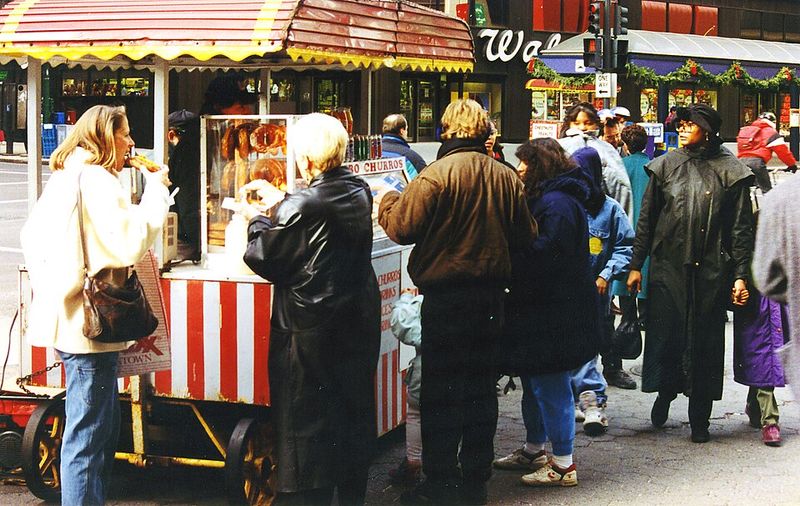
One of the best things about Chicago is that the people are genuinely friendly. Strangers will hold doors open, give you directions without being asked, and strike up a conversation at a bar without any awkwardness.
There is a Midwestern warmth to this city that sets it apart from some other major American metros.
At the same time, Chicagoans are direct. They say what they mean, they do not wrap things in extra politeness, and they appreciate the same in return.
If you ask someone for an honest opinion about a restaurant or a neighborhood, expect a real answer, not a vague “oh, it is fine.”
That combination of friendliness and directness is actually refreshing once you get used to it. Do not mistake bluntness for rudeness.
Locals are not being unkind; they are just being real. Meet that energy with your own openness and you will find Chicago people to be some of the most genuine you have ever encountered.



