 Unearth The Voyage
Some waterfalls just make you stop and stare. The USA is packed with jaw-dropping cascades, from thundering giants to hidden gems tucked inside quiet forests.
I remember the first time I stood in front of a massive waterfall and felt completely speechless. Whether you are planning a road trip or just daydreaming, these 12 waterfalls deserve a spot on your must-see list.
Yosemite Falls (California)
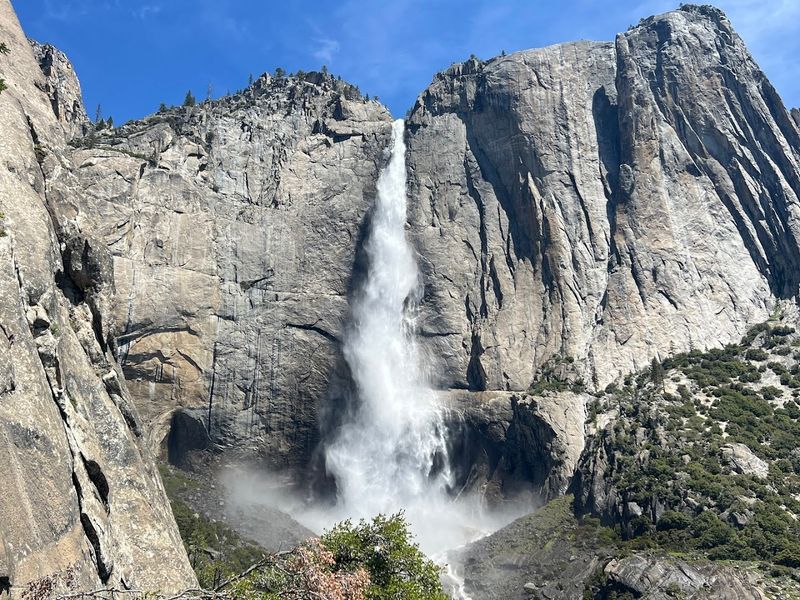
At 2,425 feet tall, Yosemite Falls is one of the tallest waterfalls in all of North America. That is not a typo.
It drops in three separate tiers, and the sheer height makes your neck hurt just looking up at it.
Spring is the best time to visit when snowmelt turns the falls into a full-on roaring spectacle. By late summer, it can slow to a trickle, so timing really matters.
Pack layers because the mist near the base is no joke.
The trail to the upper falls is about 7.2 miles round trip, and yes, it is worth every single step. First-timers often underestimate how long the hike takes, so start early.
Yosemite Valley gets crowded fast, and arriving at sunrise gives you the falls practically to yourself.
Lower Falls of the Yellowstone (Wyoming)
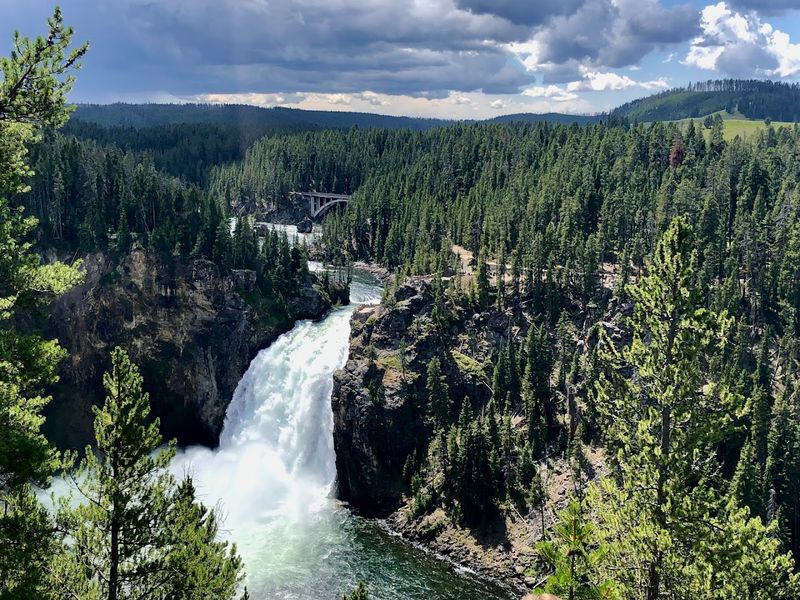
Standing at 308 feet, the Lower Falls of the Yellowstone drops twice the height of Niagara Falls. The canyon around it is painted in wild shades of yellow, orange, and red from volcanic minerals.
It honestly looks like someone spilled a box of crayons.
Artist Point is the most famous viewing spot, and the name makes total sense once you see it. The view from there is so dramatic that painters and photographers have been coming here since the 1800s.
I get why they keep coming back.
The hike down to the Brink of the Lower Falls puts you right at the edge, and the roar of the water is absolutely overwhelming. Wear grippy shoes because the trail gets slippery.
Yellowstone is open year-round, but summer offers the clearest skies and most accessible trails around the canyon rim.
Multnomah Falls (Oregon)
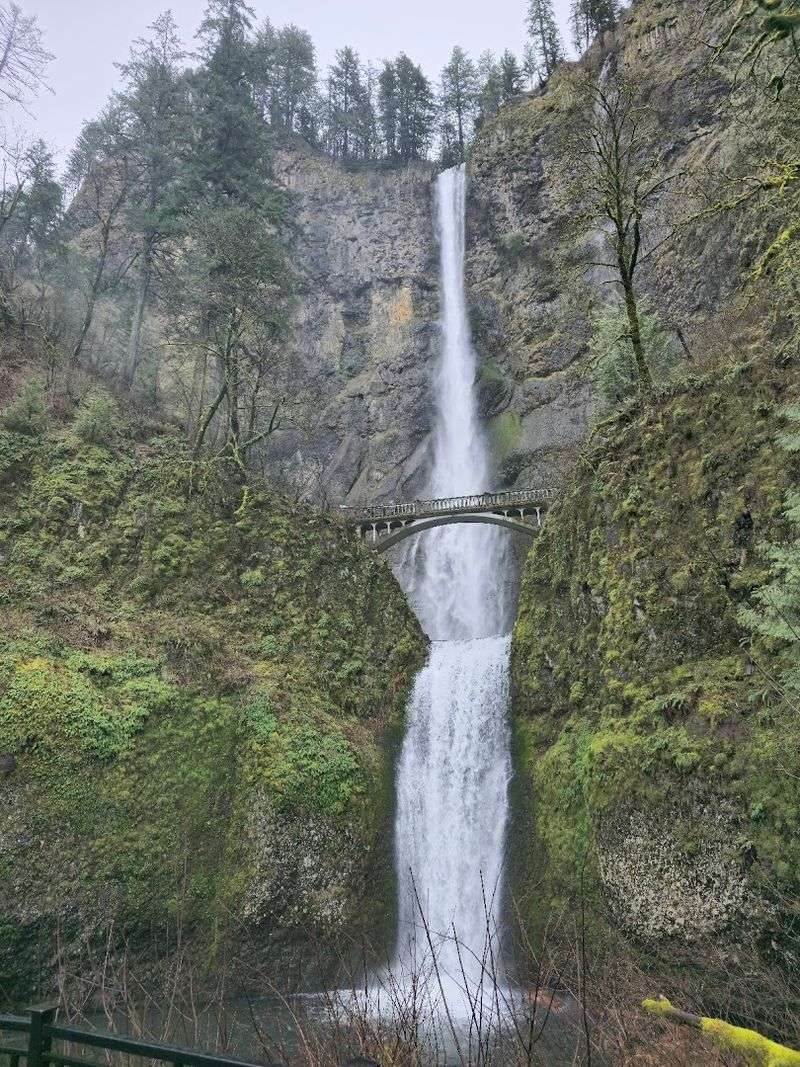
Multnomah Falls is Oregon’s most visited natural attraction, and one look tells you exactly why. The two-tiered waterfall drops a combined 620 feet, and there is a charming stone bridge perched right in the middle of it all.
Honestly, it looks like a scene from a fairy tale.
The historic Benson Bridge was built in 1914 and gives you a front-row view of the upper falls. Getting there is surprisingly easy since the trailhead is right off Interstate 84.
The paved trail to the bridge is short and accessible for most visitors.
If you want the full experience, hike to the top of the upper falls for a sweeping view of the Columbia River Gorge below. The round trip is about 2.4 miles with a solid elevation gain.
Go on a weekday to dodge the weekend crowds that pack this place like a Saturday farmers market.
Niagara Falls (New York)
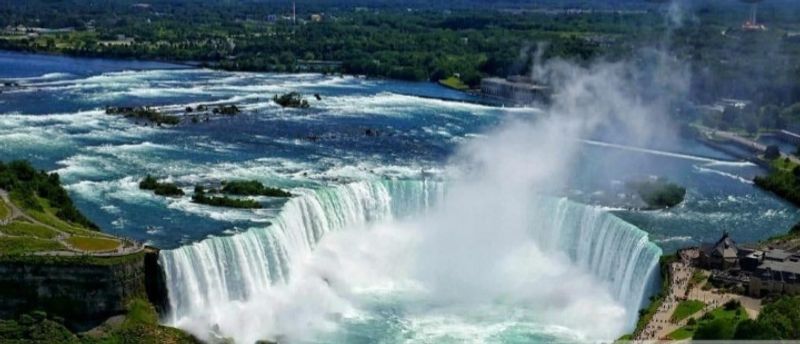
Niagara Falls needs zero introduction, but here we are anyway. About 3,160 tons of water flow over the falls every single second.
That number is almost too big to process, which is probably why people just stand there with their mouths open.
The American side offers the Cave of the Winds tour, where you walk on wooden walkways right next to the Bridal Veil Falls. You will get completely soaked, and the ponchos they hand out are hilariously optimistic.
Bring a change of clothes.
Niagara Falls State Park is the oldest state park in the entire country, established in 1885. The park is free to enter, though some attractions charge separately.
Winter visits are surprisingly magical when ice formations build up around the falls and the crowds thin out considerably. The falls are lit up at night with colored lights, making evening visits a totally different and worthwhile experience.
Shoshone Falls (Idaho)
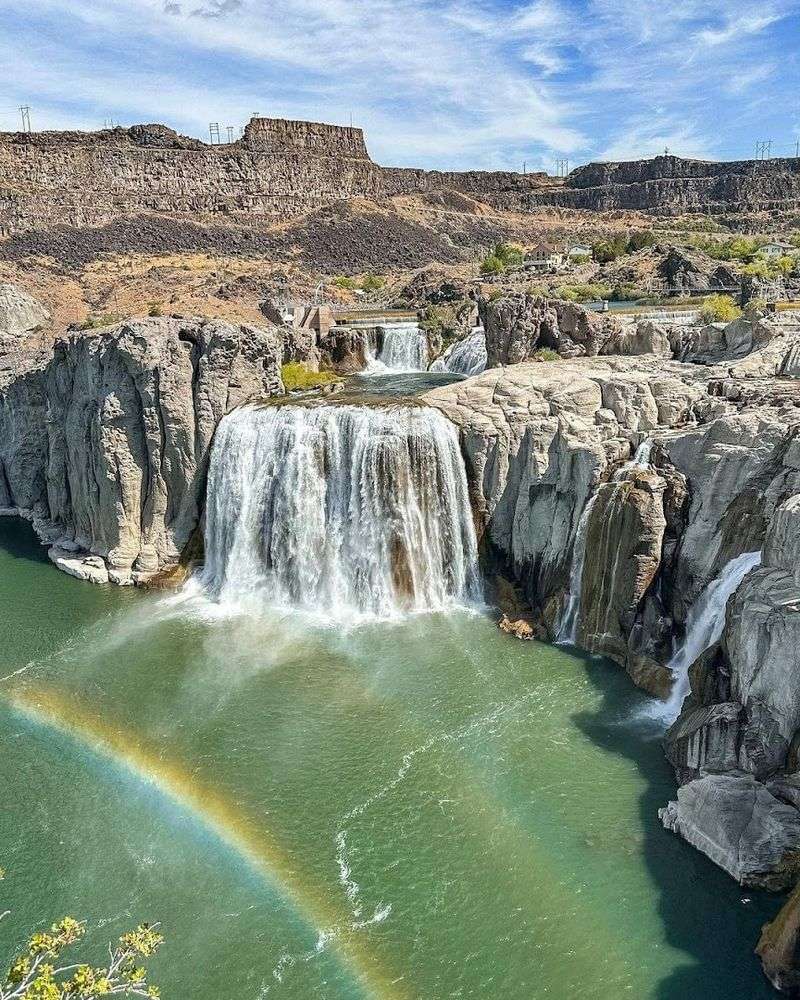
Called the Niagara of the West, Shoshone Falls actually stands taller than its famous East Coast rival at 212 feet high. It spans 900 feet wide across the Snake River, which makes it feel absolutely massive.
The canyon walls framing it add serious drama to the whole scene.
Spring is prime time here when snowmelt cranks the flow up to full power. By summer, water levels drop as the river is diverted for irrigation, so check conditions before making the trip.
The park charges a small vehicle fee, but the view is worth every penny.
There is a picnic area, walking paths, and even a small splash pad for kids nearby. Twin Falls, the nearest town, is just minutes away and worth exploring for food and rest stops.
Fun fact: Evel Knievel attempted to jump the Snake River Canyon nearby in 1974. The waterfall is quieter and far more successful at its job.
Palouse Falls (Washington)
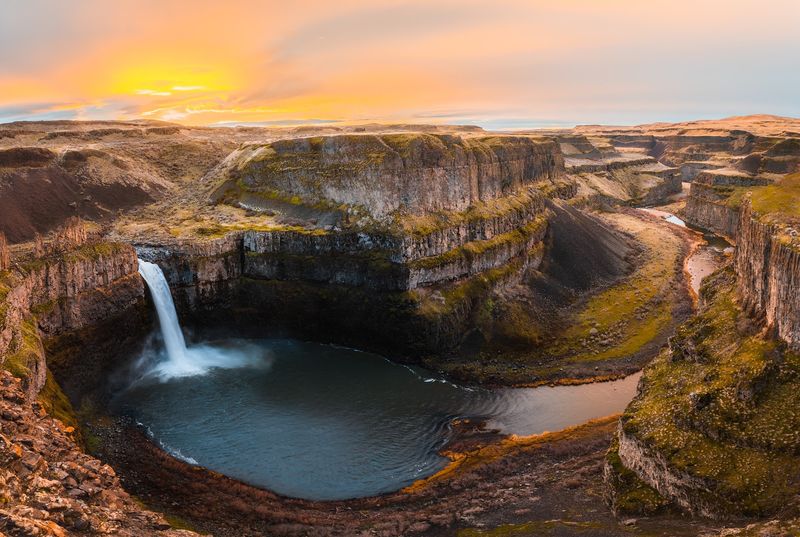
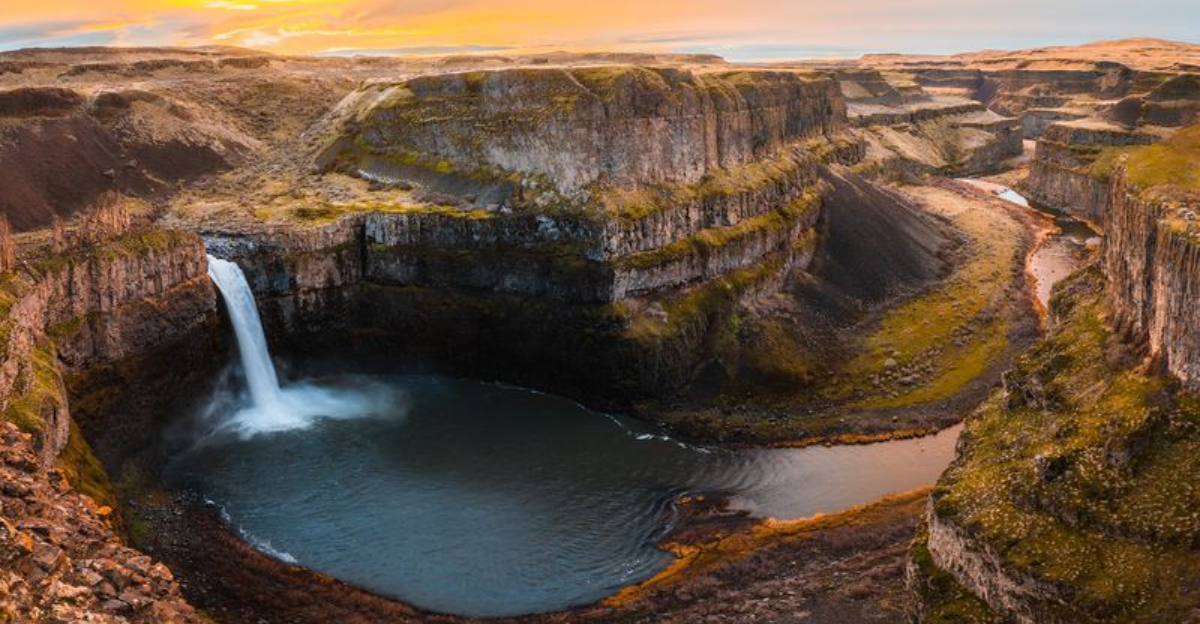
Palouse Falls is Washington State’s official state waterfall, and it earned that title fair and square. The falls drop 198 feet into a stunning circular plunge pool carved out of ancient basalt rock.
The surrounding canyon looks almost otherworldly, like a miniature version of the Grand Canyon.
What makes Palouse Falls extra interesting is its geological history. The canyon was carved by massive Ice Age floods thousands of years ago, and the basalt columns surrounding the falls are millions of years old.
Standing there, you feel the weight of deep time in a way that is hard to shake.
The park is open year-round, though spring brings the highest water flow and the most dramatic views. The main viewpoint is a short walk from the parking area, making it accessible even for casual hikers.
Camping is available on-site, and stargazing here is exceptional since light pollution is nearly nonexistent in this remote eastern Washington location.
ʻAkaka Falls (Hawaiʻi)
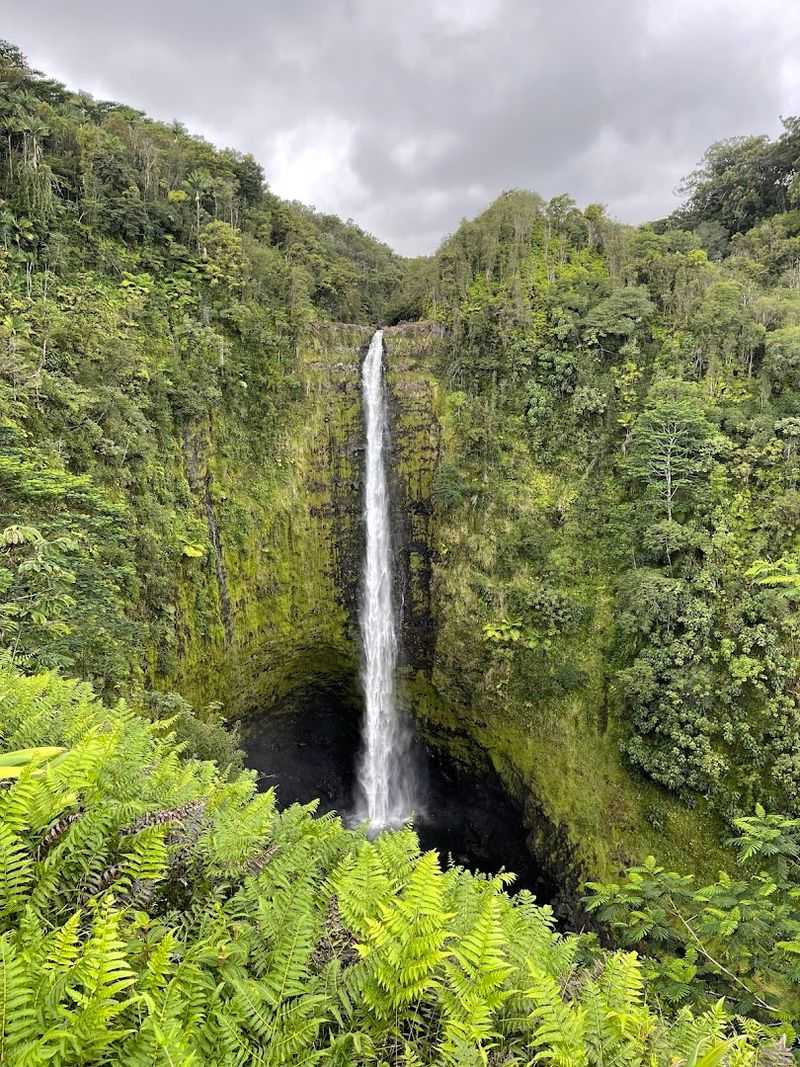
Few waterfalls on Earth have a setting as lush and jaw-dropping as Akaka Falls on Hawaii’s Big Island. The falls plunge 442 feet in a single dramatic drop through a jungle-covered gorge.
Everything around it is impossibly green, like the whole world got turned up to full saturation.
The loop trail through Akaka Falls State Park takes about 20 to 40 minutes and winds through bamboo groves, giant ferns, and flowering tropical plants. You also pass Kahuna Falls along the way, which would be the star attraction almost anywhere else.
Here, it is just the opening act.
The park sits near the town of Honomu on the Hamakua Coast, about 11 miles north of Hilo. Admission is a few dollars per person, and the trail is paved and relatively easy.
Rain is common in this area, which actually keeps the falls running strong year-round. Bring a light rain jacket and embrace the tropical drizzle.
Burney Falls (California)
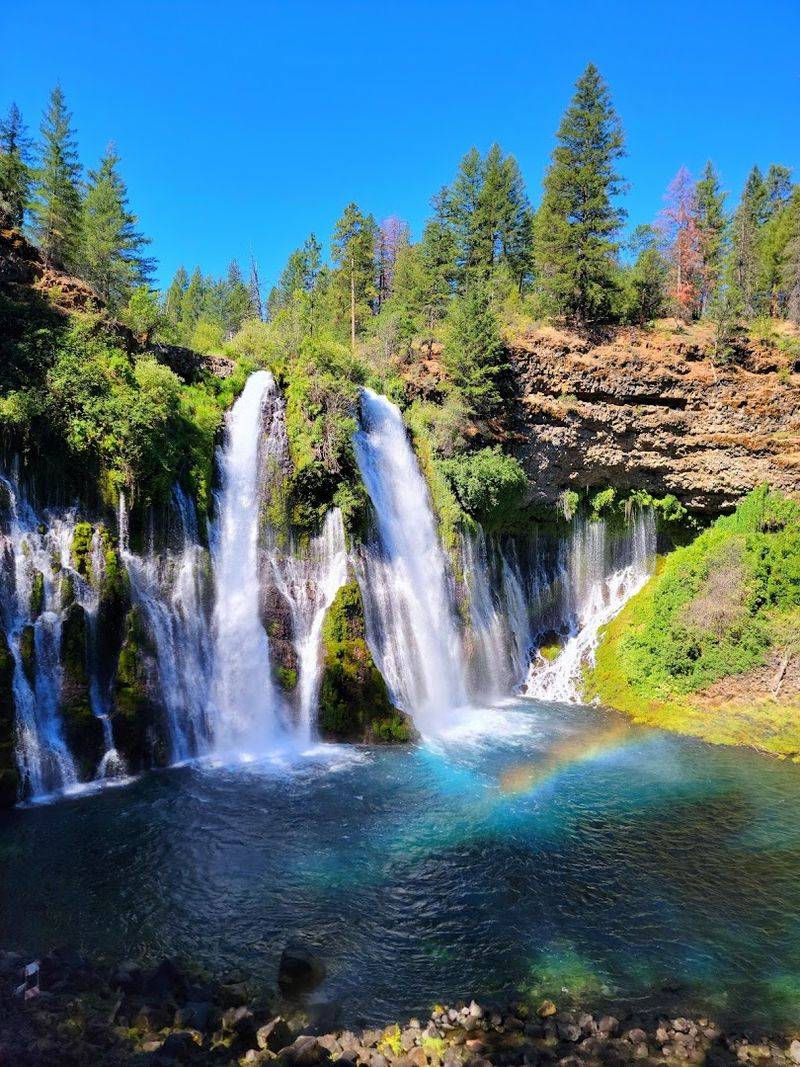
Theodore Roosevelt reportedly called Burney Falls the Eighth Wonder of the World, and he was not exaggerating for effect. Located in Northern California’s McArthur-Burney Falls Memorial State Park, this 129-foot falls is fed by underground springs that keep it flowing even through the driest summers.
That makes it reliably spectacular all year long.
What sets Burney Falls apart is the way water seeps directly out of the mossy volcanic rock walls on either side of the main cascade. It creates this wide, curtain-like effect that is genuinely unlike any other waterfall I have seen.
The pool at the base glows a brilliant blue-green.
A short half-mile trail leads to the base of the falls, and the full loop trail is about 1.2 miles. Swimming in the pool is not permitted, but the view alone makes the trip completely worthwhile.
The park also offers camping, making it a perfect overnight stop on any Northern California road trip itinerary.
Taughannock Falls (New York)
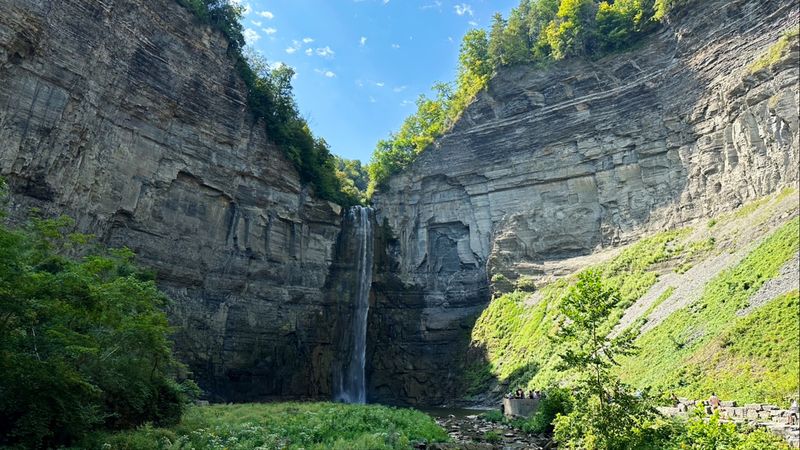
At 215 feet, Taughannock Falls is actually taller than Niagara Falls, which surprises almost everyone who hears it. The falls drop into a wide natural amphitheater of layered shale and sandstone walls that frame the cascade beautifully.
It is one of those spots that feels genuinely theatrical.
The gorge trail to the base is about 1.5 miles round trip and is mostly flat, making it a great option for families and casual hikers. Spring brings the most powerful flow, but the falls run year-round thanks to a steady watershed.
In winter, partial freezing turns the falls into an icy sculpture that is equally worth seeing.
Taughannock Falls State Park sits just outside Ithaca in the Finger Lakes region, making it easy to combine with wine tasting and other local attractions. The park also offers camping and a boat launch on Cayuga Lake nearby.
Parking fills up fast on weekends, so a morning arrival is your best strategy here.
Kaaterskill Falls (New York)
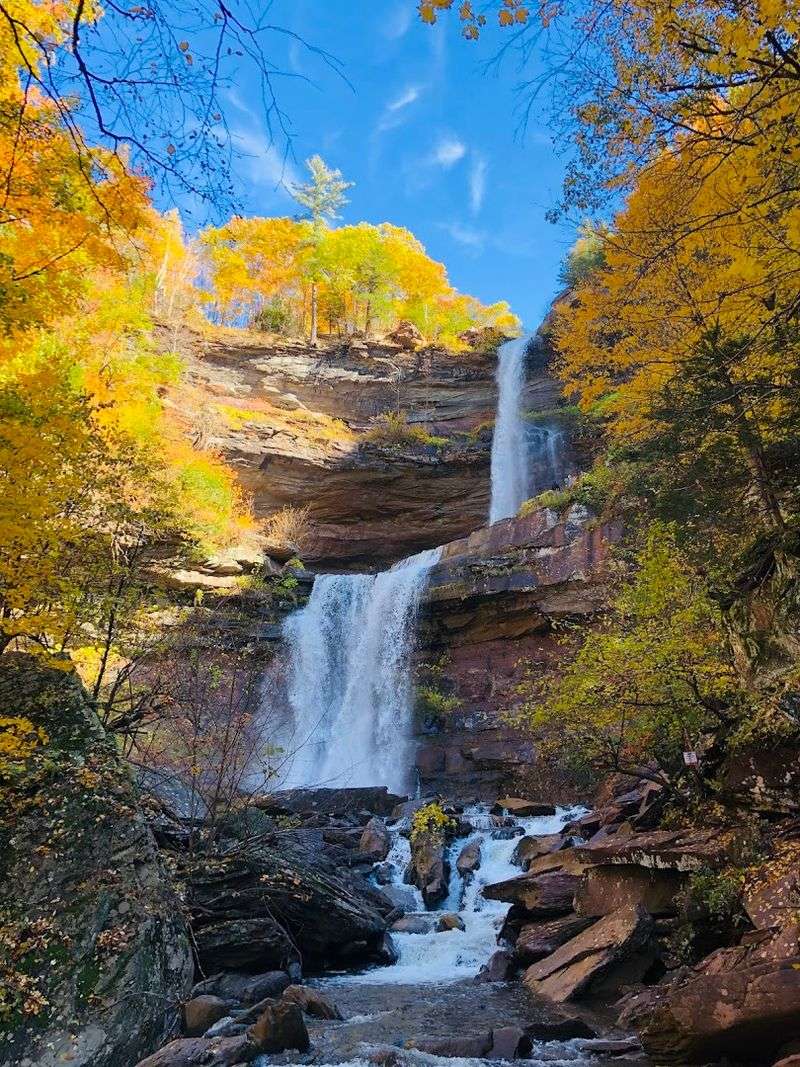
Kaaterskill Falls has been inspiring artists since the 19th century, when Hudson River School painters like Thomas Cole hiked out here with their canvases. At 260 feet total, it is the tallest two-tiered waterfall in New York State.
The Catskill Mountains setting gives it a moody, romantic atmosphere that oil paintings could barely do justice.
The most popular trail is about 2 miles round trip with some steep sections near the top. You can walk behind the lower falls into a small cave-like alcove, which kids absolutely love.
Just watch your footing on the wet rocks because they are genuinely slippery.
Fall foliage season turns the hike into a full-on color explosion, easily making it one of the best autumn hikes in the Northeast. The trailhead is located near Haines Falls, New York, roughly two hours from New York City.
Weekends in October get extremely busy, so a mid-week visit during peak foliage is a smart move.
Alamere Falls (California)
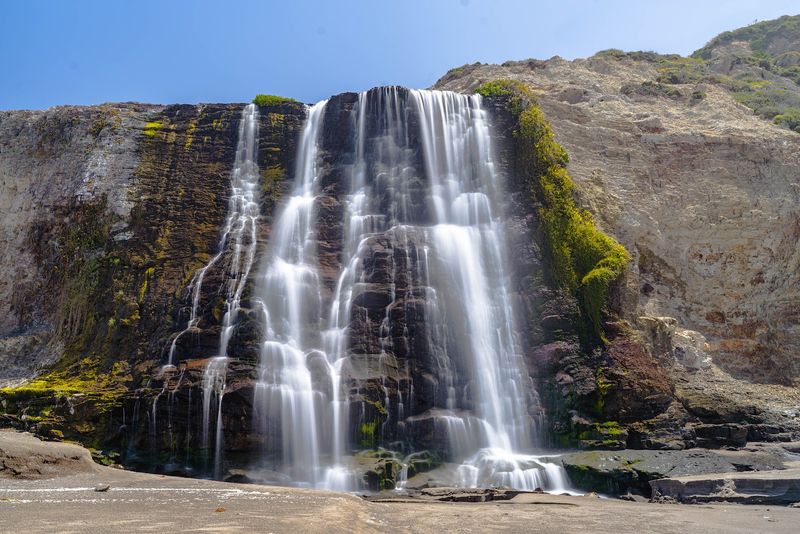
Alamere Falls is one of only a handful of tidefalls in the entire world, meaning the water falls directly onto a beach into the ocean. Located at Point Reyes National Seashore in Marin County, this coastal waterfall is as dramatic as waterfalls get.
The Pacific Ocean crashing below while fresh water pours over the bluff above is a genuinely surreal combination.
Getting there requires a solid hike of about 8.4 miles round trip through coastal scrub and forest. There is no easy shortcut, which actually keeps the crowds manageable compared to more accessible California landmarks.
The effort makes the payoff feel well earned.
The falls are best visited during or just after the rainy season from late winter through spring when flow is strongest. Summer visits are still beautiful but the waterfall may slow significantly.
Always check tide charts before heading down to the beach below the falls, as high tides can cut off access to the base. Wear sturdy, waterproof footwear.
Cumberland Falls (Kentucky)
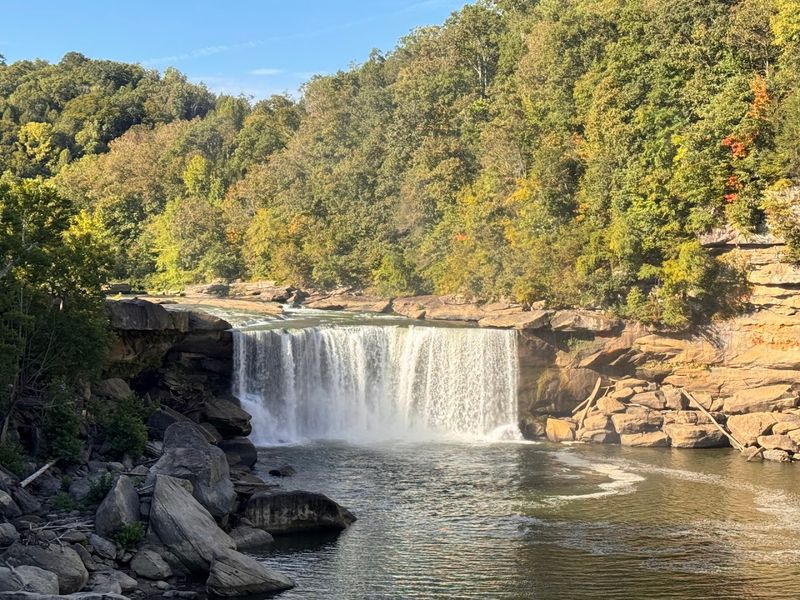
Cumberland Falls goes by the nickname the Niagara of the South, and with a 125-foot wide curtain of water crashing over the edge, it backs that title up completely. Located in southeastern Kentucky, it is one of the most powerful waterfalls east of the Mississippi River.
The roar hits you before the view does.
Here is the wildest part: Cumberland Falls is one of only two places on Earth where you can reliably see a moonbow. A moonbow is a rainbow created by moonlight instead of sunlight, and it appears here on clear nights around the full moon.
I put it on my bucket list the moment I read about it.
Cumberland Falls State Resort Park offers lodging, cabins, and camping right on-site, making it a full weekend destination. The falls are accessible via a short, easy trail from the main parking area.
Visit during a full moon in spring or summer for the best chance of catching that rare and magical moonbow experience.



