New Jersey might be famous for its diners and turnpike, but the Garden State is also home to some seriously stunning wild spaces. From coastal marshes packed with migrating shorebirds to quiet forest trails where deer outnumber people, there is no shortage of natural beauty here.
I grew up thinking NJ was all parking lots and pizza, but my first visit to a local wildlife refuge completely changed my mind. Whether you are a seasoned birder or just need a reason to put down your phone, these 12 refuges and preserves are ready to deliver.
Edwin B. Forsythe National Wildlife Refuge, Oceanville, New Jersey
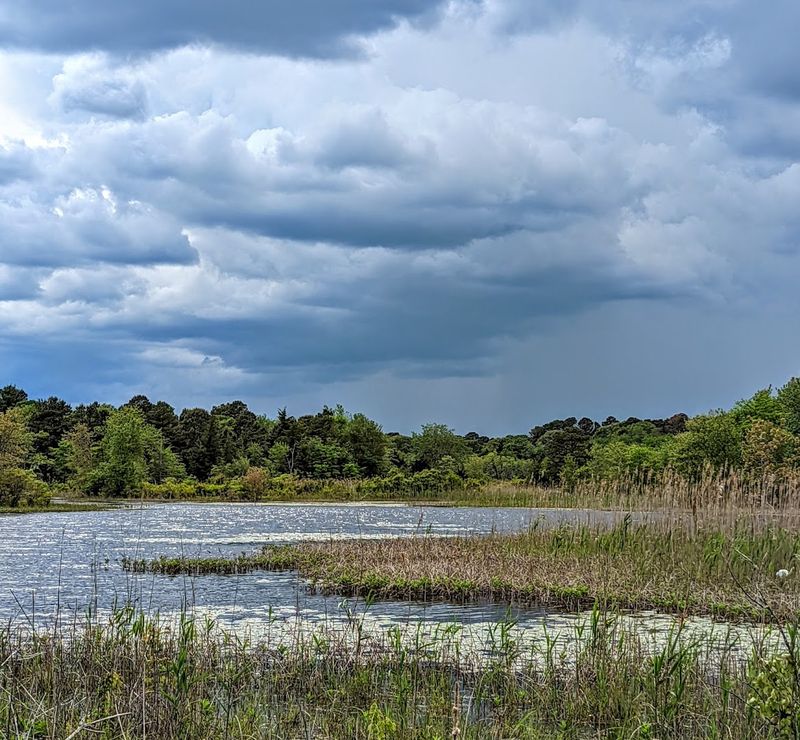
Over 330 species of birds have been recorded at Forsythe, which means serious birders treat this place like a bucket-list destination. The refuge stretches across 47,000 acres of coastal habitat, and the eight-mile Wildlife Drive is basically a slow-roll safari through salt marshes and freshwater impoundments.
Snow geese, brant, and black ducks show up in massive numbers during fall migration. Ospreys and bald eagles are practically regulars here.
I once counted seven eagles on a single fence line and felt like I had won some kind of wildlife lottery.
The refuge is open year-round, and the entrance fee is minimal. Bring binoculars, wear waterproof shoes, and go early for the best sightings.
The observation towers along the drive give you elevated views that make the whole trip worth every minute.
Cape May National Wildlife Refuge, Cape May Court House, New Jersey
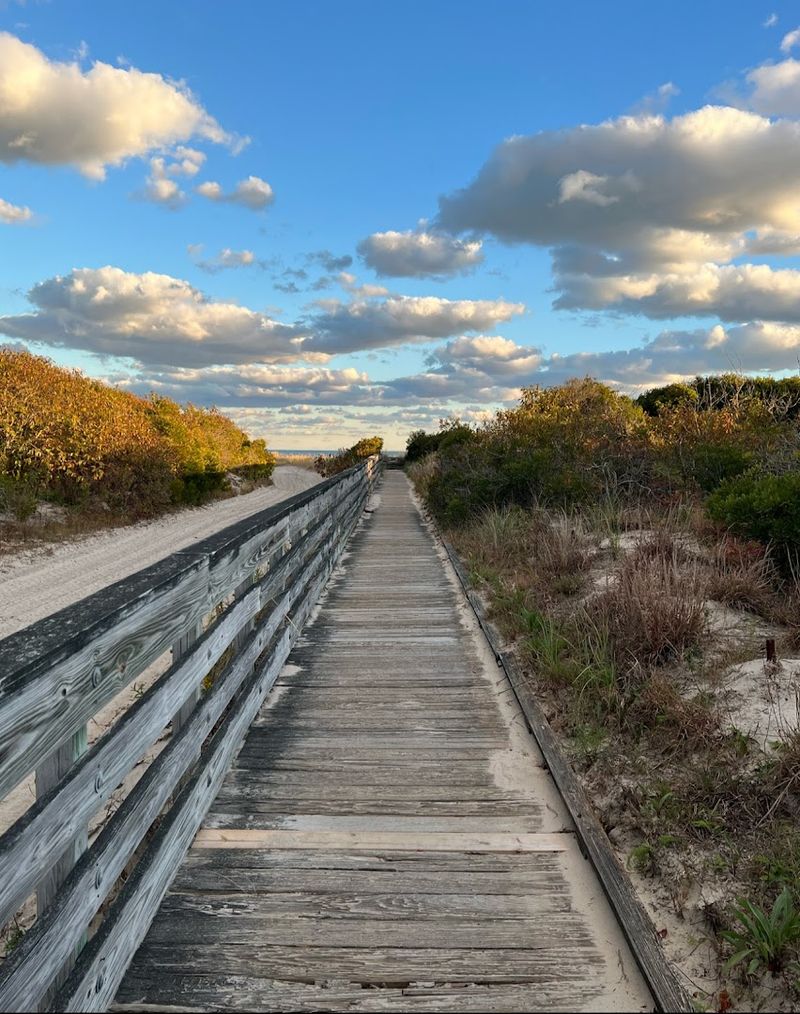
Cape May is one of the top birding spots in all of North America, and the national wildlife refuge here is a big reason why. The refuge protects over 11,000 acres of forest, wetlands, and grasslands across two divisions, giving migrating birds a critical pit stop along the Atlantic Flyway.
Warblers flood through in spring like a feathered traffic jam. Shorebirds, raptors, and waterfowl follow in the fall.
The Two Mile Beach Unit is especially popular for its beach walks and views of horseshoe crabs doing their ancient thing along the shoreline.
Trails are well-marked and easy enough for casual walkers. The refuge is free to enter, which is always a win.
Rangers occasionally lead guided walks, so check the schedule before you visit. Honestly, even a short stroll here feels like a nature documentary you accidentally wandered into.
Great Swamp National Wildlife Refuge, Basking Ridge, New Jersey
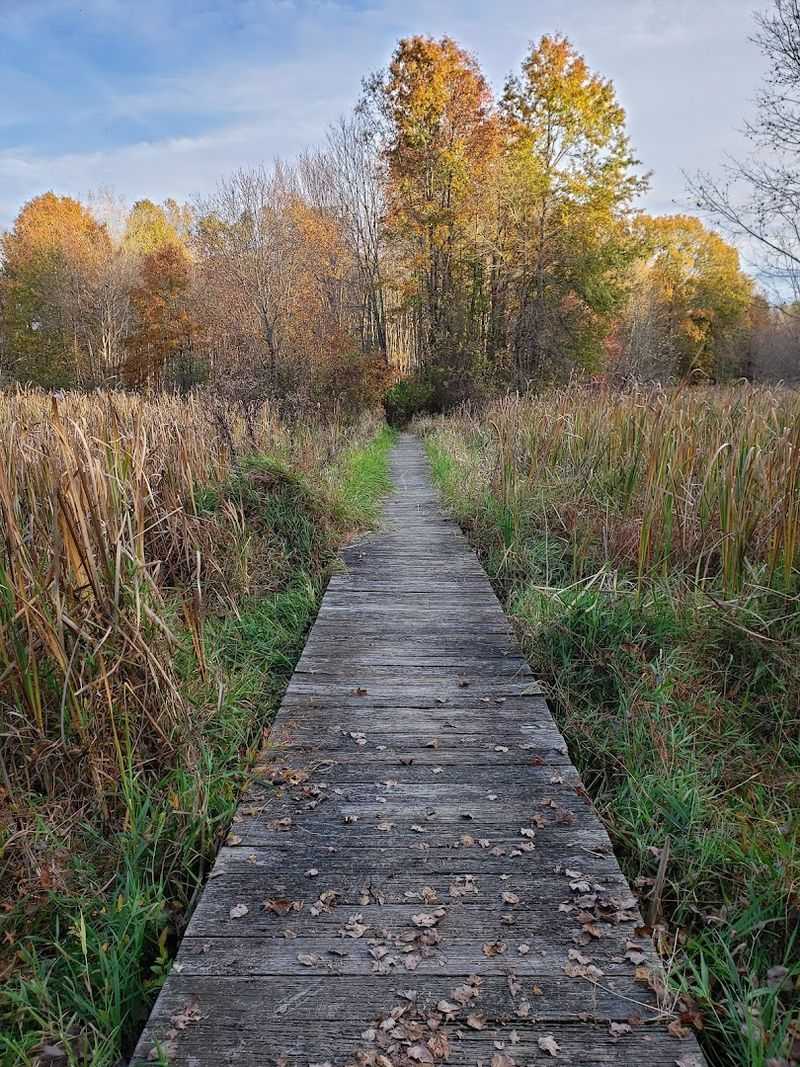
Just 26 miles from Manhattan, the Great Swamp feels like a well-kept secret that somehow survived suburban sprawl. This refuge covers about 7,800 acres and was actually saved from becoming an airport back in the 1960s, which is a wild piece of local history worth knowing.
The management area is split into two zones: a wilderness area where trails wind through undisturbed wetlands, and a wildlife observation area with boardwalks and observation blinds. Wood ducks, great blue herons, and white-tailed deer are among the most commonly spotted residents.
Spring is peak season for amphibians, and you might spot wood frogs and spotted salamanders near the vernal pools. The boardwalks make it accessible for most visitors, including families with young kids.
Pack bug spray from late spring through summer because the mosquitoes here did not get the memo about being welcoming.
Wallkill River National Wildlife Refuge, Sussex, New Jersey
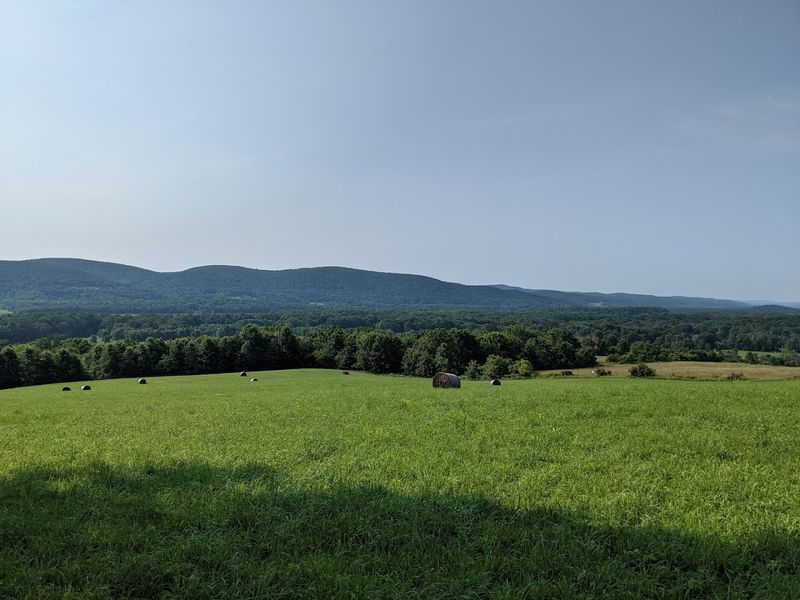
Tucked into the scenic Kittatinny Valley, the Wallkill River Refuge is a surprisingly diverse mix of farmland, wetlands, and river habitat that attracts an impressive range of wildlife. The refuge spans about 8,000 acres and straddles the New Jersey-New York border, making it a true regional gem.
Bobolinks and other grassland birds nest in the managed fields here, which is a treat since grassland species are declining across the Northeast. Bald eagles and ospreys hunt along the river, and fall migration brings a steady parade of waterfowl to the wetland areas.
The trails are flat and easy, perfect for leisurely walks with kids or a casual afternoon outing. The Liberty Loop Trail is the fan favorite, offering sweeping views of the valley and reliable wildlife sightings.
Go on a weekday morning if you want the place mostly to yourself, it is worth the early alarm.
Supawna Meadows National Wildlife Refuge, Pennsville, New Jersey
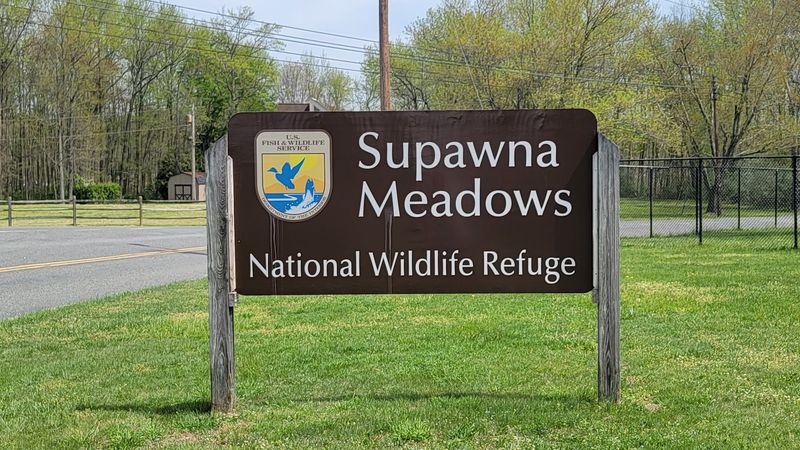
Supawna Meadows sits along the Delaware River in Salem County and is one of those under-the-radar refuges that birders who know, really know. The refuge protects tidal freshwater and brackish marshes that serve as critical habitat for migratory waterfowl and shorebirds moving along the Atlantic Flyway.
Snow geese gather here in enormous flocks during winter, and the sight of thousands of birds lifting off at once is genuinely hard to forget. Bald eagles are spotted regularly, especially near the river edges.
Wading birds like great egrets and great blue herons patrol the marsh channels throughout warmer months.
Access is straightforward, with a few trails and viewing areas open to the public. The refuge is free and uncrowded, which makes it a refreshing alternative to busier spots.
Bring a spotting scope if you have one because the open marsh gives you long sight lines perfect for scanning distant birds.
Scherman Hoffman Wildlife Sanctuary, Bernardsville, New Jersey
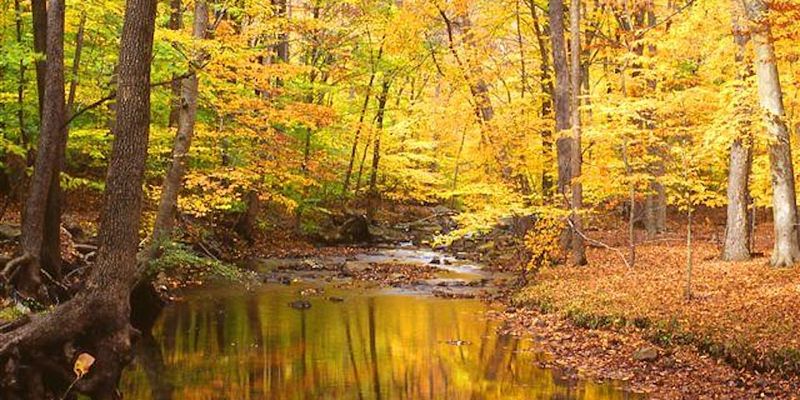
Run by New Jersey Audubon, Scherman Hoffman is one of the most beloved birding sanctuaries in the state, and for good reason. The property sits along the Passaic River in the Somerset Hills and combines rich riparian forest with open fields and a beautifully maintained nature center.
The feeders near the nature center are famous for attracting an incredible variety of songbirds, including rose-breasted grosbeaks, indigo buntings, and multiple warbler species. I spent an entire Saturday morning glued to one feeder station and left with a life list update I was genuinely proud of.
Trails wind through about 260 acres, ranging from easy riverside walks to slightly more rugged woodland paths. The nature center offers educational programs for kids and adults alike.
Staff and volunteers are knowledgeable and genuinely excited to help you identify whatever bird just confused you. That enthusiasm is contagious.
Lorrimer Sanctuary, Franklin Lakes, New Jersey
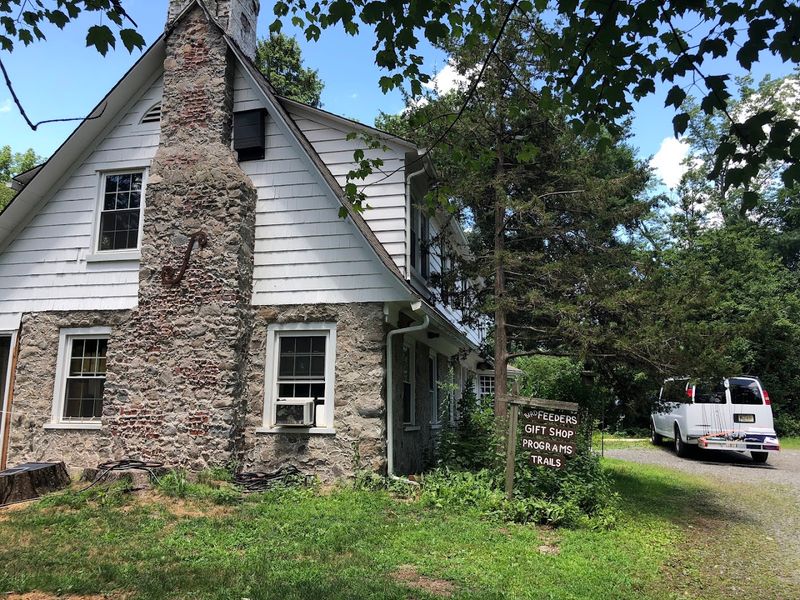
Lorrimer Sanctuary is another New Jersey Audubon gem, nestled in Bergen County and offering a surprisingly wild experience just minutes from suburban neighborhoods. The sanctuary covers around 45 acres with a mix of woodland, shrubby edges, and a small pond that attracts a steady rotation of bird species throughout the year.
Spring migration here is genuinely exciting. Warblers, vireos, and flycatchers move through in waves, and the woodland paths put you right in the middle of the action.
The pond draws wood ducks and kingfishers, and patient visitors sometimes spot a great horned owl roosting in the larger oaks.
The sanctuary also serves as a local education hub, hosting school programs and public events throughout the year. Trail maps are available at the trailhead, and the paths are short enough for a quick visit but rewarding enough to make you linger.
Parking is free, which is basically a miracle in Bergen County.
Nature Center of Cape May, Cape May, New Jersey
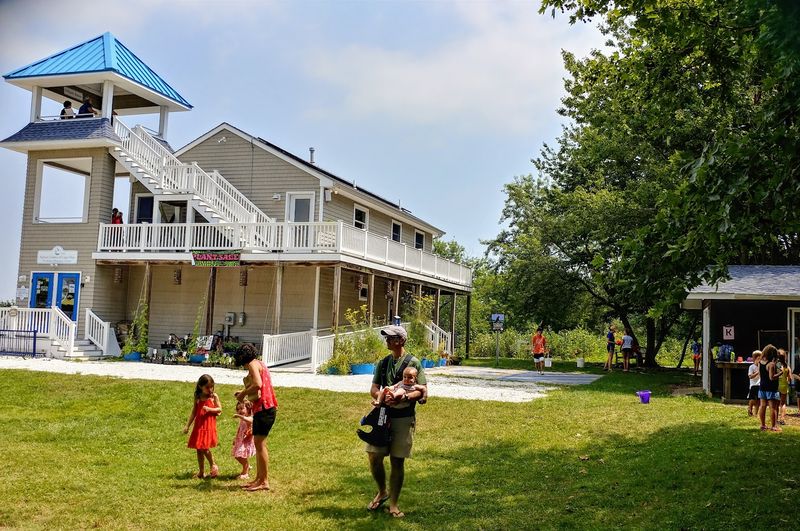
Cape May is already a legendary birding destination, and the Nature Center of Cape May is essentially its welcoming committee. Located right in town, the center serves as an education hub, a resource for birders, and a launching pad for some of the best guided walks in the region.
The center runs hawk watches, shorebird tours, and butterfly counts depending on the season. Their schedule is packed with programs for all ages, from beginner birding walks to in-depth naturalist tours.
Staff here have a way of making you feel like a real wildlife expert by the time you leave.
The native plant garden outside the center is worth a slow walk on its own, attracting hummingbirds, monarchs, and a rotating cast of songbirds. Admission is affordable, and the gift shop has quality field guides and optics for when you inevitably decide to upgrade your binoculars mid-trip.
It happens to everyone.
Plainsboro Preserve, Plainsboro, New Jersey
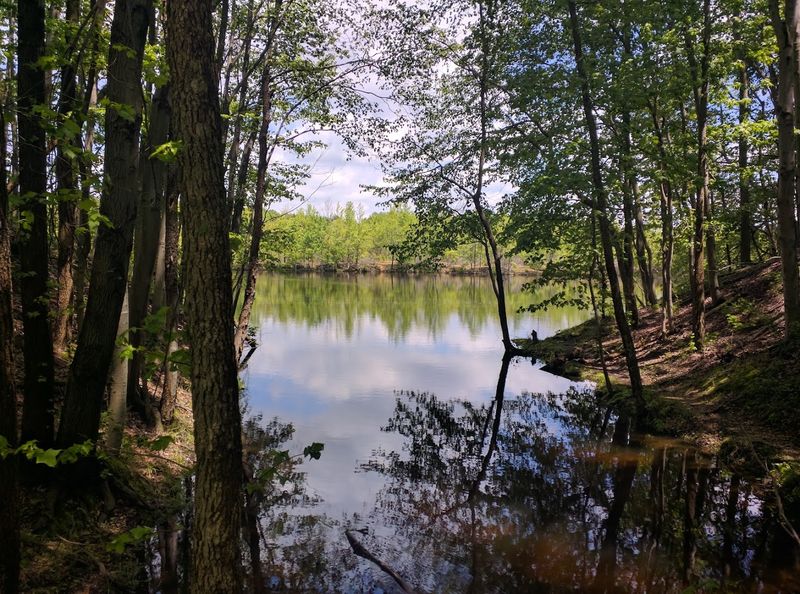
Plainsboro Preserve is one of those places that consistently surprises first-time visitors. Managed by the New Jersey chapter of the Nature Conservancy, this 1,000-acre property features a beautiful 100-acre lake, mature forest, wetlands, and over six miles of well-maintained trails.
McCormack Lake is the star attraction, drawing great blue herons, ospreys, and bald eagles throughout the year. Wood ducks nest in boxes along the shoreline, and the fall foliage reflected in the water is genuinely stunning.
The observation deck near the lake is a favorite hangout spot for both birders and photographers.
The nature center on site offers exhibits, educational programming, and a friendly staff that can point you toward the best spots depending on the season. Trails range from flat lakeside paths to more wooded loops.
The preserve is free to visit, open daily, and close enough to Princeton to make it an easy half-day trip.
Tall Pines State Preserve, Sewell, New Jersey
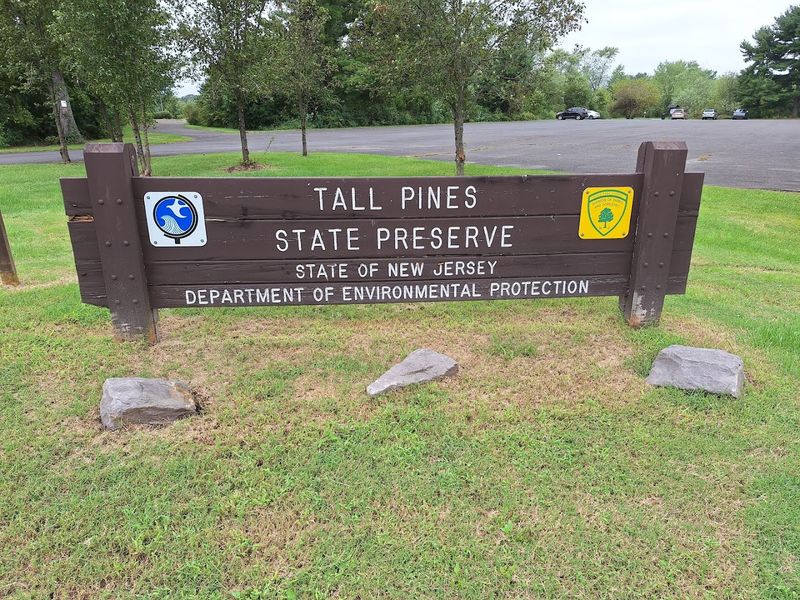
Tall Pines State Preserve protects one of the last significant stands of old-growth Atlantic white cedar and pitch pine in the New Jersey Pinelands, which makes it genuinely rare in a region that has seen a lot of development. The trees here are old, and walking among them feels like stepping into a different era entirely.
The preserve is relatively small but ecologically rich, supporting species adapted to the acidic, nutrient-poor soils of the Pine Barrens. Hermit thrushes, pine warblers, and brown creepers are among the birds you might spot on a quiet morning walk.
The forest floor is carpeted with sphagnum moss and native ferns.
Access is straightforward with a few informal trails, though the terrain can get soggy after rain, so waterproof boots are your best friends here. Crowds are rare, which means you often have the whole forest to yourself.
That level of quiet is honestly hard to find this close to civilization.
South Cape May Meadows Preserve, Cape May Point, New Jersey
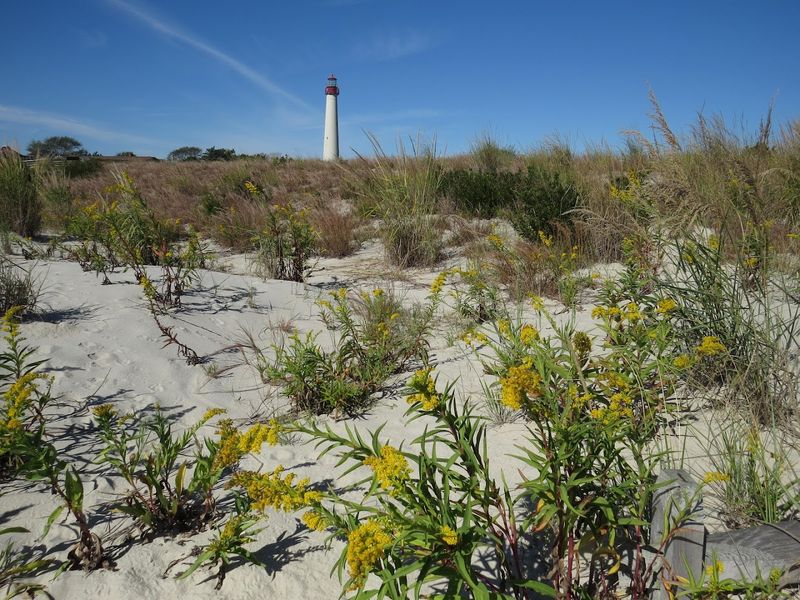
South Cape May Meadows is one of the most productive birding spots in the entire eastern United States, which is a bold claim that the birds themselves back up every single migration season. Managed by The Nature Conservancy, this coastal preserve sits right at the tip of the Cape May peninsula.
The freshwater ponds here attract an almost absurd variety of shorebirds, herons, and waterfowl. During fall migration, rare species show up with enough regularity to keep birders checking their apps in pure excitement.
The Cape May lighthouse is visible from the preserve, which makes for a photogenic backdrop on any visit.
Beach access is included, and the combination of coastal meadow, dune, and pond habitat in one compact area makes this spot incredibly efficient for wildlife watching. It is free to visit, well-signed, and easy to navigate.
Plan to stay longer than you think you need to because something new always shows up.
Lizard Tail Swamp Preserve, Middle Township, New Jersey
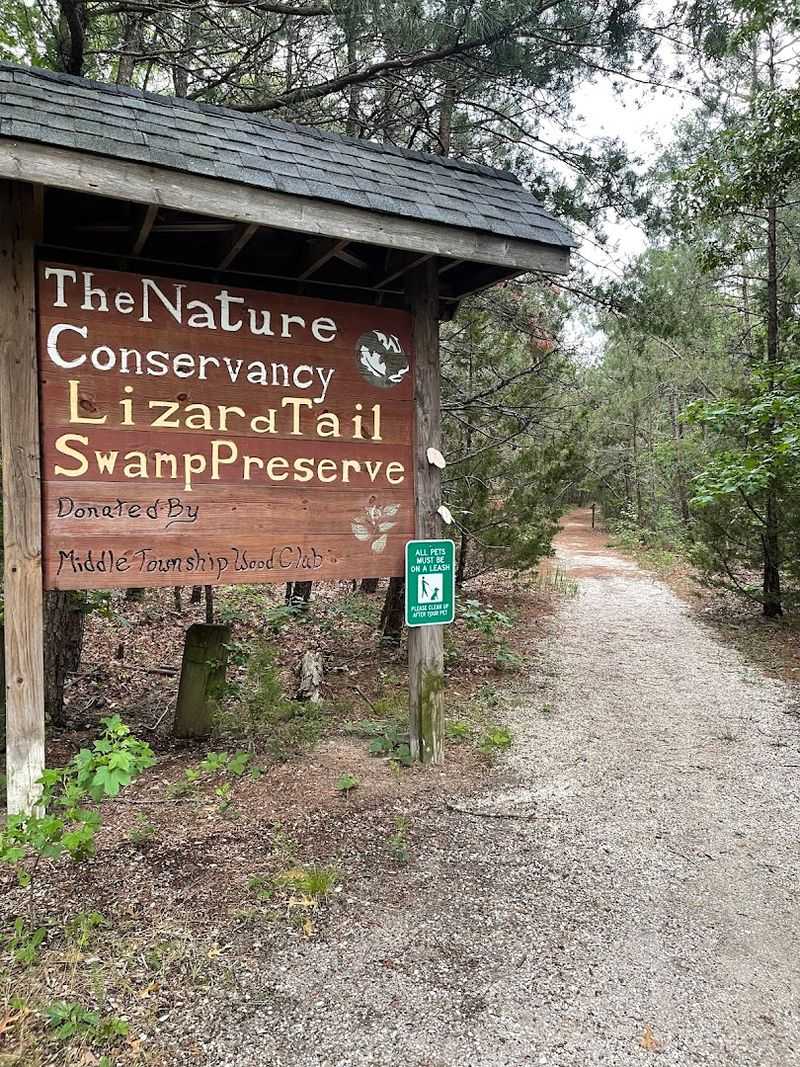
The name alone earns this place a visit. Lizard Tail Swamp Preserve in Middle Township is named after the native lizard tail plant that blooms in its freshwater wetlands each summer, and it is one of the more enchanting natural areas in Cape May County.
Not many places can say their namesake plant is genuinely beautiful.
The preserve protects a mosaic of wet forest, shrub swamp, and open wetland that supports a rich variety of wildlife. Prothonotary warblers, red-shouldered hawks, and wood ducks have all been recorded here.
Turtles, frogs, and dragonflies are abundant during warmer months, making every walk feel like a naturalist’s field day.
Trails are relatively short but can be muddy, so gear up accordingly. The preserve is managed by The Nature Conservancy and is free to access.
It rarely gets crowded, which means the wildlife tends to be less skittish and easier to observe up close. That kind of access is genuinely special.
Share this story