 Unearth The Voyage

Winter trips can be magical, but staying comfortable when the temperature drops takes more than just packing a coat. The right gear makes the difference between shivering through your adventure and actually enjoying snowy streets, mountain views, and winter festivals. Whether you’re exploring a new city or heading to the slopes, these travel essentials will help you stay warm, dry, and ready for whatever cold weather throws your way.
1. Merino (or moisture-wicking) base layers
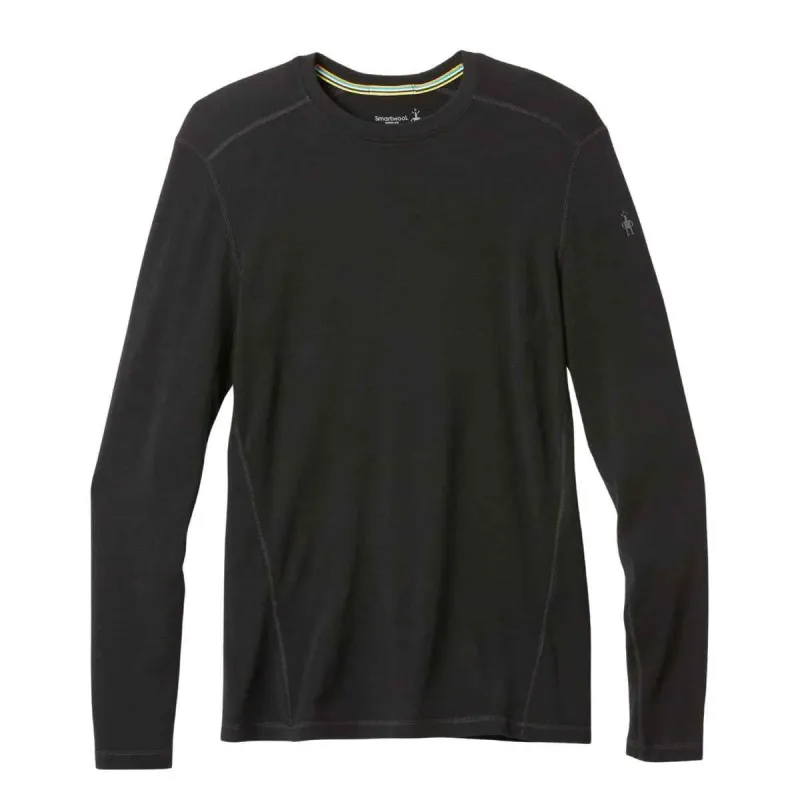
Ever notice how cotton t-shirts turn clammy after a winter hike? That’s exactly what base layers prevent. A good base layer keeps sweat from turning into a chill later.
Merino is popular because it holds onto warmth even when damp. Mountain Warehouse notes that moisture-wicking fabrics pull perspiration away from your skin, which is crucial when you’re moving between heated buildings and frigid streets.
Synthetic options work great too, especially if you’re watching your budget.
2. Water-resistant winter boots with real tread
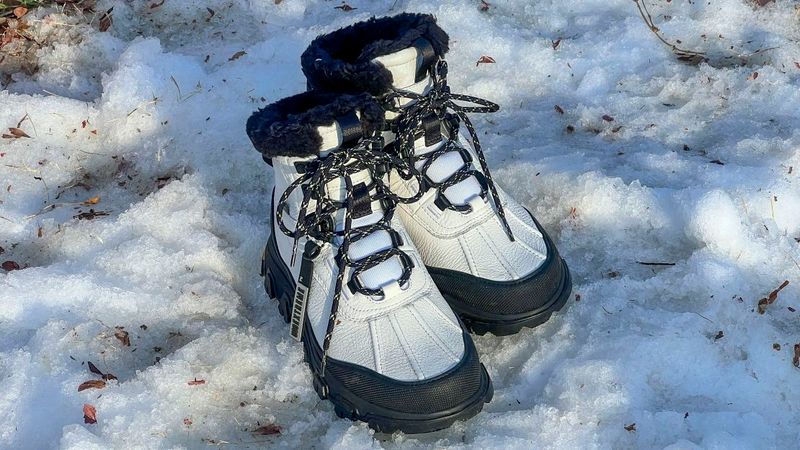
Cold trips get miserable fast if your feet are wet. Look for water-resistant uppers, insulation that matches your destination, and a sole that grips slush and ice.
CDC specifically calls out water-resistant boots for winter conditions. The difference between regular sneakers and proper winter boots becomes obvious the first time you step in slush or cross an icy crosswalk.
Your boots are literally your foundation when traveling in winter, so don’t skimp here.
3. Warm mid-layer (fleece, wool, or a light puffy)
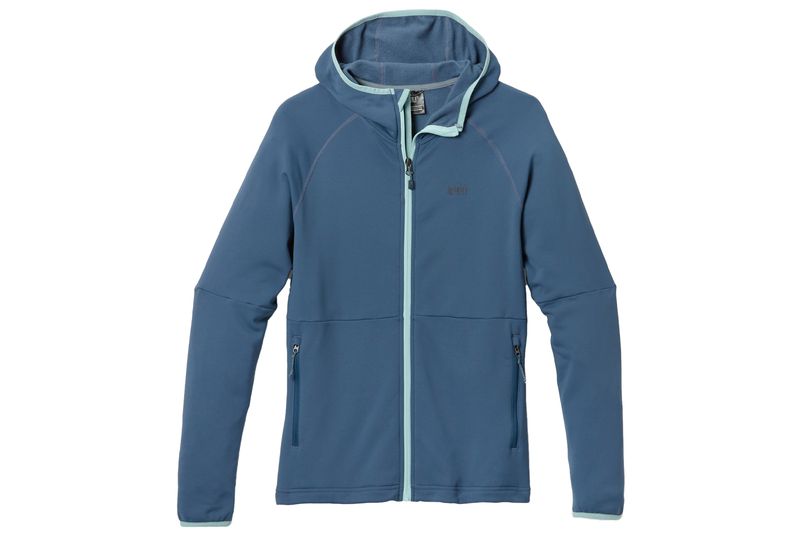
This is your adjustable heat piece, easy to add or remove when you go from outdoors to overheated trains, airports, cafés, and museums. Layering is a core winter safety recommendation for a reason.
CDC emphasizes that multiple thin layers trap warm air better than one bulky coat. A fleece or lightweight puffy gives you flexibility without taking up much packing space.
You’ll be pulling this on and off all day, so pick something that packs down easily.
4. Windproof/waterproof outer shell
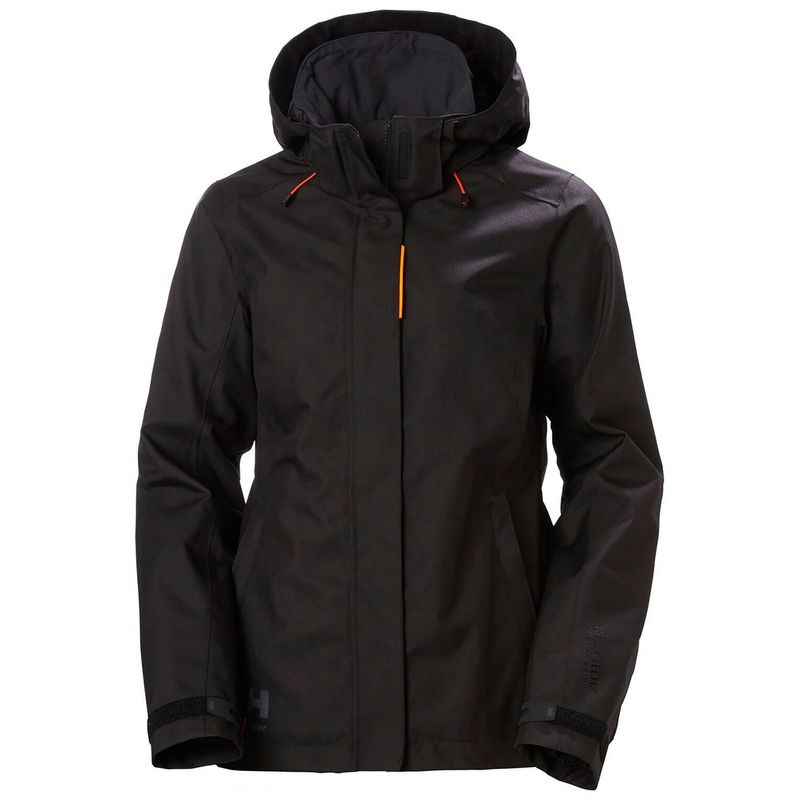
Wind is the comfort killer. A shell blocks wind, sheds snow and rain, and helps you stay dry, which matters for preventing cold-related illness.
National Weather Service data shows that wind dramatically increases heat loss from your body. Even a 10-degree day feels brutal with a 20 mph wind. Your shell doesn’t need to be expensive or technical, just windproof with taped seams.
Think of it as your first line of defense against the elements.
5. Insulated hat or beanie that covers your ears
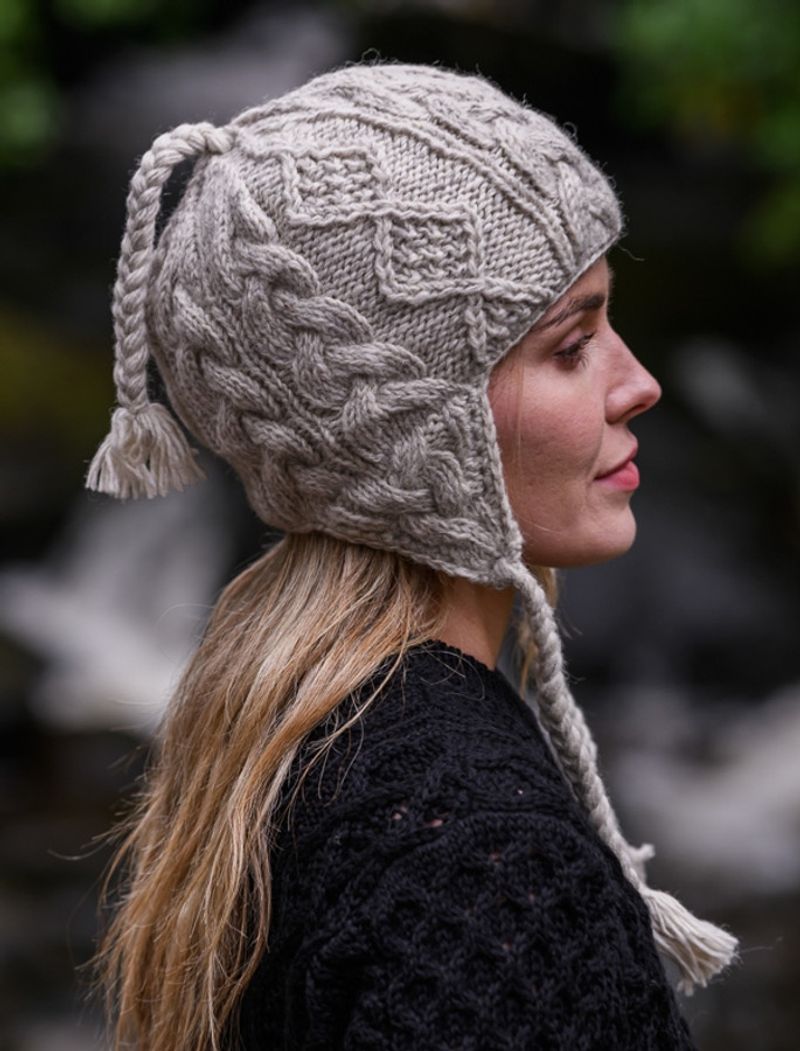
A warm hat isn’t optional when it’s truly cold. CDC lists a hat as basic winter protection.
Bonus points if it fits comfortably under a hood. You’ve probably heard that myth about losing most of your body heat through your head, but even though that’s been debunked, your head and ears still get painfully cold without coverage.
Choose something that stays put in wind and doesn’t make your forehead itch after an hour of wear.
6. Mittens (or insulated gloves) + a thin liner pair
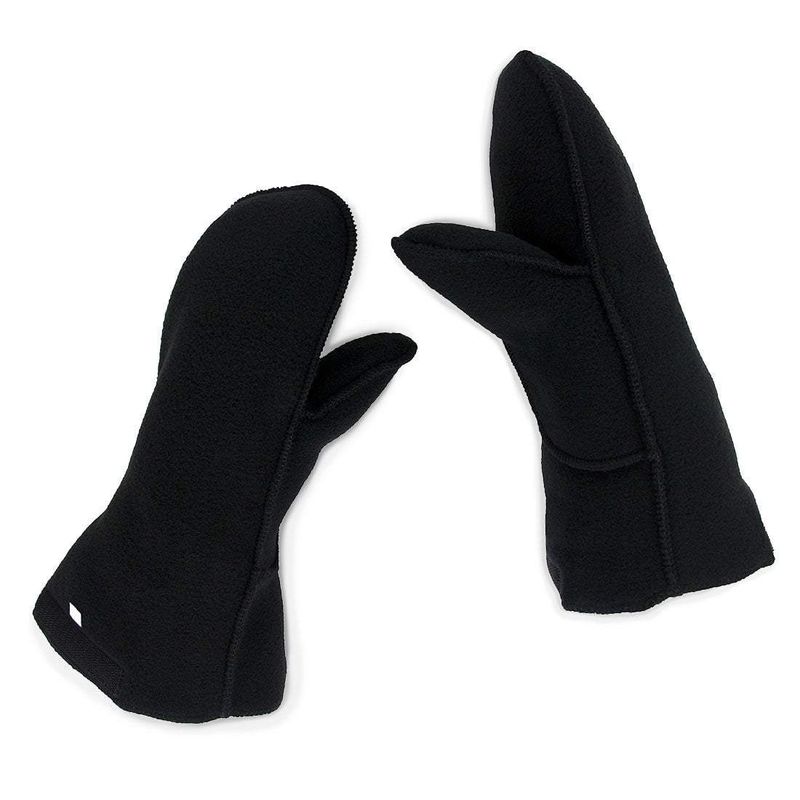
Mittens are often warmer than gloves, and CDC and NWS both note this. The reason? Your fingers generate more warmth when they’re together.
Liner gloves make it easier to use your phone or handle tickets without exposing bare skin. You can pull off your mittens for a minute, do what you need with the liners on, then bundle back up.
This two-layer system beats fumbling with thick gloves or risking frostbite on bare fingers.
7. Neck gaiter or knit mask (buff/balaclava)
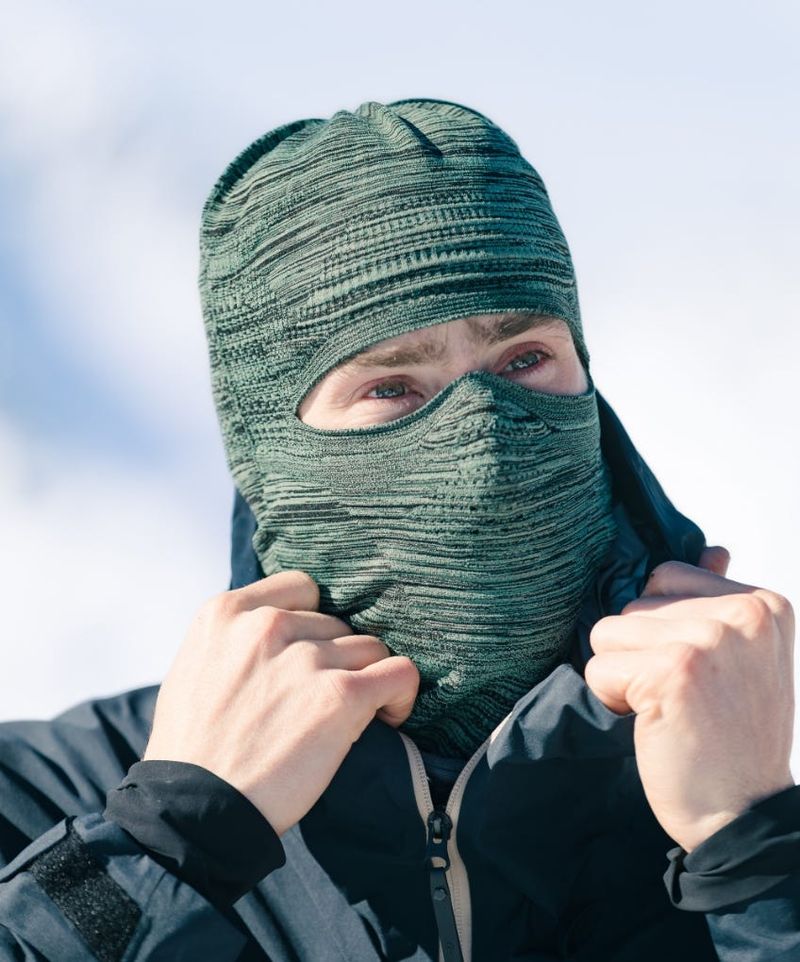
Wind plus exposed skin is where winter gets painful. Covering your face and neck helps reduce exposure and makes long walks feel way more doable.
CDC recommends protecting all exposed skin in extreme cold. A buff or neck gaiter is more versatile than a scarf because it stays put when you’re moving and you can pull it up or down as needed.
Plus, it takes up almost no space in your bag.
8. Hand warmers (air-activated or rechargeable)
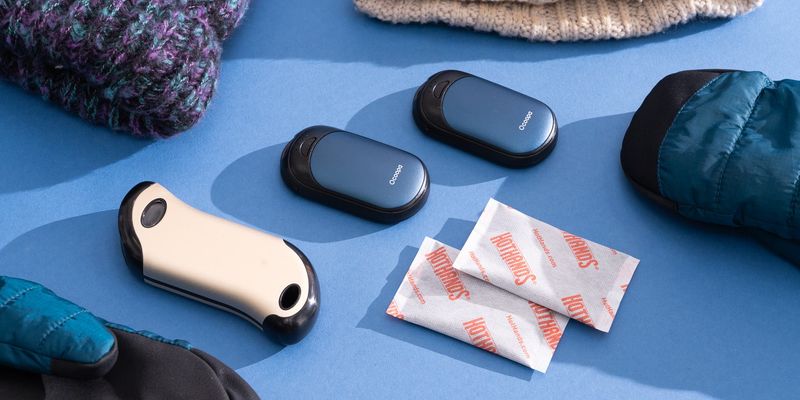
They’re small, cheap insurance, great for stadiums, markets, bus stops, and any situation where you’re outside longer than planned. TSA allows hand warmers in both carry-on and checked bags.
Air-activated disposable warmers last several hours and cost just a few dollars. Rechargeable versions are more eco-friendly and can double as phone chargers.
Either way, having a backup heat source in your pocket can save a miserable afternoon when the temperature drops unexpectedly.
9. Slip-on traction cleats for icy sidewalks
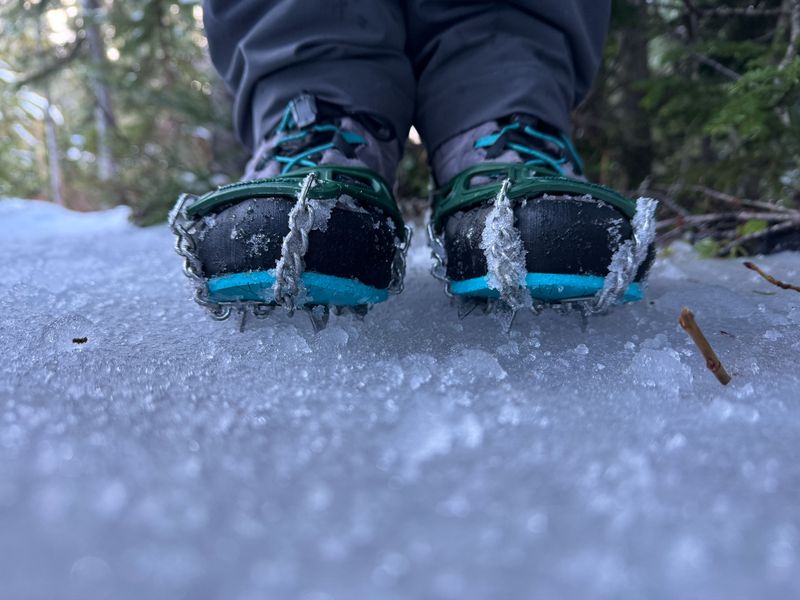
If you’ve ever penguin-walked across a parking lot, you already get it. Traction devices like Yaktrax-style coil cleats add grip on packed snow and ice.
Yaktrax US makes several models that slip over your regular boots and can be removed indoors. They’re lightweight, packable, and genuinely life-saving if you’re visiting anywhere with real winter.
A twisted ankle or worse can ruin a trip fast, and these cost less than most museum tickets.
10. Insulated water bottle or thermos

Hydration still matters in winter, and an insulated bottle helps keep drinks from freezing on long days outside. Backpacker notes insulated bottles or an insulating sleeve can help prevent freezing.
Cold air is dry air, and you lose moisture with every breath you take in winter. An insulated bottle lets you carry hot tea, coffee, or just warm water.
Nothing beats a warm drink when you’re waiting for a delayed bus in the cold.
11. Broad-spectrum SPF + protective lip balm
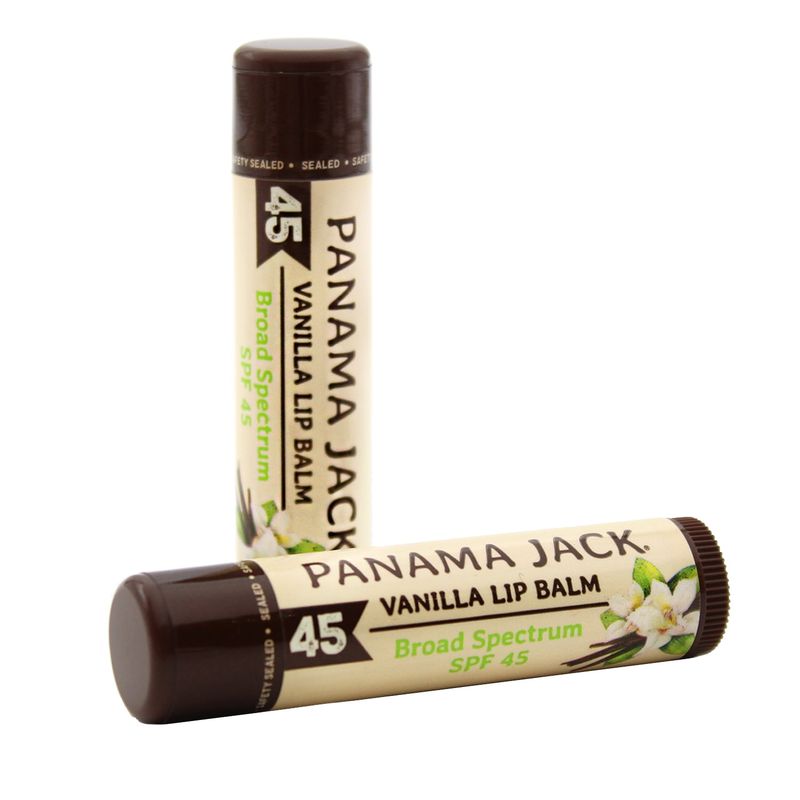
Yes, in winter. Snow can reflect up to 80% of UV light, meaning you can get hit from above and below, especially at altitude.
The Skin Cancer Foundation warns that winter sun exposure is serious business, particularly for skiers and anyone spending time around snow. Your skin doesn’t care what season it is when UV rays are bouncing off a white landscape.
Windburn plus sunburn equals a painful combination you’ll regret the next day.
12. UV-blocking sunglasses or snow goggles

Winter sun plus snow glare can be brutal. The American Academy of Ophthalmology recommends UV-protective sunglasses or goggles in winter to help prevent issues like snow blindness.
Snow blindness is a real condition caused by UV reflection, and it’s as painful as it sounds. Regular sunglasses often aren’t enough in high-glare conditions.
Look for wrap-around styles or goggles that block light from the sides, and make sure they’re rated for UV protection.



