 Unearth The Voyage
Hollywood has a short memory and an even shorter patience. One box office flop, a few bad headlines, or a rough patch in life can send a star straight to the industry’s do-not-call list.
But some actors refused to stay forgotten, and the right role changed everything for them. These 13 comebacks prove that in Hollywood, the best second acts are often more thrilling than the first.
Robert Downey Jr. – Iron Man (2008)
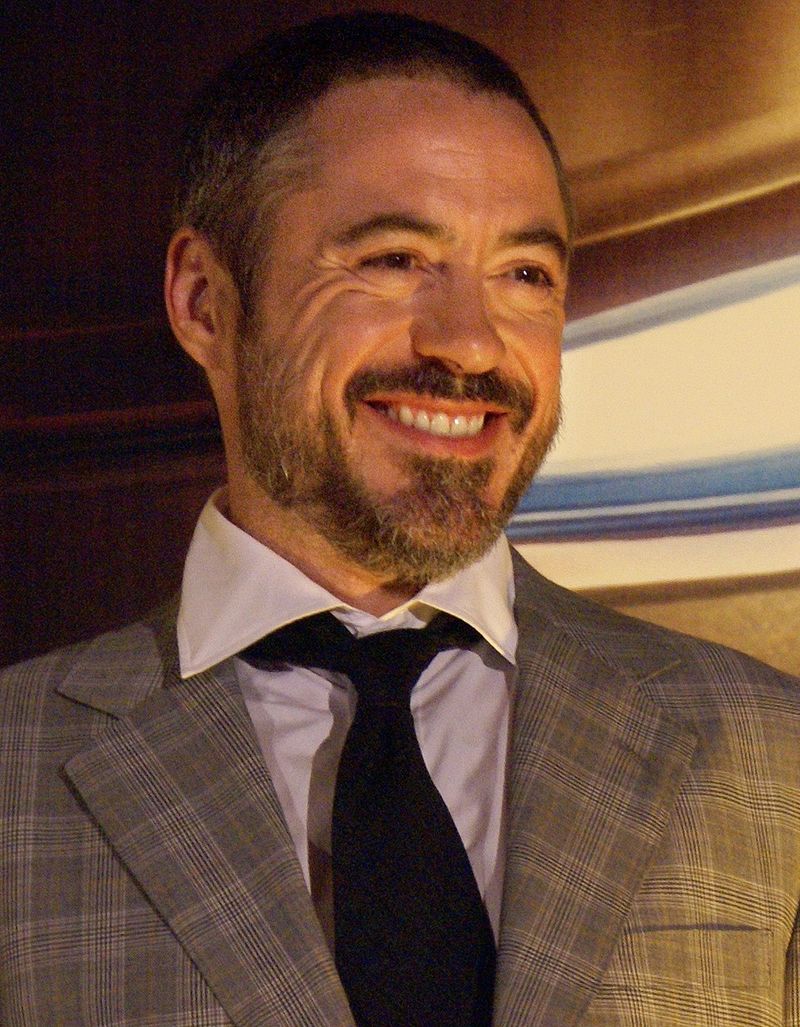
Nobody in Hollywood bet on Robert Downey Jr. when Marvel came knocking in 2008. Years of personal struggles and industry skepticism had turned him into a cautionary tale rather than a casting choice.
Kevin Feige himself called it the MCU’s biggest risk, and honestly, that title fits.
The gamble paid off spectacularly. Downey walked onto the set of Iron Man and basically invented a new kind of superhero swagger.
His Tony Stark was sharp, funny, and impossible to look away from.
Iron Man didn’t just relaunch his career. It launched an entire cinematic universe.
Without Downey saying yes to that role, the MCU as we know it simply doesn’t exist. He went from Hollywood’s most famous cautionary tale to its most bankable star almost overnight.
That kind of turnaround doesn’t happen often, but when it does, it’s absolutely worth celebrating.
John Travolta – Pulp Fiction (1994)
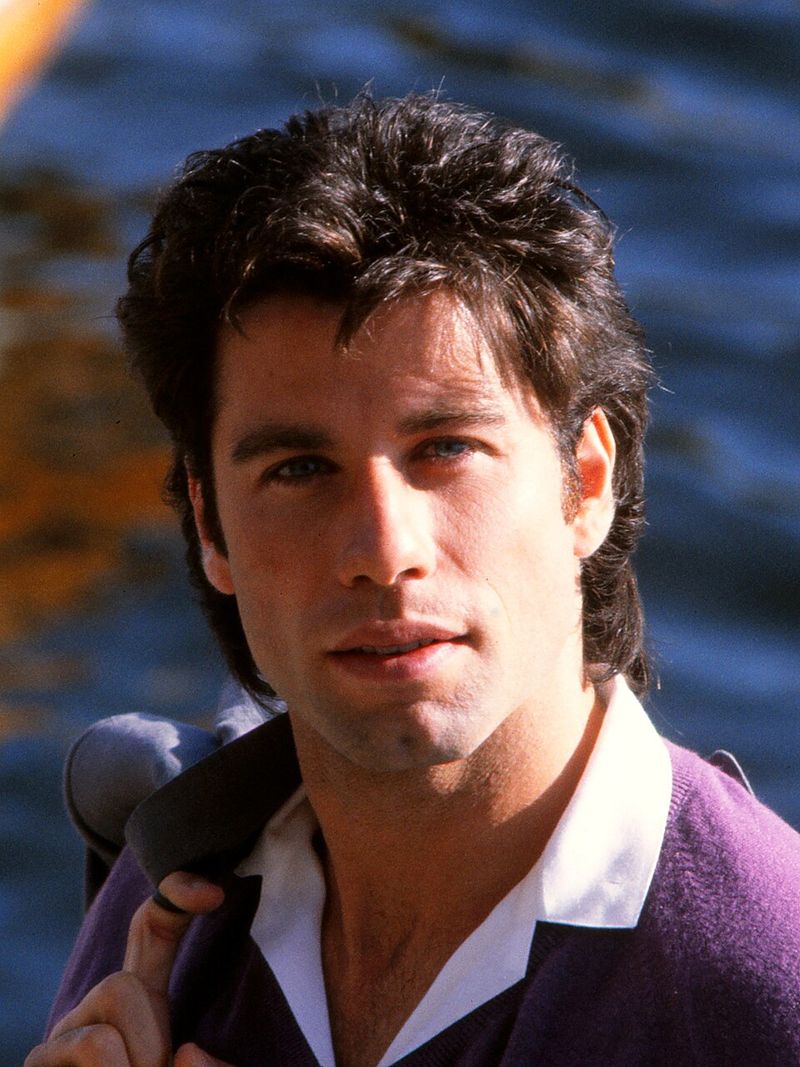
By the early 1990s, John Travolta was best known for what he used to be. Saturday Night Fever and Grease were cultural landmarks, sure, but that was the 1970s.
Hollywood had quietly moved on without him.
Then Quentin Tarantino did something nobody expected. He cast Travolta as Vincent Vega in Pulp Fiction, a slow-talking, burger-philosophizing hitman with a surprisingly good dance move.
The role earned Travolta an Academy Award nomination for Actor in a Leading Role, his first in years.
What made the comeback so satisfying was how perfectly Tarantino used everything Travolta already had. The charisma, the physicality, even the slightly faded cool all became assets instead of liabilities.
Pulp Fiction reminded audiences that Travolta wasn’t a nostalgia act. He was a genuinely talented performer who just needed the right director to remind everyone.
Tarantino was clearly that guy.
Matthew McConaughey – Dallas Buyers Club (2013)
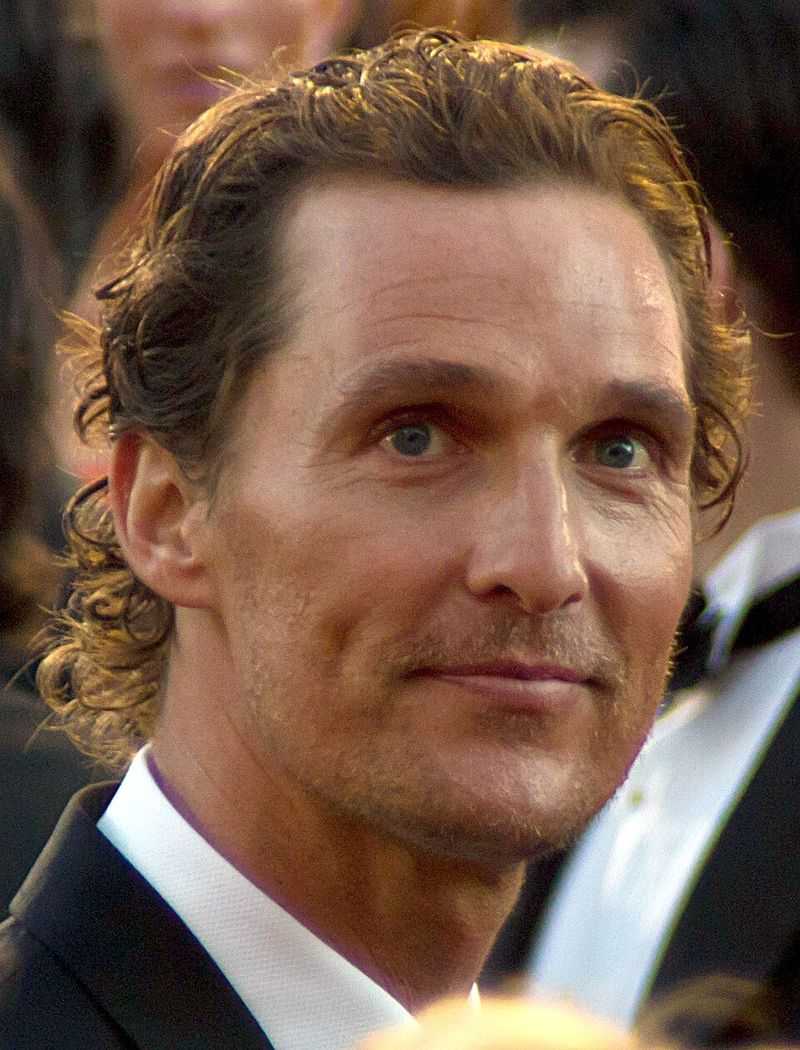
For years, Matthew McConaughey was Hollywood’s go-to guy for breezy romantic comedies. He was charming, shirtless, and reliably forgettable.
Critics had basically written him off as a pretty face in predictable films.
Then came the McConaissance. Quietly, he started taking risks, choosing smaller, stranger, more demanding roles.
Dallas Buyers Club was the peak of that transformation. He lost an enormous amount of weight to play Ron Woodroof, a real-life AIDS patient fighting the medical establishment in 1980s Texas.
The performance won him the Academy Award for Actor in a Leading Role at the 2014 ceremony. His acceptance speech, full of self-referential wisdom, became as famous as the film itself.
McConaughey proved that reinvention isn’t just possible in Hollywood. It can be spectacular.
He went from being a punchline about beach abs to one of the most respected dramatic actors of his generation. Alright, alright, alright indeed.
Mickey Rourke – The Wrestler (2008)
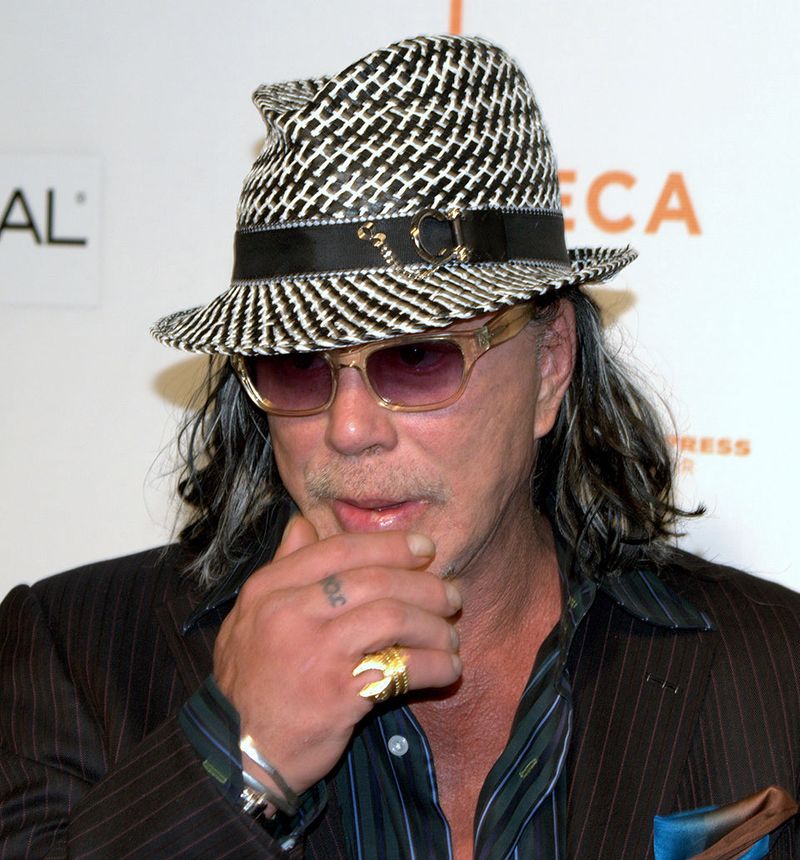
Mickey Rourke’s career arc reads like something a screenwriter would reject for being too on the nose. He was one of Hollywood’s most magnetic actors in the 1980s, then spent years making choices that pushed him further from the spotlight.
Darren Aronofsky saw something worth rescuing. He cast Rourke as Randy the Ram, a broken-down professional wrestler clinging to past glory.
The parallels between actor and character were impossible to miss, and Rourke leaned into them fully.
The performance earned him an Academy Award nomination for Actor in a Leading Role, and the industry collectively remembered why they had loved him in the first place. There was a raw, unguarded quality to his work in The Wrestler that no amount of coaching could manufacture.
It came from real experience. Sometimes the most powerful performances are the ones where the actor and the role are basically the same person in different costumes.
Keanu Reeves – John Wick (2014)
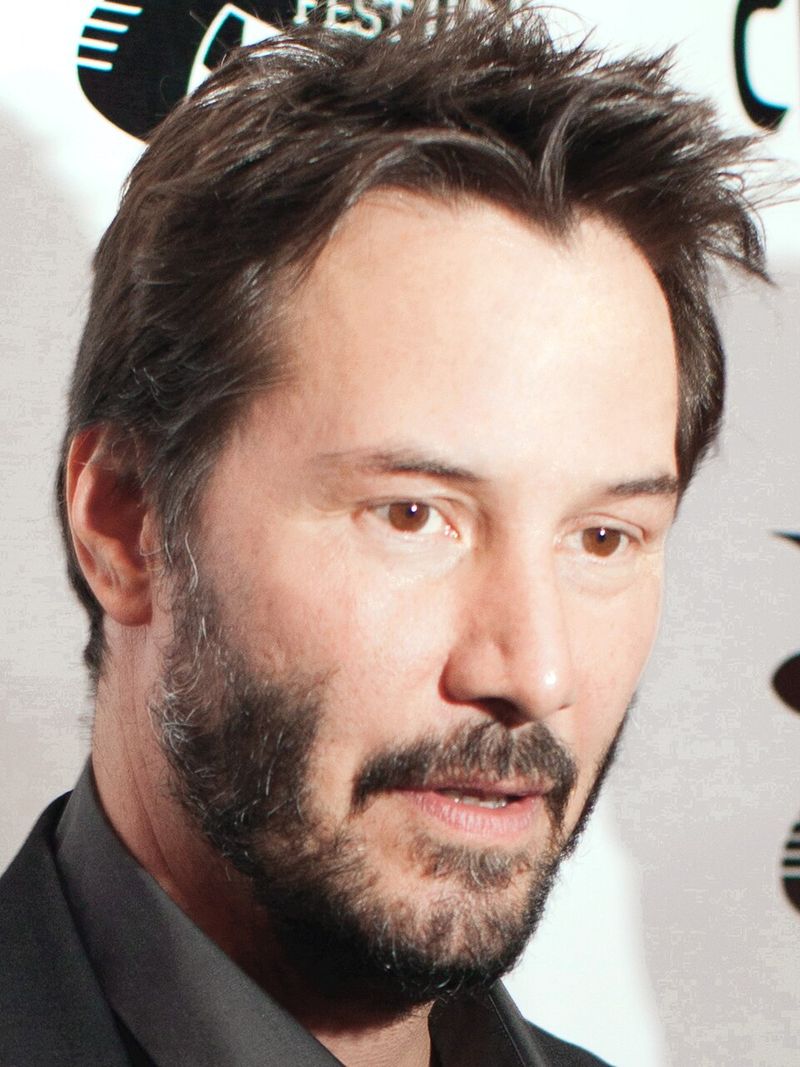
After The Matrix trilogy ended, Keanu Reeves spent a decade making films that ranged from decent to genuinely forgettable. Hollywood wasn’t sure what to do with him anymore, and honestly, neither was the audience.
John Wick changed the conversation entirely. The 2014 action film gave Reeves a role that played to every strength he had: physical commitment, quiet intensity, and an almost supernatural screen presence.
He trained obsessively for the role and it showed in every frame.
The film became a phenomenon, spawning sequels, spinoffs, and a whole new subgenre of stylized action cinema. Reeves didn’t just get his career back.
He got a franchise. More importantly, he became genuinely cool again, not in a nostalgic way but in a present-tense, people-are-buying-tickets way.
John Wick proved that sometimes all a talented actor needs is one well-directed, perfectly cast action film to remind everyone what they had been missing.
Winona Ryder – Stranger Things (2016)

Winona Ryder was the defining face of 1990s Hollywood. Heathers, Edward Scissorhands, Reality Bites, the woman had a filmography that Gen X still gets emotional about.
Then a very public personal scandal in the early 2000s effectively sidelined her career for years.
Stranger Things brought her back in the best possible way. As Joyce Byers, the fiercely determined mother hunting for her missing son in a supernatural small town, Ryder was riveting.
The role gave her material she could sink into completely.
What made the comeback particularly satisfying was the audience reaction. Younger viewers who had never seen her 1990s work fell in love with her immediately.
Older fans who had grown up watching her felt a warm, genuine rush of recognition. She wasn’t just welcomed back.
She was celebrated. Joyce Byers became one of the most beloved characters in modern streaming television, and Ryder was at the center of all of it.
Brendan Fraser – The Whale (2022)
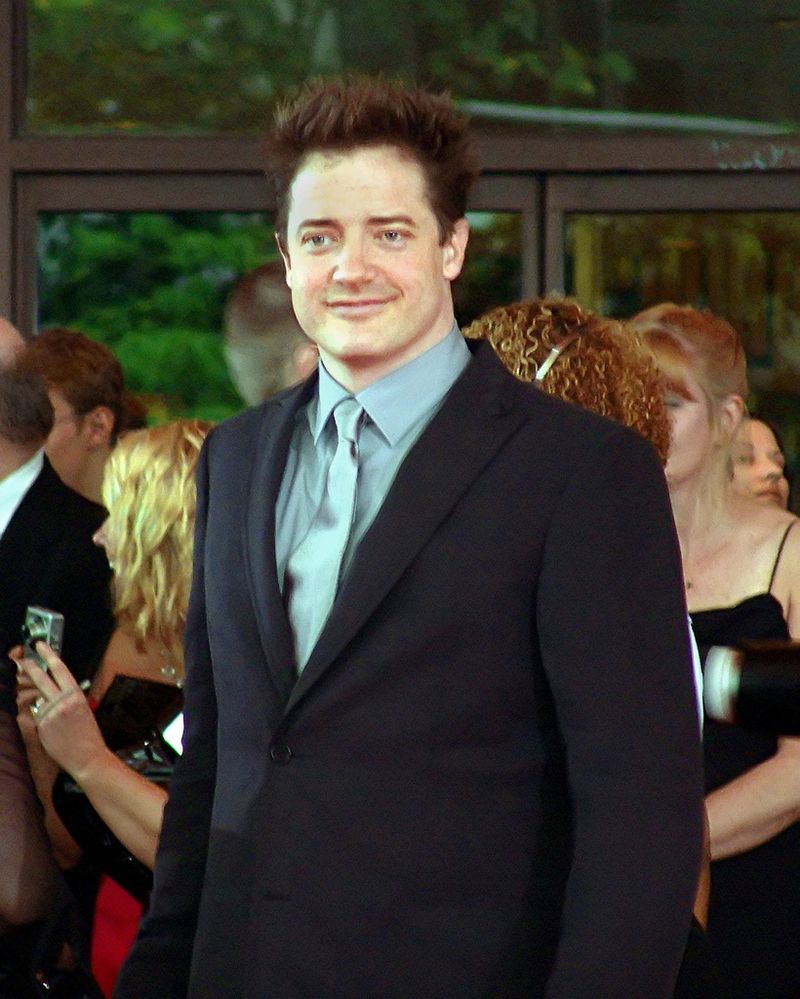
Few comebacks in recent Hollywood history hit as emotionally hard as Brendan Fraser’s. He was the fun, likable star of The Mummy franchise in the late 1990s, then essentially disappeared from major films after speaking out about harassment he experienced in the industry.
Darren Aronofsky cast him as Charlie, a reclusive English teacher dealing with profound physical and emotional struggles in The Whale. Fraser brought something to the role that went beyond technique.
You could feel the weight of real experience in every scene he performed.
At the 2023 Academy Awards ceremony, he won the Oscar for Actor in a Leading Role. The standing ovation he received was one of those rare Hollywood moments that felt genuinely earned rather than choreographed.
I watched that moment live and teared up a little, not going to pretend otherwise. Fraser’s win felt like the industry finally doing something right after a long time getting it wrong.
Michael Keaton – Birdman (2014)
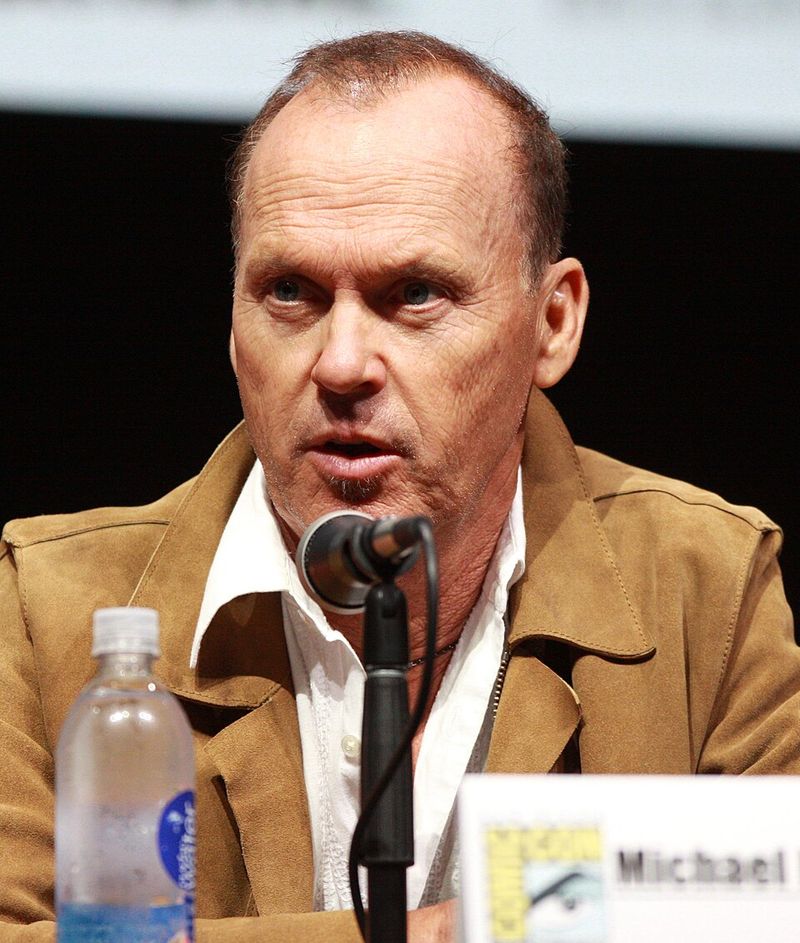
Playing a faded superhero actor desperately trying to be taken seriously again? For Michael Keaton, that was not exactly a stretch.
He had been Batman in 1989 and 1992, then watched his Hollywood star slowly dim through the 2000s.
Alejandro Inarritu’s Birdman was either the most brilliantly self-aware casting decision in film history or the universe playing a very elaborate joke. Probably both.
Keaton played Riggan Thomson with a coiled, frantic energy that felt completely authentic and slightly terrifying.
The film earned him an Academy Award nomination for Actor in a Leading Role and reminded Hollywood that Keaton had always been one of the most genuinely interesting actors of his generation. He didn’t need a superhero suit to be compelling.
He just needed a director bold enough to put him in the middle of something ambitious. Birdman was exactly that, and Keaton rose to every single moment of it with sharp, committed brilliance.
Jamie Foxx – Ray (2004)
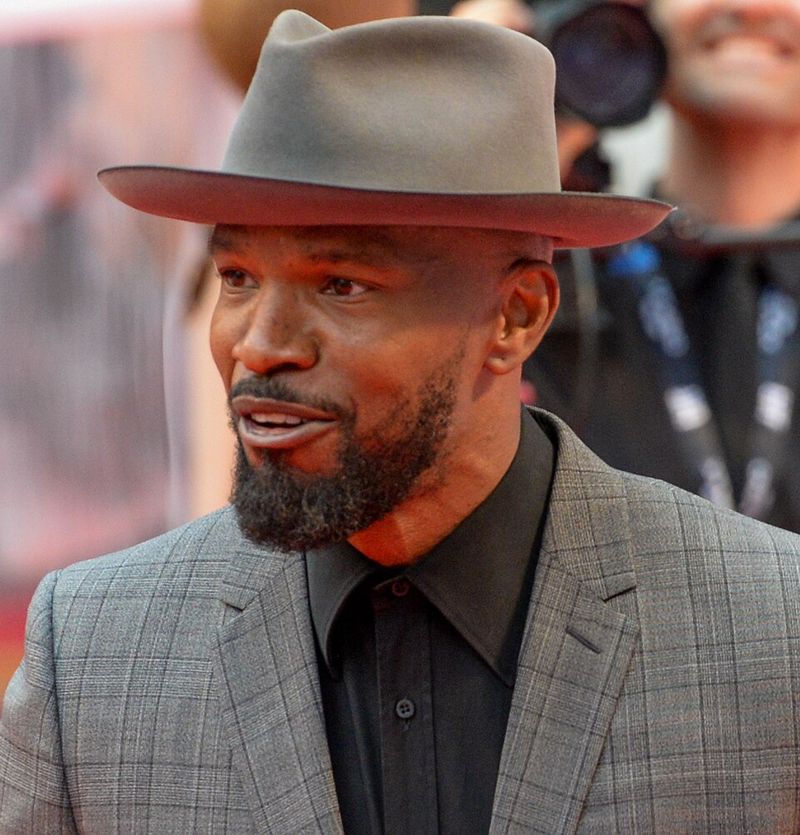
Before Ray, Jamie Foxx was known primarily as a comedian and the star of the TV show In Living Color. Funny, yes.
Dramatically formidable? Hollywood wasn’t entirely sure about that part.
Foxx’s portrayal of Ray Charles in the 2004 biographical film settled that question permanently. He didn’t just play Ray Charles.
He inhabited him so completely that the performance became one of the most discussed of that entire decade. Foxx learned to play the piano himself for the role and studied Charles’s mannerisms with extraordinary precision.
At the 2005 Academy Awards ceremony, he won the Oscar for Best Actor. What made the win even more impressive was that he was simultaneously nominated for Best Supporting Actor for Collateral that same year.
Two nominations in one night is a level of dominance most actors never get close to achieving. Foxx went from TV comedian to Oscar winner in what felt like a single, decisive, breathtaking leap.
Halle Berry – Monster’s Ball (2001)
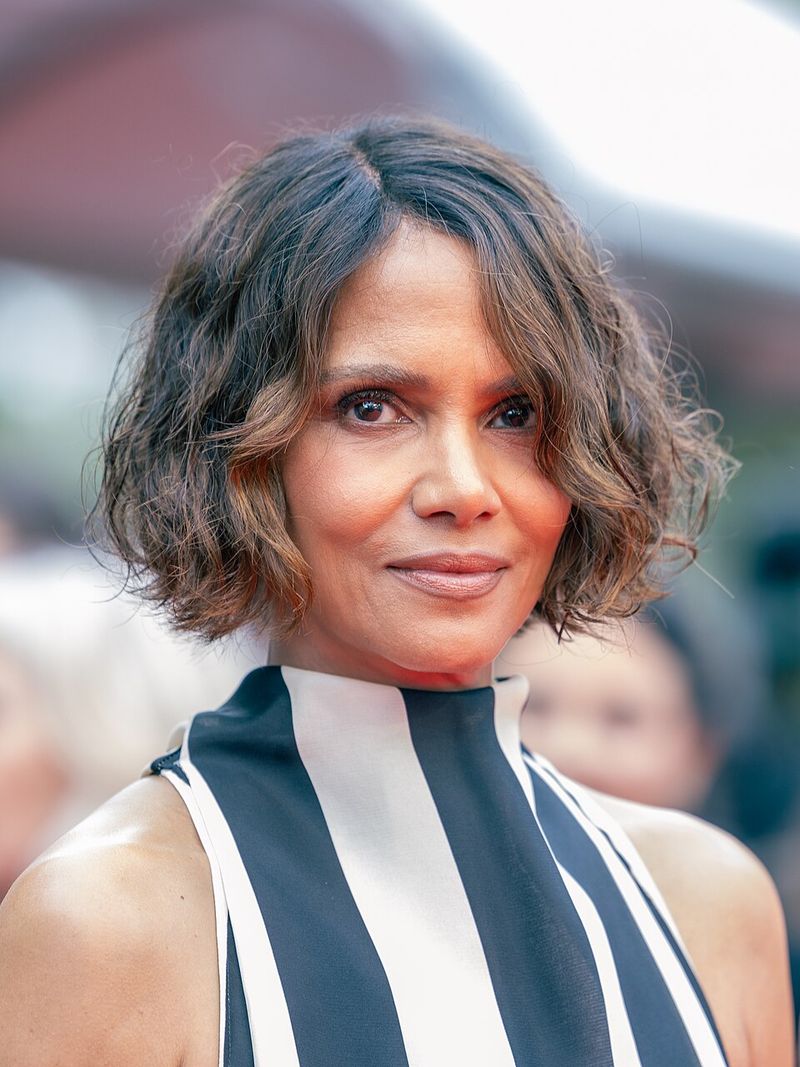
Halle Berry had been a successful and widely recognized actress for years before Monster’s Ball, but the industry had largely cast her in roles that prioritized her appearance over her range. She was a star, but not necessarily a serious one in Hollywood’s eyes.
Monster’s Ball changed that assessment completely. The 2001 drama asked Berry to be raw, unguarded, and deeply vulnerable in ways her previous roles simply had not required.
She delivered a performance of such emotional honesty that critics ran out of superlatives fairly quickly.
At the 2002 Academy Awards ceremony, she won the Oscar for Actress in a Leading Role, becoming the first Black woman to win in that category. Her tearful acceptance speech acknowledged the historic weight of the moment with genuine grace.
The win was long overdue recognition that Berry was capable of far more than Hollywood had previously bothered to ask of her. Monster’s Ball gave her the platform she had always deserved.
Ben Affleck – Argo (2012)
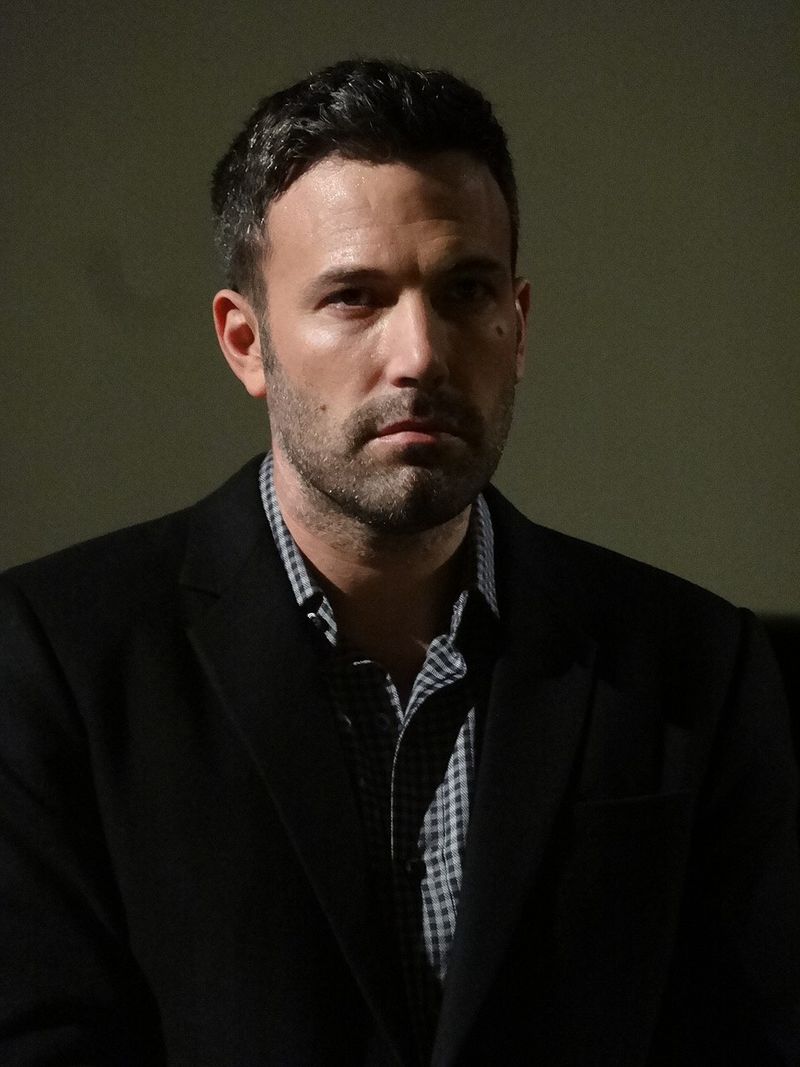
Ben Affleck spent the mid-2000s being a reliable tabloid fixture and an unreliable box office draw. Gigli happened.
Surviving Christmas happened. Hollywood started treating his name as a punchline rather than a selling point.
Argo was the reset button nobody saw coming. Affleck directed and starred in the 2012 political thriller about a CIA operation using a fake sci-fi film production as cover during the Iran hostage crisis.
The result was sharp, tense, and surprisingly funny in all the right places.
The film won the Academy Award for Best Picture, and Affleck’s direction received enormous praise even without a directing nomination. He proved he was a genuine filmmaker, not just a celebrity playing director.
Behind the camera, he was focused, disciplined, and clearly in command of his craft. Argo didn’t just save his reputation.
It fundamentally redefined what Hollywood expected from him, and he delivered something much better than anyone had anticipated.
Jennifer Lopez – Hustlers (2019)

Jennifer Lopez has never exactly struggled for attention, but by 2019 the critical establishment had largely decided she was more celebrity than actress. Hustlers made them reconsider that position loudly and publicly.
Playing Ramona, the charismatic ringleader of a group of strippers who scheme to defraud their wealthy Wall Street clients, Lopez was magnetic from her very first scene. The performance had swagger, intelligence, and a surprisingly tender core underneath all the bravado.
Awards season buzz built quickly. Critics called it a career-best performance, and serious Oscar talk began circulating.
Ultimately, both the film and Lopez missed Academy Award nominations, which remains one of the more baffling snubs of recent memory. The lack of a nomination didn’t diminish what she actually did on screen.
Hustlers reminded everyone that Lopez had genuine dramatic chops that Hollywood had been too distracted by her pop star persona to properly notice or use for years.
Kurt Russell – The Hateful Eight (2015)
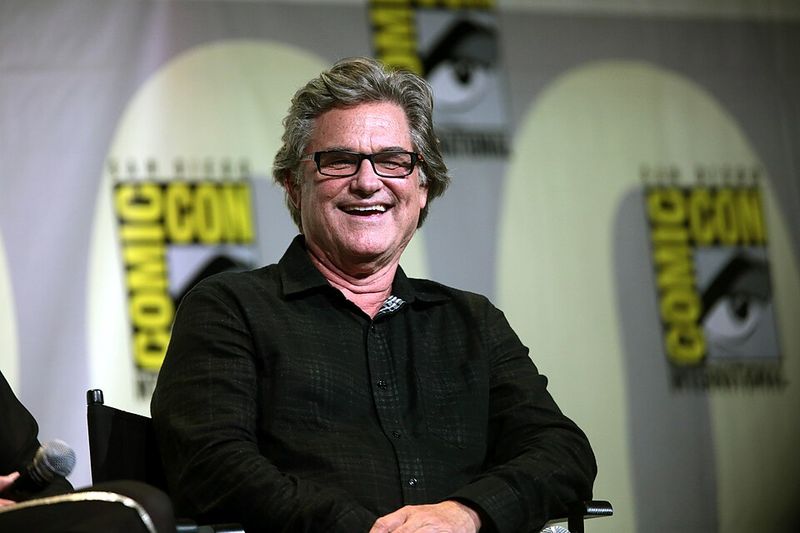
Kurt Russell was a legitimate 1980s action hero. Escape from New York, The Thing, Big Trouble in Little China.
The man had a resume that action fans still recite with reverence. But by the 2010s, his starring roles had become less frequent and less prominent.
Quentin Tarantino came to the rescue, which seems to be a recurring theme in this list. He cast Russell as John Ruth in The Hateful Eight, a bounty hunter transporting a prisoner through a blizzard while surrounded by suspicious strangers.
The role was meaty, theatrical, and gloriously old-school in its demands.
Russell committed fully to the period detail and the heightened Tarantino dialogue, delivering a performance that reminded audiences why he had been such a compelling screen presence for decades. The Hateful Eight ushered him into a fresh late-career stretch of high-profile work.
Tarantino has a genuine gift for rescuing actors from Hollywood’s short memory, and Russell was an excellent recipient of that particular talent.



