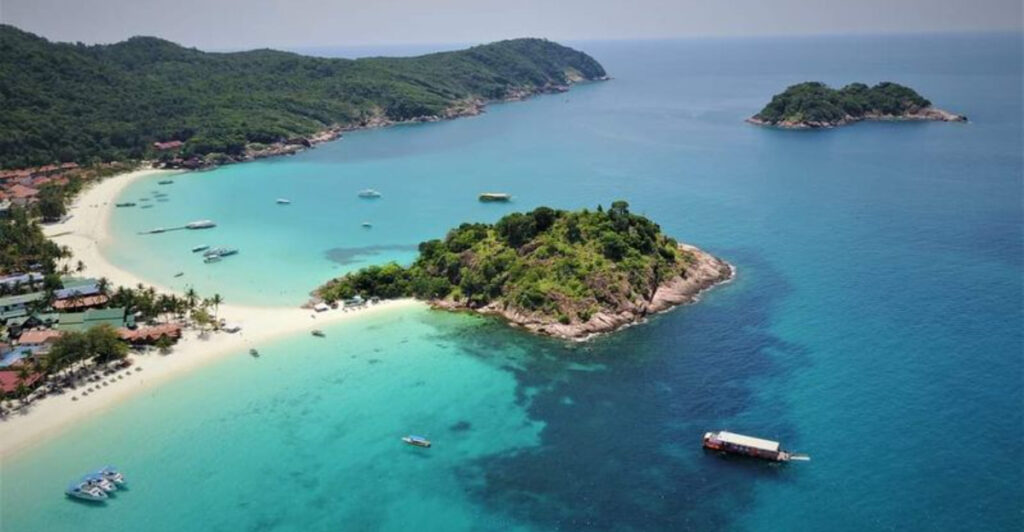
Malaysia has some of the most beautiful island scenery in all of Southeast Asia, and the good news is that you do not have to spend a fortune to enjoy it. From duty-free shopping islands near the Thai border to tiny coral-ringed getaways off the Terengganu coast, the variety here is genuinely impressive.
Whether you want a quick day trip from the city, a slow week in a beach chalet, or a diving adventure in Sabah, there is an island on this list that fits your budget and your travel style. Some of these spots are well-known, while others tend to fly under the radar even among Malaysian travelers.
This list covers 13 real, accessible, and affordable Malaysian islands worth putting on your travel calendar.
Langkawi, Kedah
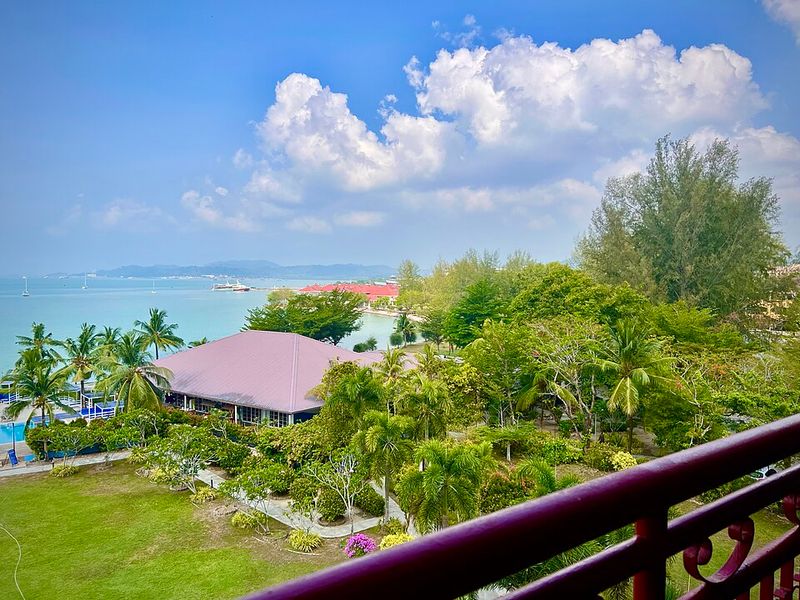
Few islands in Malaysia are as easy to plan around as Langkawi. You can fly in, take a ferry from Penang or Kuala Perlis, and find accommodation in almost every price range without much trouble.
Tourism Malaysia lists it as an archipelago of 99 islands off the Kedah coast, and that variety extends to how you spend your days too.
Pantai Cenang is the main beach strip, with rental shops, food stalls, and a relaxed atmosphere that does not demand you spend heavily. Kuah Town has markets and duty-free outlets worth browsing.
Beyond the beach, travelers can fill days with mangrove boat tours, Temurun Waterfall visits, and the Langkawi Sky Bridge viewpoint.
The duty-free status helps stretch your ringgit further than on most islands, especially for snacks and everyday items. This is the kind of island where you can plan a full week without a packed schedule and still feel satisfied.
Perhentian Islands, Terengganu
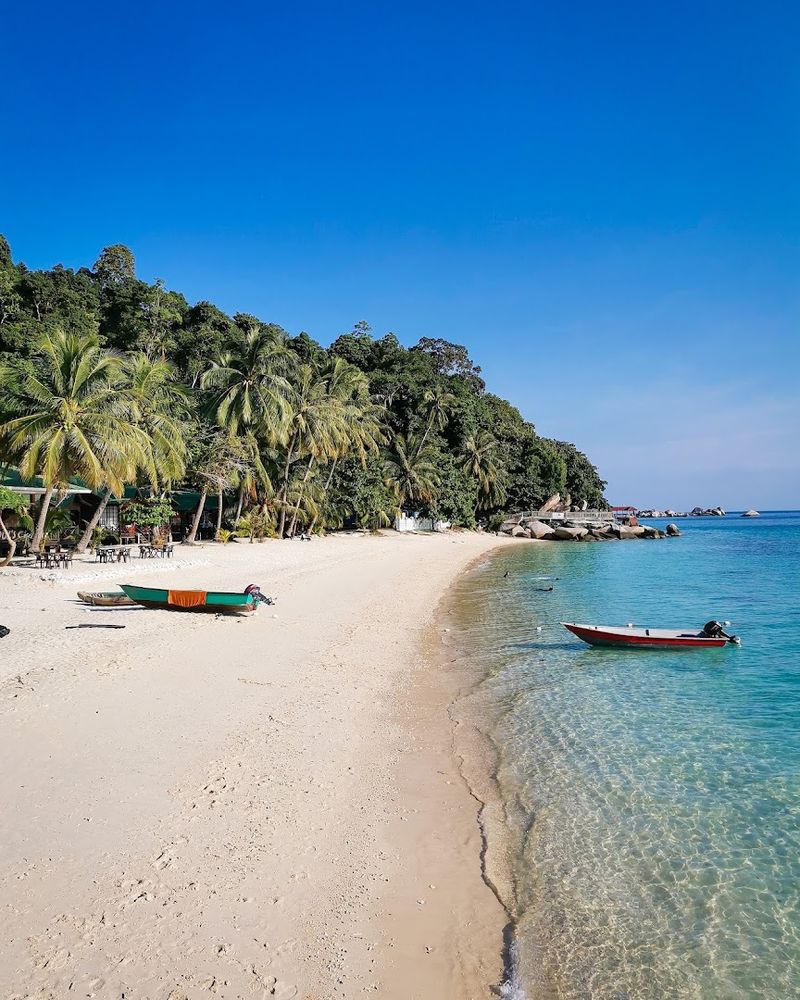
The Perhentian Islands have a reputation that travels far beyond Malaysia’s borders, and for good reason. Perhentian Kecil is the one budget travelers tend to gravitate toward, with beach cafes, simple chalets, and a social, laid-back atmosphere that makes it easy to meet other travelers.
Perhentian Besar is quieter and a bit more resort-focused.
Snorkeling here is genuinely good. Sea turtles are a common sighting in certain spots, and the water clarity makes even basic snorkel gear feel rewarding.
You do not need to book an expensive diving package to enjoy what these islands offer above and below the surface.
Timing matters here more than on most islands. The open travel season generally runs from March through October.
Outside that window, the northeast monsoon can shut down ferry services and cause many accommodations to close entirely. Plan accordingly and this island group rewards you well for the effort.
Tioman Island, Pahang
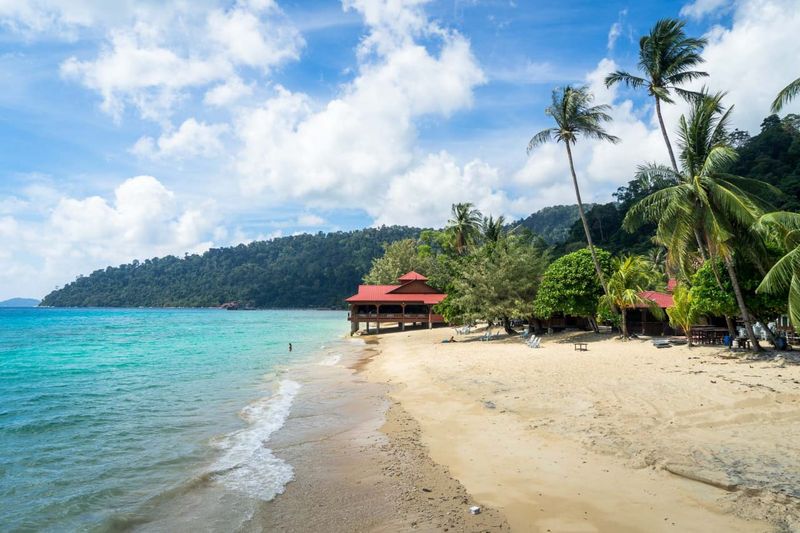
Tioman carries a kind of old-school tropical charm that more developed islands have mostly lost. The villages are small, the jungle comes right down to the beach in places, and the marine park waters around the island are some of the clearest you will find on Peninsular Malaysia’s east coast.
Tourism Malaysia officially lists it as a duty-free island within the Tioman Island Marine Park.
Budget travelers can absolutely make Tioman work. Simple chalets in kampung-style settings around Tekek, Salang, and Air Batang are available at reasonable rates.
Snorkeling trips, jungle hikes, and beach days are the main activities, and none of them require serious spending.
The one planning note that matters: Tioman ferry and resort operations are commonly reduced or suspended between November and February due to the monsoon season. Visiting between March and October gives you the full, accessible version of this island and keeps travel arrangements from getting complicated.
Pangkor Island, Perak
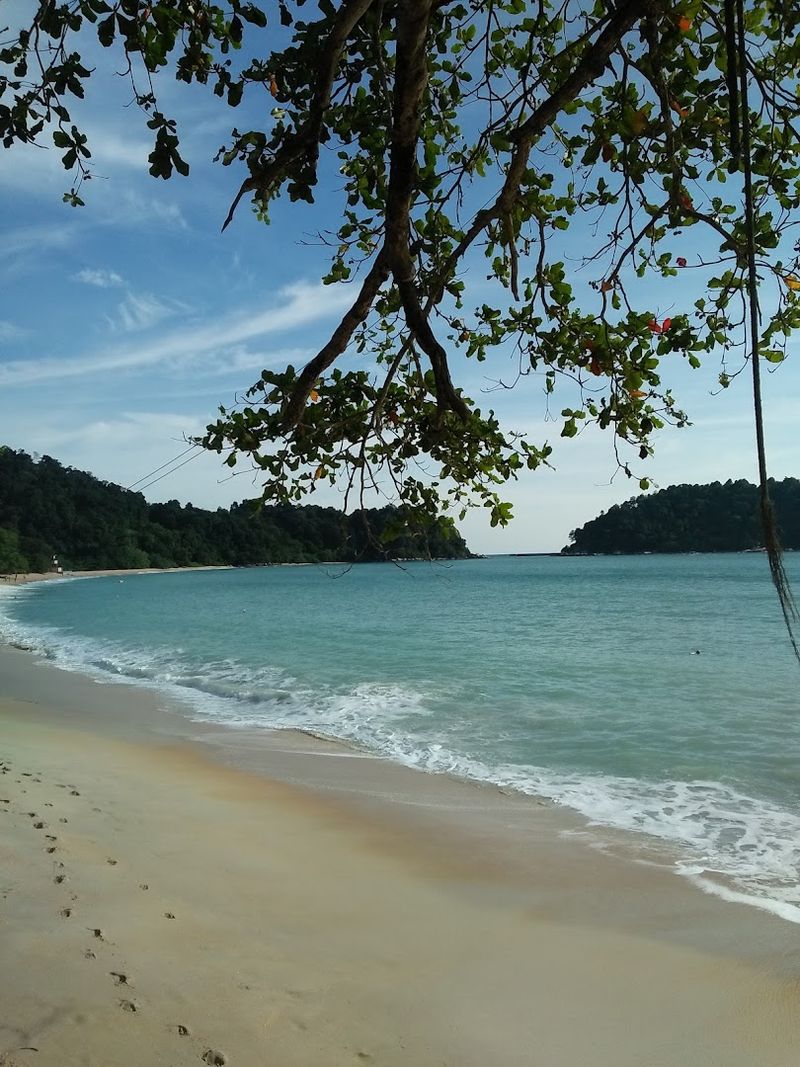
Getting to Pangkor is one of the easiest island crossings in Malaysia. The ferry from Lumut takes roughly 10 minutes, which means low transport costs and no complicated logistics.
That accessibility makes it a practical choice for families, weekend travelers, and anyone who wants a beach break without burning through a travel budget before even arriving.
Once you are there, a rented motorbike or bicycle is the standard way to get around. Teluk Nipah and Pasir Bogak are the main beach areas, both calm and suited for swimming.
The old Dutch Fort near Pangkor Town is a quick stop for a bit of history, and the temples and fishing village scenery add texture to what could otherwise be a straightforward beach trip.
Seafood is a genuine draw here. Fresh catches are available at local restaurants at prices that reflect the fishing-village setting rather than a tourist-inflated menu.
Pangkor rewards those who prefer simple, honest island travel over flashy resort experiences.
Kapas Island, Terengganu
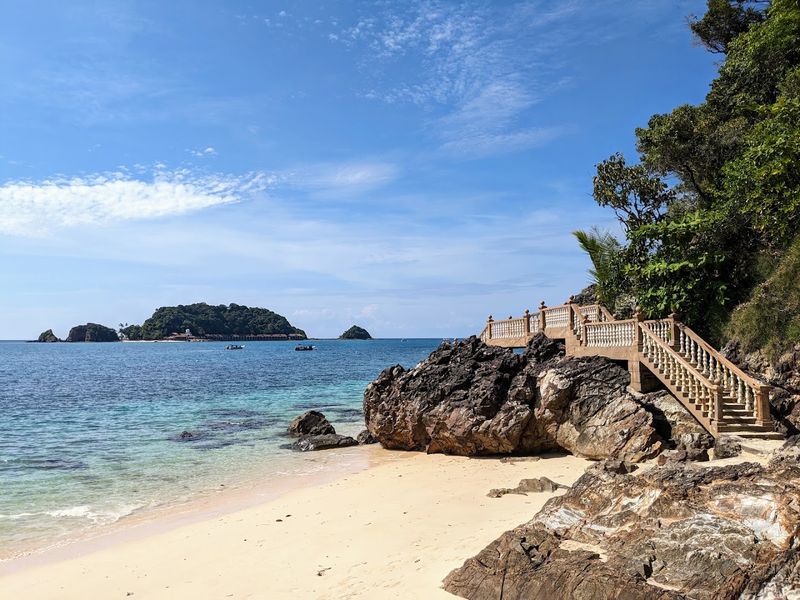
Pulau Kapas sits just 15 minutes by boat from Marang jetty, which keeps travel costs low and makes it one of the more accessible small islands on the east coast. What you find when you arrive feels disproportionate to how little effort it takes to get there.
The beaches are clean, the water is clear, and the overall pace is slow enough to actually feel like a vacation.
This is not an island built for entertainment. There are no malls, no nightlife, and no crowded tourist markets.
What it does offer is snorkeling over hard and soft corals, hammock time, swimming, and quiet evenings that feel genuinely removed from everyday life. A few simple resorts and chalets handle accommodation without inflating prices dramatically.
Like other Terengganu islands, Kapas is affected by the northeast monsoon. Boat services and accommodations typically scale back or close from November through February.
Visiting between March and October gives you the full, unhurried version of this small but rewarding island.
Redang Island, Terengganu
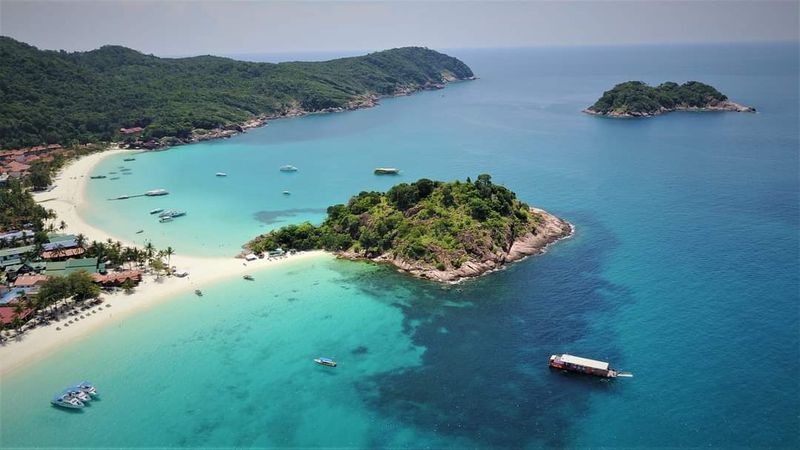
Redang has a polished reputation that sometimes makes budget travelers assume it is out of reach. The truth is more nuanced.
Tourism Malaysia describes it as the largest of Terengganu’s islands, known for white beaches and clear water, and while it does attract resort-focused visitors, package deals can bring the cost down to something reasonable if you compare options carefully and avoid peak school holiday pricing.
The snorkeling here is consistently good, with Marine Park waters protecting the reefs around the island. Turtle sightings are possible, and the visibility in the water is often excellent.
For travelers who want a polished beach experience without flying internationally, Redang delivers a strong case.
Most resorts operate on a package basis covering accommodation, meals, and boat transfers, which simplifies budgeting. The seasonal closure window runs from November through February, so planning a March to October visit is the standard approach.
Early booking during shoulder season tends to bring the best value.
Penang Island, Penang
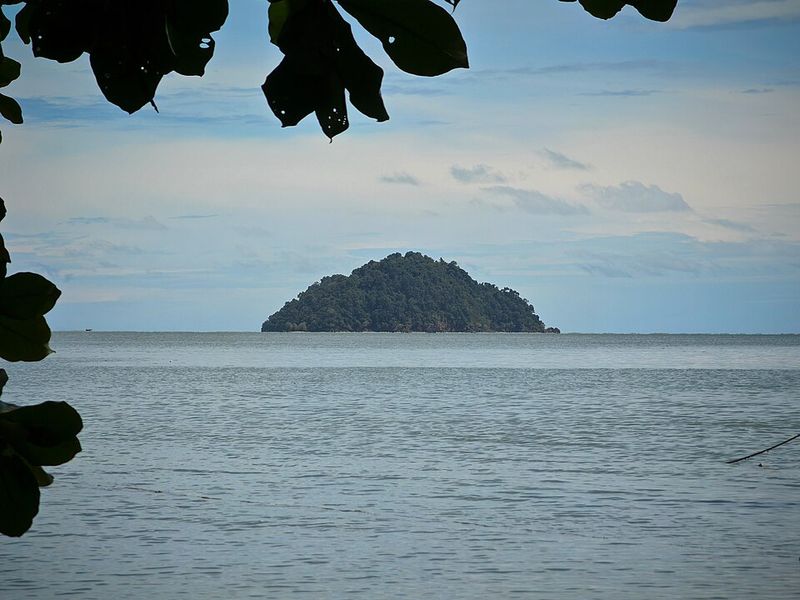
Penang earns its place on this list not because of beaches alone but because of how much value it packs into a single island. George Town is a UNESCO World Heritage City with colonial architecture, street art, temples, and one of the most celebrated food scenes in all of Southeast Asia.
You can eat extremely well here without spending much at all.
Batu Feringghi is the main beach strip on the north coast, about 30 minutes from George Town by bus or ride-share. It is not the most dramatic beach in Malaysia, but it is a comfortable, accessible option when you want to balance culture with coast.
Night markets along Batu Feringghi are also worth a stroll.
Penang is connected to the mainland by two bridges and regular ferry service, which keeps transport costs low. Budget guesthouses and heritage hotels in George Town give travelers a range of affordable options.
This island suits those who want more than sand and sunshine from their trip.
Mabul Island, Sabah
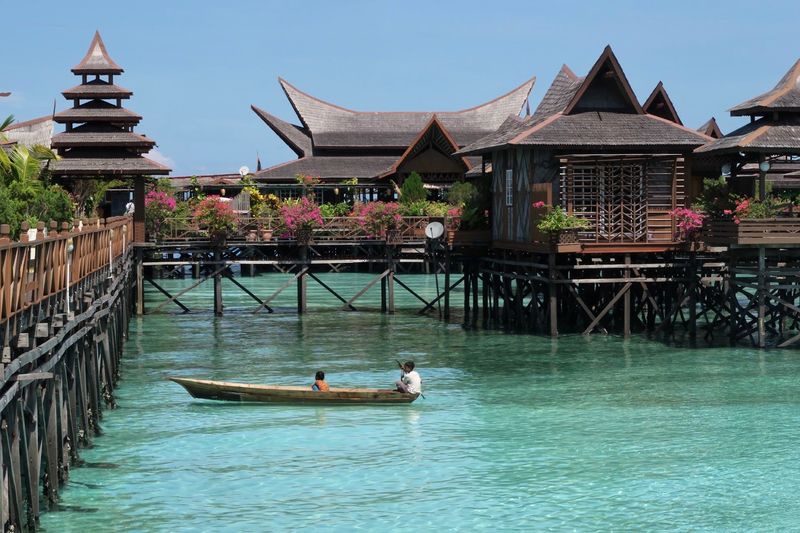
Mabul sits in the Celebes Sea off Semporna town and carries a reputation that is almost entirely built on what lies beneath the water. Sabah Tourism describes it as a serene island getaway reached by a roughly 45-minute boat ride from Semporna jetty, with vibrant marine life and strong diving conditions as the headline draw.
The island is often used as a base by divers visiting the Sipadan area. Sipadan is tightly controlled, with a limited daily permit system that can make direct stays expensive and competitive.
Mabul offers a more relaxed alternative, with homestays, dive lodges, and water village scenery that gives the trip a different kind of character.
Non-divers can still enjoy Mabul. Snorkeling directly off the beach reveals reef fish, sea cucumbers, and occasional macro critters that dedicated underwater photographers travel far to find.
The water village on the island is also a striking visual that sets Mabul apart from more conventional beach destinations in Malaysia.
Manukan Island, Sabah
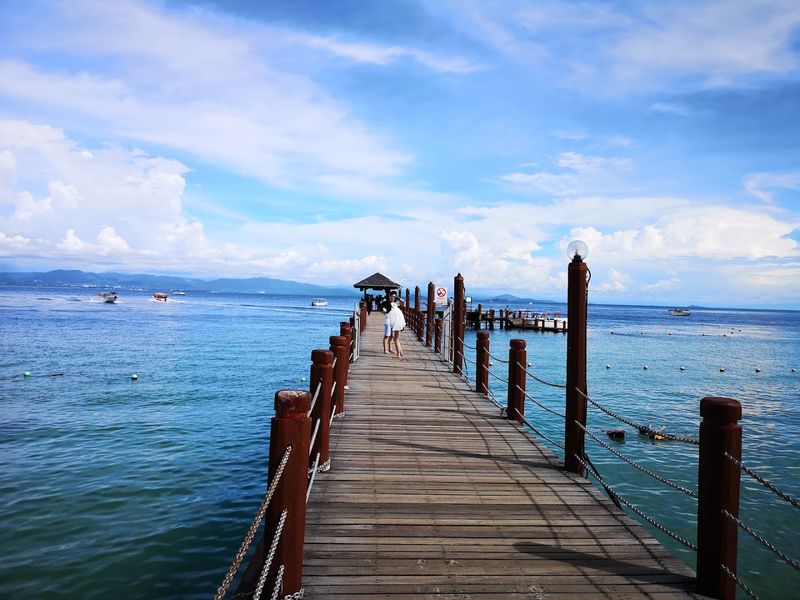
Manukan is probably the most practical island on this entire list for travelers watching their spending. As part of Tunku Abdul Rahman Park near Kota Kinabalu, it sits only about 15 minutes by boat from Jesselton Point Jetty in the city center.
Sabah Tourism notes that most islands in the park are commercially ready for visitors, and Manukan is consistently among the busiest and best-equipped.
The key budget advantage here is that you do not need to stay overnight. Base yourself in Kota Kinabalu, which has a wide range of affordable accommodation options, and take a morning boat out for a full beach day.
Return in the afternoon and you have spent almost nothing on lodging while still getting a genuine island experience.
The snorkeling is solid, with reef fish visible in the shallower sections near the beach. Facilities on the island include changing rooms and food stalls, which makes a day trip straightforward and comfortable without needing to pack everything from scratch.
Sapi Island, Sabah
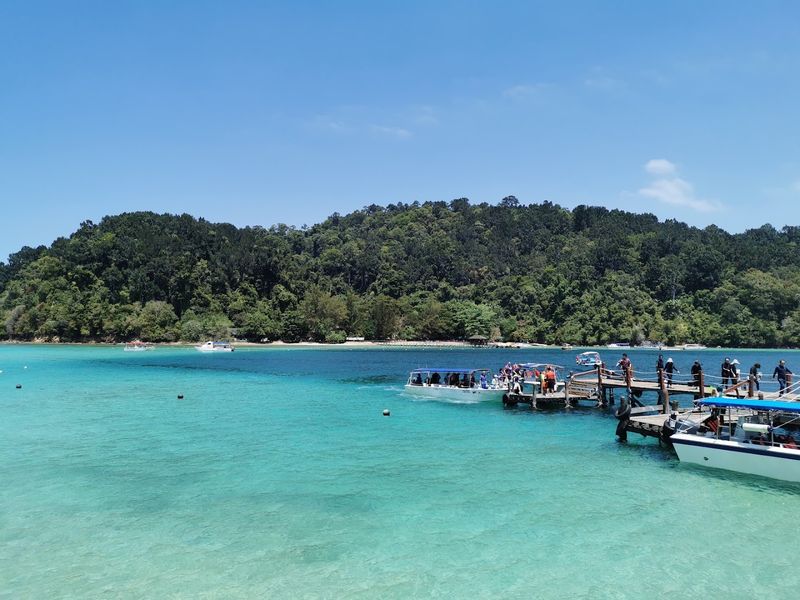
Sapi is the liveliest of the Tunku Abdul Rahman Park islands near Kota Kinabalu, and that energy is part of what makes it fun. It is small enough to walk around quickly but active enough that there is always something happening near the beach.
Water sports, snorkeling, and picnics by the shore are the main draws, and none of them require a resort stay or an expensive booking.
Like Manukan, Sapi works perfectly as a day trip from Kota Kinabalu city. The boat ride from Jesselton Point Jetty is short and inexpensive, making it one of the lowest-cost tropical island experiences in Sabah.
Going early helps you get a good spot before the midday crowds arrive.
Packing your own food and drinks is a smart move if you want to keep costs minimal. There are food options on the island, but bringing a cooler bag and snacks is a common approach among regulars.
The water clarity around Sapi is genuinely good for snorkeling, especially in the morning.
Sibu Island, Johor
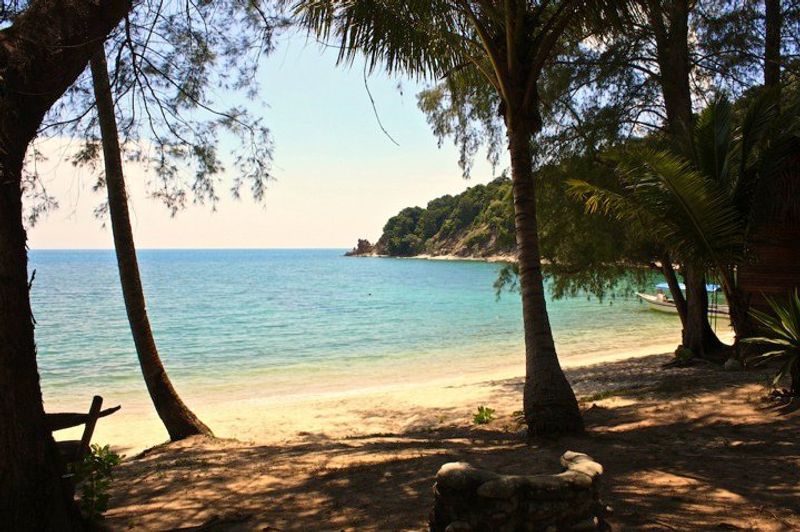
Pulau Sibu sits within the Sultan Iskandar Marine Park off the Mersing coast in Johor, and it tends to attract travelers who want a quieter alternative to the more famous east coast islands. Tourism Malaysia places it within a cluster that includes Pulau Tinggi, Pulau Aur, Pulau Pemanggil, and Pulau Rawa, with snorkeling and scuba diving among the park’s main activities.
What Sibu offers that bigger island names sometimes cannot is a genuinely unhurried pace. The beaches are not crowded, the marine park setting keeps the water in good condition, and the island has a resort simplicity that suits travelers who want comfort without complexity.
It is not built up in a way that feels commercial.
Mersing is the main departure point, and ferry schedules are worth confirming in advance since they can vary by season and demand. Johor’s east coast islands are generally accessible from March through October, with the southwest monsoon and northeast monsoon both affecting travel windows at different times of year.
Labuan Island, Federal Territory of Labuan
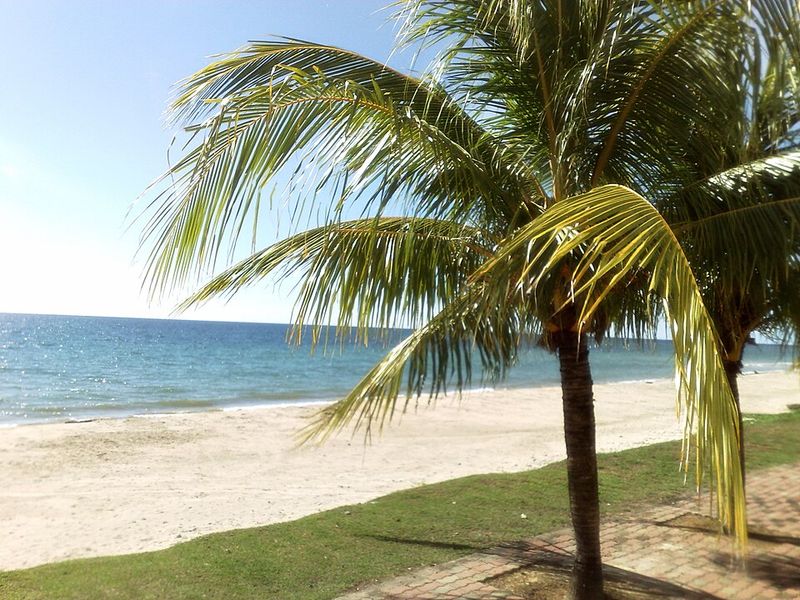
Labuan does not always come up in casual island travel conversations, and that is genuinely puzzling given what it offers. Labuan Tourism describes it as Malaysia’s duty-free island paradise, with beaches, fresh seafood, wreck diving, heritage sites, and island hopping all on the menu.
It is a compact, self-contained island destination that suits travelers who want depth alongside their beach time.
The WWII history angle is one of Labuan’s more distinctive features. The island has memorials and heritage sites connected to the Second World War, which gives culturally curious travelers a reason to explore beyond the shoreline.
The wreck diving scene around Labuan is also well-regarded, with several accessible dive sites in the surrounding waters.
Duty-free status helps keep shopping and some daily costs lower than on non-exempt islands. Labuan is reachable by ferry from Sabah and by air, which gives travelers flexibility in how they approach it.
For those building a Sabah itinerary, Labuan makes a natural and underrated add-on stop.
Pulau Besar, Johor
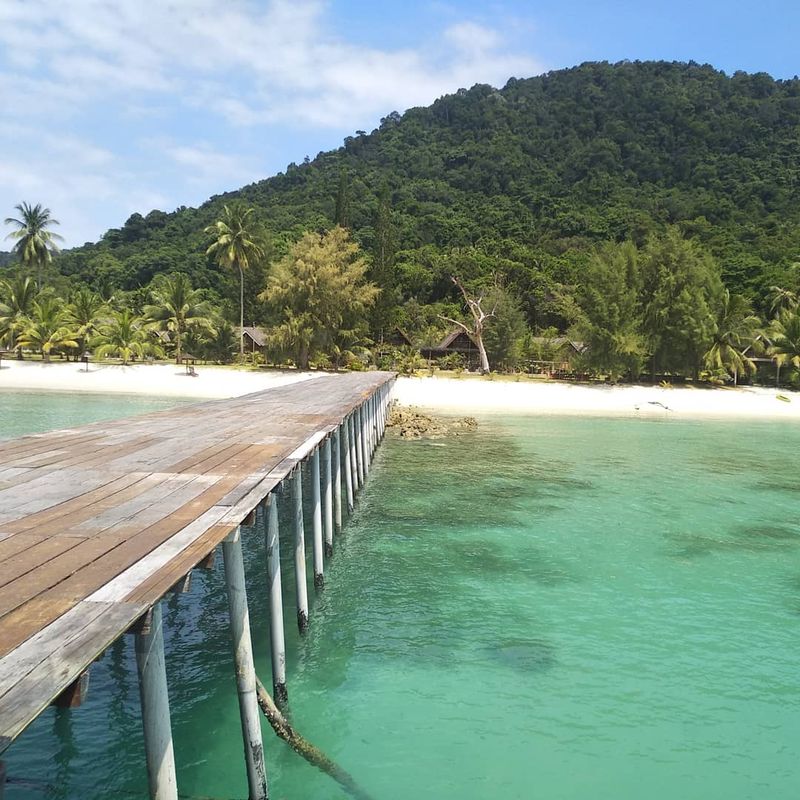
Pulau Besar is part of Johor’s Sultan Iskandar Marine Park, and Tourism Malaysia describes the broader park area as having crystal-clear waters, powdery-white beaches, and diverse marine life. What makes Besar worth highlighting specifically is that it tends to attract fewer visitors than some of the more marketed east coast islands, which keeps the atmosphere calm and the beaches from feeling overcrowded.
The island suits travelers who want a simple, uncomplicated break. Beach walks, snorkeling in the marine park waters, and slow mornings watching the tide are the main rhythms here.
There is no nightlife scene or shopping strip, and that absence is the point for many visitors who choose it deliberately.
Pulau Besar is reached from the Mersing area, and it pairs naturally with other Johor islands if ferry schedules and weather cooperate. Visiting between March and October gives the best conditions.
This is a solid choice for anyone who wants clear water and genuine quiet without traveling far from the Johor coast.
Share this story