 Unearth The Voyage
Europe is full of incredible cities that most travelers skip right past on their way to Paris or Rome. But tucked behind the big-name destinations are places with jaw-dropping history, amazing food, and prices that won’t drain your savings account.
From the Baltic coast to Italy’s sun-baked heel, these 13 cities are ready for their moment in the spotlight. Pack your bags, set your budget, and get ready to discover Europe’s best-kept secrets in 2026.
Kraków, Poland — History, Culture & Great Value
Step onto Kraków’s Market Square and you’ll instantly feel like you’ve walked into a living history book. At nearly 10 acres, it’s one of the largest medieval squares in all of Europe — and it costs nothing to simply wander and stare.
Street musicians, flower vendors, and the smell of freshly baked zapiekanka make the whole experience feel wonderfully alive.
Meals here are shockingly affordable. A hearty bowl of żurek soup or a plate of pierogies at a local milk bar can cost under three euros.
Budget hotels and hostels are plentiful and clean, making longer stays surprisingly easy on the wallet. Flights into Kraków’s John Paul II Airport are frequent and often cheap, especially from UK and Western European hubs.
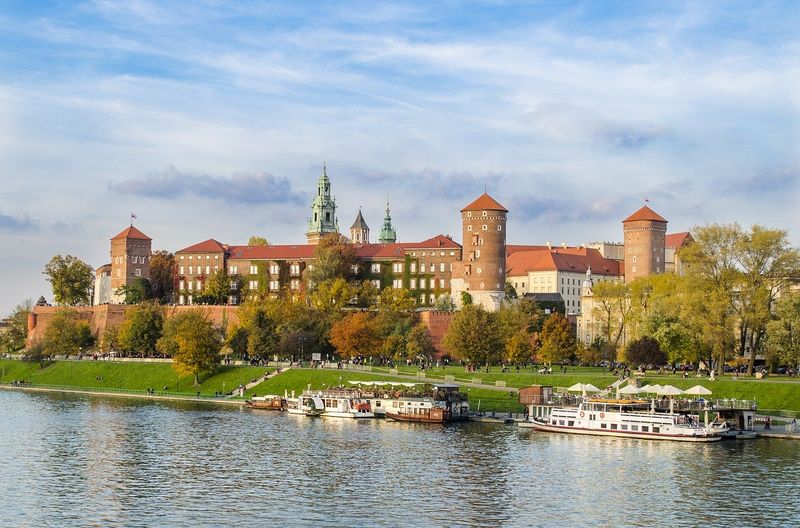
Beyond the square, Wawel Castle looms dramatically over the Vistula River. The nearby Kazimierz neighborhood — once a thriving Jewish quarter — is now packed with indie cafés, art galleries, and vintage shops.
Day trips to Auschwitz-Birkenau and the Wieliczka Salt Mine add serious historical weight to any visit. Kraków rewards slow travelers who take time to look around every corner.
Vilnius, Lithuania — Charming Capital With Strong Value
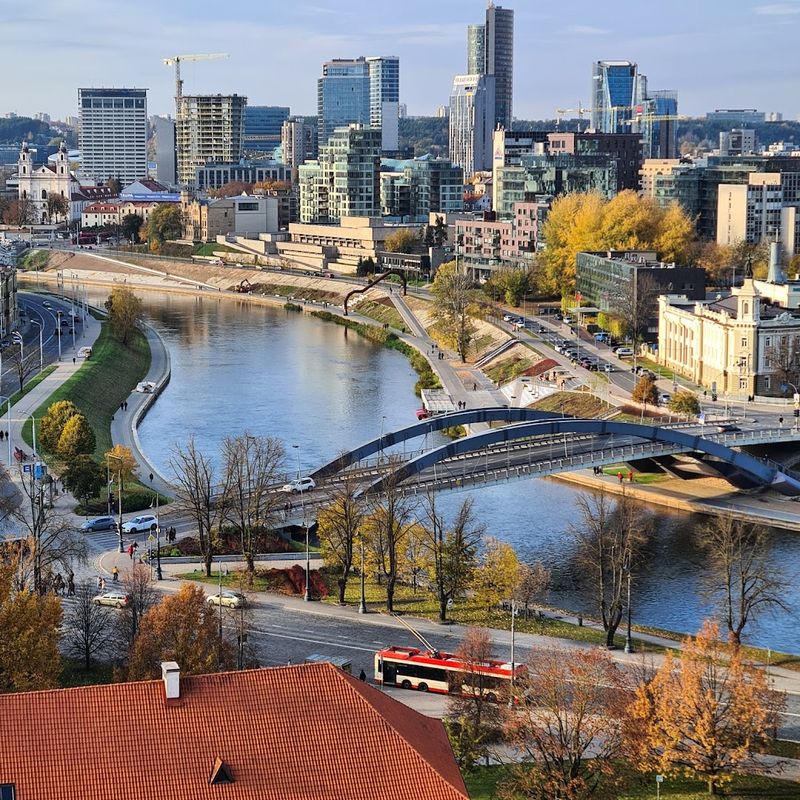
Vilnius has a secret it’s been quietly keeping from the rest of Europe: it might be the most charming capital city that most people have never seriously considered visiting. Its Baroque old town is a UNESCO World Heritage Site, full of winding cobblestone lanes, hidden courtyards, and pastel-painted facades that photographers absolutely adore.
Yet somehow, the tourist crowds stay manageable.
Eating and drinking in Vilnius costs a fraction of what you’d pay in London, Paris, or Amsterdam. A sit-down lunch at a local restaurant can run just four or five euros, and craft beer bars are everywhere — without the inflated city-center prices.
Accommodation options range from stylish boutique guesthouses to well-reviewed budget hostels, all at very reasonable rates.
The city’s cultural calendar is packed throughout the year with music festivals, art events, and food markets. Uzupis — a quirky self-declared republic within the city — has its own constitution, currency, and artistic spirit that gives Vilnius a playful edge most capitals lack.
Getting around is easy on foot, and the airport sits just a short bus ride from the center. Vilnius genuinely punches above its weight in every category.
Plovdiv, Bulgaria — Ancient Streets & Art Scene
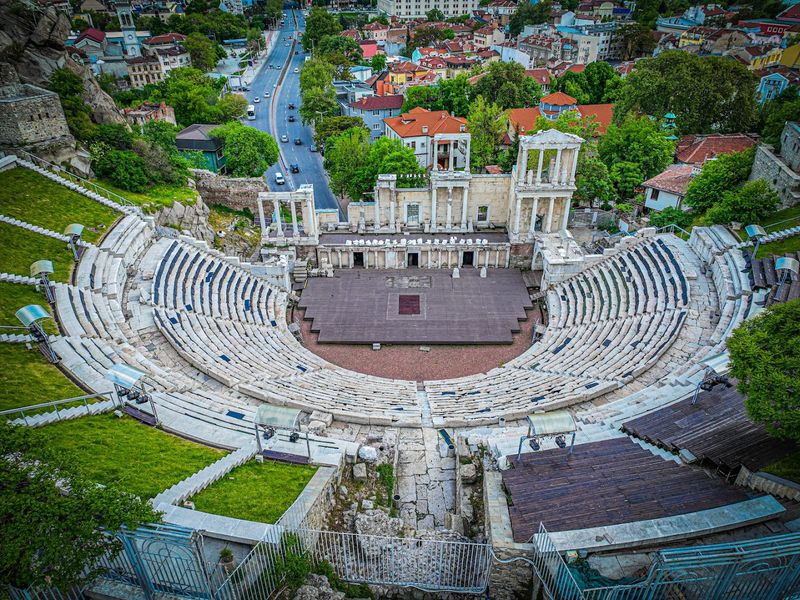
Plovdiv is the kind of city that makes you stop mid-stride and ask, “Wait, why haven’t more people told me about this place?” One of the oldest continuously inhabited cities in Europe, it sits confidently on seven hills and layers Roman ruins, Ottoman architecture, and a buzzing contemporary arts district into one remarkably compact space. It hosted the European Capital of Culture title in 2019, and the creative energy never really left.
Prices in Plovdiv are among the lowest you’ll find in Europe. A full restaurant meal with drinks rarely tops ten euros, and coffee at a charming old town café costs barely over a dollar.
Guesthouses in the historic Kapana district — a revitalized craftsmen’s quarter now full of galleries and street art — are both atmospheric and affordable.
The ancient Roman amphitheater is free to admire from the street and still hosts live concerts in summer. Walking the cobbled old town takes you past colorful National Revival-era mansions, many now converted into museums.
The Thracian Plain stretching out beyond the city adds a dramatic backdrop to everything. Bulgaria’s low cost of living means your travel budget genuinely goes further here than almost anywhere else on this list.
Sarajevo, Bosnia & Herzegovina — Diverse History & Budget Prices
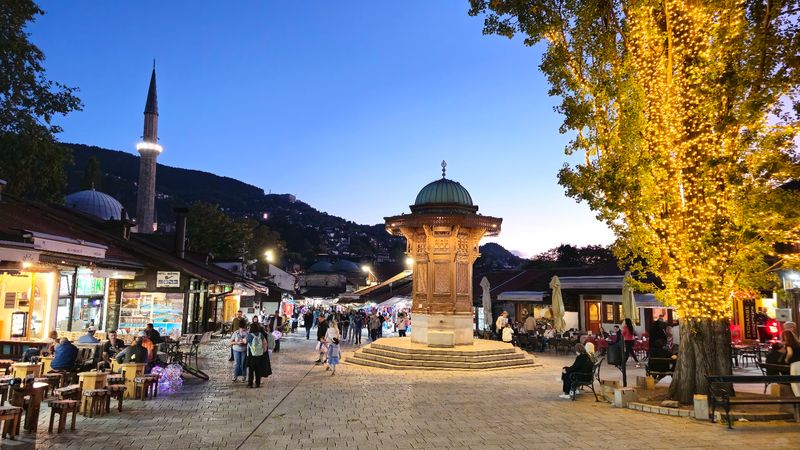
Few cities in the world carry as many layers of history as Sarajevo — and fewer still let you experience all of it for almost nothing. Ottoman mosques stand within walking distance of Catholic cathedrals, Orthodox churches, and a historic synagogue, all clustered in the same few blocks.
That remarkable coexistence is not a tourist gimmick; it’s just daily life here.
Budget travelers will be genuinely stunned by how far money stretches in Sarajevo. A traditional Bosnian ćevapi lunch with bread and cream costs around three euros.
Three-course dinners at sit-down restaurants can come in under ten. Accommodation is similarly gentle on the wallet, with well-reviewed guesthouses and small hotels charging a fraction of Western European prices.
The Baščaršija bazaar — the city’s Ottoman-era heart — is a sensory overload of copper workshops, tea houses, and the smell of grilled meat drifting through narrow lanes. Surrounding hills offer hiking trails with panoramic city views.
The city’s war history is addressed thoughtfully through powerful museums and memorials that give visitors real context without being exploitative. Sarajevo is a city that surprises, moves, and feeds you — all without emptying your wallet.
It’s one of 2026’s most compelling travel choices.
Riga, Latvia — Baltic Beauty & Value
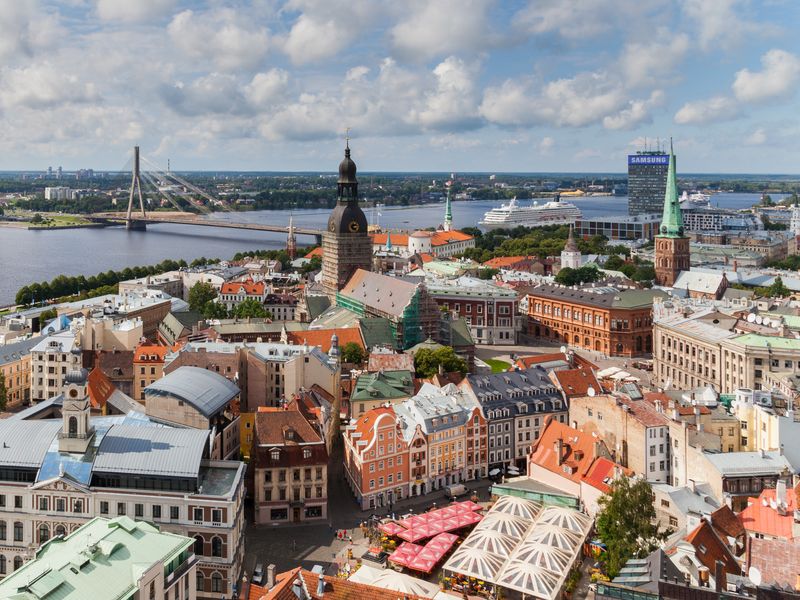
Riga has more Art Nouveau buildings per square kilometer than almost any other city on Earth — a fact that makes simply walking down the street feel like touring a world-class architecture museum. The ornate facades, sculpted faces, and sweeping curves of Alberta Street alone are worth the flight.
And yet Riga remains one of Europe’s most underbooked city breaks.
Food and drink costs are refreshingly low. Local restaurants in the old town serve hearty Latvian dishes — dark rye bread, smoked fish, warming soups — at prices that feel almost too good.
The Central Market, housed in repurposed Zeppelin hangars near the train station, is a brilliant spot to graze on local produce, cheese, and street snacks for just a couple of euros.
Riga’s old town is a UNESCO World Heritage Site, compact enough to explore entirely on foot in a day. But the city rewards slower exploration — riverfront café terraces, indie bookshops, and Soviet-era neighborhoods all add unexpected texture.
Summer brings outdoor festivals and long Baltic evenings when the sun barely sets. Winter turns the city into a moody, atmospheric gem with Christmas markets and warming mulled wine.
Either way, Riga delivers serious value with serious style.
Ljubljana, Slovenia — Green & Walkable Capital
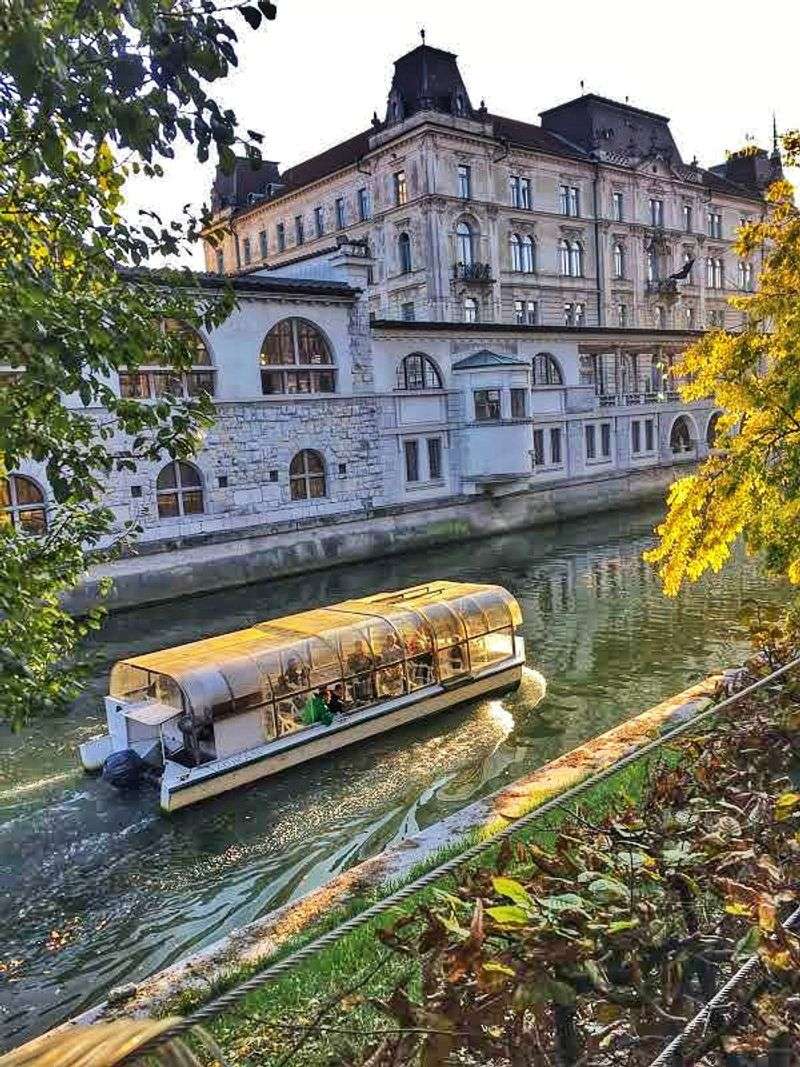
Ljubljana might be Europe’s most livable capital city — and in 2026, it’s quietly becoming one of its most desirable to visit. The Slovenian capital earned the title of European Green Capital back in 2016, and the commitment to sustainability shows in its car-free city center, cycling lanes, and beautifully maintained parks.
Walking here doesn’t feel like a chore; it feels like the whole point.
The Ljubljanica River cuts right through the old town, lined on both sides with café terraces, flower stalls, and triple-arched bridges designed by the legendary architect Jože Plečnik. It’s the kind of riverfront that makes you want to order a coffee and stay for three hours.
Prices are moderate by Western European standards and noticeably lower than Vienna or Zurich nearby.
Ljubljana Castle sits on a forested hill directly above the city and offers free access to its grounds with sweeping views over the red-roofed skyline. The city’s food market runs every morning except Sunday, selling local honey, artisan cheese, and seasonal produce.
Day trips to Lake Bled — just 55 kilometers away — are easy by bus and add one of Europe’s most photographed landscapes to your itinerary. Ljubljana is small but quietly extraordinary.
Belgrade, Serbia — Nightlife & Café Culture
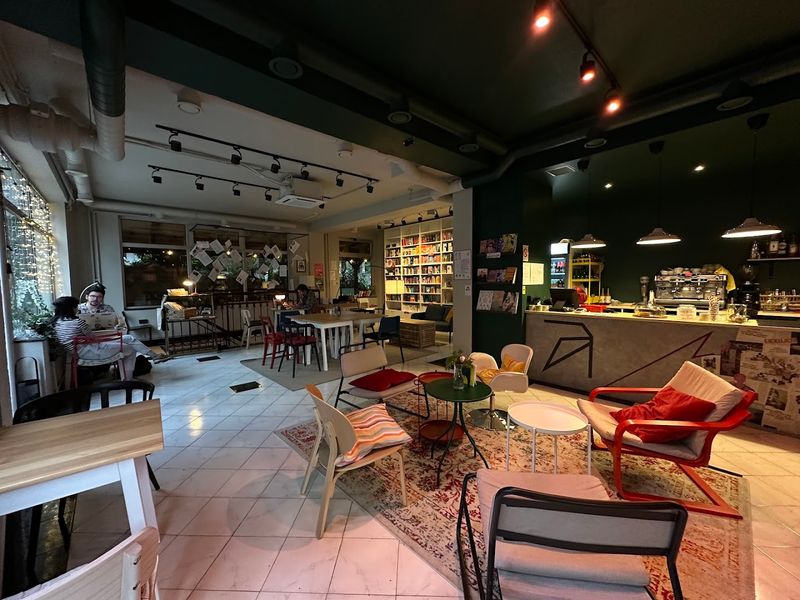
Belgrade doesn’t ease you in gently — it grabs you by the collar and pulls you straight into one of Europe’s most electric urban experiences. The Serbian capital has a reputation for nightlife so legendary that people fly in from across the continent specifically for a weekend of floating river clubs, underground bars, and outdoor kafana terraces.
But Belgrade is far more than a party destination.
History is everywhere. Kalemegdan Fortress, perched dramatically at the meeting point of the Sava and Danube rivers, has been fought over by Romans, Byzantines, Ottomans, and Austro-Hungarians.
Walking its walls at sunset costs nothing and delivers views that could genuinely make you emotional. The nearby Skadarlija cobblestone quarter — Belgrade’s bohemian district — is packed with traditional restaurants serving grilled meats, rakija, and live folk music.
Budget-wise, Belgrade is a dream. Meals are cheap, beer is cheaper, and accommodation ranges from excellent-value hostels to surprisingly affordable boutique hotels.
The city’s café culture runs all day long — locals treat sitting in a kafana as a legitimate life activity, not just a quick coffee stop. For travelers who want culture, history, food, and atmosphere without spending a fortune, Belgrade delivers all of it without hesitation.
Bratislava, Slovakia — Central European Gem
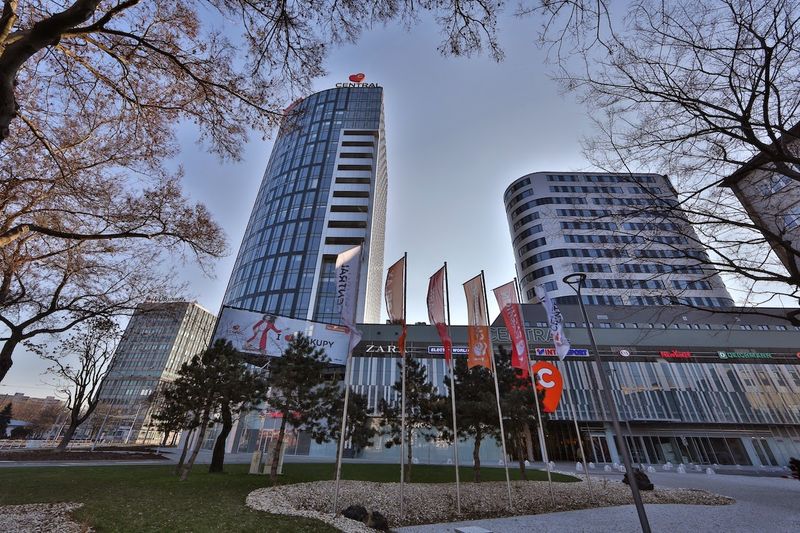
Bratislava gets unfairly dismissed as a day trip from Vienna — and that’s a reputation it absolutely does not deserve. Slovakia’s compact capital has its own distinct personality: a medieval old town full of quirky statues, a hilltop castle with killer Danube views, and a café culture that feels genuinely local rather than tourist-manufactured.
Give it more than a few hours and it genuinely surprises you.
Prices here are meaningfully lower than neighboring Vienna or Budapest. A sit-down meal in the old town will typically cost half what you’d pay across the Austrian border, and local Slovak wines — often overlooked internationally — are excellent and inexpensive.
Accommodation options are solid across all budgets, from well-located hostels to charming boutique hotels in historic buildings.
The Bratislava Castle is free to walk around and offers sweeping views over the Danube toward Austria and Hungary simultaneously — you can literally see three countries from one spot. The city’s Saturday market sells local produce, handmade crafts, and street food in a relaxed, un-touristy atmosphere.
Michael’s Gate, the only surviving city gate, leads into a tangle of pedestrian lanes lined with galleries and coffee shops. Bratislava is the Central European city that rewards travelers who actually stop and stay.
Gdańsk, Poland — Baltic History & Scenic Waterfront
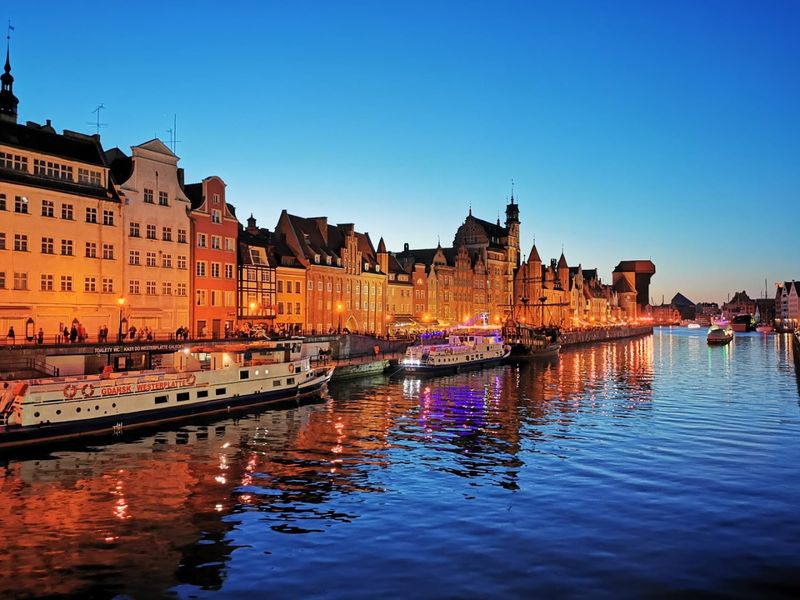
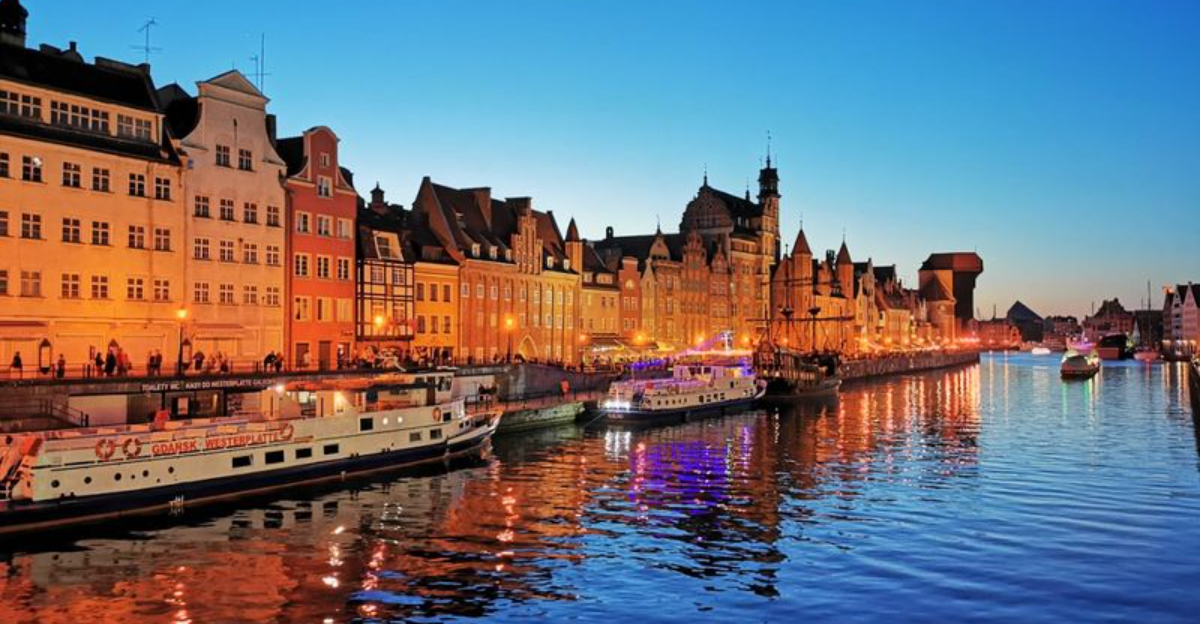
Painted in shades of amber, rust, and gold, Gdańsk’s Long Lane waterfront looks like something a Flemish master painter dreamed up on a particularly inspired afternoon. The colorful Hanseatic merchant houses lining the Motława River are so photogenic they almost feel unrealistic.
But Gdańsk is very real — and very much worth your time in 2026.
The city carries enormous historical weight. It was here that the first shots of World War II were fired, and it was here that the Solidarity trade union movement that helped end communist rule in Poland was born.
The European Solidarity Centre museum is one of the most thoughtfully designed and emotionally resonant history museums in all of Europe — and admission is very reasonably priced.
Food and accommodation costs sit comfortably below Western European averages. Fresh Baltic seafood — smoked fish, herring, and shrimp — is available at the outdoor market for just a few zloty.
The nearby resort towns of Sopot and Gdynia are reachable by commuter train in under 20 minutes, giving you a beach day without extra accommodation costs. Gdańsk’s amber jewelry workshops, Gothic churches, and medieval fortifications round out an itinerary that genuinely has something for every kind of traveler.
Ghent, Belgium — Medieval Canals & Creative Vibes
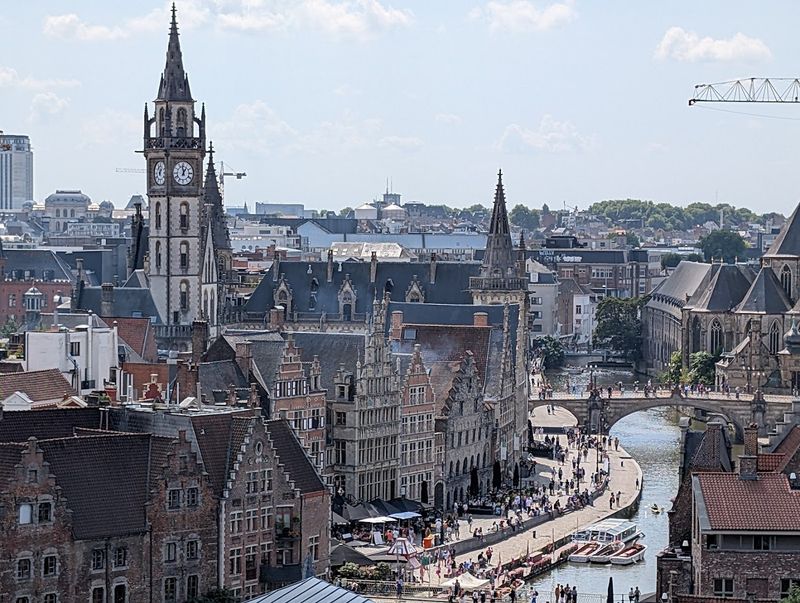
Bruges gets all the postcards, but Ghent gets all the good stuff. Belgium’s third-largest city has the same medieval canal architecture as its more famous neighbor — but with a massive university population, a thriving arts scene, and a local attitude that makes the whole place feel genuinely alive rather than preserved in amber for tourist consumption.
Ghent is Bruges with a pulse.
The Graslei and Korenlei canal quays are among the most beautiful streetscapes in Northern Europe, lined with 12th-century guild houses that glow like lanterns when lit up at night. St. Bavo’s Cathedral houses Van Eyck’s famous Ghent Altarpiece — one of the most significant paintings in Western art history — now displayed in a stunning new visitor experience.
Entry costs are modest and completely worth it.
Belgian food culture runs deep here: chocolate shops, waffle stands, and friteries selling crispy fries with a dozen sauce options are everywhere. Local craft breweries and traditional brown cafés serve exceptional Belgian beer at prices that make pub trips in London seem almost criminal by comparison.
Accommodation is affordable relative to Brussels or Bruges, and the central train station connects easily to the rest of Belgium. Ghent earns every bit of attention it’s finally starting to receive.
Braga, Portugal — Historic Streets & Relaxed Energy
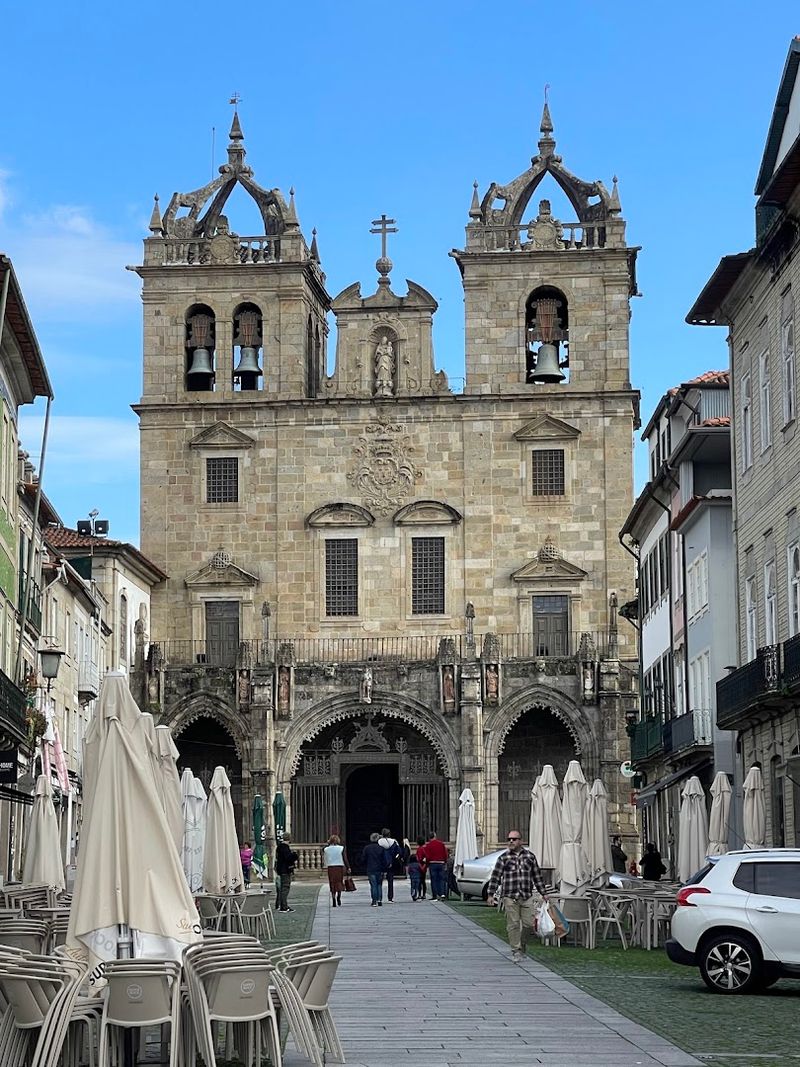
Portugal’s oldest city doesn’t shout for attention — it simply waits for you to notice how good it is. Braga has been quietly thriving while Porto grabbed all the international travel headlines, and the result is a city that feels authentically Portuguese rather than curated for Instagram.
Churches outnumber tourist shops here, which is honestly a refreshing change of pace.
Braga’s historic center is compact and entirely walkable, built around a cathedral that dates back to the 11th century. The surrounding streets are lined with pastel-tiled buildings, old-fashioned pastry shops, and garden squares where locals actually sit and spend time — not just pass through.
Coffee is excellent and costs about 60 cents at any local café. Meals are generous and inexpensive by any European standard.
The hilltop Bom Jesus do Monte sanctuary — a dramatic Baroque staircase climbing a forested hillside — is one of Portugal’s most iconic landmarks and completely free to visit. A funicular railway runs to the top for those who’d rather not tackle the 577 steps.
Braga is also a fantastic base for exploring the Minho region: green valleys, ancient hillforts, and the Peneda-Gerês National Park are all within easy reach. For slow travel in 2026, Braga is close to perfect.
Lecce, Italy — Baroque Beauty & Southern Charm
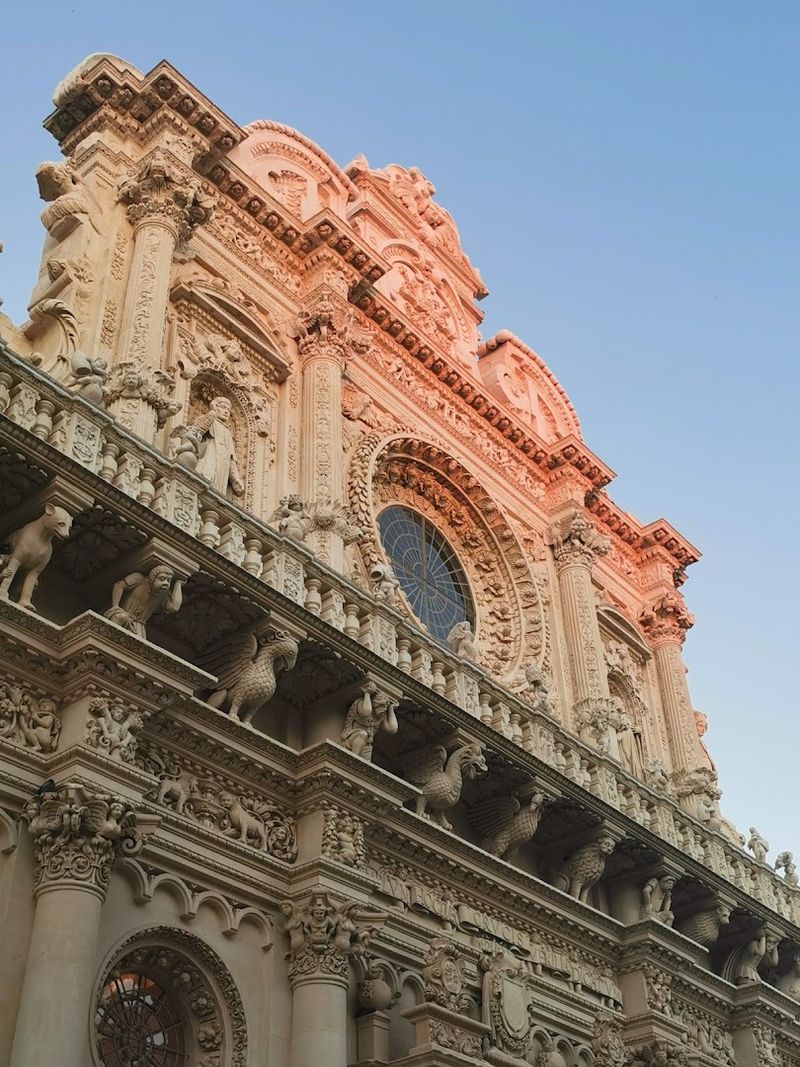
Warm, golden, and almost impossibly ornate, Lecce is the city that makes you wonder why you ever wasted time queuing at the Colosseum. Built from a soft local limestone called pietra leccese that glows amber in the afternoon sun, the city’s Baroque churches, palaces, and piazzas are carved with such extravagant detail that every facade looks like a work of competitive art.
It’s been called the Florence of the South — and honestly, that undersells it.
Southern Italy’s cost of living is noticeably lower than the north. A sit-down lunch with wine in Lecce’s centro storico rarely exceeds 12 euros.
Local specialties — frisella bread, rustico pastries, orecchiette pasta, and pasticciotto cream-filled pastries — are extraordinary and available at bakeries and street stalls for pocket change. Accommodation is significantly more affordable than Rome or Florence, especially outside peak summer weeks.
The Piazza del Duomo, enclosed on three sides by Baroque masterpieces, is one of Italy’s great public squares and costs nothing to experience. Roman ruins — including a well-preserved amphitheater right in the city center — add another historical layer.
Lecce is also the gateway to the Salento peninsula, with some of Puglia’s most beautiful beaches just 30 minutes by car or bus. Italian culture, full intensity, fraction of the price.
Terracina, Italy — Beach Town With Ancient Ruins
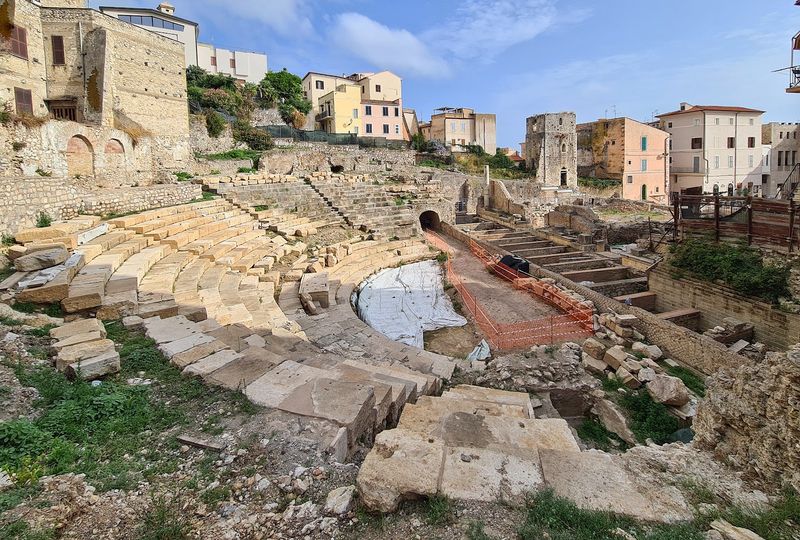
Perched on a rocky promontory above the Tyrrhenian Sea with a Roman temple dramatically silhouetted against the sky, Terracina is the kind of Italian town that makes you feel like you’ve stumbled onto a film set. Located about 100 kilometers south of Rome along the ancient Appian Way, it’s genuinely easy to reach but somehow still flies well under most international travel radars.
That gap won’t last forever.
The Temple of Jupiter Anxur sits at the very top of Monte Sant’Angelo, reachable by a winding road or a steep but rewarding hike. The views from up there — ancient ruins framing an endless blue sea — are the sort that stay with you long after you’ve gone home.
Down in the modern town, sandy beaches stretch along a clean coastline that draws Italian families rather than international tour groups, keeping prices refreshingly grounded.
Seafood restaurants along the marina serve fresh catch at prices that feel almost too reasonable for Italy. The medieval old town, built directly on top of the ancient Roman forum — you can literally see the original columns integrated into modern buildings — is endlessly fascinating to explore.
Accommodation ranges from family-run guesthouses to small hotels, all far cheaper than Amalfi or Cinque Terre. Terracina is the Italian beach holiday that your budget actually approves of.



