 Unearth The Voyage
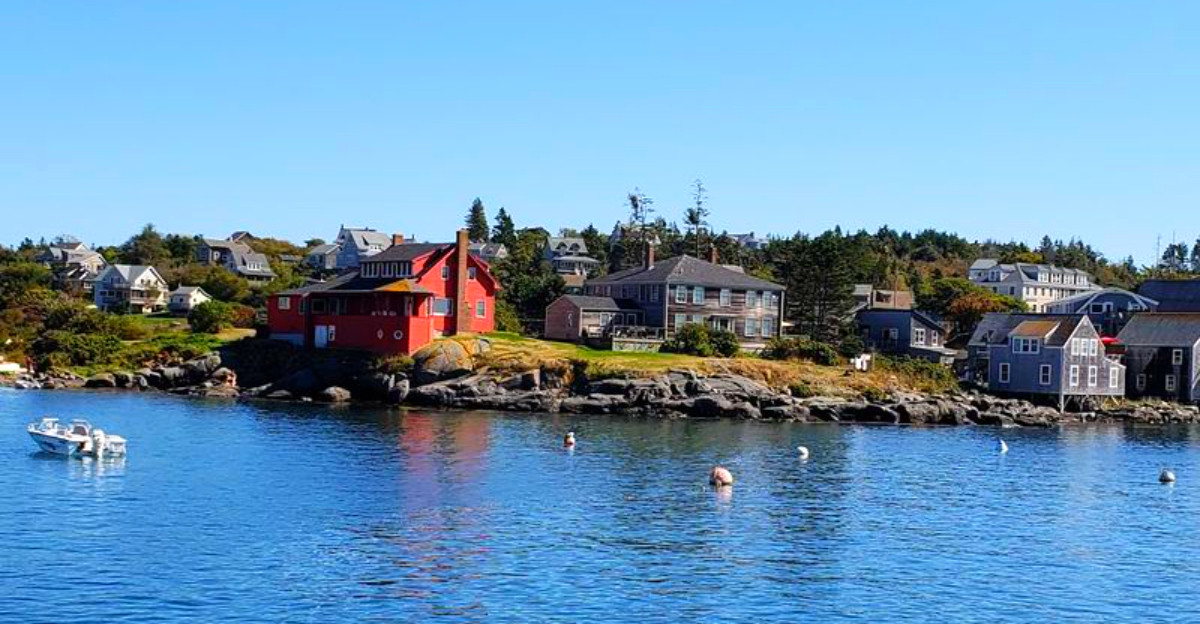
America has more islands than most people realize, and many once supported thriving year-round communities. Ferries carried supplies, schools stayed open through winter, and neighborhoods operated much like any small town on the mainland.
Over time, shifting economies and changing industries reduced populations, leaving some islands seasonal and others nearly empty. Ahead are twelve places where daily life gave way to history, and where only traces of those communities remain.
1. North Brother Island (New York)
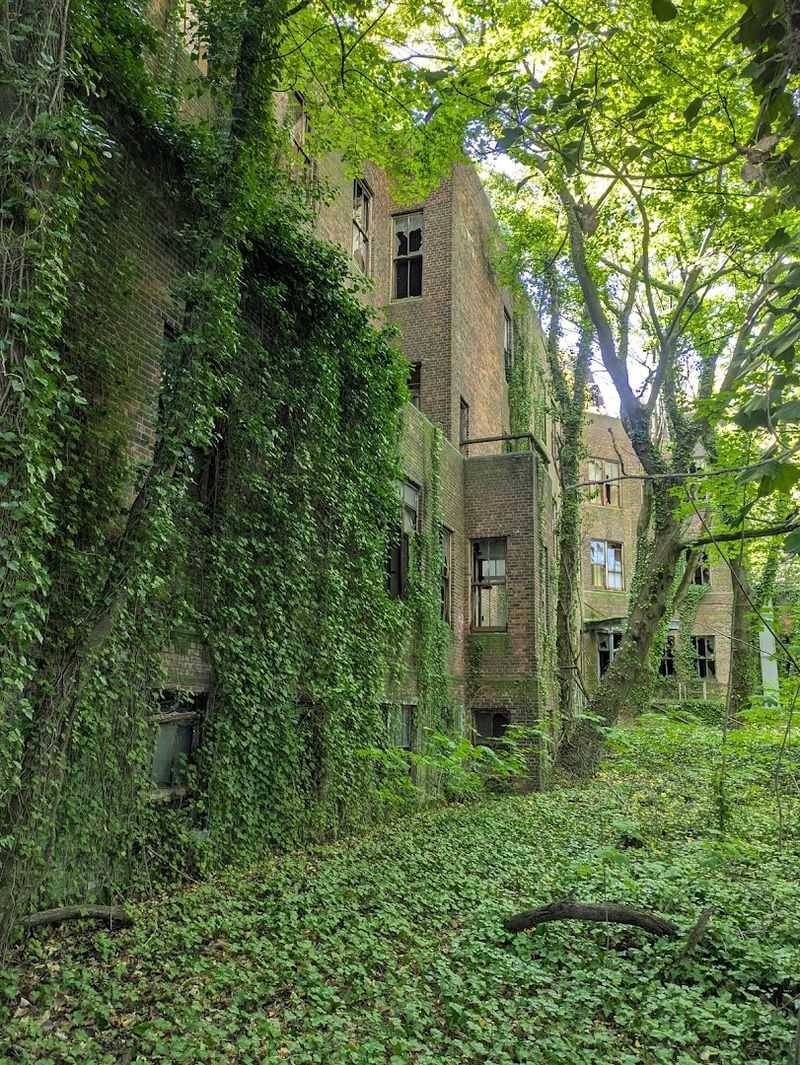
Riverside Hospital treated contagious diseases, so staff housing, service buildings, and utility lines made this island a self-contained world. You can still imagine shift changes and clattering carts echoing between brick wards.
Ferries brought supplies and carried away laundry, making the East River a daily road rather than a moat. Winter ice, thick fog, and currents did not stop the routines that kept life humming.
When treatments and public health policies changed, the island emptied, and nature claimed the lease. Today it is a protected bird sanctuary, with herons and egrets setting the schedule.
Access is restricted, which preserves the delicate rookeries and the crumbling architecture. That distance adds an eerie charm you feel even from the Bronx shoreline.
Look closely at archival photos and you can spot porches, ladders, and clotheslines beside the wards. Those small domestic clues make the place feel lived in, not just institutional.
The ruins are not stage props. They are weathered proof that a full year-round community beat here before quietly yielding to feathers and leaves.
2. South Brother Island (New York)
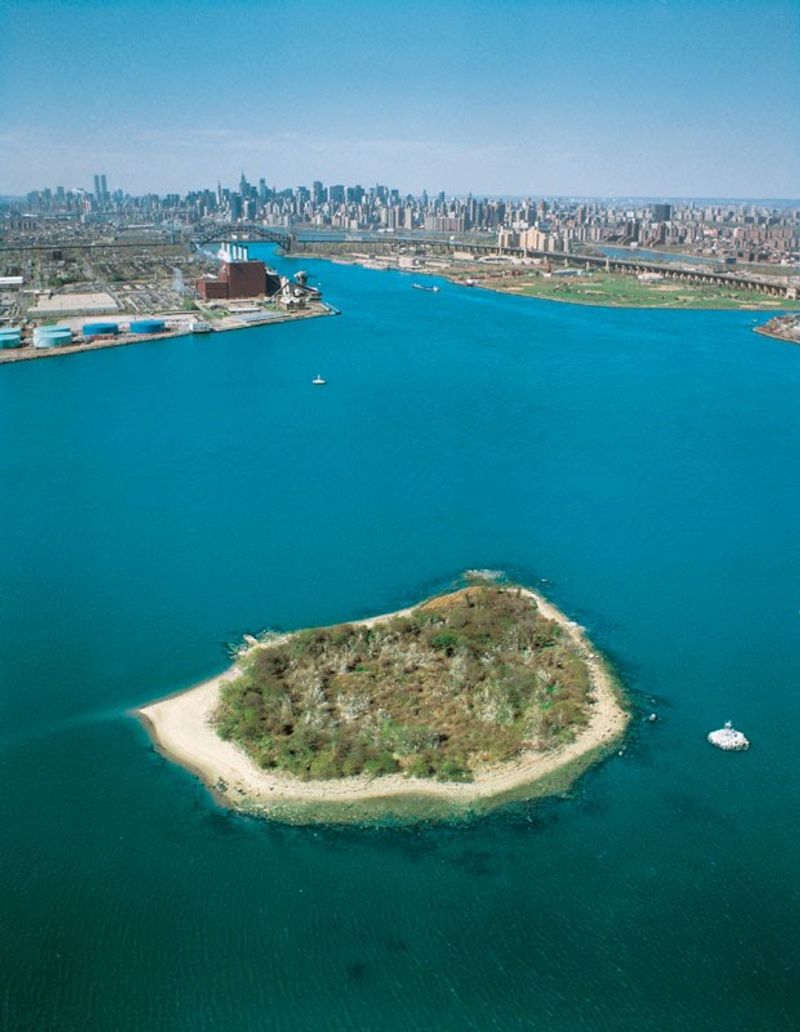
Unlike its northern neighbor, this island kept a lower profile, supported by caretakers and light-use facilities. The footprints were small but real, enough to stitch a modest year-round rhythm.
Supplies arrived by boat, and simple structures faced the seasons without fanfare. The city views were constant, yet life here turned to tides and bird calls.
Decades passed, people left, and the shoreline breathed easier. Nature filled the empty calendar with brush, branches, and nesting schedules.
If you are scanning maps, the island looks like a comma in the East River sentence. On the water, it feels like a pause you can almost hear.
Conservation and limited access keep it intact and mostly untouched. That restraint protects both habitat and the faint memory of working hands.
A few artifacts linger in the undergrowth, but the island refuses spectacle. It prefers being a background chapter to Manhattan’s headline.
Call it quiet stewardship in a noisy ZIP code. The community is gone, yet its outline still guides the birds and the brush.
3. Hart Island (New York)
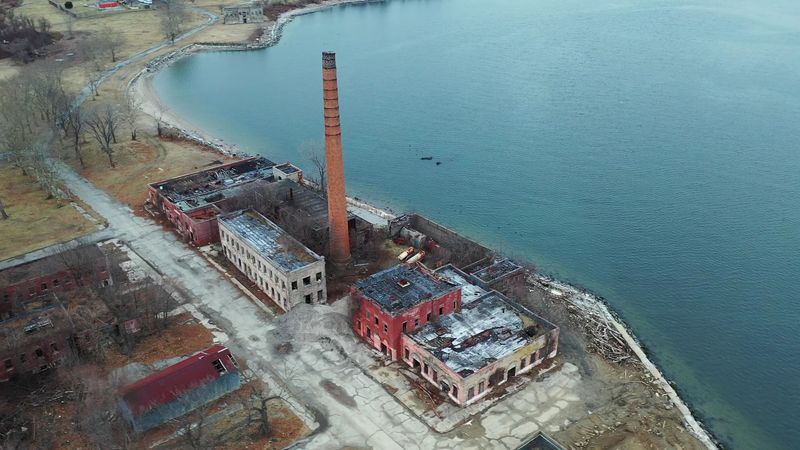
Through the decades, it hosted a Civil War camp, a reformatory, hospitals, and large burial operations. Staff, workers, and administrators lived here, making routines out of difficult duties.
Daily ferries linked the island to city schedules. Heat clanged through radiators in winter, and sea wind drifted through open windows in summer.
As roles shifted and departments moved, buildings emptied and paths faded. Trees leaned in, pushing nature’s quiet back into the courtyards.
Access remains limited under city oversight, a balance between management and respect. That distance preserves the fragile record etched into foundations and brick.
You notice utilitarian architecture in old photos, functional and spare. The rhythm of uniforms and ledgers once set the tone here.
Now birds set the tempo and salt air does the filing. The island teaches patience, even to those seeing it only from a boat.
Hart’s year-round community dissolved, but memory clings to the ferry wake. The city is close, yet the feeling is worlds away.
4. Holland Island (Maryland)
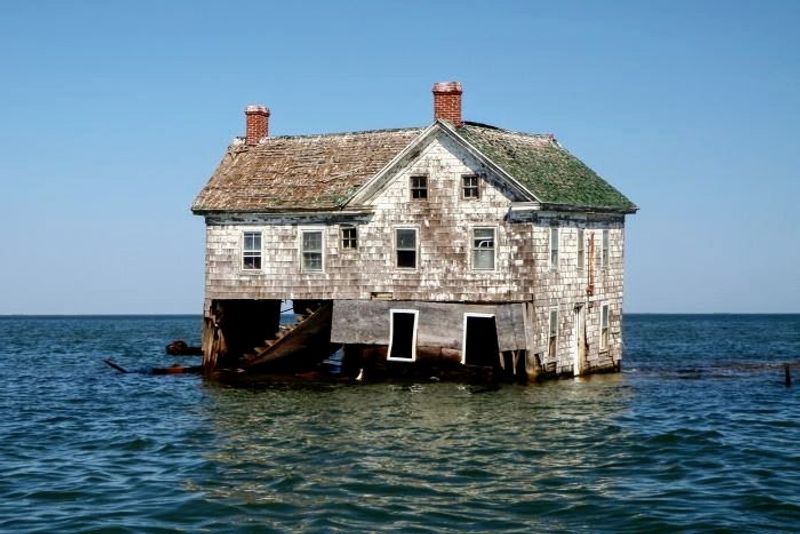
In the early 1900s more than 300 residents built homes, a school, and a post office on soft, settling ground. They fished, prayed, danced, and fixed nets on kitchen tables.
Water wears patience well, and the bay slowly unstitched the shoreline. Families moved to sturdier land as tides gnawed at foundations and gardens.
The final house stood like a stubborn sentence. Its collapse in 2010 marked a quiet turning of the page.
Pilings and fragments still mark where neighbors swapped recipes and weather tips. You can map a vanished village by what the water refuses to carry off.
Photographs show white clapboards and picket fences, bright against low marsh. That brightness now floats in memory and museum captions.
Birds treat the shallows as a rest stop, drawing a new route across old yards. The bay writes without ink, but the message is clear.
Holland’s community did not simply disappear. It relocated, leaving footprints that the tide traces and erases in a steady loop.
5. Tangier Island (Virginia)
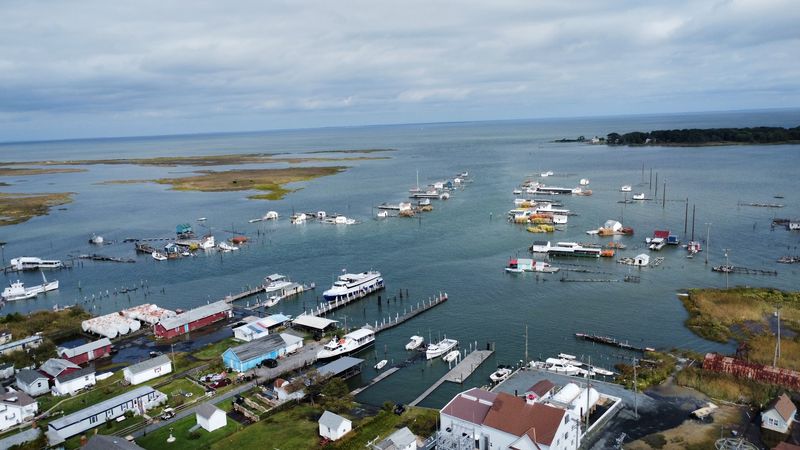
A weathered skiff tells the story faster than any brochure. Tangier still breathes, but each season trims the edges of daily life.
The island once teemed with watermen and families following tides and school schedules. Churches, shops, and steady crab harvests created a full-year routine.
Economics and erosion teamed up like relentless coworkers. Shorelines retreat, and young people chase opportunities beyond the marsh channels.
Yet porches remain lively, and boats leave before sunrise. Community dinners, accents, and traditions anchor the present to a storied past.
Protective projects try to hold the line, stacking rock against water logic. It is a long contest measured in inches, not speeches.
You hear home pride in short sentences and steady handshakes. That tone says staying matters, even when staying is hard.
Visitors catch a snapshot and a plate of fresh seafood. Residents hold the whole film, reel after reel of work and weather.
Population trends keep dipping, but roots hold like stubborn pilings. Tangier’s year-round life narrows, yet the island keeps speaking in present tense.
6. Isle Royale (Michigan)
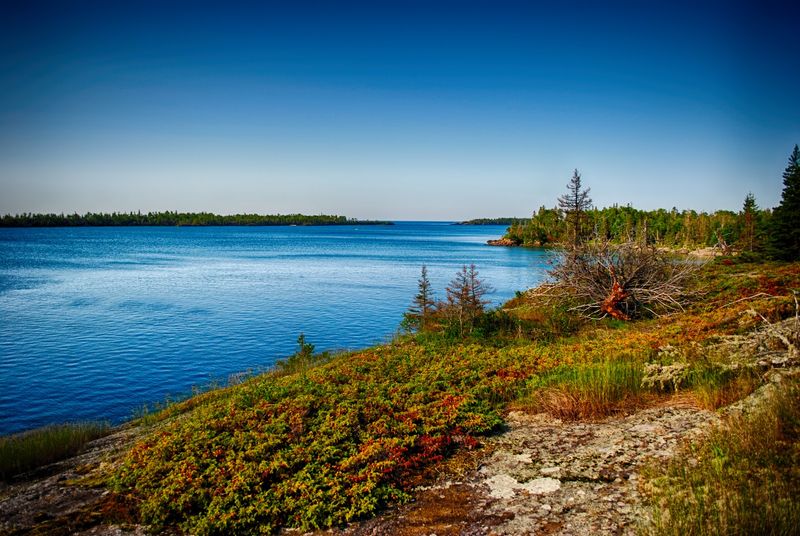
Mining camps poked at the bedrock, and fishers stacked nets beside cedar-planked shacks. Families overwintered, carving comfort from distance and icy water.
Freight runs and mail boats stitched the archipelago to the mainland. Winter sealed the seam with ice, and patience took over.
When industry shifted and quotas changed, cabins went quiet. The national park designation reset the compass toward solitude and research.
Some historic fish houses survive, gray with salt and light. They frame coves where skiffs once shuttled catch and gossip.
Wolves and moose now steal headlines, their saga a living study. Human echoes persist in pilings, tin stoves, and scattered tools.
Trails lead past cellar holes, inviting quiet imaginations. You can almost hear a kettle lid rattle in a sudden breeze.
Year-round settlement faded, but the island kept its backbone. Out here, time moves in cold strokes, and history rides the spray.
7. Santa Rosa Island (Florida)
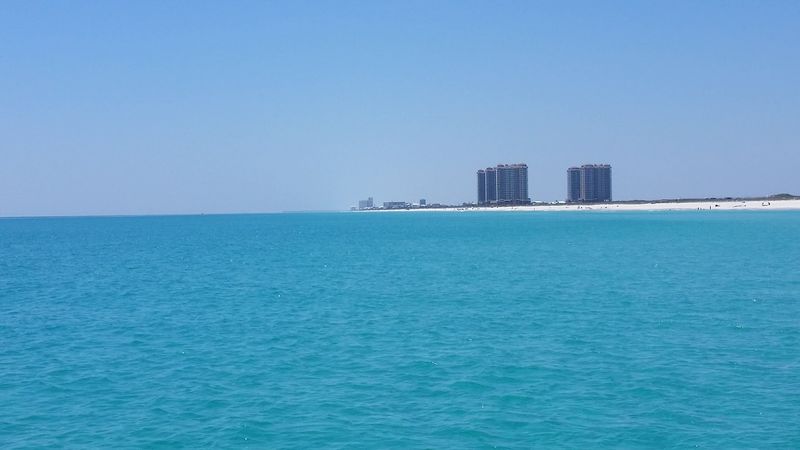
Military posts and small fishing communities kept lights on through every season. Supplies rolled in across causeways, and kids counted shells after school.
Storms rewrote addresses with blunt efficiency. Some communities shifted inland, and long-term living thinned to seasonal patterns.
Today the island sits within a protected seashore, trading barracks for boardwalks. The fortifications and concrete pads still peek through sea oats.
You can walk by rusted bolts that anchored daily tasks. They feel like punctuation where paragraphs of life used to run.
Hurricanes left gaps that sky quickly filled. Development followed different rules, favoring visits over permanence.
Rangers interpret history with clear-eyed detail, connecting sand to stories. That context brings the past within arm’s reach without crowding the view.
Santa Rosa’s year-round heartbeat quieted, but a slower rhythm remains. The Gulf writes soft notes at the waterline, and memories answer lightly.
8. Cumberland Island (Georgia)
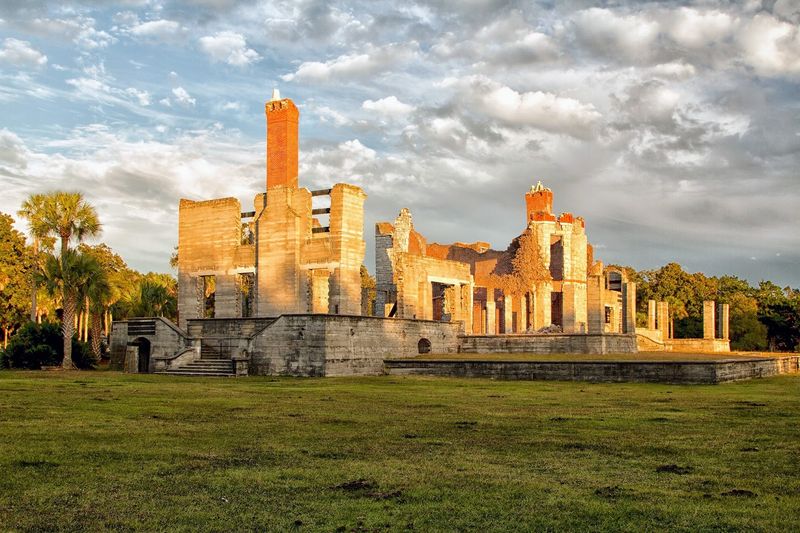
Cumberland’s scenes include estates, tabby ruins, and families who once stayed through every season.
Before national seashore status, workers, managers, and household staff kept big houses humming. Smaller settlements handled boats, gardens, and repairs across the island’s sprawl.
Ferries linked it all to mainland schedules and market lists. Winter brought sharp breezes through oaks, and fireplaces fought back.
As fortunes shifted and conservation gained ground, permanent households thinned. Some structures stand as stately ghosts with open sky for ceilings.
Trails carry you past chimneys, cemeteries, and feral horses. Each turn compresses time into hoofprints and brick fragments.
A handful of residents remain, living by tide and calendar. Their presence keeps the island’s year-round thread from snapping.
Rangers share context without spoiling the quiet. The narrative lands gently, like sand blown across a shell road.
Cumberland is not empty. It simply whispers now, leaving room for wind, waves, and your own footsteps.
9. Monhegan Island (Maine)
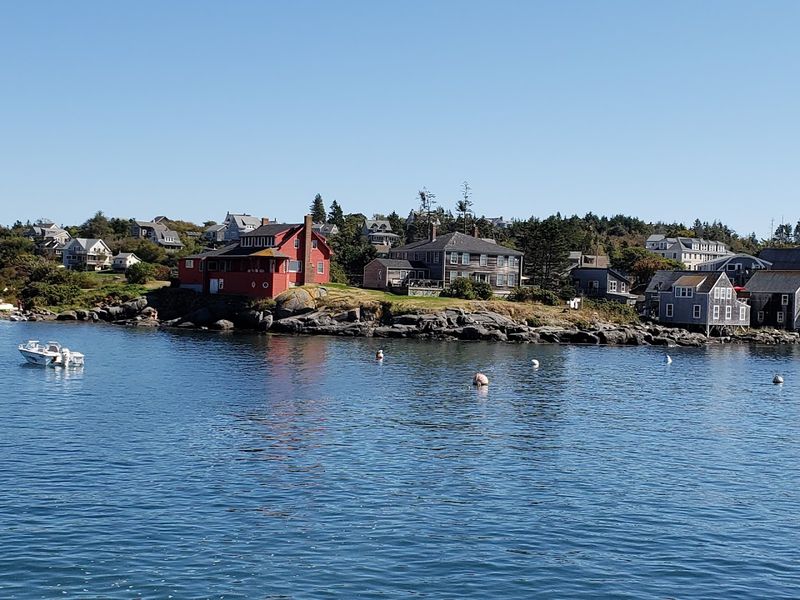
Fishing families built a tight year-round network, balancing traps, storms, and school days. Artists added easels and different hours, sparking a culture of looking closely.
Ferries shrink to lean schedules outside summer. That change recasts the island as a quiet studio with a working waterfront.
Over the decades the population trimmed down, with seasonal surges taking center stage. The remaining residents keep the lights steady and the mail coming.
Cliff trails throw dramatic views at every bend. Studios and galleries hold stories layered over salt-stained shingles.
In winter you hear bootsteps on wooden porches and a distant bell. It feels like a town that breathes with measured care.
Community events run on practicality and good timing. When weather behaves, everyone gets more done and talks longer.
Monhegan’s year-round ranks may be smaller, but the spirit stays focused. You leave with sharper eyes and a pocket full of sea air.
10. Plum Island (Massachusetts/New York)
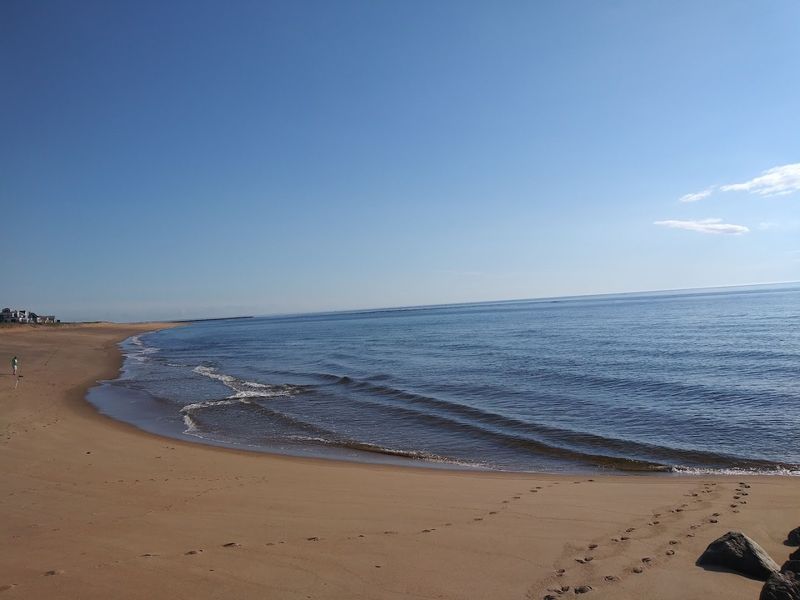
Plum Island housed a full federal community, with families folding laundry to the hum of research nearby.
Housing blocks, a school, and recreation spaces brought normalcy to a specialized workplace. Ferries supplied groceries, mail, and the daily rush of small talk.
As operations consolidated and policies changed, residential life wound down. The island’s purpose narrowed while its neighborhood shrank to daylight hours.
Archival photos capture playgrounds within sight of laboratories. That juxtaposition defined a place where work shaped nearly everything.
Today most people see Plum as a cluster of restricted buildings on the horizon. The hum of family life survives mainly in captions and anecdotes.
Old maps mark cul-de-sacs like clipped sentences. You read them and hear echoes of bikes on pavement and screen doors.
Conversations now happen off-island, across channels of policy and planning. Access stays tight, which preserves both operations and privacy.
The year-round community is gone, but the grid still shows its outline. It is a neighborhood left in blueprint on a windy shore.
11. Kiska Island (Alaska)
Long before wartime footprints, Aleut communities knew these waters and winds. Later, conflict brought fortifications, ship wakes, and hurried construction.
Supply chains braved wild seas, threading the island into distant decisions. Barracks and storage sheds filled with the clatter of tools and orders.
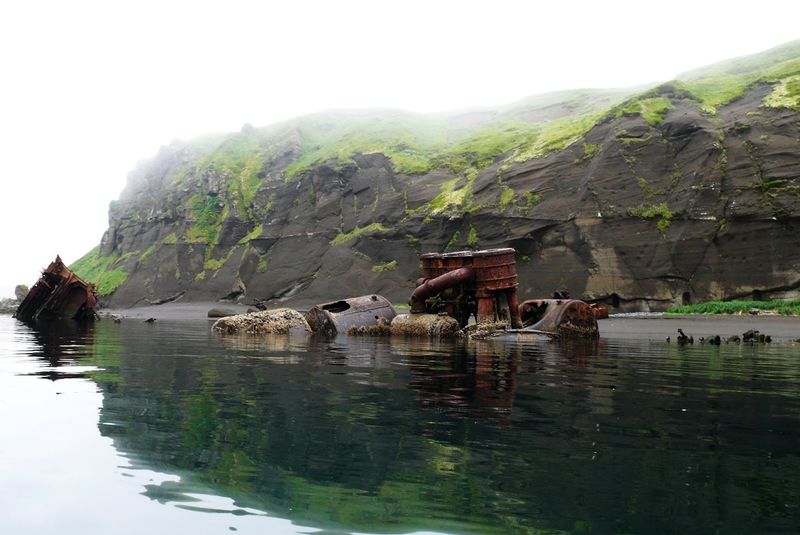
When the front shifted, buildings quieted and rust took charge. Wildlife stepped back in, unbothered by history’s heavy luggage.
Today seabirds rule the air and foxes test the edges. Metal and timber sit out storms like retired workers.
The island’s remoteness keeps casual visits rare and brief. Weather chooses the hours, and boats obey.
Scattered relics show how fast a year-round presence can loosen. They rest where hands once tightened bolts against cold spray.
Kiska holds human chapters without pleading for attention. The story waits in mist, revealing itself between gusts.
12. Alcatraz Island (California)
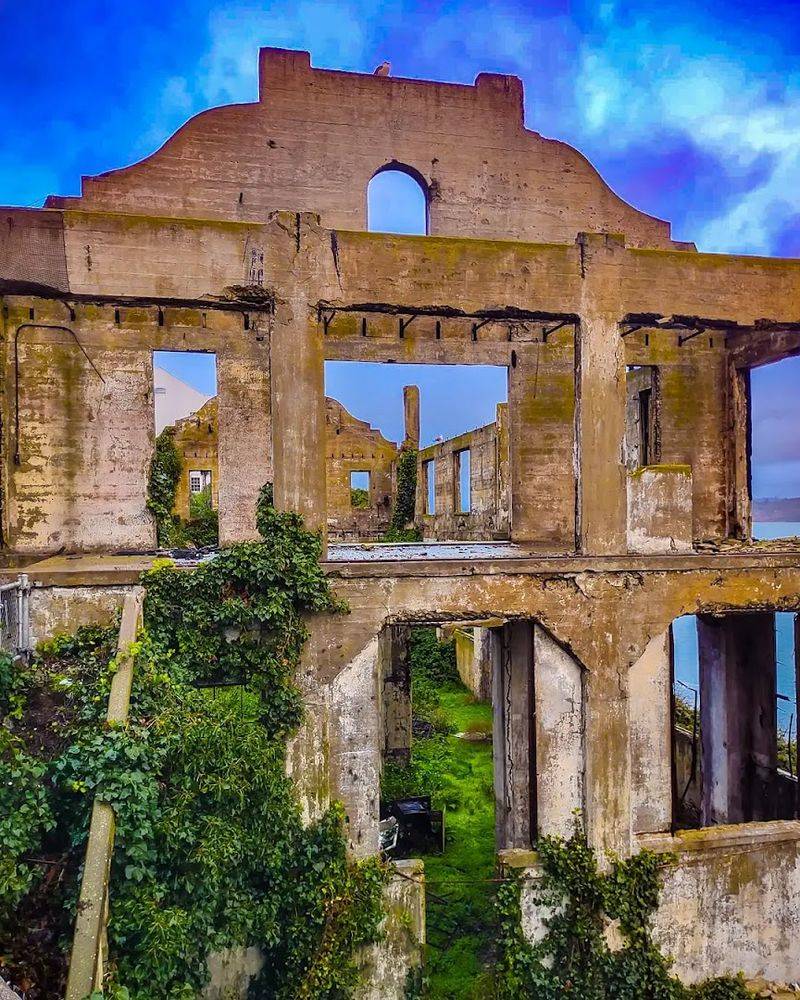
Staff housing, a school, a small store, and clubs made an improbable neighborhood. Ferries marked birthdays and groceries as predictably as shift whistles.
Kids rode tricycles within sight of guard towers. Meanwhile, officers carried both keys and grocery lists in the same pockets.
Operating costs rose and the facility closed in 1963. The island reinvented itself as a historic site with constant visitors.
Guided tours point out living rooms as well as cellblocks. That domestic layer changes how you read the walls.
Sea air moves through barracks windows and cracked paint. Voices bounce differently in a cafeteria when you hear the family angle.
Today the year-round community exists only in photos and memoirs. The ferry still leaves on time, but passengers go home at dusk.
Alcatraz keeps the contrast sharp. Ordinary routines once lived beside iron bars, and both stories remain.
13. Barren Island, Brooklyn (New York)
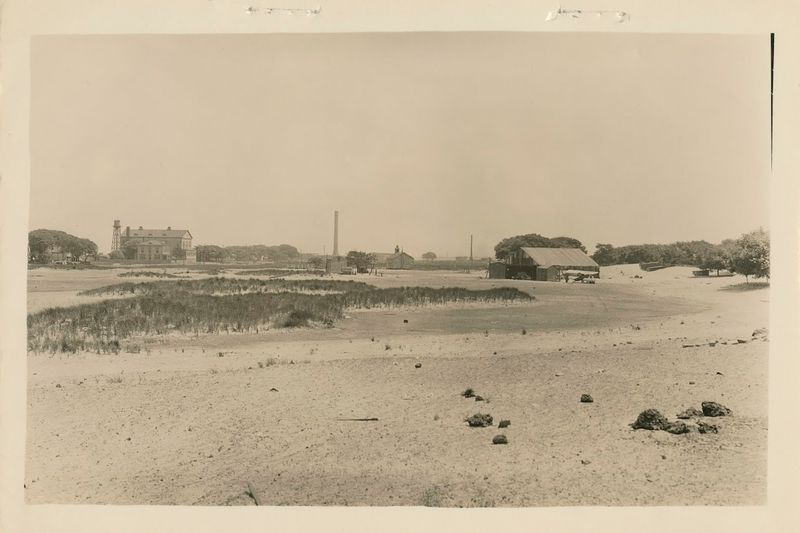
Barren Island once buzzed with workers, families, and a workday scent that clung to overcoats.
Industry anchored life here, with rendering plants, workshops, and a busy incinerator. Up to 1,500 residents filled classrooms, kitchens, and corner stoops.
Boats ferried goods across Jamaica Bay. Paychecks shaped weekends while tides shaped the commute.
City plans redirected the future, clearing homes to make way for an airfield. Landfill stitched the island to Brooklyn, turning separate into attached.
Today the area forms part of a national recreation landscape. The smokestacks are gone, but the stories still carry weight.
Photographs show tight rows of houses near docks and pilings. You can almost hear a whistle and the clink of lunch pails.
The year-round community scattered, following jobs and leases. Streets vanished under new maps, yet the bay remembers outlines.
Barren Island’s past proves how fast a place can flip its script. The water stayed put while the addresses moved.



