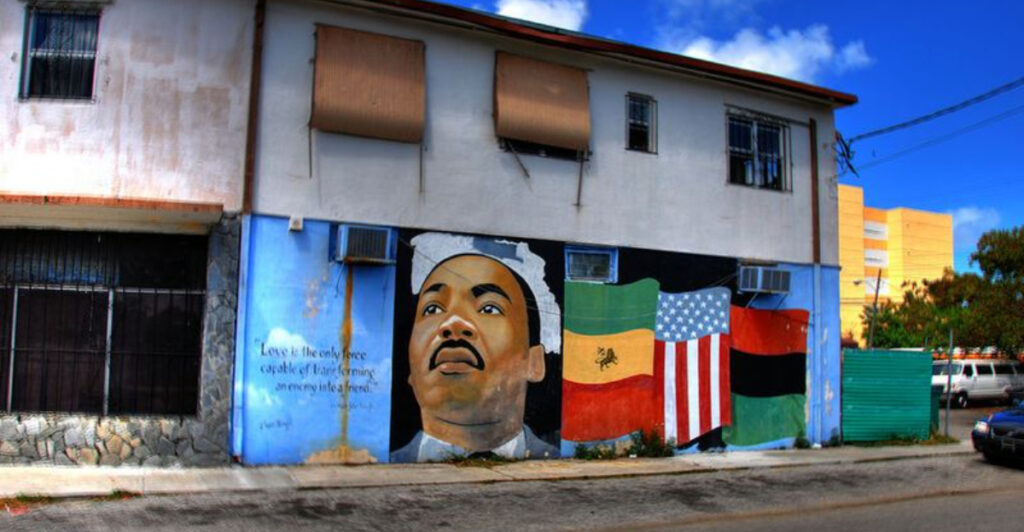
Some neighborhoods became symbols of an era defined by poverty, drugs, and violence. During the 1980s and 1990s, cities across America struggled with rising crime rates fueled by the crack cocaine epidemic, gang rivalries, and years of economic neglect.
These communities made national headlines and shaped how people thought about urban life in America. Understanding what happened in these places helps explain the policies, culture, and conversations that still matter today.
1. South Central Los Angeles, California
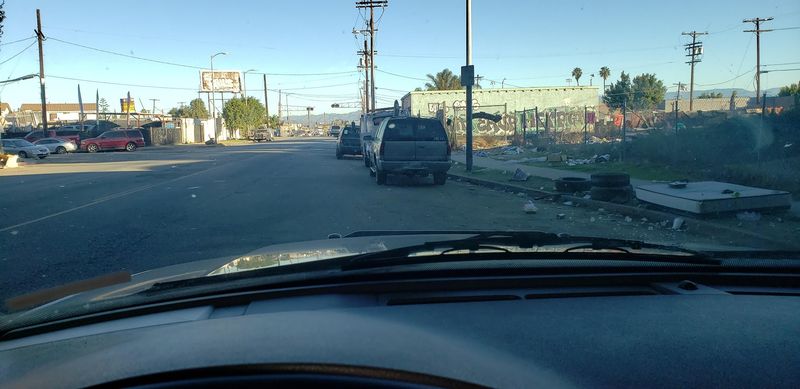
By 1992, South Central Los Angeles had become one of the most talked-about neighborhoods in the entire country. The crack cocaine epidemic had taken a serious grip on the community, fueling gang wars between the Bloods and the Crips that left many residents caught in the crossfire.
Poverty, unemployment, and years of neglect from city leaders created conditions where crime could thrive.
The April 1992 riots, sparked by the acquittal of officers who beat Rodney King, brought the neighborhood to global attention. Fires burned across the city, and the damage was estimated at over one billion dollars.
South Central became a symbol of racial tension and inequality in America.
Over time, community organizations, local activists, and residents worked hard to rebuild. The neighborhood was later renamed South Los Angeles, reflecting a push for a fresher identity and a more hopeful future.
2. Compton, California
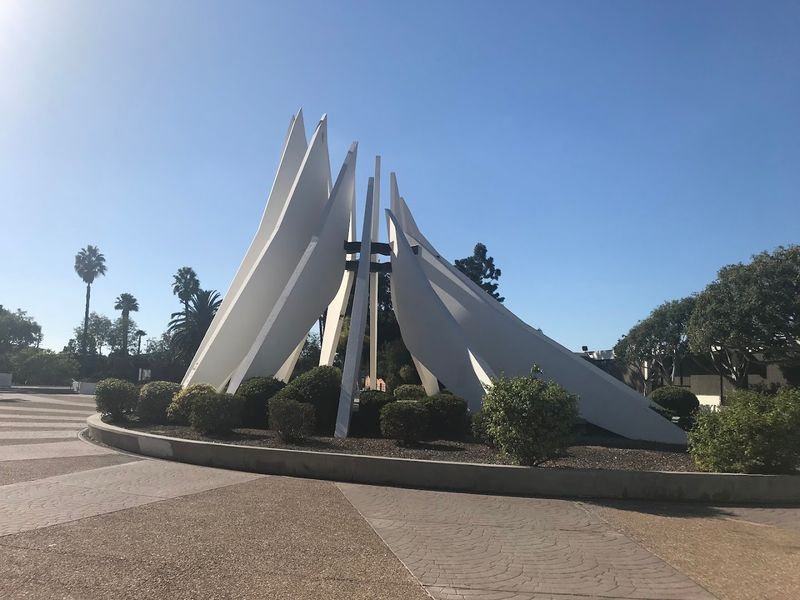
Few American cities carry as much cultural weight as Compton. During the late 1980s and early 1990s, it was ground zero for gang activity, with Bloods and Crips competing violently for control of streets and drug markets.
The crack epidemic hit Compton particularly hard, pushing crime rates to alarming levels.
Compton gained worldwide attention partly through music. N.W.A., a rap group from the city, released albums that described life there with raw honesty.
Songs like “Straight Outta Compton” put a spotlight on police brutality, poverty, and survival in ways that made millions of listeners pay attention.
The city’s homicide rate during this period was among the highest in California. Yet Compton was also home to tight-knit families, churches, and community leaders who refused to give up.
Today, the city is working steadily toward economic growth and a safer future for its residents.
3. Englewood (South Side), Chicago, Illinois
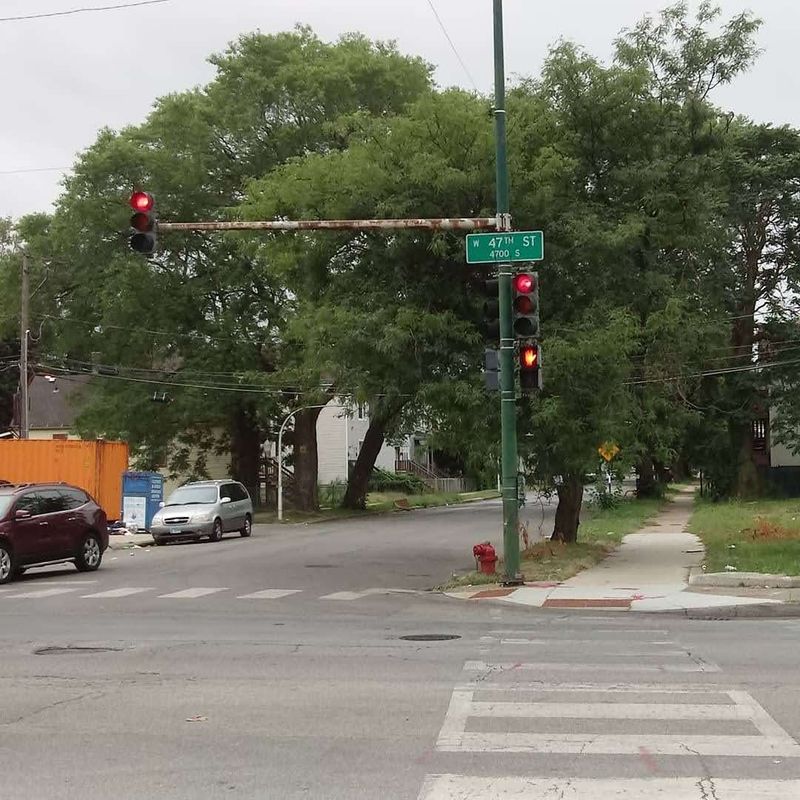
Englewood sits on Chicago’s South Side and spent much of the 1980s and 1990s battling poverty and violent crime at the same time. Gang activity was widespread, with organizations like the Gangster Disciples and Black P.
Stones competing for influence across the neighborhood’s blocks. Residents often described feeling trapped between danger and a lack of resources.
Factory closures hit the area especially hard. As manufacturing jobs disappeared from Chicago, Englewood’s unemployment rate spiked, leaving young people with few legal opportunities.
Schools were underfunded, and community services were stretched thin across a struggling population.
Despite the hardship, Englewood produced strong community voices, local pastors, and dedicated teachers who worked to keep kids off the streets. Urban gardening projects and youth programs have become more common in recent years, signaling that residents still believe deeply in their neighborhood’s potential to heal and grow.
4. Bronx (South Bronx), New York
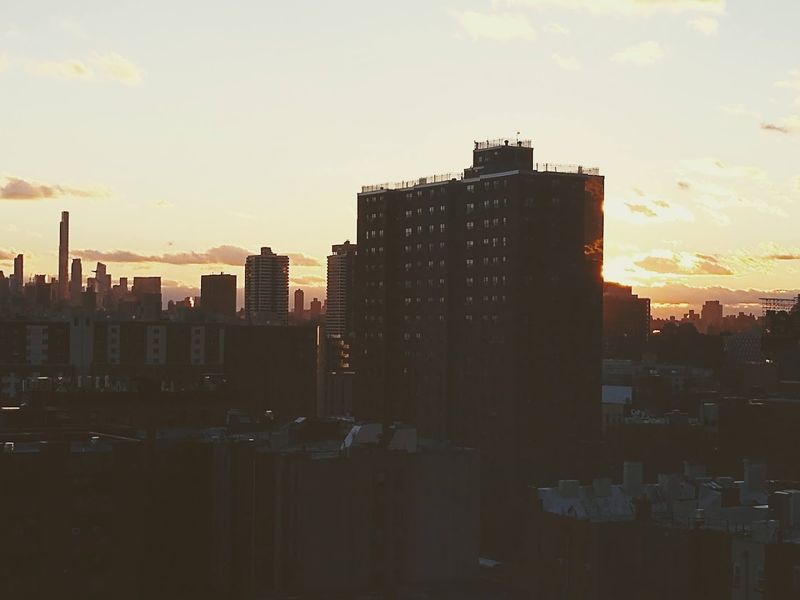
During the 1970s, the South Bronx earned a grim nickname: the burning Bronx. Landlords, unable to profit from their properties, committed arson to collect insurance money, leaving entire city blocks as rubble.
By the time the 1980s arrived, the neighborhood looked like a war zone, with abandoned buildings, widespread poverty, and soaring crime rates.
Drug markets flourished in the South Bronx throughout the crack epidemic. Street gangs controlled corners, and residents lived with the constant threat of robbery and violence.
The neighborhood became a symbol used by politicians to describe urban failure across America.
What many people overlook is that the South Bronx was also the birthplace of hip-hop culture. DJ Kool Herc pioneered a new sound in those same struggling streets, giving young people a creative outlet that would eventually influence music worldwide.
Revitalization efforts in the 1990s began slowly turning the tide toward recovery.
5. Harlem, New York City
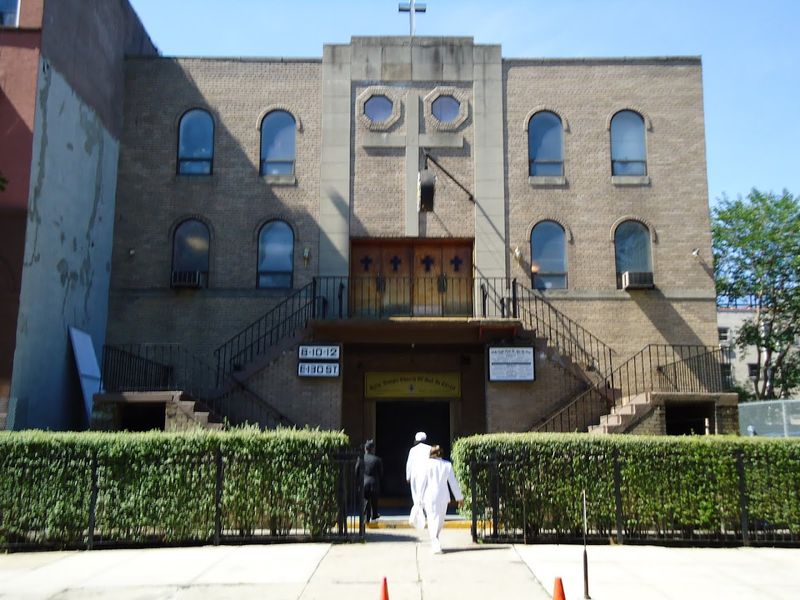
Harlem has always been one of America’s most culturally rich neighborhoods, known for jazz, literature, and the Harlem Renaissance. But the 1980s brought serious challenges.
The crack cocaine epidemic swept through the community, driving up robbery, assault, and homicide rates in ways that shook even longtime residents.
Drug crews took over certain blocks, and violence between competing groups became a daily reality for many families. Mothers worried about their children walking to school, and small businesses struggled to stay open as crime scared away customers.
The neighborhood’s famous energy felt strained under the weight of so much loss.
Still, Harlem never stopped fighting for itself. Churches, community centers, and local leaders organized to demand better policing, more funding, and real economic investment.
By the mid-1990s, signs of recovery started to appear. Today, Harlem is a transformed place, though debates about gentrification and cultural preservation remain very much alive.
6. Liberty City, Miami, Florida
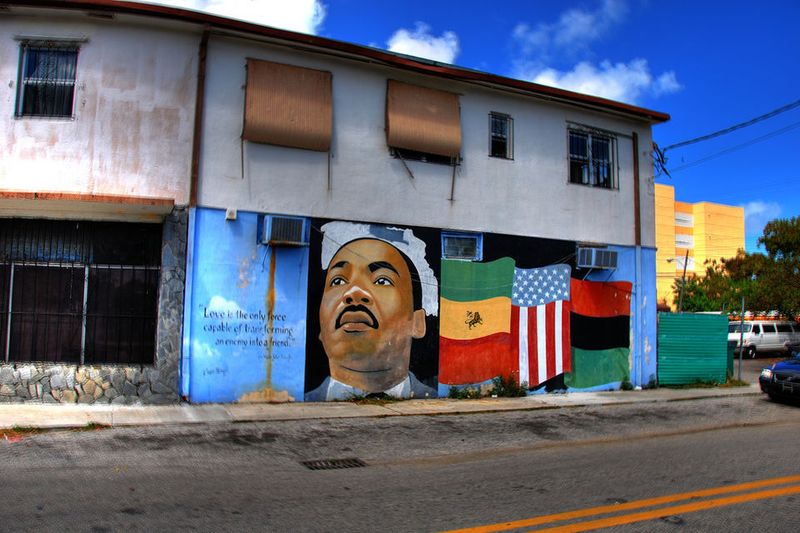
Liberty City made national news in May 1980 when riots erupted after an all-white jury acquitted four police officers in the death of Arthur McDuffie, a Black insurance agent. The uprising lasted three days, left 18 people dead, and caused roughly 100 million dollars in damage.
It was one of the deadliest riots in American history up to that point.
The crack cocaine trade arrived in Miami earlier than in many other cities, partly because of the city’s role as a major drug import hub. Liberty City felt the impact quickly.
Drug-related violence became a fixture of daily life, and the neighborhood’s poverty deepened as legitimate businesses closed and families struggled to stay stable.
Community organizations and faith leaders remained a constant presence throughout the worst years. Their persistence helped preserve social connections that kept the neighborhood from completely collapsing, and recovery efforts gradually gained ground through the 1990s.
7. Overtown, Miami, Florida
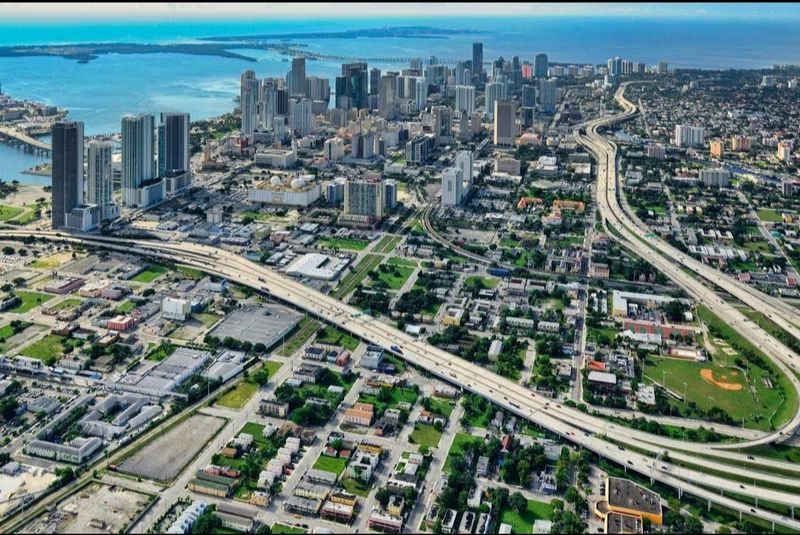
Overtown was once called the Harlem of the South, a thriving Black neighborhood full of jazz clubs, restaurants, and cultural life. The construction of Interstate 95 through the heart of the community in the 1960s destroyed thousands of homes and businesses, and the damage never fully healed.
By the 1980s, Overtown was one of Miami’s most economically depressed areas.
The crack epidemic arrived with devastating force. Drug markets operated openly, and violent crime made headlines regularly.
Residents who had stayed through decades of decline found themselves living in increasingly dangerous conditions with shrinking support from city resources.
A second round of riots hit Overtown in 1982 and again in 1989, both triggered by police shootings of Black men. Each uprising reflected deep frustration with inequality and mistreatment.
Despite everything, long-term residents and community advocates continued pushing for investment, recognition, and a real chance at rebuilding what was lost.
8. East New York, Brooklyn, New York
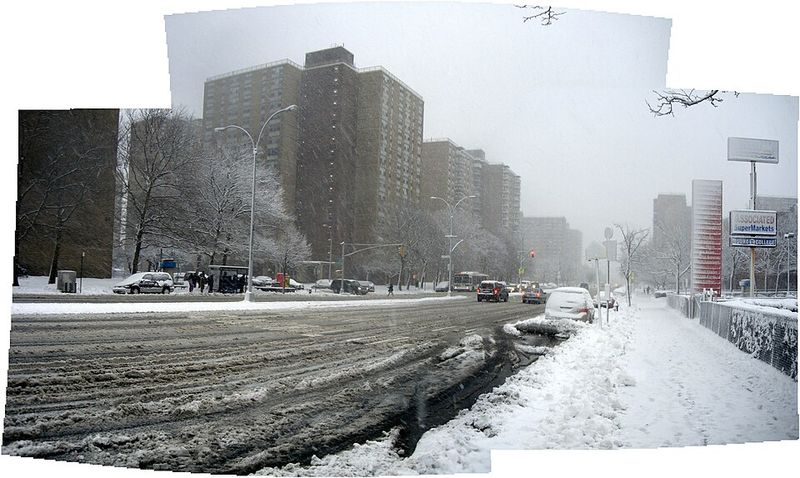
At its peak in the late 1980s, East New York had one of the highest murder rates of any neighborhood in New York City. The crack cocaine epidemic transformed street corners into open drug markets, and gang rivalries turned residential blocks into dangerous territory.
Families locked their doors early, and children were kept inside as much as possible.
Economic conditions made everything worse. East New York had lost significant manufacturing employment during the 1970s, and the neighborhood never fully recovered.
High unemployment left many young men vulnerable to recruitment by drug crews looking for workers willing to take risks for quick money.
The NYPD’s approach to policing in East New York was aggressive and often controversial, with residents reporting harassment alongside the genuine crime reduction efforts. By the late 1990s, crime had dropped significantly citywide, and East New York began to see modest signs of economic stabilization, though inequality remained a persistent challenge.
9. Washington Heights, Manhattan, New York
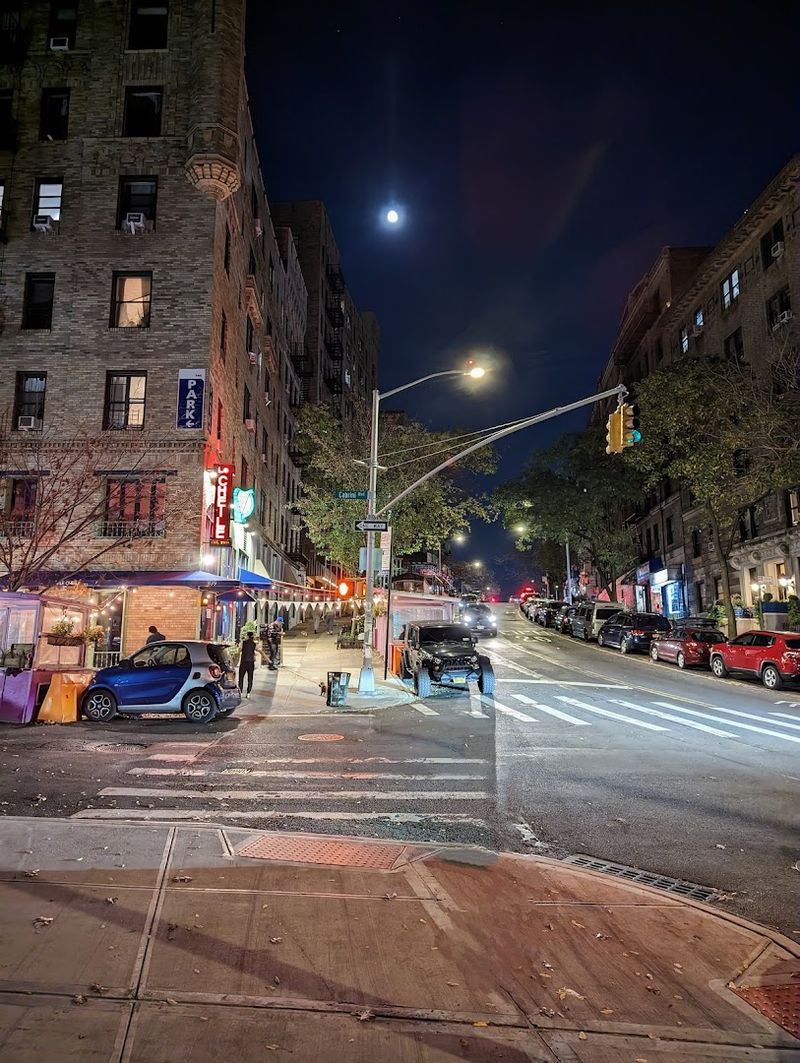
Washington Heights sits at the northern tip of Manhattan and became one of New York City’s most intense drug trafficking zones during the late 1980s and early 1990s. Dominican drug organizations established highly efficient crack distribution networks that stretched far beyond the neighborhood itself.
The money involved was enormous, and so was the violence used to protect it.
In 1992, the death of a young Dominican man named Jose Garcia during a police encounter set off three nights of unrest in the neighborhood. The riots reflected years of tension between residents and law enforcement, with many community members feeling unfairly targeted by aggressive policing tactics.
Washington Heights was also home to hardworking immigrant families who wanted nothing to do with the drug trade and simply sought safety and opportunity. Their presence, alongside local churches and community groups, helped hold the neighborhood together during its most turbulent years and laid groundwork for the recovery that followed.
10. West Baltimore, Maryland
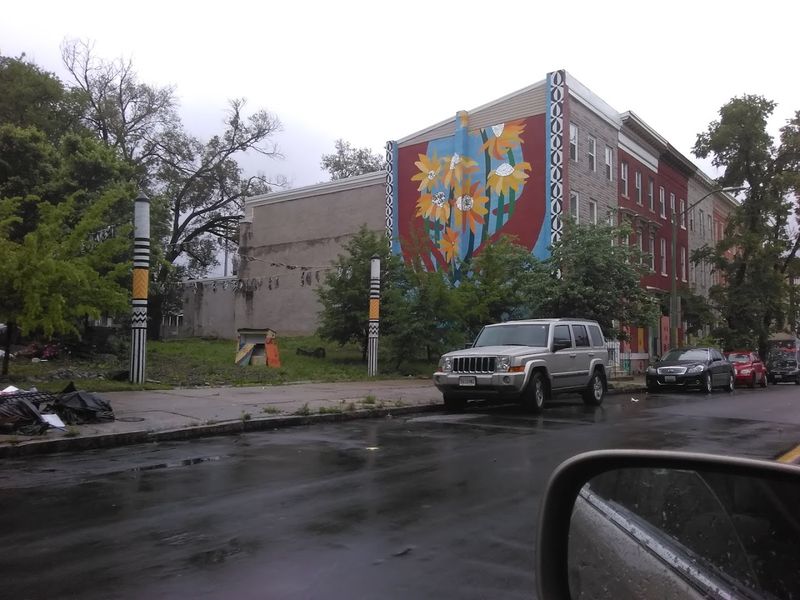
West Baltimore carries a complicated history that most Americans came to understand through the HBO series The Wire, which aired in the 2000s but depicted a world shaped by the 1980s and 1990s. Drug markets operated openly in areas like Sandtown-Winchester, where abandoned row houses became stash spots and dealing corners were claimed by organized crews.
The heroin trade had long been a problem in Baltimore, but crack cocaine added a new layer of violence and instability. Homicide rates climbed through the late 1980s, and the city struggled to respond effectively.
Police resources were stretched, and social services could not keep pace with the scale of need.
West Baltimore’s challenges were deeply tied to decades of racial segregation, redlining, and disinvestment that left the community without the economic foundation needed to absorb such pressure. Residents and activists consistently pointed to these root causes, arguing that policing alone could never solve what policy had created.
11. Oakland (East Oakland), California
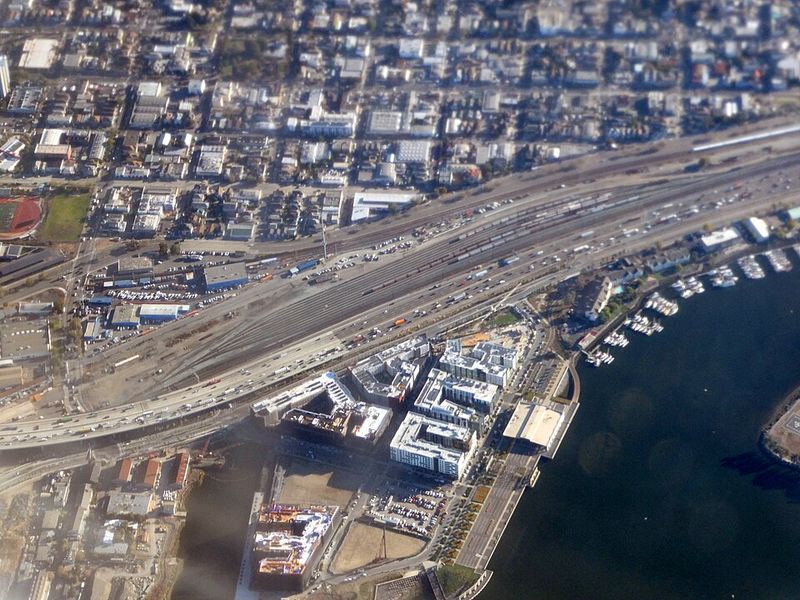
East Oakland developed a reputation during the crack epidemic as one of the most dangerous urban zones in California. Gang activity between groups like the Norteños and various local sets drove up homicide numbers through the late 1980s.
Drug money flowed through the neighborhood, but the wealth stayed at the top while violence and poverty remained at street level.
Oakland’s homicide rate peaked in 1992, a year that saw over 165 murders in the city. East Oakland accounted for a significant share of that toll.
Residents who lived through those years often describe a feeling of constant alertness, never fully relaxing even inside their own homes.
The city’s response was uneven, and trust between police and the community was fragile. Yet Oakland also had a powerful tradition of activism rooted in the Black Panther Party, and that spirit of organized resistance influenced how residents approached both survival and advocacy during the hardest years.
12. Newark (Central Ward), New Jersey
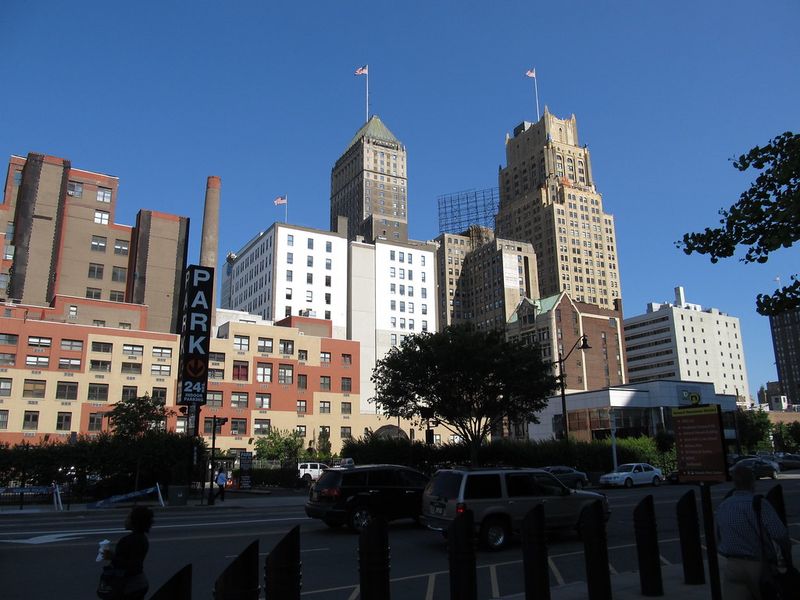
Newark’s Central Ward never fully recovered from the devastating 1967 riots, and by the 1980s, decades of disinvestment had left the neighborhood deeply vulnerable. Crack cocaine arrived and found fertile ground in a community already struggling with unemployment rates well above the national average.
Drug crews moved into abandoned buildings, and violence followed quickly.
The city’s population had been shrinking since the 1950s as white residents and businesses relocated to the suburbs, taking tax revenue with them. What remained in the Central Ward was a community dealing with crumbling infrastructure, underfunded schools, and a police force that often seemed more focused on containment than genuine public safety.
Newark had strong community voices, including churches and neighborhood associations, that kept pushing for resources and accountability. The election of Sharpe James as mayor brought some attention and investment, though critics argued that the benefits did not reach the most struggling parts of the Central Ward consistently enough.
13. Detroit (Southwest and East Side), Michigan
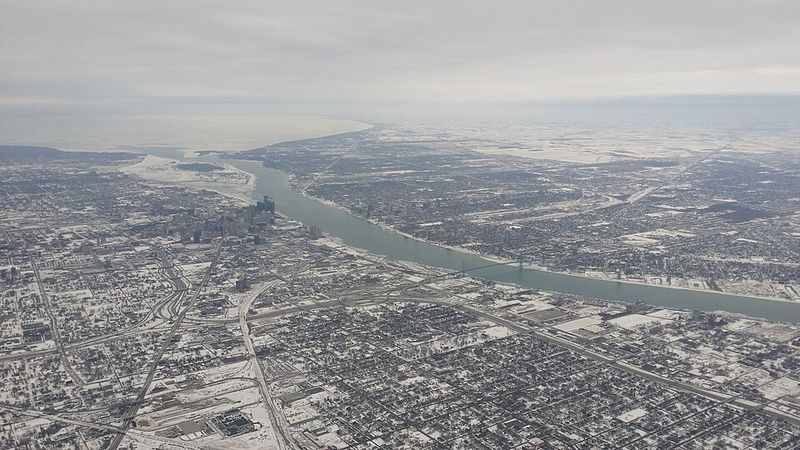
Detroit’s economic collapse during the 1970s and 1980s set the stage for one of the most severe urban crime crises in American history. As auto industry jobs disappeared, entire neighborhoods on the Southwest and East Sides emptied out.
Vacant homes became drug houses, and blocks that once held working families fell into disrepair almost overnight.
The crack epidemic hit Detroit hard in the mid-1980s, and by 1987 the city had recorded over 600 homicides in a single year. Young men with no legal employment options turned to drug sales in large numbers, and the violence that came with the trade was catastrophic.
Detroit earned the nickname “Murder City” during this period.
Despite the bleakness, Detroit’s residents showed remarkable resilience. Community gardens, neighborhood watch groups, and local artists kept cultural life alive in the rubble.
The long road to recovery has been slow and uneven, but Detroit’s story remains one of survival against extraordinary odds.
Share this story