 Unearth The Voyage
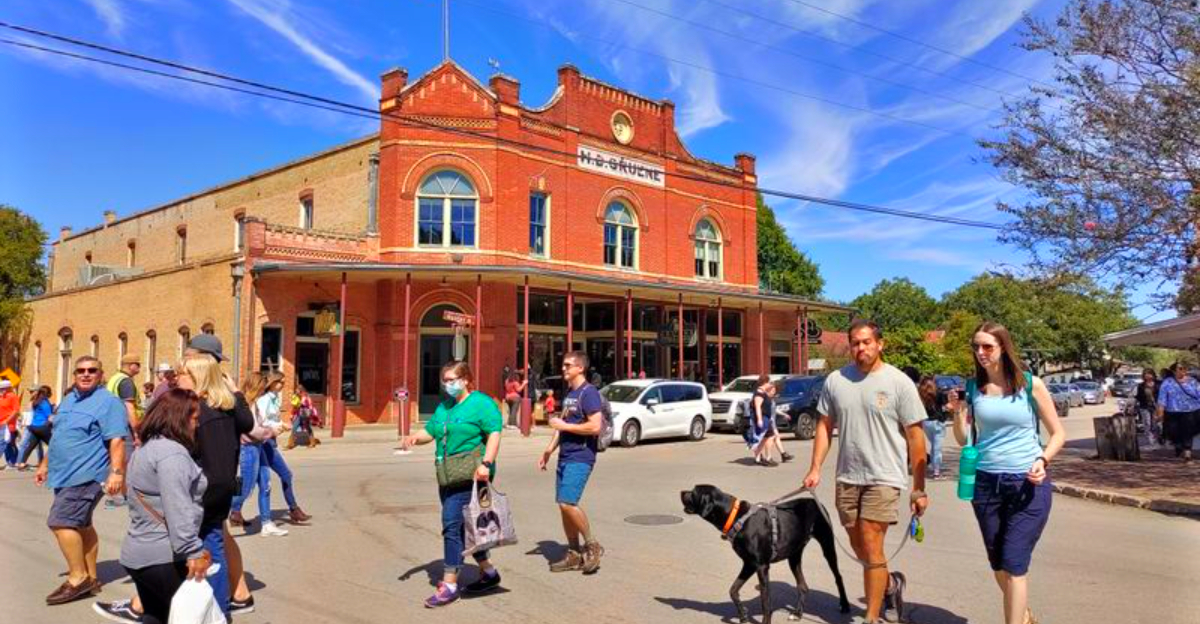
If you have been scanning real estate maps lately, you have probably noticed the edges glowing brighter. Commutes are softer, school districts are sharpening, and once sleepy shopping centers now hum on weeknights.
You can feel momentum block by block: pad sites filling, parks getting booked, and coffee shops opening second locations. Here are the suburbs that feel early yet inevitable, where quality of life meets measurable growth and timing still matters.
1. Atascocita, Texas (Houston area)
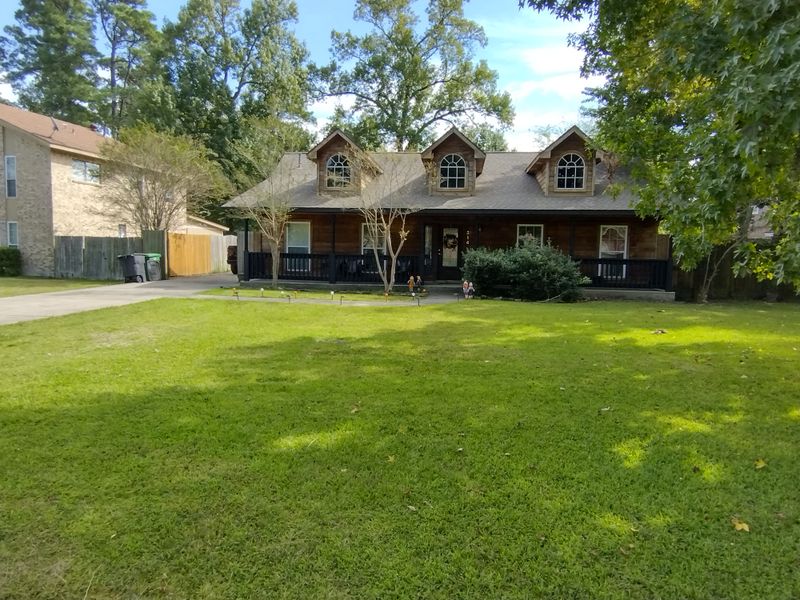
Atascocita sits east of Houston, cushioned by master planned communities and lakeside recreation that give weekends a relaxed tempo. Population growth has outpaced expectations, while median prices remain within reach for households trading rent for a starter home.
Commute routes are improving, and retail clusters keep adding healthcare and daily conveniences.
A friend’s relocation story says a lot: moved for a hybrid role, landed a four bedroom near a trail, and shaved daycare pickup time by ten minutes. That ten minutes changed evenings.
Practical Takeaway: Confirm flood mitigation improvements and insurance quotes block by block before finalizing your offer.
2. Kyle, Texas (Austin San Antonio corridor)
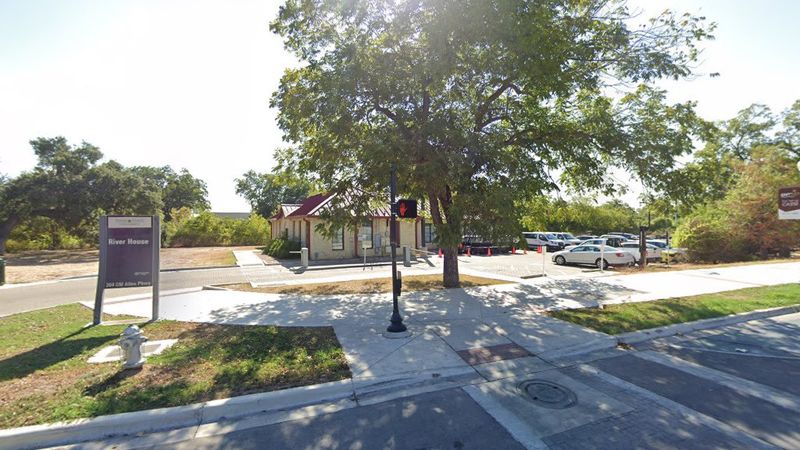
Kyle rides the Austin San Antonio corridor like a tailwind. Prices still undercut closer suburbs, but amenities keep arriving: medical offices, grocery anchors, and youth sports complexes that make weeknights simple.
Recent reports show double digit population gains, and builders continue to deliver options across price tiers.
Case in point: a cul de sac near a new elementary saw multiple offers even in a slower season because hybrid workers value flexibility. The highway hum is real, though, so pick lots carefully.
Practical Takeaway: Prioritize homes with soundproofing and smart yard orientation if you live near I 35 or feeder roads.
3. Conroe, Texas (Houston North)

Conroe blends lake life with commuter practicality. As north Houston grows, jobs and logistics expand up the freeway, pulling demand into subdivisions that feel established yet still add rooftops.
Home values remain moderate compared to inner loop hot spots, and new healthcare facilities bring weekday traffic that supports local businesses.
I watched a small strip center lease out to a pediatric clinic, a taqueria, and a physical therapy office within months. That is daily life infrastructure.
Practical Takeaway: If you value quiet, ask about lake event calendars and boat traffic peaks. Seasonal patterns can influence noise, parking, and short term rentals.
4. Sun City Center, Florida (Tampa area)
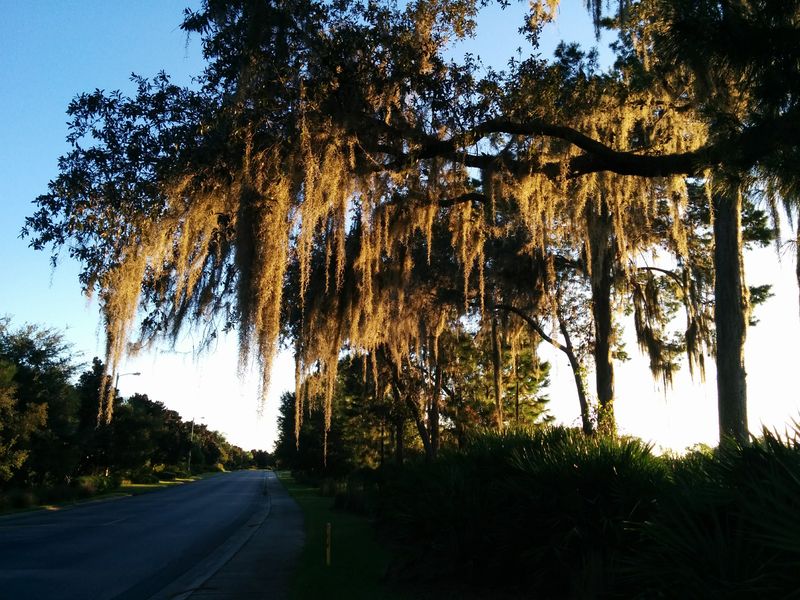
Sun City Center is not just for retirees who golf. It is a well engineered suburb with clinics, recreation, and grocery options designed for convenience.
Population growth has been brisk, and single story homes with low maintenance yards draw downsizers from pricier Florida zip codes. That creates a reliable, services oriented demand base.
One neighbor turned a spare room into a telehealth workspace and raved about same day appointments nearby. When services cluster, time slows down in a good way.
Practical Takeaway: Evaluate HOA rules, lawn care packages, and insurance deductibles upfront. Predictable monthly costs are the secret to stress free living here.
5. Forney, Texas (Dallas Fort Worth east)
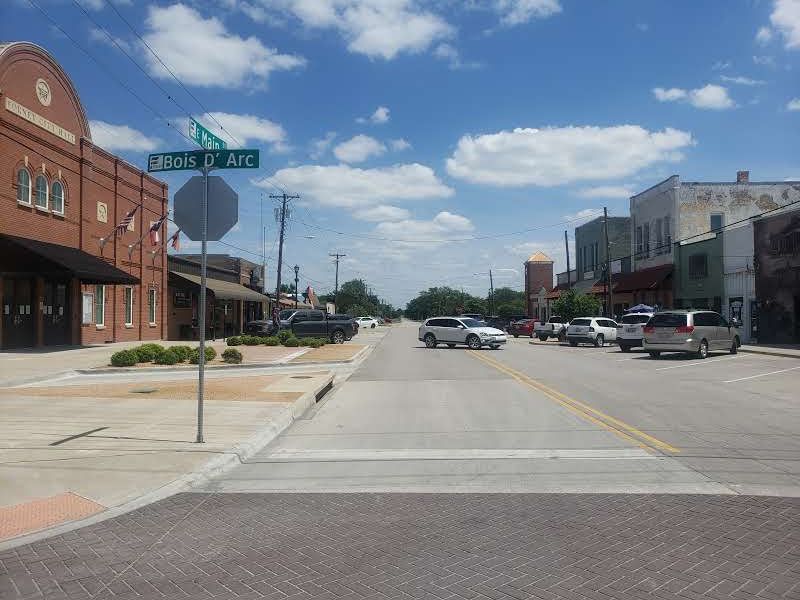
Forney is one of Dallas Fort Worth’s most energetic east side suburbs. Population growth has surged while price points stay approachable for buyers priced out of closer suburbs.
Schools are scaling, and the retail mix now includes big box anchors plus local bakeries that give weekends a small town cadence.
During a recent visit, I counted three framing crews on one block and a convoy of cement trucks before lunch. Momentum is visible.
Practical Takeaway: Track city council agendas for road widenings and new school sites. Early buyers near those investments often see better resale and shorter morning drop off lines.
6. Ruskin, Florida (Tampa South Shore)
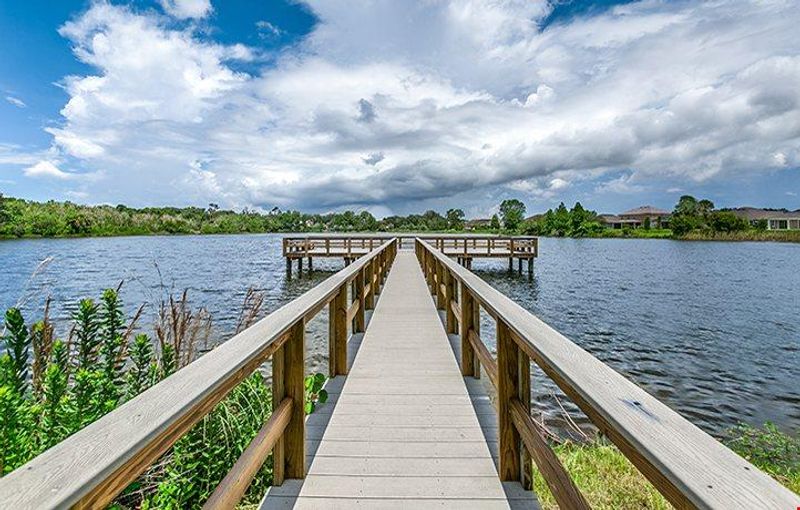
Ruskin sits where Tampa Bay’s working waterfront meets fast changing suburbs. New townhomes stack along canals, and small seafood spots stay busy as construction crews refuel.
Prices feel sane compared to Tampa hot zones, and outdoor access is baked into daily life. It is a place where weekends are about kayaks and sweet tea.
I met a nurse who chose Ruskin for a shorter hospital commute across the bridge and a backyard big enough for citrus trees. That balance matters.
Practical Takeaway: Check flood zones, elevation certificates, and insurance quotes early. Your monthly affordability hinges on those numbers.
7. Olive Branch, Mississippi (Memphis metro)
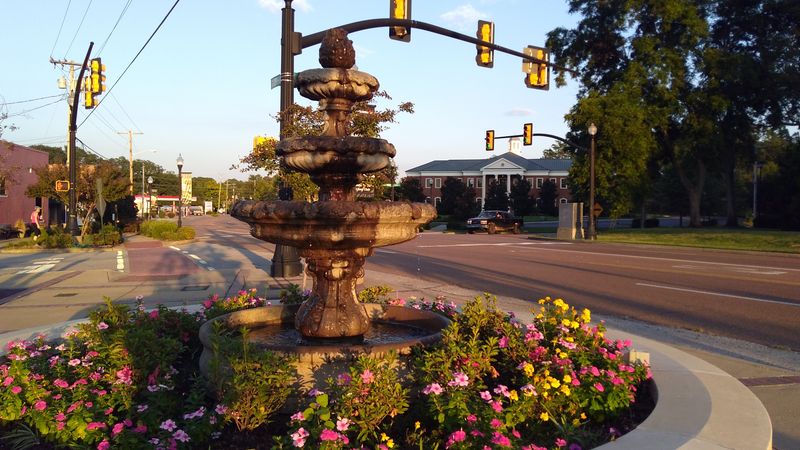
Olive Branch has long been Memphis’s polished suburb, and it keeps drawing households with good schools and tidy neighborhoods. Logistics jobs ripple through the region, supporting steady demand for rentals and starter homes.
Population growth has been notable, yet prices remain accessible compared to many Sun Belt metros.
A teacher I spoke with moved for a STEM program and found that morning traffic still allowed a calm coffee. That predictability is underrated.
Practical Takeaway: When schools drive demand, review boundary maps and proposed rezoning. New subdivisions can trigger redraws that shift values street by street.
8. Maricopa, Arizona (Phoenix south)

Maricopa feels like classic Arizona growth: clean subdivisions, mountain horizons, and quick drives to new retail. As Phoenix’s job base expands, households chase value and space, finding both here.
Population growth has been strong, and city investment in roads and services is catching up quickly to rooftops.
I toured a cul de sac where two neighbors had solar arrays and swapped tips on water wise landscaping. Choices like that add up monthly.
Practical Takeaway: Scrutinize water rates, HOA xeriscape requirements, and solar incentives. In desert suburbs, efficient systems become a long term advantage on both comfort and cost.
9. Hutto, Texas (Austin northeast)
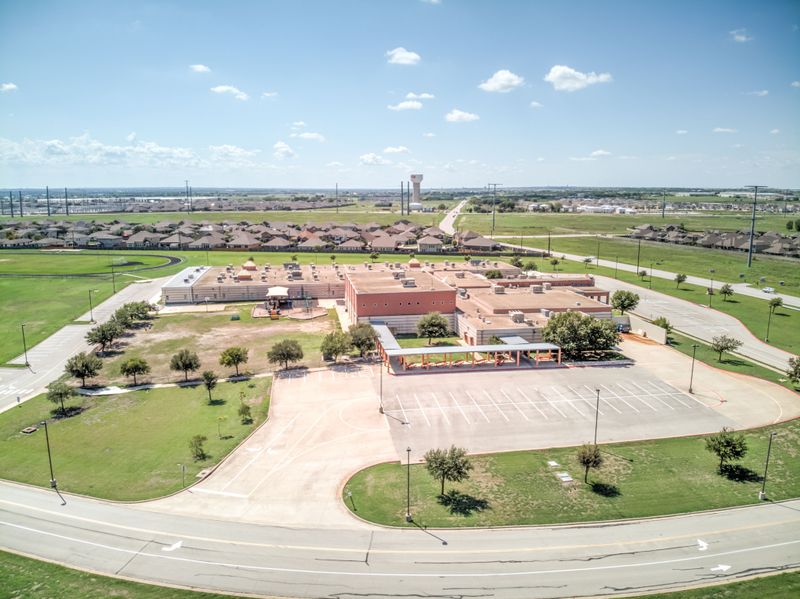
Hutto has graduated from quirky to compelling. The hippo statues still charm, but the real story is jobs inching closer and schools adding capacity.
Prices are friendlier than many Austin suburbs, and builders continue to deliver single family and townhome options for first time buyers and move ups.
A neighbor’s hybrid schedule made a two day commute plan workable, freeing budget for a backyard they actually use. That compromise is driving migration.
Practical Takeaway: Check utility extension maps and impact fees. Where the city runs new water and sewer, private investment usually follows, lifting surrounding property values.
10. New Braunfels, Texas (between Austin and San Antonio)
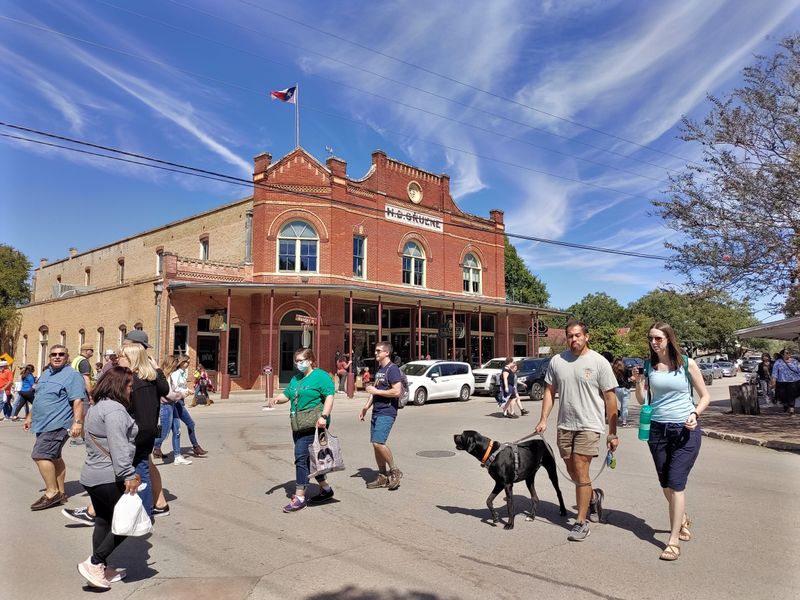
New Braunfels blends river weekends with a corridor economy that refuses to slow down. Population increases remain impressive, and the lifestyle hook is durable: parks, tubing, music, and a small downtown that stays lively even on weeknights.
Buyers come for space and stay for community rituals that turn neighbors into friends.
A short term rental near the river performed well until regulations shifted, then refocused on 30 day stays without missing a beat. Flexibility wins.
Practical Takeaway: Study water constraints and rental ordinances. Your plan should work under multiple rule sets, not just the rosiest scenario.
11. Clayton, North Carolina (Raleigh area)

Clayton is Raleigh’s pressure valve with a friendly main street and fast maturing neighborhoods. Employers across the Triangle keep talent flowing, and Clayton’s price point invites buyers who want space without sacrificing access.
Greenways and parks are expanding, making daily life feel healthier and easier.
A pharmaceutical worker I met splits days between onsite and remote, timing drives around peak traffic. That hybrid rhythm makes Clayton click.
Practical Takeaway: Compare property taxes and HOA amenities across subdivisions. The wrong dues structure can erase the savings you gained by moving a few exits farther out.
12. Waxahachie, Texas (Dallas Fort Worth south)

Waxahachie is where historic charm meets new construction reality. The courthouse square hosts festivals, while the outskirts add rooftops at a healthy clip.
Employers south of Dallas Fort Worth provide jobs, and improved highways shorten drive times more than maps suggest. Prices remain reasonable, especially for larger lots.
I watched a builder pivot to one story plans after buyers requested aging in place features. Listening to customers accelerated sales.
Practical Takeaway: If you want long term staying power, focus on neighborhoods near medical offices and grocery anchors. Daily needs met within 10 minutes will matter more as the area grows.
13. Weatherford, Texas (Fort Worth west)
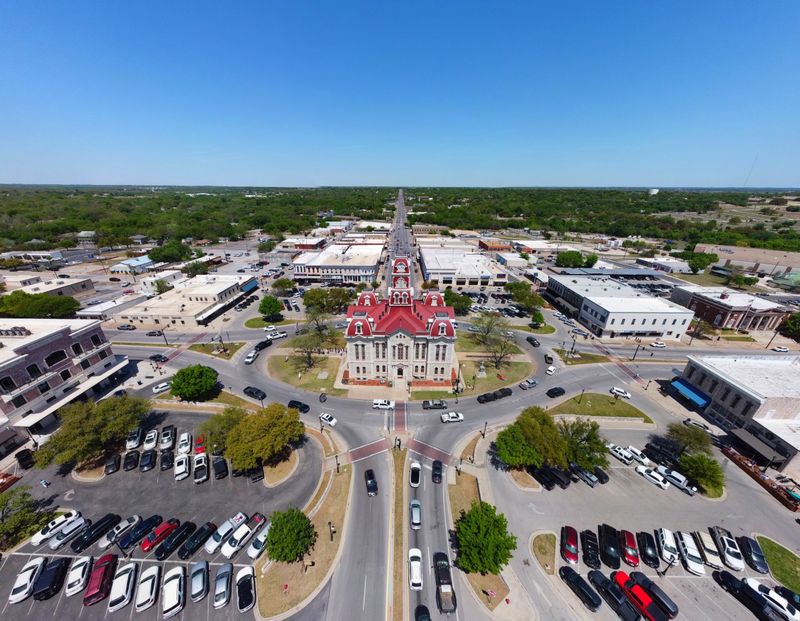
Weatherford offers a slower pace with real momentum. Fort Worth’s influence stretches west, bringing healthcare expansions and retail clusters that cut daily errands in half.
Prices are kinder than inner suburbs, and new subdivisions mix with classic ranch style homes that feel timeless.
A neighbor who trains horses chose Weatherford for acreage and still makes downtown Fort Worth meetings twice a week. That balance draws people.
Practical Takeaway: Ask about water districts, septic versus sewer, and broadband coverage. Utility realities can shape resale value in ways finishes never will, especially on the edge of metro growth.



