 Unearth The Voyage
America’s oldest roads carry more than traffic. They hold layers of history, shifting beliefs, and the odd story that neighbors still trade on porches.
From 18th century trade routes to 20th century tourism, these streets map how communities remember themselves, sometimes with a wink and sometimes with stubborn conviction. If you like folklore grounded in dates, policy changes, and architectural details, you will leave with new context for some of the most talked about thoroughfares in the country.
1. St. Augustine, Florida – St. George Street
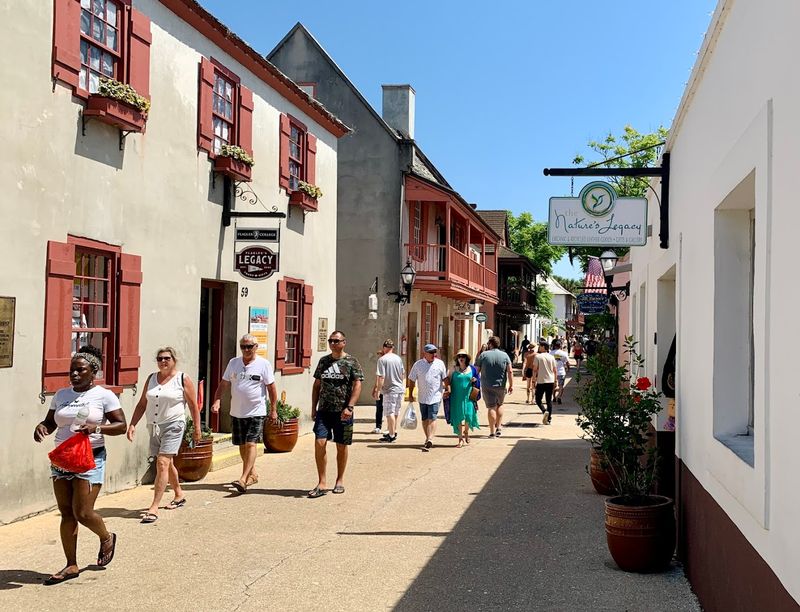
Tour guides like to say St. George Street remembers everything, but the evidence sits in coquina walls and Spanish street plans from the 1500s. The street threads through a compact grid shaped by colonial laws that mandated fireproof materials and narrow lots.
Preservation work since the 1960s revived storefronts and second story balconies after decades of automobile pressure reshaped downtown.
Local legends focus on long running businesses, schoolhouses, and garrison routines that left paper trails. City directories from the 1880s show how merchants clustered near the city gate as tourism grew after Flagler’s railroad arrived in 1888.
Walking here, you trace routes schoolchildren used when Florida shifted from territorial rule to statehood.
Stories about shadowy pedestrians survive because docents fold them into lessons about Spanish missions and British occupation in 1763. You get history first, folklore second, and a clear sense of how streets anchor identity.
2. Savannah, Georgia – Abercorn Street

Ask a local about Abercorn Street and you will get a tour through city planning 101. James Oglethorpe’s 1730s ward system still guides how traffic flows past squares, churches, and row houses.
The street brushes Lafayette and Calhoun Squares, where preservationists in the mid 20th century revived Greek Revival facades.
Folklore bubbles up around addresses tied to newspaper clippings and property rolls. During the 1920s, tourism pamphlets started pairing square names with legends to keep visitors walking.
The approach worked, and by the 1970s guided tours blended architecture notes with tales of unsettled tenants.
What you feel here is continuity. Granite curbs date to antebellum paving campaigns, and covenants protect ironwork that photographs well on postcards.
Abercorn’s reputation endures because the city treats streets as outdoor classrooms, using stories to explain emancipation, yellow fever quarantines, and the rise of garden restoration culture.
3. New Orleans, Louisiana – Royal Street
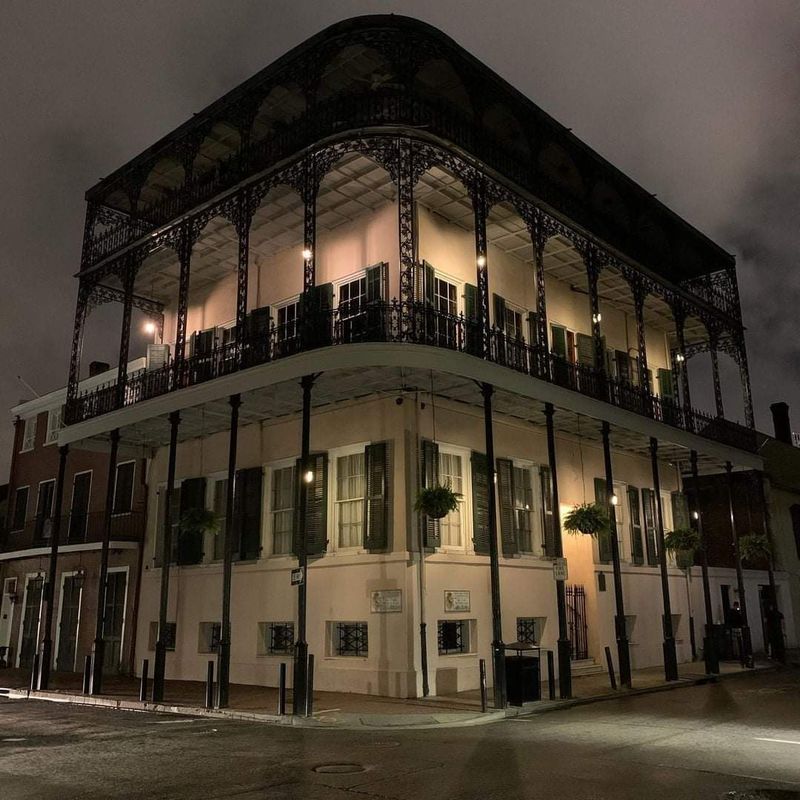
Royal Street sells antiques by day and narratives by night. The blocklong galleries and Creole townhouses trace to building codes after the 1788 and 1794 fires that replaced timber balconies with ironwork.
Merchants followed, and by the 1880s advertisements in the Daily Picayune listed curiosity shops near the corner with St. Peter.
Legends persist because Royal hosts a live archive. Deeds, succession records, and newspaper ads record who occupied upper floors and how immigration shaped the Quarter.
In the 1920s, writers packaged this past for visitors as jazz and preservation movements converged.
Ghost tours lean on those records to build scenes around courtyards and shuttered galleries. Even skeptics learn how Spanish governors altered street widths and how 1930s artists revived iron façades.
The street’s mystique owes less to apparitions than to a habit of documenting change and turning it into walkable storytelling.
4. Salem, Massachusetts – Essex Street
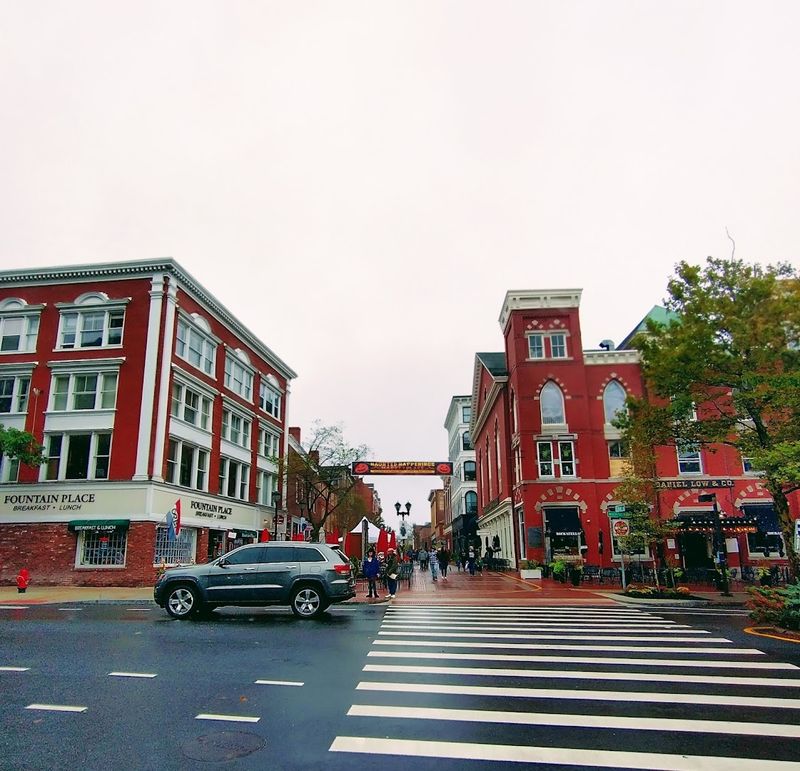
Essex Street is where marketing and memory share a lease. The witch trials of 1692 took place across town, yet 19th century antiquarians and 20th century retailers clustered exhibits and shops here.
By the 1970s, a pedestrian mall encouraged foot traffic and year round programming.
City archives keep this narrative grounded. You can trace addresses through tax rolls, fire insurance maps, and preservation reports that explain why certain façades kept their Federal lines.
Museums along the corridor publish exhibit catalogs that sort testimony from later inventions.
Tales of late night figures become talking points for religious tolerance and legal reform. Tours discuss spectral evidence laws and how tourism boomed after television specials in the 1980s.
Essex Street’s aura works because it teaches media literacy alongside local history, letting visitors test stories against documents while enjoying a compact downtown.
5. Charleston, South Carolina – Church Street
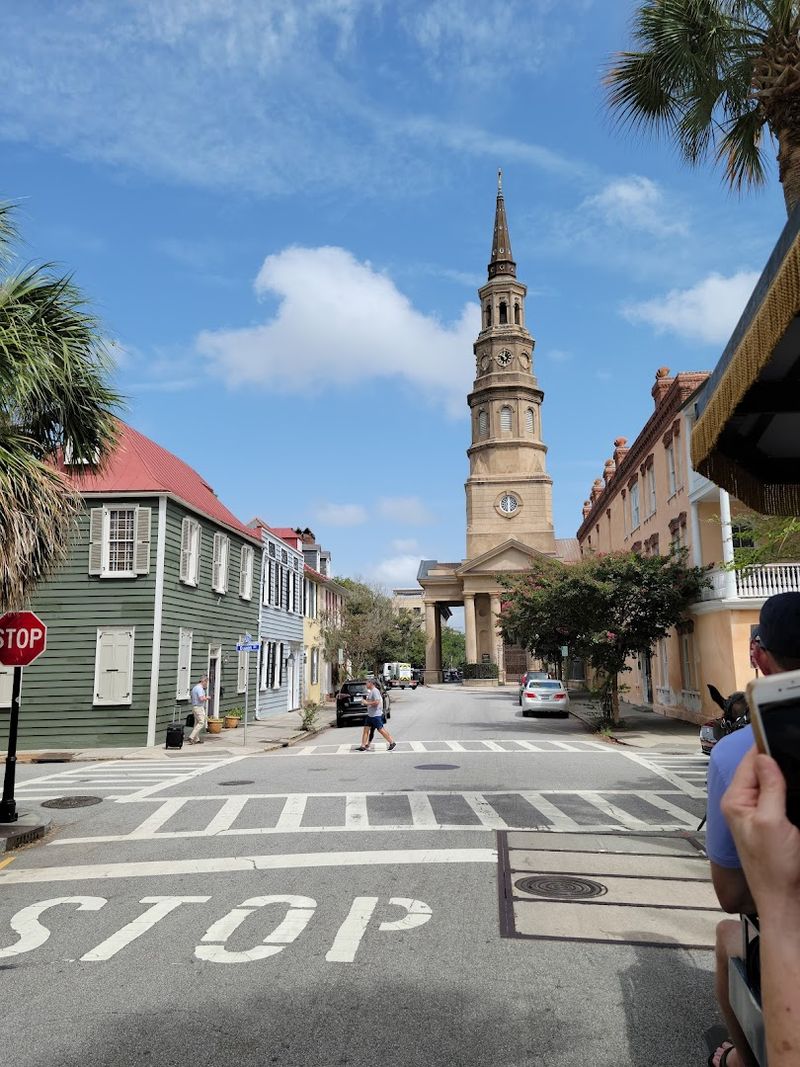
On Church Street, the past shows up in floor plans. The single house layout with piazzas reflects wind patterns, tax assessments, and building customs from the 18th century.
Preservationists in the 1920s cataloged these homes, creating one of America’s earliest local historic districts.
Stories about silent passersby coexist with records about hurricanes, fire codes, and iron tie rods added after earthquakes. Church registries and vestry minutes identify families who funded spires and pews.
That paper trail lets guides place anecdotes inside verifiable timelines.
Curiosity here turns practical. You learn how enslaved labor built walls, how emancipation reshaped congregations, and how 20th century zoning limited alterations.
Rather than deliver thrills, Church Street offers lessons in continuity, civic pride, and architectural problem solving that make the folklore feel like footnotes to a very public archive.
6. Deadwood, South Dakota – Main Street
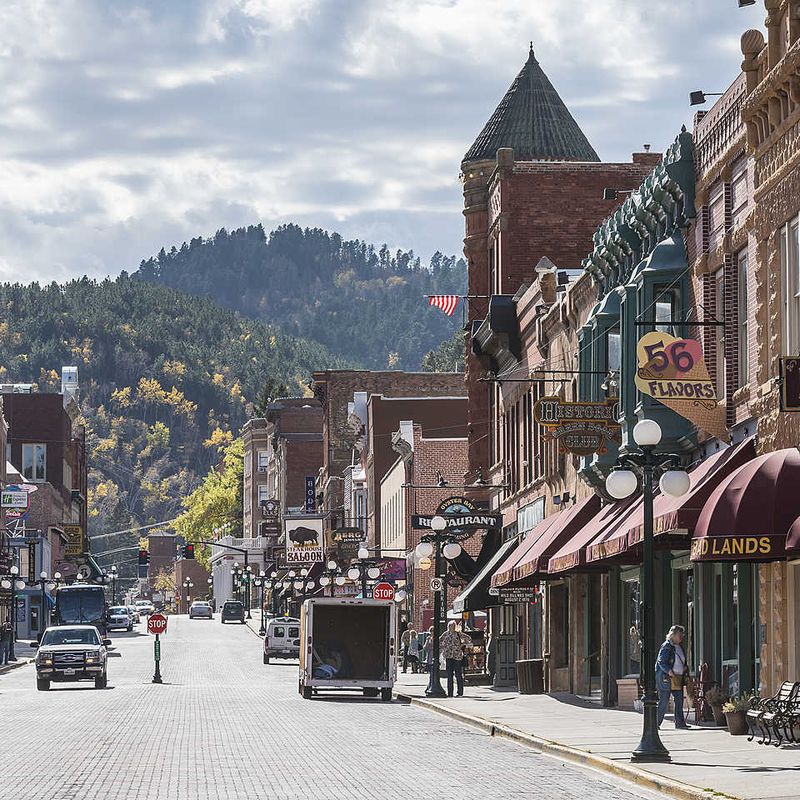
Gold fever built Main Street as fast as law could keep up. By 1877, newspapers advertised gaming halls and outfitters stacked door to door.
Fires forced building codes that introduced brick fronts and metal cornices, all documented in insurance maps still cited by historians.
The town doubled down on heritage tourism after 1989 when limited stakes gaming funded restoration. That policy change saved facades and underwrote museums that organize Wild West myths into timelines.
Displays match saloon names with census records and business ledgers.
Paranormal chatter lingers because nightly tours mix entrepreneurial history with colorful personalities. You come away knowing how telephones, rail service, and winter road maintenance altered commerce more than any rumor.
Main Street’s endurance depends on regulation, grants, and consistent storytelling that favors verifiable dates over campfire suspense.
7. Key West, Florida – Duval Street
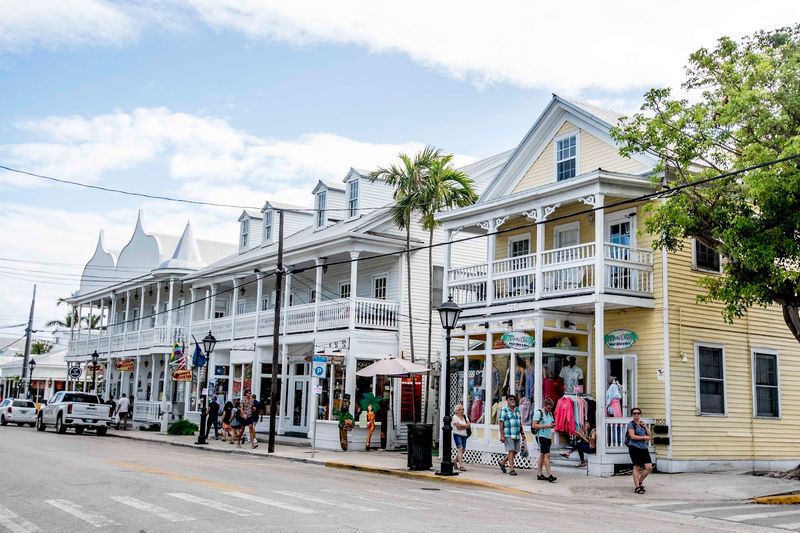
Duval Street stretches from the Gulf to the Atlantic and doubles as a civics lesson. Bahamian migration in the 1800s shaped conch architecture with raised floors and louvered shutters.
Rail service in 1912 and highway access in 1938 turned Duval into a tourist corridor.
Ghost tours piggyback on that thoroughfare, pointing to cigar factories turned museums and lodging houses with thick guestbooks. Historical societies keep the records straight with city directories, lighthouse logs, and hurricane rebuilding plans that explain why façades change in waves.
Even skeptics leave with a map of industries that rose and fell.
When stories mention lingering sailors, guides pivot to shipwreck salvage laws and lighthouse management. The street’s magnetism lies in its blend of maritime policy, architectural detail, and a busy calendar that keeps visitors walking, reading plaques, and connecting folklore to civic history.
8. Galveston, Texas – The Strand
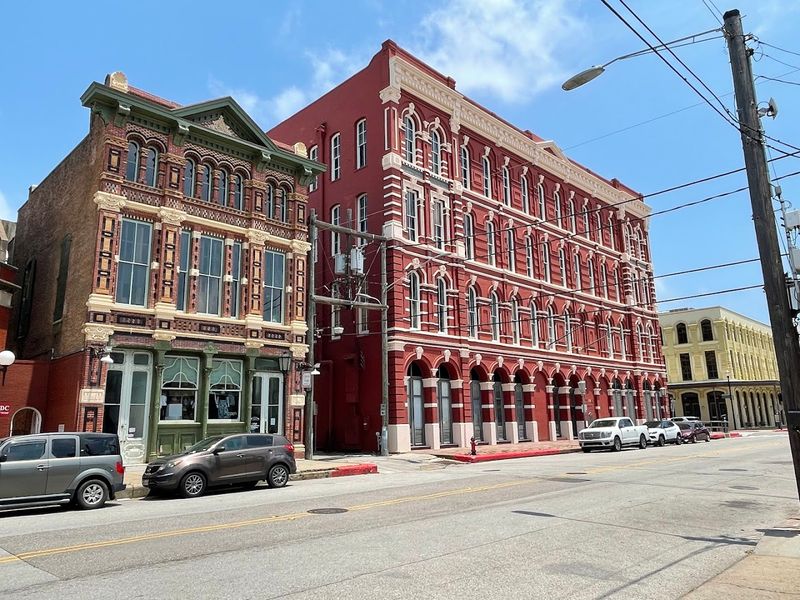
The Strand reads like a ledger etched in brick. Cotton and shipping wealth from the 19th century financed iron columns, tall windows, and warehouses that still dominate the blocks.
Railroad links and a deep harbor made these addresses prime real estate for insurers and exporters.
Preservation campaigns after major storms cataloged every cornice and column, generating reports that guides love to quote. The district’s haunted reputation borrows from company archives and news clippings that track clerks, dockworkers, and shop owners.
It is a paper heavy history, which makes the stories specific.
Walking here teaches how port economies expand and contract. Laws changed, bridges opened, and tourism replaced wholesale trade on certain blocks.
The Strand’s mystique survives because buildings remain intact enough to host museums, galleries, and walking tours that translate freight records into human scale tales.
9. Tombstone, Arizona – Allen Street
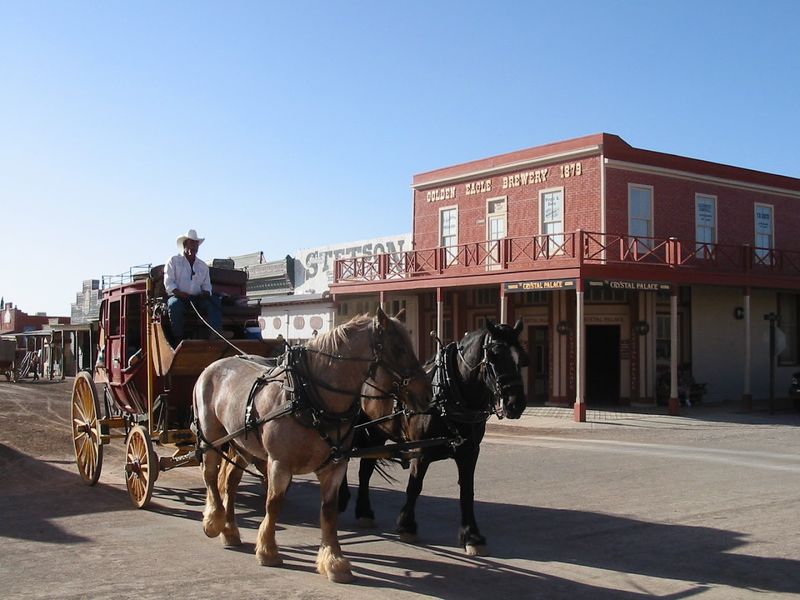
Allen Street is proof that marketing can preserve history when budgets are thin. The silver boom of the late 1870s built this thoroughfare alongside newspapers, telegraph lines, and water works.
After mining slowed, entrepreneurs turned to reenactments and preservation to keep storefronts viable.
Museums here catalog everything from mining company scrip to city council minutes on fire ordinances. Guides connect saloons and hotels to period advertisements that shouted for freight wagons and tailors.
The haunted angle persists because visitors like narrative arcs with named characters and documented addresses.
What matters is how the town standardizes the story without flattening it. Interpretive signs set dates, while restoration grants stabilize porches and ceilings.
By the time you leave, you understand why a frontier grid, a few resilient buildings, and a coordinated brochure can turn a short street into a long running civic project.
10. New York City, New York – Washington Square North
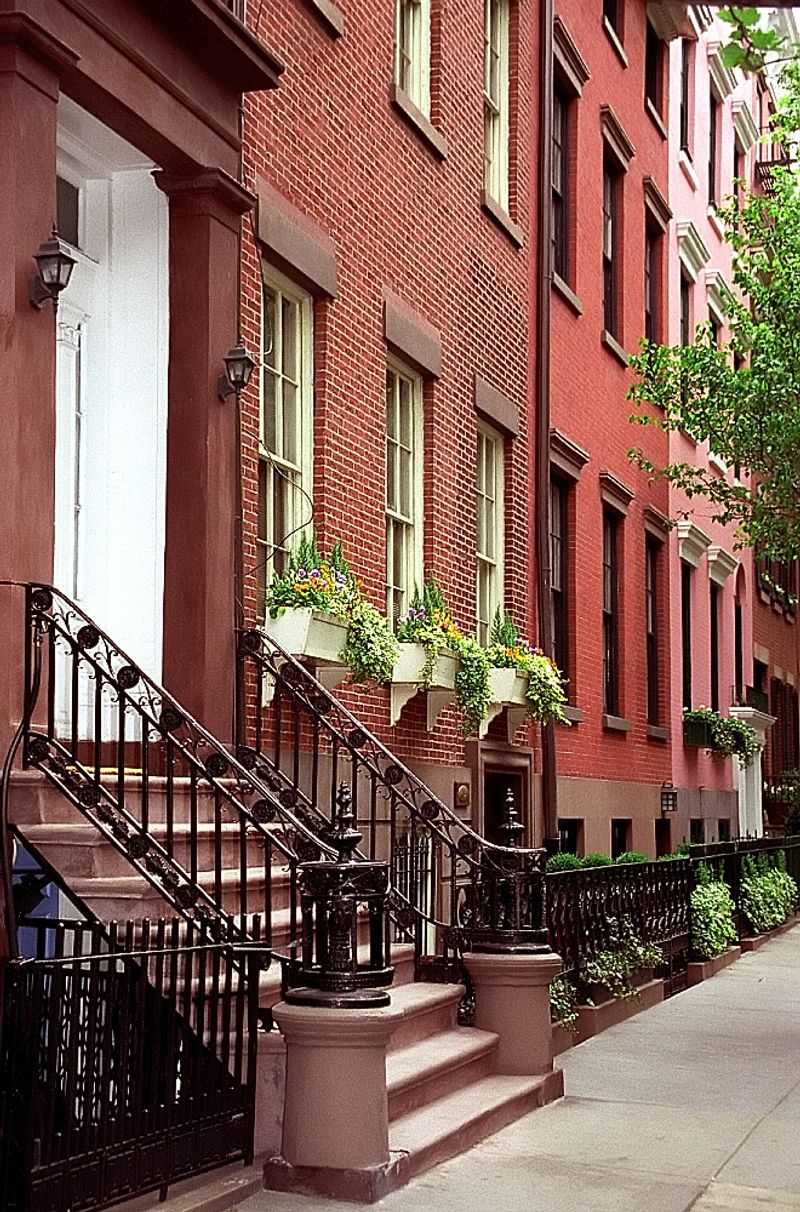
Rowhouse façades along Washington Square North frame a syllabus in brick. Built mostly in the 1830s, these Greek Revival homes housed lawyers, publishers, and later professors as New York University expanded.
Deed records trace conversions from single family residences to apartments during early 20th century housing shifts.
Stories about late night figures owe their persistence to well documented residents and a park that began as a potter’s field before 1826. City planning decisions rerouted traffic and installed the famous arch in 1895, shaping how people circulate and linger.
Historic districts in the 1960s froze much of the streetscape.
Tours here double as urban policy lessons. You hear about landmark laws, Jane Jacobs era activism, and why stoops survive under strict guidelines.
Washington Square North’s aura lives in meeting minutes, maps, and carefully preserved proportions that turn speculation into a footnote to preservation.
11. San Francisco, California – Clay Street
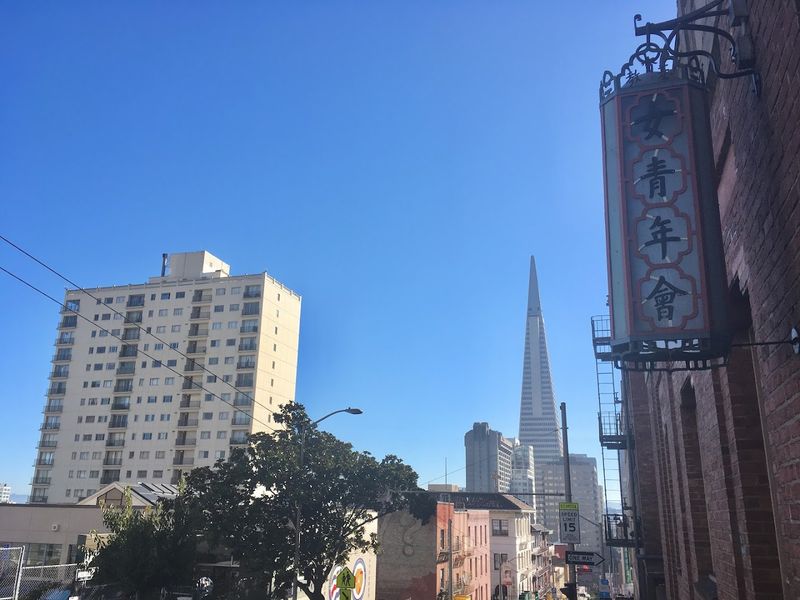
Clay Street cuts across waves of migration and municipal adaptation. After the 1906 earthquake, rebuilding brought brick and concrete structures with fireproofing, while Chinese associations reestablished halls and businesses.
Streetcar lines and hill grades shaped where crowds gathered and how deliveries moved.
Legends here intertwine with bilingual archives, oral histories, and merchant records that survived relocation and redevelopment pressure. Preservation efforts in the 1980s and 1990s mapped culturally significant storefronts and ritual spaces.
That documentation gives tours specificity without leaning on drama.
As you walk, you pick up on policy shifts, from exclusion era restrictions to community planning that protected small shops. Clay Street’s reputation endures because it hosts festivals, food traditions, and a meticulous paper trail that frames personal stories inside larger civic decisions.
12. Annapolis, Maryland – Maryland Avenue
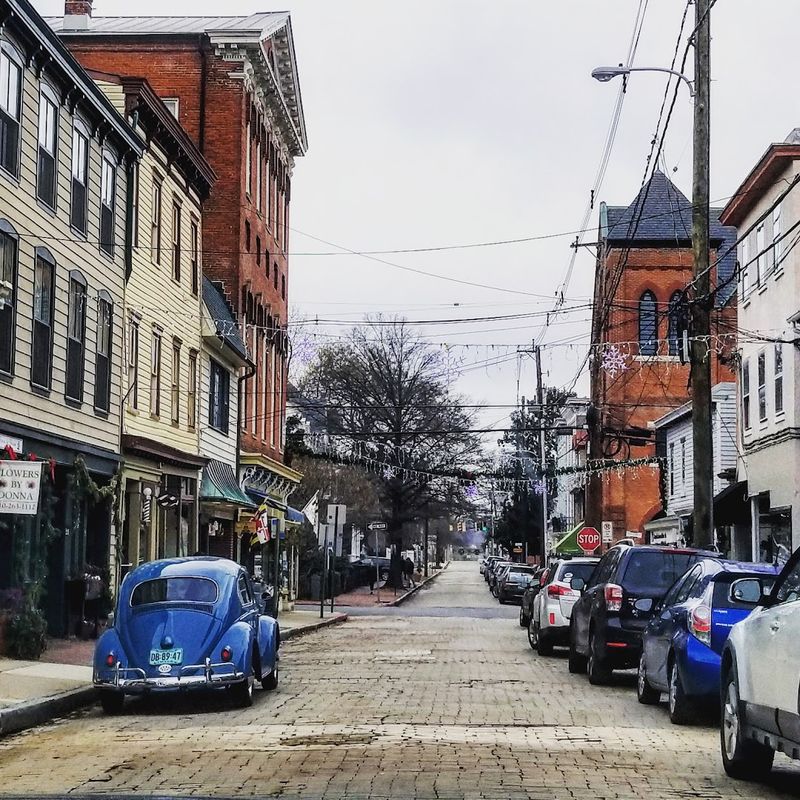
Maryland Avenue proves that government neighborhoods can feel lived in. The avenue connects the State House, completed in 1797, to small scale shops that grew with naval and legislative rhythms.
Brick sidewalks and Federal façades survived thanks to early 20th century pride in the capital’s look.
Guides fold in stories about printers, tailors, and midshipmen who rented upper floors. City records and Naval Academy archives keep the timeline tight, showing when storefronts changed goods after wars or during rationing.
The haunted label sticks mostly because the buildings stayed intact enough for tour scripts to return to the same doors.
You leave with a sense of civic continuity. Zoning boards, paint color guidelines, and heritage tax credits keep windows and cornices consistent.
Maryland Avenue teaches how policy supports memory, and how memory, in return, keeps foot traffic steady on quiet evenings.
13. Sleepy Hollow, New York – Beekman Avenue
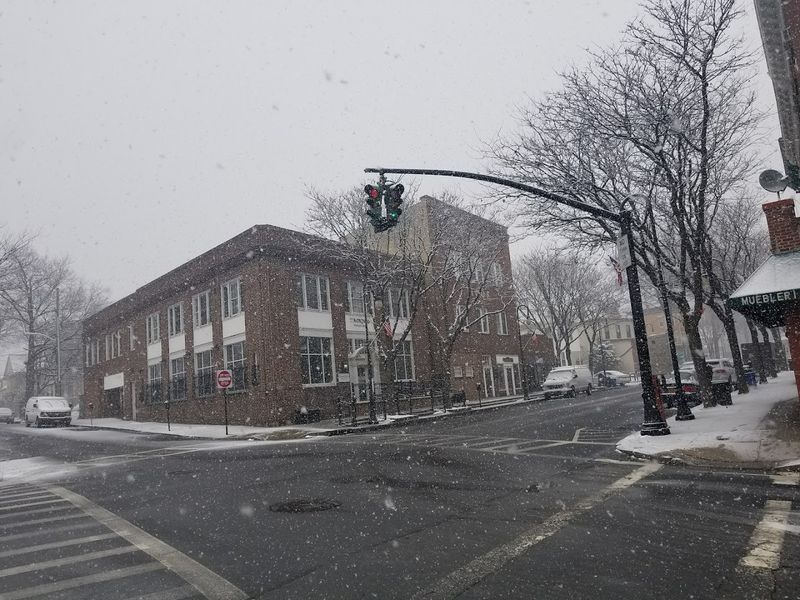
Beekman Avenue carries a literary shadow thanks to Washington Irving’s 1820 tale that placed this valley on every American syllabus. The Old Dutch Church and nearby cemetery predate the Revolution, giving the area documented congregational life long before tourism.
Street names and markers keep the lore anchored to geography.
Local history groups maintain archives of church minutes, mill records, and village maps that track industry along the Pocantico. The 20th century added suburban commuting, which layered new storefronts over older footprints.
Tours translate printed fiction into a walkable circuit informed by verified dates.
The haunted reputation functions as a gateway to early publishing culture, Dutch settlement patterns, and American folklore’s rise in classrooms. Beekman Avenue works because it blends a famous story with civic records, inviting you to separate narration from the neighborhood that inspired it.



