 Unearth The Voyage
Some artists never owned the charts, yet they quietly rewired the DNA of rock. You have probably felt their fingerprints on favorite records without realizing who sparked the ideas. These names bent tones, reimagined rhythm, and cracked open genres for future legends to stride through. Keep reading to meet the unsung architects who changed everything from the shadows.
1. Sister Rosetta Tharpe
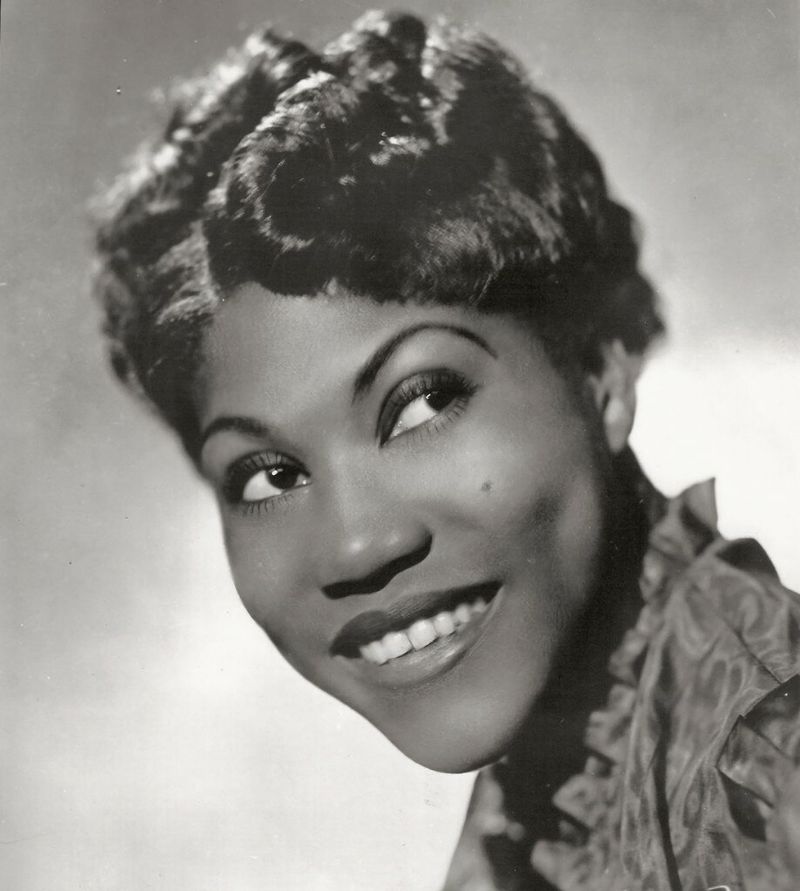
Sister Rosetta Tharpe turned sanctified fire into electric sparks, picking a white guitar with fearless swagger. You can hear her choppy rhythm and stinging leads in the very first rock cuts, even when the credits skipped her name. The gospel stage was her launchpad, but distorted tone and pulsing backbeat were her love letters to the future.
Radio embraced her faith but flinched at her power, and pop charts rarely opened the door. Yet Elvis borrowed her strut, Chuck learned her bite, and Little Richard mirrored her showmanship. If you love crunchy riffs and ecstatic vocals, you already love Rosetta.
Watch her tear through a train platform performance and feel the rails vibrate. She fused church and juke joint with unblushing joy, a blueprint hiding in plain sight. Listen closely and you will hear rock learning to walk, then run.
2. Link Wray
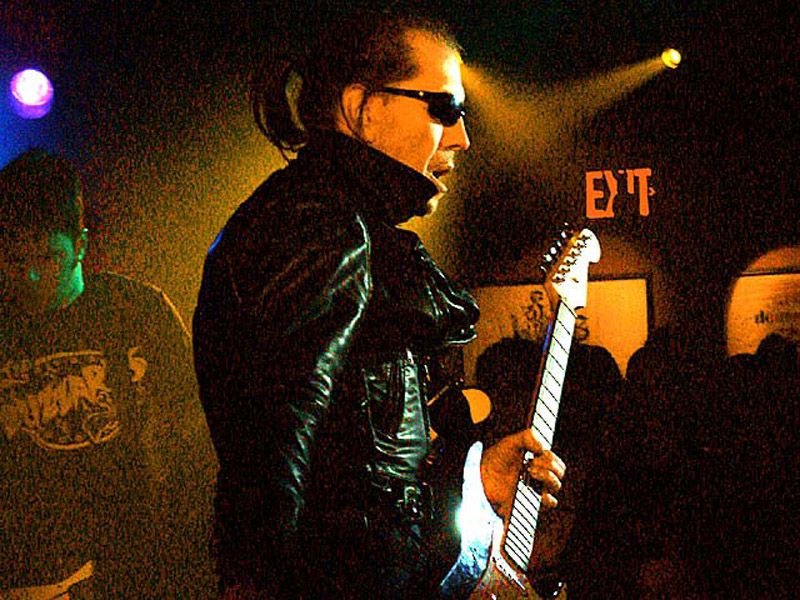
Link Wray punched holes in speakers so your chest would rattle. Rumble is the sound of a switchblade unfolding in slow motion, pure menace rendered as two-fisted power chords. If you crave raw swagger in heavy music, you are already riding his tremors.
Radio banned his instrumental for suggesting trouble, and charts shrugged. Yet every garage and punk guitarist learned his economy, turning attitude into structure. Wray showed that one chord, driven hard, can redraw a skyline.
Close your eyes and picture a dim stage, leather jackets, and a single spotlight. That grit, that insistence, traces back to him, the godfather of distortion. You hear him in surf’s rumble, metal’s heft, and indie’s bite.
3. The Velvet Underground
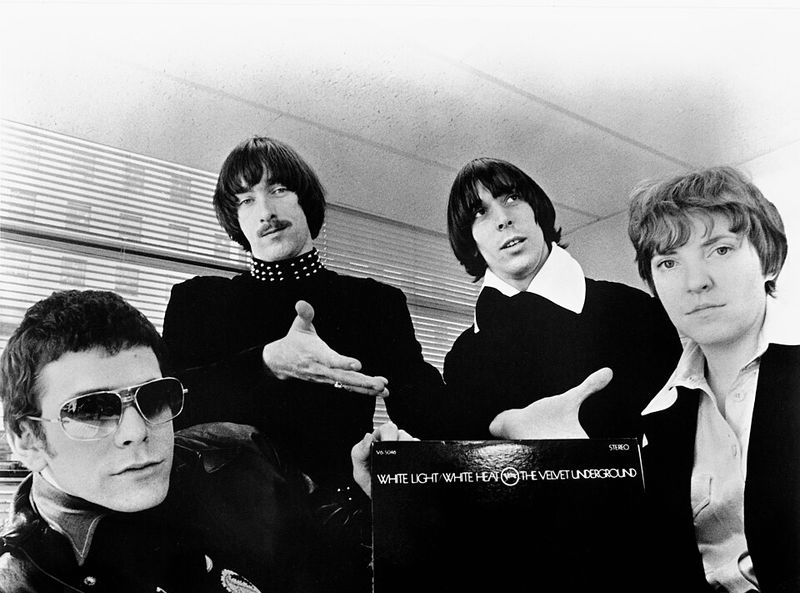
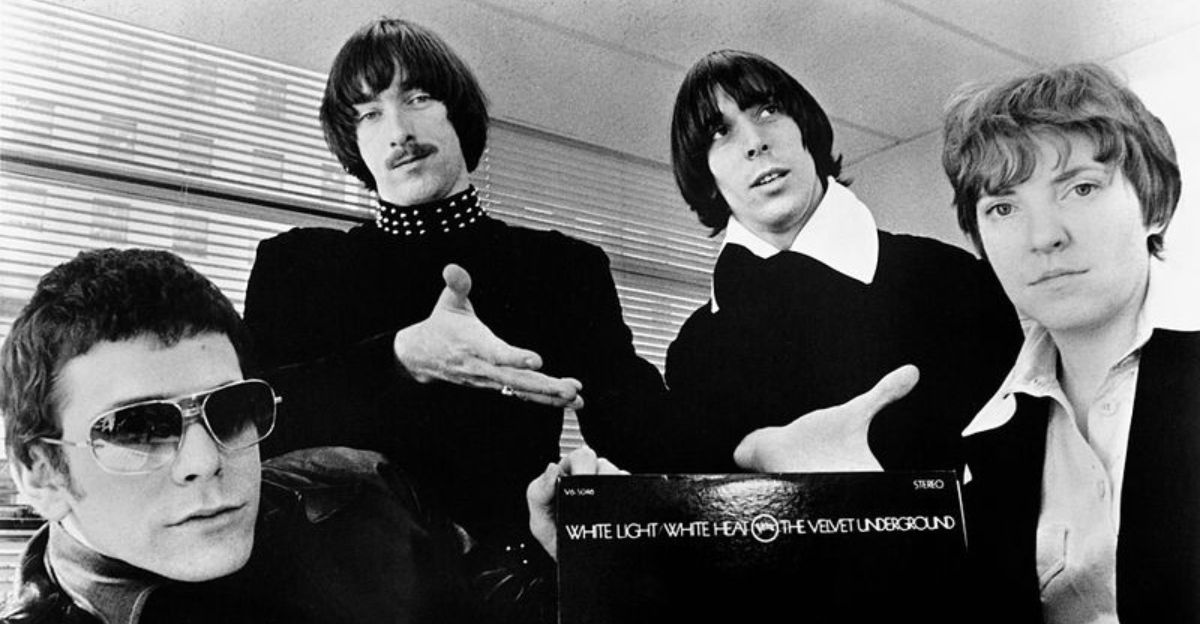
The Velvet Underground made art you could bruise yourself against. They whispered about desire and damage over drones, viola scrapes, and glassy rhythms. You might not have seen their records on charts, but you have felt their blueprint inside countless bands.
Minimalism met street poetry, and everything felt newly possible. Noise stopped being noise and became a second voice arguing with melody. Their songs taught listeners that beauty and abrasion can share a small apartment.
When you love indie’s cool restraint or post-punk’s monochrome nerves, you are hearing their afterglow. Brian Eno joked that not many bought the records, but everyone who did started a band. That math still holds, multiplying in clubs and bedrooms.
4. Captain Beefheart
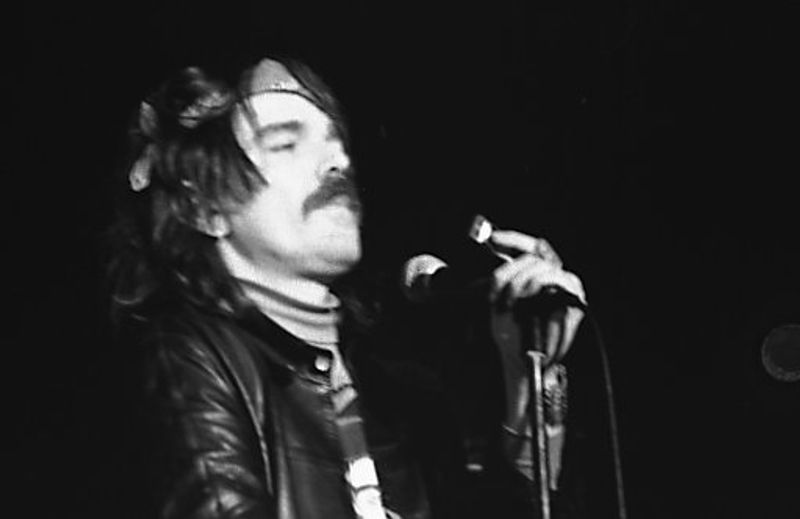
Captain Beefheart took rock apart with a palette knife and reassembled it sideways. Drums staggered like dehydrated animals, guitars snapped at odd angles, and words arrived like desert riddles. You do not hum these songs so much as inhabit them.
Commercial radio stayed cautious, but underground ears tuned in sharply. Punk borrowed the nerve, post-punk borrowed the shapes, and experimentalists borrowed everything. Beefheart proved groove could be cubist without losing heat.
Put on Trout Mask Replica and wait for your inner compass to wobble. Then notice how your sense of rhythm expands, making other records feel tame. He is the doorway to strange, and once you walk through, rooms of possibility keep unfolding.
5. Nick Drake

Nick Drake wrote in quiet colors that do not fade. His fingerpicked chords feel like moonlight on a window, tender and exact. You meet the melodies alone, and they stay with you like secrets.
The charts barely noticed him, but songwriters took notes for decades. Folk-rock learned to be intimate without shrinking, stronger for its softness. You hear his legacy whenever a whisper becomes the loudest thing in the room.
Play Pink Moon late and watch time slow a fraction. The space between notes starts meaning as much as the notes themselves. His influence is gentle yet decisive, guiding hands toward precision and grace.
6. Big Star
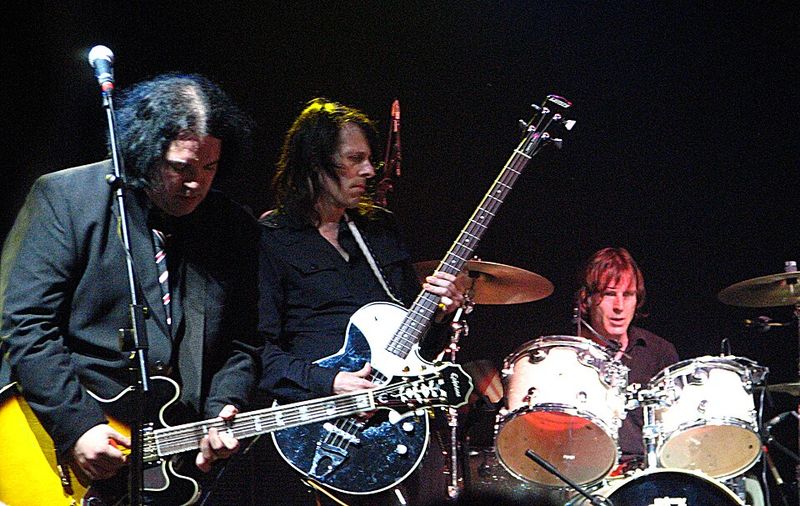
Big Star wrote the songs that college radio built shrines around. Crisp guitars, aching harmonies, and letters to nights that never quite end. You may not spot them on charts, but you feel their fingerprints on power-pop’s heartbeat.
Distribution failures clipped their wings while the tunes kept soaring. Alternative bands later gathered the pieces and built entire careers from the blueprint. Big Star made longing sound aerodynamic, like a fast car at midnight.
Spin September Gurls and notice how every chorus feels inevitable. The drums nod forward, the guitars shimmer, and your chest tightens kindly. That sensation kept echoing through the 80s and 90s until it felt like home.
7. The Sonics

The Sonics recorded like the room was on fire and no one wanted to leave. Saxes barked, cymbals exploded, and vocals shredded the ceiling tiles. You can practically smell gasoline on those tapes.
Radio preferred smoother polish, and the charts looked away. But their chaos taught future punks how to shout in tune with danger. Garage rock learned its snarl from them, one cracked mic at a time.
Play Strychnine and try not to grin through the distortion. That primitive stomp is freedom disguised as racket. If your band needs courage, trace your steps back to these Northwest instigators.
8. Skip James
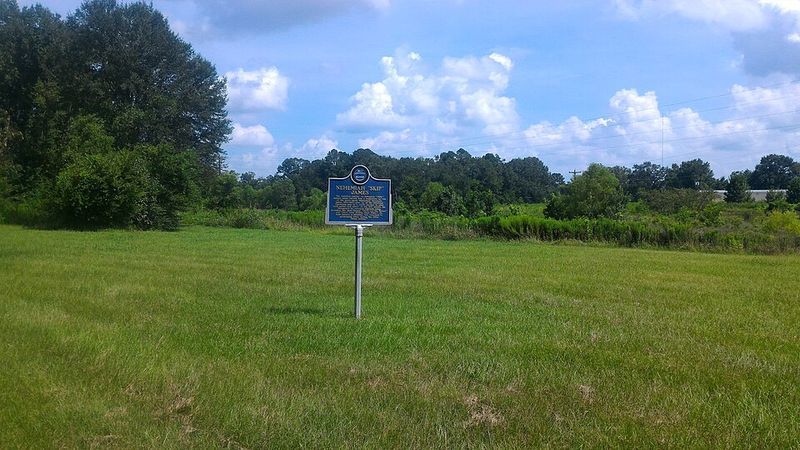
Skip James sang like a candle’s last inch, blue and strangely bright. His minor-key guitar patterns twist like river water around stones. You feel the songs before you fully understand them.
Sales were slim in his time, yet British blues-rock learned his vocabulary. Cream and Clapton borrowed shadows from his phrasing, then amplified them for arenas. That falsetto floats above the fretwork like a lantern in fog.
Listen to Devil Got My Woman and notice the air tighten. The performance is small, but the room inside it feels vast. If modern rock ever sounds haunted, you are hearing a trace of Skip.
9. The Modern Lovers (original lineup)

The Modern Lovers turned nervous energy into highway lines you can follow. Minimal chords, relentless organ, and lyrics that stare straight ahead without blinking. You hear the bridge from garage to punk forming in every take.
Labels shelved and shuffled their recordings, so charts never caught the spark. Yet bands from Talking Heads to new wave’s corners borrowed the stance. Honesty became rhythm, and awkwardness turned magnetic.
Roadrunner feels like a neon sign flashing in your head. You are invited to love the ordinary and drive it loud. That invitation keeps echoing in indie rock’s permanent adolescence.
10. The Stooges
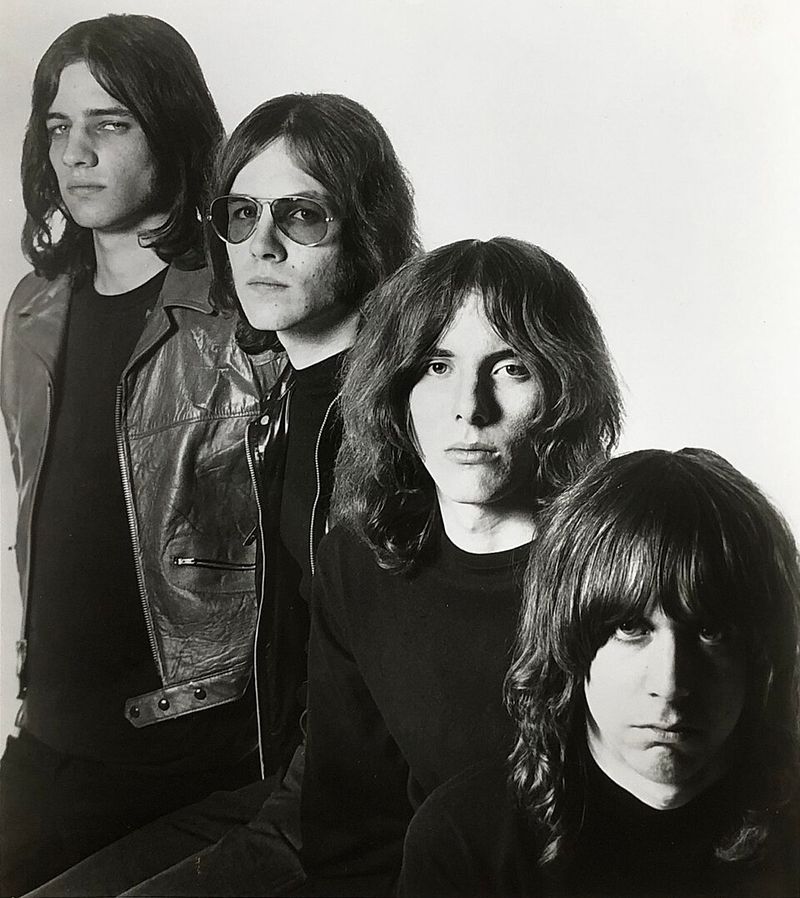
The Stooges reduced rock to muscle, nerve, and one stubborn heartbeat. Riffs crawled like industrial belts, and Iggy turned performance into a dare. You cannot chart a bruise, but you can build a scene around it.
Sales were bleak, yet the template for punk, grunge, and hard rock arrived intact. Minimal chords, maximal intent, and feedback as punctuation. Bands learned that danger is a perfectly valid hook.
Spin I Wanna Be Your Dog and feel the floor tilt toward chaos. The drum thud is gravity itself, asking nothing but surrender. Once you accept, ordinary rock suddenly sounds overdressed.
11. Silver Apples

Silver Apples wired rock into a humming grid before most imagined the socket. Oscillators burbled where guitars usually chime, and rhythms looped like subway routes. You might not whistle these tunes, but you will remember the feeling of forward tilt.
Audiences blinked, sales faltered, and the charts kept their distance. Decades later, electronic rock traced lines back to this laboratory. The duo proved you can dance while stargazing, equally.
Play Oscillations and notice the hypnotic pulse take over. The textures feel handmade yet strangely futuristic, like a radio from tomorrow. If you love Krautrock grooves or synth punk jitters, you owe them thanks.
12. MC5
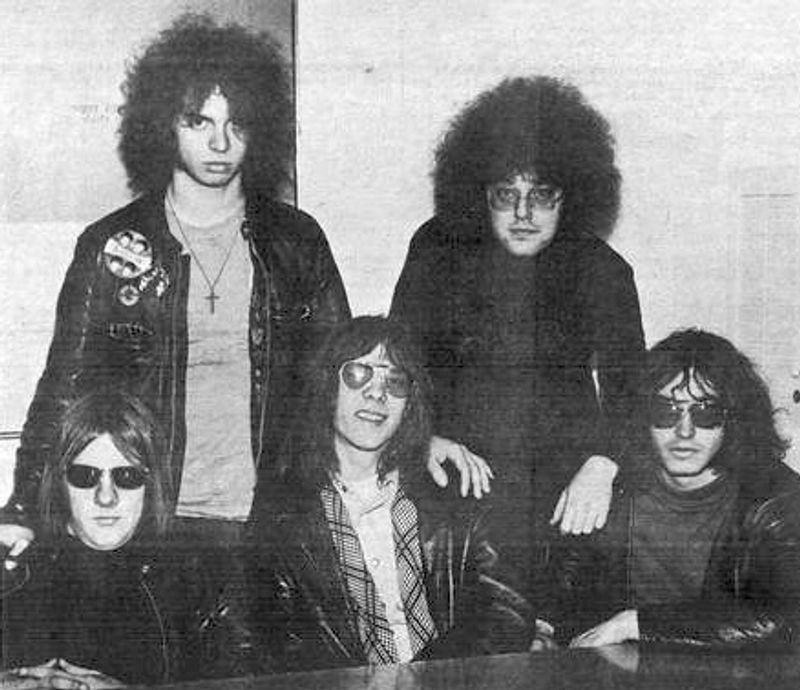
MC5 treated the stage like a launchpad and the song like a rally. Guitars screamed slogans while drums demanded a faster tomorrow. You stand in the crowd and feel your pulse vote yes.
Labels balked, radio hesitated, and the charts lagged behind. But punk took their voltage and hard rock took their clenched-jaw swing. The message and the volume fused until separation felt silly.
Kick Out the Jams still rattles walls and polite conversation. It is not subtle, and that is the point. When you need courage at full volume, this is the breaker switch.
13. The Seeds

The Seeds wrote mantras you could chant with a cheap mic and a stubborn heart. Fuzz guitars snarled while organ lines swam in luminous circles. You can feel garage and psychedelia shaking hands in every groove.
Hit singles were brief and limited, and wider charts did not stick. Yet countless bands copied the raw insistence and slightly feral charm. The lesson was clear: attitude plus repetition equals transcendence.
Pushin Too Hard still sounds like a bedroom door slamming in rhythm. Simplicity becomes a spell, and you are inside it before you notice. From basement shows to festival sets, their echo keeps returning.



