History can pivot on a jammed weapon, a shifted briefcase, or a driver reacting one second faster than expected. These near misses did more than spare famous lives – they redirected wars, elections, revolutions, and entire political movements.
When you look closely, each attempt feels like a doorway to an alternate world that almost opened. Here are 13 assassination attempts that came close enough to make history hold its breath.
1. The Failed Bomb Plot Against Adolf Hitler (1944)
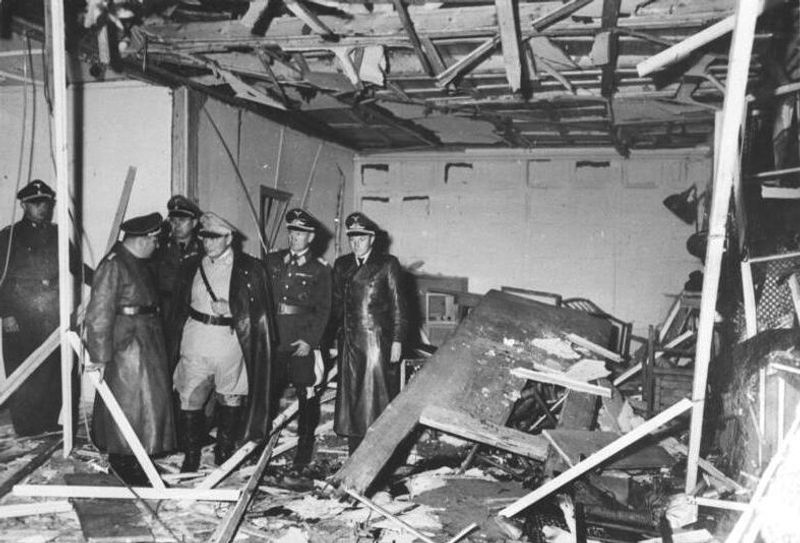
On July 20, 1944, Colonel Claus von Stauffenberg carried a briefcase bomb into Hitler’s Wolf’s Lair headquarters in East Prussia. The plan, tied to Operation Valkyrie, was not just an assassination attempt but a proposed military coup.
If it had worked, Germany’s war leadership might have fractured months before the Allies reached Berlin.
The bomb exploded during a meeting, killing four people and injuring many others. Hitler survived with relatively minor wounds because the briefcase had been moved behind a heavy oak table leg.
That tiny shift of furniture became one of the most chilling accidents in modern history.
The failure unleashed savage reprisals against the German resistance. Thousands were arrested, and many conspirators were executed after show trials.
When you imagine a successful plot, you are left wondering whether World War II, the Holocaust’s final months, and postwar Europe might have unfolded differently.
2. The Attempt on Ronald Reagan (1981)
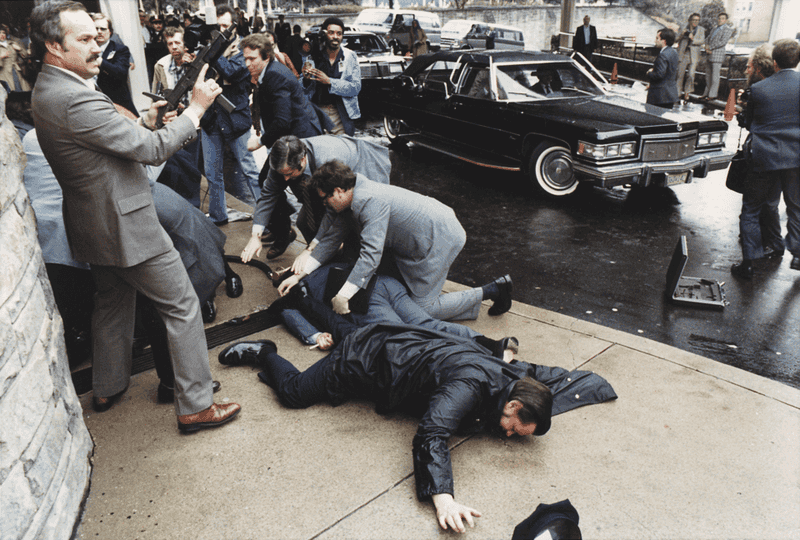
On March 30, 1981, Ronald Reagan walked out of the Washington Hilton after giving a speech and suddenly faced gunfire. John Hinckley Jr. fired six shots in seconds, wounding Reagan, James Brady, Timothy McCarthy, and Thomas Delahanty.
The president did not even realize he had been hit until he began struggling to breathe.
A bullet had ricocheted off the limousine and entered beneath Reagan’s left arm, breaking a rib and puncturing a lung. Secret Service agent Jerry Parr shoved him into the car, a decision that likely saved his life.
Emergency surgery at George Washington University Hospital turned a public nightmare into a remarkable recovery story.
Reagan’s survival reshaped the image of his presidency. His humor from the hospital and rapid return to work strengthened his political standing.
If he had died only weeks into office, the early 1980s, the Cold War, and American conservatism might have taken a dramatically different path.
3. The Plot Against Abraham Lincoln Before His Presidency (1861)
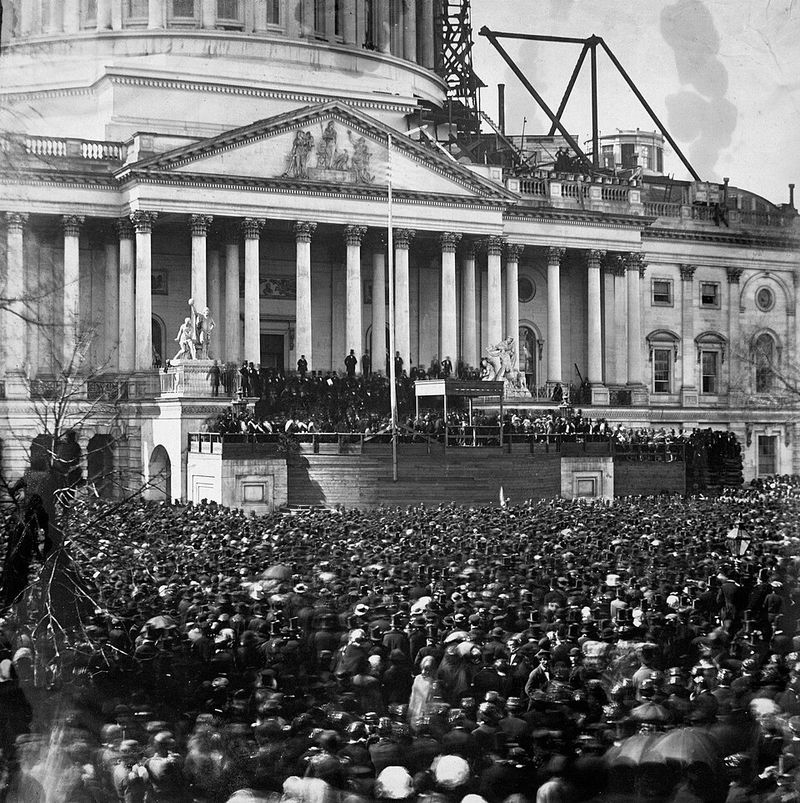
Before Abraham Lincoln even took the oath of office, his life was already in danger. In February 1861, as the president-elect traveled toward Washington, detectives uncovered warnings of a plot in Baltimore.
The city was deeply divided, and Lincoln’s passage through it became a moment loaded with national anxiety.
Allan Pinkerton and others believed conspirators planned to attack Lincoln as he changed trains. Instead of following the published schedule, Lincoln slipped through Baltimore secretly at night, wearing a soft felt hat and moving under tight protection.
Critics mocked the secrecy, but the decision may have preserved the Union’s incoming leadership.
It is hard not to pause over the timing. Had Lincoln been killed before inauguration, the United States would have entered secession and civil war without the leader who later framed the conflict around Union and emancipation.
One hidden train ride helped keep American history on its recognizable track.
4. The Attempt on Pope John Paul II (1981)
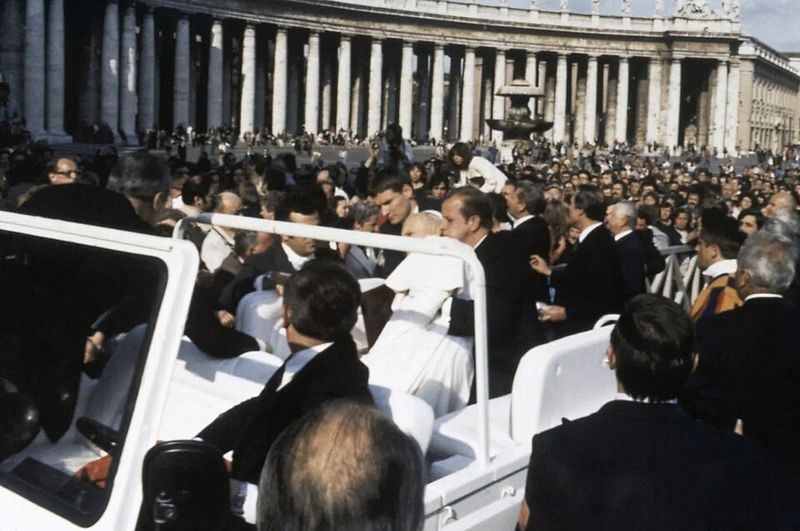
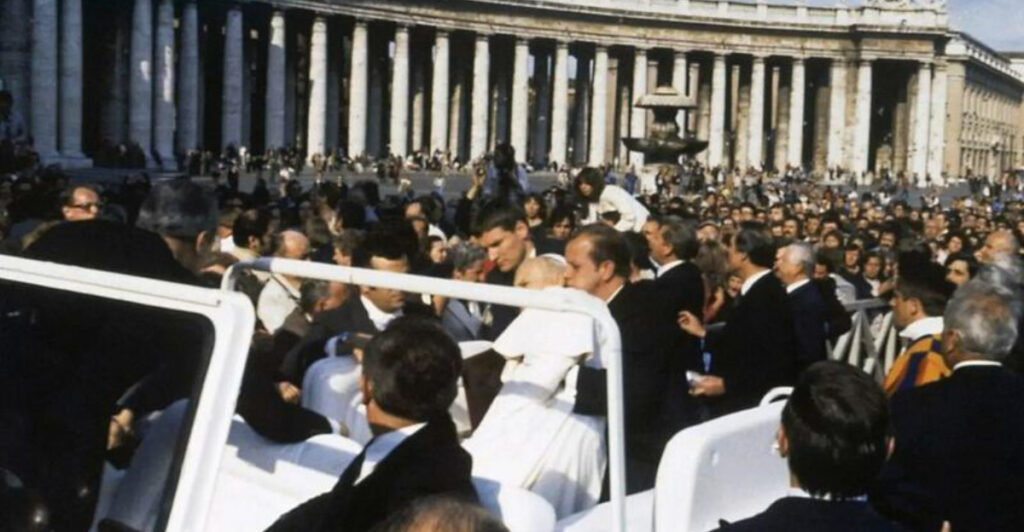
On May 13, 1981, Pope John Paul II entered St. Peter’s Square in an open vehicle, greeting a massive crowd. Mehmet Ali Ağca, a Turkish gunman, fired several shots with a 9mm pistol.
In an instant, one of the most visible spiritual leaders in the world collapsed before thousands of stunned witnesses.
The pope was struck in the abdomen, hand, and arm, suffering severe blood loss and life-threatening internal injuries. Some accounts note that he had bent toward a child shortly before the shots, possibly changing the bullet’s path.
Surgeons saved him after a long operation, though his recovery was difficult.
The attack echoed far beyond Vatican City. During the Cold War, John Paul II’s influence in Eastern Europe made his survival politically significant as well as religiously meaningful.
His later prison visit to forgive Ağca became one of the defining images of his papacy, turning near tragedy into moral theater.
5. The Failed Assassination of Charles de Gaulle (1962)
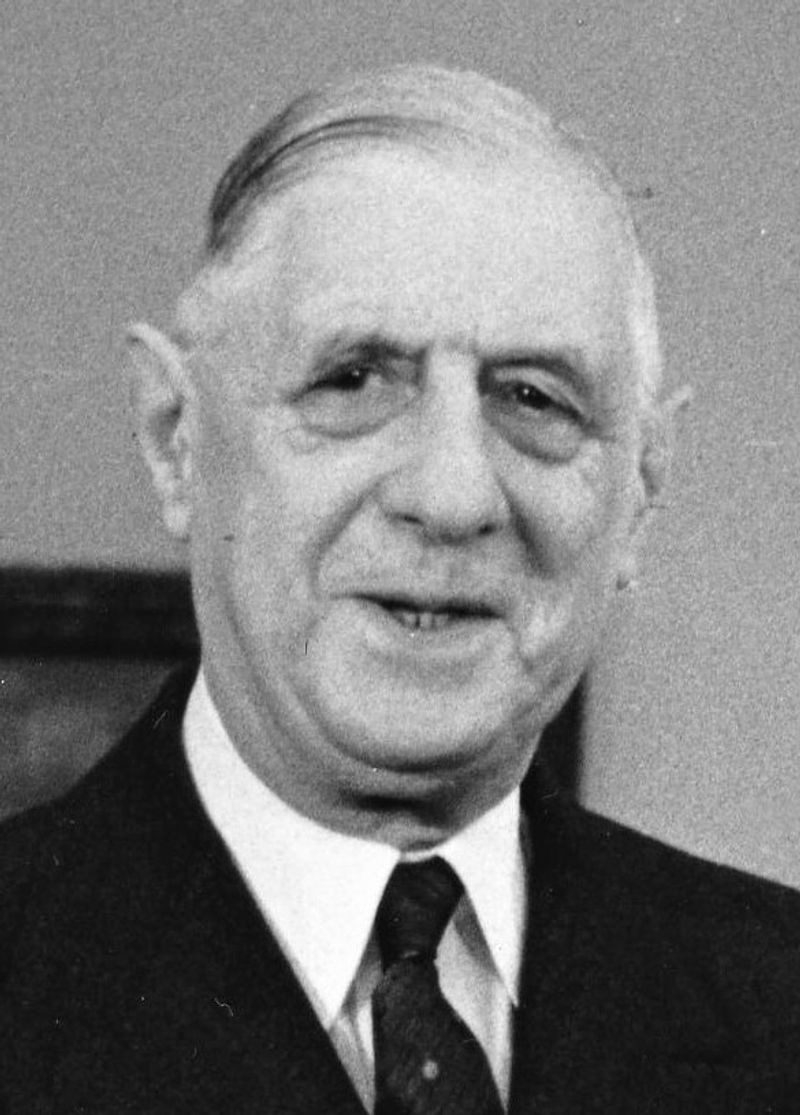
Charles de Gaulle survived so many plots that his life almost reads like a political thriller. The most famous came on August 22, 1962, at Petit-Clamart near Paris.
A team linked to the OAS, furious over Algerian independence, ambushed his black Citroën DS as he traveled with his wife.
The attackers fired an astonishing barrage, with bullets ripping into the car and passing dangerously close to de Gaulle’s head. His driver accelerated through the trap, keeping control even as tires and bodywork were hit.
Neither de Gaulle nor Yvonne was injured, a result so unlikely it still feels cinematic.
De Gaulle’s survival mattered because France was redefining itself after empire. He continued shaping the Fifth Republic, defending French independence in global affairs, and steering post-colonial policy.
If the ambush had succeeded, France’s political stability after the Algerian War could have been thrown into a much deeper crisis.
6. The Attempt on Theodore Roosevelt (1912)
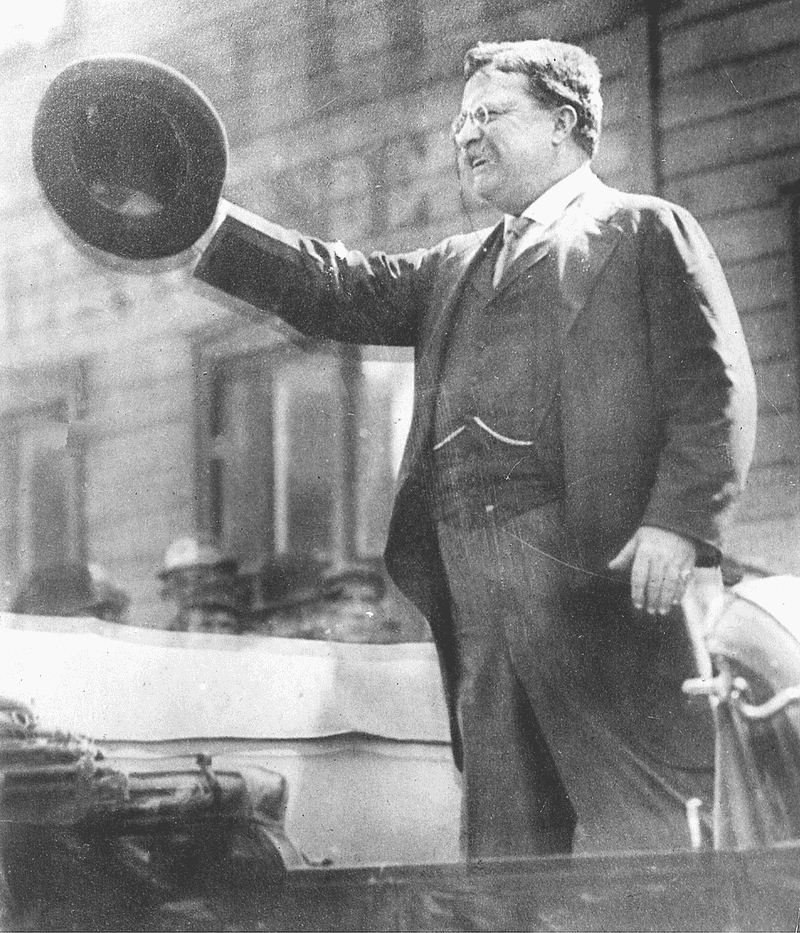
On October 14, 1912, Theodore Roosevelt was campaigning in Milwaukee when John Schrank shot him at close range. The bullet hit Roosevelt in the chest, but first passed through a steel eyeglass case and a thick folded speech.
Those ordinary pocket items slowed the shot enough to save his life.
Most people would have gone straight to the hospital. Roosevelt inspected the wound, noticed he was not coughing blood, and decided to speak anyway.
He told the crowd it took more than that to kill a Bull Moose, then delivered a long campaign address while bleeding.
Doctors later left the bullet lodged in his chest muscle, judging removal too risky. Roosevelt lost the election, but his toughness became political legend.
If he had died that night, the 1912 race, the Progressive movement, and the public memory of one of America’s most forceful presidents would look very different.
7. The Attempt on Queen Victoria (1840)
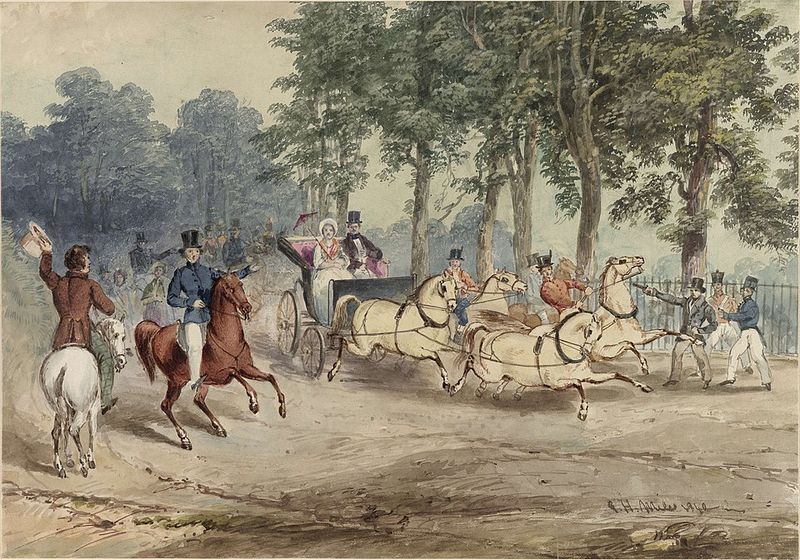
On June 10, 1840, Queen Victoria rode with Prince Albert in an open carriage near Buckingham Palace. She was newly married, five months pregnant, and still early in a reign that would define an era.
Suddenly, 18-year-old Edward Oxford fired two pistols at the royal couple from close range.
The shots missed, and both Victoria and Albert remained unharmed. Oxford later claimed the pistols contained only powder, though the public reaction was immediate and intense.
Instead of weakening the monarchy, the attack produced sympathy and helped strengthen Victoria’s bond with her subjects.
Oxford was found not guilty by reason of insanity and confined for years before eventually being sent to Australia. Victoria would face more attempts later, but this first one set the pattern of her public resilience.
Had she died in 1840, Britain’s monarchy, succession, and Victorian identity would have been transformed before they fully began.
8. The Attempt on Vladimir Lenin (1918)
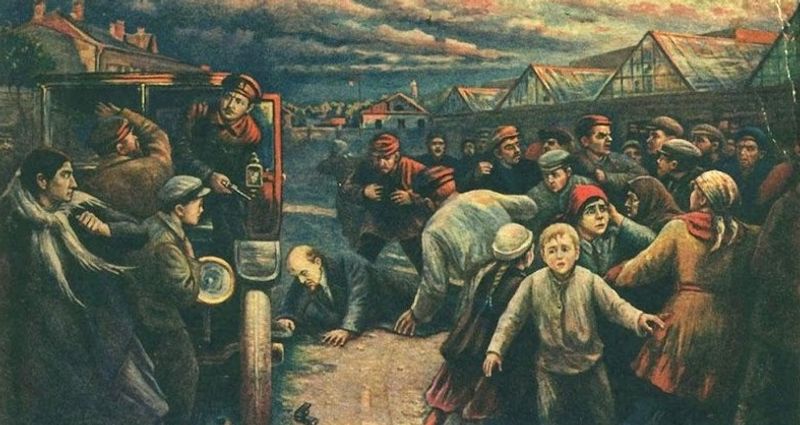
On August 30, 1918, Vladimir Lenin was shot after speaking at the Hammer and Sickle factory in Moscow. The attack is most often associated with Fanny Kaplan, a Socialist Revolutionary who opposed Bolshevik rule.
Lenin was seriously wounded, and for a moment the young Soviet state faced the possibility of losing its central figure.
He survived, but the political consequences were severe. The attack helped justify the Red Terror, a wave of arrests, executions, and repression directed at perceived enemies of the revolution.
Instead of softening the regime, the near assassination hardened it.
Lenin’s recovery allowed him to continue shaping Bolshevik power during the fragile years after the Russian Revolution. His survival influenced the formation of Soviet institutions and the climate that later enabled even harsher control.
If he had died in 1918, the struggle among revolutionary factions might have exploded much earlier and changed the Soviet future.
9. The Attempt on Harry S. Truman (1950)
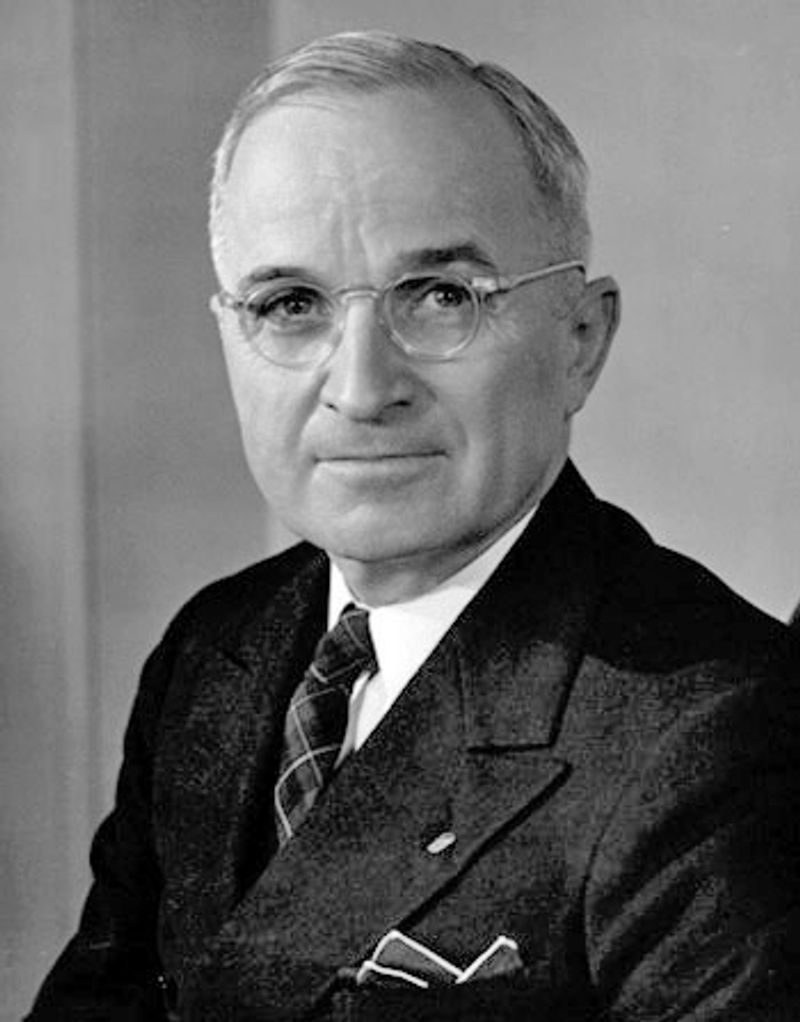
On November 1, 1950, Harry S. Truman was staying at Blair House while the White House underwent renovations.
Two Puerto Rican nationalists, Oscar Collazo and Griselio Torresola, approached with guns and tried to force their way inside. Their goal was to draw attention to Puerto Rican independence, but the result was a deadly shootout.
Officer Leslie Coffelt was mortally wounded, yet he managed to return fire and kill Torresola. Other guards were injured, and Collazo was captured after being shot.
Truman, who had been upstairs, even appeared near a window before agents pulled him away from danger.
The president escaped unharmed, but the attack exposed how vulnerable even heavily guarded leaders could be. Truman later commuted Collazo’s death sentence, and presidential security procedures tightened.
If the attackers had reached Truman, the Korean War presidency and postwar American leadership might have entered crisis at a highly unstable moment.
10. The Attempt on Malala Yousafzai (2012)
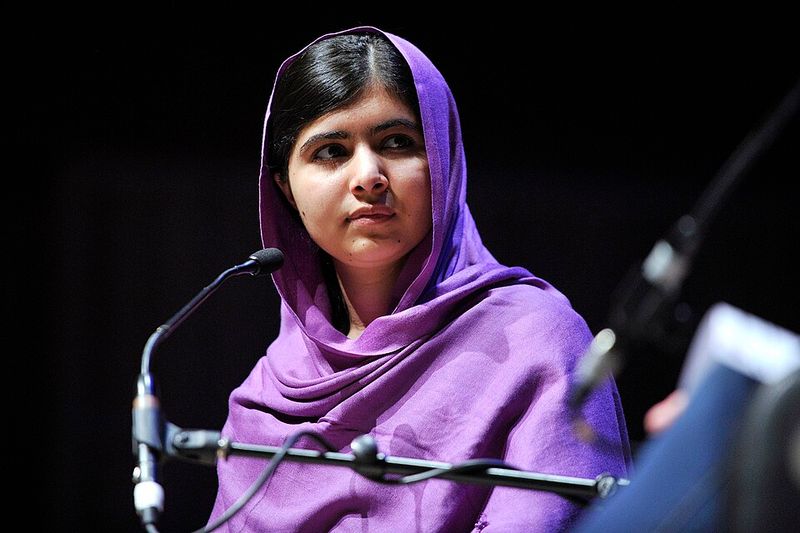
On October 9, 2012, Malala Yousafzai was riding home from school in Pakistan’s Swat Valley when a gunman boarded her bus. She was 15 and already known for speaking publicly about girls’ education under Taliban threats.
The attacker asked for her by name, then shot her.
The bullet passed near her left eye, through her neck, and into her shoulder, leaving her critically injured. Two other girls were wounded as well.
Malala was treated in Pakistan before being transferred to Birmingham, where doctors helped her begin a long recovery.
The attack was meant to silence her, but it amplified her voice across the world. Malala became a global advocate for education and, in 2014, the youngest Nobel Peace Prize laureate.
If she had died, the world might still have mourned her, but it would have lost one of the clearest living symbols of courage and learning.
11. The Attempt on Margaret Thatcher (1984)
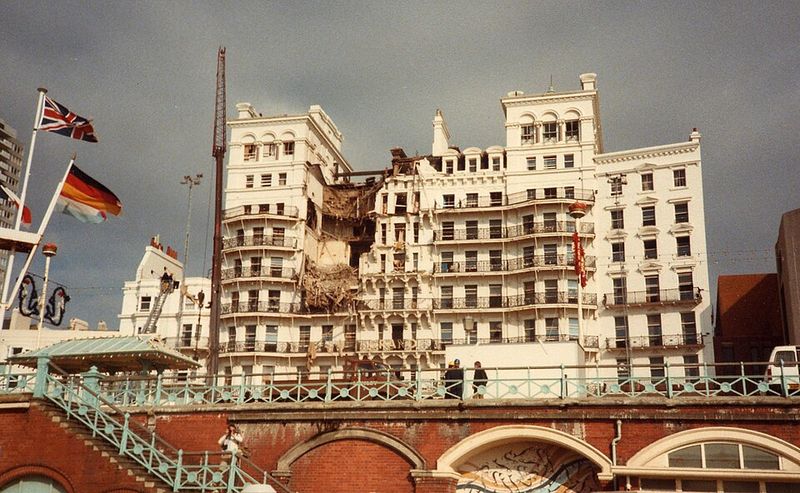
In the early hours of October 12, 1984, a bomb exploded inside the Grand Hotel in Brighton during the Conservative Party conference. The IRA had planted the device weeks earlier, hidden beneath a bath in room 629.
Prime Minister Margaret Thatcher was in the building, working on her speech, when the blast tore through the hotel.
Five people were killed, including Conservative MP Sir Anthony Berry, and dozens were injured. Thatcher narrowly escaped harm, partly because she was not in the bathroom moments before the explosion.
The image of her emerging defiant from the wreckage became a defining moment of her leadership.
Rather than cancel the conference, Thatcher insisted it continue. That decision sent a political message about resolve during a violent phase of the Troubles.
Had she been killed, British politics, Northern Ireland policy, and the trajectory of the 1980s Conservative government would have shifted instantly.
12. The Attempt on Franklin D. Roosevelt (1933)
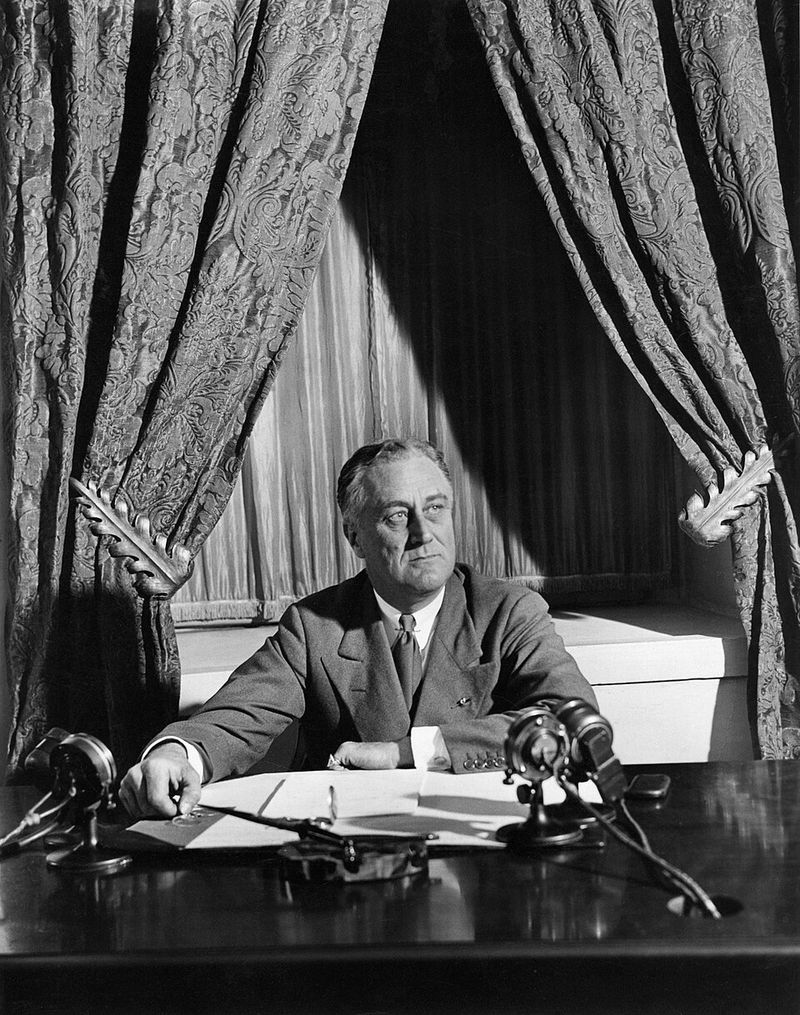
On February 15, 1933, president-elect Franklin D. Roosevelt spoke from an open car in Miami’s Bayfront Park.
The country was deep in economic crisis, and Roosevelt had not yet begun the New Deal. Suddenly, Giuseppe Zangara fired into the crowd, aiming for the man about to lead the United States.
Roosevelt was not hit, reportedly because people around Zangara disrupted his aim. Chicago Mayor Anton Cermak was struck and later died, along with other victims wounded in the attack.
Roosevelt’s calm response, including his concern for Cermak, added to his image of composure under pressure.
The near miss came at a staggering moment. Had Roosevelt died before taking office, the response to the Great Depression could have followed a completely different course under different leadership.
Social Security, banking reform, wartime preparation, and the emotional bond between FDR and Americans might never have developed in the same way.
13. The Attempt on Otto von Bismarck (1866)
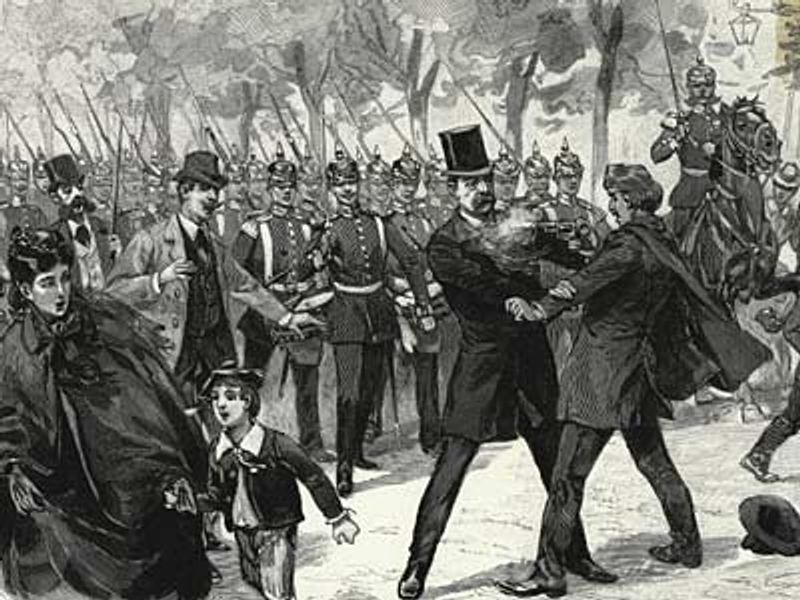
In 1866, Otto von Bismarck was already one of Europe’s most consequential political operators. Prussia had just defeated Austria, and Bismarck was steering events toward a new German order.
That same year, a political opponent named Ferdinand Cohen-Blind tried to kill him in Berlin.
Cohen-Blind fired multiple shots at close range, but Bismarck survived with astonishing luck and physical resilience. Accounts describe Bismarck grappling with his attacker before help arrived.
The failed shooting became another episode in the hard, dangerous politics surrounding German unification.
Bismarck’s survival mattered because his strategic mind still had years of work ahead. He would help create the North German Confederation, defeat France in 1870, and oversee the proclamation of the German Empire in 1871.
If he had died in 1866, Prussia’s path to unity might have slowed, fractured, or produced a very different balance of power in Europe.
Share this story