 Unearth The Voyage
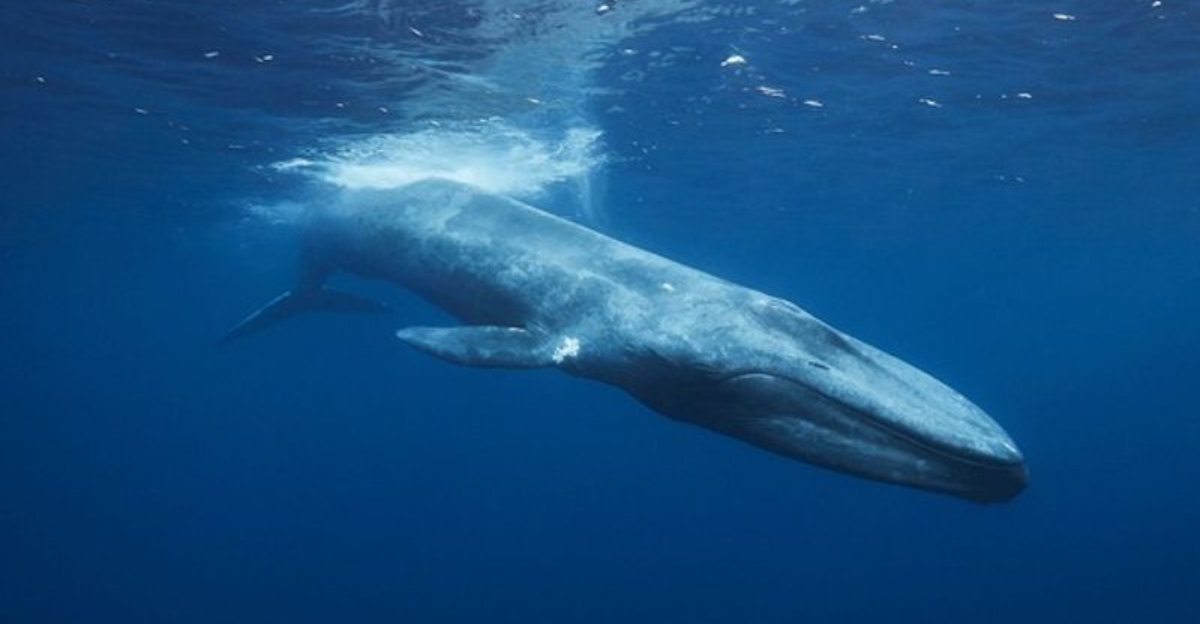
Few things in life stop you dead in your tracks like a 40-ton whale breaching right in front of your boat. Whale watching is one of those rare experiences that reminds you just how wild and wonderful our planet really is.
From the icy fjords of Norway to the warm lagoons of Mexico, the world is full of spots where these ocean giants put on a show. Whether you are a first-timer or a seasoned ocean enthusiast, this list has a destination with your name on it.
Monterey Bay, California (USA)
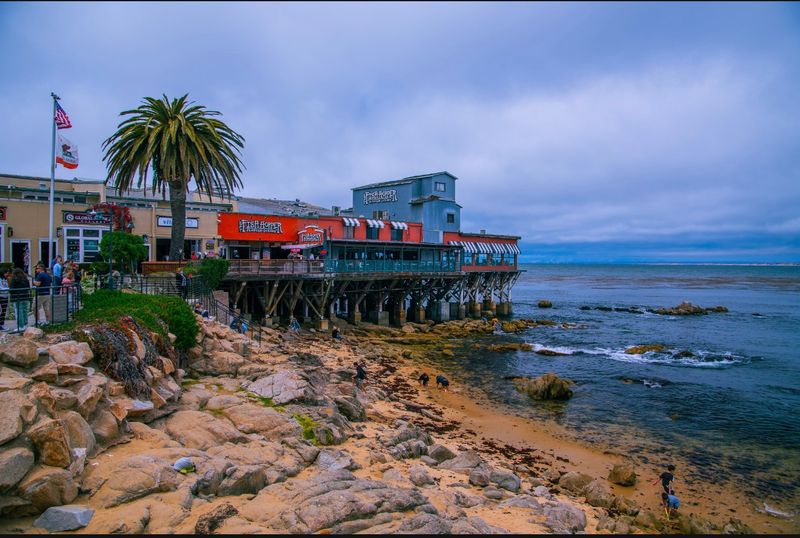
Monterey Bay has a secret weapon hiding beneath the surface: a massive underwater canyon that funnels cold, nutrient-rich water straight to shore. That upwelling feeds krill and fish, which in turn draws whales in like an all-you-can-eat buffet.
I once spotted three humpbacks here before I had even finished my morning coffee. Hard to beat that kind of morning commute.
Because the food supply stays consistent, whale watching here runs year-round. Blue whales visit in summer, gray whales pass through in winter, and humpbacks seem to show up whenever they feel like it.
Multiple species means your chances of seeing something spectacular are always high, regardless of when you book.
Tours depart from Fisherman’s Wharf and typically last three to four hours. Bring layers because the bay gets breezy.
Monterey is also home to a world-class aquarium, so you can make a full whale-themed day out of it without any complaints.
Baja California Sur, Mexico
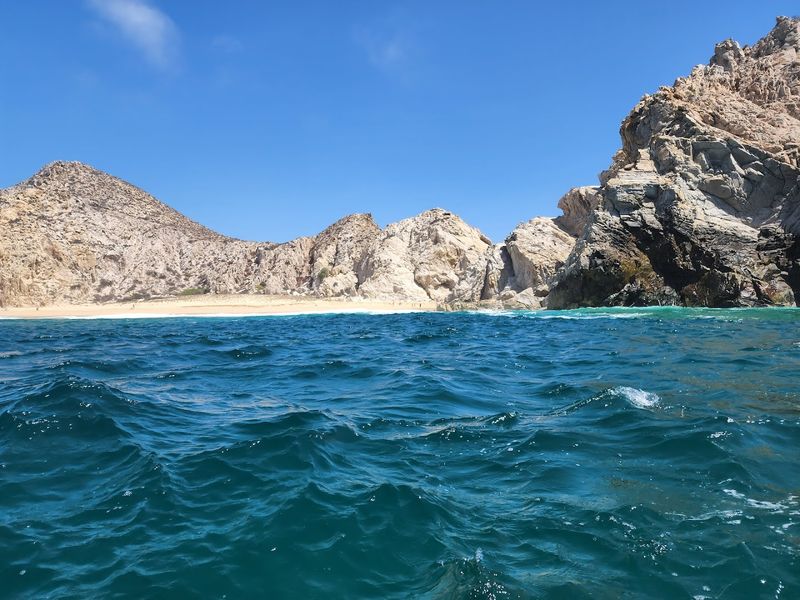
Every winter, gray whales make one of the longest migrations on Earth, traveling from Alaska all the way down to the warm lagoons of Baja California Sur. San Ignacio and Ojo de Liebre lagoons are their go-to nurseries, and the whales seem surprisingly unbothered by curious visitors in small boats.
What makes Baja genuinely jaw-dropping is the “friendly whale” phenomenon. Mother gray whales sometimes nudge their calves right up to the side of your panga boat, as if they are showing the babies off.
Locals have been witnessing this behavior for decades, and scientists still find it fascinating.
Tours run from January through April, when the whales are most active in the lagoons. Smaller group sizes keep things intimate and respectful.
This is one of those bucket-list moments that feels almost too good to be real, yet somehow it keeps delivering for everyone who makes the trip down.
Hervey Bay, Queensland, Australia
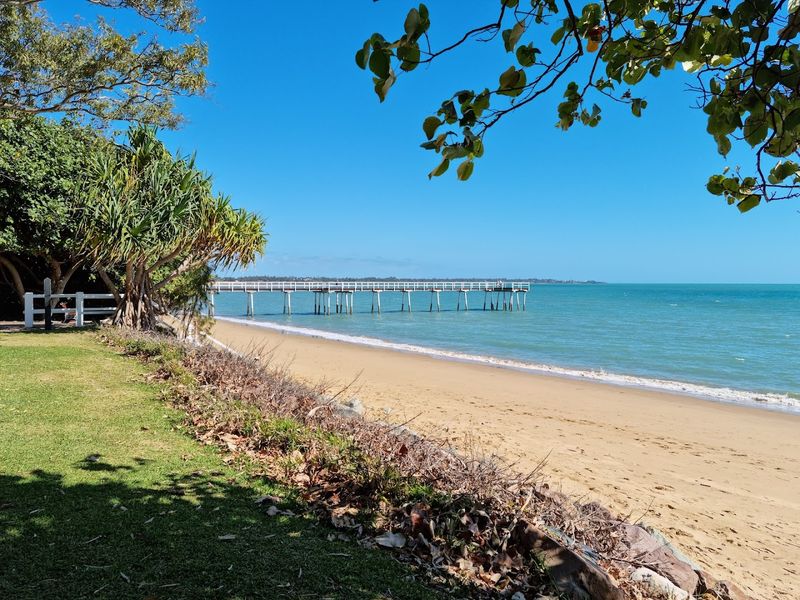
Hervey Bay earned itself a rather official-sounding title: the Whale Watching Capital of the World. Bold claim, but the humpbacks that stop here each year make a pretty convincing argument.
Rather than just passing through, these whales pause in the sheltered waters behind Fraser Island to rest, play, and generally recharge before continuing south.
That pit-stop behavior is what separates Hervey Bay from so many other destinations. You are not racing to catch a glimpse of a tail disappearing into the distance.
The whales stick around, rolling on the surface, spy-hopping, and occasionally tail-slapping with what can only be described as theatrical flair.
The season runs from late July through early November. Tours operate daily out of the town of Urangan, and most boats have glass-bottom viewing areas and onboard naturalists.
First-timers and seasoned whale watchers alike tend to walk away from Hervey Bay looking slightly stunned, which is exactly the right reaction.
Ningaloo Coast, Western Australia
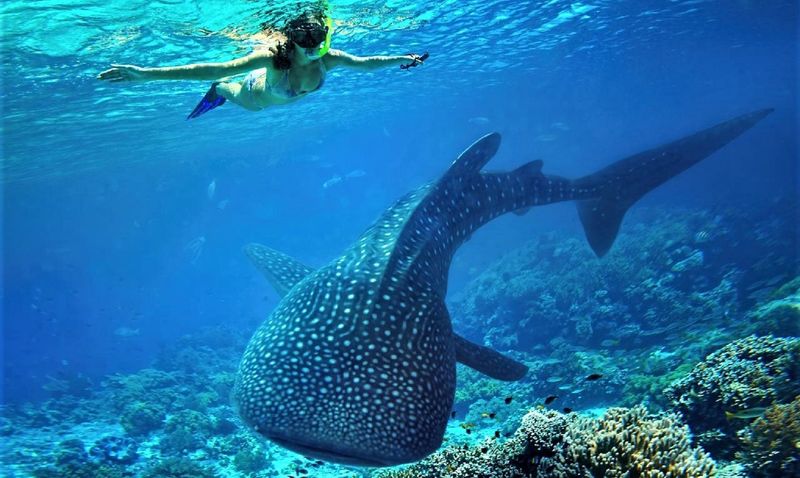
Western Australia’s Ningaloo Coast is already famous for whale sharks, but humpback whales deserve equal billing here. Between Coral Bay and Exmouth, humpback whale tours operate inside Ningaloo Marine Park from June through November, offering encounters in water so clear it looks digitally enhanced.
The marine park status means strict guidelines protect both the animals and the reef ecosystem. Operators follow responsible whale watching codes, keeping a respectful distance while still delivering close-up moments that will ruin every wildlife documentary you watch afterward.
Real life simply looks better out here.
Ningaloo is also delightfully remote, which keeps crowds manageable. You will not be jostling for rail space with fifty other tourists.
Most tours combine whale watching with snorkeling over the reef, turning the day into a marine-life double feature. If you are already planning a trip to Western Australia, skipping Ningaloo would be a genuinely baffling decision.
Kaikōura, New Zealand
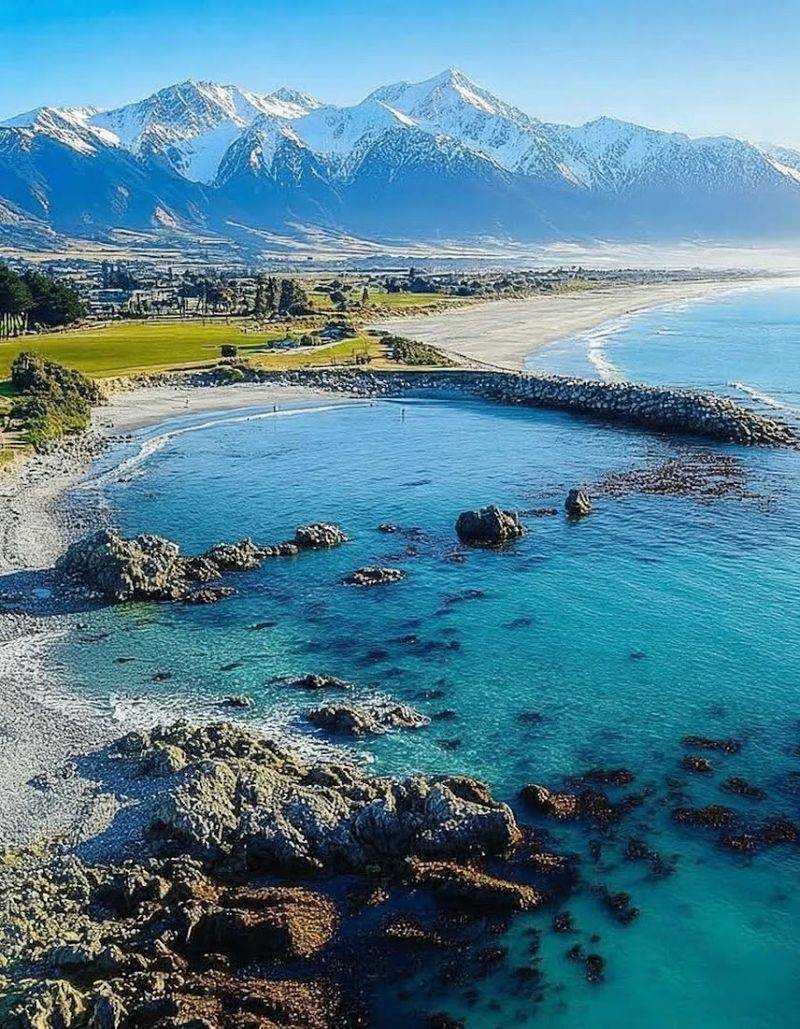
Kaikōura sits above an underwater canyon so deep that sperm whales, the deep-diving champions of the cetacean world, treat it like a personal hunting ground. Unlike most whale watching destinations that operate seasonally, Kaikōura offers sperm whale sightings year-round.
That reliability is genuinely rare and makes planning a trip here refreshingly stress-free.
Sperm whales can reach 18 meters long and dive to over 1,000 meters. Watching one raise its enormous fluke before disappearing into the deep is one of those moments that rewires your brain a little.
The backdrop of snow-dusted mountains meeting the Pacific Ocean does not hurt either.
Tours run by boat and helicopter, so you can pick your preferred vantage point. Seasonally, you might also spot humpbacks, orcas, and pilot whales.
Kaikōura is also a fur seal and dolphin hotspot, making it one of New Zealand’s most wildlife-dense coastal towns. Book tours in advance during peak summer months.
Húsavík, North Iceland
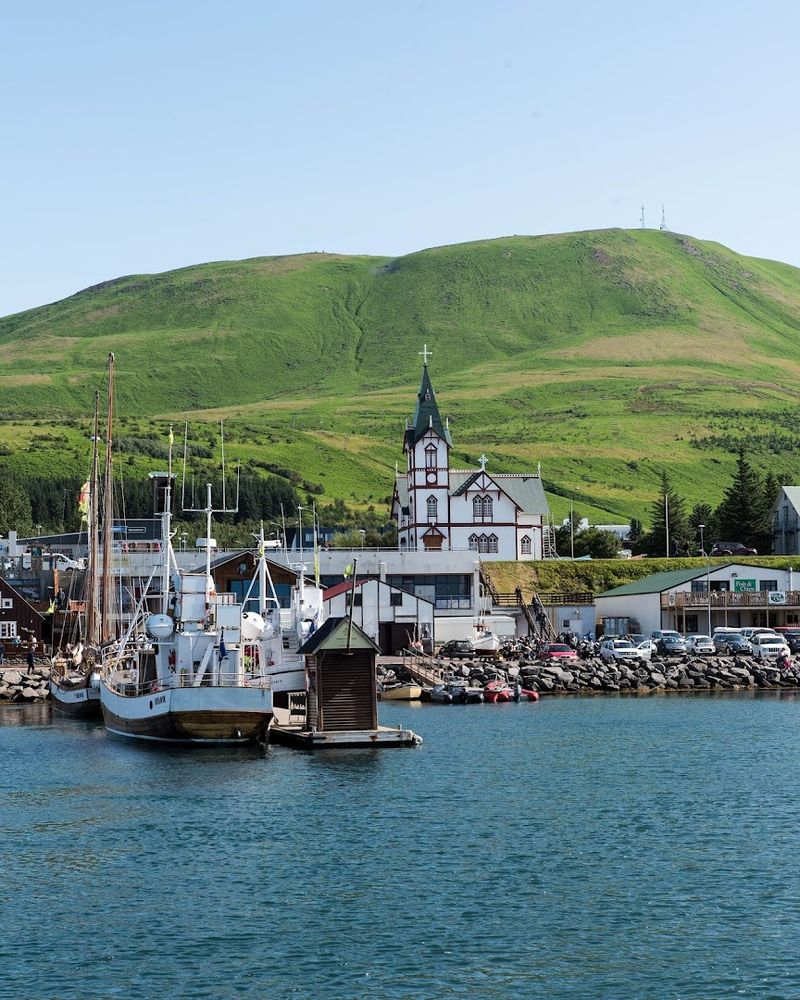
Húsavík calls itself the Whale Watching Capital of Europe, and honestly, the whales seem to have agreed to show up and prove it. Sitting on Skjalfandi Bay in northern Iceland, this small fishing town has built an entire identity around cetacean tourism, complete with a dedicated whale museum that is surprisingly excellent.
Humpbacks and minke whales are the most common sightings, but white-beaked dolphins, harbor porpoises, and occasionally blue whales make appearances depending on conditions. The tours use traditional oak schooners that look like they belong in a Viking saga, which adds a theatrical atmosphere you do not get from a standard rigid inflatable boat.
The season runs from April through October, with June and July offering the longest daylight hours. Midnight sun tours are genuinely magical.
Iceland’s official tourism guidance highlights Húsavík as a top whale watching stop, and combining it with the Diamond Circle road trip route makes the whole trip feel like an adventure novel.
The Azores, Portugal
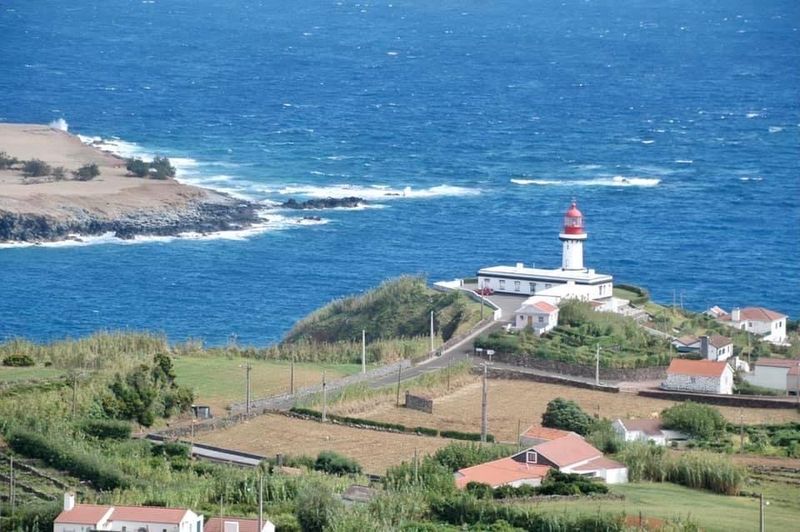
The Azores sit in the middle of the Atlantic Ocean, and that geographic isolation turns out to be a spectacular advantage for whale watchers. These nine volcanic islands are surrounded by deep water where cetaceans thrive, and Visit Azores proudly lists the archipelago as one of the world’s top whale watching destinations for very good reason.
Sperm whales are present year-round, making the Azores one of the few places on Earth where you can reliably see them in their natural deep-water habitat. Blue, fin, sei, and humpback whales also pass through seasonally, meaning the species list here reads like an ambitious whale watching wish list.
What makes the experience extra special is the use of traditional lookout posts called vigias, hilltop stations where spotters once guided whaling boats and now guide eco-tours instead. Operators radio real-time positions to boats, dramatically increasing your chances of a close encounter.
Sao Miguel and Pico islands are popular bases for tours.
Tromsø and Skjervøy, Northern Norway
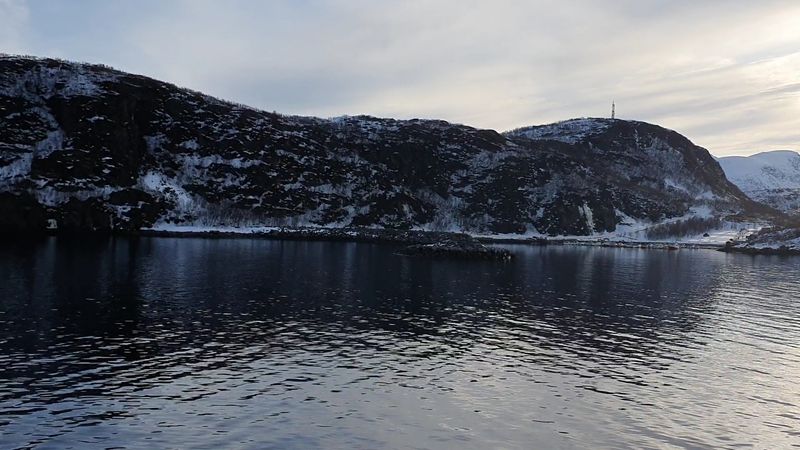
Norway’s northern fjords in winter might sound like a tough sell, but hear me out: orcas and humpback whales show up near Skjervøy from late autumn into winter, chasing enormous herring schools that pour into the fjords. It is one of the most dramatic wildlife spectacles in the Northern Hemisphere, and it happens in near darkness at 70 degrees north.
Visit Tromsø highlights this seasonal window enthusiastically, and rightly so. Watching orcas hunt in coordinated groups, herding fish with their tails in a technique called carousel feeding, is the kind of behavior that belongs in a nature documentary.
Except you are actually there, bundled in a survival suit, jaw on the deck.
Tours operate out of Tromsø and Skjervøy between November and January. The added bonus?
You might see the northern lights dancing overhead while whales surface below. That combination sounds almost unfairly good.
Pack serious cold-weather gear and prepare to tell this story for the rest of your life.
Hermanus and Walker Bay, South Africa
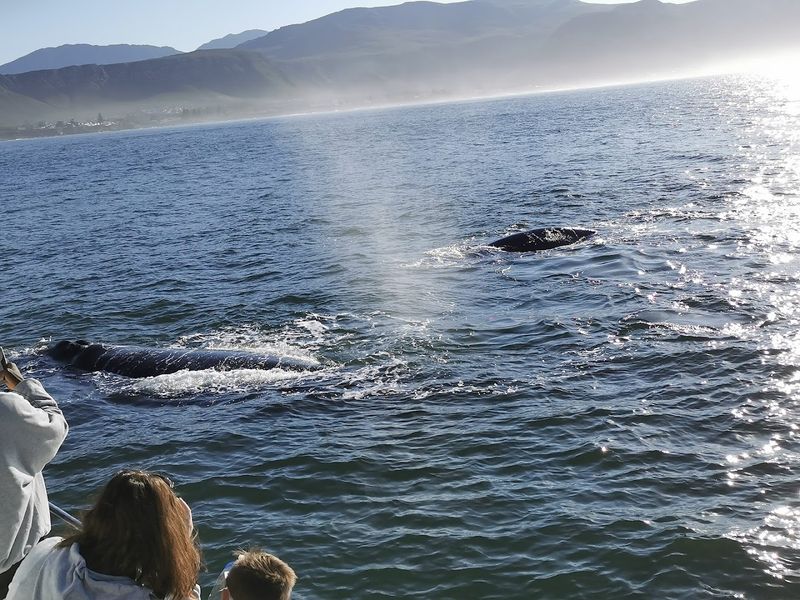
Hermanus is the only town in the world with an official whale crier. This person walks the streets blowing a kelp horn to announce when whales have been spotted offshore.
That detail alone tells you everything you need to know about how seriously this South African town takes its whale watching credentials.
Southern right whales arrive in Walker Bay between June and December, coming to breed and nurse their calves in the sheltered coastal waters. The cliffs above the bay provide some of the best land-based whale watching anywhere on the planet.
No boat required, which makes this destination accessible for anyone who gets seasick at the mere thought of ocean swells.
The Old Harbour cliff walk gives you elevated views straight down into the bay where whales often come remarkably close to shore. Boat tours are also available for those who want a closer look.
September and October tend to be peak months when mother-calf pairs are most active and visible from land.
Península Valdés, Argentina
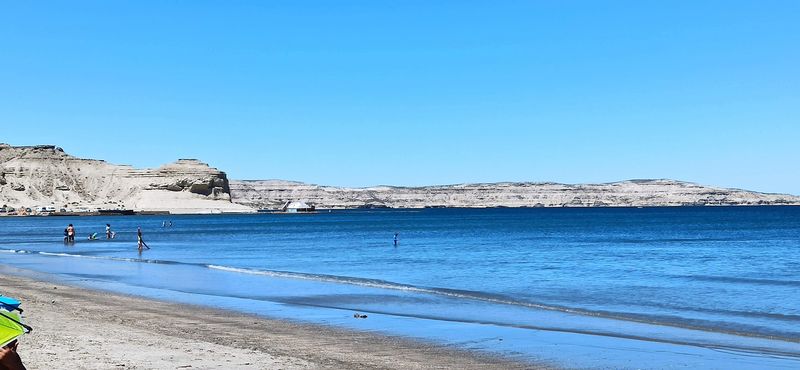
Península Valdés is a UNESCO World Heritage Site, and the southern right whales that gather here each year are a big part of the reason why. From June through December, these massive whales use the protected bays of Golfo Nuevo and Golfo San José as their nursery grounds, and the viewing access from shore is extraordinary.
What sets Valdés apart from other destinations is how close the whales come without any encouragement. Mother-calf pairs regularly drift into shallow water near the beach, close enough that you can watch them interact at length from the shore.
It feels almost too intimate, like accidentally walking in on a private family moment.
Puerto Madryn and Puerto Pirámides are the main bases for tours and shore watching. Boat trips from Puerto Pirámides get you onto the water during peak season.
The surrounding Patagonian landscape, with its wildlife including elephant seals and penguins, makes Valdés a multi-species destination well worth the journey to Argentina’s windswept south.
Mirissa and Trincomalee, Sri Lanka
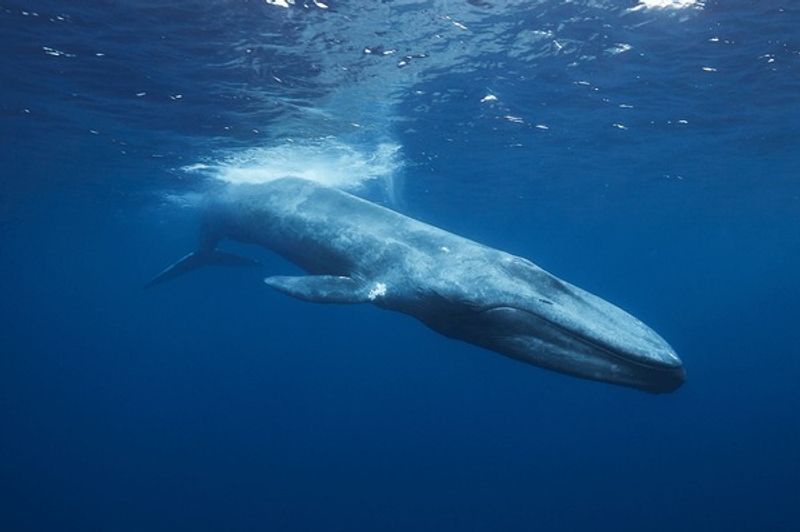
Sri Lanka has a well-kept secret: it sits in one of the best places on Earth to see blue whales, the largest animals to have ever existed on this planet. Mirissa, on the southern coast, operates tours from November through April, while Trincomalee on the east coast picks up the baton from May through September, effectively giving you a year-round national option.
Blue whales in Sri Lankan waters are not rare, shy sightings on the horizon. These animals, which can stretch over 30 meters, are regularly encountered at relatively close range.
Spinner dolphins often join the party, turning a blue whale trip into a full cetacean circus in the best possible way.
Mirissa tours depart early in the morning to catch calmer seas. Trincomalee offers a quieter, less commercial atmosphere for those who prefer a more relaxed pace.
Either location delivers extraordinary value compared to pricier destinations elsewhere. Sri Lanka remains one of the most underrated whale watching countries in the world.
Maui, Hawaii, USA
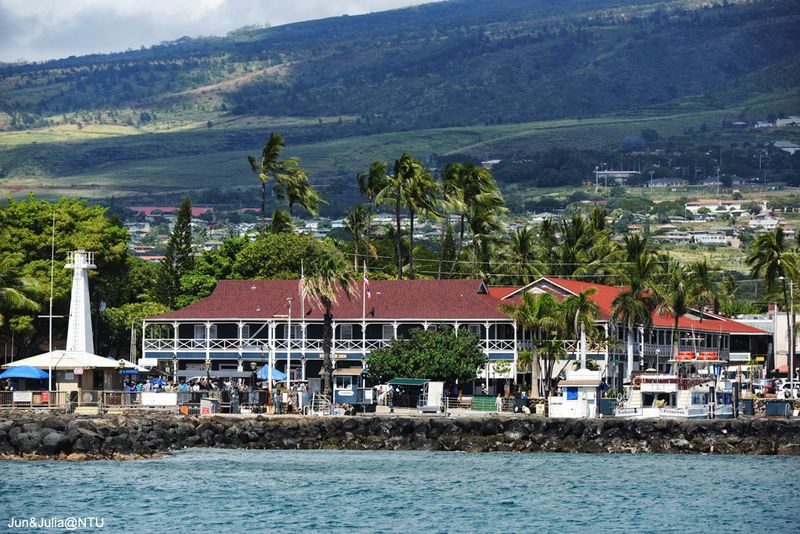
Every winter, North Pacific humpback whales trade their Alaskan feeding grounds for the warm, shallow waters around Maui. NOAA’s Hawaiian Islands Humpback Whale National Marine Sanctuary covers much of the area between Maui, Molokai, and Lanai, and it protects one of the most important humpback breeding grounds in the world.
The season runs from November through April, with January through March offering peak activity. During those months, the channel between Maui and Lanai can get remarkably busy with whales breaching, singing, and competing for mates.
Humpback song is so loud that snorkelers sometimes report hearing it underwater without any equipment at all.
Tours depart from Lahaina and Maalaea Harbor, and most operators offer guarantees or free repeat trips if whales do not show, though that rarely happens at peak season. Whale watching from shore at McGregor Point is also popular and completely free.
Adding whale watching to a Maui vacation is the easiest upgrade you will ever make.
Vava’u, Tonga
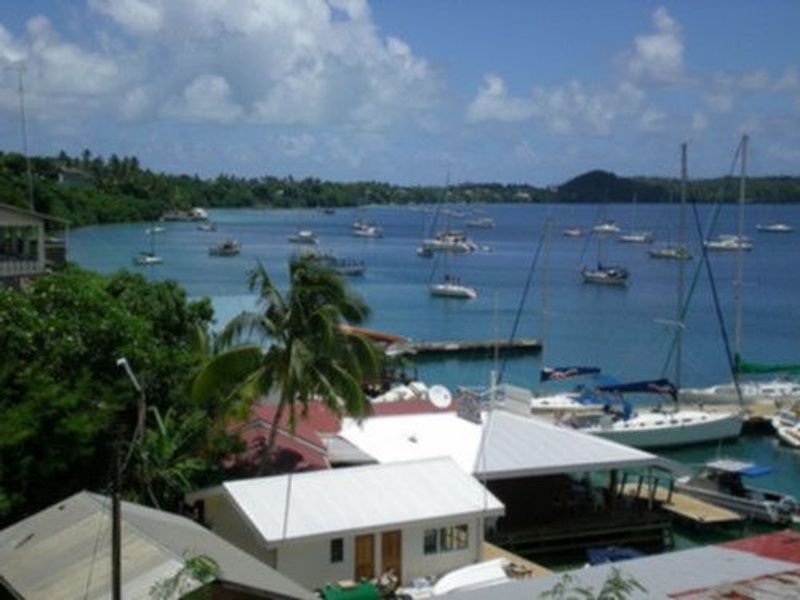
Tonga is one of the last places on Earth where you can legally swim with humpback whales in the wild. That single fact makes Vava’u a bucket-list destination unlike almost anywhere else on this list.
The whales arrive in Vava’u’s sheltered island group from July to October, with peak action typically between mid-July and mid-October.
Humpbacks come to Tongan waters to breed and give birth, which means you might encounter a mother resting near the surface while her newborn calf learns to breathe. The water is warm and clear, and operators follow strict in-water guidelines to keep encounters respectful and safe for both whales and swimmers.
Vava’u’s island group is stunning even without the whales, with dozens of uninhabited islands, white sand beaches, and excellent snorkeling. Most whale swim tours combine a morning on the water with afternoon island exploration.
Book well in advance because Tonga’s combination of accessibility, biodiversity, and intimacy makes it consistently oversubscribed every season.



