 Unearth The Voyage
Not every trip needs a packed itinerary, a tour bus, or a countdown to the next attraction. Some of the best travel experiences happen when you stay in one place long enough to actually feel it.
Slow travel is about swapping the highlight reel for the full story, and islands are perfect for that. From ancient forests in Japan to wild coastlines in Canada, these 13 islands will make you want to cancel your return flight.
Yakushima, Japan
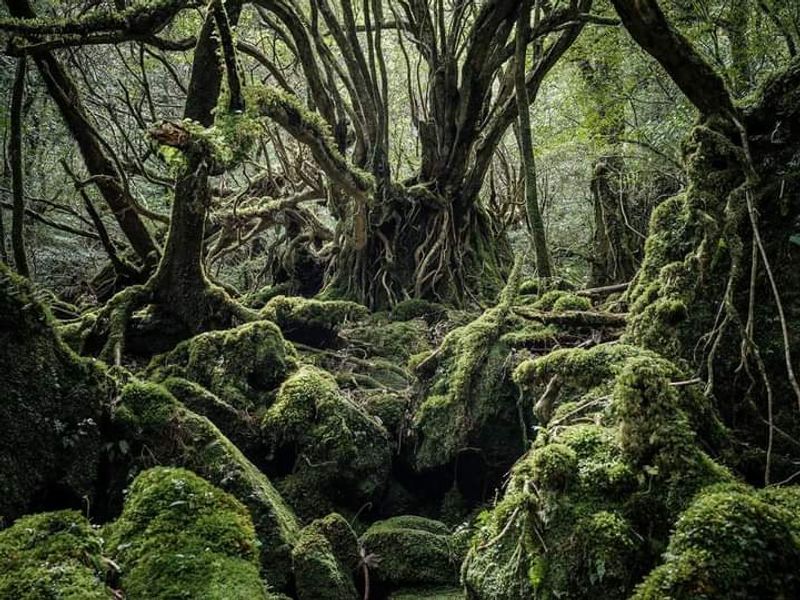
Yakushima is the island that makes your phone feel embarrassed to exist. Seriously, the moment you step into its ancient cedar forests, notifications feel deeply irrelevant.
Some of these trees are over 7,000 years old, which puts your weekly screen time report in perspective.
The whole island runs on a nature-first philosophy. Locals plan hikes carefully, trails are well-marked, and the mountain safety culture here is genuinely impressive.
You are not just wandering, you are being thoughtful about it.
I spent three days barely leaving the forest path near Shiratani Unsuikyo, and it was the most rested I had felt in years. The air quality alone deserves a five-star review.
Yakushima rewards the patient traveler who is happy to sit with moss, mountains, and the occasional deer staring at them like they have a question.
São Miguel, Azores, Portugal
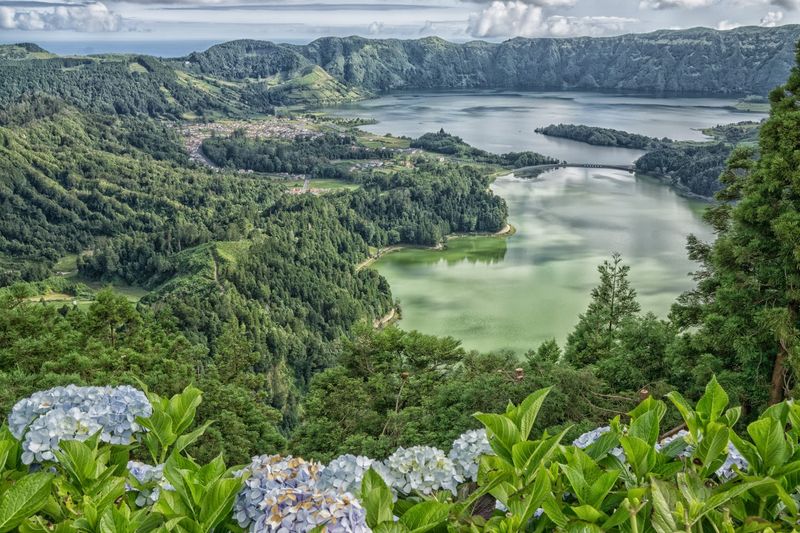
São Miguel is the kind of island that makes you rethink the phrase “nothing to do.” There is always something, it just never feels rushed. Pick one town as your base, then rotate gently between crater lakes, coastal footpaths, and hot springs that smell faintly of sulfur but feel absolutely heavenly.
The Azores have built their entire tourism identity around nature and authenticity, and São Miguel is the most accessible entry point. Farm-to-table meals here are not a trend, they are just Tuesday.
Local cheese, fresh fish, and pineapples grown in greenhouses right on the island.
Staying put for a week instead of island-hopping is the real move. You start recognizing the bakery owner, the fisherman at the dock, the cat that owns the main square.
That familiarity is the whole point of slow travel, and São Miguel hands it to you without any effort at all.
Madeira, Portugal
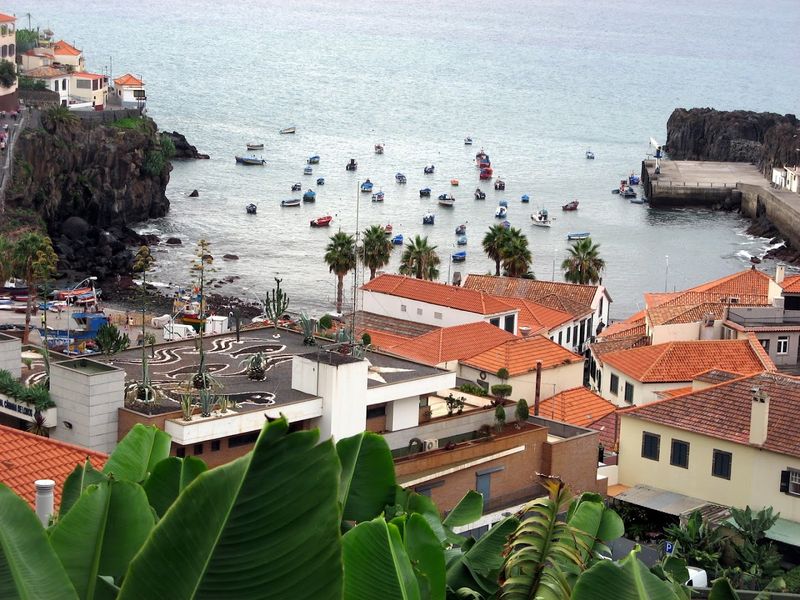
Madeira does not do “quick visits” well, and that is honestly a compliment. The island is built for people who want to wake up slowly, walk a levada trail before lunch, and then spend the afternoon deciding between grilled espada fish or a bowl of something warm and local.
Levadas are Madeira’s genius move: centuries-old irrigation channels that double as walking trails through the mountains. They are flat, scenic, and make you feel like a serious hiker without actually requiring any serious hiking skills.
A win for everyone involved.
Pick a village, any village, and just stay there for a few days. Câmara de Lobos is a personal favorite, a tiny fishing village where Winston Churchill once painted the harbor.
The wine pours generously, the seafood is fresh, and nobody is in a hurry. Madeira basically invented slow travel before it had a name.
Gozo, Malta
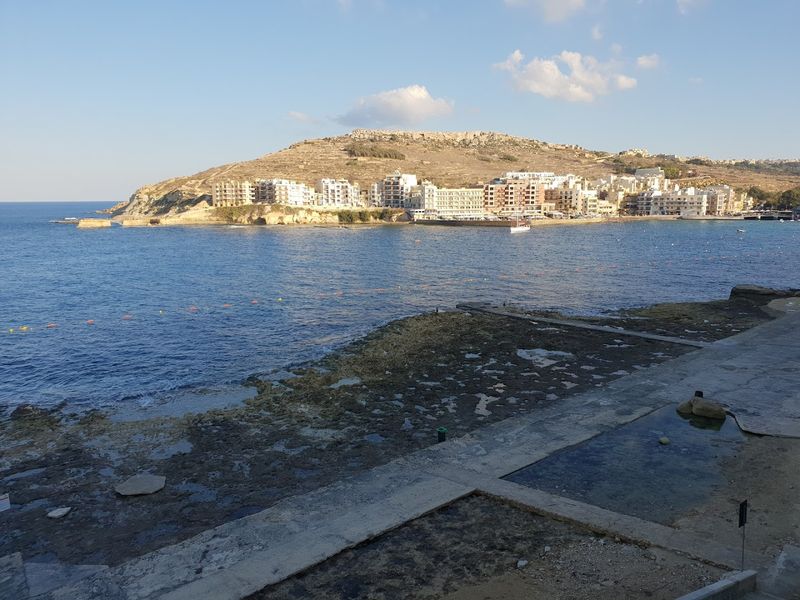
Gozo is so perfectly sized that you can drive across it in 25 minutes, yet somehow it never feels small. It feels complete.
Stone villages, salt pans, coastal swimming spots, and cafes where the espresso arrives before you finish sitting down.
The slow-travel trick on Gozo is repetition. Go to the same cafe three mornings in a row and something shifts.
The owner starts saving you a table. The regulars nod.
You become, briefly and beautifully, a local. That transformation is what slow travel is actually chasing.
Long lunches here are not lazy, they are cultural. Maltese food is hearty and proud, rabbit stew, fresh bread, local wine that costs almost nothing and tastes like a lot.
There are no theme parks, no must-see mega-attractions. Just a human-sized island that rewards anyone willing to slow down and pay attention to its quiet, golden details.
La Palma, Canary Islands, Spain
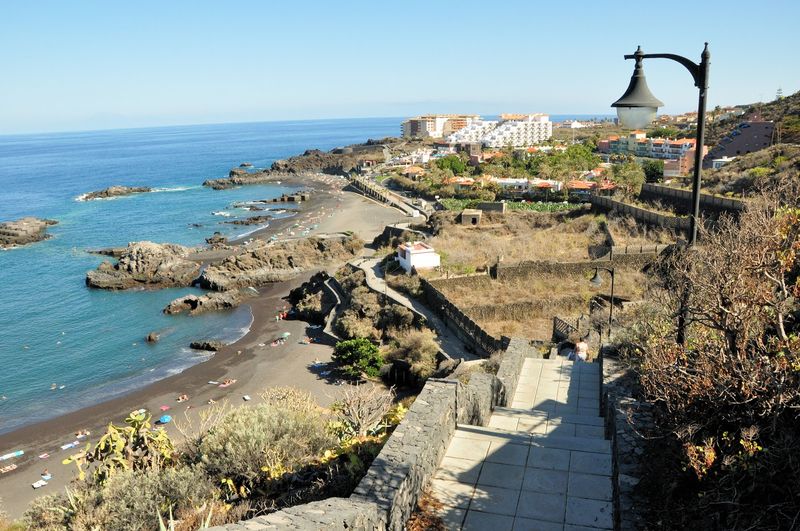
La Palma has a nickname, La Isla Bonita, and the island fully lives up to it without even trying hard. It is one of the least touristy Canary Islands, which means the trails are quieter, the villages are more genuine, and the volcanic landscape feels like something you discovered rather than something you were herded toward.
The island is a UNESCO Starlight Reserve, which means light pollution is actively controlled. At night, looking up is not optional, it is practically mandatory.
The skies here will ruin planetarium visits for you forever.
Forest trails wind through ancient laurel trees and past volcanic craters that look like something from another planet. Days have a natural rhythm: walk in the morning, eat well at midday, rest in the afternoon, stargaze at night.
La Palma does not ask you to hurry. It asks you to look up, breathe deeply, and put the phone away for once.
Naxos, Greece
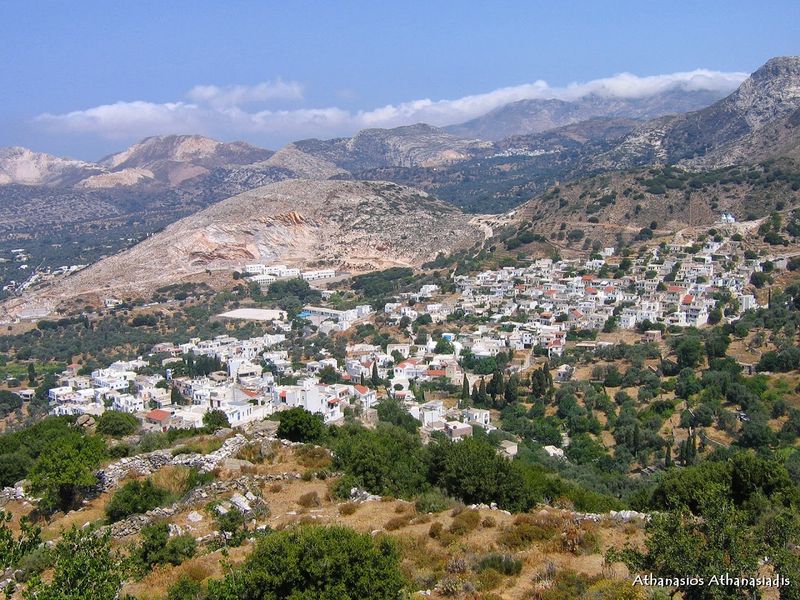
Everyone talks about Naxos beaches, and yes, they are spectacular. But the real slow-travel secret is heading inland, where the beach crowds thin out and the island shows its actual personality.
Villages like Halki and Apeiranthos sit in the mountains looking entirely unbothered by tourism.
Naxos produces its own cheese, potatoes, and citrus, so eating locally is not a lifestyle choice, it is just geography. Tavernas in the hill villages serve food that has not changed much in decades, and that is exactly the point.
No fusion menus, no truffle everything, just honest, generous cooking.
The beauty of Naxos for slow travelers is that no itinerary is required. Wake up, check the weather, pick a direction.
Some days that means a long beach with a paperback book. Other days it means getting mildly lost in a marble-paved village alley.
Both are equally valid. Both are equally perfect.
Mljet, Croatia
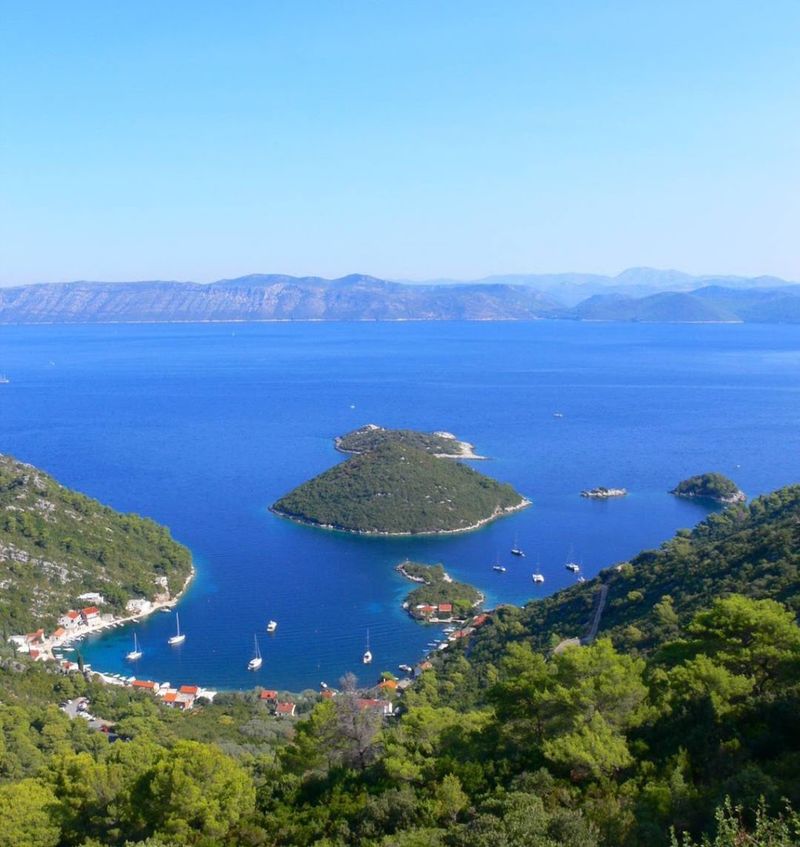
Mljet is Croatia’s best-kept secret, which is saying something in a country full of gorgeous islands. It is green, quiet, and deeply water-obsessed in the best possible way.
The national park covers the western third of the island and contains two saltwater lakes that are so still and clear they look like a screensaver, but real.
There are no major nightlife spots, no crowded promenades, and honestly very few reasons to rush anywhere. Rent a bike, pedal around the lakes, stop for a swim, eat grilled fish at a konoba where the owner also caught it.
That is a full and satisfying day on Mljet.
The island runs on water and wind. The sea sets the schedule here, and once you accept that, everything becomes easier.
Slow travel on Mljet is less of a philosophy and more of a physical inevitability. The island simply will not let you move fast, and you will be grateful for it.
Sardinia, Italy
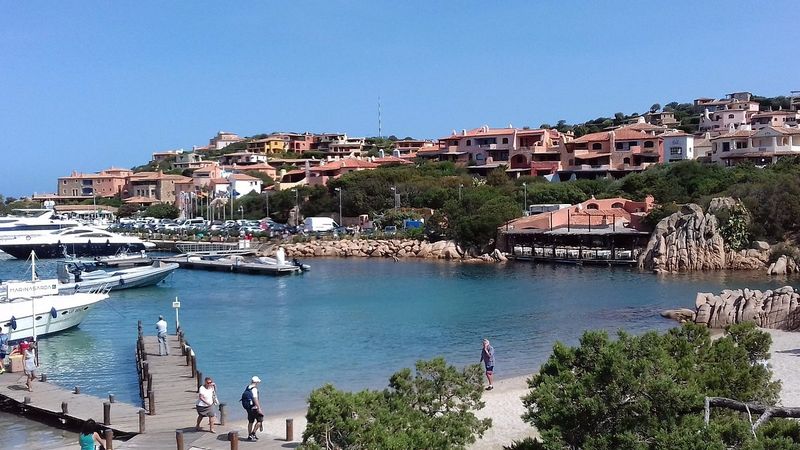
Sardinia has a reputation for glamorous beach clubs and celebrity yachts, and sure, that version exists. But there is a completely different Sardinia waiting for travelers willing to pick one corner of the island and actually stay there.
That Sardinia is ancient, wild, and genuinely unforgettable.
The island is dotted with nuraghe, mysterious Bronze Age stone towers that nobody fully understands yet. You can walk past one on a quiet trail and feel like the only person in the world who knows it exists.
That feeling is worth the trip alone.
Local markets are the heartbeat of slow travel here. Pecorino cheese, bottarga, flatbread called pane carasau, and wine from grapes grown in volcanic soil.
Spend a morning at a market, an afternoon on a single beach, and an evening eating too much of everything. Sardinia rewards the unhurried visitor with a depth that the yacht crowd completely misses.
Isle of Skye, Scotland
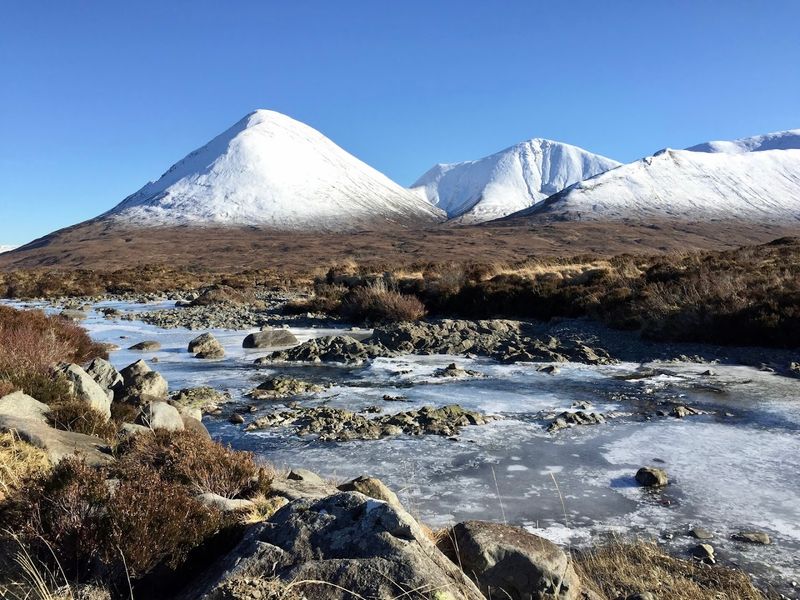
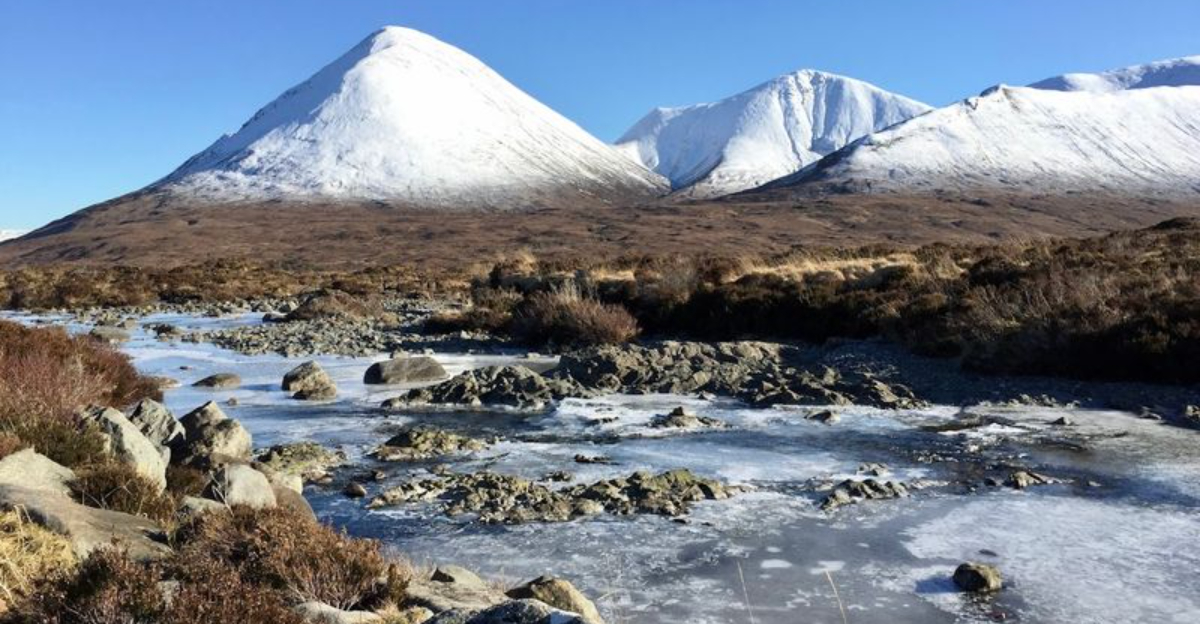
Skye is the kind of place that makes dramatic look effortless. The Quiraing, the Fairy Pools, the Old Man of Storr, every viewpoint looks like a movie set that nature built on a generous budget.
But here is the slow-travel secret: stop trying to see all of it in two days.
The trick with Skye is to stay in one area and revisit. The light changes every hour here, sometimes every ten minutes.
A glen that looked grey and flat at noon transforms into something golden and extraordinary by 5pm. Skye rewards patience the way few places do.
I made the mistake of trying to “do” Skye in a weekend once. I saw everything and felt nothing.
The second trip, I rented a cottage near Portree for a week and barely moved. I followed the weather, walked the same ridge three times, and finally understood what all the fuss was about.
Stay longer. Always stay longer.
Faroe Islands
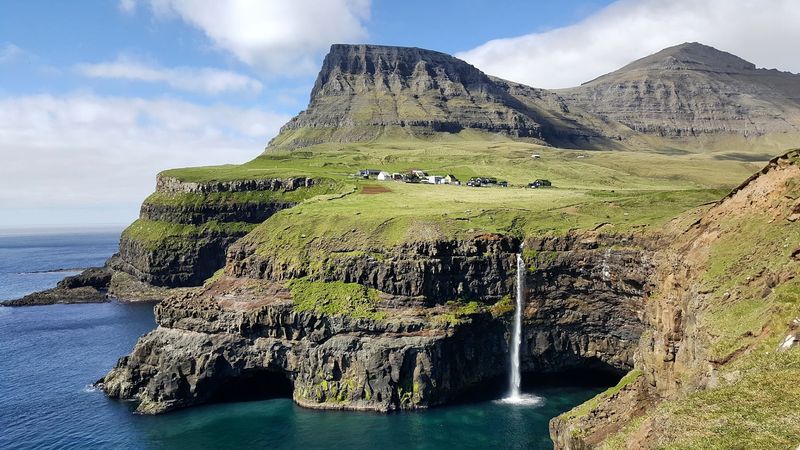
The Faroe Islands are not trying to impress you, and that is precisely why they do. Eighteen islands sitting in the North Atlantic, covered in grass, cut by cliffs, and populated by more sheep than people.
The landscape is aggressively, almost rudely beautiful.
Roads here are quiet, and many of the best hikes require checking in with local guides or registering your route for safety reasons. The Faroes take responsible tourism seriously, and that culture of care makes the whole experience feel more meaningful.
You are a guest here, and the island knows it.
There are no resort complexes, no all-inclusive packages, and no tourist traps. What there is: dramatic coastal hikes, small fishing villages, and a strong local food culture built around lamb, fish, and fermented things that take courage to try.
The Faroes are for travelers who want a strong sense of place and do not need it to be comfortable.
Vancouver Island, Canada
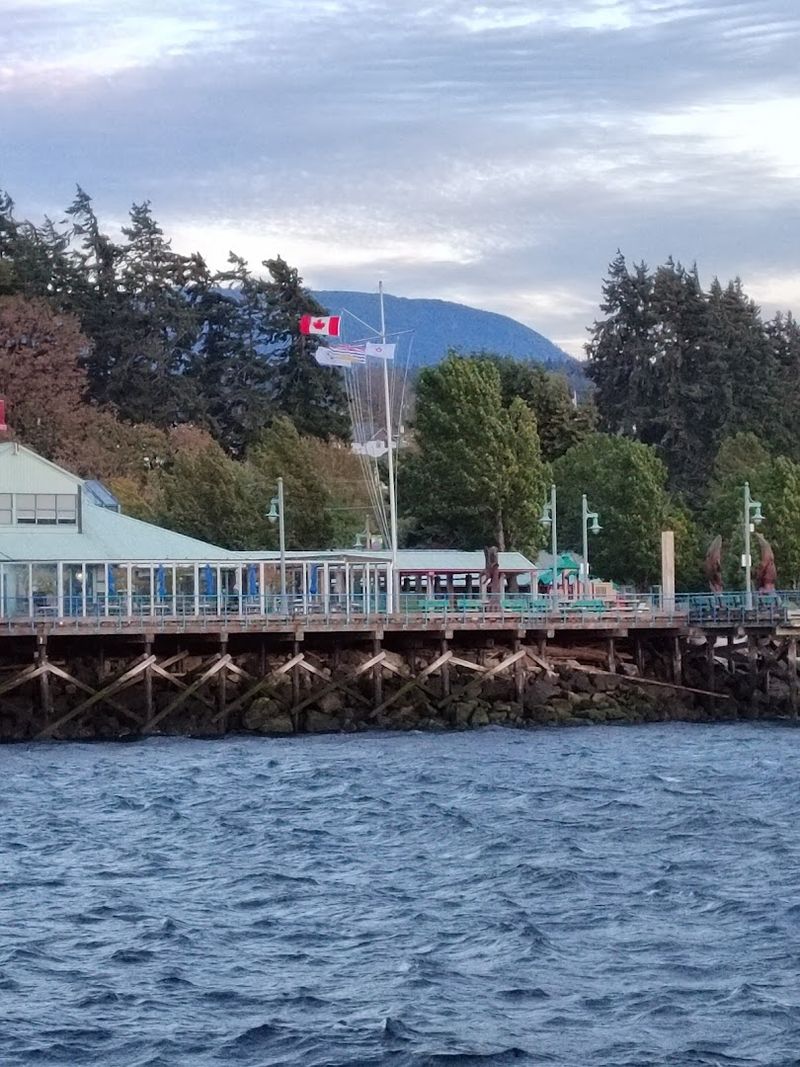
Vancouver Island is enormous, which makes it perfect for slow travel done in chapters. The south has Victoria, one of Canada’s most food-forward cities, with a cafe culture that rivals anything in Europe.
The west coast has Tofino, a surf town with a serious obsession with sourdough and whale watching.
The middle and north of the island are wilder, quieter, and genuinely stunning. Old-growth rainforests, bald eagle sightings before breakfast, and coastlines that look completely untouched.
Each region feels like a different island entirely.
The slow-travel approach here is simple: pick one region per trip, resist the urge to drive the whole thing in four days. The island is built for road-tripping at a relaxed pace, stopping at farm stands, pulling over for wildlife, and spending an extra night somewhere because the view from the cabin porch is too good to leave.
Vancouver Island rewards the traveler who refuses to rush.
Prince Edward Island, Canada
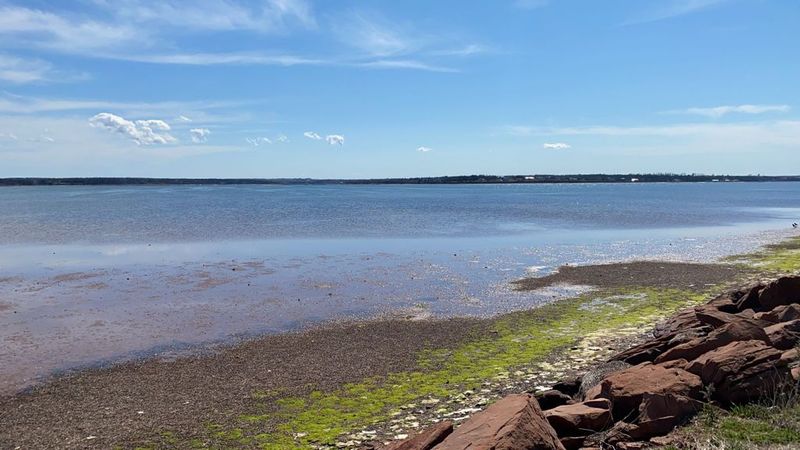
PEI is the island equivalent of a deep exhale. Red sand cliffs, green farmland rolling down to calm water, and a tourism culture that genuinely encourages you to take your time.
Nobody here is trying to rush you through anything.
The Confederation Trail runs across almost the entire island and is one of the best cycling routes in North America. It is flat, scenic, and passes through small towns where the only decision you need to make is whether to stop for lobster rolls or keep pedaling.
Spoiler: always stop for the lobster rolls.
Anne of Green Gables fans will already know about PEI, but you do not need a literary connection to fall for it. The island has a gentle, unhurried quality that feels increasingly rare.
Farmers markets, long shoreline walks, and evenings watching the sky turn pink over the red cliffs. Slow travel here feels less like a choice and more like a natural consequence of arriving.
Tasmania, Australia
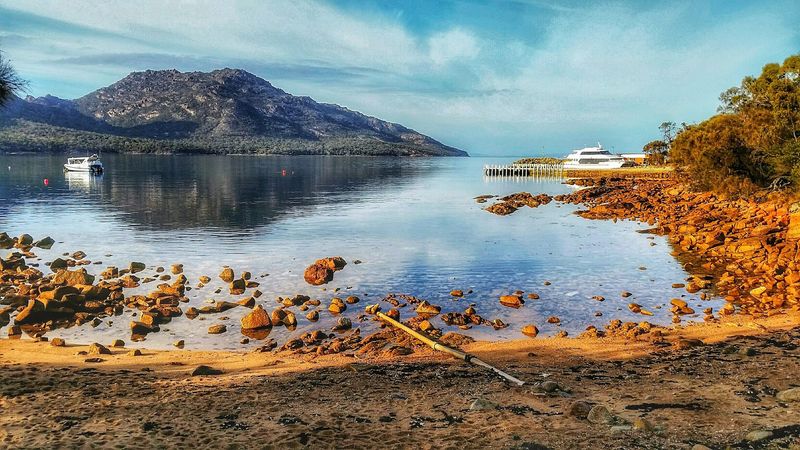
Tasmania punches well above its weight for an island that most people treat as an afterthought on the way to mainland Australia. It has some of the oldest wilderness on earth, a food scene that has quietly become world-class, and a pace of life that makes everything feel slightly more civilized.
The slow-travel formula here is satisfyingly simple: pick one region, do a few meaningful walks, eat extremely well, repeat. The Huon Valley has apple orchards and cideries.
The Tasman Peninsula has coastal cliffs that will make your jaw do embarrassing things. Hobart has MONA, one of the strangest and most brilliant art museums anywhere.
Wineries, weekend markets, and long drives through eucalyptus forest connect it all. Tasmania is the kind of place where a “quick look” at a waterfall turns into two hours because you find a platypus in the creek below it.
Stay longer than you planned. You always should.



