 Unearth The Voyage
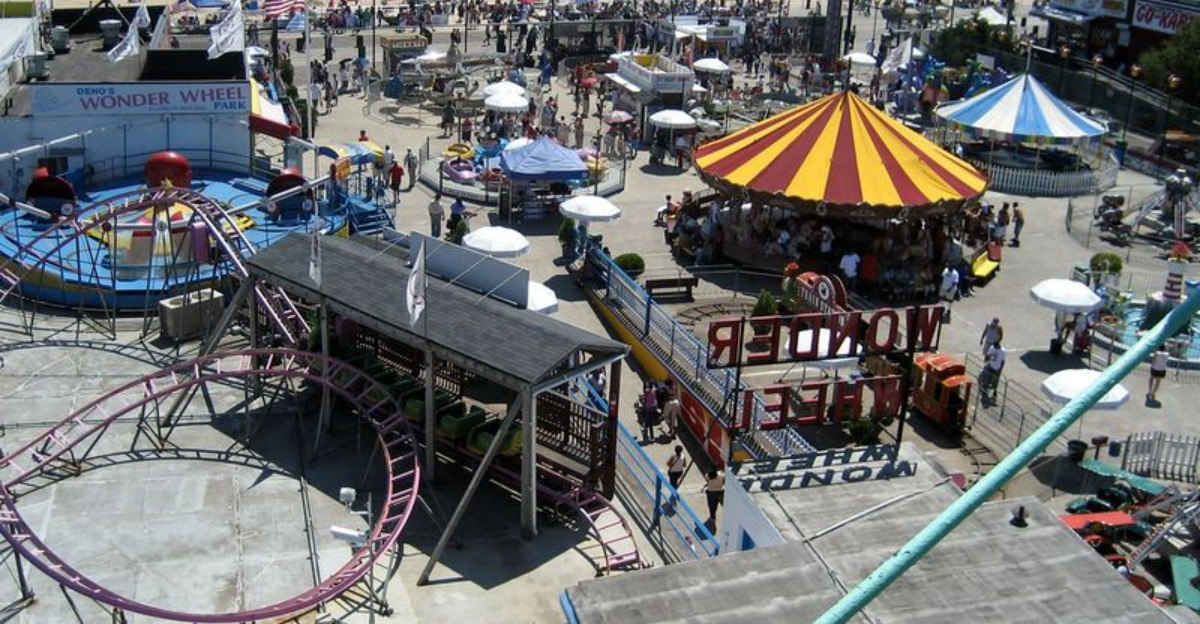
Summer in the 1970s meant packing up the car and heading to the coast for sun, saltwater taffy, and the thrill of wooden roller coasters. Boardwalks and piers were the heartbeat of summer vacation, where families strolled beneath strings of lights and kids clutched handfuls of tickets won at arcade games.
From the neon glow of New Jersey’s shore towns to the laid-back vibes of California beaches, these attractions captured the spirit of a decade that celebrated simple pleasures and carefree fun.
1. Atlantic City Boardwalk (New Jersey)
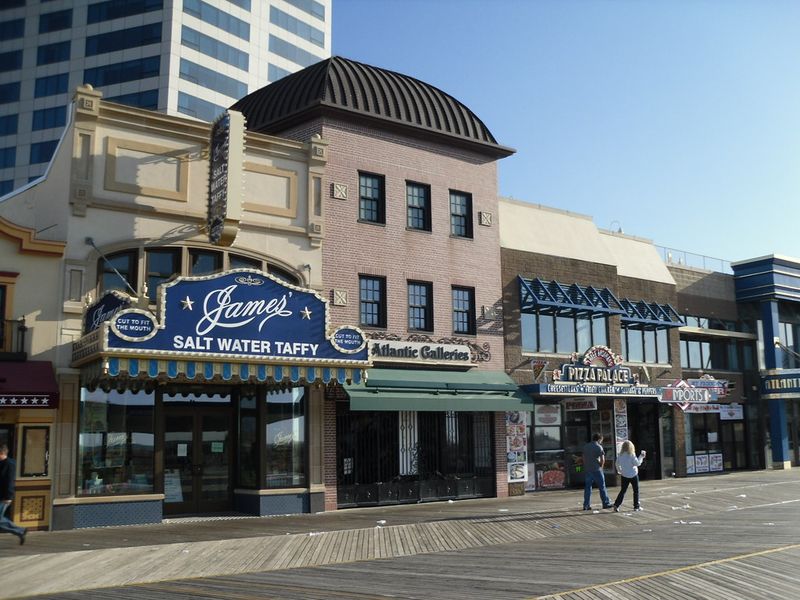
Stretching over four miles along the Jersey Shore, this iconic boardwalk became synonymous with glamour and excitement during the 1970s. Families arrived by the carload, eager to experience the blend of old-world charm and modern entertainment that made Atlantic City famous.
The smell of fresh popcorn mixed with ocean breezes as visitors explored countless shops, arcades, and food stands.
Rolling chairs, a tradition dating back to the 1880s, continued to delight tourists who wanted a leisurely ride while taking in the sights. The boardwalk served as the main artery connecting grand hotels and entertainment venues that drew visitors from across the country.
Street performers and musicians added to the lively atmosphere, creating memories that families treasured for years.
Casino developments were just beginning to transform the city by the late ’70s, adding a new dimension to the boardwalk experience. Yet the classic attractions like saltwater taffy shops and beachfront amusements remained beloved staples.
This stretch of wooden planks represented the ultimate summer escape, where generations gathered to enjoy simple pleasures and create lasting traditions that defined an entire era of American leisure culture.
2. Steel Pier (Atlantic City, New Jersey)
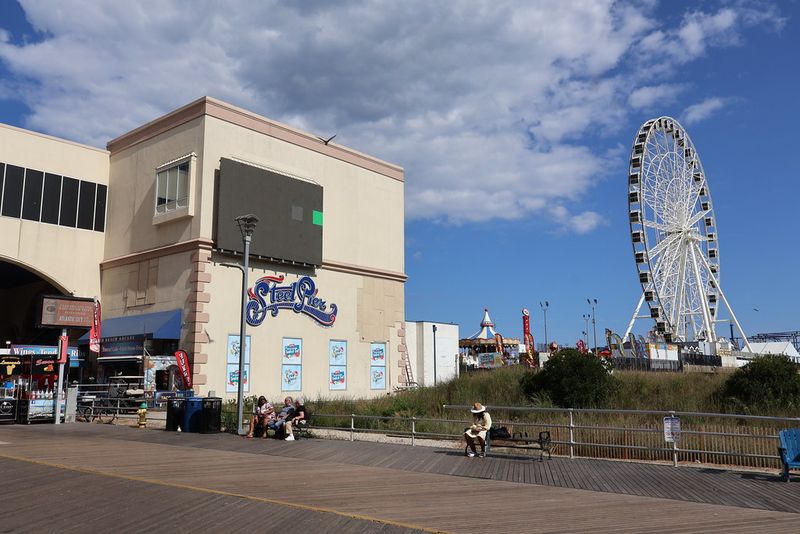
Known as the Showplace of the Nation, this legendary pier extended 1,000 feet into the Atlantic Ocean and packed more entertainment per square foot than almost anywhere else. Big-name performers graced its stages throughout the ’70s, bringing music and comedy acts that drew crowds night after night.
The pier’s famous diving horse show, though controversial by modern standards, remained one of the most talked-about attractions of the decade.
Amusement rides perched over the water gave thrill-seekers a unique experience as waves crashed below their feet. The Ferris wheel offered breathtaking views of the coastline and city skyline, especially magical at sunset when the boardwalk lights began to twinkle.
Arcade games lined the interior halls, where teenagers spent hours trying to win oversized stuffed animals for their dates.
Food vendors sold everything from hot dogs to cotton candy, fueling visitors for hours of exploration and fun. The pier represented the pinnacle of boardwalk entertainment, combining spectacle with seaside charm in a way that captured the imagination of everyone who visited.
Walking onto Steel Pier felt like entering another world where anything seemed possible and summer never had to end.
3. Coney Island Boardwalk (Brooklyn, New York)
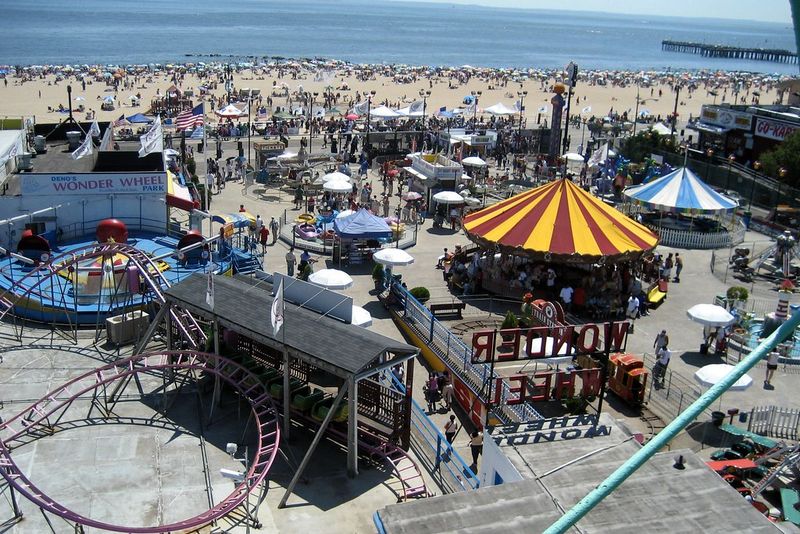
This gritty, vibrant stretch of Brooklyn waterfront embodied the working-class spirit of New York summers during the ’70s. Subway trains delivered thousands of city dwellers seeking relief from sweltering apartments to a place where the ocean breeze and carnival atmosphere provided instant escape.
The boardwalk’s weathered planks told stories of generations who had sought the same simple pleasures.
Nathan’s Famous hot dogs became a cultural institution, with locals and tourists alike debating the best toppings while watching the parade of humanity stroll past. The Cyclone roller coaster, a wooden giant dating back to 1927, continued to terrify and delight riders with its rickety charm and stomach-dropping drops.
Nearby, the Wonder Wheel offered a gentler option for those wanting thrills without quite as much terror.
Arcade games, shooting galleries, and sideshow attractions lined the streets leading to the beach, creating a sensory overload of sights, sounds, and smells. Street vendors hawked everything imaginable while musicians and performers competed for attention and spare change.
Coney Island in the ’70s wasn’t polished or pristine, but it possessed an authentic energy that made it unforgettable for anyone who experienced its unique blend of beach and urban culture.
4. Santa Cruz Beach Boardwalk (California)
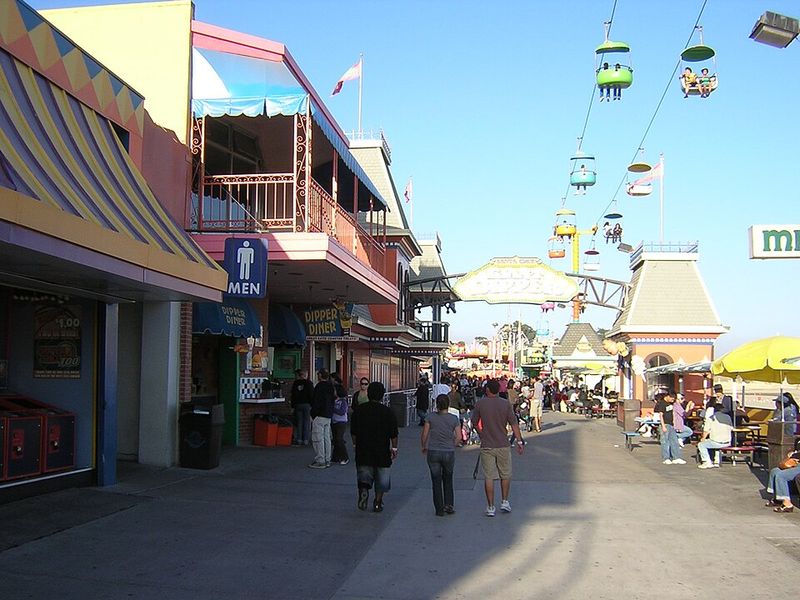
California’s oldest surviving amusement park brought West Coast cool to the boardwalk experience throughout the 1970s. Surfers carried their boards past carnival games on their way to catch waves, creating a uniquely California blend of beach culture and traditional amusement park fun.
The Giant Dipper, a wooden roller coaster built in 1924, remained the star attraction with its classic design and thrilling ride.
Families spread blankets on the wide sandy beach while keeping an eye on kids who darted between the water and the rides. The Looff Carousel, with its hand-carved horses and cheerful organ music, provided a gentler option for younger children and nostalgic adults.
Arcade games offered the latest electronic entertainment alongside timeless classics like skee-ball and pinball machines.
Food stands served corn dogs, funnel cakes, and other boardwalk staples while the smell of suntan lotion and salt air created an intoxicating summer perfume. The laid-back California vibe meant visitors could spend entire days moving between beach and boardwalk without any real plan or schedule.
As the sun set over Monterey Bay, the boardwalk lights created a magical glow that kept families entertained well into the evening, making every visit feel like a perfect summer day.
5. Ocean City Boardwalk (Maryland)
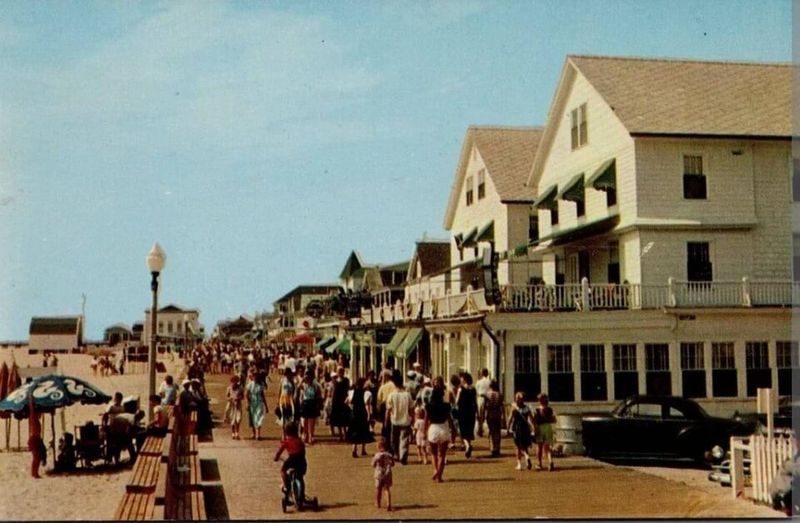
Running parallel to ten miles of pristine Atlantic coastline, this family-friendly boardwalk became a summer tradition for generations of Mid-Atlantic families during the ’70s. Station wagons packed with beach gear arrived weekly at rental cottages, and the boardwalk served as the evening destination after long days in the sun.
The absence of alcohol sales helped maintain the wholesome atmosphere that parents appreciated.
Thrasher’s French Fries, served in paper cups with vinegar, became an essential part of any boardwalk visit and sparked passionate debates about proper seasoning techniques. Miniature golf courses offered friendly competition while arcades provided hours of entertainment for kids clutching their weekly allowance.
The fishing pier extended far into the ocean, where patient anglers hoped to hook dinner while enjoying the peaceful rhythm of the waves.
Bike rentals allowed families to cruise the entire length of the boardwalk, feeling the ocean breeze and watching the parade of fellow vacationers. Candy shops displayed walls of saltwater taffy in every imaginable flavor, tempting sweet-toothed visitors at every turn.
Ocean City represented a simpler kind of beach vacation, where the focus remained on family time and simple pleasures rather than flashy entertainment or nightlife scenes.
6. Wildwood Boardwalk (New Jersey)
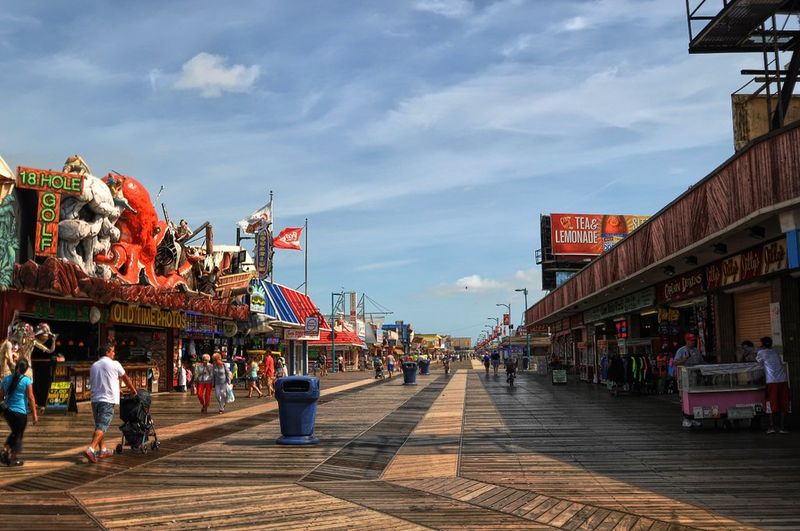
Two miles of neon-lit excitement made Wildwood the place to be for teenagers and young families throughout the 1970s. The boardwalk’s distinctive doo-wop architecture, with its space-age curves and bright colors, created a futuristic atmosphere that felt perfectly aligned with the era’s optimistic spirit.
Music poured from every direction as competing arcades and rides tried to attract crowds with the latest hits.
The wide, free beaches meant families could enjoy the sand and surf without worrying about badge fees before heading to the boardwalk for evening entertainment. Tram cars announced their approach with the famous call of “Watch the tramcar, please!” as they transported tired visitors along the boardwalk’s length.
Game stands offered chances to win giant stuffed animals, and skilled barkers used psychology and charm to separate visitors from their dollars.
Pizza joints and ice cream shops stayed open late, fueling teenagers who treated the boardwalk as their summer social scene. The combination of thrilling rides, competitive games, and endless people-watching created an environment where every night felt like an event.
Wildwood in the ’70s captured a specific moment in American culture when neon was cool, arcades were the height of technology, and summer nights seemed to last forever.
7. Morey’s Piers (Wildwood, New Jersey)
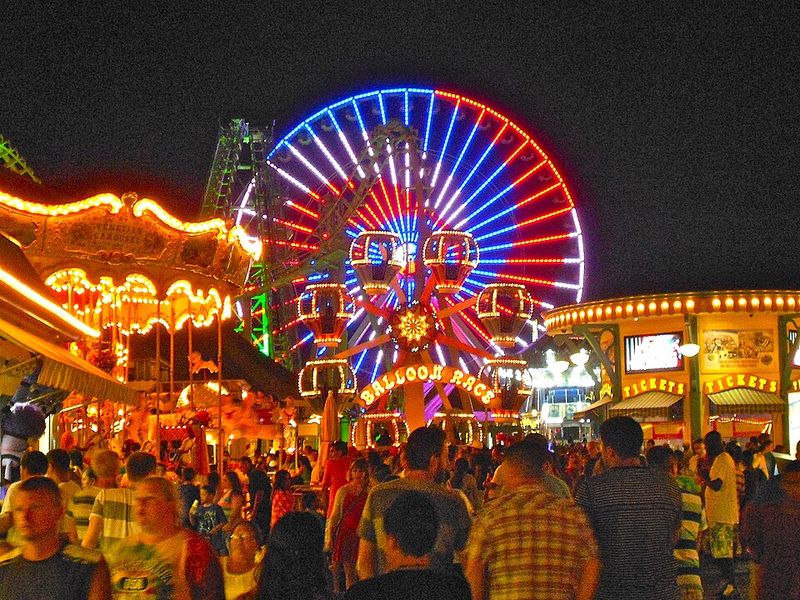
Actually three separate piers packed with rides and attractions, Morey’s dominated the Wildwood boardwalk landscape throughout the 1970s. Each pier developed its own personality, offering different types of thrills and entertainment that kept families coming back night after night.
The sound of screams from roller coasters mixed with carnival music and crashing waves to create an unforgettable auditory experience.
Water slides were just becoming popular attractions, and Morey’s pioneered many innovations that would become industry standards. The Sky Ride connected different piers, giving visitors an aerial view of the boardwalk action below while providing a welcome break from walking.
Younger children found gentler rides on one pier while teenagers sought out the most intense roller coasters on another.
Game operators developed legendary reputations, with some working the same booth year after year and remembering regular visitors by name. The piers stayed open late into the night, with lights reflecting off the ocean and creating a dreamlike atmosphere that made time seem to stand still.
Prize redemption centers overflowed with stuffed animals, inflatable toys, and other treasures that became cherished souvenirs of summer vacations. Morey’s represented the evolution of the traditional pier into a modern amusement complex while maintaining the classic boardwalk charm that families loved.
8. Casino Pier (Seaside Heights, New Jersey)
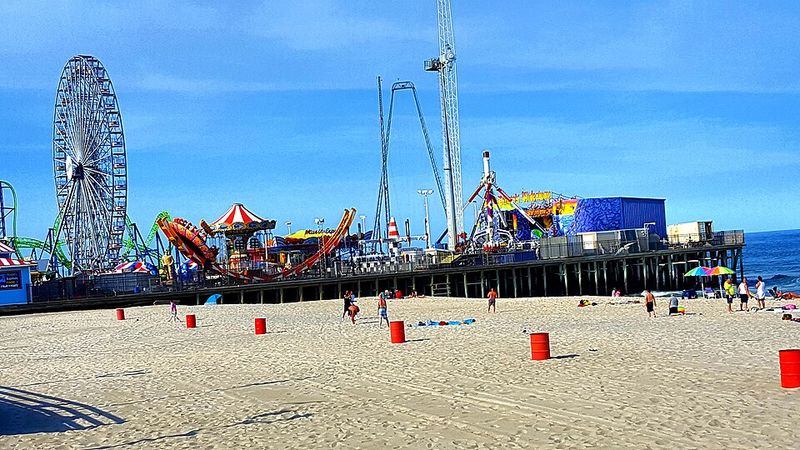
Jutting 300 feet into the Atlantic Ocean, this beloved pier became the centerpiece of Seaside Heights’ summer scene during the ’70s. The name referenced its original dance hall rather than gambling, though the thrills provided by its rides certainly felt like taking chances.
Families established annual traditions, returning to the same rental houses and making nightly pilgrimages to their favorite attractions.
The pier’s location directly over the water meant riders on certain attractions could look down and see waves crashing beneath them, adding extra excitement to already thrilling experiences. A classic carousel offered a break from more intense rides, its painted horses rising and falling to cheerful organ music.
Arcade games ranged from traditional skee-ball to the latest electronic offerings, with prizes displayed overhead to inspire competitive spirit.
Food stands served boardwalk classics while the smell of popcorn and caramel corn drifted across the wooden planks. The pier developed a loyal following of visitors who measured their summers by trips to Seaside Heights and evenings spent riding the same attractions year after year.
Local teenagers worked the rides and game booths, earning spending money while enjoying the excitement and social scene. Casino Pier represented everything great about Jersey Shore summers in a concentrated package of rides, games, and ocean views.
9. Santa Monica Pier (California)
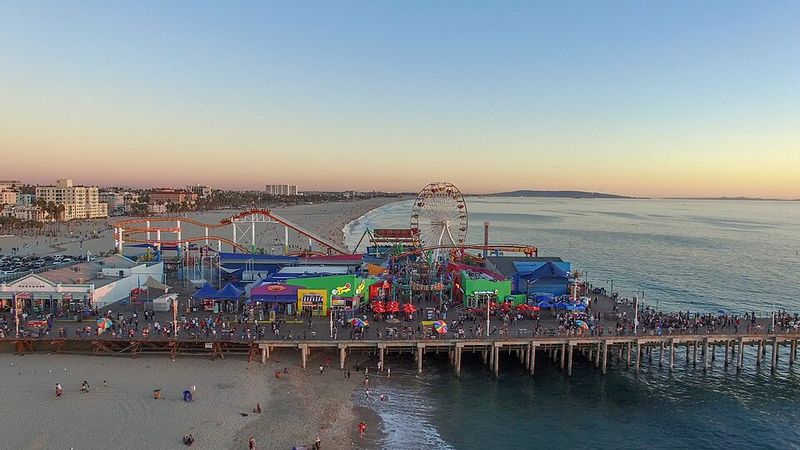
Where Route 66 meets the Pacific Ocean, this historic pier blended Southern California cool with traditional amusement park charm throughout the 1970s. The wooden structure had weathered decades of storms and changing times, but remained a beloved gathering place for locals and tourists alike.
Street performers and musicians added spontaneous entertainment to the planned attractions, creating an atmosphere where anything might happen.
Pacific Park’s rides included a solar-powered Ferris wheel that became an iconic landmark visible from miles of coastline. The pier’s arcade housed both classic games and cutting-edge electronic entertainment, representing the transition happening in American culture during the decade.
Fishermen lined the railings with their poles, patiently waiting for catches while tourists snapped photos and children ran excitedly between attractions.
Food stands offered everything from corn dogs to fresh seafood, with outdoor seating providing perfect spots for people-watching and ocean gazing. The pier’s location made it accessible to the diverse population of Los Angeles, creating a democratic space where people from all backgrounds came together for entertainment.
As the sun set over the Pacific, painting the sky in brilliant oranges and pinks, the pier’s lights began to glow and a magical transformation occurred that made every evening feel special and full of possibility.
10. Jenkinson’s Boardwalk (Point Pleasant Beach, New Jersey)
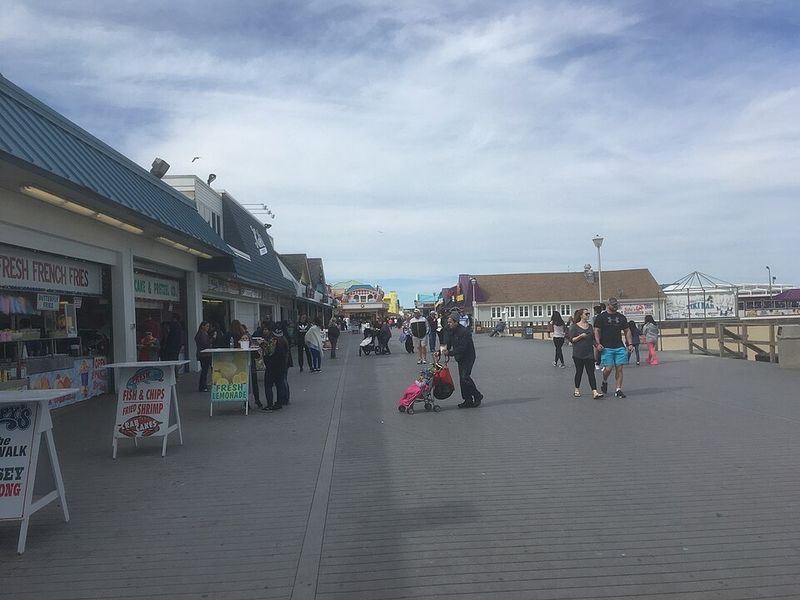
This family-oriented destination offered a more intimate boardwalk experience compared to its larger Jersey Shore neighbors during the ’70s. The compact layout meant families could easily supervise children while still giving them freedom to explore and enjoy attractions independently.
A strong sense of community pervaded the boardwalk, with many visitors returning to the same rental cottages year after year and forming lasting friendships.
The aquarium became a major draw, offering educational entertainment that parents appreciated alongside the pure fun of rides and games. Miniature golf courses featured creative obstacles and themes that sparked friendly family competitions and trash-talking.
The boardwalk’s arcade stayed current with the latest games while maintaining classic attractions that parents remembered from their own childhoods.
Beach access remained free and convenient, encouraging families to split their days between surf and boardwalk activities. Food options ranged from quick snacks to sit-down meals, with outdoor seating offering views of both ocean and boardwalk action.
The smaller scale created a sense of safety and community that appealed to families with young children or those seeking a less overwhelming shore experience. Jenkinson’s proved that bigger wasn’t always better, offering everything necessary for a perfect summer vacation in a package that felt manageable and welcoming rather than overwhelming or impersonal.
11. Rehoboth Beach Boardwalk (Delaware)
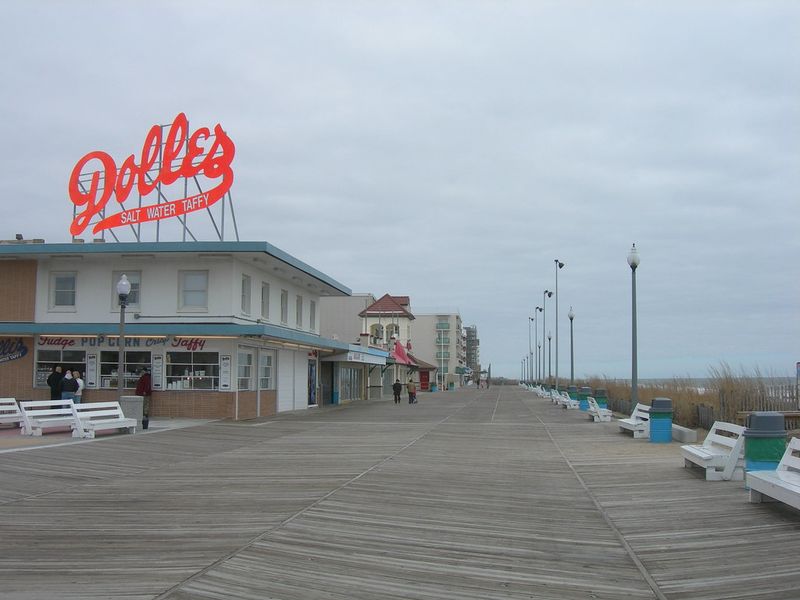
Stretching along one of Delaware’s most popular beaches, this mile-long boardwalk maintained a refined, family-friendly atmosphere throughout the 1970s. The town’s blue laws meant no alcohol sales, creating an environment that parents felt comfortable allowing their children to explore with minimal supervision.
Victorian-style architecture gave the boardwalk a timeless quality that connected visitors to earlier eras of American seaside vacations.
Dolle’s saltwater taffy and Thrasher’s French fries became required eating for any serious boardwalk visitor, with debates about the best flavors and toppings lasting entire vacations. Funland amusement park offered classic rides at reasonable prices, making it possible for families to enjoy multiple attractions without breaking their vacation budgets.
The absence of flashy casinos or rowdy bars meant the focus remained squarely on simple pleasures and family time.
Bike riding was encouraged, with rental shops providing everything from basic bikes to elaborate four-wheeled surreys that could transport entire families. The boardwalk’s relatively short length made it perfect for evening strolls, with many families establishing traditions of after-dinner walks for ice cream.
Rehoboth represented a gentler, more nostalgic approach to beach vacations, appealing to those who valued tranquility and tradition over non-stop excitement and modern attractions.
12. Venice Beach Boardwalk (California)
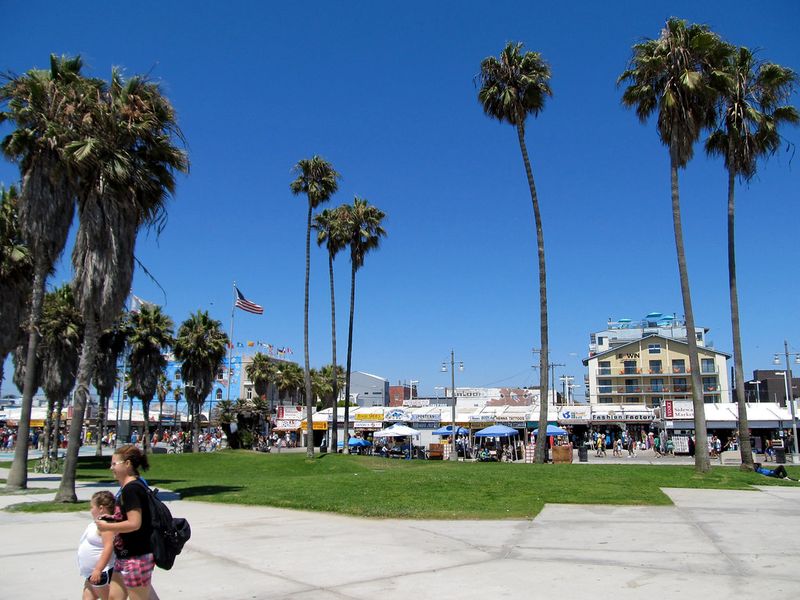
Part bohemian carnival, part athletic showcase, Venice Beach offered a boardwalk experience unlike any other during the 1970s. The Ocean Front Walk attracted an eclectic mix of artists, musicians, bodybuilders, and counterculture figures who created a constantly changing street theater.
Roller skaters glided past while street performers juggled, played instruments, or demonstrated various talents in hopes of earning spare change from entertained crowds.
Muscle Beach outdoor gym became legendary as bodybuilders including Arnold Schwarzenegger pumped iron in full view of fascinated onlookers. The scene represented California culture at its most free-spirited and unconventional, where self-expression trumped conformity and anything seemed possible.
Vendors sold handmade jewelry, artwork, and various crafts from makeshift stalls, creating a marketplace atmosphere alongside the entertainment.
The beach itself remained the main attraction, with volleyball games, sunbathers, and surfers providing endless people-watching opportunities. Unlike more traditional boardwalks, Venice emphasized culture and community over commercial attractions and rides.
The atmosphere could feel chaotic and overwhelming to some visitors, but for others it represented the perfect embodiment of 1970s California freedom and creativity. Walking the Venice boardwalk meant experiencing American counterculture in its natural habitat, where rules were minimal and individual expression reached its creative peak.
13. Myrtle Beach Boardwalk & Pavilion Area (South Carolina)
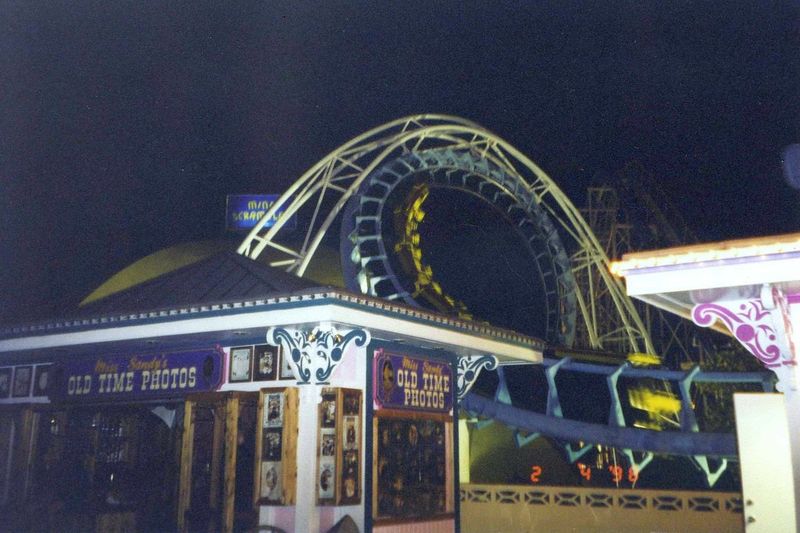
The Grand Strand’s entertainment hub brought Southern hospitality to the boardwalk experience throughout the 1970s. The Pavilion Amusement Park served as the centerpiece, with its collection of rides and attractions drawing families from across the Southeast.
Live music venues featured beach music and shagging, a dance style beloved in the Carolinas that kept the pavilion packed on summer nights.
The boardwalk connected numerous attractions, restaurants, and shops while providing easy beach access and ocean views. Arcades offered the latest games alongside timeless classics, with air conditioning providing welcome relief from the humid Southern summer heat.
The atmosphere felt slightly more relaxed and less frenetic than Northern boardwalks, reflecting the region’s slower pace and emphasis on gracious hospitality.
Seafood restaurants served fresh catches prepared with local flavors and cooking styles that gave visitors a taste of authentic coastal Carolina cuisine. The area attracted a loyal following of vacationers who returned annually, often renting the same beach houses and establishing summer traditions spanning generations.
As evening approached, the boardwalk came alive with lights, music, and the excitement of families making the most of their precious vacation time. Myrtle Beach offered a distinctly Southern take on boardwalk culture, blending traditional attractions with regional character and warm hospitality that made visitors feel welcomed and valued.



