 Unearth The Voyage
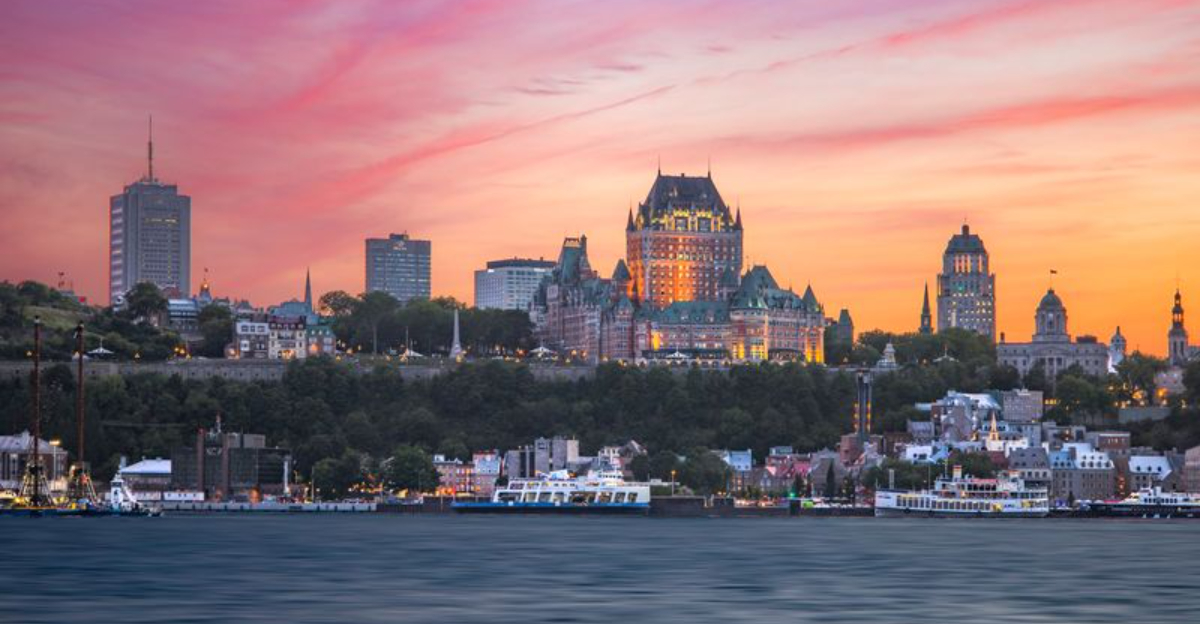
Some cities get talked up so much that the real thing can only disappoint. But a rare few actually deliver on every promise, and then some.
These 13 cities have been celebrated for years, and they still manage to surprise first-timers and repeat visitors alike. They earn their reputation honestly, and that makes all the difference.
Kyoto, Japan
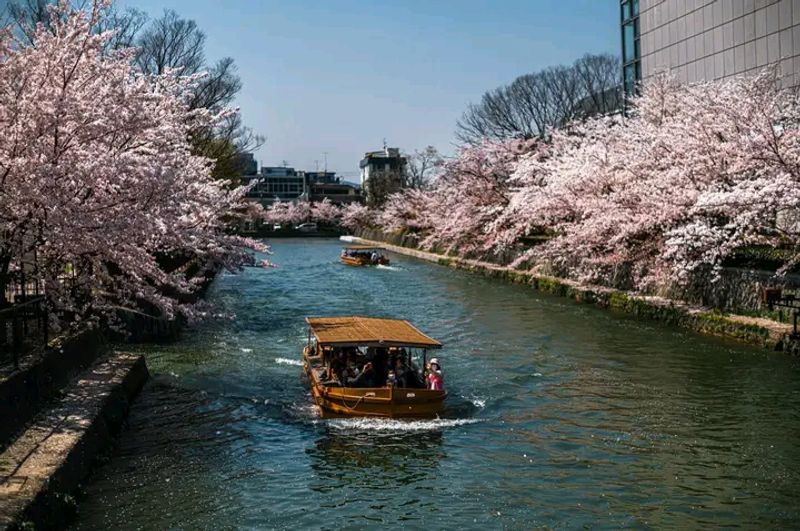
Kyoto has been earning its praise since the 8th century, and it still has not peaked. As Japan’s imperial capital for over a thousand years, it carries a kind of cultural weight that most cities simply cannot fake.
Seventeen UNESCO-listed historic monuments anchor its identity, and every neighborhood seems to hold a new layer of history.
Walking through Gion at dusk feels like flipping through a living textbook. Traditional wooden machiya townhouses line the streets, and the occasional sight of a geiko heading to an appointment is genuinely jaw-dropping.
Kyoto is not just beautiful for photos. It is beautiful because it means something.
The city rewards slow travel. Skip the rush, linger over matcha in a quiet teahouse, and let the temples do the talking.
Kyoto does not need to oversell itself. It just needs you to show up.
Lisbon, Portugal
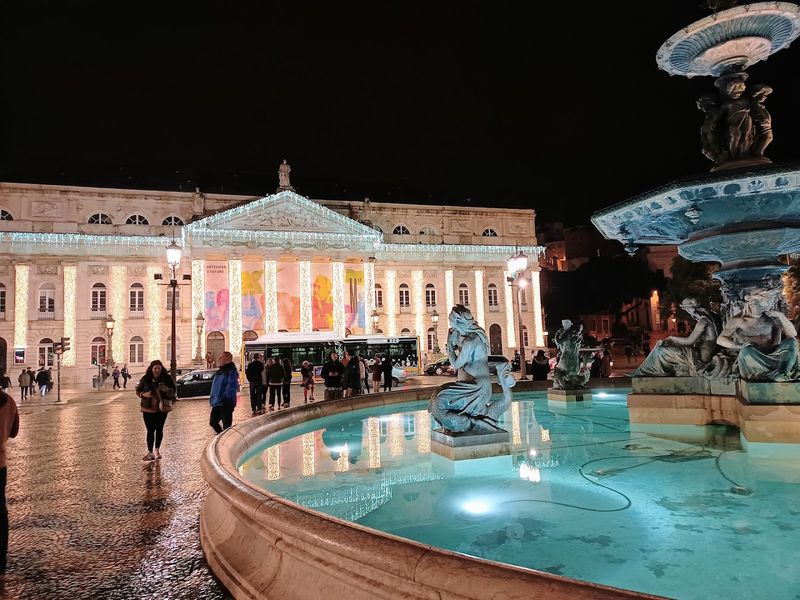
Lisbon is the kind of city that makes you rethink every other city you have visited. The pastel tiles and rattling trams are real, but they are just the surface layer of something much richer.
The city’s miradouros offer sweeping views that genuinely stop conversations mid-sentence.
History runs deep here. Lisbon survived a catastrophic earthquake in 1755 and rebuilt itself with a confidence that still radiates from its wide boulevards and ornate facades.
The food scene is punching well above its weight, from tiny tascas serving bacalhau to modern restaurants reworking Portuguese classics with serious skill.
Budget travelers and luxury seekers both find their footing easily. The city is compact enough to explore on foot but packed enough to fill a week without repeating yourself.
Relaxed and unforgettable is a hard combination to pull off, but Lisbon does it without even trying hard.
Porto, Portugal
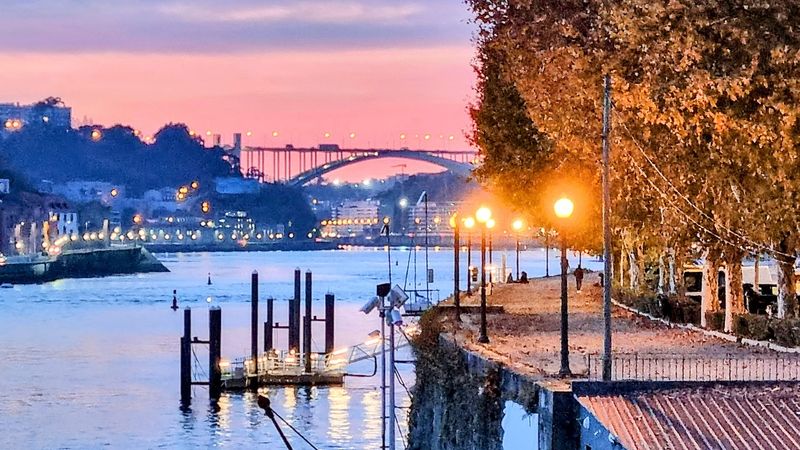
Porto is what happens when a city refuses to be turned into a theme park. It has UNESCO status, a dramatic riverfront, and one of Europe’s most photogenic historic cores, yet it still feels like real people actually live there.
That is rarer than it sounds.
The Ribeira district is stacked with azulejo-tiled buildings that seem to defy gravity on the hillside above the Douro River. Port wine cellars line the opposite bank in Vila Nova de Gaia, and a tasting session there is basically mandatory.
I spent an afternoon doing exactly that, and I have zero regrets about missing a museum.
Porto rewards the curious. Wander away from the main drag and you will find bookshops inside former chapels, local bakeries with no English menus, and viewpoints with zero crowds.
The city exceeds expectations precisely because it never tries to manage them.
Cape Town, South Africa
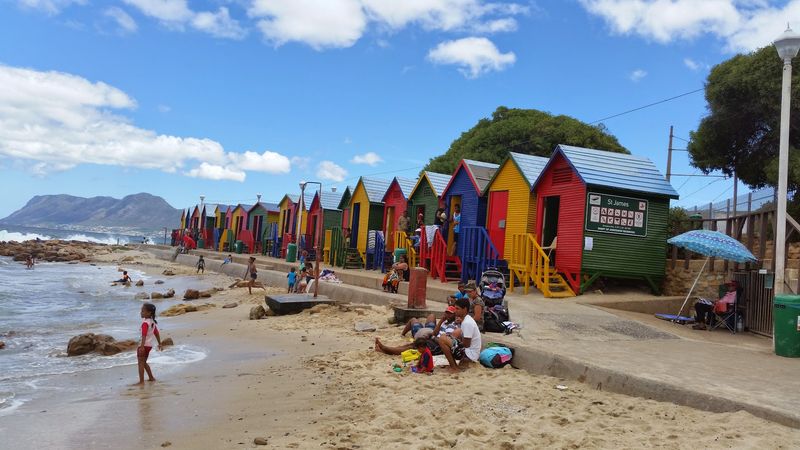
Table Mountain is the kind of landmark that makes you wonder if someone just made it up. It sits flat-topped above the city like a natural skyscraper, and the view from the cable car is genuinely outrageous.
Cape Town built its entire identity around that mountain, and honestly, fair enough.
But the city is far more than one iconic backdrop. Cape Town has world-class beaches, a booming food and wine scene anchored by the nearby Winelands, and biodiversity that includes wild penguins just a short drive from the city center.
That combination of spectacle and substance is what keeps it from feeling like a one-trick destination.
The neighborhoods each have their own personality. Bo-Kaap’s brightly painted houses tell a layered cultural story.
The V&A Waterfront mixes tourism and local life without feeling forced. Cape Town earns every single superlative thrown at it.
Singapore
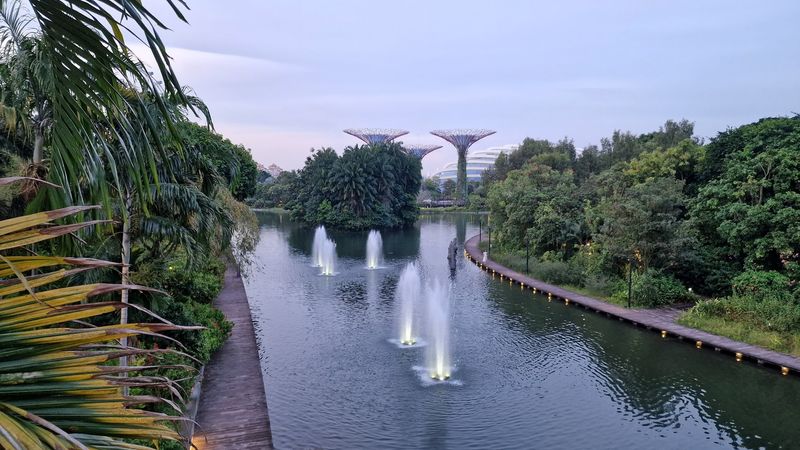
Singapore is the city people think they understand before they visit, and then it completely rewires their expectations. Yes, the skyline is sleek.
Yes, everything runs on time. But the real soul of the city lives in its hawker centres, and UNESCO made it official by inscribing Singapore’s hawker culture on its Intangible Cultural Heritage list.
A hawker centre is not just a food court. It is a community institution where grandmothers, office workers, students, and tourists all share tables and eat extraordinarily well for very little money.
Chicken rice, laksa, char kway teow: these dishes have entire life stories behind them. Eating your way through a single hawker centre is a genuine cultural education.
Singapore also punches above its weight in museums, green spaces, and architectural ambition. It is a small city that thinks very, very big.
The efficiency is real, but the warmth underneath it is what makes people come back.
Melbourne, Australia
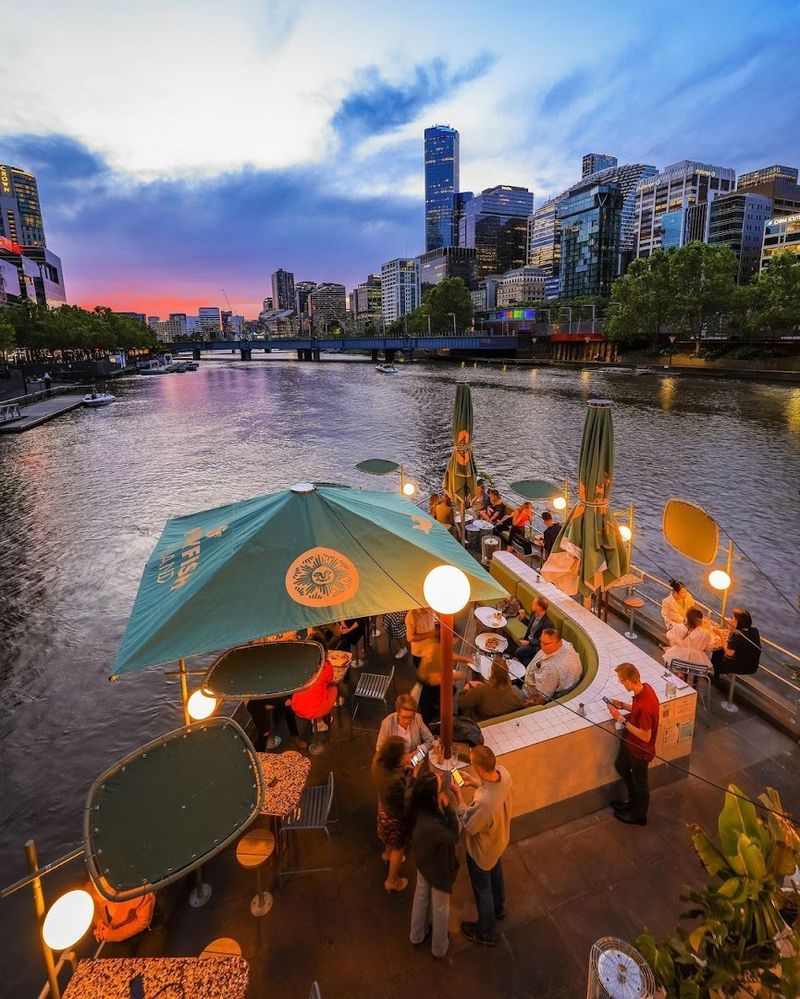
Melbourne’s laneways have been written about so many times that you might expect them to disappoint. They do not.
Hosier Lane alone is worth the trip, covered floor to ceiling in rotating street art that changes faster than any gallery could keep up with. The city treats its laneways like living canvases, and it works beautifully.
What keeps Melbourne from feeling overhyped is its neighborhood depth. Fitzroy, Collingwood, and Brunswick each have their own distinct personality, from vintage record shops to hole-in-the-wall ramen joints to rooftop bars with skyline views.
There is always a new corner to turn.
The coffee culture here is legendary, and locals will very politely let you know if you order wrong. Melbourne has an opinion about espresso, and it is usually correct.
Creative, textured, and a little bit cheeky, this city rewards the kind of traveler who enjoys getting pleasantly lost.
Edinburgh, Scotland
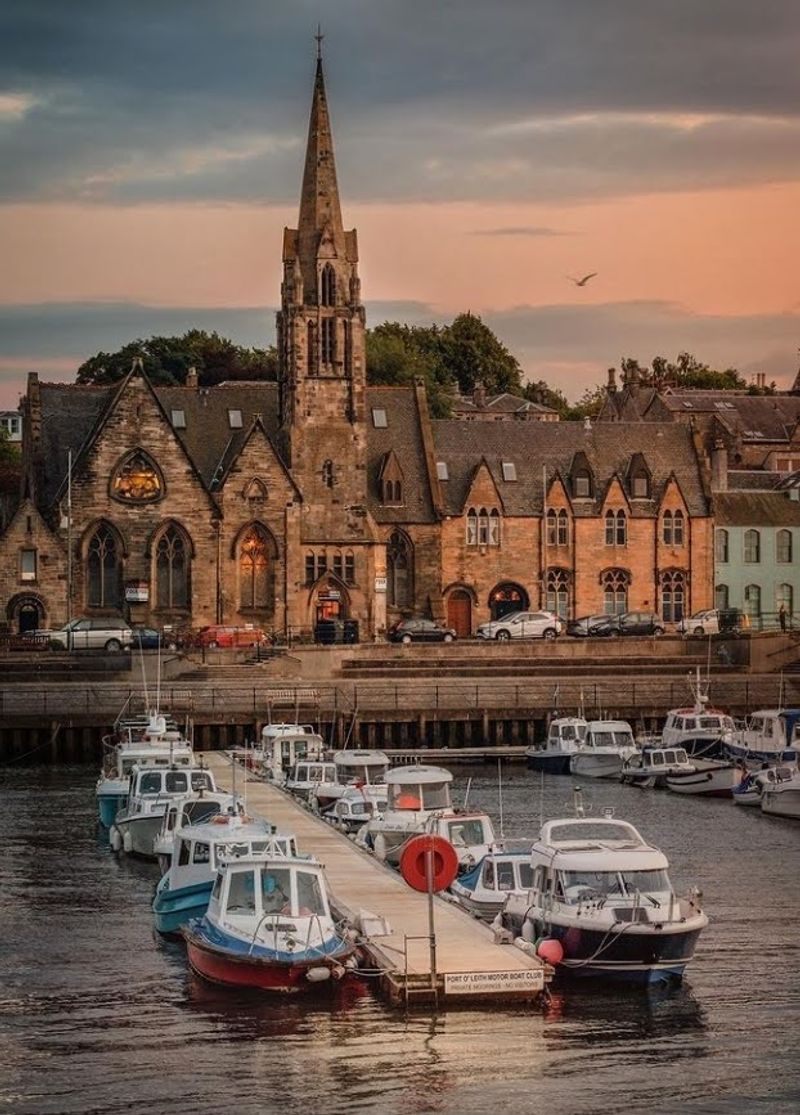
Edinburgh has a skyline that looks like it was designed by someone who wanted to win an argument. The castle sits on a volcanic rock above the Old Town, and on a misty morning it looks genuinely medieval in the best possible way.
No filter required, no exaggeration needed.
The city’s UNESCO heritage core in the Old Town and Georgian New Town gives it architectural range that few European capitals can match. History is layered into every cobblestone, from the narrow closes running off the Royal Mile to the underground vaults that once housed entire communities.
Edinburgh is moody in a way that feels earned, not performed.
The Fringe Festival in August turns the whole city into a stage, but even off-season, Edinburgh has personality to spare. Bookshops, whisky bars, and dramatic hilltop walks are available year-round.
This city is remarkably hard to tire of, no matter how many times you visit.
Quebec City, Canada
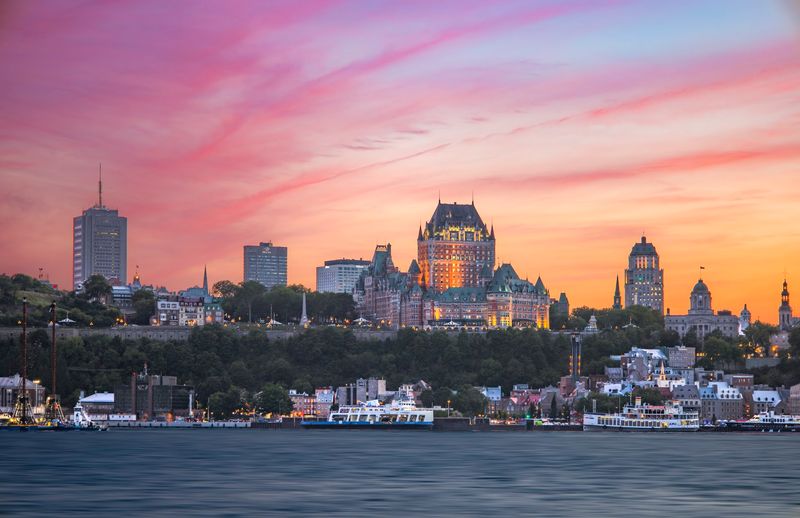
Old Quebec is the only fortified city north of Mexico, and that fact alone should make it more famous than it is. Walking through the stone gates of the old walls feels like stepping into a completely different continent, which is essentially what happened historically.
French colonial ambition left behind something extraordinary here.
The Chateau Frontenac looms over the Lower Town like a fairytale castle, and the cobblestone streets of the Petit-Champlain district are genuinely charming rather than manufactured. UNESCO recognized the historic core for good reason: the fortifications, the architecture, and the compact layout all work together to create an atmosphere that hits immediately.
Winter is actually the best time to visit. The Carnaval de Quebec transforms the city into a celebration of snow and warmth simultaneously, with ice sculptures, outdoor parties, and enough poutine to fuel a polar expedition.
Quebec City never disappoints because it never oversells. It just quietly delivers.
Oaxaca City, Mexico
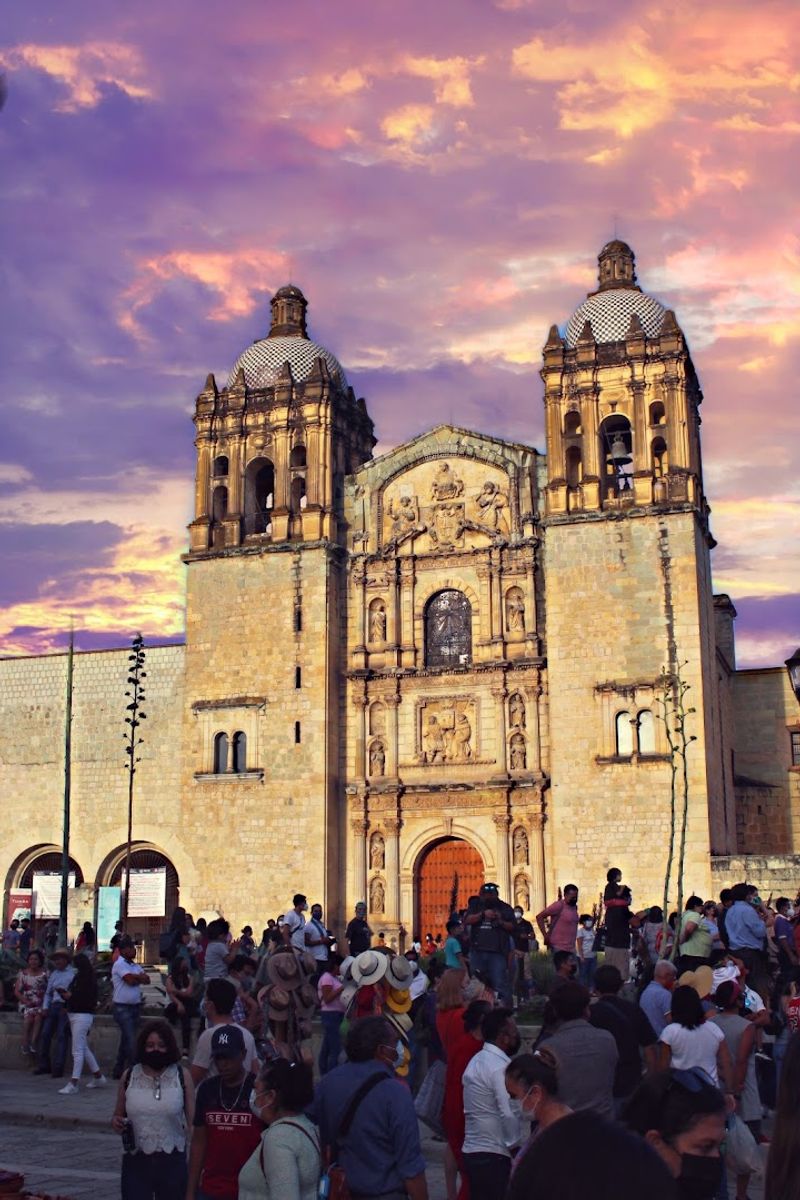
Oaxaca is the city that food writers lose their minds over, and for once the hype is completely justified. The 20 de Noviembre Market is a masterclass in Mexican gastronomy, where mole negro, tlayudas, and memelitas are prepared fresh in front of you by vendors whose families have been doing this for generations.
It is not a tourist attraction. It is a way of life.
The city’s cultural heritage runs just as deep as its culinary one. Zapotec and Mixtec traditions are alive in the crafts, textiles, and festivals that fill the calendar year-round.
The Day of the Dead celebrations here are among the most moving in all of Mexico. Oaxaca does not rely on a single selling point.
The architecture is gorgeous too: green quarry stone churches, colorful colonial facades, and shaded central plazas where locals actually spend time. This is a full, rich, layered city that earns every rave review it receives.
Seville, Spain
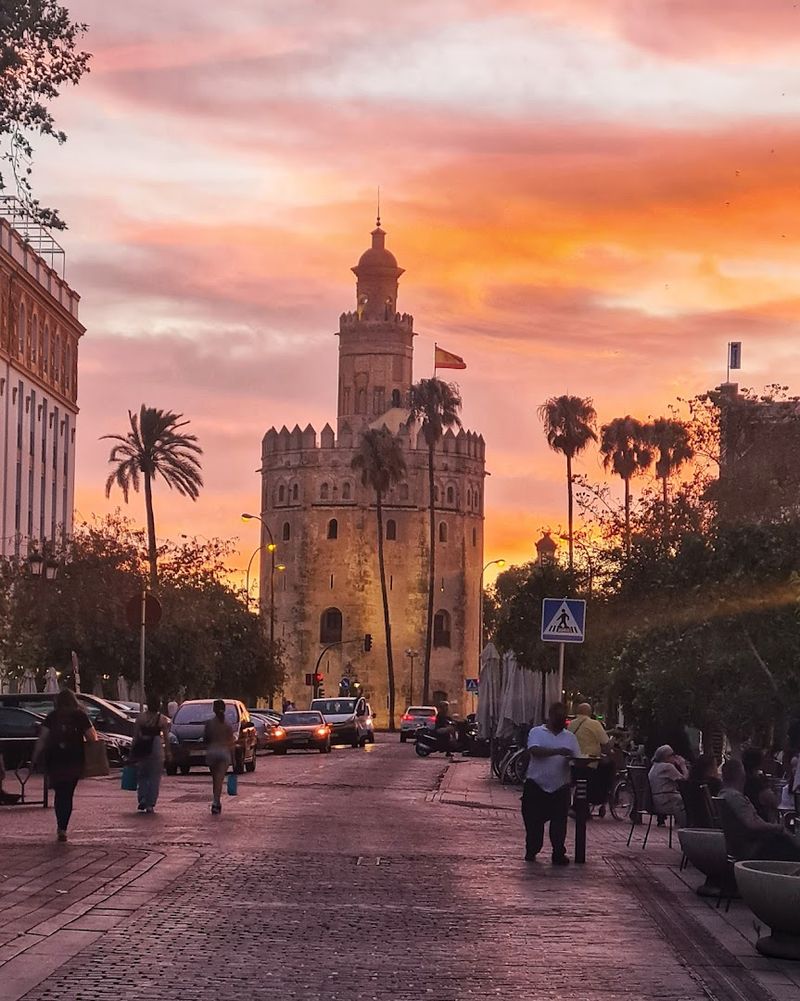
Seville is the city that makes you feel like you are living inside a flamenco song, and not in a cheesy way. The heat, the music drifting from open doorways, the orange trees lining every street: it all adds up to something genuinely atmospheric.
Spain has many great cities, but Seville hits differently.
The historic monuments are extraordinary. The Alcazar is a UNESCO World Heritage Site that has been continuously inhabited since the 10th century.
The Cathedral holds Columbus’s tomb and the largest Gothic interior in the world. The Plaza de Espana is so dramatic it has been used as a film set multiple times.
The density of remarkable architecture here is almost absurd.
Seville also knows how to eat and drink well into the night. Tapas culture here is not a tourist invention.
It is a social institution, and the locals will school you on the correct order of operations. Arrive hungry.
Leave very happy.
Buenos Aires, Argentina
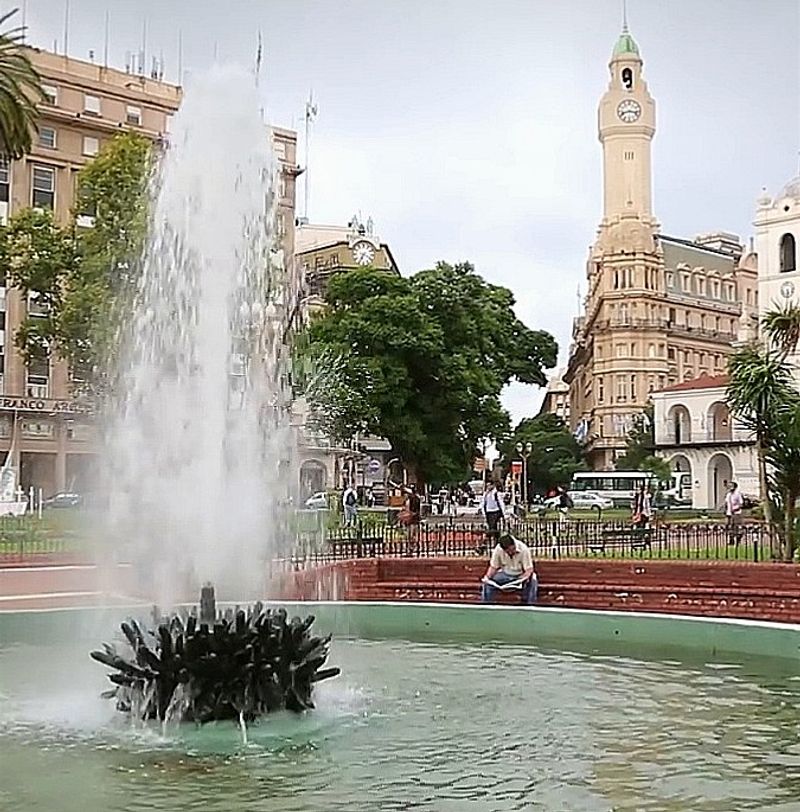
Buenos Aires has a personality problem, in the best possible way. There are too many personalities to count.
La Boca is vivid and loud. Palermo is leafy and fashionable.
San Telmo is historic and a little rough around the edges. The city refuses to be summarized neatly, which is exactly why it works so well.
The preserved historic cafes are a genuinely special feature. Places like Cafe Tortoni have been serving coffee and conversation since 1858, and they still feel alive rather than museum-like.
Locals actually use them. That kind of continuity gives Buenos Aires an emotional texture that is hard to manufacture and impossible to fake.
Tango is everywhere and nowhere specific, which sounds confusing until you are there. You might catch a spontaneous performance in a plaza or stumble into a milonga that goes until sunrise.
Buenos Aires does not do things halfway, and that full-commitment energy is what makes it so memorable.
Amsterdam, Netherlands
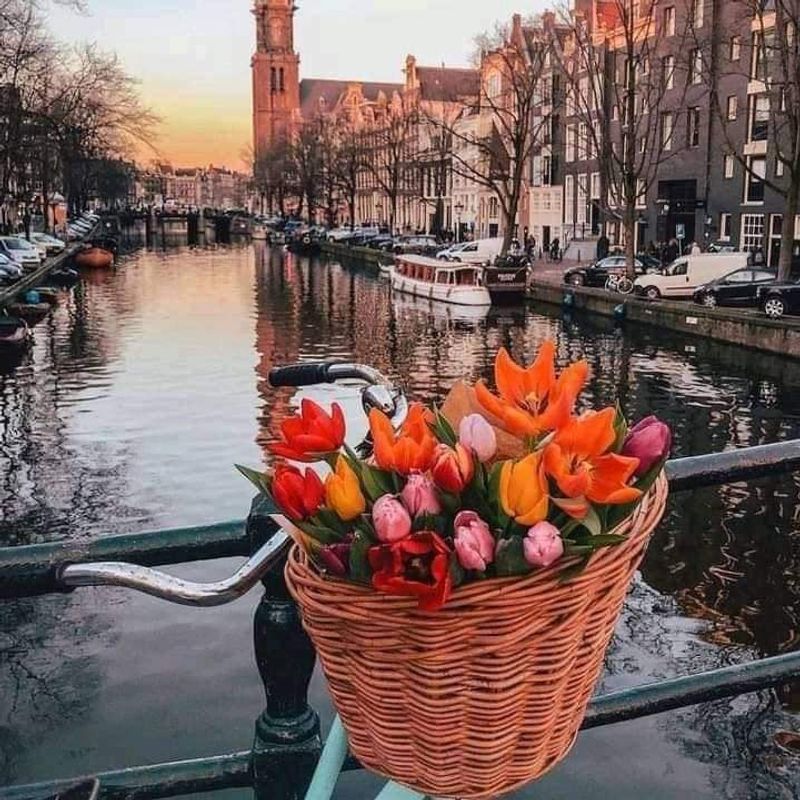
Amsterdam’s canals are one of those rare things that actually look better in person than in photos. The 17th-century canal ring is a UNESCO World Heritage Site, and the water-level perspective from a small boat makes the gabled townhouses look like they are performing for you.
It is charming in a way that feels completely unforced.
The city has serious museum credentials too. The Rijksmuseum, the Van Gogh Museum, and the Anne Frank House are all within easy walking distance of each other, and each one delivers something genuinely affecting.
Amsterdam is not just pretty canal scenery. It is a city that has processed its own complicated history with unusual honesty.
Cycling is the actual transport system here, not a novelty. Rent a bike on day one and the whole city opens up differently.
You will immediately understand why locals look slightly impatient when tourists walk in the bike lane. Amsterdam rewards those who pay attention to the unwritten rules.
Istanbul, Turkiye
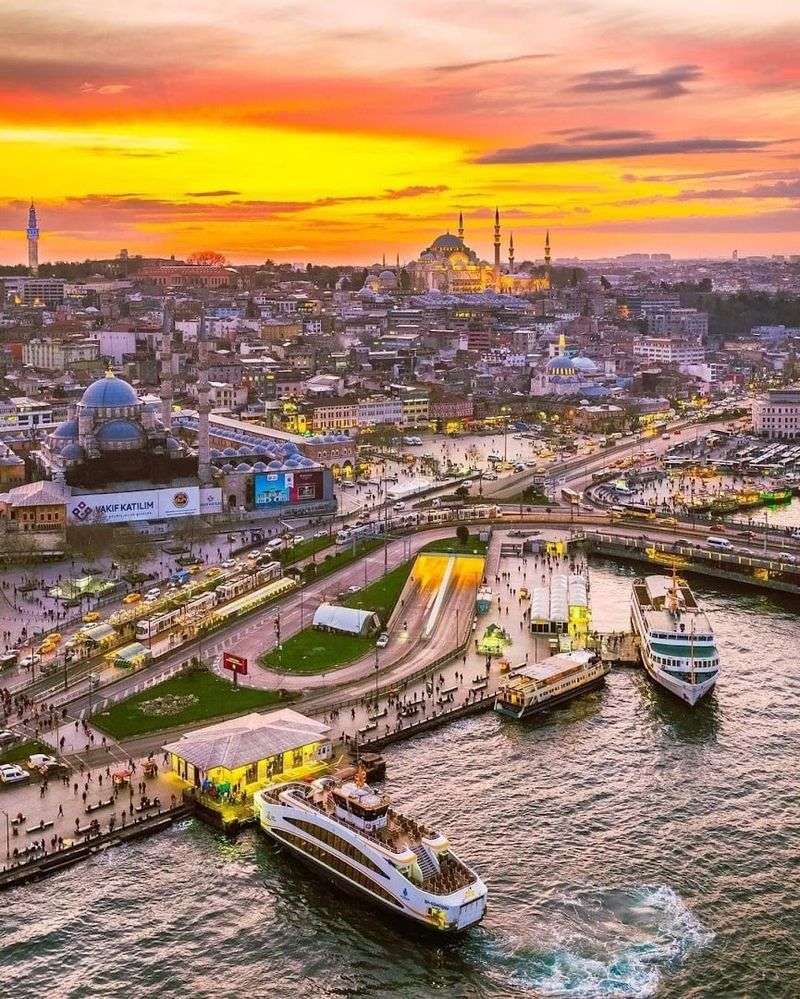
Istanbul is the only city in the world that sits on two continents, and it carries that geographic audacity into everything it does. The skyline alone, with the domes of Hagia Sophia and the Blue Mosque rising above the Bosphorus, is one of the most genuinely stunning urban views on the planet.
It earns that description every single time.
UNESCO notes that the Historic Areas of Istanbul have been tied to major political, religious, and artistic events for more than 2,000 years. That is not a marketing line.
That is the actual biography of the city. Roman emperors, Byzantine patriarchs, and Ottoman sultans all left their fingerprints here, and you can still touch the walls they built.
The food scene, the Grand Bazaar, the ferry rides across the strait, the tea gardens overlooking the water: Istanbul layers experience on top of experience without effort. When a city this historically loaded still manages to feel alive and current, overrated is simply the wrong word.



