 Unearth The Voyage
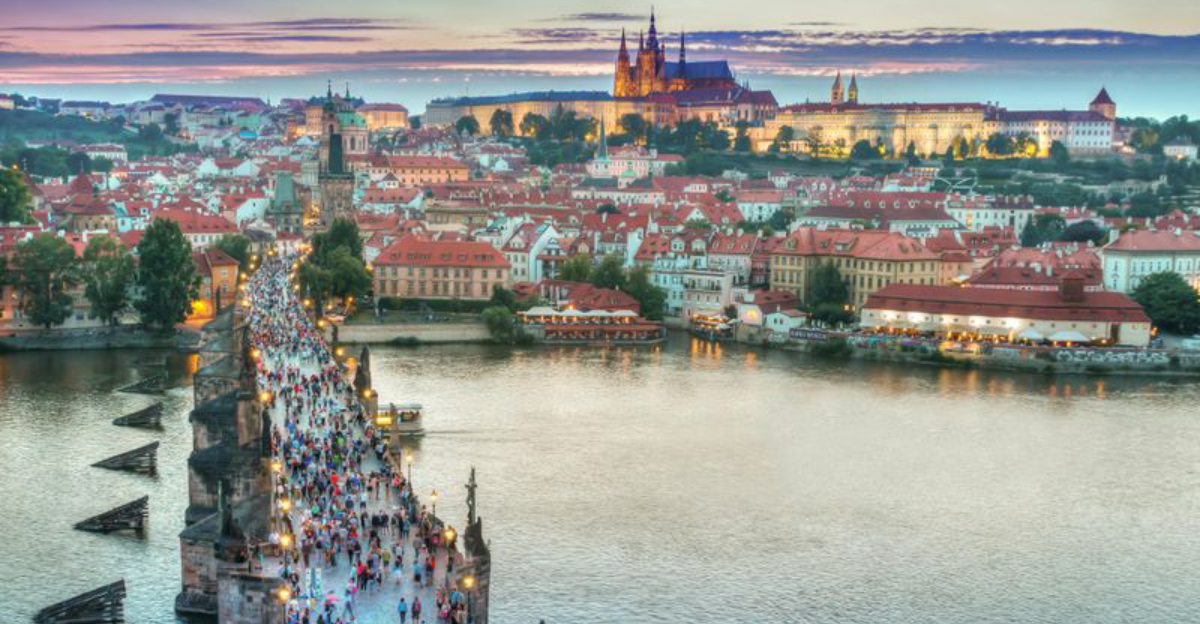
Some people travel for history, beaches, or museums. I travel for pastry.
After spending three weeks hopping across Europe with nothing but a sweet tooth and a very forgiving waistband, I can confirm that the continent is basically one giant, flaky, sugar-dusted paradise. These 13 cities are the ones that kept me coming back for seconds, and honestly, thirds.
Paris, France

No pastry list starts anywhere else. Paris invented the rulebook, then made it look effortless while wearing a beret.
The city has over 1,200 registered boulangeries, which means you are never more than a two-minute walk from something life-changing.
The croissant here is not a croissant anywhere else. The layers are thinner, the butter is richer, and the crunch is loud enough to turn heads on the Metro.
Locals judge a bakery by its croissant alone, so pick carefully.
Eclairs, mille-feuille, Paris-Brest, and tarte tatin all compete for your attention on every corner. My personal undoing was a pistachio eclair from a tiny shop near the Marais that cost two euros and ruined all future eclairs for me permanently.
Go hungry, bring cash, and wear stretchy pants.
Vienna, Austria
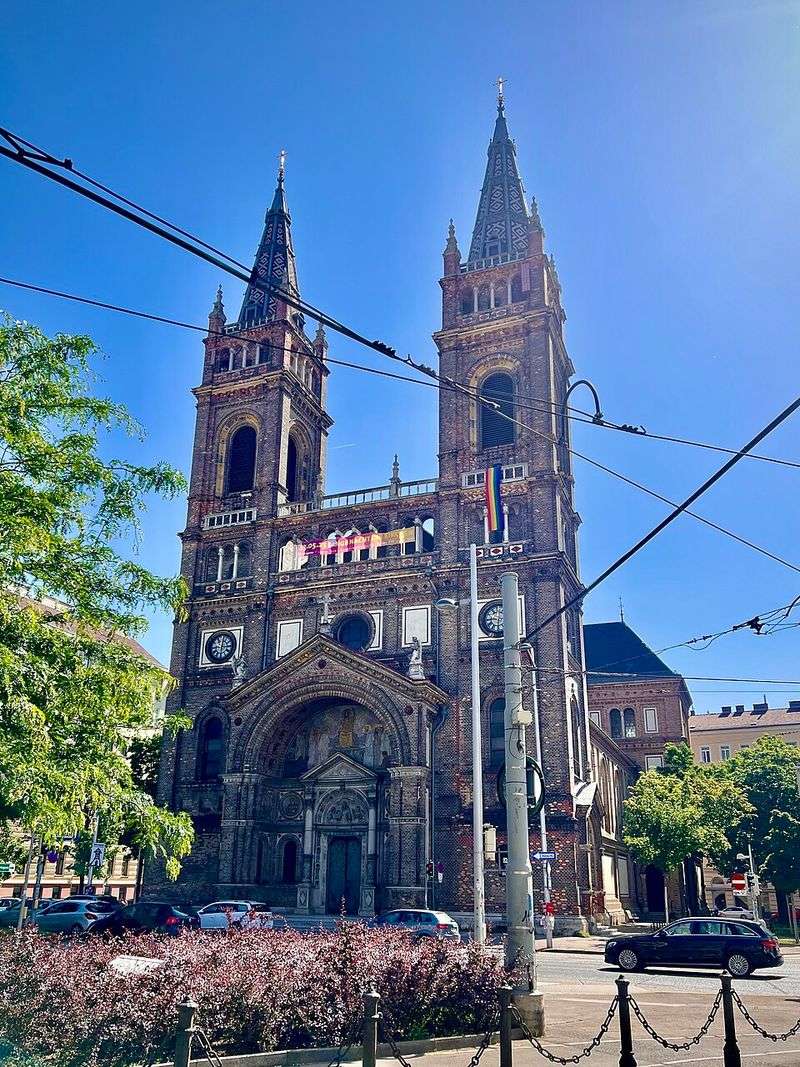
Vienna does not just have a pastry culture. It has a pastry philosophy.
The city’s coffeehouses are UNESCO-recognized institutions, and sitting in one with a slice of Sachertorte feels genuinely historic.
Sachertorte is the crown jewel: a dense chocolate cake with a thin apricot jam layer, served with unsweetened whipped cream. The Hotel Sacher and Cafe Demel have been arguing over the original recipe since 1876, which is the most delicious legal dispute in history.
Apfelstrudel is everywhere, and it deserves every bit of the hype. The pastry is stretched so thin you can read a newspaper through it, which is a technique that takes years to master.
Vienna also does Kipferl, Guglhupf, and Linzer torte with the same quiet confidence it brings to everything else. Block out a full afternoon, order a Melange coffee, and settle in.
Lisbon, Portugal
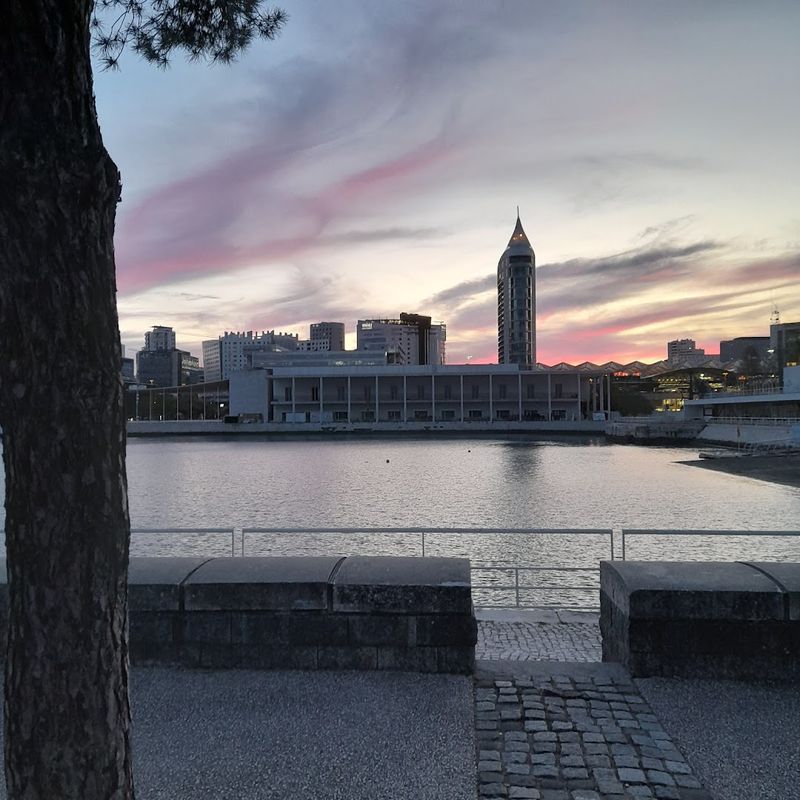
Lisbon is the city that gave the world the Pastel de Nata, and the world has been grateful ever since. These little custard tarts with their flaky shells and slightly charred tops are eaten warm, dusted with cinnamon, and consumed in quantities that would alarm a nutritionist.
The original recipe comes from the Pasteis de Belem bakery, open since 1837. The exact formula is still a secret known only to a handful of people, which makes every bite feel like a tiny mystery.
Lines outside can stretch around the block, and they are absolutely worth it.
Beyond the Nata, Lisbon offers Bolo de Arroz, Queijadas, and Travesseiros, each tied to a different region or convent tradition. Portuguese pastry has deep roots in Catholic convents, where nuns used egg yolks left over from starching habits to create recipes still eaten today.
History never tasted so good.
Brussels, Belgium
Brussels is the city where waffles became an art form and chocolate became a religion. Walk down any street in the city center and the smell of warm waffle batter will pull you in like a cartoon character floating toward a pie on a windowsill.
There are two Belgian waffles: the Brussels waffle, light and rectangular with deep pockets, and the Liege waffle, denser and caramelized with pearl sugar. Both are correct.
Both are necessary. Choosing between them is a false dilemma best solved by eating one of each.
Belgian chocolate shops, called chocolatiers, line the Galeries Royales Saint-Hubert, one of Europe’s oldest shopping arcades. Pralines here are filled, layered, and crafted with a seriousness usually reserved for watchmaking.
Speculoos biscuits, the spiced shortcrust cookies now famous globally, originated here too. Brussels is basically a pastry lover’s theme park with better architecture.
Copenhagen, Denmark
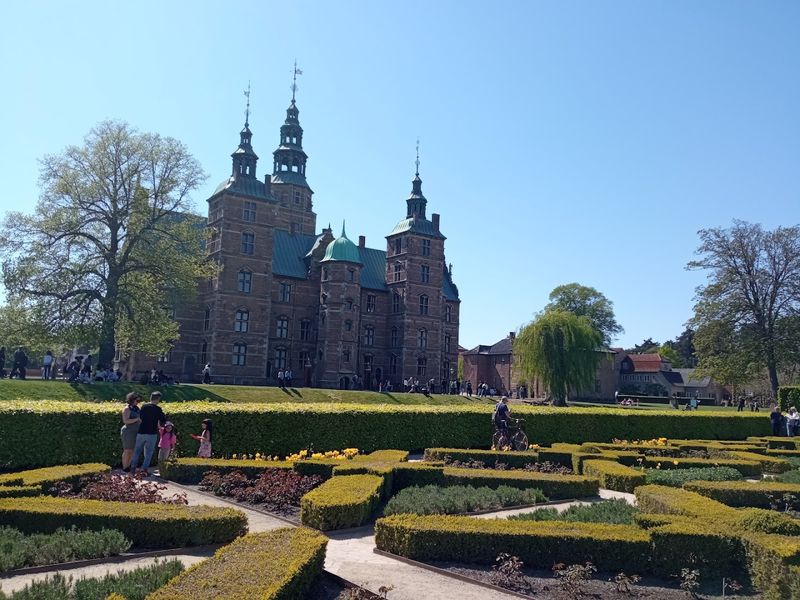
What the world calls a Danish pastry, Danes call Wienerbroed, meaning Vienna bread, because they borrowed the technique from Austrian bakers in the 1840s and then completely made it their own. That kind of confident cultural remix is very Copenhagen.
The city’s bakery scene has exploded in recent years. Bakeries like Hart Bageri and Juno the Bakery have cult followings that rival rock bands.
People queue before opening time in temperatures that would make a polar bear reconsider, all for a cardamom roll or a kouign-amann that justifies every second of waiting.
Copenhagen also does exceptional Kanelsnegle, the local cinnamon roll, which is softer and less sweet than its American cousin. The city’s New Nordic food movement has influenced pastry too, bringing rye flour, malt, and fermented flavors into baked goods in ways that sound strange and taste brilliant.
Expect to be surprised here, pleasantly and repeatedly.
Naples, Italy
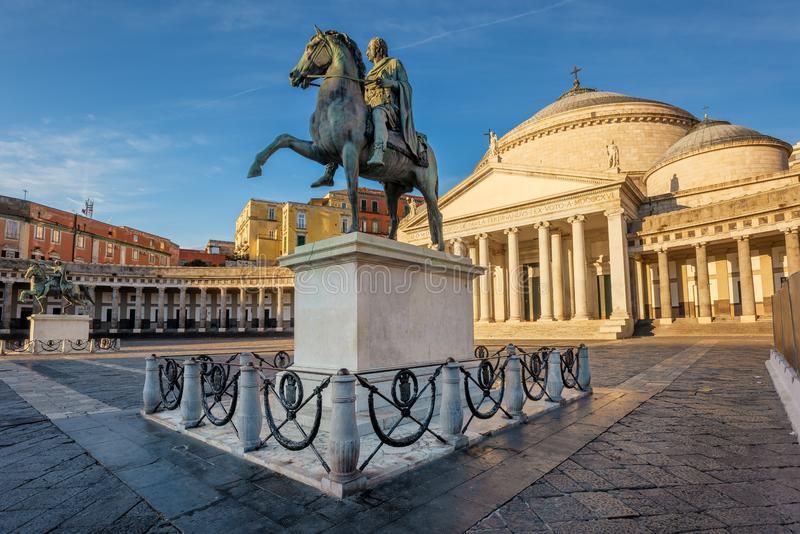
Naples is loud, chaotic, passionate, and makes the best pastry in Italy, which is saying something in a country where every region thinks it makes the best pastry in Italy. The city’s confidence is completely justified.
Sfogliatella is Naples’ signature pastry, a clamshell-shaped shell of paper-thin dough stuffed with ricotta and semolina cream. There are two versions: the riccia, with its dramatic flaky layers, and the frolla, made with shortcrust.
Both are eaten warm, standing up, ideally outside a place called Attanasio near the train station.
Babas soaked in rum syrup, Zeppole di San Giuseppe, and Pastiera Napoletana round out a menu that treats dessert with the same reverence other cities give to main courses. Naples also makes a Struffoli at Christmas, tiny fried dough balls coated in honey, that could bring world peace if distributed widely enough.
A bold claim, but try one first.
Lyon, France
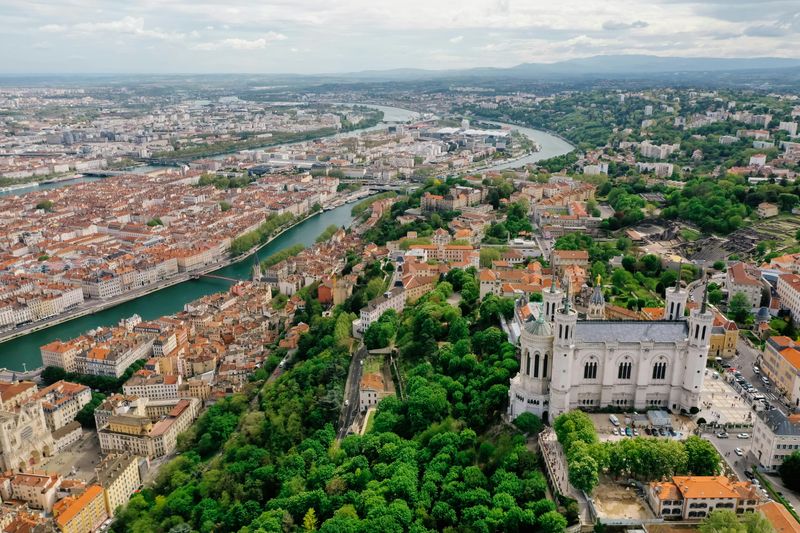
Lyon is France’s gastronomic capital, and while Paris gets the pastry fame, Lyon is where French chefs go to eat seriously. The city has more Michelin stars per capita than anywhere else on earth, and that obsession with quality trickles all the way down to the local bakery.
The Bugne Lyonnaise is the city’s signature pastry, a twisted, fried dough dusted with powdered sugar that shows up at every carnival and most bakery windows year-round. It is simple, slightly crispy, and completely addictive.
Locals eat them like they are going out of style, which they never do.
Tarte a la praline, made with bright pink crushed pralines melted into a buttery cream, is another Lyon specialty that looks almost too cheerful to eat. Almost.
Les Halles de Lyon Paul Bocuse, the city’s famous covered market, is the best place to graze through pastry stalls and pretend you are doing research rather than just eating your way through a building.
Prague, Czech Republic
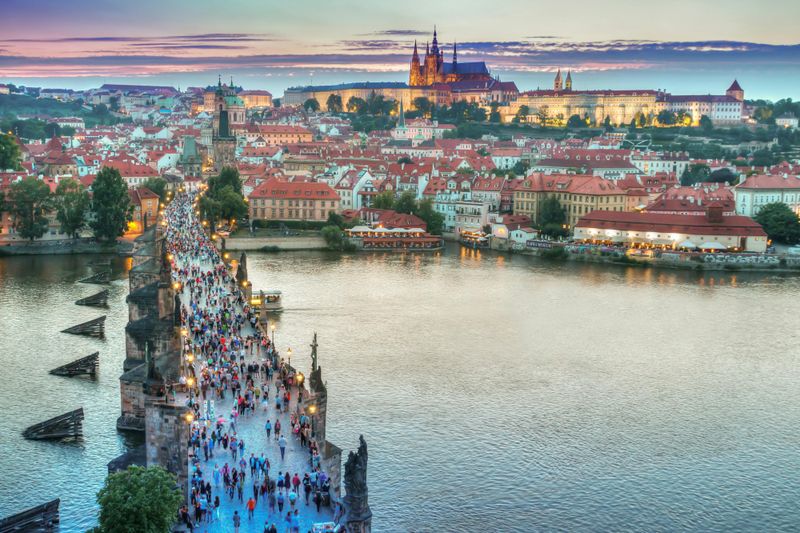
Prague might be the most underrated pastry city in Europe. Most visitors walk past its bakeries chasing beer and dumplings, which is a perfectly valid life choice but leaves pastry treasures undiscovered on the cobblestones.
Trdelnik is the city’s most visible pastry, a spiral of sweet dough wrapped around a spit, grilled over coals, and rolled in cinnamon sugar. Purists will note it originally comes from Slovakia, but Prague has fully adopted it and nobody is arguing on a full stomach.
Get one plain rather than stuffed with ice cream, which is a tourist trap that dilutes the real experience.
Kolache, sweet buns filled with poppy seeds, plum jam, or sweetened quark cheese, are the local comfort food worth seeking out in traditional kavarna cafes. Czech pastry also features Medovnik, a honey cake with thin layers and sour cream filling, that improves with age like a fine wine.
Prague rewards the curious eater generously.
Turin, Italy
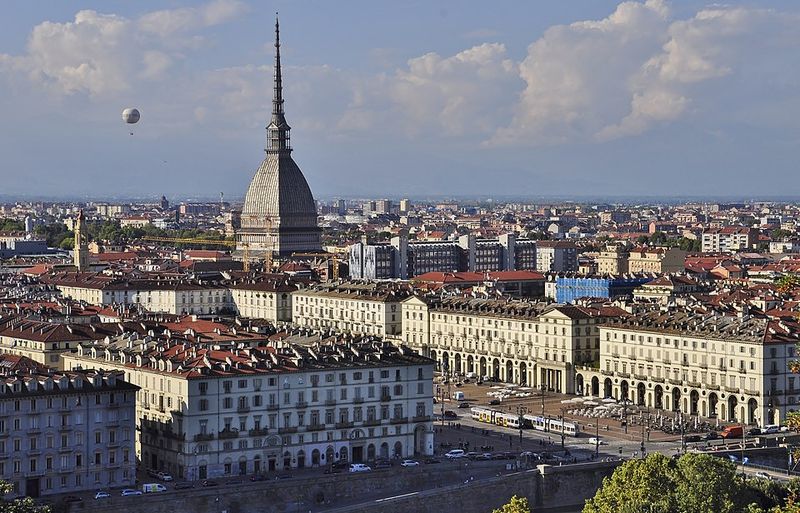
Turin is the city that invented Gianduja chocolate, the hazelnut-chocolate blend that eventually became Nutella. If that single fact does not put it on your travel list immediately, there is nothing more to say.
But there is plenty more to say.
The city’s historic cafes, called Caffe Storici, are among the most beautiful in Europe. Caffe Al Bicerin has been serving its famous layered drink of espresso, chocolate, and cream since 1763.
Sitting inside feels like time travel, and the pastries alongside it taste like they were made by someone who genuinely cares about your happiness.
Paste di Meliga, cornmeal shortbread cookies traditionally paired with Moscato wine, are a Turin specialty that most tourists never find. Bunet, a chocolate and amaretti pudding with a history stretching back to medieval banquets, is another local obsession worth tracking down.
Turin proves that northern Italian pastry deserves far more attention than it currently receives from the wider world.
Thessaloniki, Greece
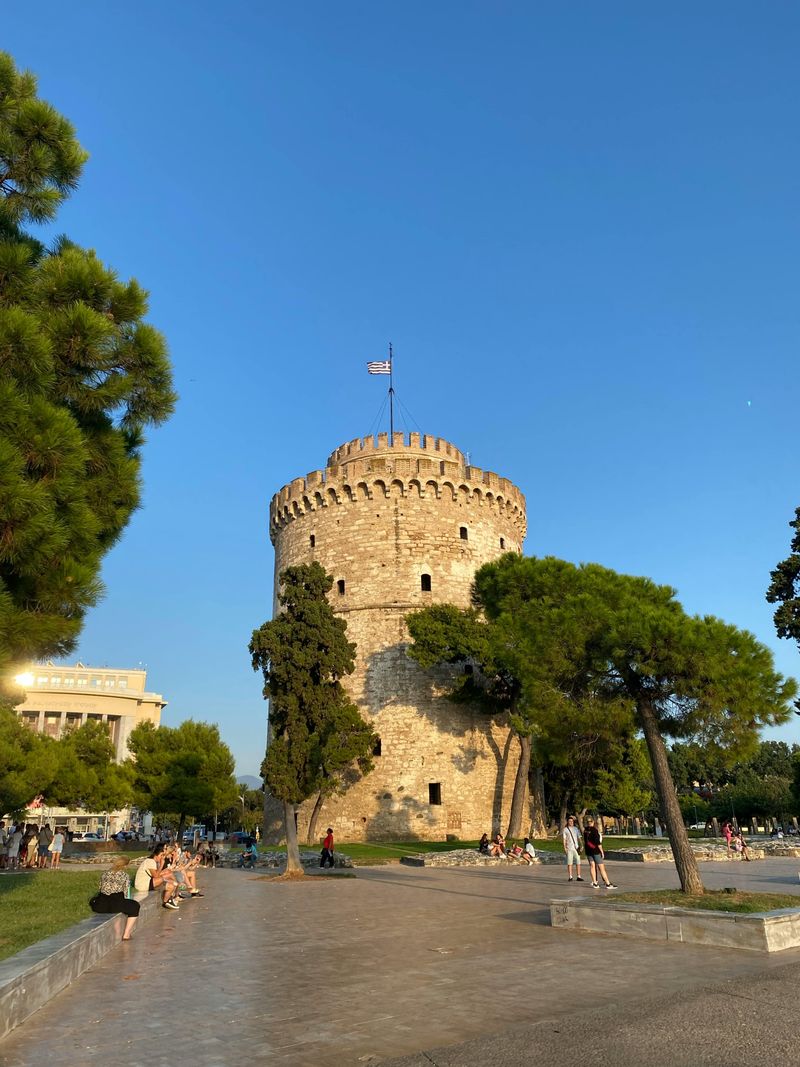
Thessaloniki takes its pastry so seriously that locals will debate the best bougatsa shop with the intensity usually reserved for sports rivalries. This northern Greek city has a pastry culture shaped by Byzantine, Ottoman, and Jewish influences, and the result is extraordinary.
Bougatsa is the city’s defining pastry: layers of crispy phyllo filled with warm semolina custard, dusted with powdered sugar and cinnamon, and served in slices at dedicated shops that open before sunrise. Thessaloniki’s version is considered superior to all others by everyone in Thessaloniki, and honestly, they have a strong case.
Baklava here comes in styles influenced by the city’s Ottoman past, with variations using walnuts, pistachios, or a mix of both soaked in honey syrup. Kataifi, shredded wheat pastry wrapped around nut fillings, and Galaktoboureko, a custard pie in syrup-soaked phyllo, complete a lineup that makes choosing just one feel genuinely cruel.
Visit on an empty stomach and no fixed schedule.
Madrid, Spain
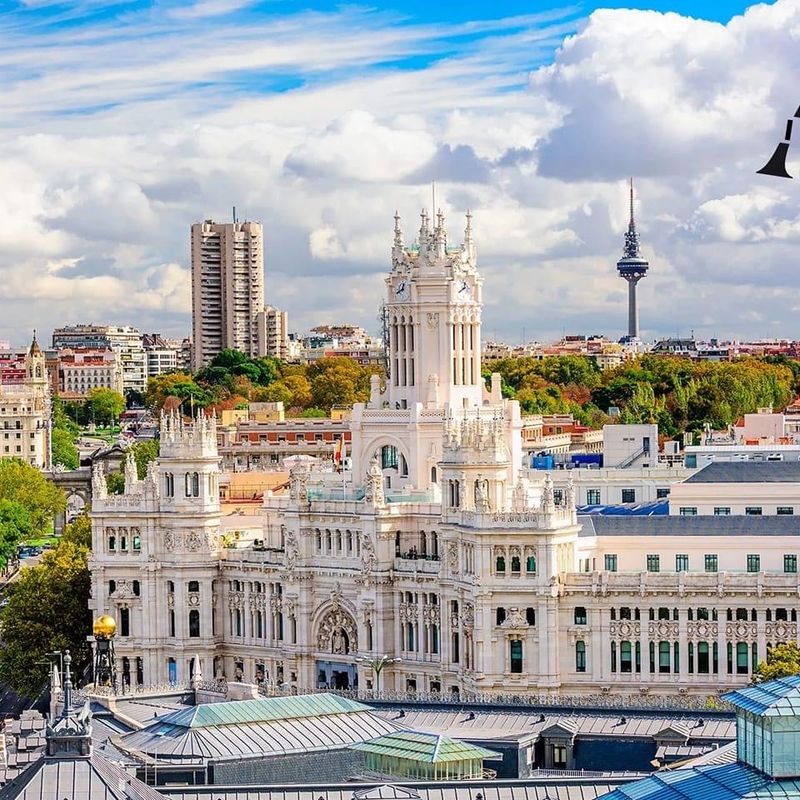
Madrid wakes up early for churros. Not the thin, sugary theme park version, but thick, slightly crispy fried dough sticks served with a cup of hot chocolate so thick you eat it with a spoon.
This is breakfast in Madrid, and it is a revelation.
Chocolateria San Gines has been serving churros with chocolate since 1894 and stays open almost around the clock. After a late night out, Madrilenos head there at 3am without any sense of irony.
It is one of the most joyful food traditions in Europe.
Beyond churros, Madrid does Napolitanas, puff pastry filled with chocolate cream and dusted with sugar, which appear in every bakery window and disappear from every plate quickly. Torrijas, a Spanish version of French toast soaked in wine and honey, come out at Easter and are worth planning a trip around.
Madrid’s pastry scene is unpretentious, generous, and deeply satisfying in the best possible way.
San Sebastian, Spain
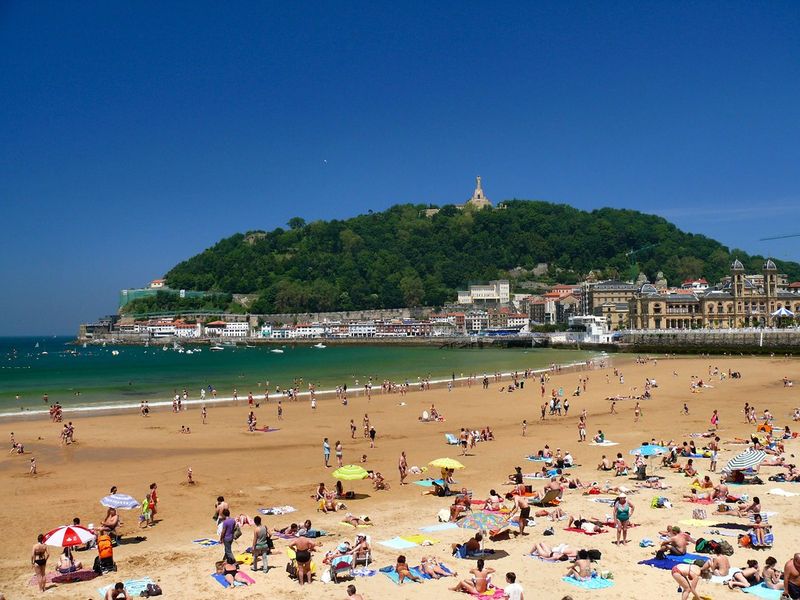
San Sebastian has more Michelin stars per square meter than almost any city on the planet, which makes it sound intimidating. It is actually just a small, beautiful coastal city where eating well is treated as a basic human right and pastry shops are taken extremely seriously.
The Gateau Basque is the region’s most beloved pastry: a dense, buttery cake filled with either pastry cream or cherry jam, with a lattice pattern pressed into the top. It looks humble and tastes like it was engineered for maximum comfort.
Every Basque grandmother has a version, and every version is correct.
Pantxineta, a puff pastry tart filled with pastry cream and topped with toasted almonds, is another local favorite that rarely appears on tourist menus but shows up in every serious pastry shop. San Sebastian also pioneered creative pintxos that blur the line between savory snack and sweet treat, making every bar counter a potential dessert adventure.
Go curious and come back full.
Bilbao, Spain
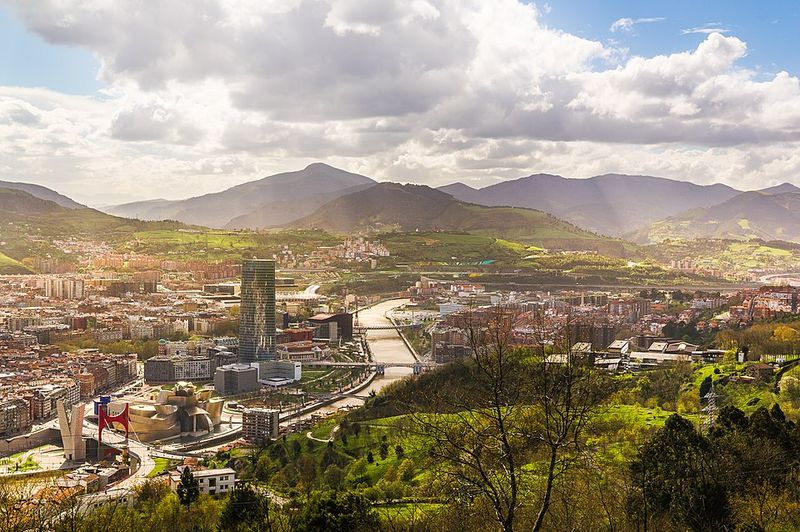
Bilbao gets overshadowed by its flashier neighbor San Sebastian, which is a mistake pastry lovers should not make. The city has a fiercely proud food culture and a pastry tradition that is entirely its own, rooted in Basque identity and centuries of baking know-how.
Carolina is Bilbao’s most iconic pastry: a cone-shaped puff pastry filled with cream and topped with a glossy, brightly colored fondant icing. It looks like something a very stylish wizard would carry.
The combination of textures and the sweetness of the icing against the airy pastry is genuinely hard to forget.
Pastel de arroz, a small rice flour custard tart with a delicate crust, is another Bilbao specialty worth hunting down in the old town bakeries. The city’s Mercado de la Ribera, one of Europe’s largest covered markets, has pastry stalls tucked between fish and vegetable vendors where locals actually shop.
Skip the tourist trail and follow the locals here. They always know where the good stuff is.



