 Unearth The Voyage
Every city carries scars, but the most inspiring ones turn those scars into a blueprint for renewal. This list takes you on a tour of places that soared, stumbled, and then fought their way back with grit, creativity, and smart planning.
You will see how factories became innovation labs, ruins turned into culture magnets, and waterfronts came alive again. If you are hungry for real examples and practical takeaways, you are in the right place.
1. Pittsburgh, Pennsylvania, USA
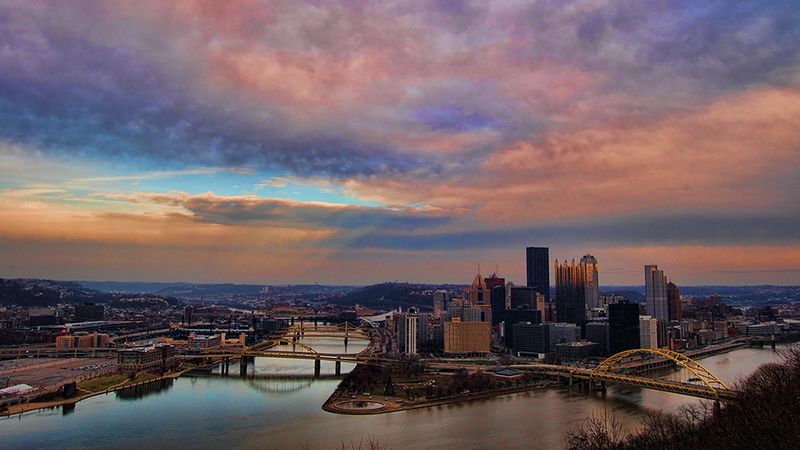
Pittsburgh recast itself after steel collapsed, trading smokestacks for circuits and clinics. Universities became the flywheel.
Carnegie Mellon’s robotics and AI labs seeded startups, while UPMC scaled into a healthcare giant employing tens of thousands. From 2010 to 2022, the metro added thousands of tech jobs, and the city’s air is clearer than in its steel heyday.
Bike lanes, riverfront trails, and adaptive reuse turned industrial edges into neighborhood assets.
You feel the shift in Lawrenceville, where machine shops evolved into maker spaces and restaurants. Self-driving vehicle pilots rolled across the Strip District, drawing global R&D.
The lesson is deliberate diversification: invest in research, anchor institutions, and public realm improvements that entice talent. Housing affordability remains a work in progress, but neighborhood main streets hum again.
If you want a template for post-industrial renewal, start with universities, align with healthcare, and connect everything with great places.
2. Berlin, Germany
Berlin was shattered by war and then split for decades, a physical and psychological scar. Reunification unlocked an urban laboratory.
Empty lots became parks and housing, factories turned into studios, and cultural venues flourished. Affordable space attracted artists and startups, while infrastructure reconnected districts.
Today Berlin stands among Europe’s cultural capitals, with museums, clubs, and festivals drawing global audiences. Tech employment has surged alongside creative sectors.
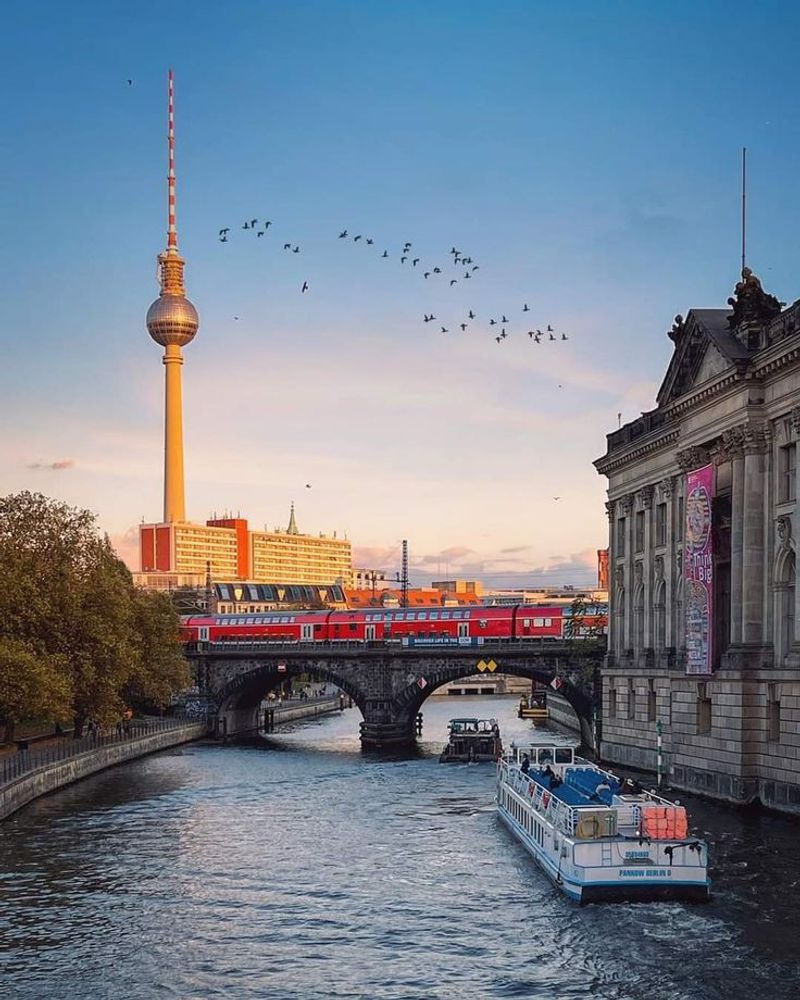
Stroll along the Spree and you’ll see cranes beside neoclassical domes. The city blends memory and momentum, preserving fragments of the Wall while championing new architecture.
According to recent EU data, Berlin’s population and startup investment have grown steadily through the 2010s and early 2020s. The practical takeaway: enable flexible zoning, back transit, and protect cultural habitats.
Berlin teaches that openness breeds renewal. Make room for experimentation, and neighborhoods will write their own comeback script.
3. Cleveland, Ohio, USA
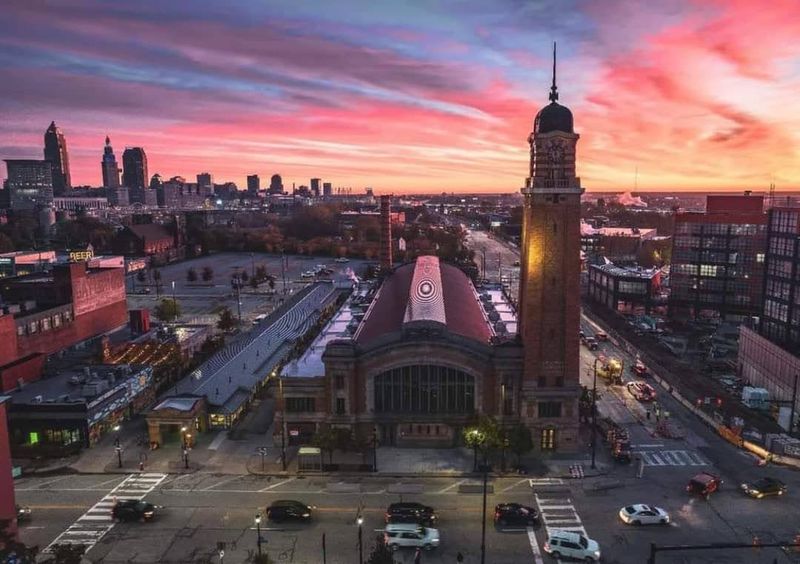
Cleveland’s downturn left empty factories and a battered image, but the pieces for a rebound were hiding in plain sight. Health anchors like the Cleveland Clinic and University Hospitals expanded, powering a biomedical corridor and steady job growth.
Downtown residential population climbed as historic buildings converted to lofts. The lakefront, long underused, is seeing multiphase plans for parks, transit links, and development that stitches neighborhoods to the water.
Walk East 4th Street and you’ll feel the new rhythm: patios, lights, and music echoing down brick canyons. Stadium districts add draw, but it is the everyday improvements that stick, from bus rapid transit on HealthLine to shoreline trails.
A 2023 analysis noted Cleveland Clinic’s massive research footprint and national patient draw, signaling durable demand. The takeaway is clear: leverage medical excellence, lean into waterfront access, and reuse the buildings that tell your story.
4. Buffalo, New York, USA
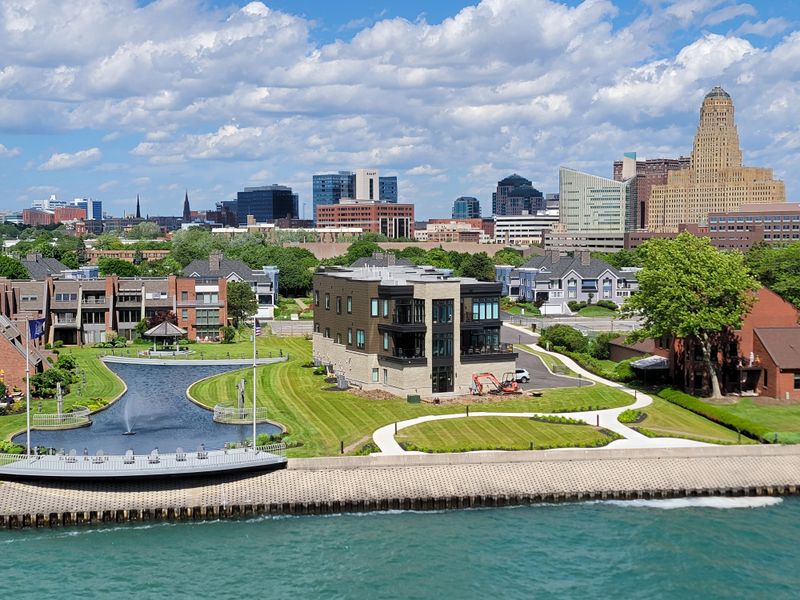
Buffalo’s manufacturing slide hit hard, but water became its comeback partner. Canalside transformed a neglected edge into a year-round public living room, with skating in winter and concerts in summer.
Historic preservation fueled pride and tourism, from Frank Lloyd Wright’s Darwin Martin House to Larkinville’s warehouse revival. Investment clustered around the medical campus, while entrepreneurs turned grain elevators into cultural canvases and beer gardens.
You can spend a day paddling the Buffalo River, then walk to restaurants in the Theater District without touching a car. The Peace Bridge brings cross-border visitors, and proximity to Niagara remains a perennial advantage.
According to regional reports, Buffalo Niagara has added thousands of jobs since mid-2010s expansions in healthcare and advanced manufacturing. The lesson: reclaim the waterfront, value architectural DNA, and pair big civic spaces with small business energy.
Momentum grows when a city invites people back to the water.
5. Detroit, Michigan, USA
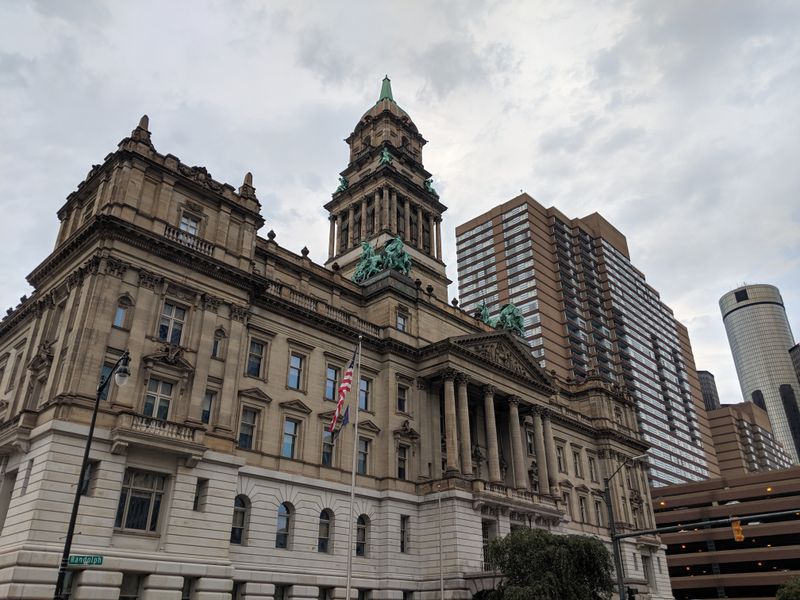
Detroit’s story is proof that a city can bend without breaking. After the auto boom and a wrenching collapse that culminated in a 2013 bankruptcy, the streets felt empty and hopes thinner.
Then came a mosaic of small bets: startups in refurbished factories, food entrepreneurs on once-quiet blocks, and artists turning blank walls into color. Between 2010 and 2023, downtown and Midtown added thousands of residents, while the Riverwalk repeatedly ranked among America’s best.
You see it walking Woodward Avenue, where restored theaters bookend new tech offices and university labs. Mobility pilots test electric shuttles, and suppliers now chase EV investment.
Tourism returns for Motown, DIA, and game days, but neighborhood revitalization defines momentum. The takeaway is practical: diversify beyond one industry, back local owners, and design for people first.
When block-by-block progress compounds, confidence returns. Detroit did not bounce back overnight.
It rebuilt a muscle for resilience.
6. New Orleans, Louisiana, USA
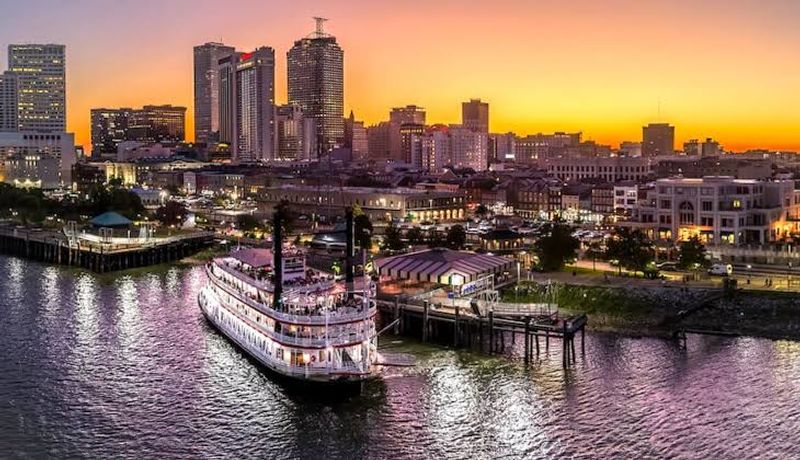
After Hurricane Katrina, New Orleans faced staggering loss, displacement, and infrastructure failure. Rebuilding meant more than construction.
Neighborhoods adopted stronger flood standards, levees were upgraded, and community groups led block-by-block recovery. Culture stayed center stage.
Music venues reopened, restaurants reimagined Creole traditions, and festivals welcomed visitors back. Tourism numbers recovered over time, with millions returning annually for food, music, and history.
Walk Bywater or Freret and you see resilience in every porch light. Entrepreneurs opened cafes and tech startups, while Tulane and Xavier strengthened local pipelines.
The city’s economy now leans on hospitality and healthcare, but also on small creative firms that export culture. NOAA and Army Corps data show vastly improved storm protection since 2011 upgrades.
The takeaway is balanced: build smarter, support culture bearers, diversify income streams, and protect those most vulnerable. Recovery is ongoing, but spirit leads.
7. Warsaw, Poland
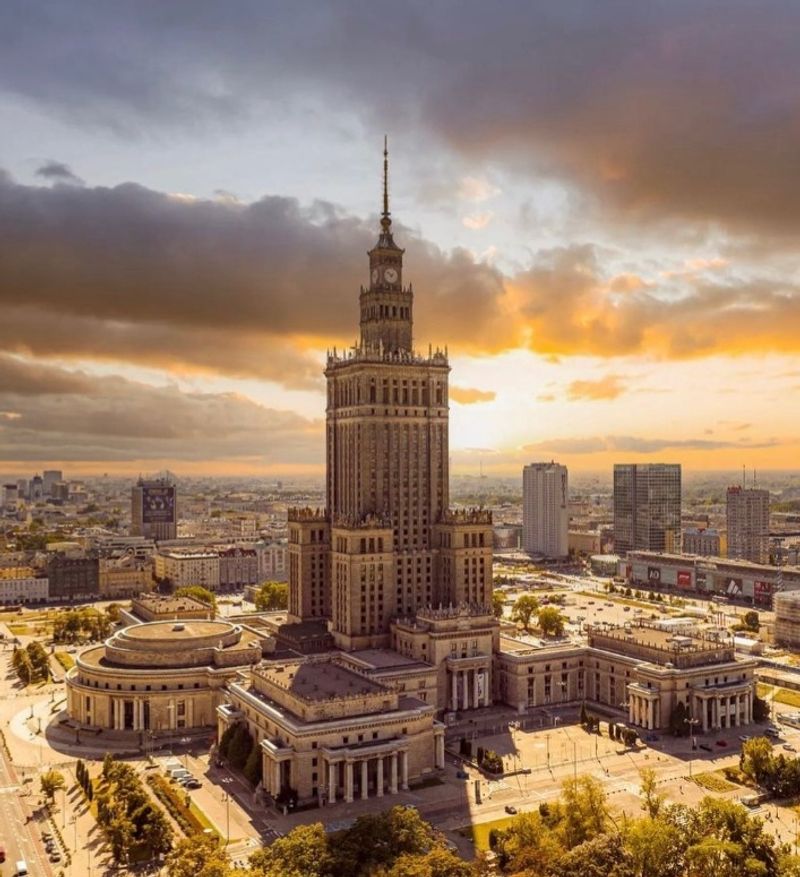
Warsaw endured near-total destruction in World War II. The city chose an audacious response: reconstruct the Old Town from paintings, memories, and fragments, now a UNESCO site.
Meanwhile, modern Warsaw rose around it, with glass towers, transit extensions, and a diversified economy. Foreign investment and EU support accelerated growth, drawing regional headquarters and startups.
Cafes, parks, and riverfront promenades made daily life more appealing.
Stand in Castle Square and the rebuilt facades feel both historic and defiant. A short ride away, innovation districts buzz with fintech and gaming.
Poland’s GDP per capita has climbed dramatically since EU accession, and Warsaw captures a big share of that momentum. For cities facing physical ruin, Warsaw offers a blueprint: honor memory while building forward.
Blend meticulous restoration with contemporary infrastructure and business climate upgrades. People will stay when identity and opportunity grow together.
8. Bilbao, Spain
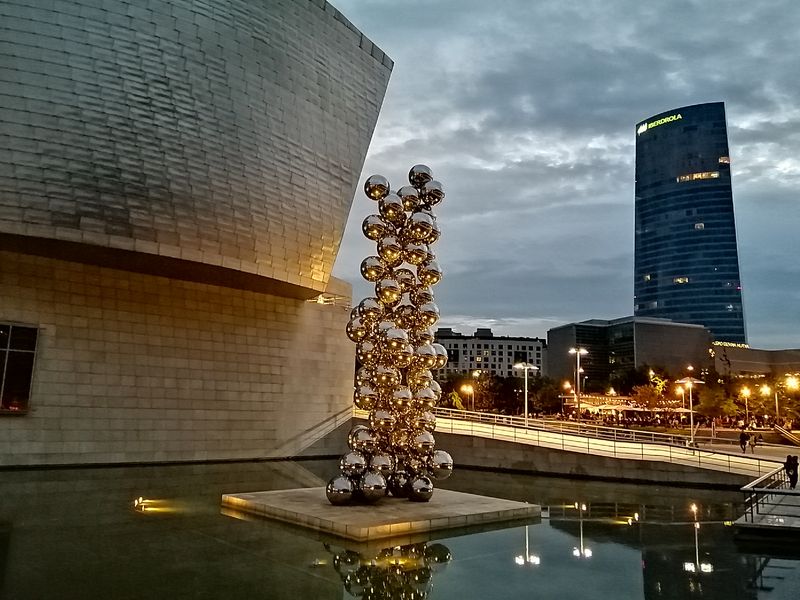
Bilbao’s industry once blackened its river and economy alike. When shipyards and steel waned, the city bet on culture, transit, and public space.
The Guggenheim’s 1997 debut became a global calling card, but the deeper play was cleanup of the river, metro expansion, and design standards that lifted everyday life. Tourism surged, hotels and restaurants followed, and a knowledge economy took root alongside creative industries.
Walk the riverfront and you feel the reset: joggers passing sculptures, trams gliding to dense neighborhoods, and startups clustered in refurbished warehouses. The so-called Guggenheim effect was not a one-off trophy.
It worked because the city coordinated mobility, environment, and placemaking. Basque institutions supported skills and R&D, making growth stickier.
The lesson is comprehensive strategy over silver bullets. Make the big icon serve a broader plan, and the entire urban fabric benefits for decades.
9. Medellín, Colombia
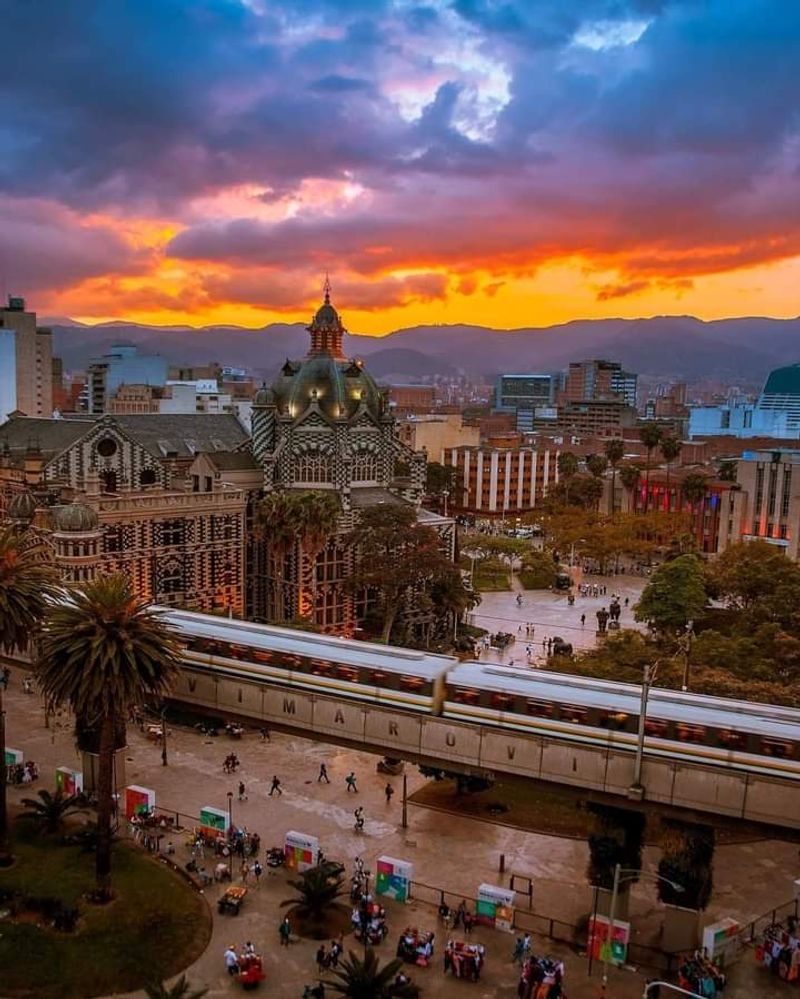
Medellín’s 1980s and 1990s violence made headlines for all the wrong reasons. The city reversed course with social urbanism: libraries, schools, and plazas placed precisely where exclusion was deepest.
Metrocable lines stitched hillside communities to jobs. Outdoor escalators cut hours from daily commutes.
Homicides fell dramatically from their peak, and international investment took notice. Urban innovation awards followed, but the real signal is resident trust returning.
Ride the gondola and you see opportunity in motion. Public spaces filled with art made neighborhoods feel visible and valued.
According to city data, poverty dropped over the 2000s and 2010s as access and education improved. Challenges remain, but Medellín shows how design, transit, and dignity can change a trajectory.
The takeaway: invest first where neglect was longest, measure outcomes, and keep communities at the table. Safety grows where belonging grows.
10. Seoul, South Korea
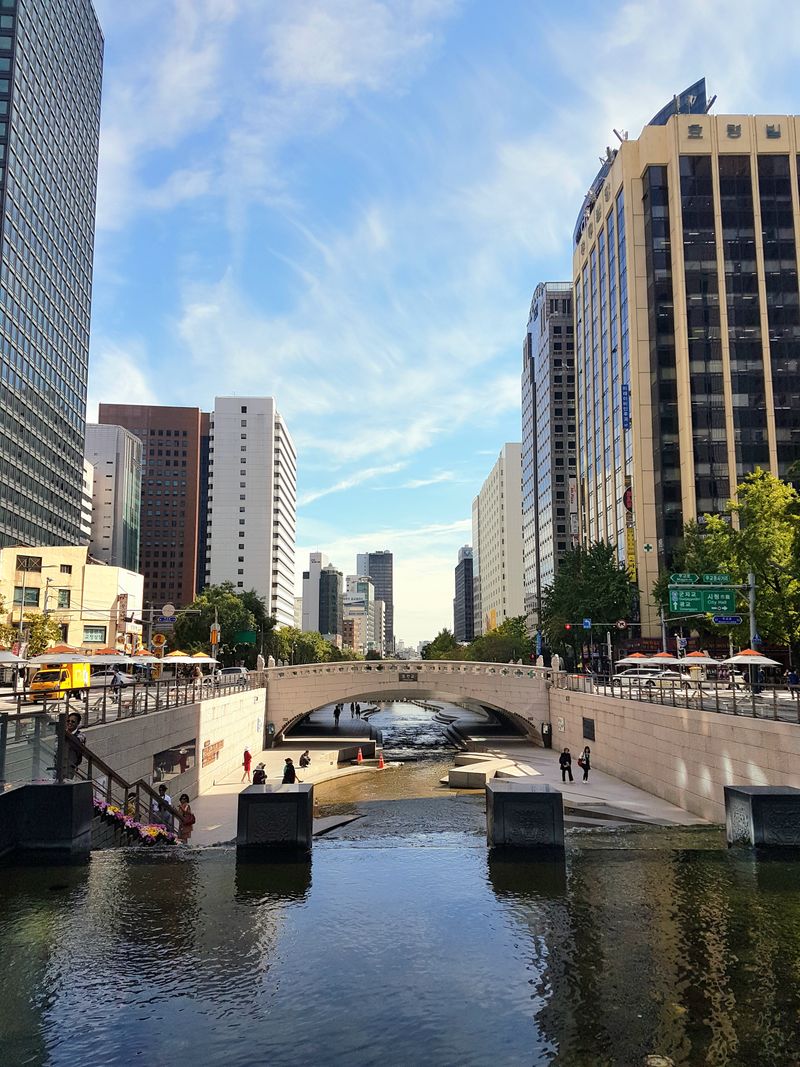
War left Seoul battered, but the city sprinted into modernity. The Miracle on the Han River turned a low-income nation into a tech leader.
Today Seoul anchors global supply chains and pop culture alike. The Cheonggyecheon restoration buried a highway to resurrect a river, cooling surrounding areas and spurring foot traffic.
Household internet penetration exceeds 95 percent, and the subway moves millions daily with clockwork reliability.
From Gangnam towers to traditional markets, Seoul blends speed with craft. K-content exports and semiconductor giants lift wages and brand power.
OECD and national statistics point to top-tier R&D intensity as a share of GDP. For cities eyeing transformation, the playbook is long-term investment in education, transit, and digital infrastructure.
Add livable public spaces and meticulous operations. Then let entrepreneurs and artists amplify the platform.
Seoul proves coordinated ambition changes everything.
11. Glasgow, Scotland
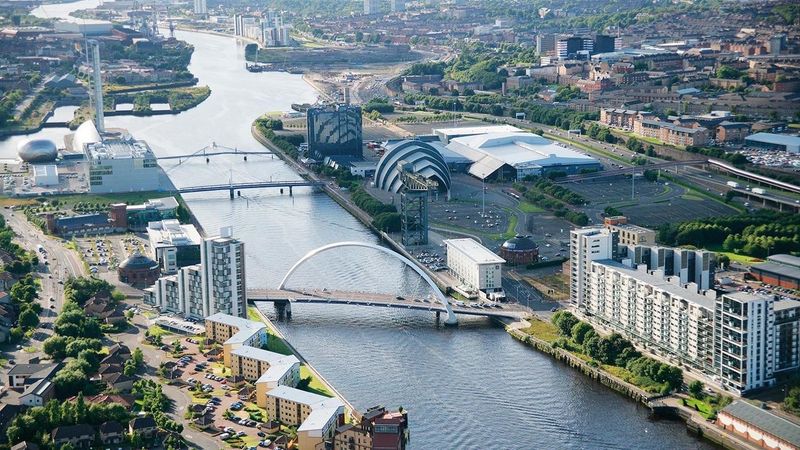
Glasgow’s shipyards once defined the Clyde, then shrinking orders hollowed streets and paychecks. The city answered with culture, education, and the public realm.
The Glasgow School of Art, universities, and venues like the Hydro seeded a festival calendar and creative workforce. Merchant City filled with cafes and studios, while waterfront sites welcomed housing and events.
Unemployment fell from post-industrial highs, and visitor numbers climbed steadily through the 2010s.
What you feel on the ground is confidence. Murals span whole facades, indie venues coexist with arena shows, and transit stitches neighborhoods.
The 2014 Commonwealth Games accelerated upgrades, leaving legacies in sport and streetscape. Scotland’s cultural stats repeatedly place Glasgow near the top for live music density.
The takeaway: nurture talent, program the calendar, and make inexpensive spaces available to creatives. Culture is not a garnish.
In Glasgow, it is the main course.
12. Providence, Rhode Island, USA
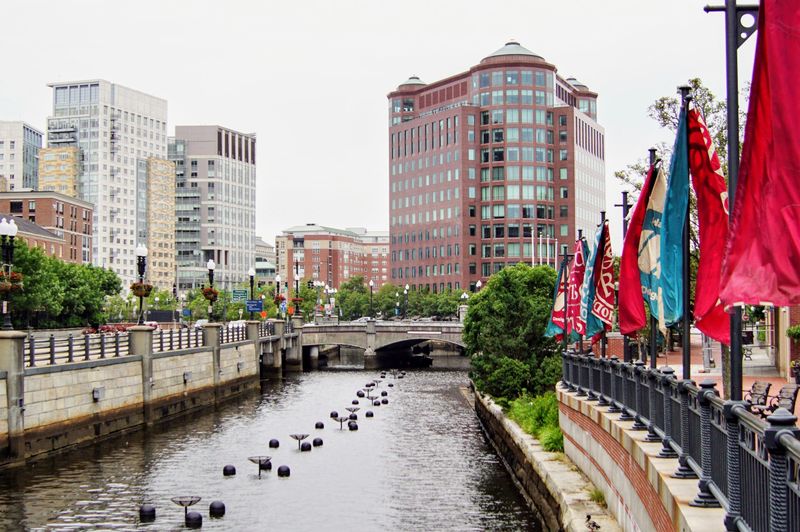
Providence lost factories but found its voice in design, food, and education. RISD and Brown supply a steady stream of talent.
WaterFire reimagined the river as a civic stage, drawing crowds and dollars to downtown. Mill conversions created housing and studios, and a small restaurant scene punched above its weight.
The I-195 land opened an innovation district, courting life sciences and startups with walkable streets and parks.
Spend an evening along the river and you feel how art shapes place. Neighborhoods like Elmwood and the West Side hum with independent shops.
State data shows steady growth in eds-meds employment and creative industries over the past decade. The lesson is craft plus community: celebrate local makers, design for pedestrians, and program public spaces that bring strangers together.
Providence thrives by turning scale into an advantage. You can cross town and still feel like a regular.
13. Chicago, Illinois, USA
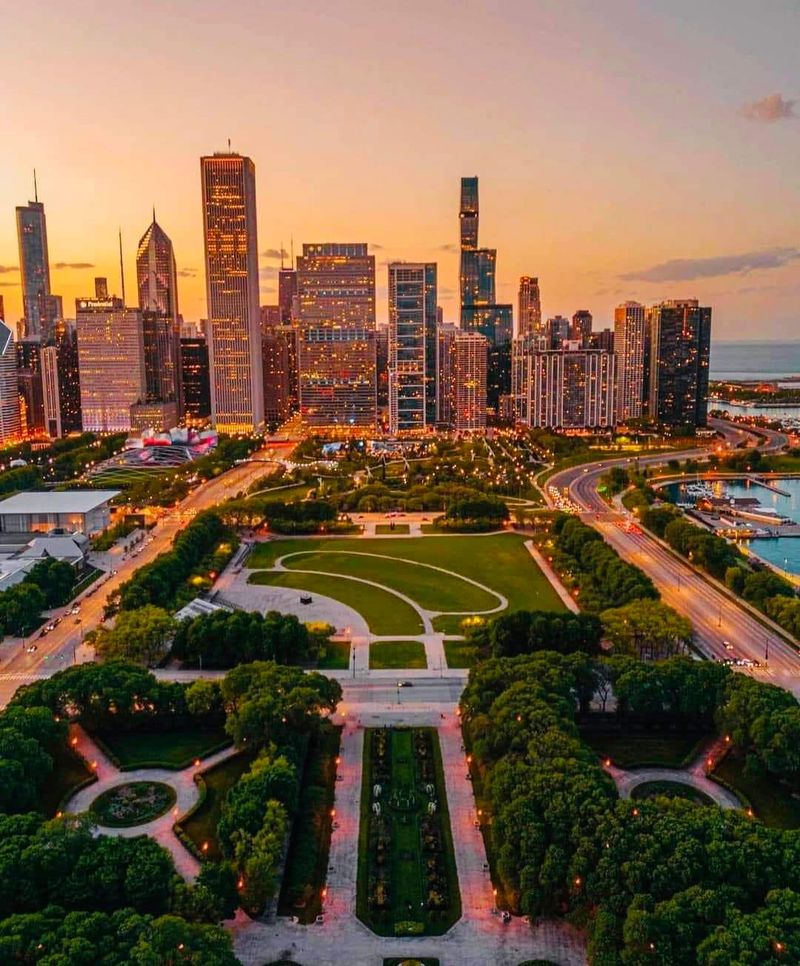
The 1871 Great Chicago Fire leveled swaths of the city, displacing about 100,000 people. Out of ash came invention: steel-frame construction, the world’s first skyscrapers, and a street grid refined by planners and pragmatists.
The river was straightened, parks expanded, and a commercial engine roared back. Today the metro is a logistics and finance heavyweight with a diversified economy and an architectural legacy that still teaches the world.
Walk the Riverwalk and you see how design meets commerce. Trains converge from every direction, and universities feed talent into thriving sectors.
According to recent data, Chicagoland remains among America’s top metros by GDP, with O’Hare repeatedly ranking high for connectivity. The takeaway is resilience through reinvention: use necessity to adopt better standards and bolder ideas.
When rules, rails, and real estate align, recovery can leapfrog what existed before.



