 Unearth The Voyage
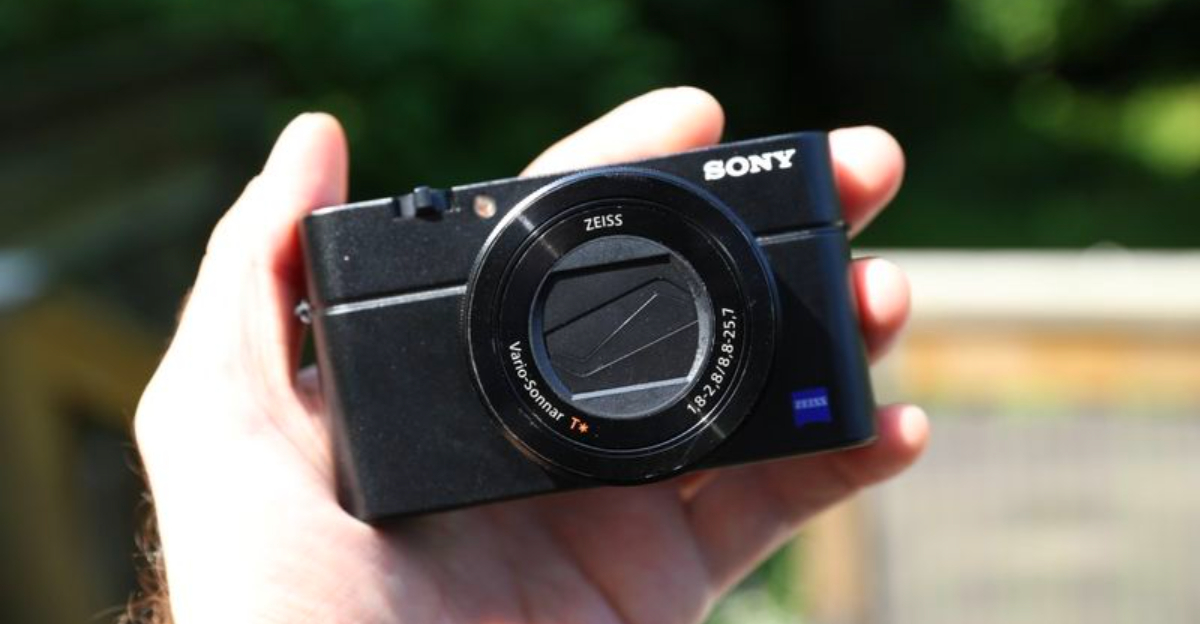
Mountain trails offer some of the most breathtaking views on earth, and capturing them requires a camera that’s both powerful and portable. Compact cameras have come a long way, packing professional-grade features into pocketable designs perfect for hiking adventures. Whether you’re scaling rocky peaks or wandering through alpine meadows, these lightweight cameras help you document every stunning moment without weighing down your backpack.
1. Sony RX100 VII
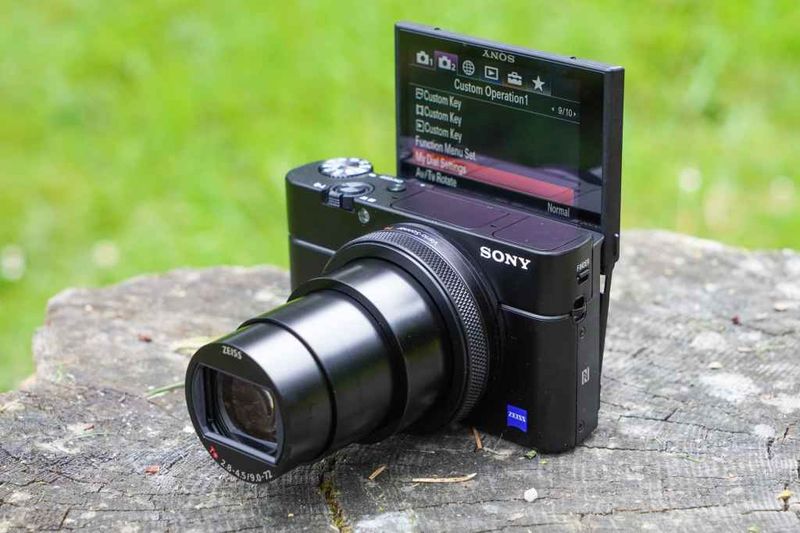
Speed meets portability in this powerhouse that fits right in your jacket pocket. With lightning-fast autofocus and 20 frames per second shooting, you’ll never miss a hawk soaring over the ridgeline or a marmot darting between rocks.
The tilting touchscreen makes low-angle shots of wildflowers and high-angle cliff photos incredibly easy. Real-time tracking keeps moving subjects sharp, which proves invaluable when photographing wildlife on the trail. Video shooters love the 4K recording with excellent stabilization for smooth footage while walking.
Battery life holds up well for day hikes, though bringing a spare never hurts. The built-in viewfinder works brilliantly in bright mountain sunlight when your screen becomes hard to see. Weather-resistant construction adds confidence when clouds roll in unexpectedly during your adventure.
2. Canon PowerShot G7 X Mark III

Vloggers and photographers alike appreciate how this camera balances image quality with user-friendly features. The flip-up screen makes selfies with mountain backdrops effortless, and the one-inch sensor captures impressive detail in both shadows and bright skies.
Live streaming capability means you can share your summit experience in real time when cell service cooperates. The lens covers a versatile range from wide landscapes to zoomed-in distant peaks. Touch controls feel intuitive, letting you adjust settings quickly without fumbling through complicated menus.
Colors pop naturally without looking overdone, giving your trail photos a realistic yet vibrant appearance. Autofocus performs reliably even in challenging lighting conditions found in shaded forest sections. The compact body slips easily into cargo pockets or small camera pouches attached to your pack straps.
3. Ricoh GR IIIx
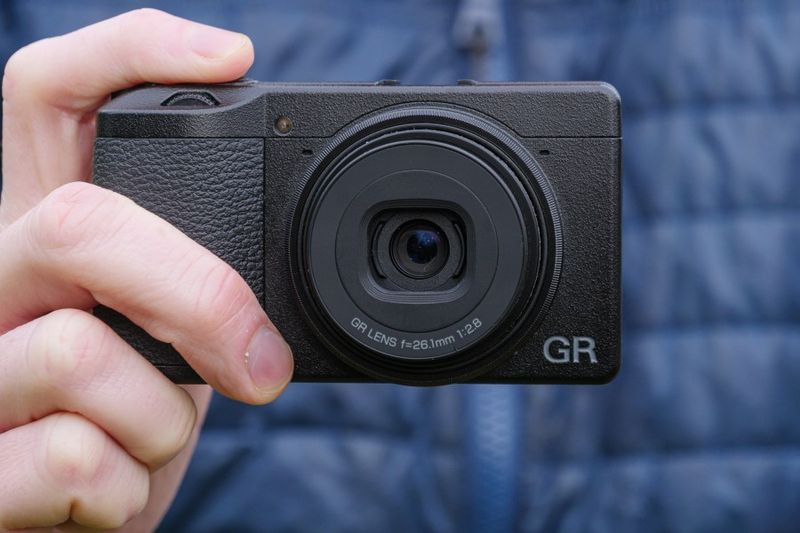
Minimalist design philosophy meets serious photographic capability in this shirt-pocket wonder. The fixed 40mm equivalent lens encourages thoughtful composition rather than endless zooming, helping you develop a better eye for framing mountain scenes.
Image stabilization compensates for shaky hands after hours of hiking uphill. The APS-C sensor matches what you’d find in many larger cameras, delivering excellent low-light performance for dawn and dusk shots. Snap focus mode lets you shoot quickly without waiting for autofocus, perfect for spontaneous moments.
Customizable function buttons put your most-used settings right at your fingertips. The discreet appearance won’t draw attention from other hikers or disturb wildlife. Rugged build quality inspires confidence even when you’re scrambling over boulders or navigating tricky terrain with your gear.
4. Ricoh GR III
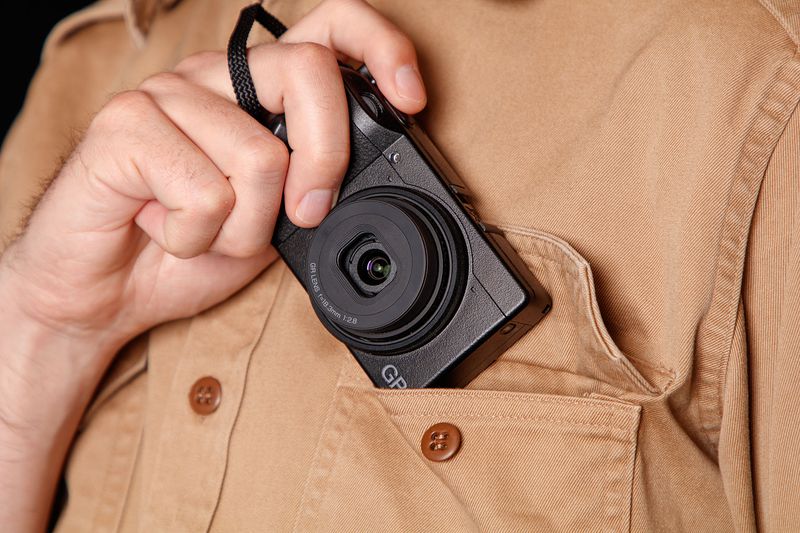
Street photographers discovered this gem first, but hikers quickly realized its potential for trail documentation. The 28mm equivalent focal length captures sweeping vistas without feeling too wide or distorted. Exceptional sharpness across the frame means your mountain photos look crisp from edge to edge.
Three-axis stabilization allows handheld shooting in surprisingly dim conditions, useful for forest trails or evening camps. The touchscreen interface feels responsive and modern while physical controls satisfy traditional photographers. RAW shooting gives you tremendous flexibility when editing back home.
Pocket-friendly dimensions mean you’ll actually bring it along instead of leaving it behind for being too bulky. Battery life requires planning, so consider carrying extras for full-day adventures. The camera starts up almost instantly, ensuring you’re ready when unexpected photo opportunities appear around the next switchback.
5. Fujifilm X100VI
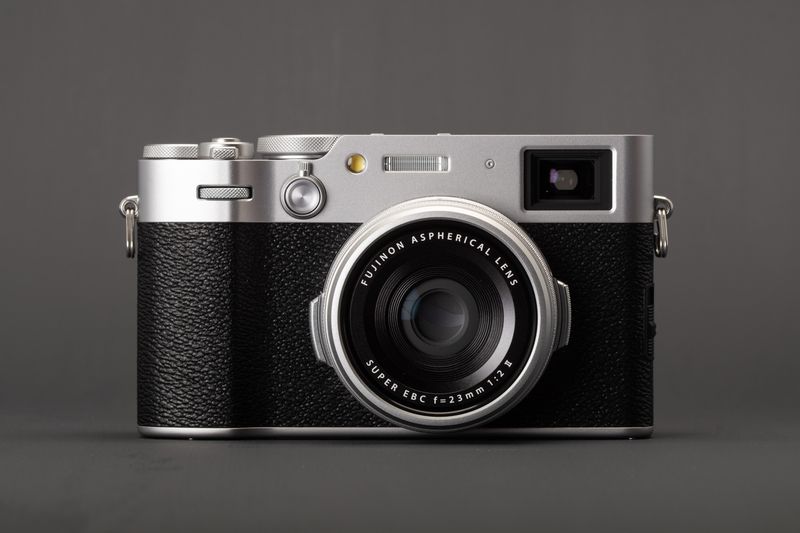
Retro styling hides cutting-edge technology that serious photographers absolutely adore. The hybrid viewfinder switches between optical and electronic modes, offering flexibility other compacts simply can’t match. Film simulations recreate classic Fujifilm looks straight out of camera, adding character to your mountain memories without extensive editing.
Weather sealing protects against light rain and trail dust, though it’s not fully waterproof. The 35mm equivalent lens hits a sweet spot for environmental portraits and landscape work. Manual controls feel satisfying to use, connecting you more intimately with the photographic process.
In-body stabilization helps when light fades during golden hour on the peaks. The tilting screen aids with creative angles without being as fragile as fully articulating designs. Image quality rivals much larger camera systems, making this a favorite among minimalist hikers.
6. Panasonic Lumix ZS200
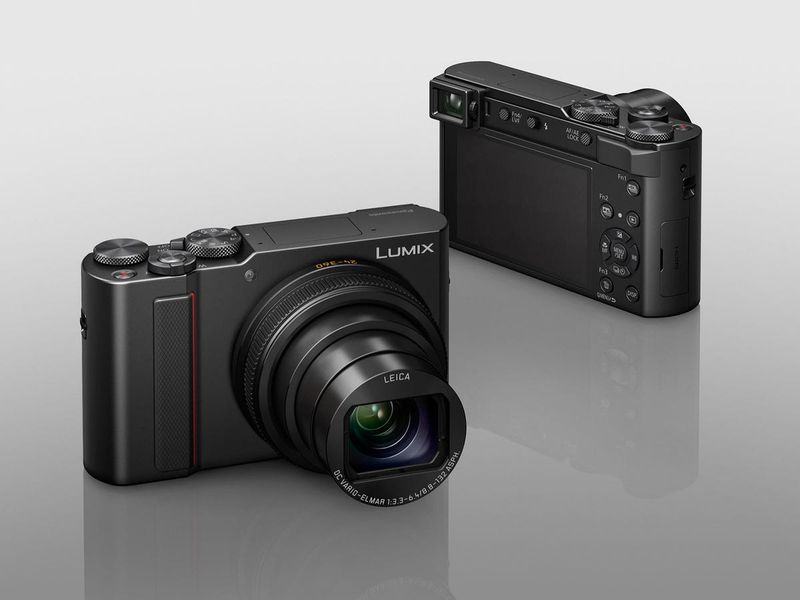
Travel zoom versatility makes this camera incredibly practical for varied mountain environments. The 15x optical zoom brings distant peaks dramatically closer while the wide end captures expansive valley views. One-inch sensor size delivers noticeably better quality than typical superzoom cameras with smaller sensors.
The electronic viewfinder proves essential when bright sunlight washes out your rear screen. 4K photo mode extracts still images from video, helping you catch fast-moving subjects like birds or rushing waterfalls. Touch focus works smoothly for quick subject selection when composition opportunities appear suddenly.
Compact dimensions belie the impressive zoom range tucked inside this capable package. USB charging means you can top up the battery from portable power banks during multi-day treks. The control layout feels logical once you spend time learning where everything sits.
7. Panasonic Lumix LX100 II
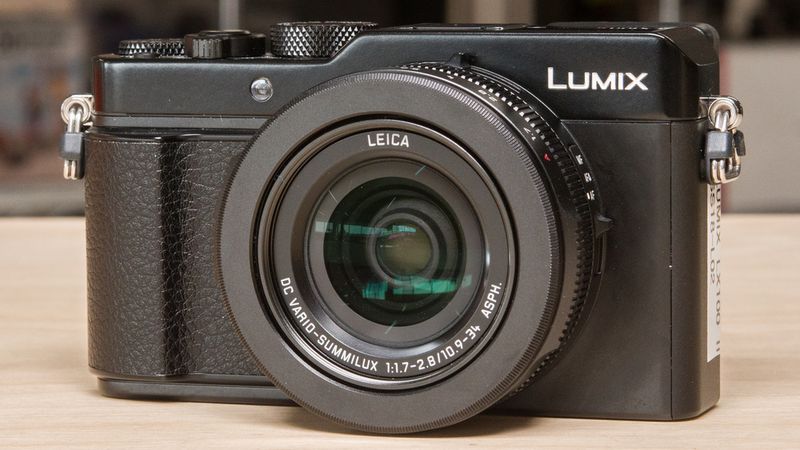
Serious photographers appreciate the multi-aspect sensor that maintains angle of view across different formats. The fast f/1.7-2.8 lens gathers plenty of light for handheld shooting when clouds roll in or you’re hiking through dense tree cover. Manual control rings provide tactile feedback that touchscreens simply cannot replicate.
The Micro Four Thirds sensor produces excellent image quality with manageable file sizes for extended trips. Built-in neutral density filter helps control exposure in blindingly bright alpine conditions. 4K video recording captures smooth footage of your hiking adventures with impressive detail.
The classic design feels comfortable in hand during long shooting sessions on the trail. Post-focus feature lets you choose the focus point after taking the shot, handy for macro work with trail flowers. Compact size doesn’t compromise on image quality or creative control.
8. Olympus Tough TG-7
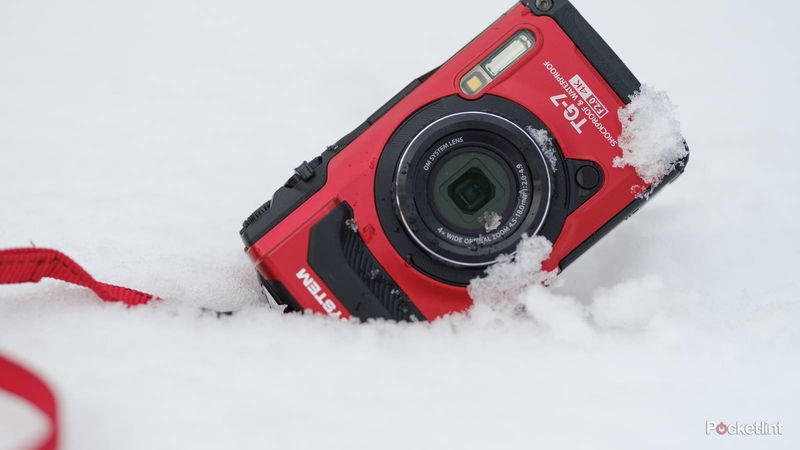
Built like a tank, this camera laughs at conditions that would terrify other compacts. Waterproof to 50 feet, crushproof to 220 pounds, and freezeproof to 14 degrees Fahrenheit means you can focus on the adventure rather than babying your gear. Drop it in a stream or on rocky ground without panic attacks.
Macro mode reveals intricate details in lichens, insects, and tiny alpine flowers with amazing magnification. The bright f/2.0 lens performs admirably in variable mountain lighting. GPS tracking records where each photo was captured, helping you remember specific locations on complex trail systems.
Microscope modes unlock a hidden world invisible to naked eyes. Video stabilization keeps footage steady even when scrambling over rough terrain. The rugged build accepts the abuse of serious outdoor adventures while still delivering surprisingly good image quality for its sensor size.
9. Leica D-Lux 8

German engineering and optical excellence combine in this premium compact that makes no apologies for its price tag. The Leica glass delivers exceptional sharpness and color rendition that enthusiasts immediately recognize. Build quality feels substantial without becoming burdensome on long hikes through challenging terrain.
The fast lens opens wide for beautiful background blur in portrait-style trail photos. Intuitive controls let experienced photographers work quickly without menu diving. Classic styling turns heads at trailheads, though the camera’s performance backs up its elegant appearance.
Electronic viewfinder provides accurate preview of your final image before pressing the shutter. The touchscreen interface balances modern convenience with traditional control dials. Image quality justifies the investment for photographers who demand excellence from their compact camera. Weather sealing adds peace of mind when weather turns unpredictable in the mountains.
10. Panasonic Lumix ZS99
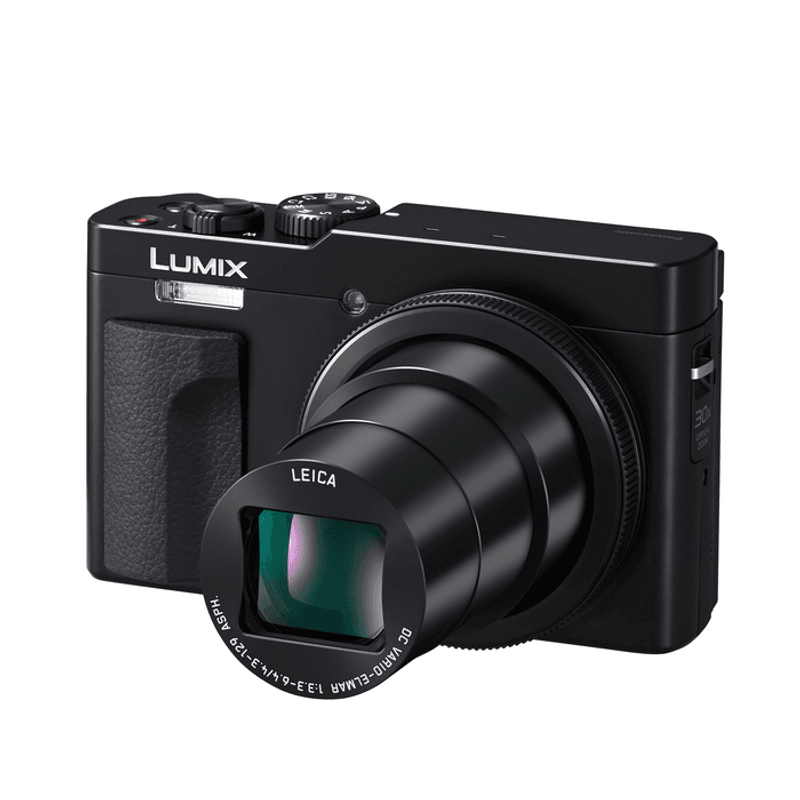
Budget-conscious hikers get remarkable zoom range without breaking the bank. The 30x optical zoom reaches from wide landscapes to telephoto wildlife shots, covering nearly every situation you’ll encounter on the trail. While the smaller sensor limits low-light capability, bright mountain conditions play to its strengths perfectly.
4K video recording captures memories with impressive detail for the price point. The flip-up screen works great for overhead shots or low-angle compositions near the ground. Lightweight construction means less fatigue during all-day hiking adventures through varied terrain.
Post-focus and focus stacking features add creative options typically found on pricier models. Electronic viewfinder helps in bright conditions though it’s smaller than premium alternatives. The extensive zoom range means you’ll rarely wish for more reach when photographing distant peaks or wildlife across valleys.
11. Canon PowerShot SX740 HS
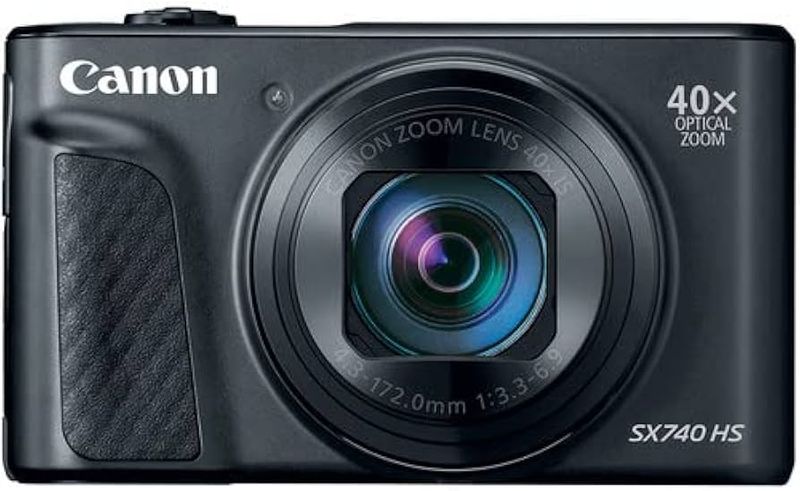
Extreme zoom capability packed into a truly pocketable body makes this camera remarkably practical. The 40x optical zoom brings faraway subjects dramatically closer, perfect for spotting wildlife or examining distant trail routes. Image stabilization works overtime to keep telephoto shots sharp despite shaky hands from hiking exertion.
Automatic modes handle most situations competently, making this ideal for casual photographers who want good results without technical knowledge. WiFi connectivity lets you transfer photos to your phone for immediate sharing from the summit. The tilting screen aids creative angles without adding bulk.
Battery life impresses, often lasting through full-day hikes without needing a swap. The camera fits in jeans pockets despite the massive zoom range hidden inside. While image quality doesn’t match larger-sensor models, the convenience factor and zoom reach offer compelling trade-offs for many trail photographers.
12. Sony RX100 Series
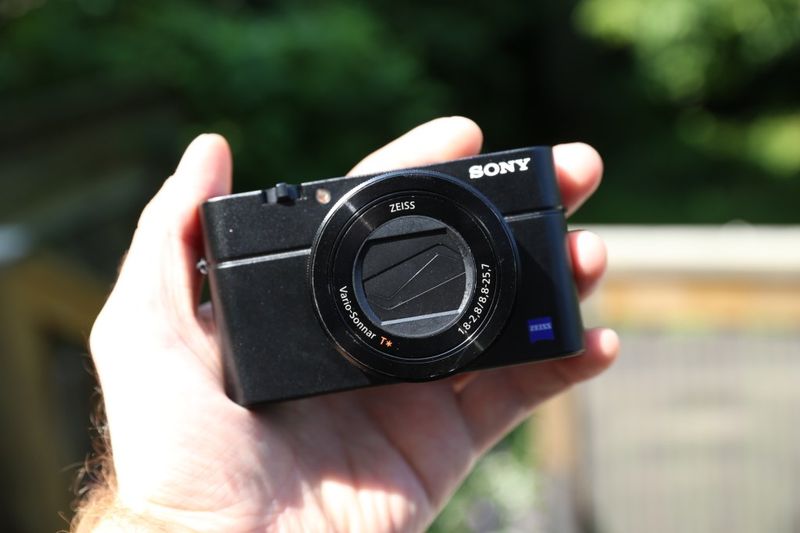
Earlier generations still deliver excellent results for hikers on tighter budgets. The original sensor and lens combination that made this series famous remains highly capable for mountain photography. Used models sell for fraction of newer versions while maintaining the core quality that earned widespread acclaim.
Each generation brought improvements, but even first versions produce images that look great on screens and in prints. The pocketable form factor started the premium compact revolution that other manufacturers followed. One-inch sensor significantly outperforms typical point-and-shoots in dynamic range and low-light situations.
Battery life varies by generation, with newer models generally lasting longer between charges. The pop-up viewfinder on certain versions adds functionality without compromising portability. Many hiking veterans still prefer older RX100 models, having tested them through countless trail miles and challenging conditions with consistently reliable results.
13. Fujifilm X70

This discontinued gem still circulates in used markets, beloved by photographers who appreciate its unique qualities. The touchscreen interface feels ahead of its time, offering intuitive control that many modern cameras still struggle to match. APS-C sensor quality in such a compact body remains impressive years after its release.
The 28mm equivalent lens encourages environmental storytelling rather than isolated subjects. Fujifilm’s color science produces gorgeous skin tones and natural landscapes straight from the camera. Tilting screen facilitates waist-level shooting and creative low angles along the trail.
Limited availability makes finding good examples challenging but worthwhile for the right photographer. The camera lacks a viewfinder, which some miss in bright conditions. Despite being out of production, dedicated users praise its image quality and handling, making it a cult favorite among compact camera enthusiasts who prioritize image quality over modern conveniences.



