 Unearth The Voyage
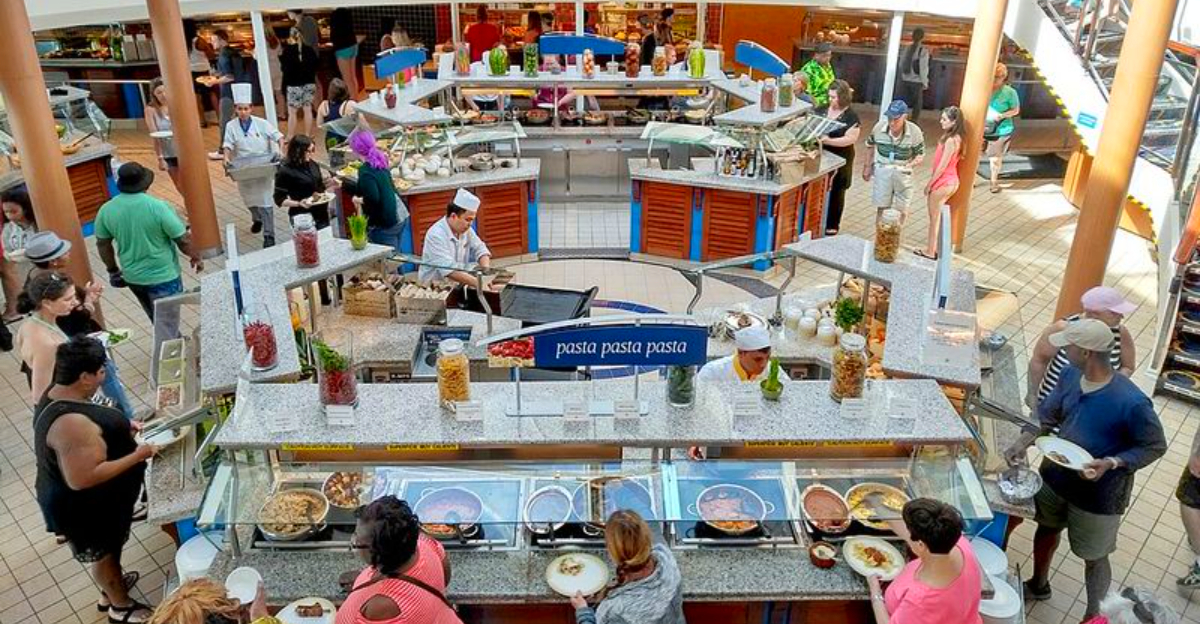
When a ship fails a CDC inspection, the buffet is often the first place passengers notice changes. Suddenly, self-serve stations close, lines back up, and crew switch to glove-and-tongs service while managers scramble to fix violations.
You deserve to know which ships faced serious issues so you can make informed choices. Here are notable cases where buffet operations were cited, curtailed, or shut down until problems were corrected.
1. MSC Seaside
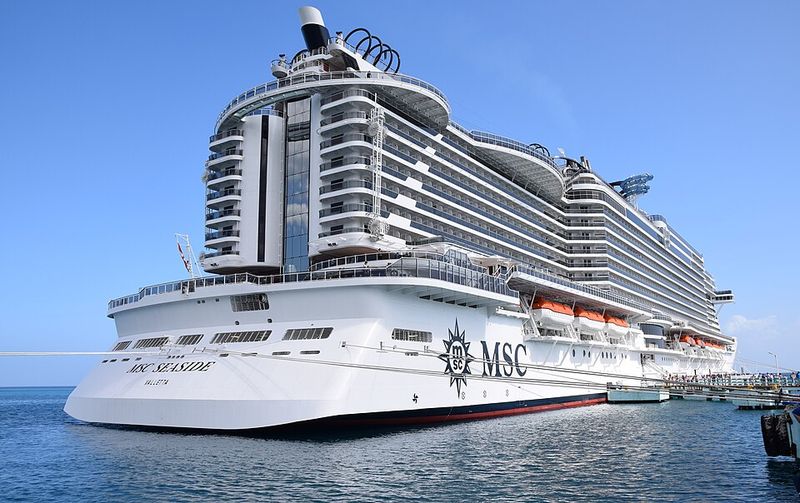
MSC Seaside flunked a USPH inspection, and the buffet became the flashpoint. Inspectors cited improper cold holding temperatures and unsanitary prep spaces, including reports of dead fruit flies near pantry items.
That combination meant tighter controls and corrective actions before self-serve dining could fully resume.
For you, that looked like closed stations, staff plating food, and frequent temperature checks. Crews sanitized contact points repeatedly and logged every thermometer reading.
While not a permanent shutdown, the buffet experience changed overnight until managers proved sustained compliance and training.
2. Margaritaville at Sea Paradise
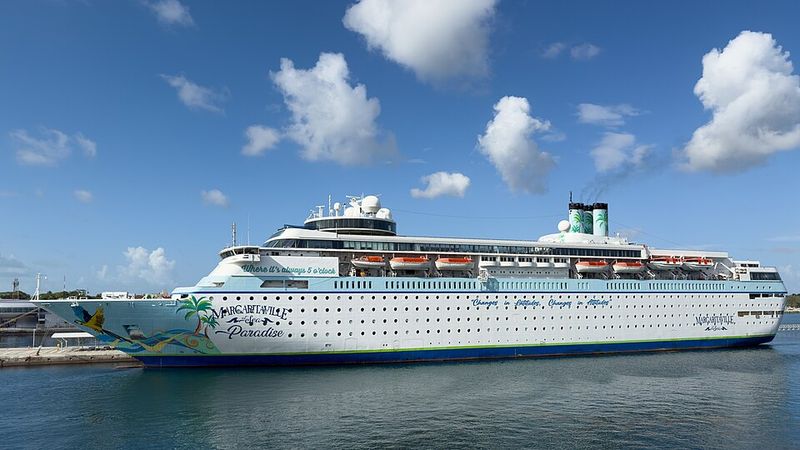
Margaritaville at Sea Paradise failed a CDC inspection with a score under the passing threshold, and buffet procedures tightened immediately. Violations involved improper food storage and unsanitary conditions, forcing a switch from free-flow to controlled service.
You would have noticed roped-off sections and visible oversight by supervisors.
Temperature logs, rapid retraining, and deep cleaning followed before normal operations returned. Stations reopened only after corrective measures were verified and documented.
The message was clear: buffets remain open when they protect you first, and convenience comes second. Short-term inconvenience meant long-term confidence and safer self-serve dining.
3. Regal Princess (Princess Cruises)
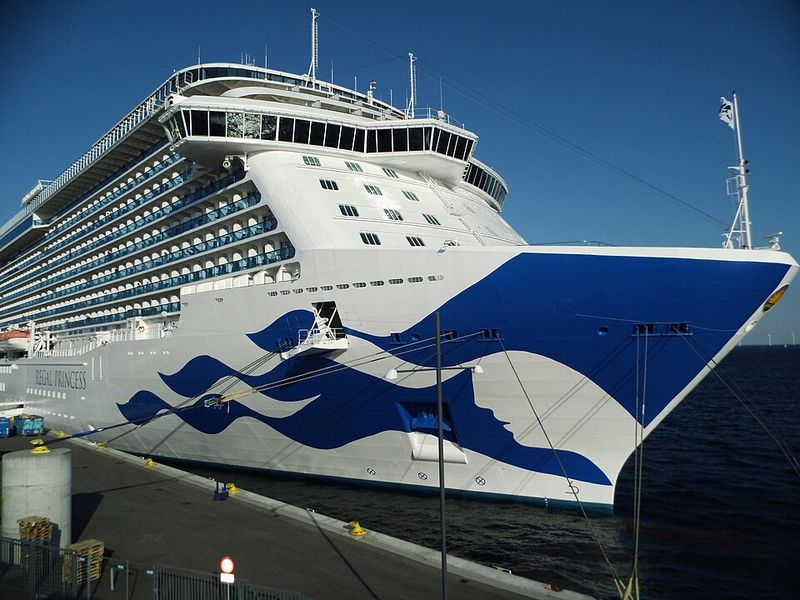
Regal Princess failed a health inspection that noted fruit flies and unclean prep areas, issues that directly affect buffet safety. When pests and sanitation mix, leadership narrows food exposure by limiting self-serve options.
You would have seen more crew plating and fewer open bowls to reduce contamination risks.
In response, teams escalated cleaning schedules, increased drain maintenance, and replaced compromised utensils. The buffet did not vanish, but the format shifted until scores improved.
For guests, that meant extra patience at peak times. The tradeoff protected your plate from cross-contamination while the ship restored standards.
4. Norwegian Breakaway
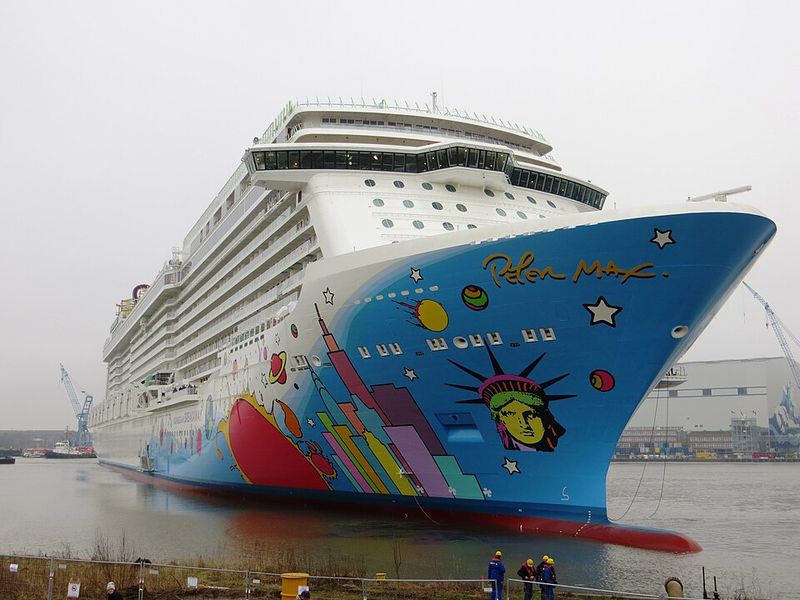
Norwegian Breakaway faced a sanitation evaluation with buffet citations, triggering immediate controls. You would have seen staff step between guests and trays, replacing tongs, logging temperatures, and discarding marginal items.
The aim was to stop cross-contamination and correct time-temperature abuses while training teams in real time.
Buffets thrive on speed and choice, but safety sets the pace. After targeted fixes and documented compliance, normal service gradually resumed.
If you encountered the transition, it likely felt stricter than usual, but that seriousness meant your plate left safer than it arrived, especially during peak lunch rushes.
5. Carnival Fantasy
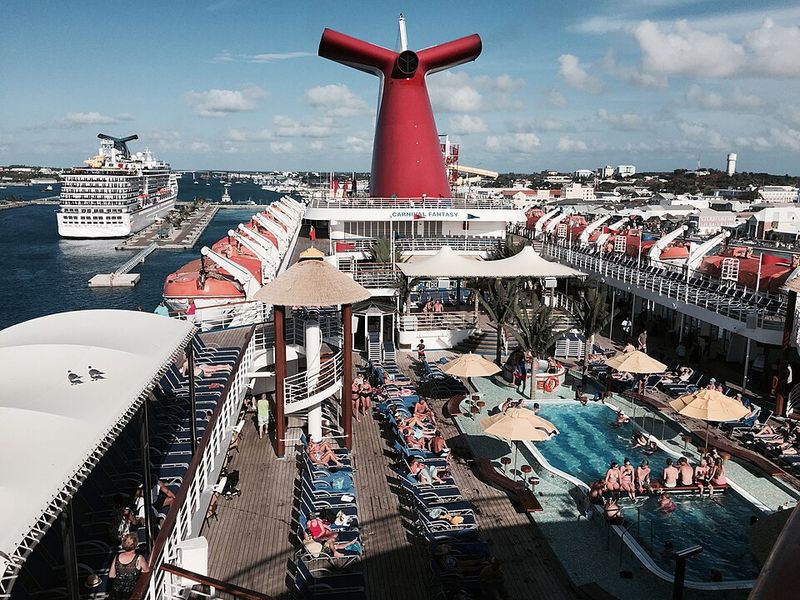
Carnival Fantasy did not meet sanitation standards at one point, and buffet food safety was part of the problem. To protect guests, managers shut or modified self-serve setups, prioritized time-temperature control, and reemphasized handwashing and utensil rotation.
You might have been guided station by station by gloved crew.
These measures were not permanent, but they mattered. Once the ship demonstrated reliable compliance during follow-ups, standard service returned.
The visible changes reassured guests that convenience would never outweigh safety. That tradeoff is exactly why inspections exist, and why a buffet can bounce back stronger.
6. Majesty of the Seas
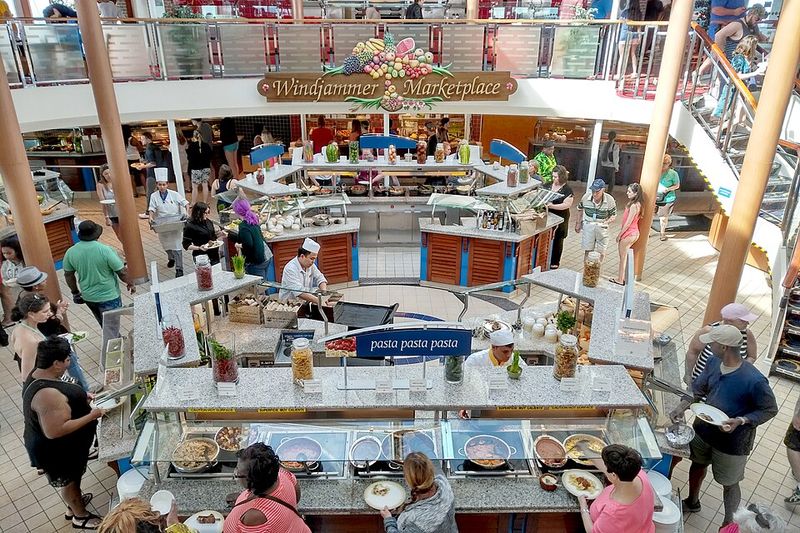
Majesty of the Seas failed a U.S. health inspection that included buffet area issues, pushing quick operational changes. Self-serve turned into supervised service while temperatures were verified and utensils rotated frequently.
Guests experienced slower lines but clearer safety cues, like sanitizer stations and posted corrective plans.
Management targeted hot holding, cross-contamination hazards, and employee hygiene. Once the ship demonstrated consistent standards, buffet flexibility returned.
The temporary clampdown served a purpose: protecting you from preventable risks while making the crew prove every station meets code under real service pressure.
7. Silver Wind (Silversea Cruises)
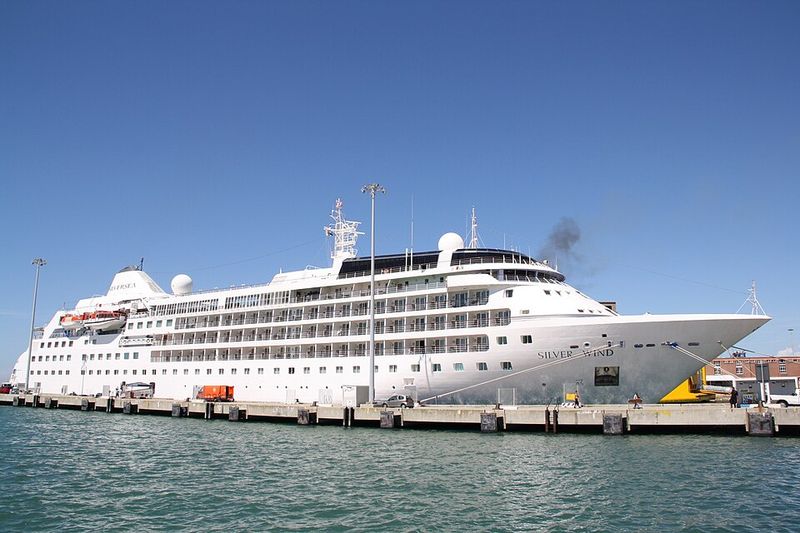
Silver Wind failed a health inspection involving food service violations that impacted buffet practices. On luxury ships, guests expect refinement, but safety still rules.
Self-serve elements were reduced while staff verified cold holding, cleaned prep spaces, and tightened allergen controls. You likely saw meticulous temperature checks and swift disposal of borderline items.
The corrections focused on storage integrity, sanitation, and documentation. After demonstrating compliance, buffet variety returned, with a renewed emphasis on hygiene cues.
The incident highlighted that premium service means transparent safety, not invisible risks. Your peace of mind is part of the luxury.
8. Safari Endeavour (UnCruise Adventures)
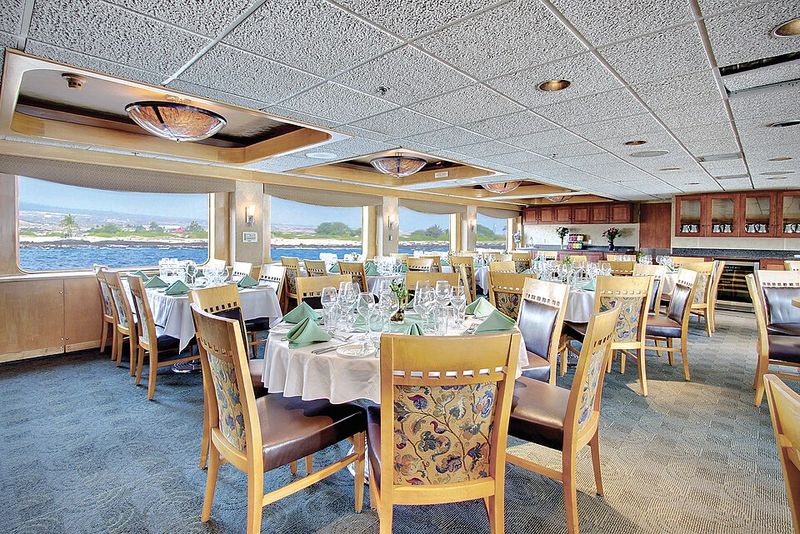
Safari Endeavour, a small expedition vessel, previously failed a CDC review that included buffet handling issues. Limited space raises risks, so inspectors scrutinized storage, cooling, and cross-contact.
Guests then saw crew take over serving, especially for high-risk foods, while dish cycles and sanitizer levels were verified repeatedly.
Corrective steps addressed refrigeration, time control, and utensil management. Buffets resumed normal flow only after sustained compliance.
On intimate ships, you feel changes instantly, but you also see fixes happen fast. That transparency helps you trust the bowl in front of you, even when capacity is tight.
9. Villa Vie Odyssey
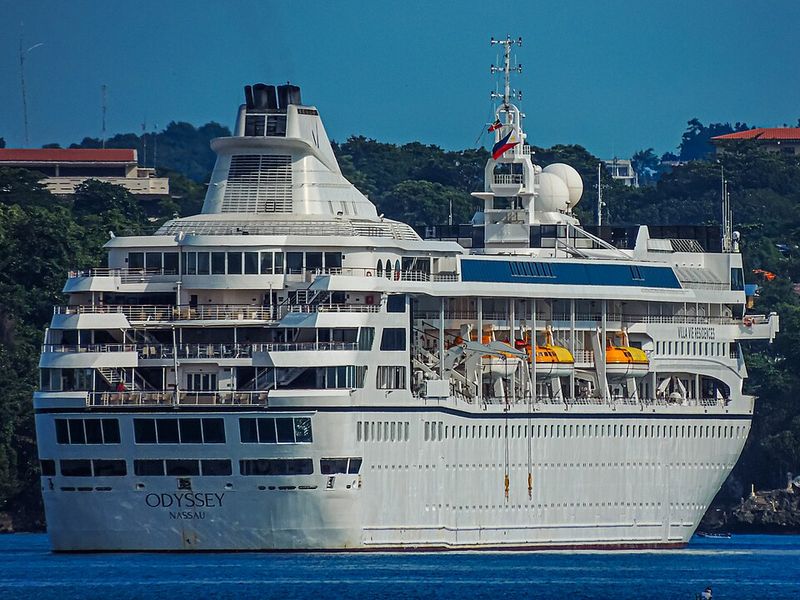
Villa Vie Odyssey reportedly failed a 2025 health inspection with numerous storage and buffet prep violations. That forced immediate changes: stricter cold holding, crew-served proteins, and rapid deep cleaning.
You might have felt the slowdown as managers verified logs, swapped utensils frequently, and documented every corrective step to pass re-inspection.
The buffet was not gone, but riskier pieces were paused until standards stabilized. Guests saw safer flow paths and clearer sneeze-guard coverage.
Once compliance stuck, offerings expanded again. The incident underlined how quickly operations adjust when scores drop below acceptable thresholds.
10. Celebrity Mercury
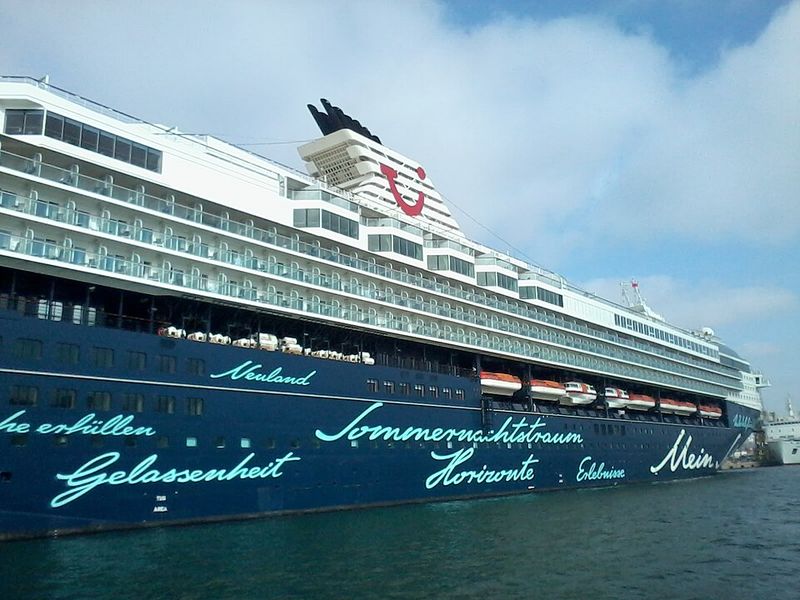
Celebrity Mercury battled repeated norovirus outbreaks, leading to temporary closures and strict controls across food service areas, including buffets. You would have seen staff serving everything, constant disinfecting, and public health announcements before meals.
The goal was breaking transmission chains linked to shared utensils and surfaces.
While not a permanent shutdown, the buffet experience transformed during containment. Enhanced cleaning, isolation protocols, and inspector oversight determined when normal service could resume.
These episodes showed why illness control demands visible changes and guest cooperation. Your participation, like hand hygiene, made a measurable difference.
11. Silver Shadow (Historic)
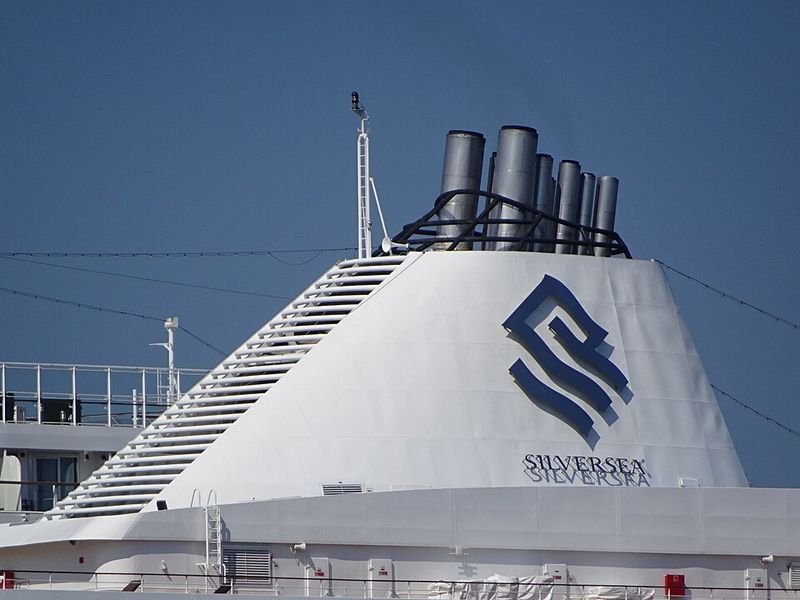
Silver Shadow famously failed USPH inspections, with crew reportedly hiding perishable food to dodge detection. That revelation rocked confidence in storage and buffet prep integrity.
Self-serve areas faced immediate restrictions while management overhauled procedures, reinforced ethics training, and increased documentation.
For you, that meant more crew control, sealed containers, and visible thermometer checks at every turn. Trust comes back only when practices are transparent under scrutiny.
After corrective action and improved oversight, services normalized, but the episode remains a cautionary tale: shortcuts in storage threaten every buffet tray.
12. Carnival Triumph (Historic)
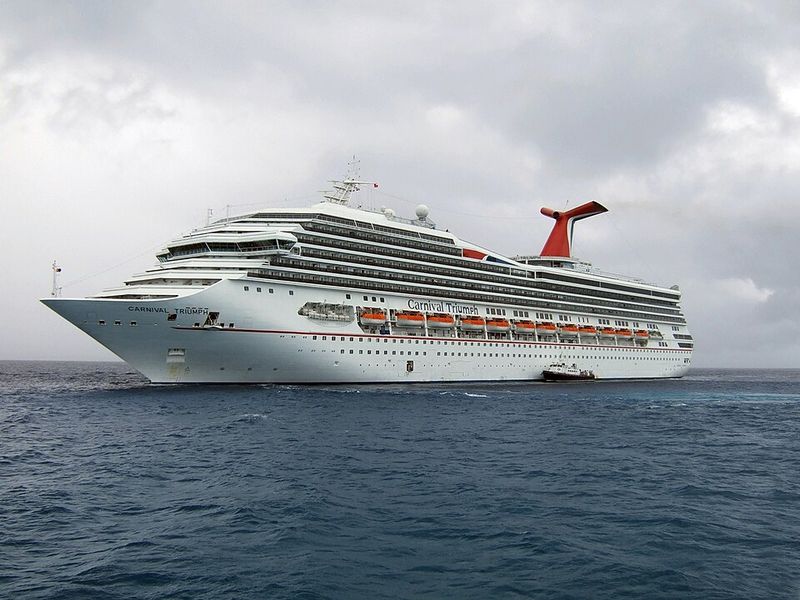
Carnival Triumph earned low sanitation scores in the past, implicating food service systems that include buffet practices. Leadership responded by closing vulnerable self-serve points and retraining staff on time-temperature and cross-contamination.
You likely noticed thermometers everywhere and fresh utensil rotations after short intervals.
Once re-inspections confirmed compliance, buffets returned to normal rhythms. The bigger lesson endures: when scores slip, operators must visibly prioritize your safety over speed.
That shift may slow service, but it keeps your meal within safe margins while teams rebuild trust through consistent results and clean audits.
13. Royal Caribbean Post-COVID Buffet Adjustments
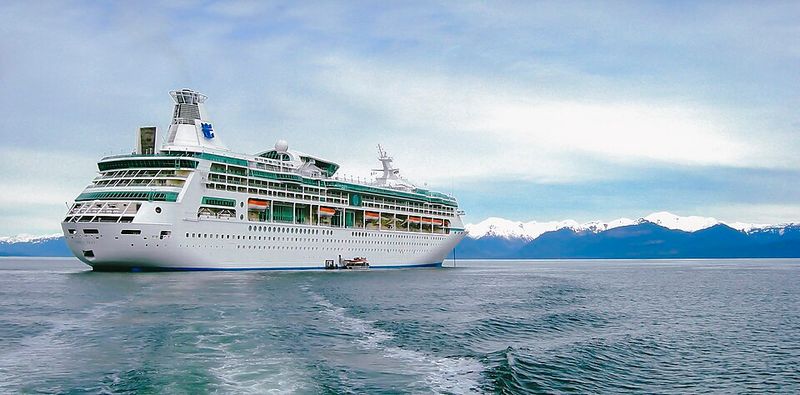
Royal Caribbean announced post-pandemic plans to remove or rethink traditional buffets, prioritizing health safeguards over convenience. While not a single inspection failure, the shift reflected inspection pressures and illness-prevention goals.
You saw more crew service, fewer shared utensils, and redesigned flow to reduce contact.
These temporary changes showed how easily a buffet can be curtailed when risk rises. As conditions improved, lines reopened cautiously, with stronger hygiene culture baked in.
The takeaway for you: when protocols tighten, it is about safety, not taking away choice, and better habits keep buffets open.



