 Unearth The Voyage
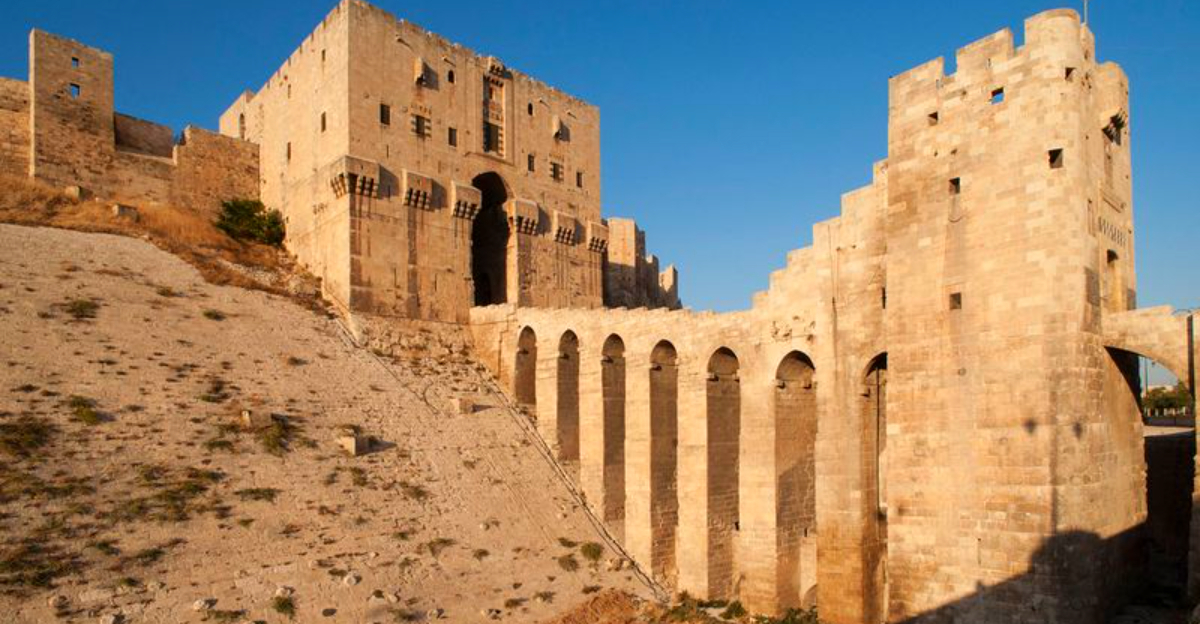
Some places come with warnings, but they also come with stories you will tell for the rest of your life. Here is where raw beauty meets real danger, where preparation matters as much as curiosity.
If you crave edges rather than easy itineraries, these destinations challenge assumptions and reward courage. Read on, and decide which risks you are willing to manage for the payoff you will never forget.
Mount Everest Region — Nepal
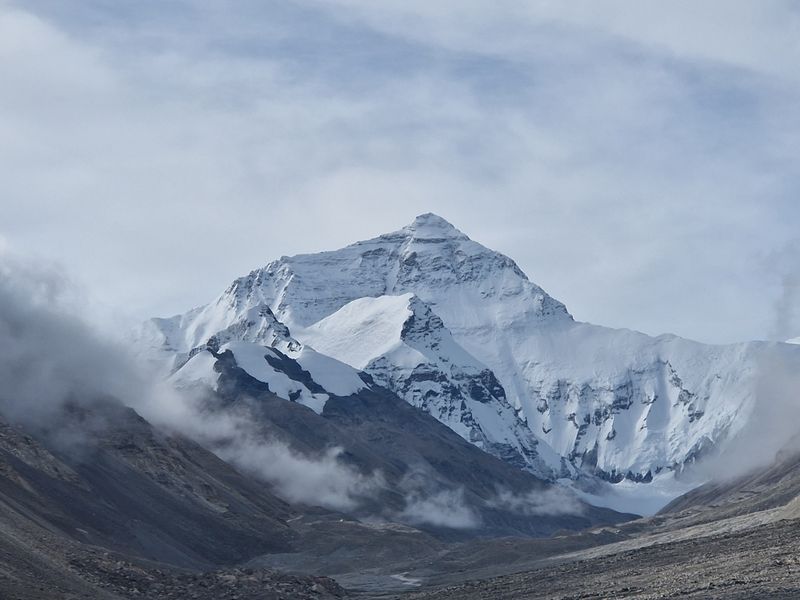
Mount Everest is not just a mountain on a map. It is a test of pacing, humility, and respect for thin air, where every step reminds you that nature sets the rules.
You feel it in the Khumbu, from Lukla’s cliffside runway to the roar of the icefalls.
Most visitors never clip into fixed lines yet still earn the reward of Base Camp. You trek through Sherpa villages, spin prayer wheels, and share smoky tea house warmth after winds bite your cheeks.
With guides who watch your oxygen and itinerary, acclimatization stops become lifelines.
You will learn to love the slow rhythm, the steady ascent, and the simple joy of a cloudless morning. Risks remain real: altitude sickness, avalanches, and weather that flips moods in minutes.
But careful planning turns that risk into resolve.
The payoff is a horizon of serrated peaks and a culture steeped in resilience. You leave with more than photos, carrying a quiet respect for people and place.
If you prepare, the mountain teaches without mercy and rewards without equal.
Danakil Depression — Ethiopia
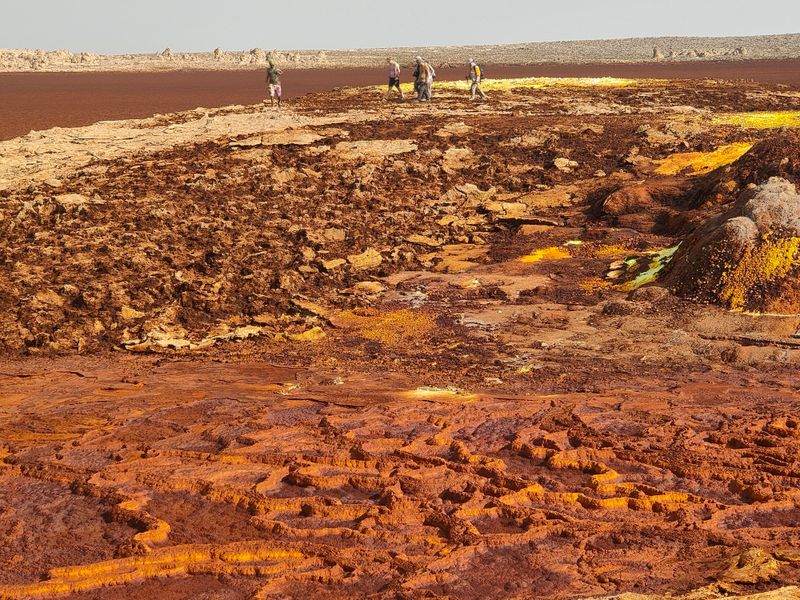
The Danakil Depression hits you first with heat that feels alive. Air shimmers over sulfur pools and cotton-white salt pans while distant vents hiss like kettles.
You keep moving, guided by Afar scouts who know when the land is safe to cross.
This place is chemistry in the open, a palette of acid greens, rust oranges, and impossible yellows. You watch salt miners carve blocks by hand and caravans thread the horizon.
With reputable operators, routes are timed to avoid peak heat and volatile spots.
It is not comfortable and not meant to be. Hydration plans, protective clothing, and common sense are nonnegotiable.
You measure progress by sunrise shadows and your bottle’s remaining liters.
The reward is otherworldly clarity: a feeling you have stepped off Earth. Photographs barely hold the colors, and your memory edits nothing.
For travelers who prepare, the Danakil offers danger managed and wonder unfiltered.
Death Valley — California, USA
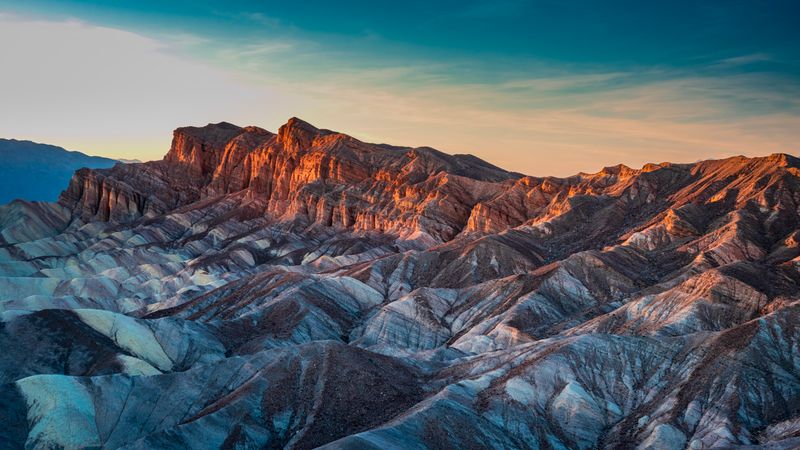
Death Valley is honest about its limits. In summer the air scorches, and even your shadow feels parched.
Visit in the cooler months and the valley lets you explore without tempting fate.
You wander salt polygons at Badwater Basin, trace wind lines on Mesquite Flat Dunes, and watch alpenglow paint Telescope Peak. Night drops a velvet sky that swallows nearby lights and delivers a Milky Way you can almost touch.
Rangers post advice for water, timing, and routes.
Preparation here is simple and strict: extra water, spare tires, and a plan someone else knows. Distances deceive, and cell service vanishes when you most want it.
Respect the forecast and your own margin.
The payoff is silence that resets your mind and foregrounds every footstep. Photographers chase long shadows and minimalist compositions all day.
You leave lighter, a little sun-chastened, and thoroughly rewarded.
Chernobyl Exclusion Zone — Ukraine
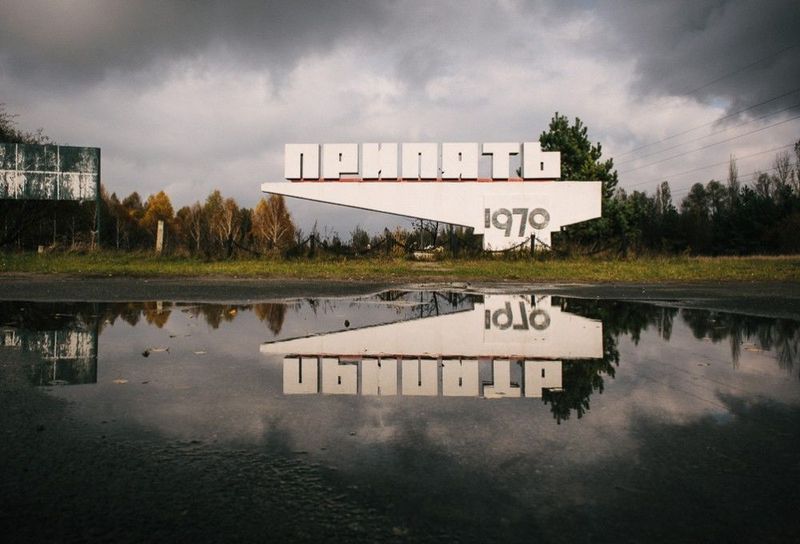
Chernobyl is quiet in a way that speaks. The Ferris wheel looms over a city paused mid sentence, classrooms gather dust, and a rusted sign marks a road to nowhere.
With licensed guides, routes are planned and exposure tracked.
You follow rules because history demands it and safety requires it. Distances and time limits keep you within acceptable levels while stories fill in the silence.
Photos come easily, but context matters more than angles.
This is not dark tourism when done responsibly. It is a sober visit to human error and heroism, where firefighters’ names carry weight in the air.
You leave with questions worth carrying.
The reward is perspective: a sharper respect for science and safeguards, and for lives interrupted. You will remember the stillness longer than any statistic.
In that stillness, the lessons feel uncomfortably close and necessary.
La Paz Road (Death Road) — Bolivia
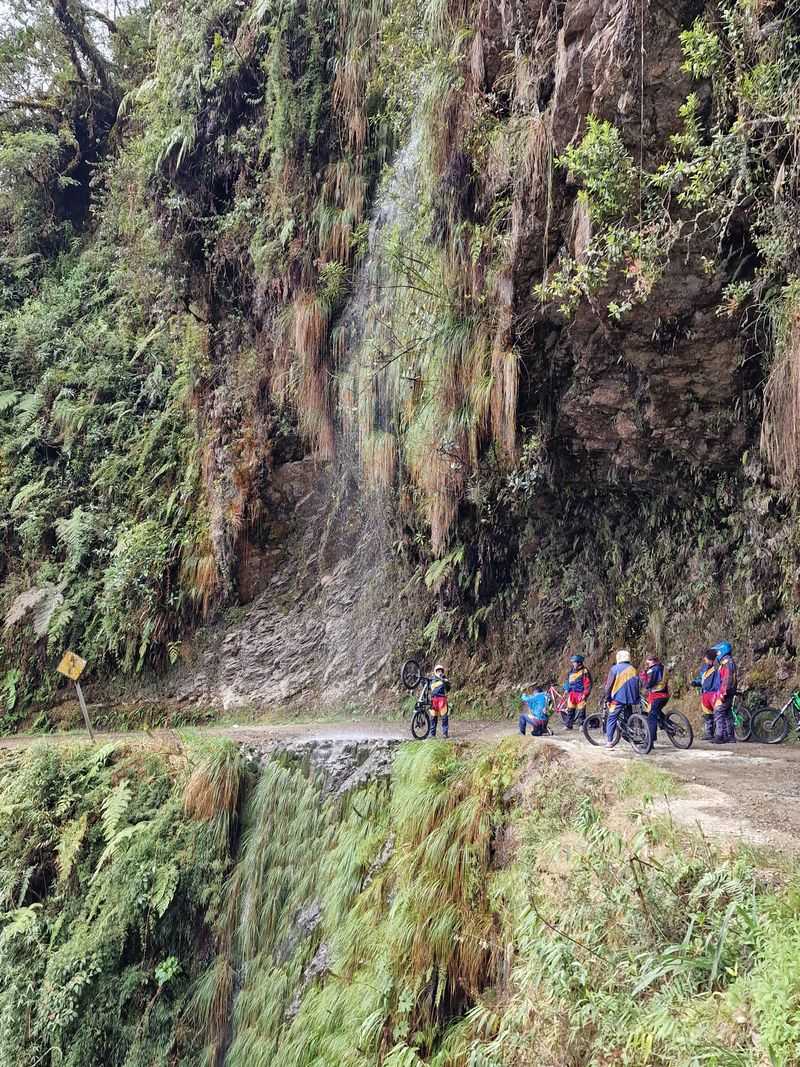
Death Road is a ribbon of dirt clinging to a mountainside. On one side, waterfalls mist your helmet visor.
On the other, the drop reminds you to breathe slowly and listen to your guide.
The ride starts cold at high altitude and unspools through cloud forests. Operators provide bikes with solid brakes, full-face helmets, and a safety briefing that sticks.
You ride left to face traffic, a convention that keeps surprises visible.
Pacing matters more than bravado. Corners ask for patience, not heroics, and passing happens where space allows.
Weather can pivot from sun to fog, so layers earn their place.
The reward is a long exhale at the bottom and views you will replay for years. You trade fear for focus and finish with a grin that feels earned.
For those prepared, risk sharpens the joy instead of spoiling it.
Sahara Desert — Multiple North African Nations
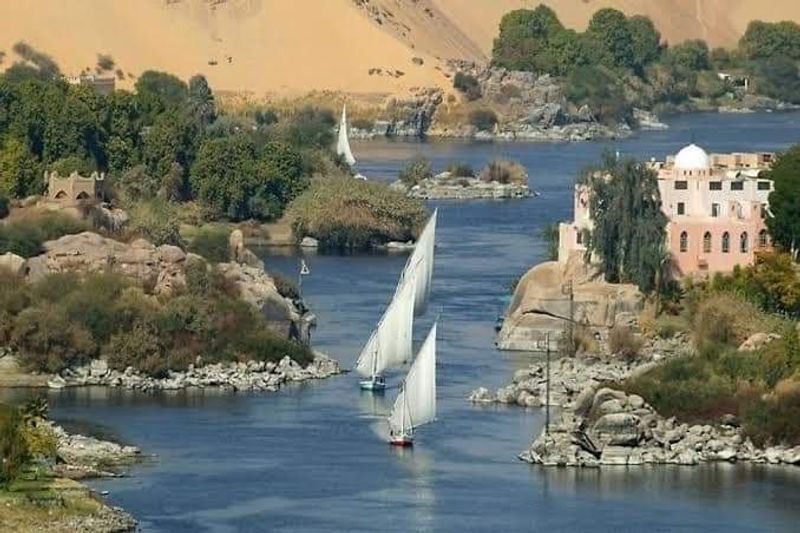
The Sahara rewards patience and planning. Days stretch under a sun that decides the schedule, and wind reshapes the map with a shrug.
You learn to move early, rest at midday, and trust local guides.
Camel caravans stitch across dunes while tea simmers low and sweet. Night brings another world: stars crowd the sky and silence deepens until even whispers feel loud.
Security varies by region, so routes are chosen carefully and permits matter.
Gear is simple but essential: scarf, sun block, ample water, and a satellite lifeline where coverage fails. Sand can grind morale as easily as gears.
Your pace finds a sustainable groove.
The reward is vastness that resets your sense of scale. Culture and landscape meet in small gestures, from greetings at a well to stories around embers.
You leave carrying sand in your shoes and a calmer rhythm in your head.
Somalia’s Coast — East Africa
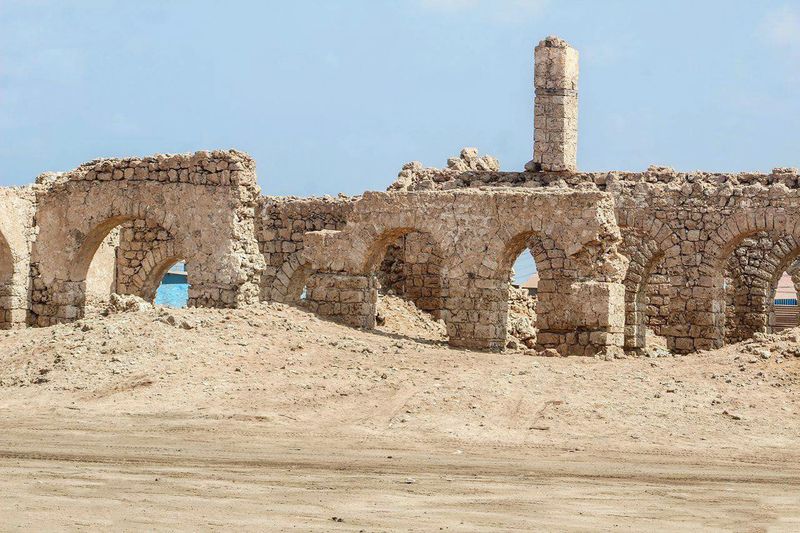
Somalia’s shoreline is starkly beautiful and seldom seen by tourists. Security concerns still define movement, permits, and escorts.
If you go, you work with specialists who know the local dynamics hour by hour.
The reward is raw coastline, fish markets that start before dawn, and quiet ruins that predate modern borders. You move lightly, listen more than you speak, and keep plans flexible.
Photography happens with permission and awareness.
Risks are real: piracy histories, armed groups, and limited medical care. Logistics include vetted drivers, reliable comms, and exit strategies.
Patience and discretion carry the day.
For the right traveler, the payoff is immersion in Horn of Africa cultures without filters. You will remember the hospitality as much as the warnings.
It is not casual travel, but it can be deeply meaningful.
Yemen — Historic Cities & Rugged Landscapes
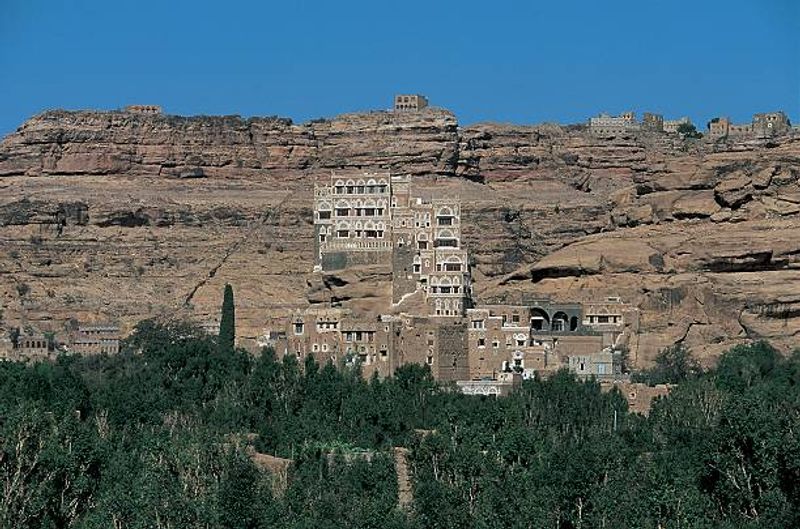
Yemen holds architecture that feels hand carved from time. Sana’a’s towers rise like patterned cliffs, and mudbrick skylines glow at dusk.
The reality is conflict and constraint, so movement is limited and carefully arranged.
Specialist fixers coordinate permits, security assessments, and cultural briefings. Travelers engaged in journalism or aid work often see more than tourists ever could.
Every step prioritizes people’s dignity and local law.
The risk profile changes quickly. Routes may be canceled, and plans shift to protect communities as much as visitors.
You accept that the best decision is sometimes to stay put.
The reward is witnessing heritage few will ever see firsthand and meeting people whose resilience humbles you. Stories here must be handled with care.
When managed responsibly, the experience lingers like a solemn promise to return in safer times.
Syria — Ancient Ruins in a War Zone
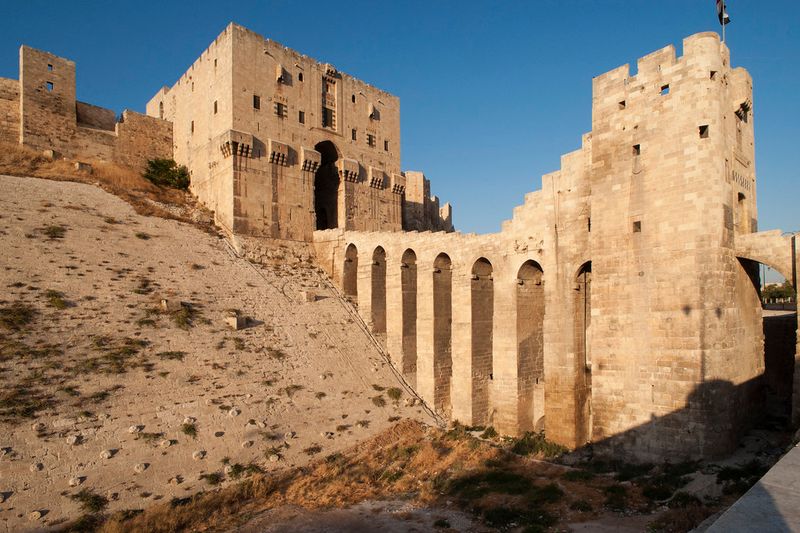
Syria holds layers of civilization under the weight of recent war. Palmyra’s columns still summon the desert, and Damascus whispers through courtyards and carved doors.
Visiting remains complex and often inadvisable without official purposes.
When professionals do go, they rely on vetted local partners and strict protocols. Movement is planned around checkpoints, curfews, and current security reports.
Documentation is careful and respectful of communities rebuilding.
Risk is not abstract here. It shapes what you see, when you move, and whether you proceed at all.
Every decision is filtered through safety first.
The reward, when possible, is contact with extraordinary heritage and a people who have endured. You carry the weight of what was lost and what survives.
For historians and journalists, the journey can be profound and sobering.
Afghanistan — Rugged Culture & Untamed Views
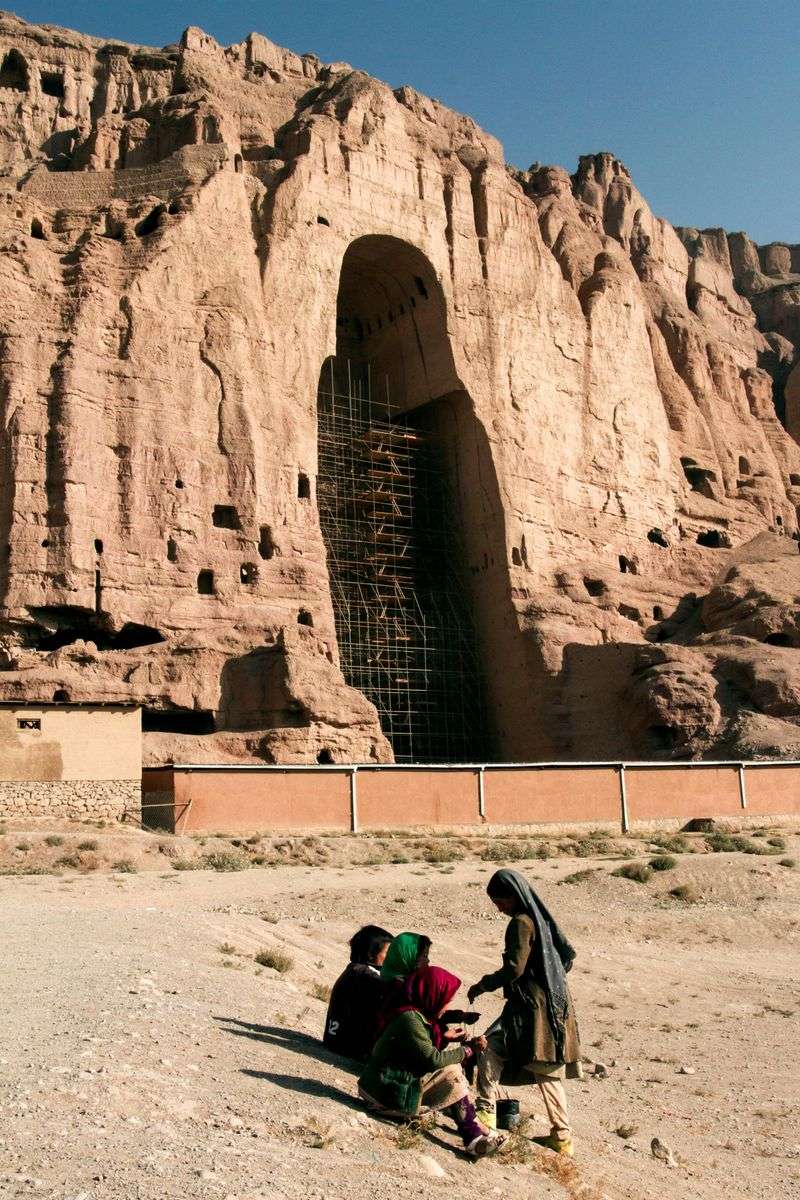
Afghanistan’s mountains feel close enough to touch. Valleys fold into valleys, and villages hold traditions measured in generations.
Travel is high risk and usually limited to professionals with mission-driven goals.
When movement happens, it is guided, discreet, and aligned with local knowledge. Security briefings shape every hour, and cultural respect smooths many moments.
Hospitality, when offered, is unforgettable and humbling.
Terrain tests logistics more than itineraries. Roads vanish into scree, weather turns quickly, and communications falter.
Redundant plans and trusted partners are essential.
The reward is a sense of scale and human warmth that defies headlines. You see craft, poetry, and mountains etched with history.
It is not for casual travel, but its beauty stays with you.
Iran — Rich History Under Advisory
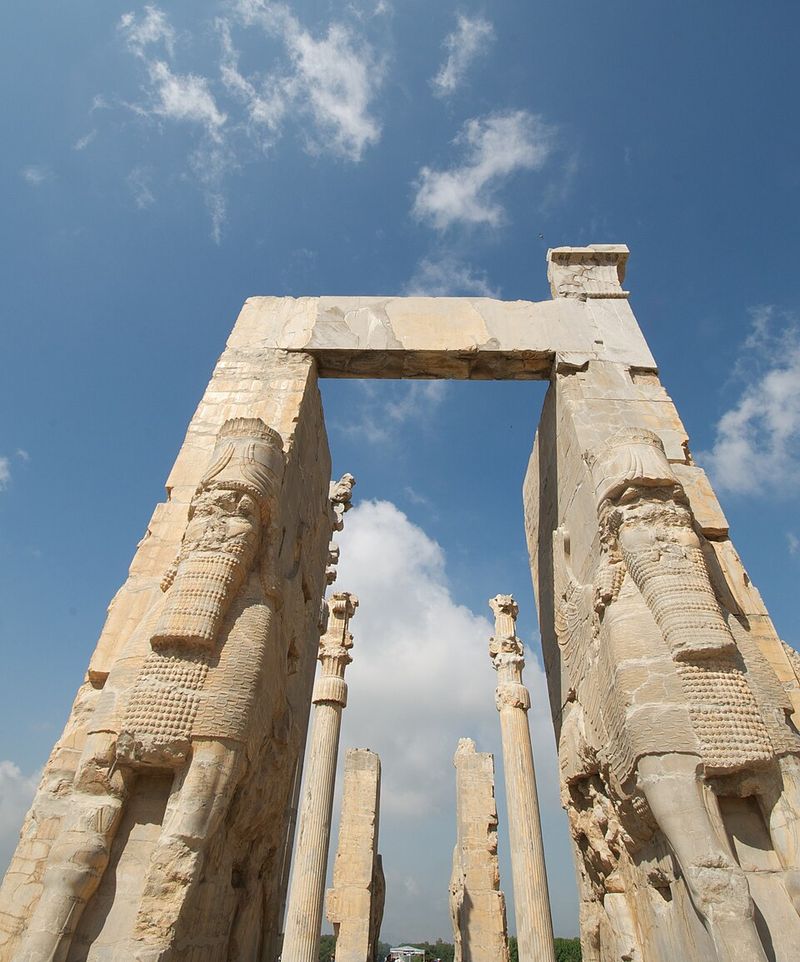
Iran’s appeal lies in layered history and openhearted hospitality. You trace blue tiles across mosques, linger over saffron stews, and talk politics carefully but honestly.
Travel advisories vary, so research and compliance are your compass.
Dress codes and social norms shape rhythm and tone. You carry cash, use official transport, and register where required.
Guides illuminate poetry in everyday life, from Hafez verses to gardens designed for conversation.
Risk management here is about awareness, not bravado. You follow local laws and avoid political gatherings.
The reward is connection, not headlines.
Architecture dazzles, bazaars hum, and teahouses welcome a slower pace. People’s generosity punctures stereotypes quickly.
With respect and preparation, the experience is richly human and deeply memorable.
Haiti — Caribbean Beauty Amid Risk
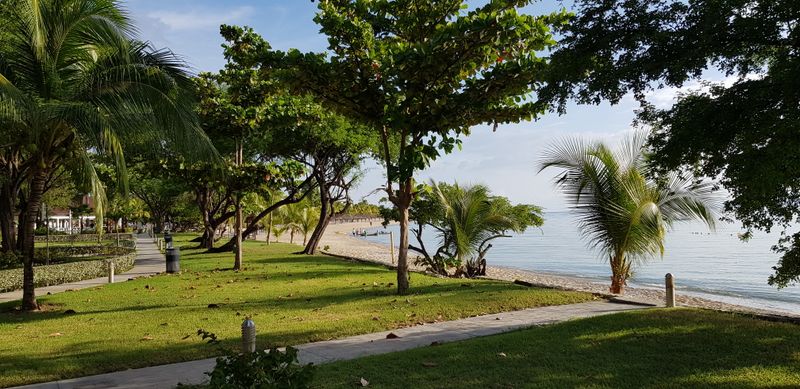
Haiti challenges assumptions and travelers alike. Infrastructure strains, security fluctuates, and plans can shift with little warning.
If you go, you likely have a purpose beyond leisure.
Visitors engaged in culture or humanitarian work coordinate closely with local partners. Transport is arranged, daylight movements prioritized, and communications backed up.
You learn quickly that patience is a practical tool.
Risk management includes staying informed and staying put when necessary. Respect for communities leads every decision.
Photography and storytelling are approached with care.
The reward is depth: art that sings, mountains that surprise, and conversations that linger. Haiti’s spirit is palpable in tap-tap colors and drum rhythms after dark.
With humility and preparation, the experience becomes both challenging and generous.
Danakil Road & Volcanoes — Ethiopia
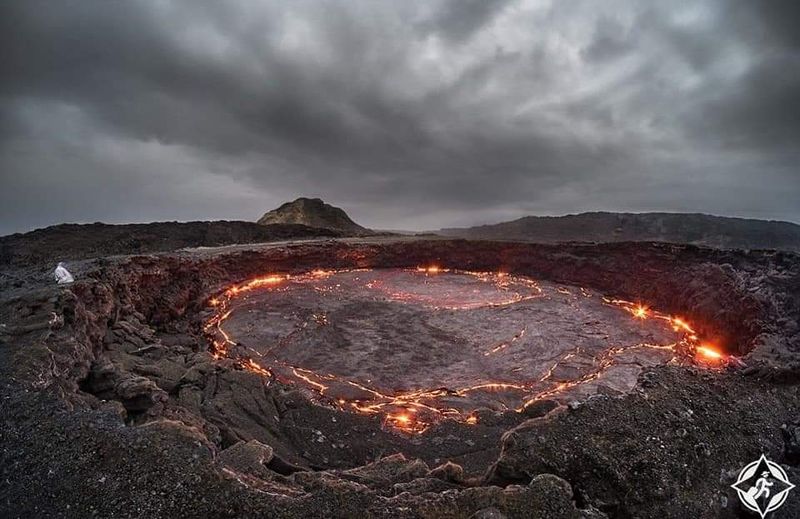
Beyond the Danakil’s flats, the road to active volcanoes raises the stakes. Erta Ale’s lava lake glows like a furnace, and footsteps crunch on black crust.
Movement is timed to cooler hours and guided by locals who read the land.
Heat, fumes, and uneven terrain make caution nonnegotiable. You carry masks, headlamps, and water as if they were tickets.
Camps are basic, and comfort takes a respectful back seat.
Risk is part environmental, part logistical. Vehicles need redundancy, and routes may shift with volcanic moods.
You learn to accept small delays as safety dividends.
The reward is elemental wonder: magma churning in the dark and stars sharp enough to write with. Few moments compare to that red glow on your face.
For prepared travelers, it is a once-in-a-lifetime frontier.



