History is full of moments where the world balanced on a knife’s edge, and most people had no idea. A single decision, a misread report, or an unexpected storm stood between the world as we know it and something dramatically different.
These are not stories of failure but of how close things came to unraveling before someone, somewhere, made the right call or got very lucky. From Cold War submarines to ancient naval battles, these 13 days remind us that the course of history is far more fragile than most textbooks let on.
1. Apollo 13 Oxygen Tank Explosion – April 13, 1970
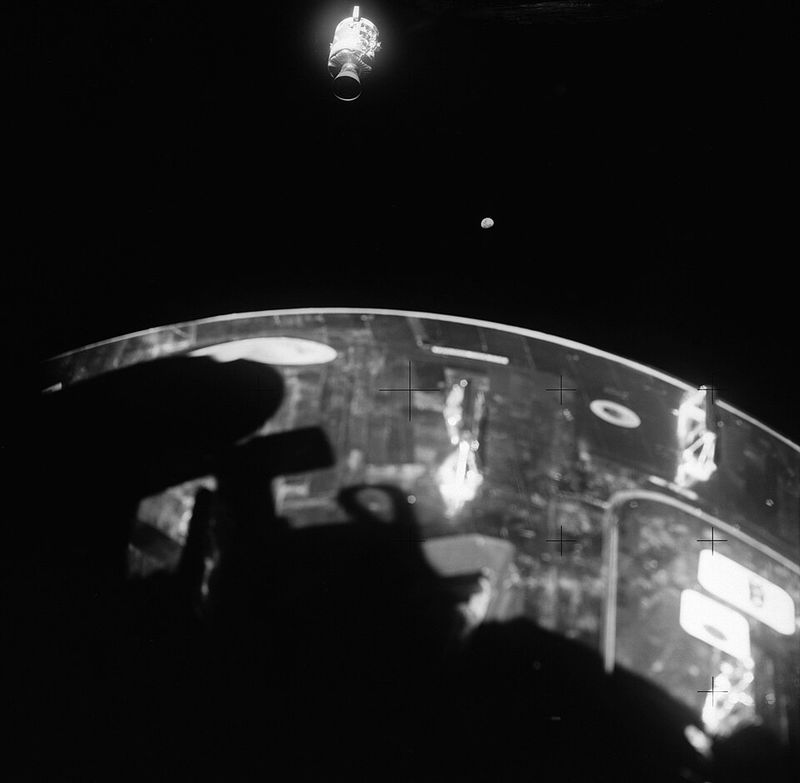
Two days into its lunar mission, Apollo 13 sent back a message that became one of NASA’s most famous understatements: “Houston, we’ve had a problem.”
An oxygen tank in the service module ruptured on April 13, 1970, disabling the spacecraft’s main power and life support systems. The moon landing was immediately abandoned.
The crew of three had to shelter in the lunar module, which was designed for two people for two days, not three people for four.
NASA engineers on the ground worked around the clock to calculate a safe return trajectory using the Moon’s gravity. They guided the crew through improvised fixes using only materials already on board, including a carbon dioxide filter built from a plastic bag, a cardboard cover, and tape.
Apollo 13 splashed down safely on April 17. NASA called it a successful failure, and the mission reshaped how the agency trained for emergencies.
2. Cuban Missile Crisis – October 27, 1962 (“Black Saturday”)
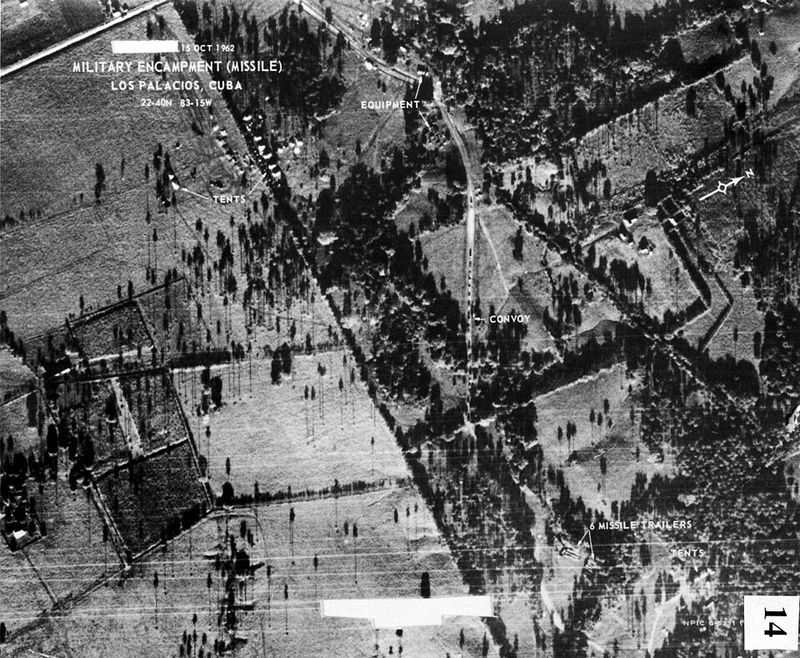
On a single Saturday in October 1962, three separate incidents could each have independently triggered a nuclear exchange between the United States and the Soviet Union.
A U.S. U-2 spy plane was shot down over Cuba without Khrushchev’s approval.
A second U-2 accidentally drifted into Soviet airspace near the North Pole, prompting both sides to scramble fighter jets armed with nuclear weapons.
Below the Atlantic, Soviet submarine B-59 was being pressured to surface by U.S. depth charges. Its commander nearly ordered a nuclear torpedo launch.
Senior officer Vasily Arkhipov refused to authorize it, and that refusal required unanimous agreement among three officers.
The U.S. Joint Chiefs simultaneously recommended a full invasion of Cuba, unaware Soviet forces already had tactical nuclear warheads positioned there.
Historians widely consider October 27, 1962, the single most dangerous day in recorded modern history.
3. Stanislav Petrov False Alarm – September 26, 1983

Most people have never heard the name Stanislav Petrov, yet his decision on one September night in 1983 may have kept the Cold War from turning catastrophically hot.
Soviet early-warning satellites reported five incoming U.S. ballistic missiles. Protocol required Petrov to immediately report the alert up the chain of command, which would almost certainly have triggered a retaliatory nuclear launch.
Petrov hesitated. He reasoned that a real U.S. first strike would involve hundreds of missiles, not five.
He judged the system was malfunctioning and reported it as a false alarm instead of an attack.
He was right. A rare alignment of sunlight reflecting off clouds had fooled the satellite sensors.
Petrov was neither praised nor punished by Soviet officials. He later said he considered himself equally a hero and a man who simply did his job that night.
4. July 20, 1944 – Hitler Assassination Attempt
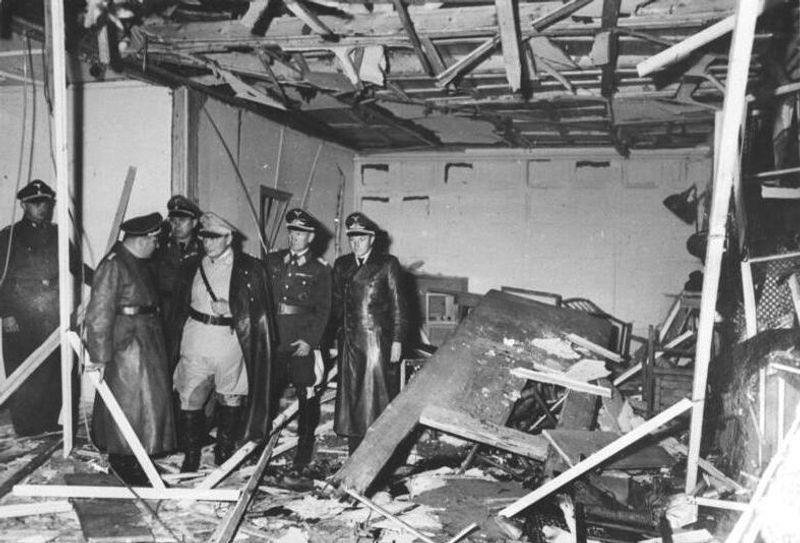
German Army officer Claus von Stauffenberg placed a briefcase containing a bomb under a heavy oak conference table at Adolf Hitler’s Wolf’s Lair headquarters in East Prussia on July 20, 1944.
The plan, known as Operation Valkyrie, involved a network of military officers who intended to seize control of the German government immediately after the assassination succeeded. Stauffenberg left the room before the explosion and flew to Berlin, convinced the mission had worked.
But another officer had moved the briefcase to the far side of a thick table leg while making room to see a map. The heavy oak structure absorbed most of the blast.
Hitler survived with minor injuries.
The conspirators were arrested within hours. Stauffenberg and three others were executed by firing squad that same night.
Had the briefcase stayed in its original position, WWII’s final year could have unfolded very differently.
5. D-Day Weather Gamble – June 6, 1944
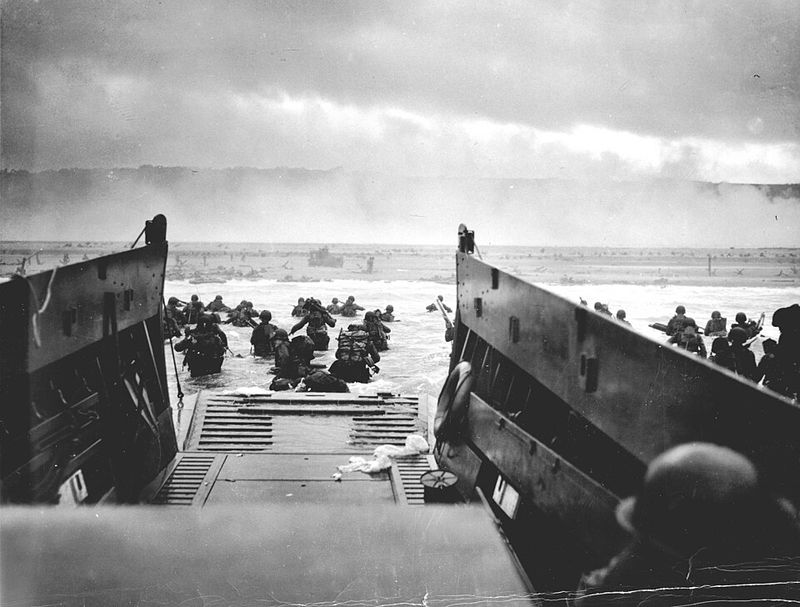
Operation Overlord, the largest seaborne invasion in history, was nearly canceled not by enemy action but by the weather forecast.
Allied Supreme Commander Dwight D. Eisenhower had originally planned the Normandy invasion for June 5, 1944.
A severe storm forced a postponement. Chief meteorologist James Stagg then identified a narrow 24-hour weather window opening on June 6 and presented it to Eisenhower with significant uncertainty.
Eisenhower made the call to proceed. The weather on June 6 was rough but workable.
German commanders, meanwhile, had concluded no invasion was possible given the conditions and had stood down many units, including Field Marshal Rommel, who had traveled home for his wife’s birthday.
Had Eisenhower waited for the next suitable window, it would not have arrived until late June. By then, German defenses might have been reinforced and the entire strategic advantage of surprise would have been lost.
6. Three Mile Island Near-Meltdown – March 28, 1979
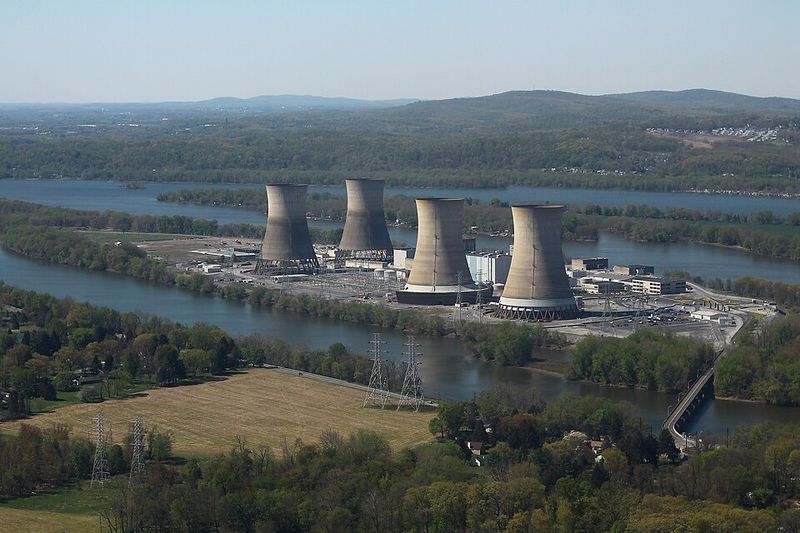
At 4 a.m. on March 28, 1979, a cooling system malfunction at Pennsylvania’s Three Mile Island nuclear plant triggered a chain reaction of equipment failures and operator confusion that took days to fully understand.
A relief valve stuck open, allowing coolant to drain from the reactor core. Operators, misreading instrument panels, reduced coolant flow further, which was the opposite of what the situation required.
The reactor core began to overheat and partially melt.
For several days, officials struggled to determine whether a hydrogen bubble inside the reactor could cause a larger explosion. Conflicting public statements from plant operators and the Nuclear Regulatory Commission created widespread confusion and fear across the region.
The partial meltdown was eventually stabilized. No direct radiation injuries were confirmed.
But the event fundamentally changed public opinion about nuclear energy in the United States and led to sweeping reforms in plant safety protocols and operator training standards.
7. Chernobyl Reactor 4 – April 26, 1986
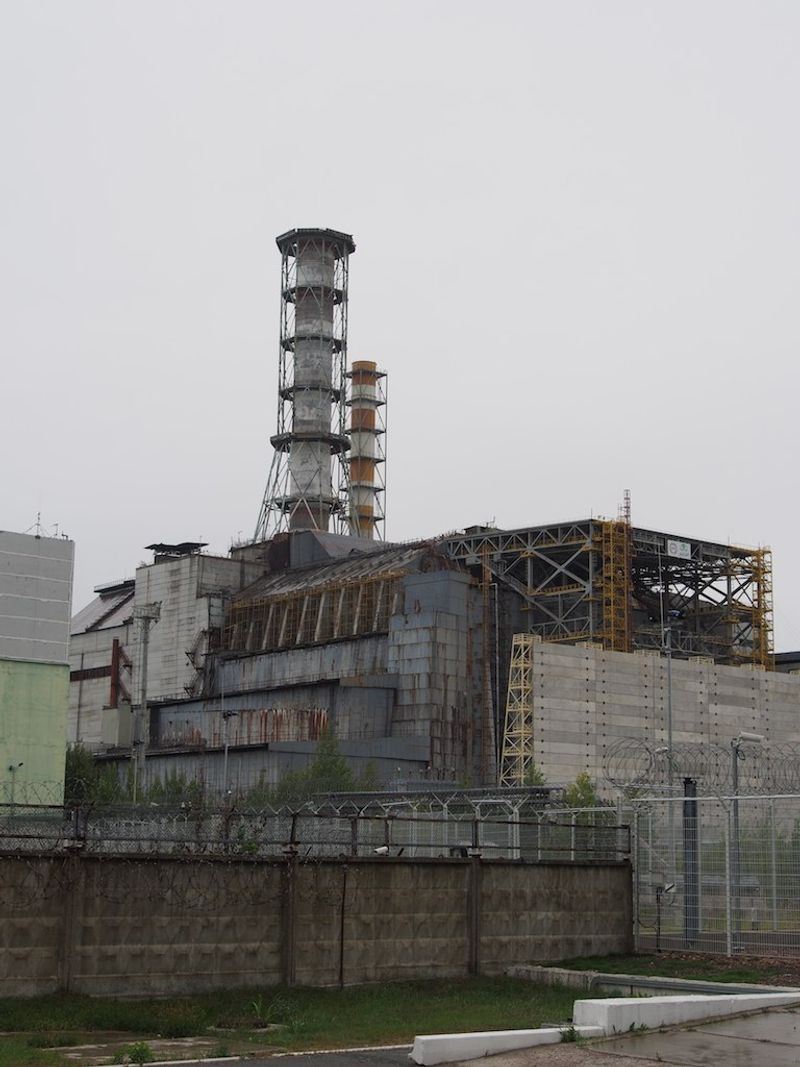
What began as a routine safety test at Ukraine’s Chernobyl Nuclear Power Plant on April 25-26, 1986, turned into the worst nuclear accident in recorded history, partly because the test was conducted by workers who had not been properly briefed on the reactor’s known design flaws.
Reactor 4’s power output surged far beyond safe levels during the test. An emergency shutdown triggered a catastrophic steam explosion that destroyed the reactor building and launched radioactive material into the atmosphere.
Firefighters and plant workers who responded in the first hours had no accurate information about radiation levels. Their rapid response, though carried out under dangerous conditions, helped prevent the fire from spreading to the three adjacent reactors.
Scientists later calculated that if all four reactors had been compromised, the resulting contamination zone could have rendered much of central Europe uninhabitable for generations. The containment effort by first responders narrowed that outcome significantly.
8. Solar Storm Near-Miss – July 23, 2012
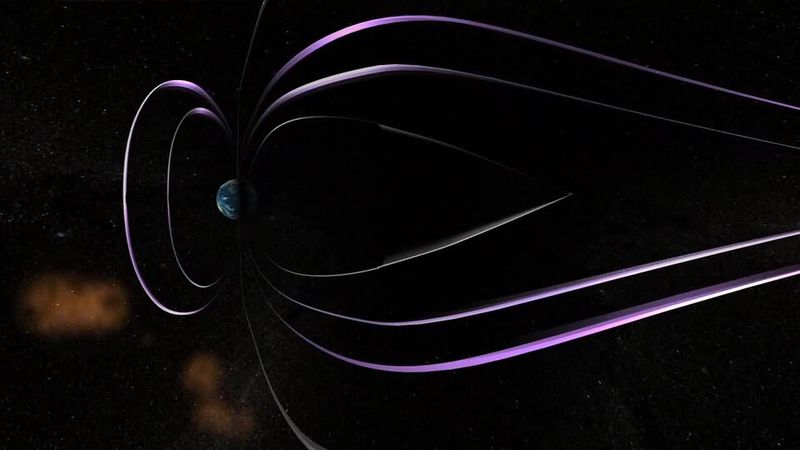
On July 23, 2012, the Sun released one of the most powerful coronal mass ejections ever recorded, a massive burst of magnetized plasma traveling at roughly 2,000 kilometers per second.
Earth was not in the storm’s path. The ejection passed through the exact point in space where Earth had been just nine days earlier.
NASA scientists later confirmed it was comparable in strength to the 1859 Carrington Event, which disrupted telegraph systems worldwide.
Had the 2012 storm struck Earth directly, the results would have been significant. Power grids, GPS satellites, communication networks, and aviation systems all depend on electronics vulnerable to geomagnetic interference at that scale.
A 2013 study estimated the economic impact of a direct hit could have reached two trillion dollars in the first year alone, with full recovery taking up to a decade. The event received almost no public attention at the time it occurred.
9. Kola Superdeep Borehole – 1970s-1990s
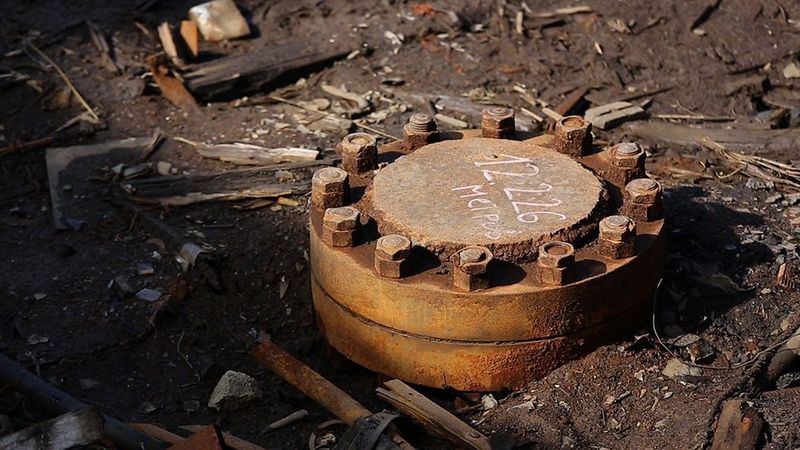
The Soviet Union spent decades drilling what became the deepest hole ever made by humans, a project that started in 1970 and continued until 1992 on the Kola Peninsula in northwestern Russia.
At its deepest point, the borehole reached 12,262 meters, roughly 7.6 miles below the surface. Scientists expected to find solid rock throughout.
Instead, they discovered fractured, porous rock saturated with water at depths where water was not supposed to exist.
Temperature readings also surprised researchers. At 12 kilometers, the rock was approximately 180 degrees Celsius, far hotter than models had predicted.
This heat made the rock behave almost like a plastic material rather than the rigid substance engineers had planned around.
The project was not dangerous in the way popular myths have suggested, but it did reveal that Earth’s interior behaves very differently from scientific predictions of that era. The borehole was sealed and abandoned in 1995.
10. Bay of Pigs Invasion – April 17, 1961
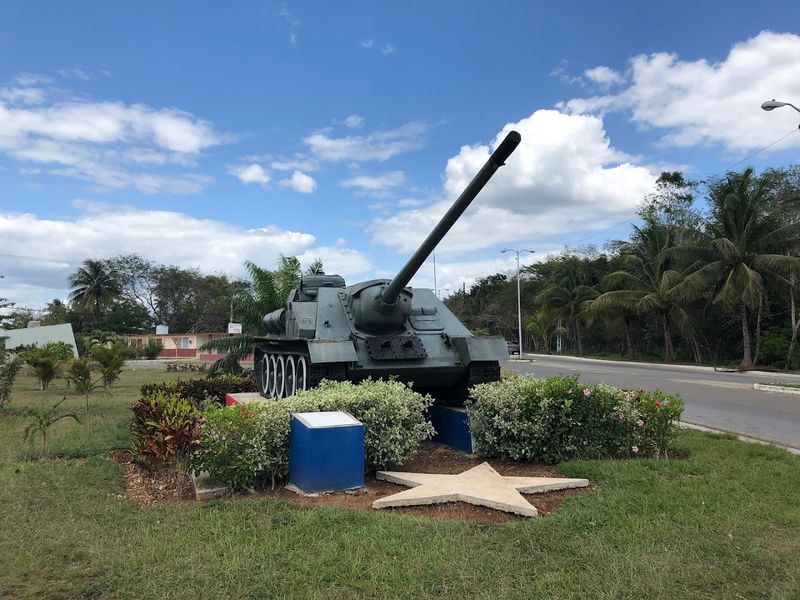
Roughly 1,400 Cuban exiles trained and equipped by the CIA landed at Cuba’s Bay of Pigs on April 17, 1961, expecting air support and a popular uprising that never materialized.
President Kennedy, newly in office and uncomfortable with the scope of the operation, had scaled back the planned air strikes before the invasion. Cuban forces under Fidel Castro were already on alert.
The exiles were surrounded and captured within 72 hours.
The political fallout was immediate. The failed invasion embarrassed the Kennedy administration internationally and strengthened Castro’s position domestically.
It also pushed Soviet Premier Khrushchev to conclude that the U.S. was willing to use military force against Cuba.
That calculation directly influenced the Soviet decision to place nuclear missiles in Cuba in 1962, which led to the Cuban Missile Crisis. The Bay of Pigs was not just a failed mission but a strategic miscalculation with consequences that extended for years.
11. 1918 Influenza Pandemic Timing
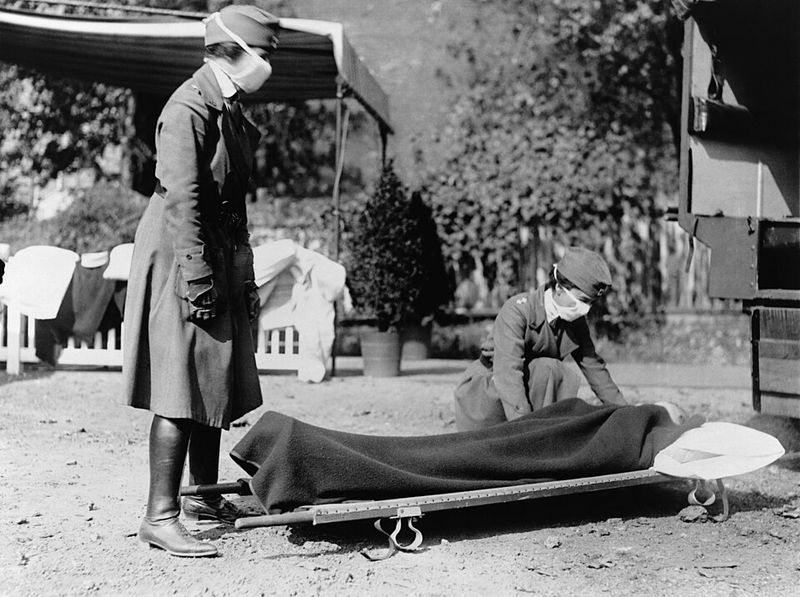
The 1918 influenza pandemic infected an estimated 500 million people worldwide and caused somewhere between 50 and 100 million fatalities, making it one of the most significant public health events in modern history.
Its timing, arriving in the final months of World War I, actually limited its global reach in one specific way. The war had concentrated large populations in a relatively contained set of locations, mainly military camps and European trenches.
Had the same strain emerged two years earlier, in 1916, the conditions would have been different. Mass troop movements between continents were at their peak, international travel was accelerating, and public health infrastructure was even less developed than in 1918.
Epidemiologists who have modeled earlier emergence scenarios suggest the combination of wartime mobility and a more vulnerable global population could have produced significantly higher transmission rates. The timing of 1918, as grim as it was, may have actually constrained the pandemic’s worst potential.
12. The Berlin Wall Speech Mistake – November 9, 1989
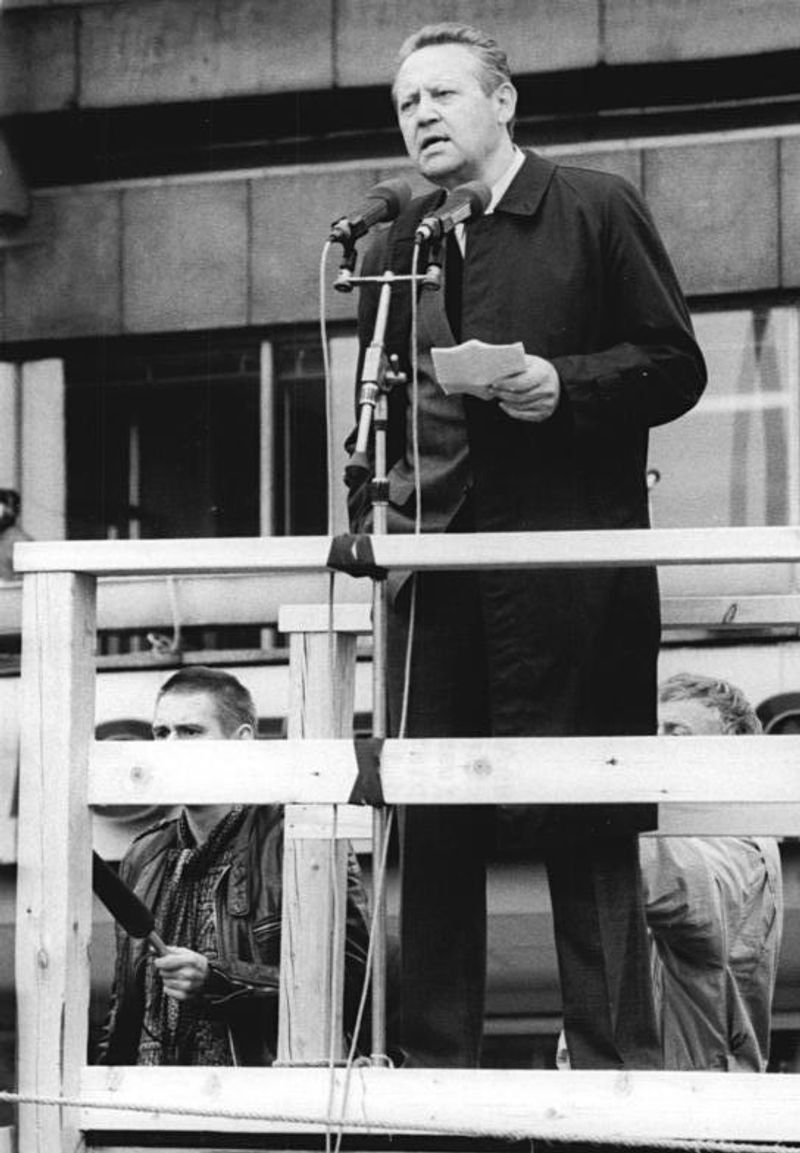
Politburo spokesman Gunter Schabowski walked into a live press conference on November 9, 1989, with a memo he had not fully read and no briefing on its context.
When asked when new travel regulations allowing East Germans to visit West Germany would take effect, he shuffled his papers, looked up, and said: “Immediately, without delay.” The regulations were actually supposed to take effect the following day, with an organized process for applications.
Within hours, crowds gathered at Berlin Wall checkpoints. Border guards, receiving no updated orders, eventually opened the gates rather than confront the growing crowds.
The Wall effectively fell that night not through political negotiation but through a press conference miscommunication.
East German leadership had planned a managed, gradual opening. Schabowski’s unplanned announcement collapsed that plan entirely.
The speed of events that followed made a violent crackdown politically impossible and accelerated German reunification by months, possibly years.
13. Spanish Armada Storms – August 1588
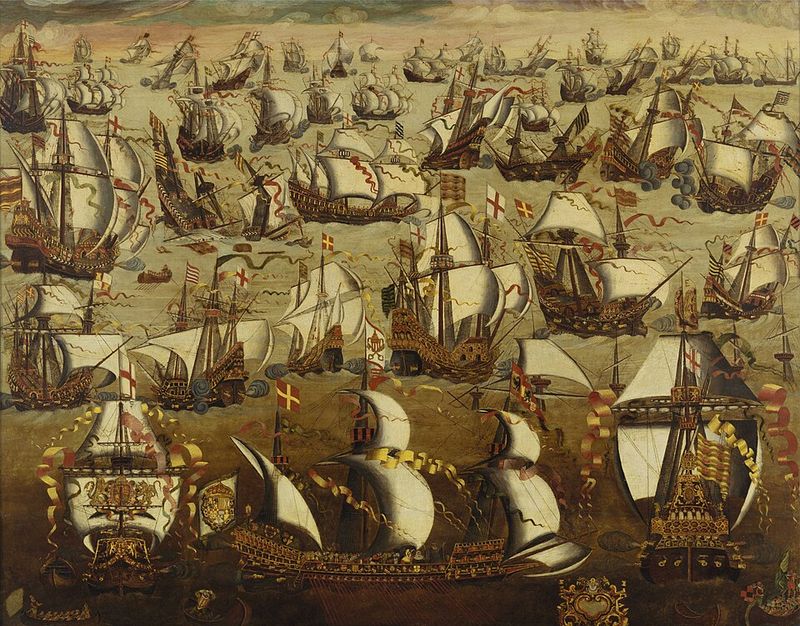
Spain’s King Philip II assembled roughly 130 ships and 27,000 men in 1588 with the goal of sailing up the English Channel, linking with Spanish forces in the Netherlands, and invading England.
The English fleet, commanded by Admiral Francis Drake and Lord Howard of Effingham, fought a series of engagements that prevented the Armada from completing its rendezvous with the land forces. The Armada retreated northward around Scotland and Ireland to return home.
That is when the weather became the decisive factor. A series of powerful Atlantic storms struck the fleet as it navigated unfamiliar northern waters.
More than 60 ships were lost, and roughly 15,000 men never returned to Spain.
England’s survival preserved its Protestant governance and its growing maritime power. Had the invasion succeeded, the political and religious map of northern Europe would have shifted dramatically.
Spain’s defeat marked the beginning of a long decline in its dominance over Atlantic trade routes.
Share this story