Europe is full of coastlines, but lagoons are something else entirely. They sit between the sea and the land, calm and quiet, with colors that seem almost impossible in real life.
From Iceland’s icy blue glacier waters to the flamingo-filled wetlands of Albania, each lagoon on this list has something genuinely worth seeing. Whether you are planning a big European adventure or just adding ideas to a future travel folder, these 13 lagoons cover a wide range of landscapes, countries, and travel styles that will make you want to book a flight sooner than you planned.
Blue Lagoon, Comino, Malta
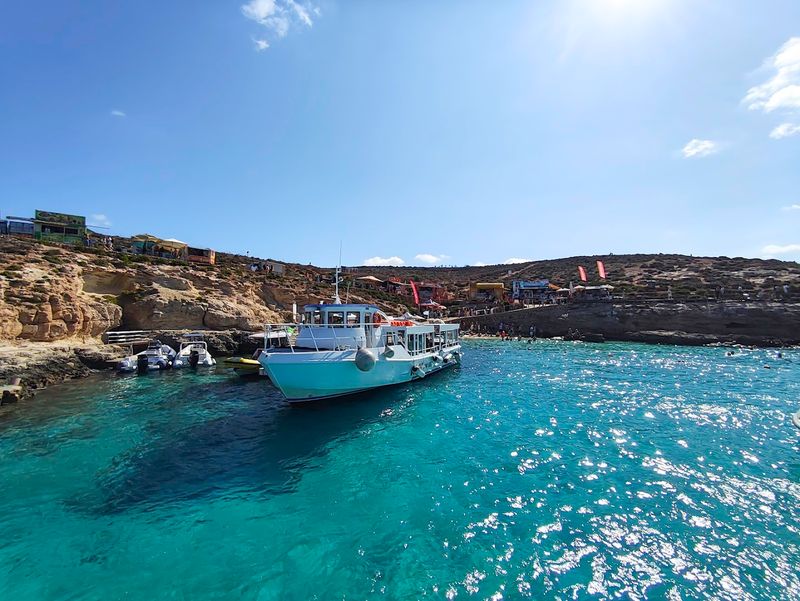
The water at Malta’s Blue Lagoon has a color that stops people mid-sentence. Sitting between the tiny island of Comino and the even smaller Cominotto, this lagoon is fed by clear Mediterranean water that turns a vivid, almost neon blue in direct sunlight.
It is one of Malta’s most visited natural attractions, and for good reason.
Ferries and boat tours run regularly from Malta and Gozo, making it easy to reach even without a private vessel. The area can get very busy during peak summer months, so travelers who want a more relaxed visit tend to aim for early morning departures or trips in May, June, or September.
Swimming is the main draw, and the visibility underwater is impressive. There are no permanent residents on Comino aside from a small hotel, which keeps the island feeling surprisingly natural despite the visitor numbers.
Planning ahead makes the difference between a peaceful visit and a crowded one.
Ria Formosa Lagoon, Algarve, Portugal
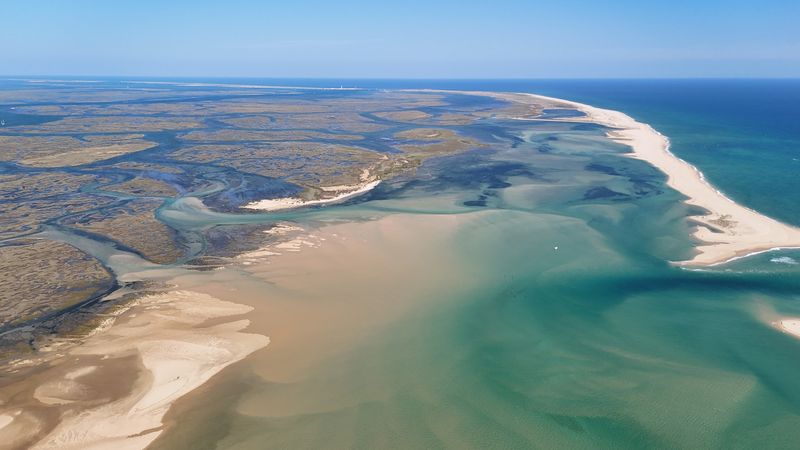
Stretching roughly 60 kilometers along the Algarve coast, Ria Formosa is not a single lagoon but an entire protected coastal system that includes barrier islands, tidal channels, salt marshes, and sandy beaches. The natural park runs from the Faro area toward Tavira, and it is one of Portugal’s most ecologically significant landscapes.
Travelers can explore it in several ways. Ferry routes connect Faro to islands like Culatra and Armona, where car-free beaches and small fishing communities make for a genuinely different kind of Algarve day.
Boat tours, walking trails, and cycling paths also wind through the park.
Birdwatchers find it particularly rewarding, with species including the rare purple gallinule making their home here. The Algarve often gets associated with busy beach resorts, but Ria Formosa offers a quieter, more natural side of the region that feels like a proper escape.
It rewards slow travel and repeat visits throughout the seasons.
Jokulsarlon Glacier Lagoon, Iceland
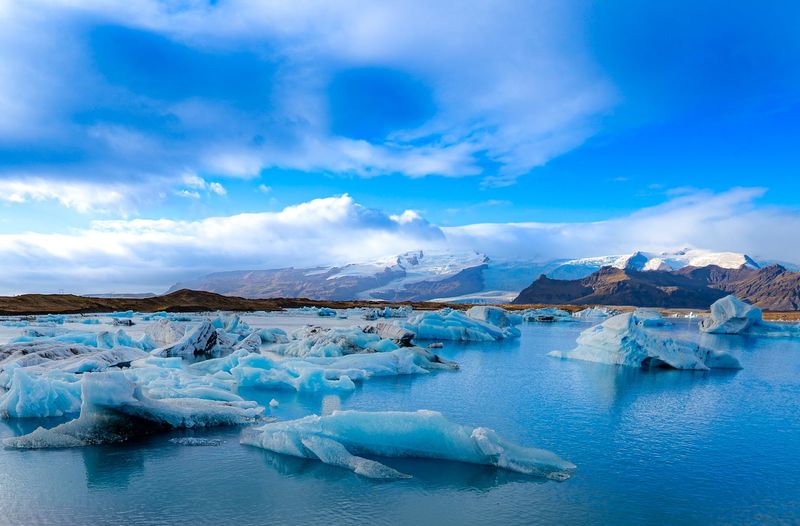
Jokulsarlon does not fit the typical image of a lagoon. Instead of warm turquoise shallows, this Icelandic wonder is filled with massive icebergs that break away from the Breidamerkurjokull glacier and drift slowly toward the Atlantic Ocean.
The scale of it is hard to process until you are standing at the edge looking out.
The lagoon formed in the 20th century as the glacier retreated and has been growing steadily since. Today it is one of Iceland’s most visited natural landmarks and sits right alongside the Ring Road, making it accessible even on a self-drive trip around the island.
Seasonal boat tours take visitors between the icebergs when conditions allow, and even from the shore, the views are extraordinary. Just a short walk away, Diamond Beach is where smaller ice chunks wash up onto black volcanic sand, creating a scene that looks almost theatrical.
Both spots together make for one of the most memorable stops on any Iceland itinerary.
Balos Lagoon, Crete, Greece
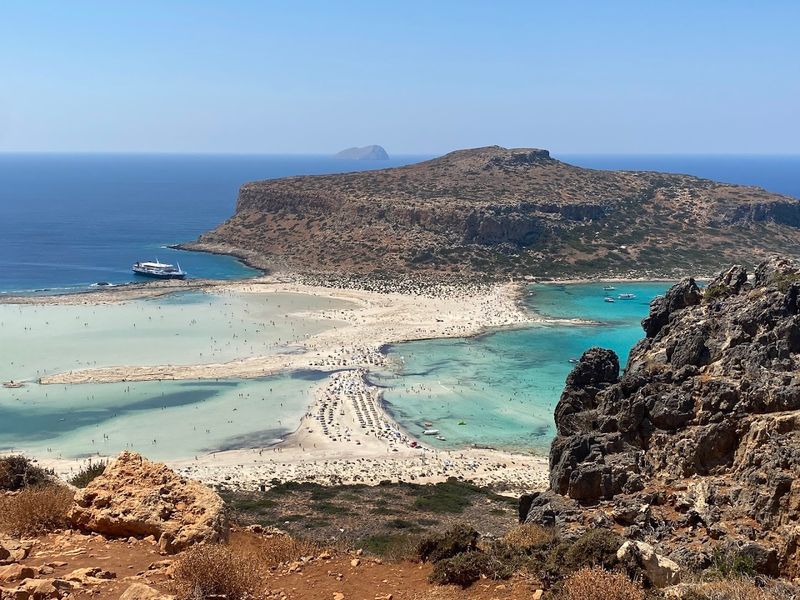
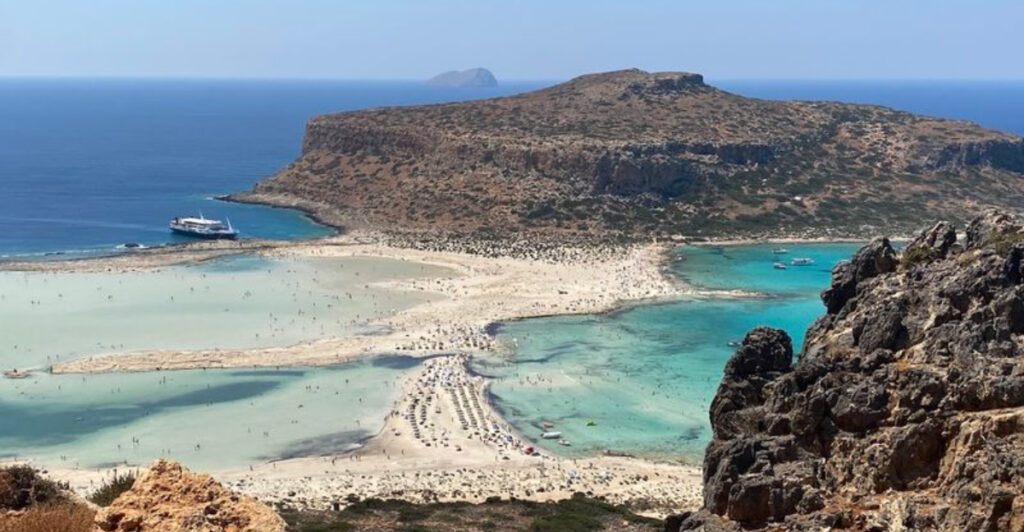
Few coastal spots in Europe generate as much genuine awe as Balos Lagoon, and the photos barely do it justice in person. Located at the northwestern tip of Crete, this lagoon is known for its shallow, electric-turquoise water and pale sand that picks up faint pink tones from crushed shells.
It sits along the Gramvousa Peninsula, giving it a dramatic backdrop of rocky headlands and open sea.
Getting there is part of the experience. Most travelers arrive by boat from Kissamos, which runs seasonally and offers views of the coastline along the way.
A road and walking path option also exists for those who prefer to arrive on land, though it involves a steeper descent.
The lagoon is at its most manageable in the early morning or during shoulder season, when the crowds thin and the water stays calm. Crete has many beautiful beaches, but Balos consistently stands apart for its sheer visual drama.
Venice Lagoon, Veneto, Italy
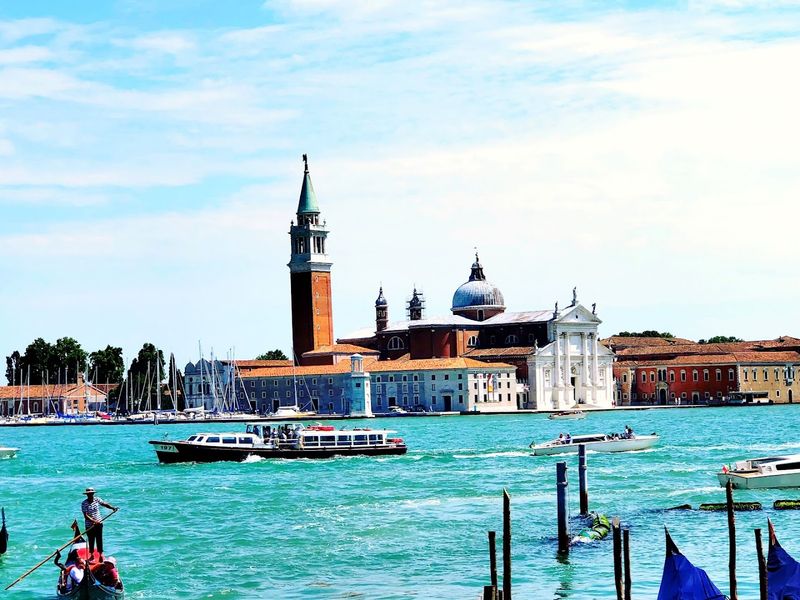
Most people think of Venice as a city, but it is really an island community set within one of Europe’s most remarkable lagoon systems. The Venice Lagoon covers around 550 square kilometers and holds not just Venice itself but also the islands of Murano, Burano, Torcello, and Chioggia, each with its own character and history.
The entire property is UNESCO-listed, recognizing centuries of human ingenuity in building and maintaining a civilization on water. Murano is known for its glass-blowing tradition, Burano for its brightly painted fishermen’s houses, and Torcello for its ancient Byzantine cathedral that predates much of Venice itself.
Traveling the lagoon by vaporetto or private boat gives a completely different perspective from the tourist-heavy streets of central Venice. The water changes color with the light, and the horizon opens up in ways the city’s narrow calli never allow.
For travelers who have already seen Venice, the lagoon islands are where the real discovery begins.
Stagnone Lagoon, Marsala, Sicily, Italy
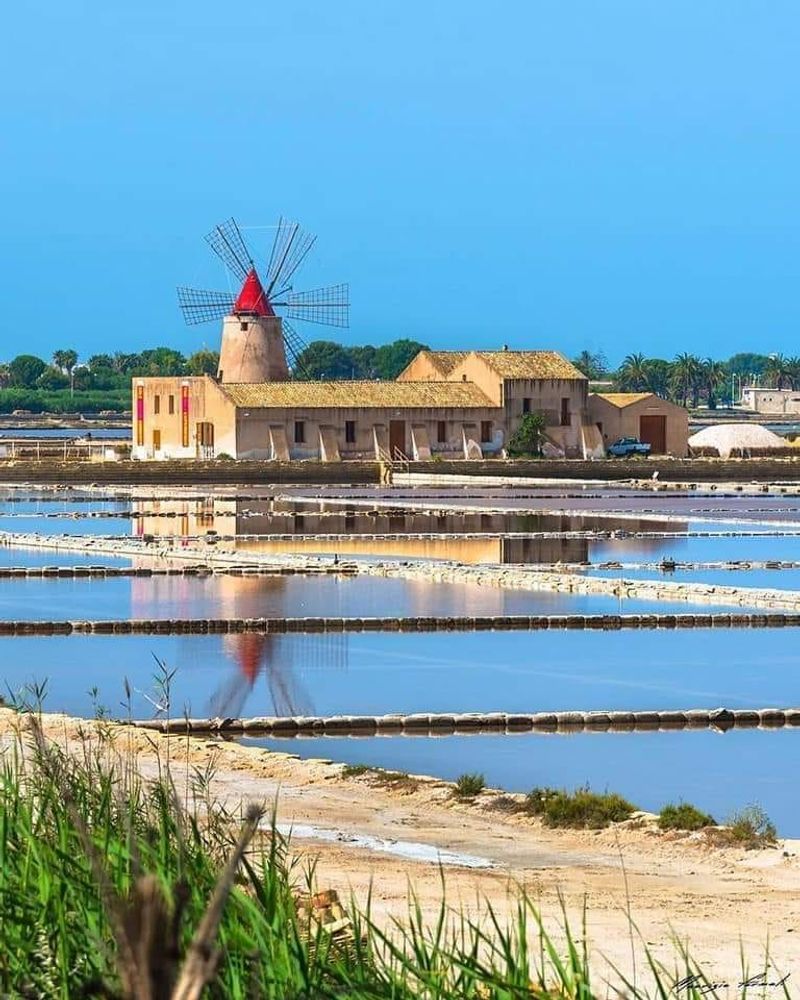
The Stagnone Lagoon near Marsala is one of Sicily’s most atmospheric coastal landscapes, and its appeal goes well beyond a typical beach stop. The lagoon is extremely shallow, covering a large area with water that rarely exceeds a meter in depth, which gives it an unusual glassy quality and makes the salt pans scattered across the area visible from a distance.
Those salt pans are a working part of Sicily’s heritage. The Saline della Laguna is an active salt production site with restored windmills that have become one of the most photographed scenes in western Sicily.
Sunset here turns the shallow water into shades of orange, gold, and pink that reflect across the flat surface.
The island of Mozia sits within the lagoon and holds important Phoenician archaeological remains, accessible by small boat. Kitesurfing and kayaking are popular on the open water sections, while nature lovers come for the flamingos and migratory birds that use the lagoon’s protected wetlands throughout the year.
Orbetello Lagoon, Tuscany, Italy
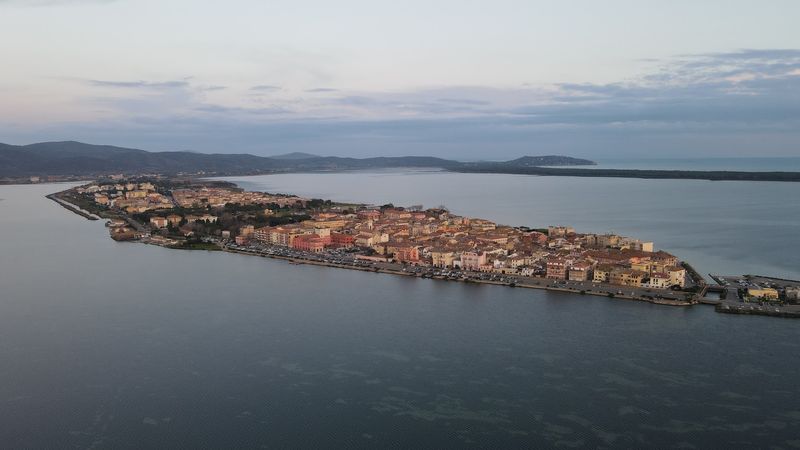
Orbetello is one of those Italian towns that surprises people because it sits right in the middle of a lagoon, connected to the mainland and to Monte Argentario by two narrow sandbars. The town itself has a relaxed, local feel that contrasts nicely with the more tourist-heavy Tuscan cities further north.
The lagoon is a protected nature reserve and a recognized stopover point for migratory birds. Herons, egrets, and other waterbirds are commonly spotted along the lagoon edges, and the flat, calm water makes it a peaceful setting for walking and cycling around the perimeter paths.
Monte Argentario, just across the water, offers beaches, hiking trails, and seafood restaurants that pair well with a lagoon visit. The area is part of the Maremma coast, a stretch of southern Tuscany that remains less visited than the Chianti hills or Cinque Terre, which is precisely what makes it appealing.
Travelers who prefer scenery over crowds tend to find this corner of Tuscany genuinely satisfying.
Etang de Thau, Occitanie, France
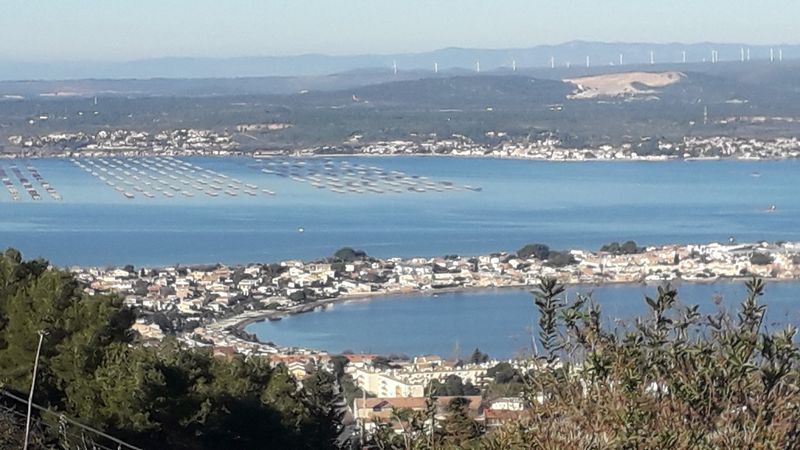
Etang de Thau is the largest lagoon in the Languedoc region and one of southern France’s most productive bodies of water. It covers around 7,500 hectares and is the main source of oysters and mussels for much of the French Mediterranean coast.
The lagoon towns of Bouzigues and Meze have built their identities almost entirely around shellfish farming and the restaurants that serve them fresh.
Sitting at the lagoon edge in Bouzigues and ordering a plate of oysters with a view of the water and the farming tables is one of those simple, satisfying travel experiences that feels very specifically French. The nearby city of Sete adds urban energy, with canals, fish markets, and a lively waterfront scene.
Cycling routes run along parts of the lagoon perimeter, and the surrounding Herault region offers vineyards and wine villages within easy reach. For travelers who want food, scenery, and a slower pace in the south of France, Etang de Thau delivers on all three without requiring much planning.
Etang de Vaccares, Camargue, France
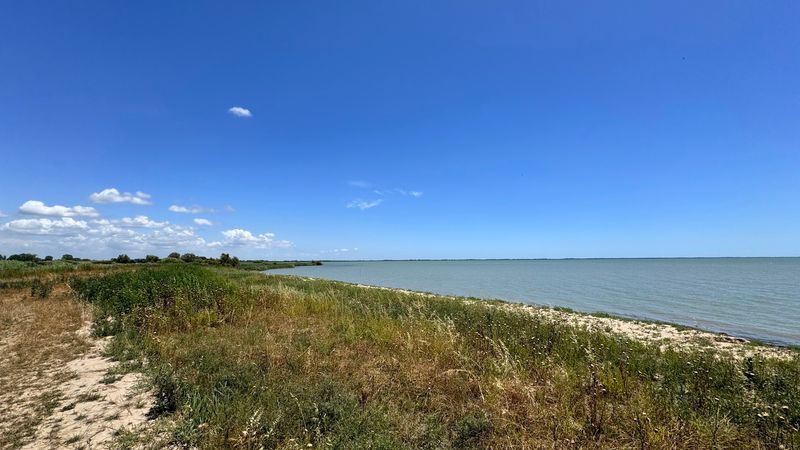
The Camargue is one of Europe’s most distinctive wild landscapes, and Etang de Vaccares is its largest and most central body of water. It functions more as a vast, protected lagoon-like pond than a swimming destination, and that is entirely the point.
The Camargue Regional Nature Park surrounds it, and the whole area operates as a refuge for wildlife that has become rare elsewhere on the continent.
Pink flamingos are the most iconic residents, gathering in large groups across the shallow water. White horses roam the surrounding marshland, and black bulls graze on the flat plains nearby.
The combination of these three images is what defines the Camargue in most people’s minds, and Etang de Vaccares is central to all of it.
Driving the small roads around the lagoon, stopping at viewpoints and information panels along the way, is the most practical way to explore. Birdwatching is exceptional here, especially during migration periods in spring and autumn when species diversity peaks across the wetlands.
Karavasta Lagoon, Divjake-Karavasta National Park, Albania
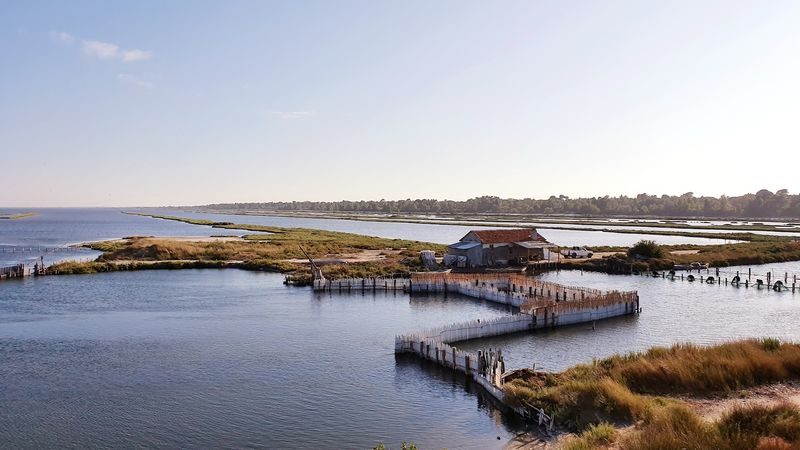
Albania does not always make the top of European travel lists, which makes Karavasta Lagoon one of the continent’s more rewarding surprises. Located within Divjake-Karavasta National Park on the central Albanian coast, this lagoon is one of the largest in the Mediterranean and one of the most important nesting sites for the Dalmatian pelican, a species considered vulnerable globally.
The national park combines lagoon, pine forest, dunes, and beach into a single protected landscape that is genuinely diverse. An observation tower within the park gives visitors sweeping views across the water, and boat tours operate through parts of the lagoon, getting travelers closer to the birdlife without disturbing nesting areas.
The nearby town of Divjake serves as the main access point, and the park visitor infrastructure has improved significantly in recent years. For travelers already exploring the Albanian Riviera or the city of Vlore, adding Karavasta as a half-day or full-day detour makes for a well-rounded and memorable coastal experience.
Narta Lagoon, Vlore County, Albania
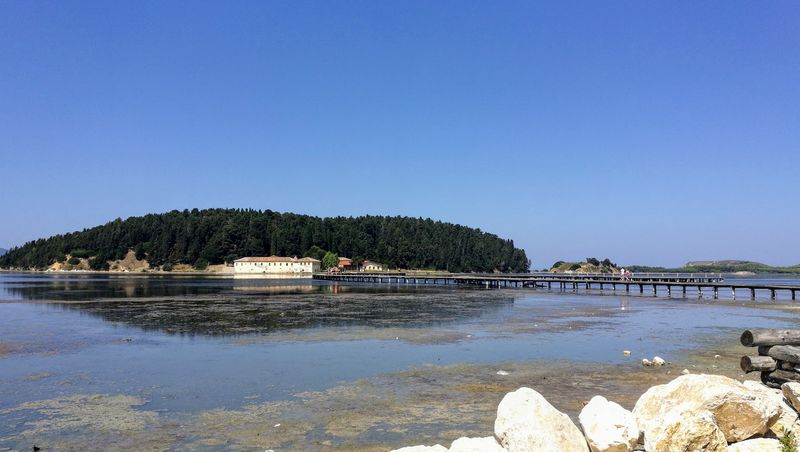
Narta Lagoon sits just north of Vlore along Albania’s Adriatic coast, and it has a combination of natural and cultural appeal that makes it stand out from a standard wetland visit. The lagoon covers a significant area and supports flamingos, pelicans, and other waterbirds throughout the year, making it a productive spot for wildlife observation even on a short visit.
What makes Narta genuinely distinctive is Zvërnec Island, a small wooded island in the lagoon that holds an Orthodox monastery dating back to the 13th century. A wooden walkway connects the island to the shore, and the monastery remains an active place of worship.
The combination of water, trees, and old stone architecture in the middle of the lagoon creates a scene that feels quietly remarkable.
The lagoon is part of a protected zone and is less visited than Albania’s more famous Riviera beaches, which keeps the atmosphere calm and unhurried. It works well as a morning stop paired with an afternoon in Vlore or a drive south toward the Riviera.
Obidos Lagoon, Portugal
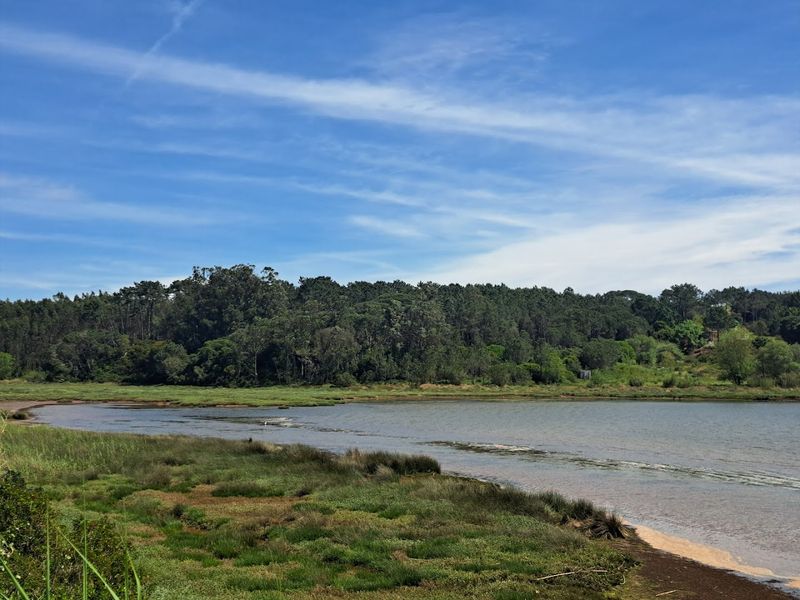
Portugal’s largest coastal lagoon sits about 80 kilometers north of Lisbon and is often skipped by travelers rushing between Porto and the capital. That oversight works in favor of those who do stop, because Obidos Lagoon offers wide open water, sandy beaches, and a calm atmosphere that feels genuinely off the main tourist trail.
The lagoon is shallow and sheltered, making it suitable for kayaking, stand-up paddleboarding, and calm-water swimming in designated areas. Walking paths run along sections of the shoreline, and the birdlife across the lagoon and surrounding wetlands includes herons, egrets, and various wading species.
The medieval town of Obidos is just a short drive inland and is one of Portugal’s most visually striking small towns, with whitewashed walls, a castle, and a well-preserved historic center. Combining the lagoon with the town gives travelers a full day of varied experiences, from outdoor activity on the water to wandering cobbled streets lined with bougainvillea and local shops.
Pomorie Lake, Bulgaria
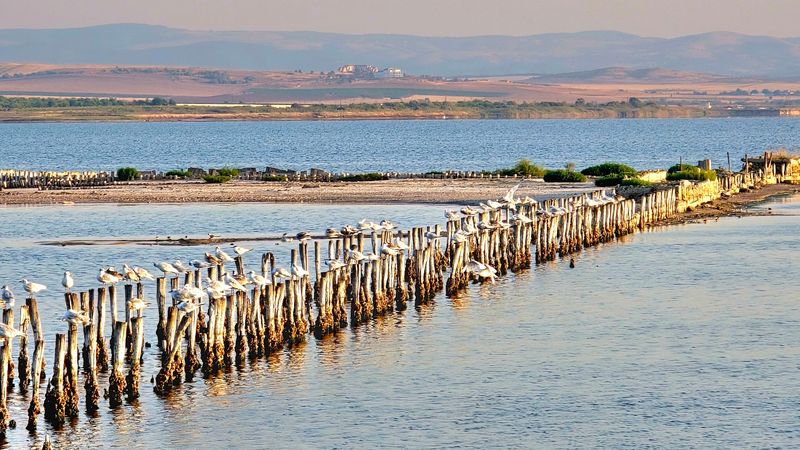
Pomorie Lake is a natural saline lagoon on Bulgaria’s Black Sea coast, and it sits in a position that makes it ecologically significant well beyond its modest size. The lagoon lies directly along the Via Pontica, one of Europe’s major bird migration routes, which means it sees an extraordinary variety of species passing through during spring and autumn.
Flamingos, avocets, and spoonbills are among the more striking visitors.
The Pomorie Lake Visitor and Conservation Centre provides context for what travelers are seeing, with exhibits on the lagoon’s ecosystems, salt production history, and bird species. Salt has been harvested from this lagoon since antiquity, and the combination of working salt pans and protected wetland creates an interesting dual landscape.
The town of Pomorie itself is a small Black Sea resort with a relaxed feel and easy access to the lagoon from multiple points. For travelers exploring Bulgaria’s coast beyond the larger resorts, Pomorie Lake offers a nature-focused stop that is both educational and genuinely scenic in its own understated way.
Share this story