The United States is home to 63 national parks covering over 85 million acres, offering everything from towering mountains and vast deserts to roaring waterfalls and stunning coastlines. Each year, millions of travelers visit these parks for outdoor adventure, scenic beauty, and once-in-a-lifetime experiences.
Summer is the perfect time to explore them, with longer days, open trails, and full access to many of their most iconic sights. Here are 13 epic U.S. national parks you should add to your summer bucket list.
Yellowstone National Park, Wyoming/Montana/Idaho
Nowhere else on Earth can you watch the ground literally boil, bubble, and blast water hundreds of feet into the air—and that’s just before breakfast. Yellowstone sits on top of one of the world’s largest volcanic hotspots, making its geothermal features truly one of a kind.
Old Faithful alone erupts around 17 times per day, drawing massive crowds every single time.
Beyond the geysers, Yellowstone is a wildlife paradise. Bison herds roam freely across open meadows, wolves howl in the distance, and grizzly bears occasionally wander into view.
Summer mornings are the best time to spot animals before the day heats up.
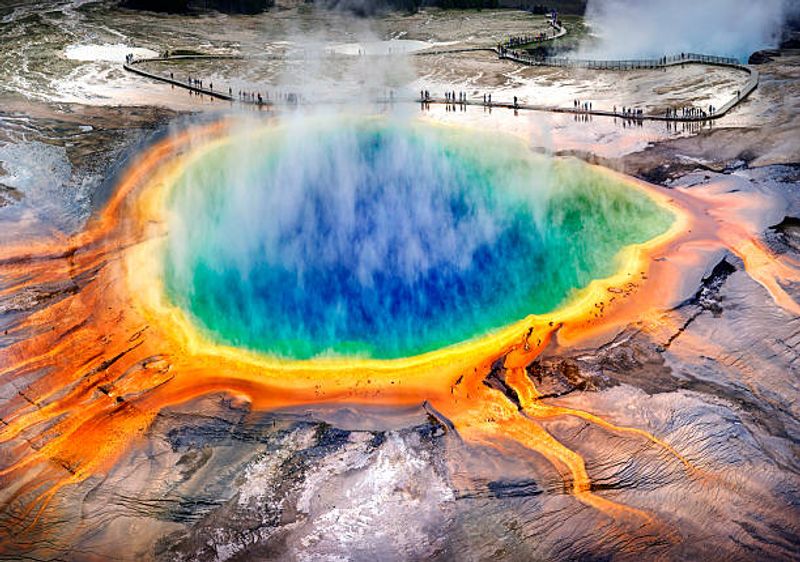
The Grand Prismatic Spring is another must-see—its rainbow-colored rings of bacteria create one of the most surreal and photogenic spots in the entire park. Hiking, fishing, and scenic drives round out the experience.
Book campsites and lodges months ahead because spots fill up fast. Yellowstone rewards early planners with unforgettable memories that are nearly impossible to replicate anywhere else on the planet.
Grand Canyon National Park, Arizona
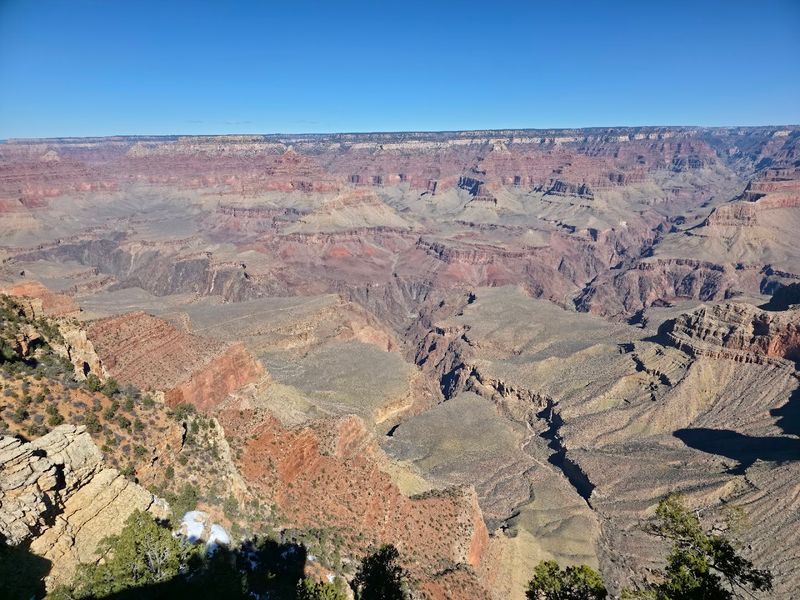
Standing at the rim of the Grand Canyon for the first time tends to leave people completely speechless—no photo, no description, and no screen ever does it justice. Carved over millions of years by the Colorado River, the canyon stretches 277 miles long and drops over a mile deep.
The sheer scale of it feels almost impossible to process.
South Rim is open year-round and offers the most accessible viewpoints, ranger programs, and visitor services. North Rim, slightly less crowded and a bit cooler in summer, draws hikers looking for a quieter experience.
Rim-to-rim hikes are legendary but require serious preparation and physical fitness.
Sunrise and sunset are the ultimate times to visit. The light shifts through shades of pink, orange, and deep red across the canyon walls in a display that feels almost cinematic.
Mule rides, rafting trips along the Colorado River, and helicopter tours offer alternative ways to experience the canyon’s depth. Whatever your adventure style, the Grand Canyon has something that will genuinely blow your mind and leave you wanting to come back.
Yosemite National Park, California
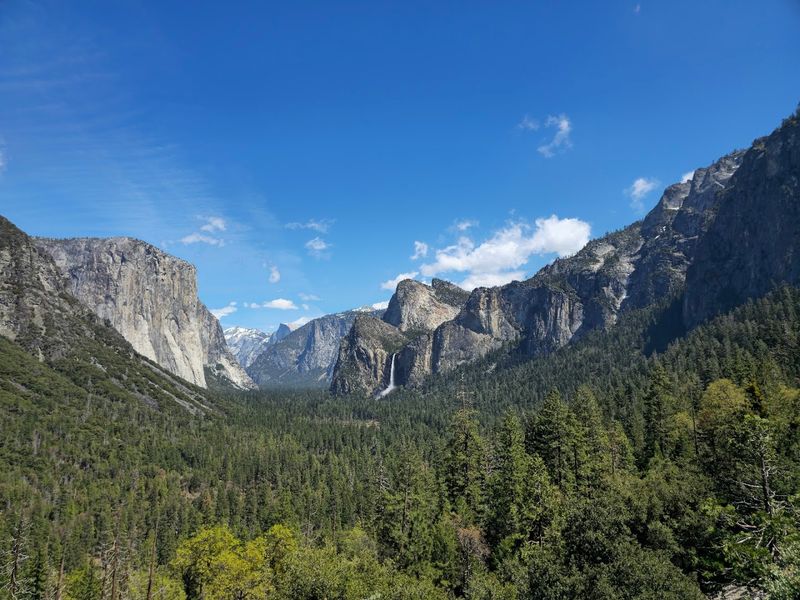
Few places on Earth make you feel as small—in the best possible way—as standing in Yosemite Valley with El Capitan towering 3,000 feet above your head. Yosemite has inspired artists, climbers, and nature lovers for over 150 years, and it’s easy to see why the moment you arrive.
The valley alone packs in jaw-dropping scenery at every single turn.
Yosemite Falls, one of the tallest waterfalls in North America, roars loudest in early summer when snowmelt is at its peak. Hiking to the top rewards you with sweeping views across the entire valley.
Half Dome’s famous cables route opens in late spring and books up through a permit lottery—plan well in advance.
Giant sequoias in Mariposa Grove are another highlight, with some trees over 2,000 years old and wide enough to drive a car through. Tioga Road, open only in summer, crosses the high Sierra and reveals stunning alpine scenery above the treeline.
Yosemite gets extremely crowded in July and August, so arriving early in the morning or visiting on weekdays makes the experience significantly more enjoyable and less hectic overall.
Zion National Park, Utah
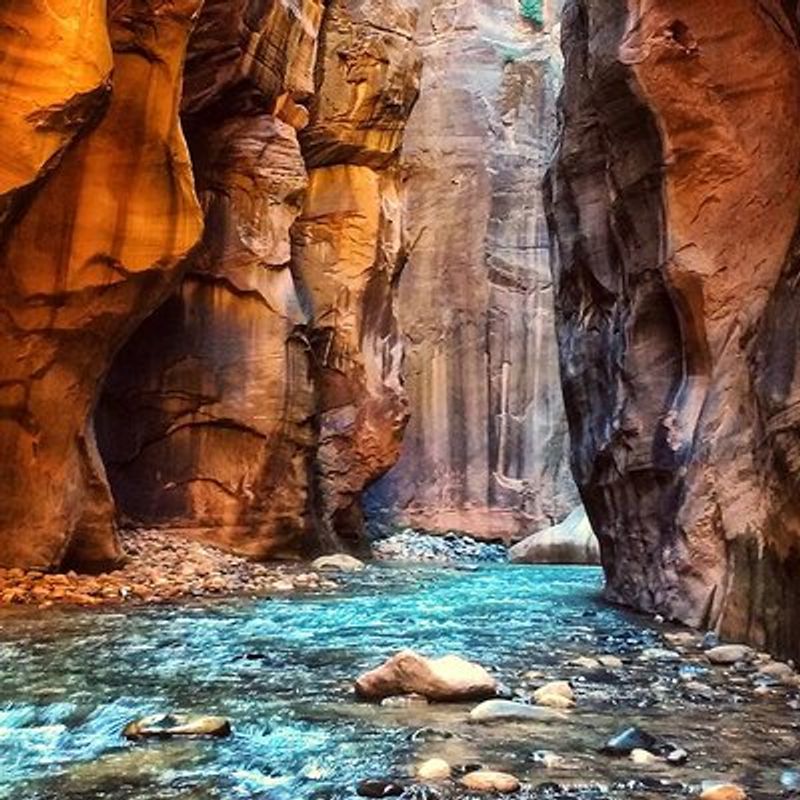
Zion has a way of making you feel like you’ve walked straight into a movie set—except the 2,000-foot red sandstone cliffs are completely, breathtakingly real. Located in southwestern Utah, this park is compact compared to some others, but what it lacks in size it more than makes up for in sheer drama.
Every trail here comes with views that demand a second look.
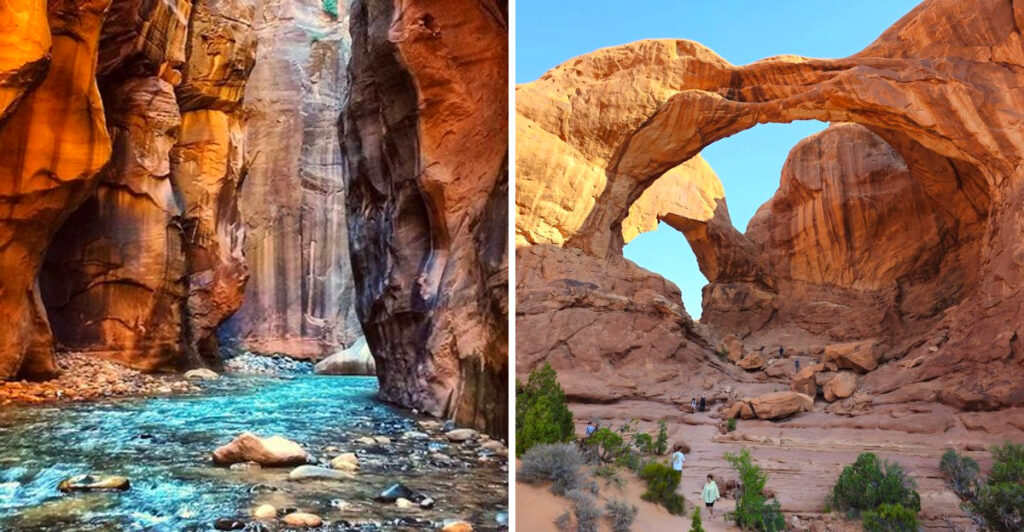
The Narrows is arguably the most iconic hike in the entire national park system. You wade directly through the Virgin River as canyon walls narrow to just 20 feet wide above you, with sunlight filtering down in golden beams.
Waterproof shoes and trekking poles are strongly recommended—rental gear is available near the park entrance.
Angels Landing is another legendary trail, featuring a steep final stretch with chain handholds bolted into the rock. A permit is now required for this section, so check the lottery system before your trip.
Zion Canyon Scenic Drive is shuttle-only in summer, which keeps traffic manageable and makes stops at key viewpoints stress-free. Spring and early summer bring lush greenery to the canyon floor, making the contrast with the red walls even more stunning and dramatic.
Great Smoky Mountains National Park, Tennessee/North Carolina
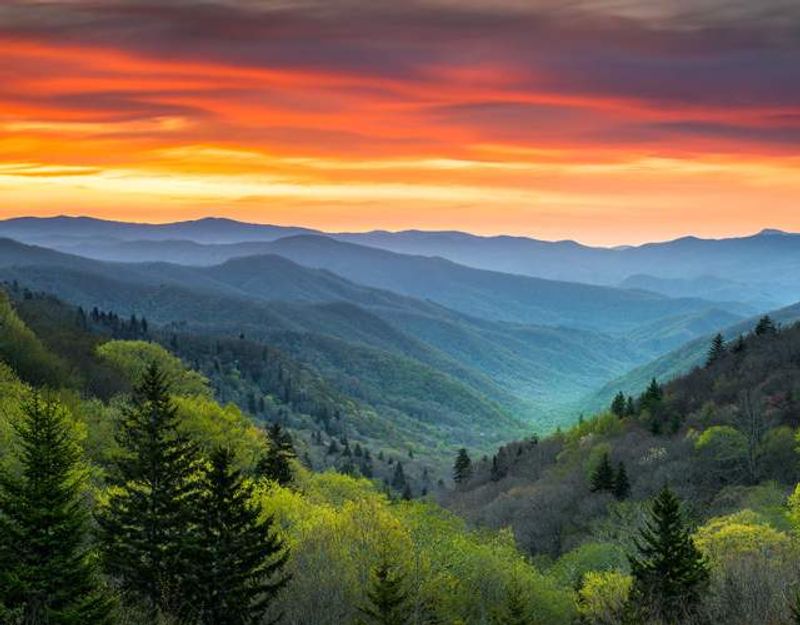
Over 11 million people visit Great Smoky Mountains National Park every year, making it the most visited national park in the entire country—and honestly, the numbers make total sense. Straddling the border of Tennessee and North Carolina, the park offers something for every type of traveler, from casual sightseers to hardcore backcountry hikers.
Best of all, there’s no entrance fee.
The park’s famous misty atmosphere comes from moisture released by the dense trees, creating the soft blue haze that gives the Smokies their name. Clingmans Dome, the highest point in the park at 6,643 feet, offers a 360-degree view above the clouds on clear days.
The observation tower at the top is a short but steep half-mile walk from the parking area.
Summer brings brilliant green forests, thundering waterfalls, and impressive wildlife activity. Black bears are commonly spotted, especially in Cades Cove, a scenic valley where deer and wild turkeys also roam freely.
Firefly season in late spring to early summer draws thousands of visitors hoping to catch the park’s famous synchronous firefly display—a natural light show that feels genuinely magical. Arrive early and bring patience for the crowds.
Glacier National Park, Montana
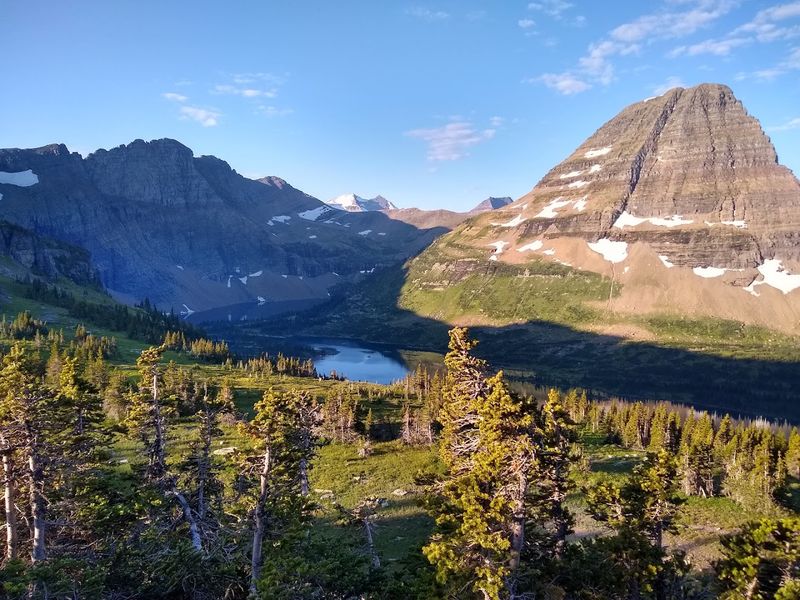
Glacier National Park might just be the most jaw-dropping drive in all of North America—and that’s before you even step out of the car. The Going-to-the-Sun Road stretches 50 miles across the Continental Divide, climbing through alpine meadows, past shimmering lakes, and beneath jagged peaks that look almost too dramatic to be real.
It typically opens fully by late June or early July.
The park is nicknamed the Crown of the Continent for good reason. It holds over 700 miles of trails, more than 130 named lakes, and a staggering diversity of wildlife including mountain goats, grizzly bears, moose, and wolverines.
Spotting a mountain goat perched effortlessly on a cliff edge is a classic Glacier moment that never gets old.
Did you know Glacier once had over 150 glaciers? Today fewer than 25 remain due to climate change, making this park a place to visit sooner rather than later.
Hidden Lake Overlook and Highline Trail are two of the most popular hikes, offering scenery that rivals anything in the world. Reservations for the Going-to-the-Sun Road vehicle permit are required in peak summer season, so plan and book well ahead of your trip.
Rocky Mountain National Park, Colorado
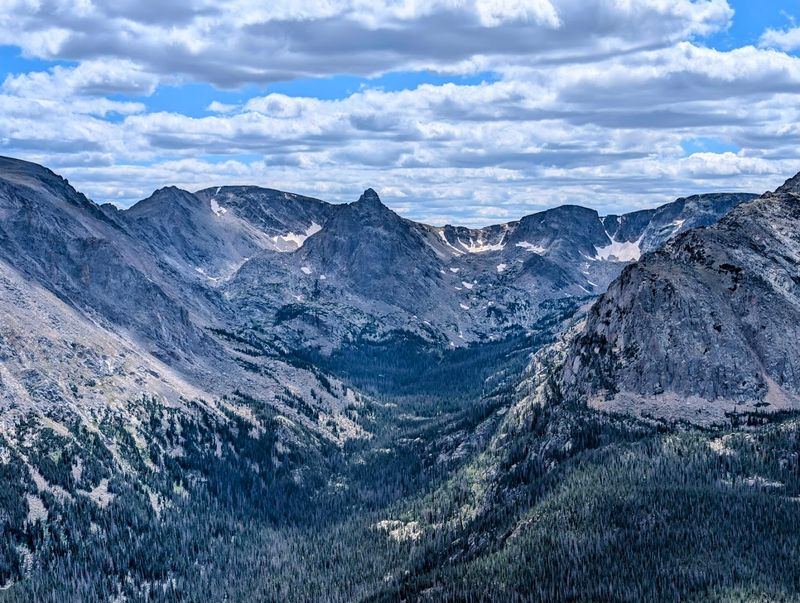
At over 14,000 feet above sea level, Rocky Mountain National Park puts you so high up that the air feels thinner and the sky looks impossibly blue. Colorado’s crown jewel of outdoor recreation, the park packs more than 350 miles of hiking trails into its stunning landscape.
Whether you’re a casual walker or a seasoned mountaineer, trails here range from easy lakeside strolls to demanding summit climbs.
Summer wildflower season is truly spectacular. Fields of columbines, paintbrushes, and bluebells carpet alpine meadows in waves of color from late June through August.
Trail Ridge Road, the highest continuous paved road in the United States, reaches 12,183 feet and stays open through summer, offering sweeping tundra views that are genuinely hard to match anywhere in the lower 48 states.
Wildlife is plentiful and surprisingly approachable here. Elk are commonly seen grazing near roadsides, especially in Moraine Park and Horseshoe Park during early morning and evening hours.
Bighorn sheep and moose make regular appearances too. Timed entry permits are required from late May through mid-October, so register online before heading out.
Rocky Mountain rewards visitors who plan ahead with some of the most awe-inspiring high-altitude scenery in the entire country.
Acadia National Park, Maine
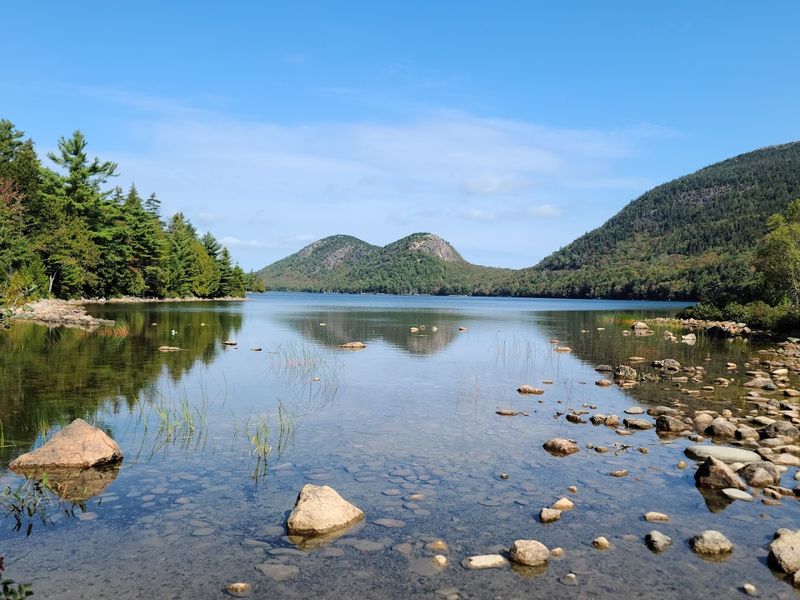
Acadia holds a record most people don’t know about: Cadillac Mountain is the first place in the continental United States to catch sunrise from October through early March—and the view from the summit at dawn is worth every early alarm. Nestled on Mount Desert Island along the rugged Maine coast, Acadia is unlike any other national park in the country.
It’s where the mountains meet the Atlantic in the most dramatic fashion.
The park’s 27 miles of historic carriage roads, built by John D. Rockefeller Jr. in the early 1900s, wind through forests and over stunning stone bridges.
These smooth gravel paths are perfect for biking, hiking, and horseback riding without a car in sight. Thunder Hole, a natural rock inlet where waves crash with a booming sound, is one of the park’s most entertaining and beloved stops.
Lobster rolls at nearby Bar Harbor are basically mandatory after a day of exploring—the town sits just outside the park entrance and offers excellent food and local charm. Jordan Pond House serves the famous popovers with views of the Bubbles mountains reflecting in the glassy water below.
Acadia is best visited in summer when all facilities are open and the coastal scenery is at its most vibrant and lush.
Grand Teton National Park, Wyoming
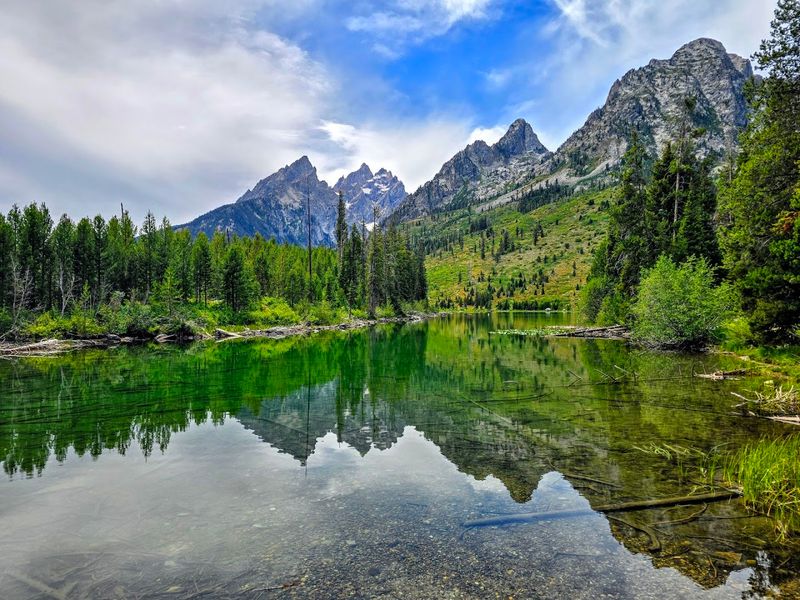
The Teton Range shoots straight up from the valley floor with zero foothills to ease the visual impact—it’s one of the most dramatic mountain profiles on the entire planet, and photographers have been obsessed with it for over a century. Grand Teton National Park sits just south of Yellowstone, making it easy to combine both parks into one epic road trip.
The two together form one of the greatest wildlife corridors in North America.
Jenny Lake is the park’s crown jewel, ringed by forest with the jagged peaks reflected perfectly in its clear water on calm mornings. A short ferry ride across the lake cuts miles off the hike to Hidden Falls and Inspiration Point, two of the most rewarding destinations in the park.
The views from Inspiration Point looking back over the valley are genuinely stunning.
Moose, bald eagles, and black bears make frequent appearances throughout the park in summer. Snake River float trips offer a peaceful way to spot wildlife from the water while soaking in the mountain scenery from a totally different angle.
The Teton Park Road and Mormon Row—a historic homestead area with iconic old barns framed by the mountains—are perfect for scenic drives and photography. Grand Teton consistently delivers.
Olympic National Park, Washington
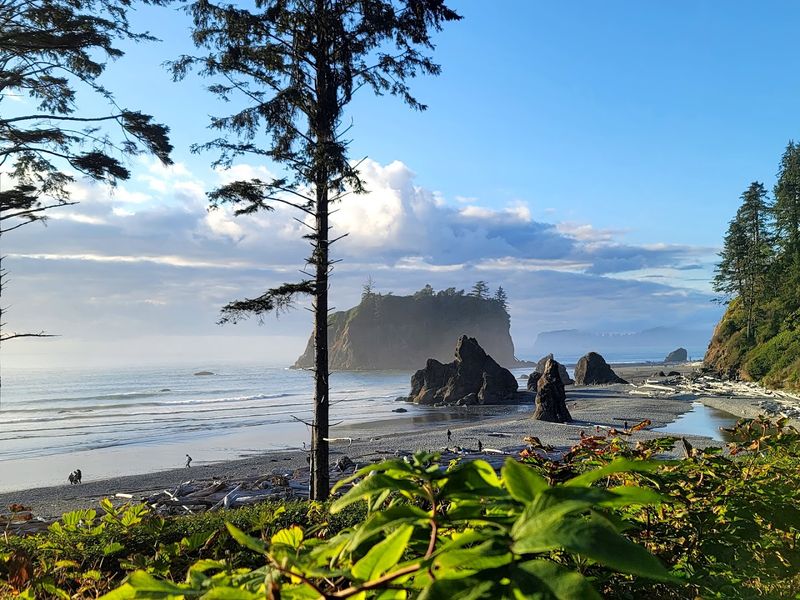
Three completely different worlds exist within one park at Olympic—temperate rainforest, rugged Pacific coastline, and glacier-capped alpine peaks. That kind of diversity is almost unheard of in a single destination, and it makes Olympic one of the most fascinating national parks in the entire country.
Located on Washington’s Olympic Peninsula, it’s a place where you can genuinely experience three different ecosystems in a single day.
The Hoh Rain Forest receives up to 14 feet of rainfall per year, producing one of the most lush and otherworldly landscapes in North America. Ancient Sitka spruce and bigleaf maple trees are draped in thick curtains of moss, creating a green, cathedral-like atmosphere that feels straight out of a fantasy novel.
The Hall of Mosses trail is short, easy, and absolutely unforgettable.
Ruby Beach and Rialto Beach offer dramatic Pacific coastline with sea stacks, tide pools, and driftwood-covered shores that look unlike any other beach in the U.S. Hurricane Ridge, at nearly 5,200 feet elevation, provides sweeping mountain views and excellent wildflower hiking in summer.
Olympic is remote by design—embrace the adventure of getting there. The park’s UNESCO World Heritage status reflects just how globally significant and irreplaceable this wild, extraordinary landscape truly is.
Arches National Park, Utah
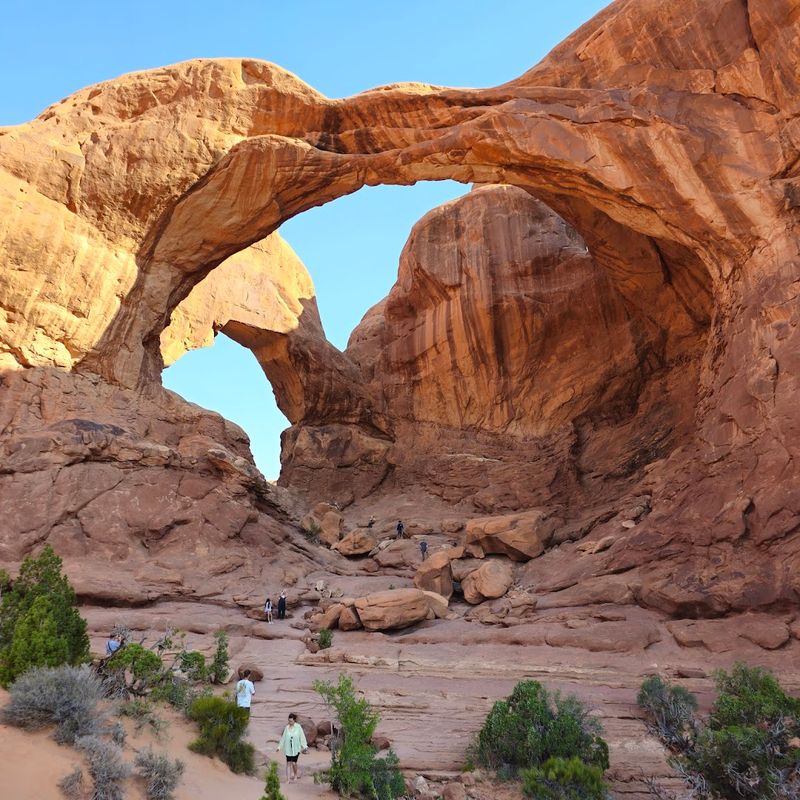
More than 2,000 natural stone arches are crammed into just 76,000 acres at Arches—that’s a higher concentration of natural arches than anywhere else on Earth, which makes every hike here feel like stumbling through a sculptor’s greatest exhibition. Located near Moab, Utah, the park’s alien-looking red rock landscape has appeared in countless films, commercials, and travel magazines.
Seeing it in person still somehow exceeds all expectations.
Delicate Arch is the park’s most iconic landmark and the symbol of Utah itself. The 3-mile round-trip hike to reach it involves a steep slickrock climb, but the moment it comes into full view against the open sky is one of those travel memories you carry for life.
Sunrise and sunset turn the sandstone into shades of deep amber and crimson that feel almost unreal.
Landscape Arch, the longest natural arch in North America at nearly 300 feet wide, sits along an easy trail in the Devils Garden area. The Windows Section offers multiple arches accessible on short, family-friendly paths.
A timed entry reservation system is in place from April through October, so book your entry window before arriving. Summer temperatures can exceed 100°F, so bring far more water than you think you’ll need and start hikes very early in the morning.
Bryce Canyon National Park, Utah
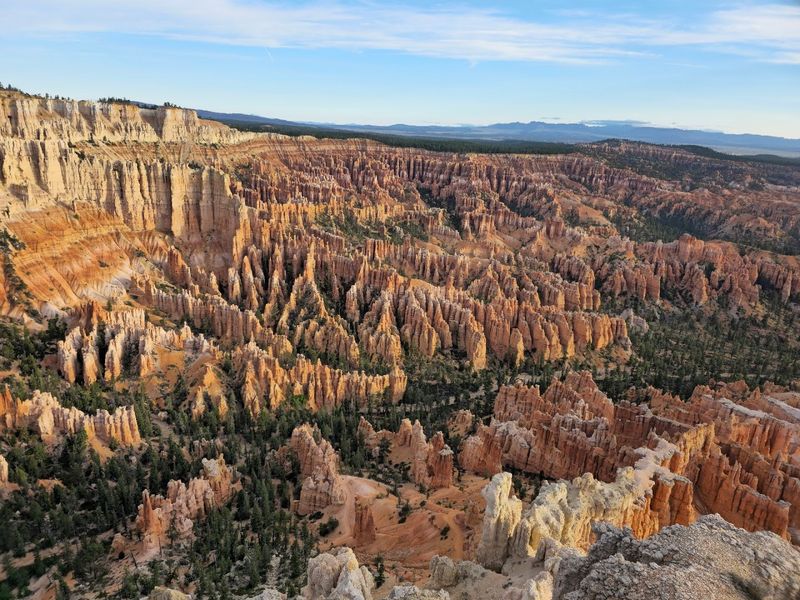
Bryce Canyon looks like someone took a giant paintbrush, dipped it in every shade of orange, red, and white, and went absolutely wild across the landscape. The park’s famous hoodoos—tall, thin rock spires carved by frost and rain over millions of years—pack the amphitheater in such dense clusters that the view from the rim looks almost too fantastical to be real.
Bryce sits at elevations between 8,000 and 9,000 feet, making it noticeably cooler than other Utah parks in summer.
Sunrise Point and Sunset Point are the two most popular viewpoints, offering classic panoramic views of the main amphitheater. Navajo Loop Trail descends right into the hoodoos, winding between towering spires and through a narrow canyon called Wall Street lined with ancient Douglas fir trees growing from the canyon floor.
The contrast of the trees against the orange rock is striking.
Bryce Canyon is also one of the best stargazing destinations in the entire country, designated as an International Dark Sky Park. On clear nights, the Milky Way blazes overhead in full detail.
Ranger-led astronomy programs run throughout summer. Thor’s Hammer, a precariously balanced hoodoo visible from the rim, is a crowd favorite for photos.
Bryce Canyon is smaller than other Utah parks but delivers outsized visual impact at every single turn.
Joshua Tree National Park, California
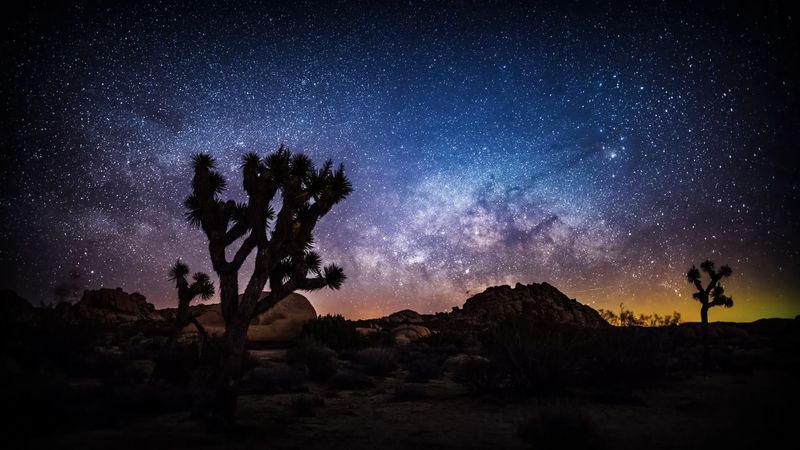
Joshua trees look like something Dr. Seuss dreamed up after a very long day—their twisted, spiky arms reach out in every direction with zero regard for conventional tree behavior, and they somehow make the whole desert feel like a surreal art installation. Joshua Tree National Park sits at the intersection of two distinct desert ecosystems: the Mojave and the Colorado, creating an unusual mix of plant and animal life found nowhere else quite like this.
Rock climbers from around the world flock here for the park’s 8,000-plus climbing routes on smooth granite boulders. Skull Rock and Cholla Cactus Garden are popular stops that require minimal effort but deliver maximum visual payoff.
The Barker Dam trail is an easy two-mile loop that leads to a small reservoir and some of the park’s best wildlife watching opportunities.
Nighttime at Joshua Tree is arguably the main event. The park’s remote location and minimal light pollution create some of the darkest skies in Southern California, making it a premier stargazing destination.
The Milky Way is visible on clear moonless nights in a way that feels genuinely humbling. Summer days are intensely hot, so plan all hiking for early morning or evening hours and carry at least a liter of water per hour of activity to stay safe and comfortable.
Share this story