 Unearth The Voyage
Europe remains the world’s most visited region, welcoming hundreds of millions of travelers each year, but that popularity comes at a cost. Many iconic destinations are now facing overtourism — a situation where visitor numbers overwhelm infrastructure, disrupt daily life, and even threaten cultural heritage.
Cities like Venice, Barcelona, and Dubrovnik have become global symbols of this issue, with locals protesting and governments introducing restrictions to manage crowds. While these places remain incredible to visit, their overwhelming popularity has fundamentally changed the experience.
Venice, Italy
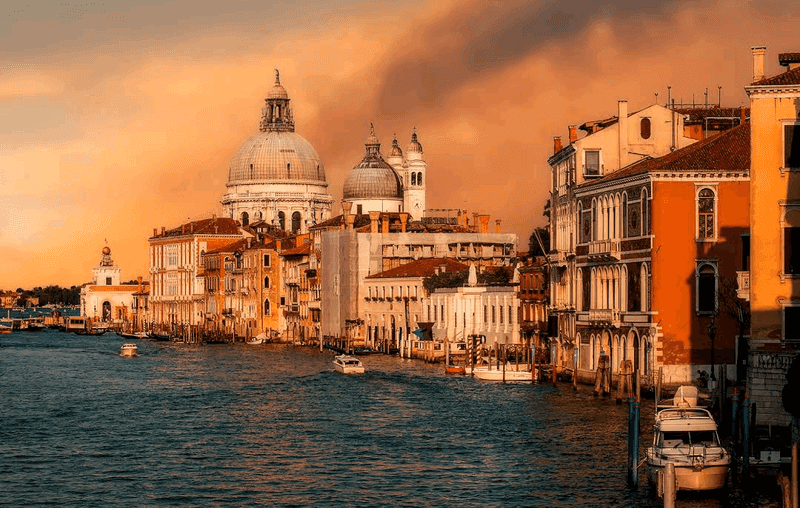
On the worst days, Venice feels less like a city and more like a theme park — one with centuries-old plumbing. Tens of thousands of visitors flood the historic center daily, sometimes outnumbering the permanent residents by a staggering margin.
The canals that once inspired poets are now lined with selfie sticks and tour groups.
Cruise ships were long the biggest villain in this story, dumping thousands of passengers at once onto streets barely wide enough for two people to pass. The city introduced a tourist day-tripper tax in 2024, charging visitors a small fee to enter on peak days.
It is a bold experiment, though critics wonder if it goes far enough.
Locals have been leaving Venice for decades, driven out by rising costs and the sheer exhaustion of living in a museum. The resident population has dropped from around 175,000 after World War II to fewer than 50,000 today.
If you visit, skip summer weekends, book accommodation inside the city, and wander away from the main routes — the quieter corners still carry that old magic.
Barcelona, Spain
Residents of Barcelona made headlines around the world in 2024 when they took to the streets armed with water pistols — spraying tourists sitting at outdoor restaurants. It sounds absurd, but it captured something very real: a city that feels it has lost control of its own identity.
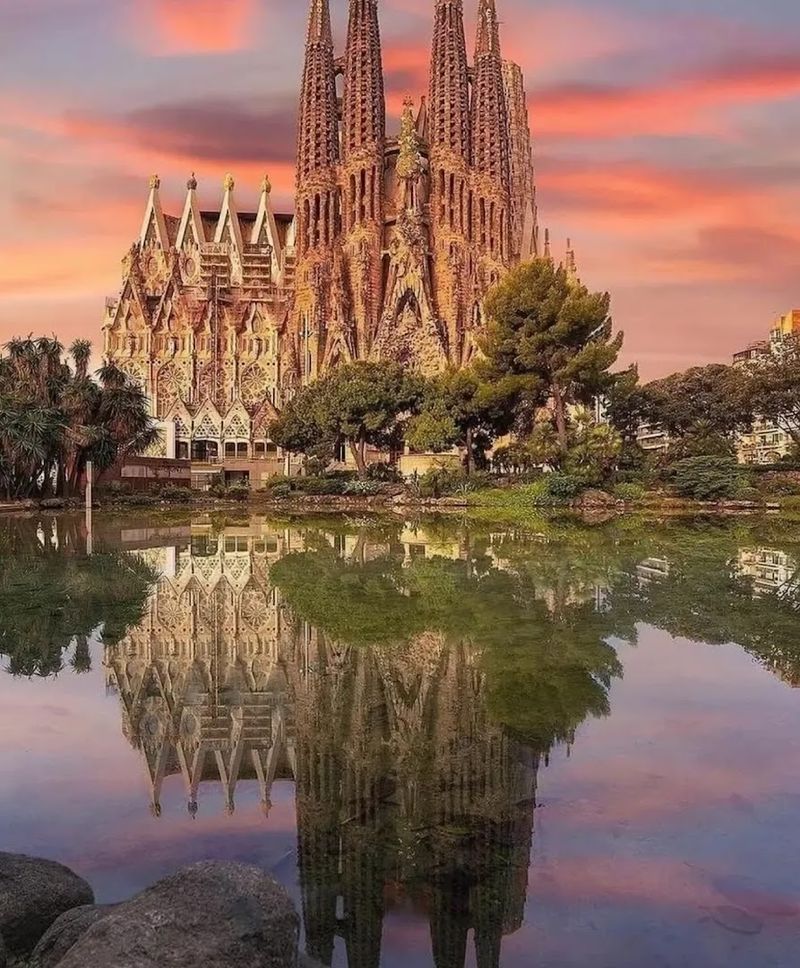
The city’s mix of beaches, Gaudi architecture, and buzzing nightlife has made it an almost irresistible destination. Over 15 million tourists visit annually, and that number keeps climbing.
Short-term rental platforms have quietly hollowed out entire neighborhoods, converting family apartments into holiday lets and pushing rents sky-high for locals.
La Rambla and the Gothic Quarter are the epicenters of the pressure, packed shoulder-to-shoulder during summer months. The city government has pledged to phase out tourist apartment licenses by 2028, which is either a courageous move or political theater depending on who you ask.
Visiting in spring or autumn makes a genuine difference — the crowds thin out, the weather stays pleasant, and the city reveals a more relaxed, authentic side that summer visitors rarely get to see.
Dubrovnik, Croatia
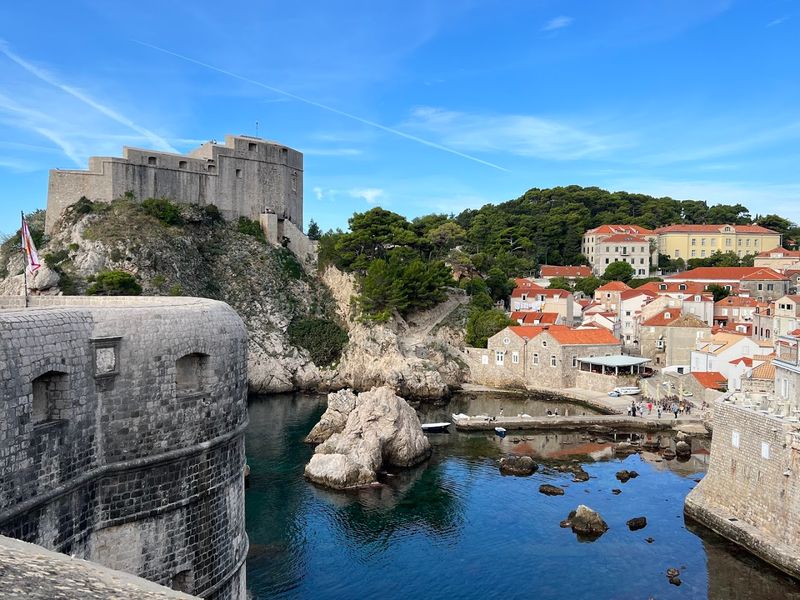
Game of Thrones turned Dubrovnik into a global pilgrimage site almost overnight, and the city has been dealing with the consequences ever since. Fans flocked to walk the same walls as Cersei Lannister, and they kept coming long after the show ended.
The result is a UNESCO-listed gem that now struggles under the weight of its own fame.
At peak season, the Old Town — home to just a few thousand permanent residents — receives up to 10,000 visitors per day. That is a staggering ratio.
The city has responded with strict caps on cruise ship arrivals and visitor limits on the famous city walls, though enforcement has been inconsistent.
Some travel writers have started calling Dubrovnik the “Disneyland of the Adriatic,” which is not entirely fair but not entirely wrong either. The marble streets genuinely glow at dawn before the crowds arrive, and that version of the city is worth waking up early for.
Stay overnight rather than arriving on a day-trip, explore the surrounding Elaphiti Islands for breathing room, and visit in May or October when the Adriatic light is gorgeous and the tour groups have largely packed up and gone home.
Paris, France
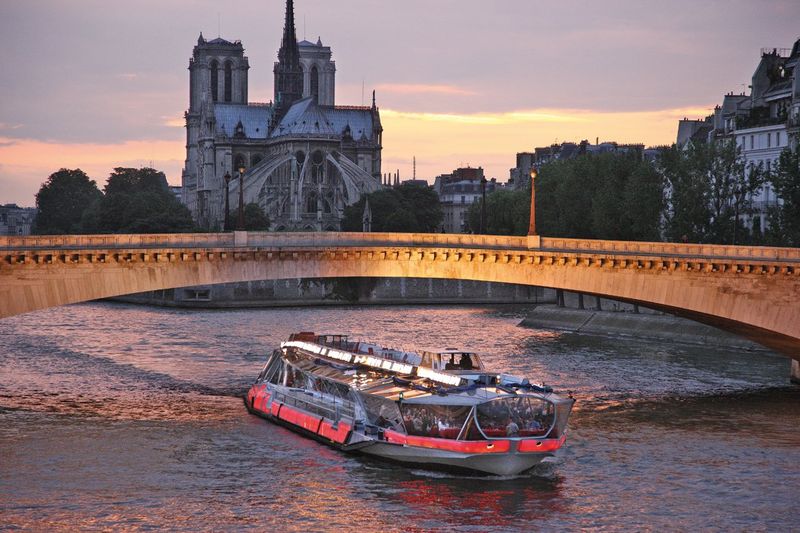
Somewhere between 40 and 50 million tourists visit Paris every year, making it arguably the most visited city on the planet. That is a number so large it barely feels real — until you are standing in a two-hour queue for the Louvre in July, surrounded by a thousand other people having the exact same experience.
The Eiffel Tower, Notre-Dame, and Sacre-Coeur are all extraordinary, but they come with extraordinary crowds attached. Popular neighborhoods like Montmartre have shifted noticeably toward souvenir shops and tourist restaurants, with the local character slowly fading under the commercial pressure.
The 2024 Olympics added yet another surge of global attention to a city already stretched thin.
Paris rewards visitors who step off the well-worn path. The 11th and 20th arrondissements feel genuinely Parisian in a way that the tourist corridors no longer quite do.
Go to the covered passages instead of the Champs-Elysees. Eat at a zinc-countered cafe where the menu is handwritten in French and nobody speaks English at you.
The city is still magnificent — you just have to work slightly harder to find the version that feels real.
Rome, Italy
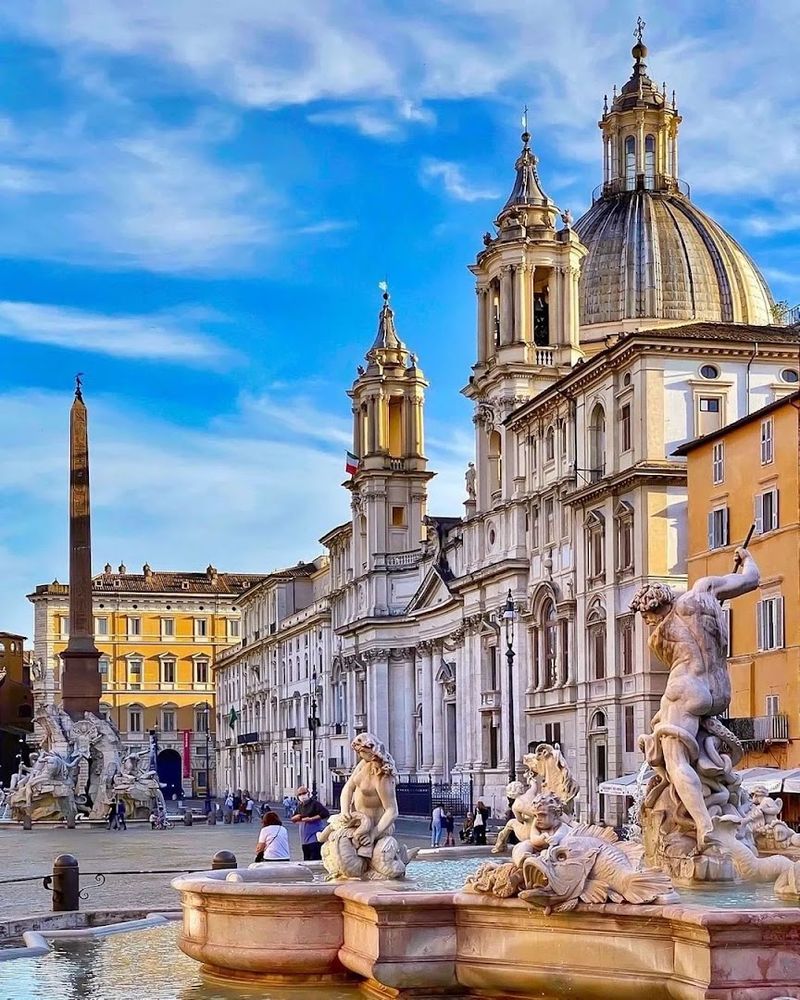
Tossing a coin into the Trevi Fountain is supposed to guarantee your return to Rome — which might explain why the city sees over 35 million visitors annually and the fountain itself is surrounded by barriers, security guards, and a relentless wall of camera phones. The romance is still there, technically, but you have to squint for it.
The Colosseum receives around 7 million visitors per year, placing it among the most visited monuments in the world. Queues snake around the block on summer mornings, and the surrounding streets become a slow-moving river of tour groups and selfie sticks.
Authorities have introduced timed entry slots, which help, though the sheer volume of demand remains overwhelming.
Rome does have a secret weapon though: its sheer size. Unlike Venice or Dubrovnik, the city is enormous, and most tourists stick to a surprisingly small circuit of landmarks.
The Aventine Hill, the Ostiense neighborhood, and the Appian Way are all genuinely stunning and almost always quiet. Book major sites weeks in advance, avoid July and August if possible, and remember that the best meal you will eat in Rome will almost certainly be in a place with no English menu outside.
Santorini, Greece
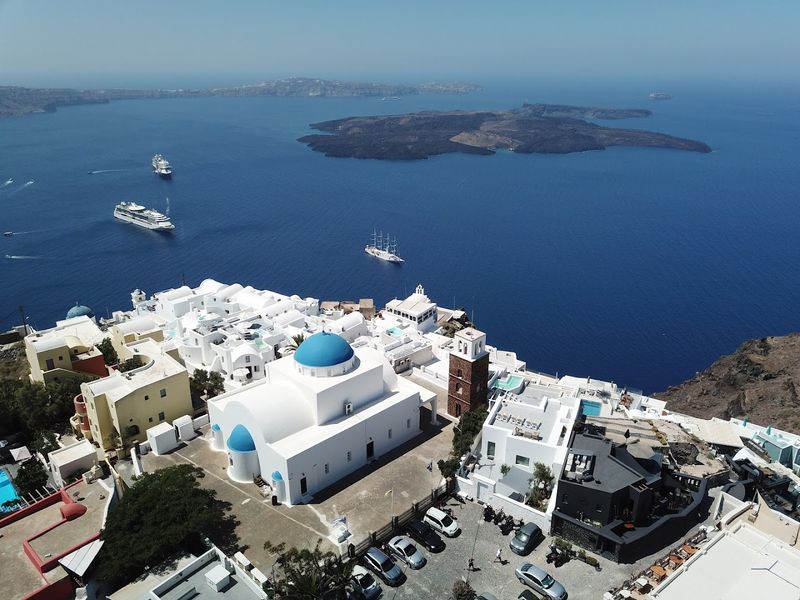
Every evening in Oia, hundreds of tourists gather on the clifftops to watch the sunset — which sounds romantic until you realize you are standing three people deep behind a stranger’s tripod while someone’s drone buzzes overhead. Santorini’s sunsets are genuinely world-class.
The viewing experience, less so.
The island welcomed around 3.4 million visitors in 2023 on an island with a permanent population of roughly 15,000 people. The math is staggering.
Cruise ships deposit thousands of day-trippers at a time onto streets designed for a fraction of that number, and the island’s water supply and waste systems have been under serious strain for years.
Greek authorities have floated caps on cruise ship arrivals, and some restrictions have been tested, but implementation remains a work in progress. The irony is that the famous blue-domed churches and whitewashed walls are even more beautiful in photographs precisely because those images are taken in the early morning before the crowds arrive.
Visit in April, May, or late October, stay in a village other than Oia or Fira, and you will find a version of Santorini that still feels like the dream the postcards promised.
Amsterdam, Netherlands
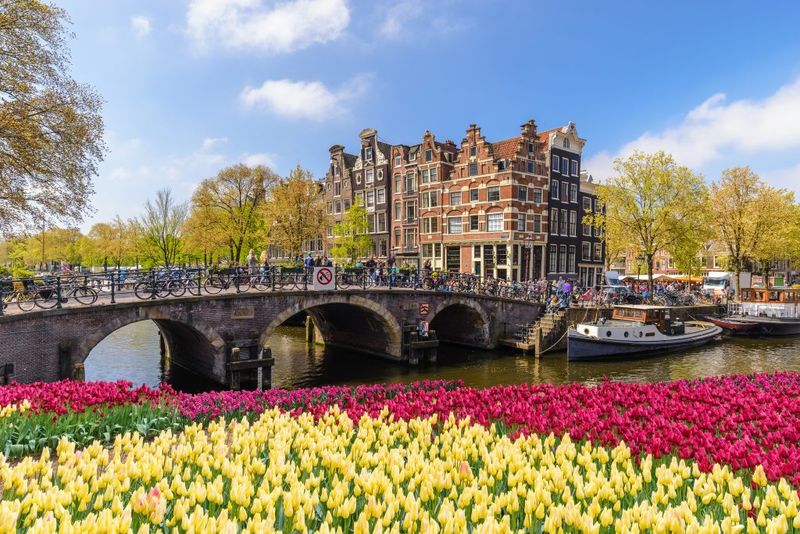
Amsterdam tried something radical in 2024: it told tourists, bluntly and publicly, “Stay Away.” A campaign targeted at British partygoers warned that bad behavior would not be tolerated and that the city was not the wild playground its reputation suggested. It was a remarkable thing for a tourist board to say, and it reflected just how fed up residents had become.
The city receives around 20 million visitors annually in a metropolitan area of just over a million people. The canal district and the Red Light District bear the brunt of the pressure, with narrow streets that simply cannot absorb the volume of foot traffic they receive in summer.
Short-term rentals have eaten into the housing stock, and the famous cycling culture is increasingly disrupted by confused tourists stepping into bike lanes.
The city has banned new hotels in the center, introduced stricter rules on short-term rentals, and is actively working to disperse visitors to less-visited neighborhoods like Noord and Oost. These areas are genuinely worth exploring — they have great food, interesting art spaces, and the kind of local energy that the Rijksmuseum neighborhood lost years ago.
Amsterdam is still one of Europe’s great cities, but it is clearly trying to figure out how to stay that way.
Mallorca, Spain
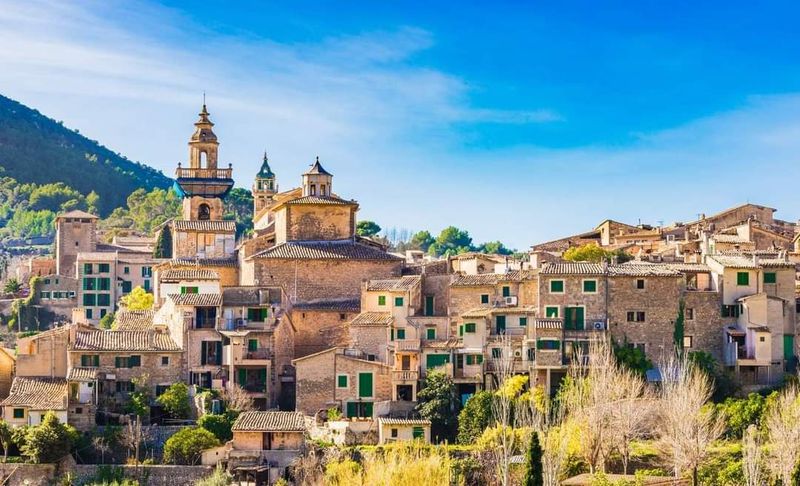
Mallorca’s beaches are genuinely beautiful — crystal-clear water, dramatic cliffs, pine-scented coves. The problem is that roughly 13 million people a year have figured this out, and many of them all seem to arrive in August simultaneously.
Some beaches in the south of the island now look less like Mediterranean paradise and more like a very warm car park.
The Balearic Islands government has introduced environmental taxes on tourists, restricted new hotel construction in certain areas, and is actively trying to shift the island’s image away from mass beach tourism toward something more sustainable. It is a tricky balancing act, given that tourism accounts for around 45 percent of the local economy.
The good news is that Mallorca is larger than most visitors realize, and much of the interior and north coast remains genuinely tranquil. The Serra de Tramuntana mountain range is a UNESCO World Heritage Site with hiking trails that see a fraction of the footfall of the southern beaches.
Villages like Deia and Valldemossa have preserved their character despite fame. The island has more to offer than sun-lounger culture — you just have to be willing to rent a car and drive past the resort strip to find it.
Prague, Czech Republic
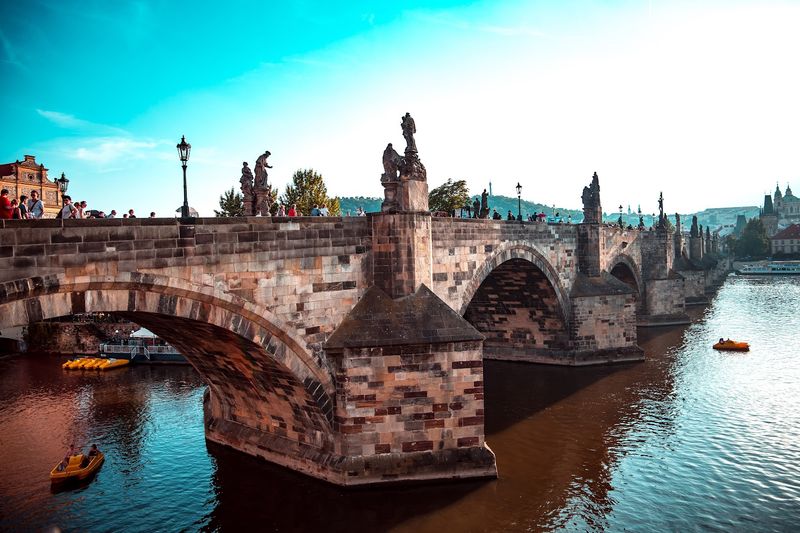
Charles Bridge at 10am on a July morning is one of the most photographed spots in Europe, and also one of the most elbow-intensive. The 14th-century bridge is spectacular by any measure, lined with baroque statues and offering views across the Vltava River that genuinely take your breath away — when you can see past the tour groups, that is.
Prague’s historic center is compact, which means the 8 million or so annual visitors are funneled through a relatively small area. Old Town Square, Wenceslas Square, and the Castle District absorb most of the traffic, and in peak season they can feel almost claustrophobic.
Beer tourism has added another dimension to the pressure, with stag parties from across Europe treating the city as a cheap party destination.
The city has pushed back in various ways, including crackdowns on rowdy tourist behavior and efforts to promote lesser-known neighborhoods like Vinohrady and Zizkov. These areas have excellent restaurants, beautiful Art Nouveau architecture, and almost none of the souvenir shops selling Kafka magnets.
Prague at dawn is still one of the most atmospheric cities in Europe — the fog rolls in off the river, the cobblestones glisten, and for about an hour, the city feels entirely yours.
Lisbon, Portugal
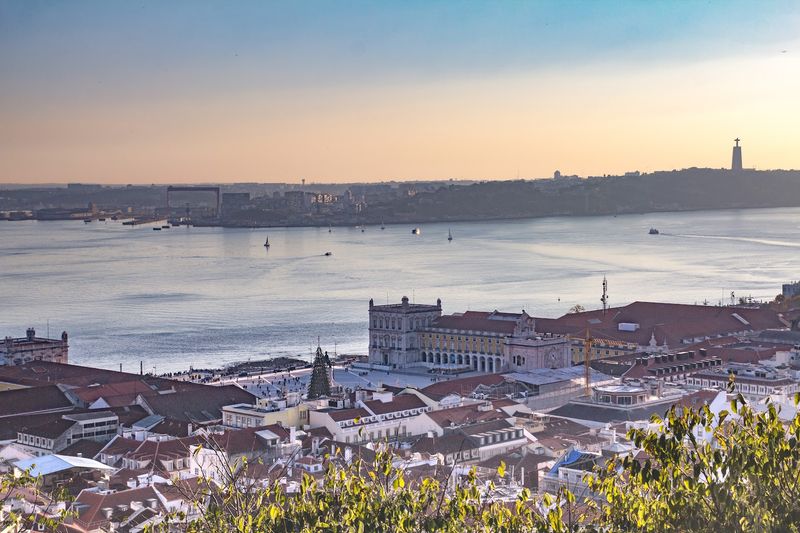
A decade ago, Lisbon was the insider tip — the affordable, sun-drenched alternative to Paris or Barcelona that savvy travelers whispered about. Then everyone found out at once.
Visitor numbers have roughly tripled since 2010, and the city that charmed the world with its faded elegance is now wrestling with the consequences of its own discovery.
The iconic Tram 28, which winds through the Alfama district, has become so overwhelmed with tourists that many locals have simply stopped using it. Rents in central Lisbon have surged dramatically, pushing long-term residents out of neighborhoods their families occupied for generations.
The city has one of the most severe housing affordability crises in Southern Europe, and tourism is widely acknowledged as a significant contributing factor.
Cruise arrivals at the port add thousands of day-trippers to the mix, particularly in summer, and neighborhoods like Bairro Alto and Mouraria can feel saturated. Lisbon’s city government has introduced measures to regulate short-term rentals and is investing in public transport to spread visitor impact more evenly.
The city is still deeply beautiful and genuinely warm — but arriving in November or February, when the light is golden and the crowds have evaporated, reveals a Lisbon that feels closer to what made people fall in love with it in the first place.
Bruges, Belgium
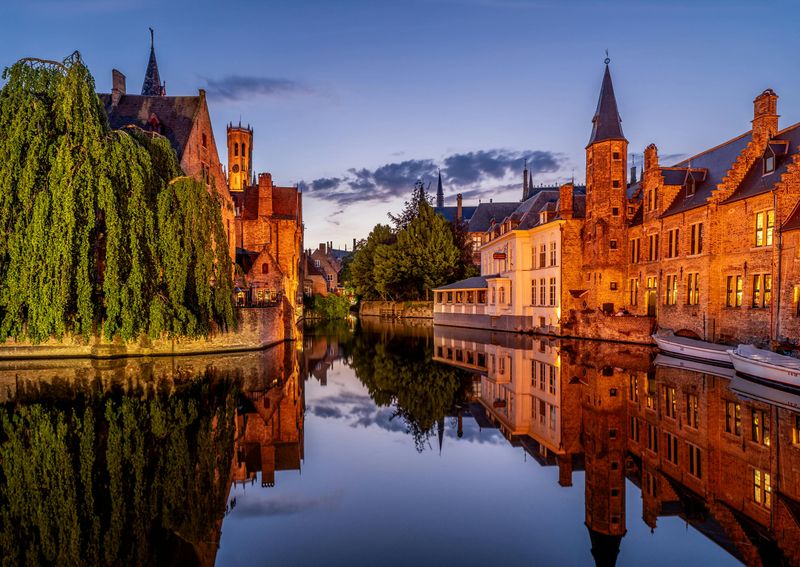
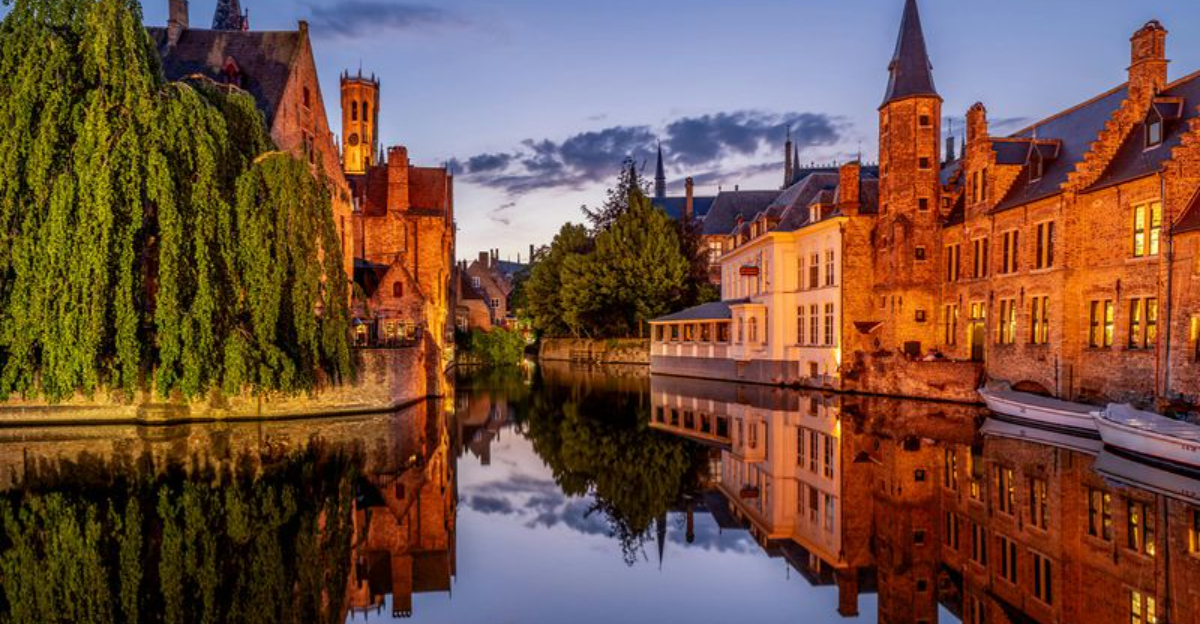
Bruges looks almost suspiciously perfect — medieval guild houses reflected in still canals, horse-drawn carriages clip-clopping over cobblestones, chocolate shops on every corner. It is the kind of place that makes you wonder if someone built it specifically for Instagram.
In a way, that flawless appearance is exactly the problem.
The city receives around 8 million visitors annually but has a permanent population of only about 20,000 in its historic center. Day-trippers from Brussels, Ghent, and the Eurostar corridor can flood the market square and canal-side streets by mid-morning and drain away by early evening, leaving behind litter and a city center that increasingly caters to tourist wallets rather than local life.
Many residents have quietly relocated to the outskirts.
Local authorities have tried to encourage overnight stays rather than day trips, since visitors who sleep in the city spend more, behave better, and experience a different, quieter side of Bruges after the tour buses leave. The city after 7pm, when the crowds thin and the lights reflect on the canals, is genuinely enchanting in a way the daytime bustle rarely allows.
Stay at least one night, skip the main square restaurants, and find a brown cafe where locals actually drink — Bruges will reward the effort considerably.
Tenerife, Spain
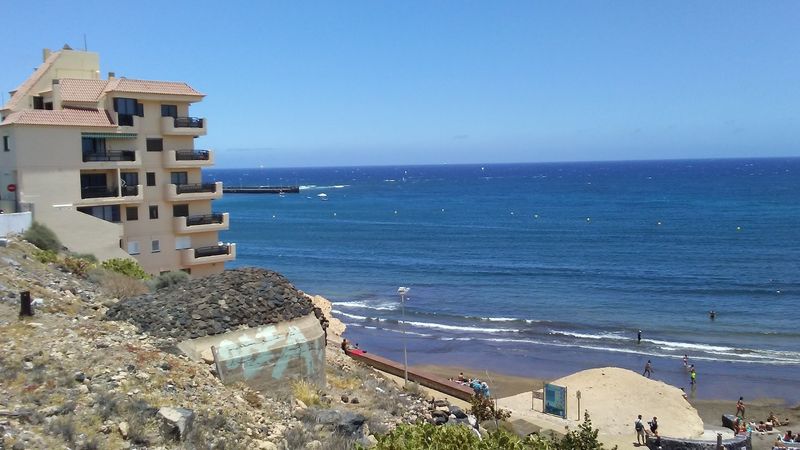
Tenerife is the most visited of the Canary Islands, pulling in around 6 million tourists a year to an island of fewer than 1 million permanent residents. The numbers are hard to wrap your head around, and the southern resort areas of Playa de las Americas and Los Cristianos show exactly what happens when tourism becomes the dominant industry with few guardrails attached.
Strip-mall resorts, all-inclusive hotels, and fast-food chains have consumed large sections of the southern coastline, creating an environment that feels more like a branded holiday product than a real place. Environmental campaigners have raised serious concerns about water use, coastal erosion, and the impact on the island’s fragile ecosystems, including its marine life and the forests of Teide National Park.
Tenerife’s northern coast tells a completely different story. Towns like Garachico, La Orotava, and the Anaga Rural Park region are quieter, greener, and far more connected to the island’s actual culture and landscape.
Mount Teide, Spain’s highest peak, is stunning and accessible, though the cable car queues in summer are no joke. The island has real depth beyond the resort bubble — the challenge is that most visitors never look for it, and the infrastructure makes it easy not to bother.
Cinque Terre, Italy
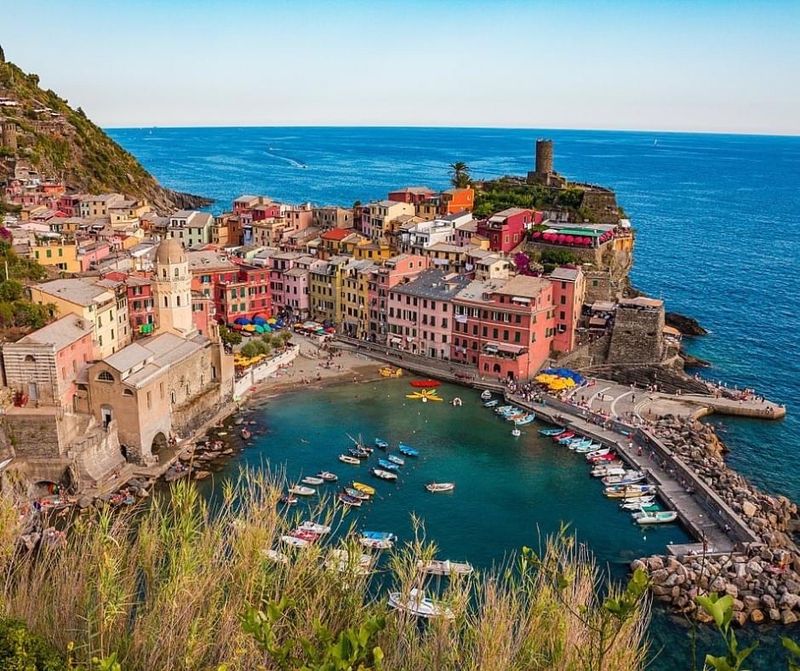
Five tiny fishing villages clinging to vertical cliffs above the Ligurian Sea — Cinque Terre sounds like the kind of place that should be a secret. Instead, it receives around 2.5 million visitors a year, which is a remarkable figure given that the combined permanent population of all five villages is fewer than 4,000 people.
The trails connecting the villages have, at peak times, begun to resemble queues more than hikes.
The most famous path, the Sentiero Azzurro, has been partially closed for years due to landslides worsened by erosion — a problem that heavy foot traffic has not helped. Authorities have introduced daily visitor caps on the trails, mandatory reservations, and fees, with the revenue intended to fund conservation.
Whether it is enough remains an open question among environmentalists and locals alike.
The villages of Vernazza and Manarola are the most photographed, and therefore the most congested. Corniglia, perched higher on the cliffs and accessible only by a long staircase, sees notably fewer visitors and has retained more of its original character.
Arriving by train early in the morning, before the tour groups from Florence and Milan pile in, makes an enormous difference. Cinque Terre is genuinely magical — it just requires a little strategy to experience it that way.



