Europe has a reputation for being a continent full of museums, cobblestone streets, and long restaurant waits, none of which scream “fun for a seven-year-old.” But here is the thing: some of Europe’s most overlooked regions are actually tailor-made for families. Wide open spaces, easy hiking trails, calm waters, and towns where children are genuinely welcomed at every turn, these are the kinds of places that turn a holiday into a story worth telling for years.
From a mountain valley in Austria that swaps ski slopes for summer playgrounds, to a Croatian peninsula where beach days come with hilltop villages as a bonus, the regions on this list have one thing in common: they make family travel feel easy. No complicated logistics, no “are we there yet” crises every twenty minutes.
Just good destinations that happen to work brilliantly for families of all ages and sizes.
1. Lake Bled Region, Bled, Slovenia
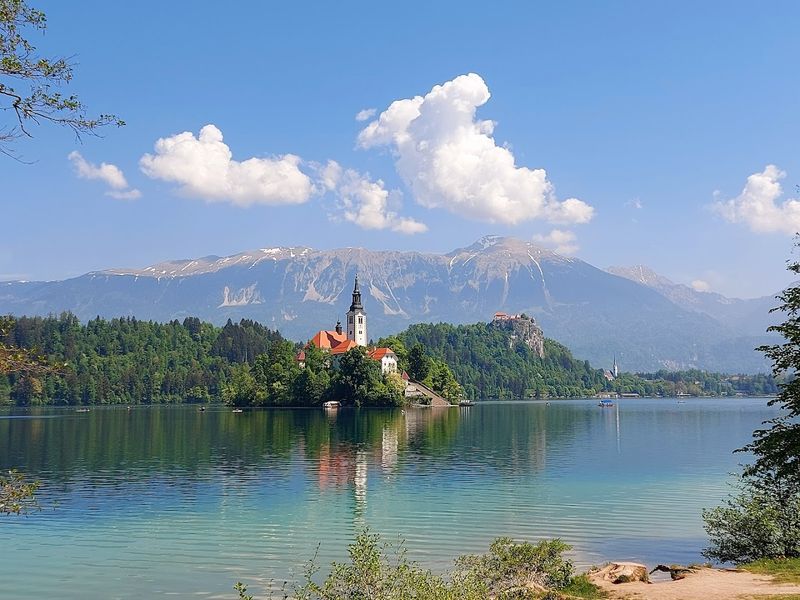
Few places in Europe produce as many wide-eyed reactions from children as Lake Bled. A castle perched on a cliff, a tiny island with a church in the middle of a turquoise lake, and a gorge that looks like it belongs in an adventure story.
Slovenia delivers the full package in a surprisingly compact area.
The pletna boat ride to Bled Island is a must, and children are usually fascinated by the fact that gondoliers row using a standing technique that has been passed down through the same local families for generations. It is history and adventure bundled into a twenty-minute boat trip.
Vintgar Gorge, located just four kilometers from the town center, features a wooden walkway that runs alongside rushing water for over a kilometer. The path is manageable for most children above the age of five.
The entire Bled area is compact enough to explore without a car, which removes a significant layer of family travel stress.
2. Alentejo, Évora, Portugal
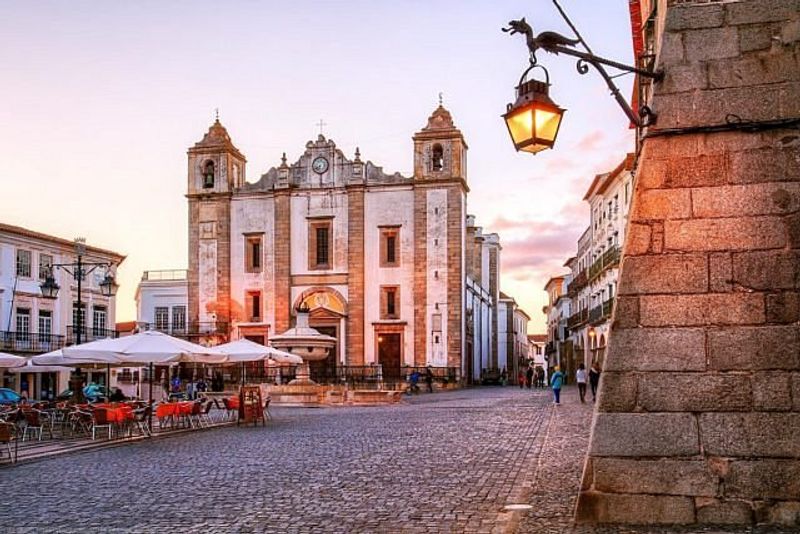
Portugal’s most visited regions tend to involve crowds, parking headaches, and peak-season prices that make parents wince. Alentejo takes a different approach entirely.
This sprawling inland region moves at its own pace, and that slower rhythm turns out to be exactly what many families are looking for.
The landscape alternates between cork oak forests, golden wheat fields, and hilltop villages that have barely changed in centuries. Children who normally need constant entertainment often surprise their parents by becoming genuinely curious about the cork harvesting process, which happens in summer and can be observed up close on many farms.
The Alentejo coastline, sometimes called the Costa Vicentina, features some of Portugal’s least crowded beaches, many protected within a national park. The water is cooler than the Algarve, but the beaches are wide, clean, and rarely packed.
Multi-generational groups traveling with grandparents especially appreciate the relaxed atmosphere and the easy-to-find spacious accommodation options throughout the region.
3. Friesland, Leeuwarden, Netherlands
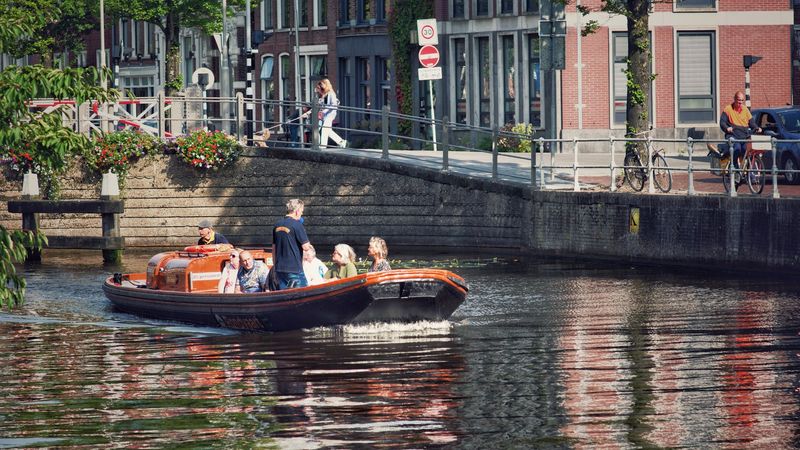
Most families visiting the Netherlands head straight to Amsterdam, which is understandable but also a missed opportunity. Friesland, the northern province that even many Dutch people treat as their secret favorite, offers a completely different experience built around water, cycling, and wide-open countryside.
The province has over 400 kilometers of canals and lakes, and boat rental is available throughout the region at very reasonable prices. Children who have never steered a boat quickly become very invested in the process, which keeps them engaged for hours without a screen in sight.
Leeuwarden, the provincial capital, holds the title of European Capital of Culture from 2018 and still benefits from the infrastructure and cultural investment that came with it. The city is compact and walkable, with a leaning tower called the Oldehove that children find genuinely amusing.
Cycling routes connect most towns and villages, and the flat terrain means that even young cyclists can manage long distances without complaint.
4. Saalbach-Hinterglemm, Salzburg State, Austria
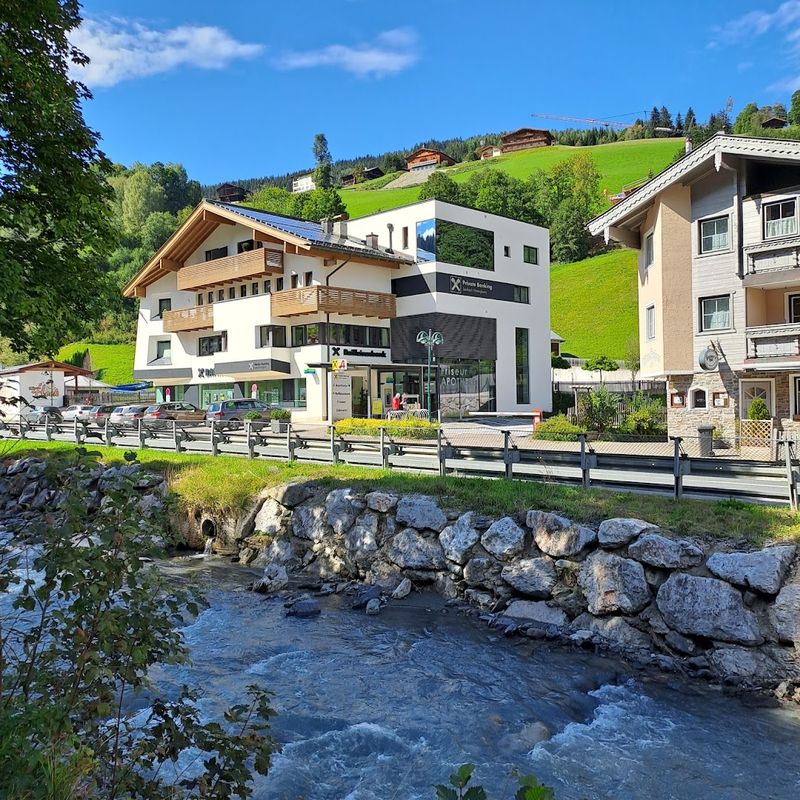
Most people hear “Saalbach-Hinterglemm” and picture ski slopes, which is exactly why summer visitors often find the place unexpectedly delightful. When the snow melts, the mountain infrastructure stays open, and families inherit an entire network of cable cars, trails, and mountain playgrounds built for serious outdoor fun.
The Joker Card, a guest card available to visitors staying in the region, provides free or discounted access to cable cars, mountain pools, and various attractions throughout the area. It is the kind of practical perk that genuinely changes the budget math for a family of four.
Mountain biking trails are graded by difficulty, and there are dedicated family routes that avoid the steep descents popular with experienced riders. The villages of Saalbach and Hinterglemm are connected by a flat valley path that is perfect for younger children on bikes or scooters.
Austria’s reputation for child-friendly hospitality is well-earned here, with most restaurants offering proper children’s menus rather than just a smaller portion of adult food.
5. Lake Bohinj Region, Upper Carniola, Slovenia
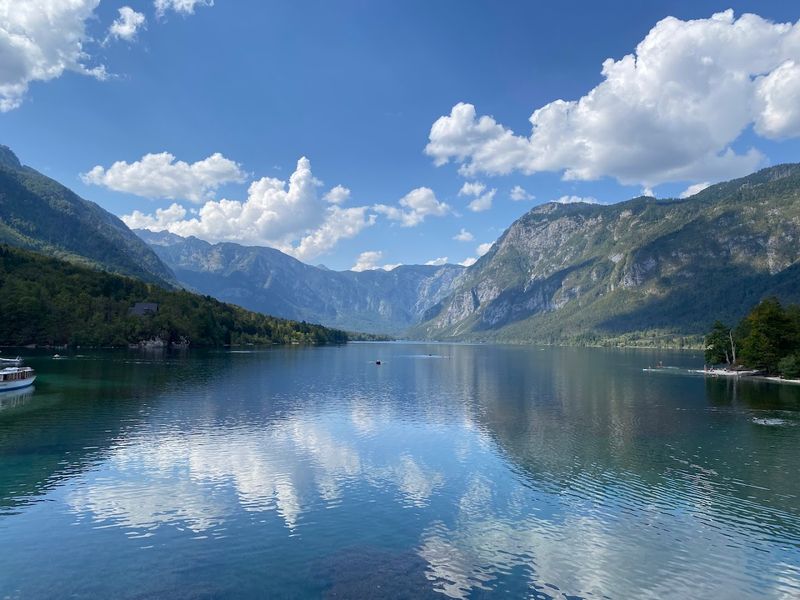
Lake Bohinj does not try to compete with its more famous neighbor, and that is precisely what makes it special. No motorized boats are allowed on the lake, which keeps the water calm, quiet, and genuinely suitable for families with young children who want to paddle, swim, or simply float without worrying about boat traffic.
The Vogel cable car rises from the lakeshore to an elevation of 1,535 meters, where families can access hiking trails, a ski area in winter, and views across the Julian Alps that make the cable car ticket feel like an absolute bargain. Children who are nervous about heights often find the enclosed gondola less intimidating than open chairlifts.
The surrounding Triglav National Park, Slovenia’s only national park, provides a protected natural environment where wildlife sightings are genuinely possible. Red deer, chamois, and golden eagles have all been spotted by visitors.
The park’s visitor center near the lake offers interactive exhibits that are well-suited to children aged six and above.
6. The Black Forest, Baden-Württemberg, Germany
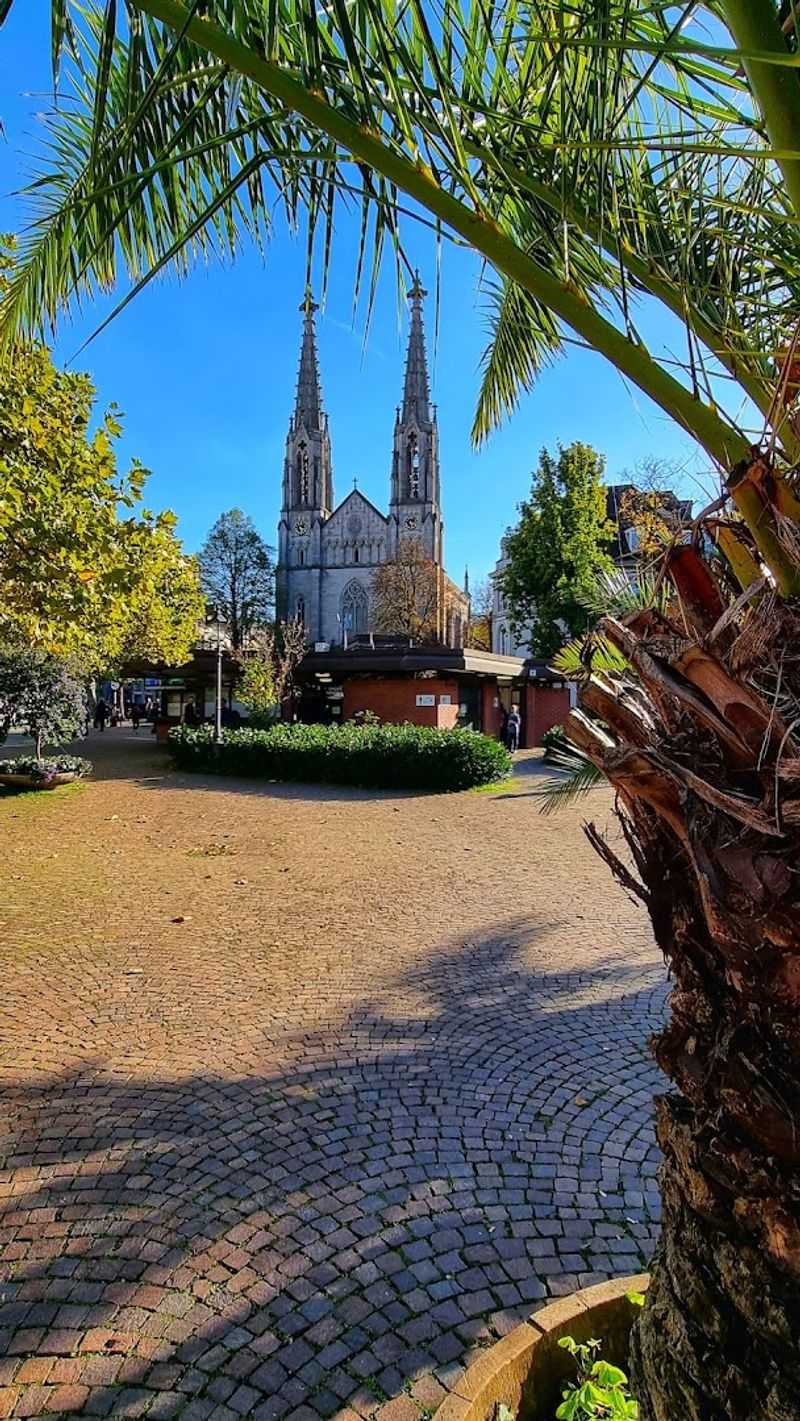
The Black Forest has a head start on charm that most regions can only dream about. It is literally the setting for classic fairy tales, and children who have grown up with those stories often experience a kind of wide-eyed recognition when they first see the dense forests, wooden farmhouses, and waterfall-lined trails.
Triberg is home to Germany’s highest waterfall, which drops 163 meters across several cascades and is accessible via a well-maintained path suitable for most ages. The town also claims to be the birthplace of the cuckoo clock, a fact that delights children and provides an excellent excuse to visit the numerous clock shops lining the main street.
Europa-Park, Germany’s largest theme park, sits just outside the Black Forest region and makes an easy day trip for families. Back in the forest itself, the Schwarzwaldbahn railway, one of Germany’s most scenic train routes, loops through tunnels and valleys in a way that keeps children pressed against the window for the entire journey.
The region rewards slow travel.
7. South Tyrol, Bolzano, Italy
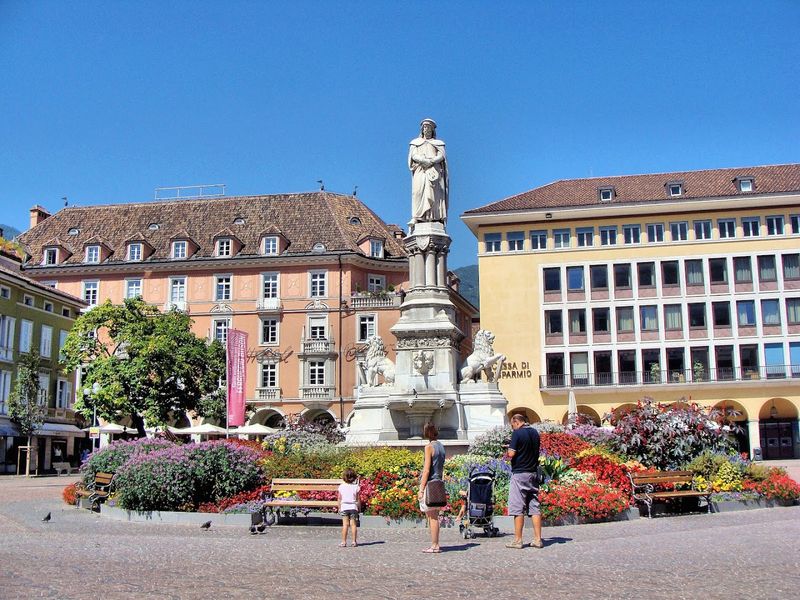
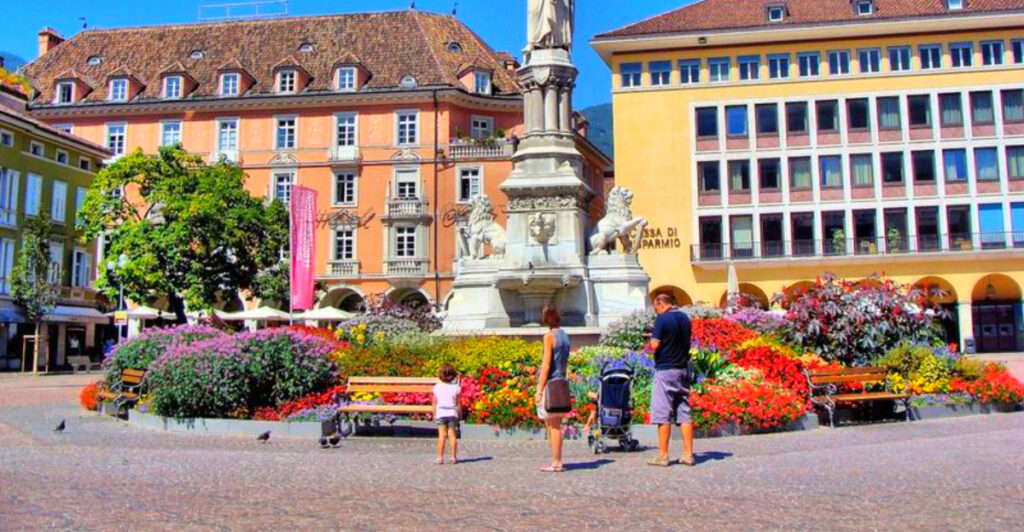
Wedged between towering Dolomite peaks and rolling Alpine meadows, South Tyrol has quietly built one of the best family travel setups in all of Italy. The region manages to blend Italian warmth with Austrian efficiency, which means you get excellent trail signage, well-maintained playgrounds, and pasta on the same menu.
More than 350 hiking trails are rated by difficulty across the region, and a good number are explicitly designed for families with young children. Mountain lifts take the steep work out of reaching higher elevations, so even the smallest hikers get rewarded with panoramic views without a full-day climb.
Lakeside spots like Lake Caldaro and Lake Monticolo have shallow, calm waters that are ideal for paddling and picnics. The two-language culture, Italian and German, means that menus, signs, and locals are used to communicating with visitors from all over Europe, making navigation genuinely stress-free for families.
8. County Kerry, Ireland
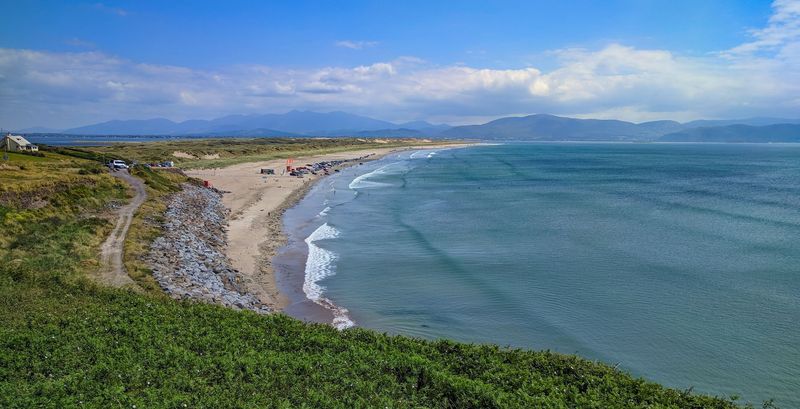
County Kerry has a way of making families feel like they have stumbled into a nature documentary, except the weather is more unpredictable and the locals are considerably funnier. The region combines dramatic Atlantic coastlines with colorful market towns and a pace of life that encourages visitors to slow down and actually enjoy where they are.
The Ring of Kerry scenic drive covers about 179 kilometers and can be broken into manageable sections over several days, with plenty of stops at beaches, viewpoints, and small towns along the way. Inch Beach, a four-kilometer stretch of sand on the Dingle Peninsula, is shallow enough for safe paddling and wide enough that it never feels crowded even in summer.
Kerry is also home to Killarney National Park, Ireland’s oldest national park, where families can rent traditional jaunting cars, horse-drawn carriages that take visitors through the park’s lakes and woodlands. Children find the carriages entertaining, and the park’s red deer herd, the only wild native herd in Ireland, is a reliable highlight for wildlife-loving kids.
9. Jutland, Denmark
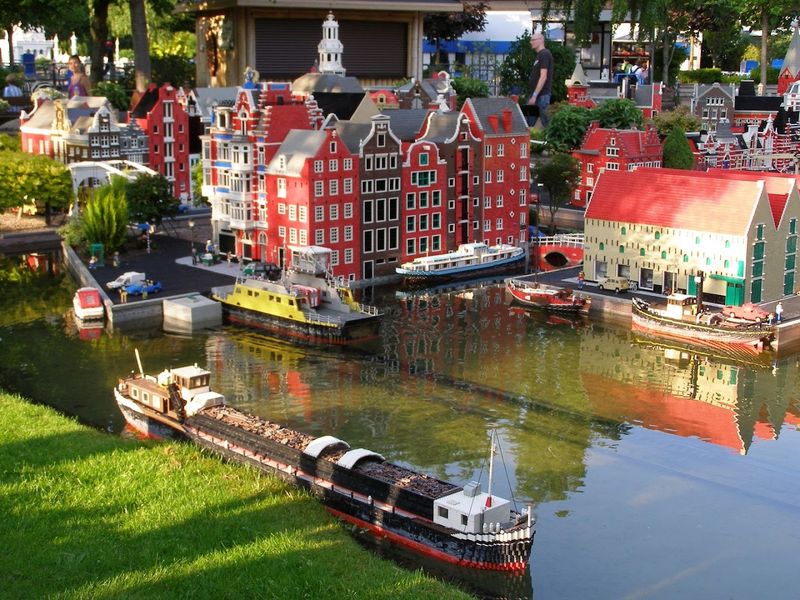
Denmark’s mainland peninsula punches well above its weight when it comes to family travel, largely because it has figured out something that other European regions have not: children need space, and Jutland has it in abundance. Wide beaches, cycling routes through flat countryside, and towns built around outdoor living create a natural environment for family adventures.
The west coast beaches, particularly around Blåvand and Hvide Sande, feature some of the broadest stretches of sand in Northern Europe. The North Sea water is cool but manageable in summer, and the beaches are clean, lifeguarded during peak season, and backed by dunes that children inevitably spend hours climbing and sliding down.
LEGOLAND Billund, located in the heart of Jutland, is one of Europe’s most visited family attractions and worth at least a full day. The original LEGOLAND opened here in 1968, and the park has expanded considerably since then while maintaining its focus on creativity and hands-on play.
Jutland also has a strong cycling culture, with well-marked routes that connect coastal towns and inland villages efficiently.
10. Transylvania, Brașov County, Romania
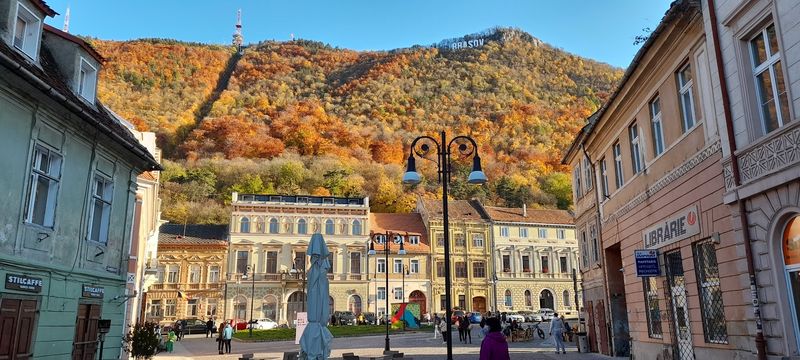
Transylvania has a branding problem that works entirely in its favor for family travel. Yes, the vampire legends are everywhere, and children find them thrilling.
But the actual region is a remarkably grounded destination with medieval towns, mountain trails, and some of the most affordable family-friendly accommodation in all of Europe.
Brașov, the region’s main hub, is a well-preserved medieval city with a large central square, a nearby cable car to Tampa Mountain, and easy access to Bran Castle, the fortress most associated with the Dracula legend. The castle tour is genuinely interesting for children aged eight and above, with narrow staircases, hidden passages, and period furniture that make history feel tangible.
Brown bears live in the forests surrounding the Carpathian Mountains, and responsible wildlife watching tours operate from several bases in the region. Seeing a bear in its natural habitat from a safe, guided observation point is the kind of experience that children talk about for years.
Transylvania’s combination of history, nature, and affordable prices makes it one of Europe’s best-value family destinations.
11. The Luberon, Provence-Alpes-Côte d’Azur, France
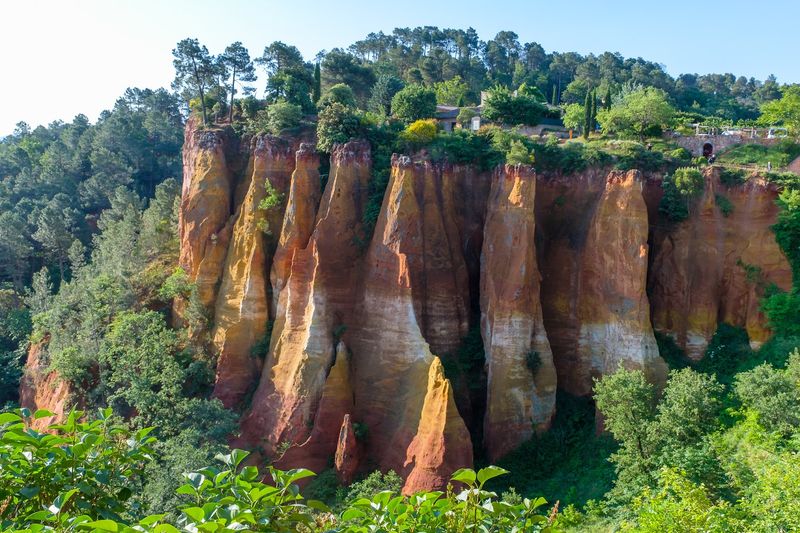
Provence gets a lot of attention for its lavender fields and outdoor markets, but the Luberon specifically offers something that the more touristy parts of the region cannot: room to breathe. The villages here, places like Gordes, Roussillon, and Bonnieux, are perched on hillsides with views that stretch across a patchwork of farmland, orchards, and forest.
The Luberon Regional Nature Park covers around 185,000 hectares and includes marked trails suitable for families with children of varying fitness levels. The park’s visitor center in Apt provides maps, wildlife information, and exhibits that help children understand what they are seeing in the landscape around them.
Local markets, held in different villages on different days throughout the week, give families a practical and enjoyable way to explore the region without following a rigid itinerary. Children who are normally disinterested in shopping often find the combination of colorful produce, handmade crafts, and free samples surprisingly engaging.
The Luberon rewards families who are happy to wander without a strict plan.
12. Åland Islands, Finland
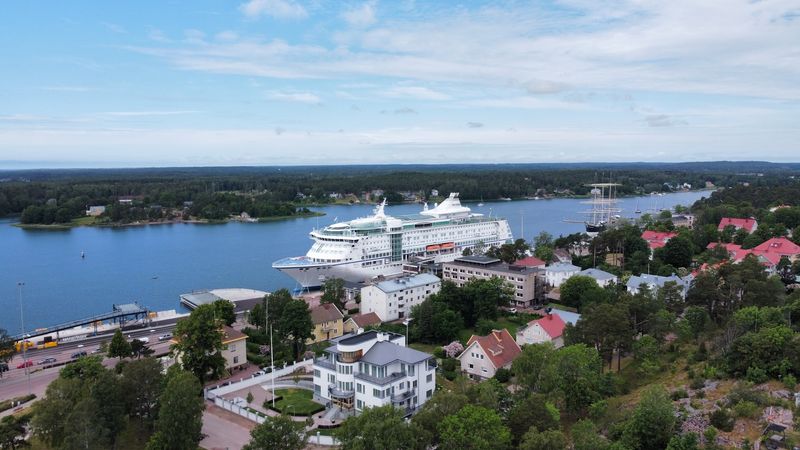
Politically Finnish but culturally Swedish, the Åland Islands occupy a unique position in the Baltic Sea and an equally unique position in the family travel landscape. The archipelago consists of around 6,700 islands, though only about 60 are inhabited, creating a network of quiet coastal communities connected by small ferries and cycling paths.
The main island, Fasta Åland, has a well-developed cycling infrastructure with clearly marked routes that loop through forests, past fishing villages, and along the coastline. Bike rentals are widely available in the capital, Mariehamn, which also has a maritime museum with a fully rigged four-masted sailing ship that children can explore on board.
The island pace is genuinely unhurried, which suits families who have spent too many holidays rushing between attractions. Summer days are long this far north, with daylight extending well past nine in the evening, giving families extra hours for evening walks, fishing from harbor jetties, and the kind of unstructured outdoor time that children often remember most fondly from a holiday.
13. Istria, Croatia
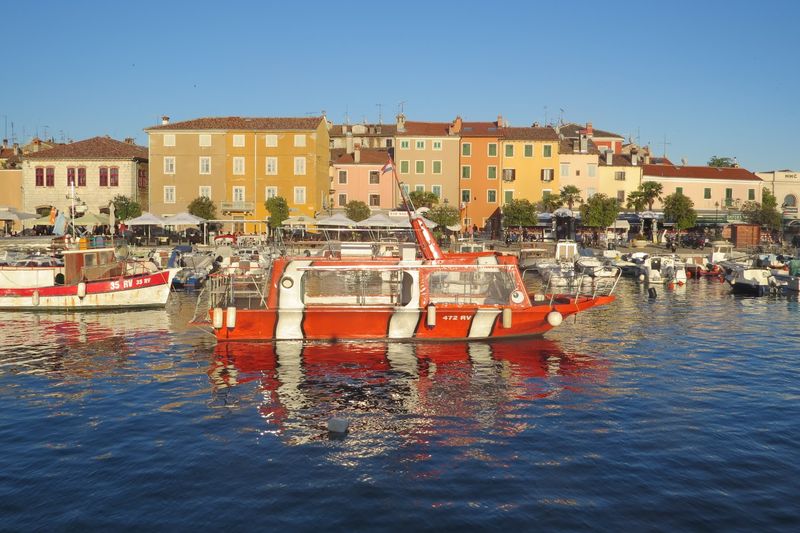
Croatia’s boot-shaped peninsula in the north of the country quietly outperforms most of the Adriatic coast when it comes to family travel, and it does so without making a fuss about it. Istria has beaches, history, good food, and a compact geography that means you are never more than an hour’s drive from something completely different.
The coastline features a mix of pebble and sandy beaches, with calm, clear water that is shallow enough for young children along many stretches. Rovinj, the peninsula’s most photographed town, has a network of cobbled streets that are genuinely fun to explore, plus a well-regarded aquarium with Adriatic marine life that holds children’s attention for a solid hour or two.
Inland Istria is a different world entirely. Hilltop towns like Motovun and Groznjan sit above vineyards and truffle forests, and the drive between them takes less than thirty minutes.
The Parenzana cycling trail, a converted railway line, runs 123 kilometers through the interior and is suitable for families with older children on bikes. Istria consistently surprises visitors who arrive expecting only a beach holiday.
Share this story