If 1918 gets remembered as the year the fighting stopped, 1919 deserves credit as the year the modern world started rearranging its furniture. Borders shifted, new institutions appeared, labor movements stiffened their spine, aviation leaped forward, and public health systems faced a hard reality check that did not disappear when the calendar changed.
Some of the biggest themes of the 20th century were already on the table by then: international diplomacy, mass protest, racial conflict, ideological competition, regulation, nationalism, and technology moving faster than governments could comfortably manage. Stick with this list and you will see how one supposedly in-between year quietly set up arguments, systems, and habits that lasted for decades.
1. The Treaty of Versailles Was Signed
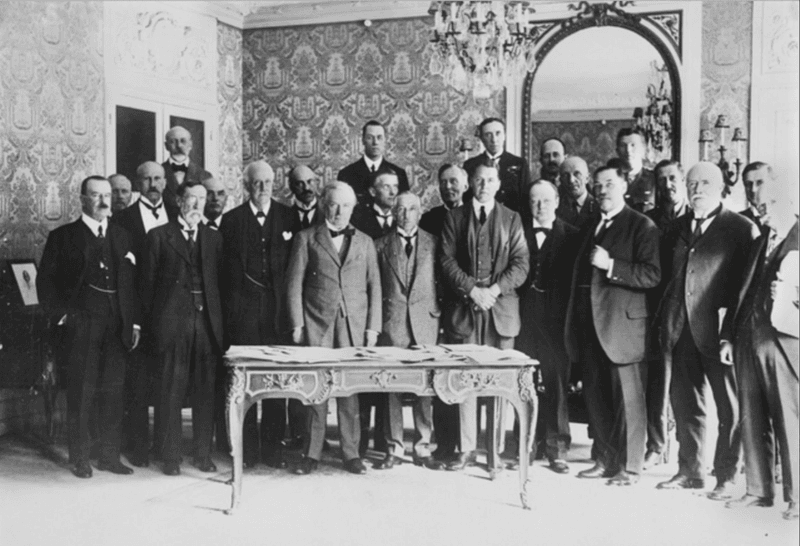
One pen stroke in a palace carried consequences far beyond the room. Signed on June 28, 1919, the Treaty of Versailles formally ended the state of war between Germany and the Allied powers, but it did much more than close a chapter.
It reassigned territories, limited Germany’s military, demanded reparations, and placed responsibility for the conflict onto Germany and its allies.
Those terms mattered because they shaped everyday politics across Europe during the 1920s. German leaders faced public anger over economic strain and national humiliation, while neighboring states tried to secure fragile new borders.
The treaty also created mandates from former empires, showing how peace talks could redraw maps without solving every local dispute.
History books often rush past Versailles as a paperwork moment, yet it helped structure the entire interwar period. You can trace later arguments about sovereignty, punishment, collective security, and revision of borders straight back to this agreement.
It was not just an ending. It was a very complicated beginning for Europe and the wider world.
2. The League of Nations Was Created
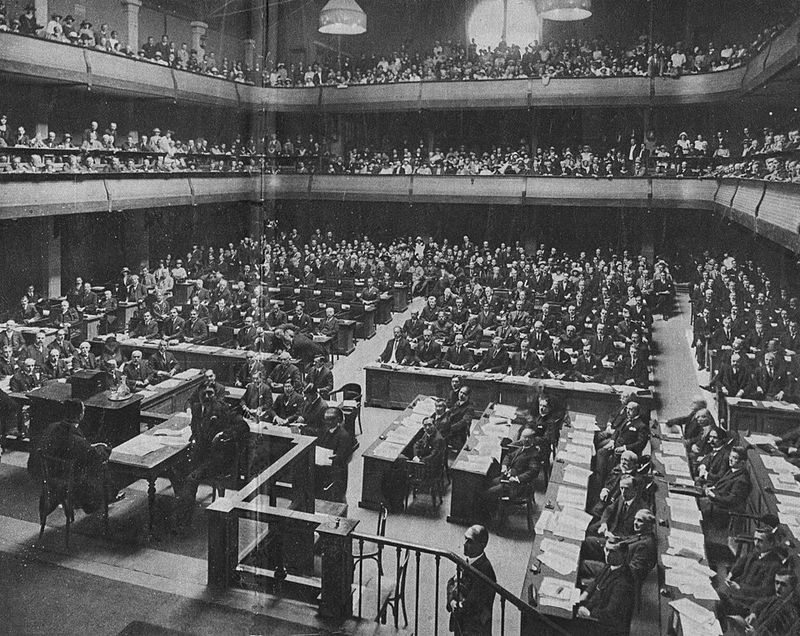
Before the United Nations had a headquarters and a global profile, there was an ambitious first draft. The League of Nations emerged from the Paris Peace Conference in 1919 as a new international body meant to prevent future wars through negotiation, arbitration, and collective pressure.
That idea sounds familiar today because the League supplied much of the template later institutions refined.
Its design reflected the hopes and blind spots of the time. Supporters believed regular meetings between states could reduce conflict, encourage disarmament, and manage disputes before they spiraled.
Yet the organization struggled with enforcement, unequal participation, and the absence of the United States, whose Senate refused to join despite President Woodrow Wilson’s advocacy.
Even with those weaknesses, the League deserves more attention than it usually gets. It developed practices for international cooperation, handled minority and labor questions, and showed both the promise and limits of rules-based diplomacy.
When you look at modern peacekeeping and global forums, you are seeing ideas that received one of their earliest large-scale tests in 1919.
3. The Red Summer in the United States
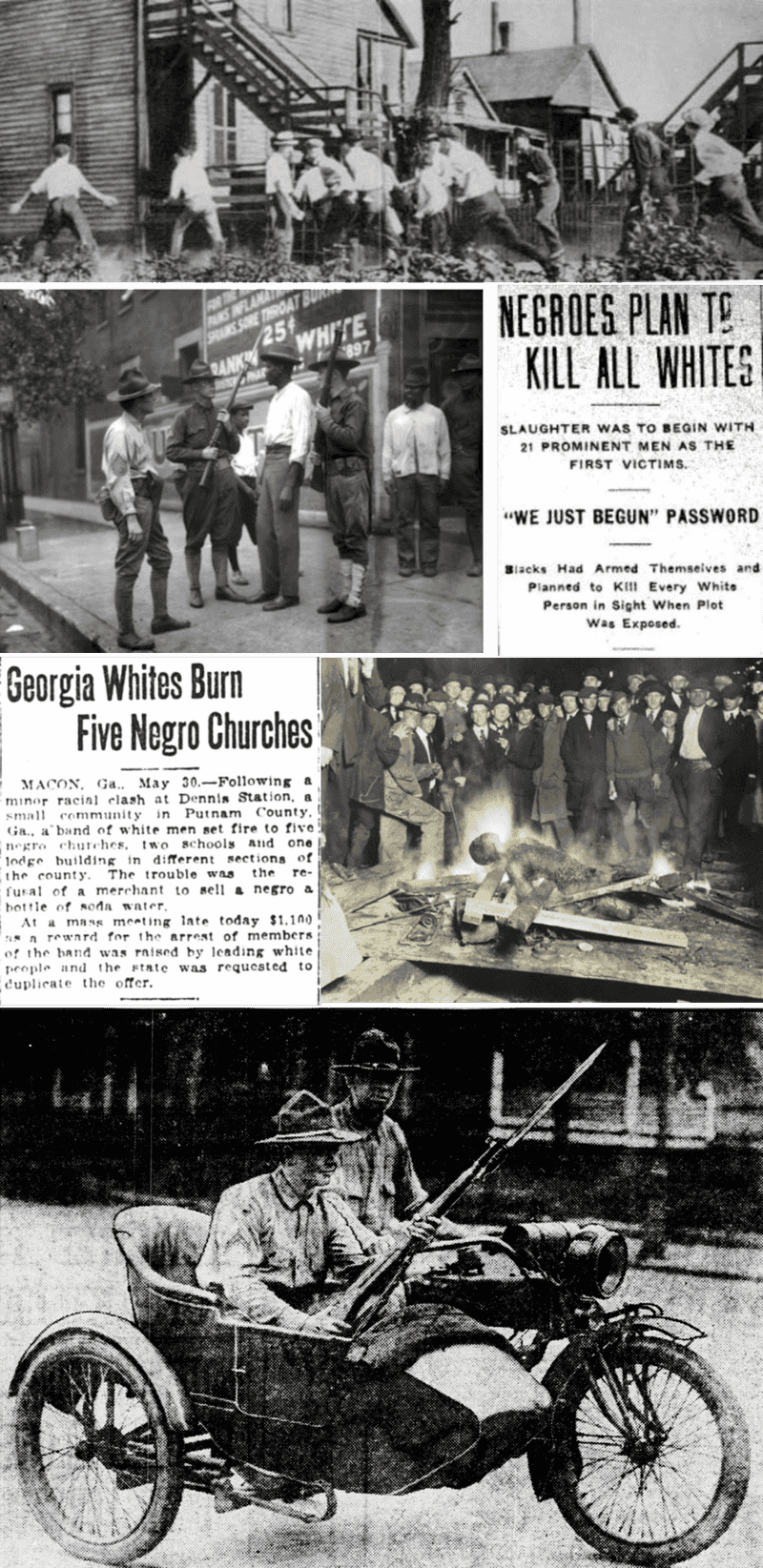
The phrase sounds seasonal, but the issues underneath it were structural and long lasting. In 1919, cities and towns across the United States experienced intense racial conflict, often tied to housing, employment competition, returning Black veterans, and white supremacist efforts to police public life.
The Red Summer exposed how national promises of democracy collided with segregation and exclusion at home.
This was not one isolated disturbance but a pattern stretching across multiple communities, including Washington, D.C., Elaine, and Chicago. Black newspapers reported events aggressively, community organizations responded with new urgency, and many African Americans pushed back rather than accepting intimidation.
That shift in public posture mattered, because it marked a more assertive phase in the long civil rights struggle.
Red Summer belongs in more history lessons because it sits at the intersection of migration, labor, media, and citizenship. It helps explain later activism during the Harlem Renaissance, the New Deal era, and the mid-century civil rights movement.
If you want to understand twentieth-century America honestly, 1919 cannot stay in the footnotes.
4. The Boston Molasses Disaster
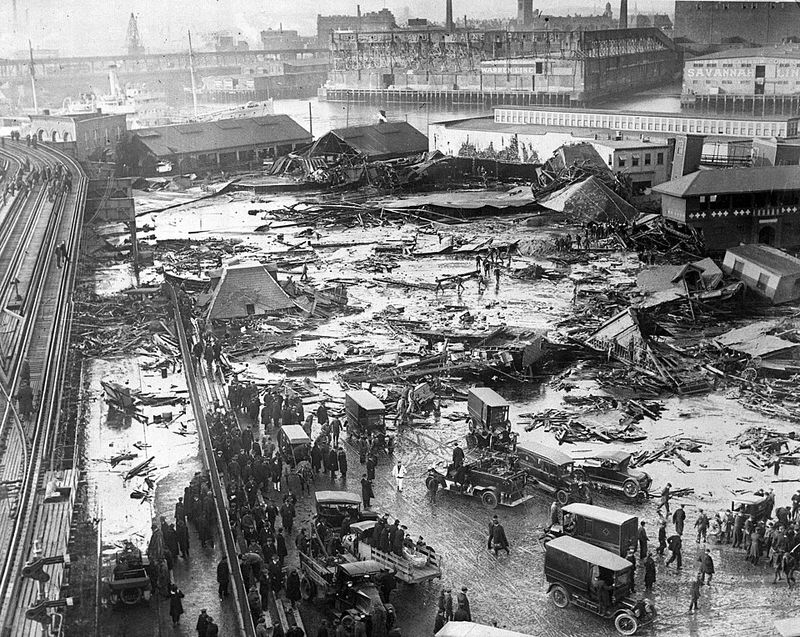
History occasionally produces an event so strange it risks being treated like a joke. The Boston Molasses Disaster began on January 15, 1919, when a huge storage tank in the city’s North End burst and sent a destructive wave of molasses through nearby streets.
Because the details sound unusual, the larger lesson about industrial oversight often gets overshadowed.
The tank belonged to the United States Industrial Alcohol Company, and questions quickly emerged about construction quality, testing, and warning signs that had been ignored. Court proceedings that followed became a landmark in corporate accountability and expert testimony.
In plain terms, this bizarre headline helped push conversations about engineering standards and public safety into sharper focus.
It also captured a city in transition, where dense neighborhoods, industry, and infrastructure sat close together. The event revealed how quickly modern urban systems could fail when regulation lagged behind growth.
That is why the story deserves more than curious trivia status. It speaks to building codes, legal responsibility, and the cost of treating safety like optional paperwork.
5. The Spartacist Uprising in Germany
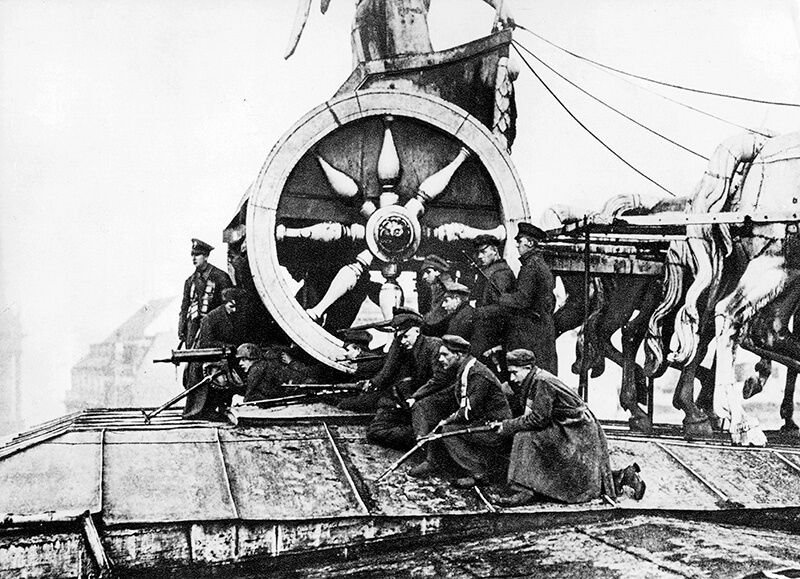
Germany’s future looked wildly negotiable in early 1919, and Berlin became the proving ground. The Spartacist Uprising unfolded in January as revolutionary socialists, including figures connected to the Spartacus League and the newly formed Communist Party of Germany, challenged the provisional government.
What followed was a messy contest over who would define postwar Germany: parliamentary reformers or revolutionaries seeking a Soviet-style path.
The uprising did not succeed, but its failure mattered immensely. The Social Democratic government relied on conservative military units and Freikorps forces to restore order, creating a bitter split on the left that never really healed.
That divide weakened democratic cooperation during the Weimar years and shaped how Germans interpreted legitimacy, authority, and political betrayal.
This event deserves a larger place in history books because it shows that Germany’s postwar instability was not abstract. Competing visions of socialism, democracy, and national renewal were colliding in real time.
If the Weimar Republic often seems fragile in hindsight, January 1919 helps explain why. The foundations were contested almost from the opening scene.
6. The First Transatlantic Flight
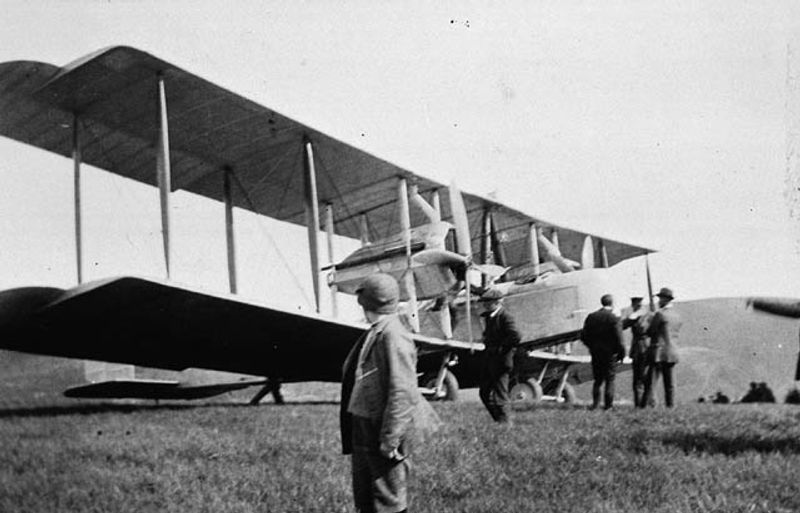
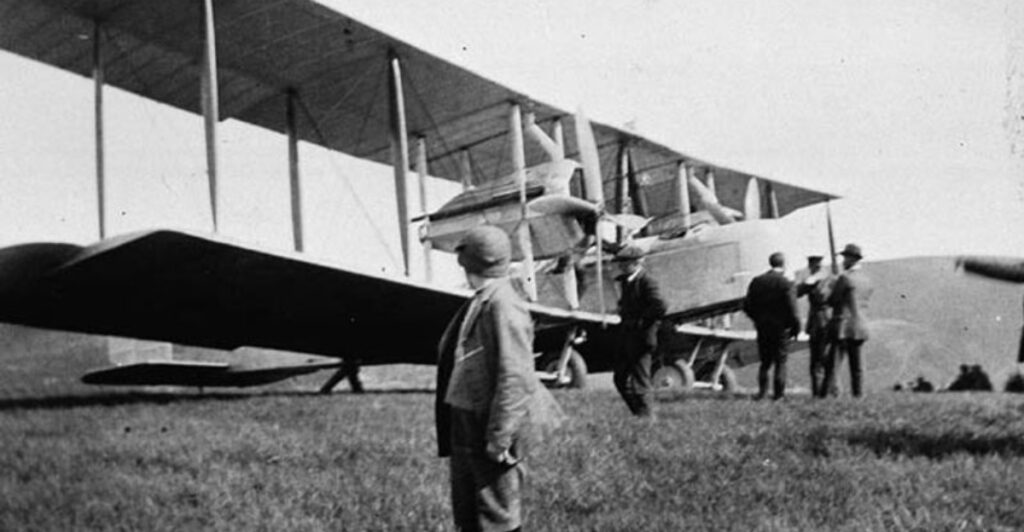
One of 1919’s boldest achievements happened above a stretch of ocean that had defeated plenty of plans. In June, British aviators John Alcock and Arthur Whitten Brown completed the first nonstop transatlantic flight, traveling from Newfoundland to Ireland in a modified Vickers Vimy bomber.
The journey lasted under sixteen hours, which still sounds brisk considering the conditions and technology involved.
The flight mattered for more than record books. It proved that long-distance air travel was moving from dream territory into practical engineering, even if reliability and comfort still had a very long way to go.
Navigation, weather forecasting, aircraft range, and public imagination all advanced together because of high-profile feats like this one.
People often jump from the Wright brothers to glamorous airline travel, skipping the awkward but crucial middle chapters. Alcock and Brown belong in that middle chapter with giant underlining.
Their success helped investors, governments, and inventors think bigger about aviation’s future. Mail routes, passenger networks, military planning, and global business all look different once the Atlantic stops being an automatic barrier.
7. The Chicago Race Riot
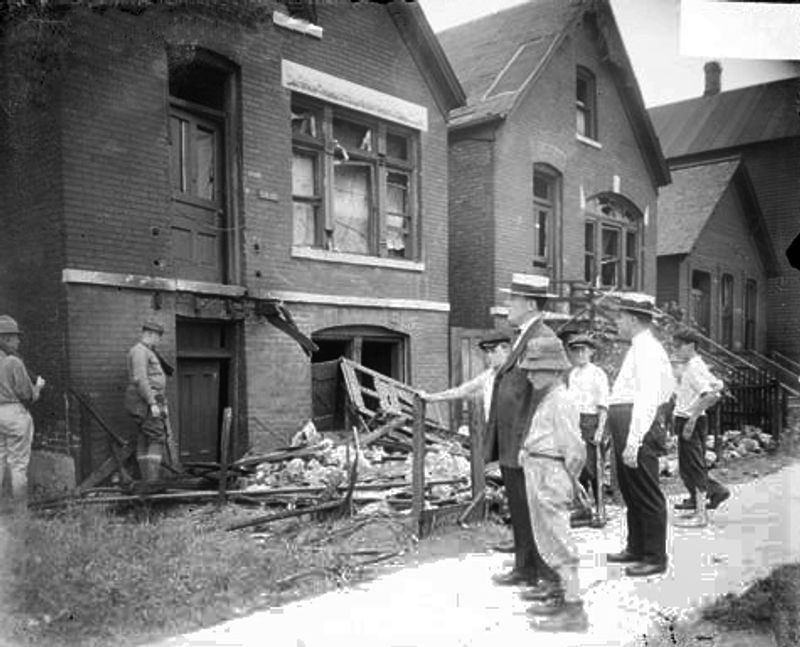
Chicago in 1919 was a city growing faster than its systems for fairness could handle. The Chicago Race Riot erupted in July after a Black teenager drifted into a segregated area of Lake Michigan and local tensions escalated into days of confrontation.
Behind the immediate spark were overcrowded housing, workplace rivalry, political competition, and hardened segregation on the city’s South Side.
What makes this event so important is how clearly it revealed urban America under strain. The Great Migration had brought many Black families north in search of opportunity, but northern cities offered discrimination of their own, often enforced through real estate practices, neighborhood boundaries, and public indifference.
Chicago’s 1919 violence forced officials and reformers to confront conditions that polite civic language usually tried to blur.
The riot’s aftermath included investigations, reports, and a stronger awareness that racial inequality was embedded in city planning and labor markets, not just personal prejudice. That is why it deserves more space in history books.
Chicago was not an exception on the side of the story. It was one of the clearest previews of twentieth-century urban racial politics.
8. The Founding of the Fascist Movement in Italy
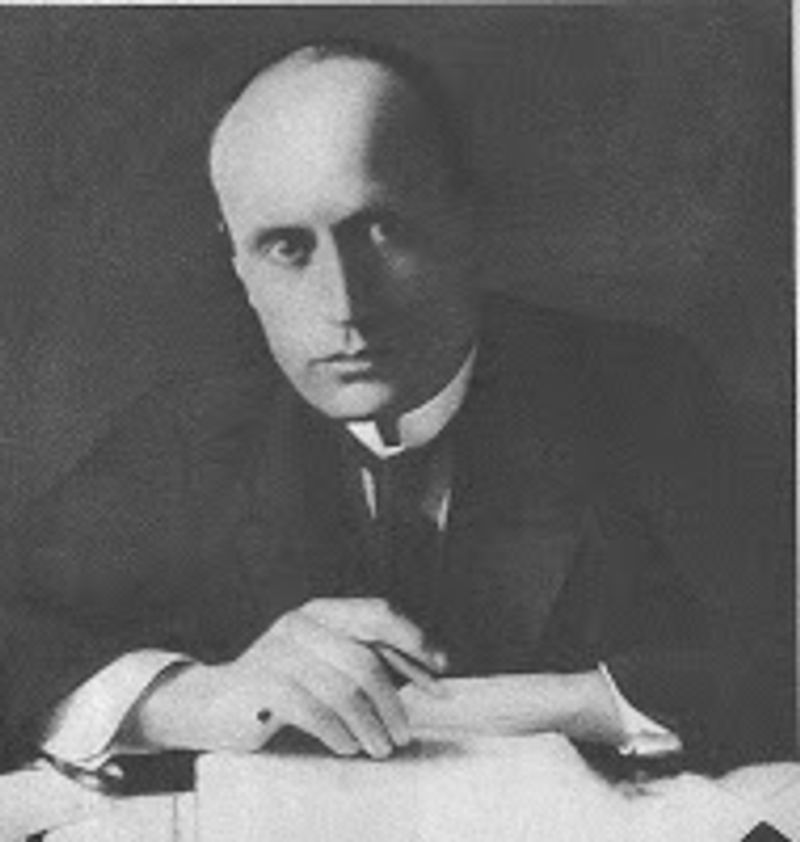
Some of history’s biggest movements start less like destiny and more like a noisy meeting with dangerous staying power. In March 1919, Benito Mussolini founded the Fasci Italiani di Combattimento in Milan, creating the political movement that would evolve into Italian Fascism.
At first, it was not a fully coherent machine, but it blended nationalism, anti-socialism, resentment, and promises of order in a country rattled by postwar frustration.
Italy had emerged from the war on the winning side yet many citizens felt cheated by the peace settlement and dissatisfied with economic conditions. Veterans, industrialists, middle-class conservatives, and anxious nationalists did not all want the same thing, but Fascism offered them a common language of discipline and action.
That flexibility was part of its power.
This founding moment deserves more attention because it shows how authoritarian politics can grow out of uncertainty rather than appearing fully formed. The movement used spectacle, organization, and intimidation to build momentum before many observers grasped the long-term implications.
If you want to understand interwar Europe clearly, 1919 in Italy is one of the places where the script begins.
9. The Winnipeg General Strike
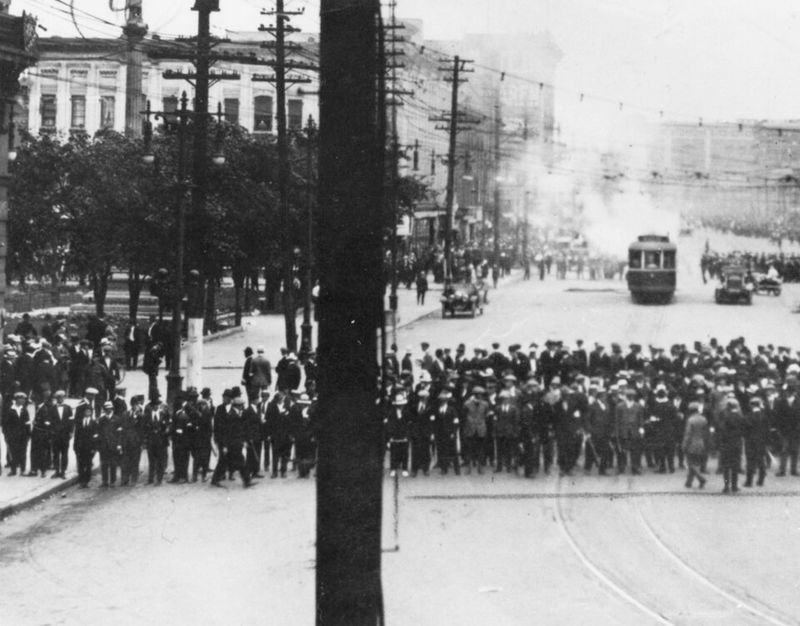
For six weeks in 1919, Winnipeg became one of the most important labor battlegrounds in North America. More than 30,000 workers joined a general strike in May, shutting down major parts of the city in support of collective bargaining, better wages, and improved conditions.
The scale alone makes it remarkable, but the strike also revealed how deeply labor issues had entered public life after the war.
Employers, civic leaders, and federal authorities viewed the stoppage with suspicion and often framed it as revolutionary, even though many participants were pressing ordinary workplace demands. That reaction mattered because it showed how quickly labor organizing could be recast as a threat to national stability.
The strike became a test of who had the right to negotiate power in an industrial democracy.
Its legacy stretched far beyond Winnipeg. The event influenced labor law, political organizing, and public debate across Canada for years afterward.
It also helped inspire workers to seek representation through electoral politics, not only job actions. If labor history sometimes gets treated like a side chapter, Winnipeg 1919 is a strong argument for moving it closer to the center.
10. The 18th Amendment Was Ratified
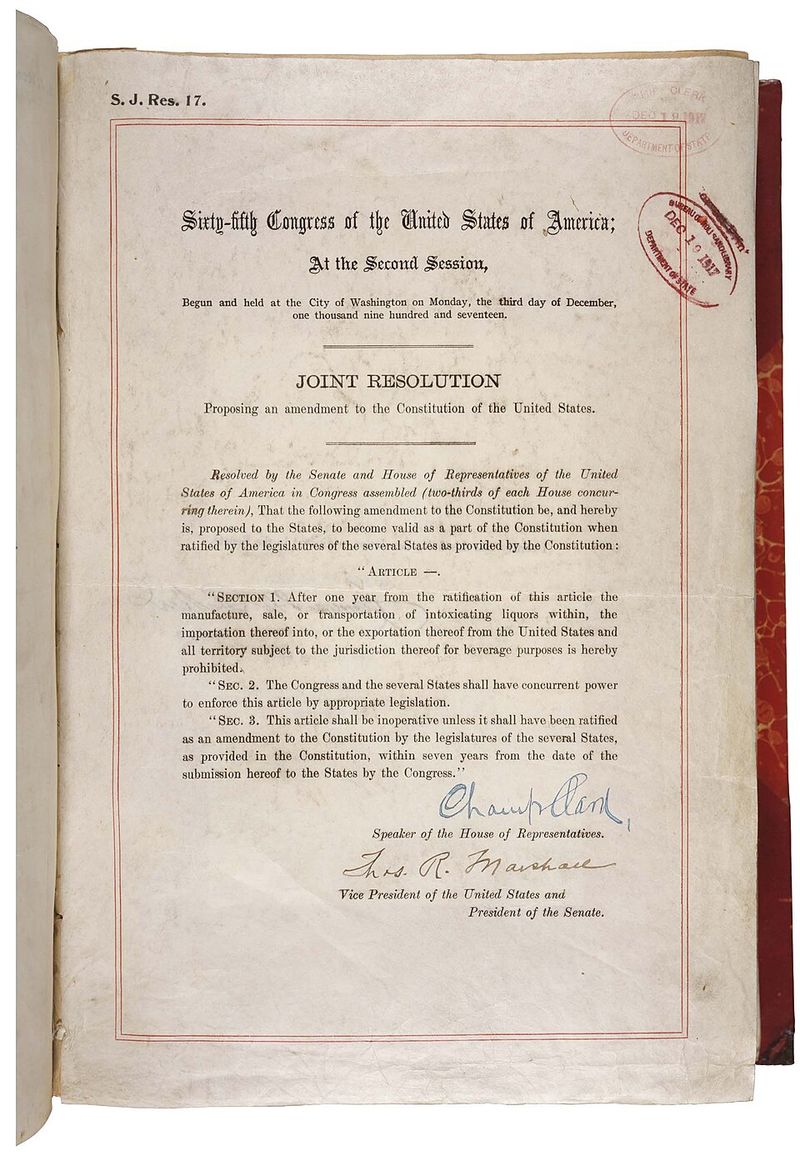
A constitutional amendment about drinking habits sounds narrow until you notice how much else it rearranged. Ratified in January 1919, the 18th Amendment prohibited the manufacture, sale, and transportation of intoxicating liquors in the United States, setting the stage for national Prohibition.
It was the product of decades of temperance organizing, wartime patriotism, religious activism, and faith in moral reform through law.
What makes the amendment historically rich is that it touched nearly every corner of public life. Enforcement demanded new federal power, courts faced fresh burdens, and everyday Americans responded with a mix of support, workarounds, and open skepticism.
Prohibition also changed business patterns, policing, political rhetoric, and ideas about personal freedom in ways that lasted beyond its repeal.
People often remember this period mainly for hidden bars and colorful criminals, which is tidy but incomplete. The ratification itself deserves more attention because it reveals how reform movements can achieve enormous legal victories and still trigger messy unintended consequences.
In that sense, 1919 offered a national lesson in how culture, law, and enforcement do not always move in step.
11. The Egyptian Revolution of 1919
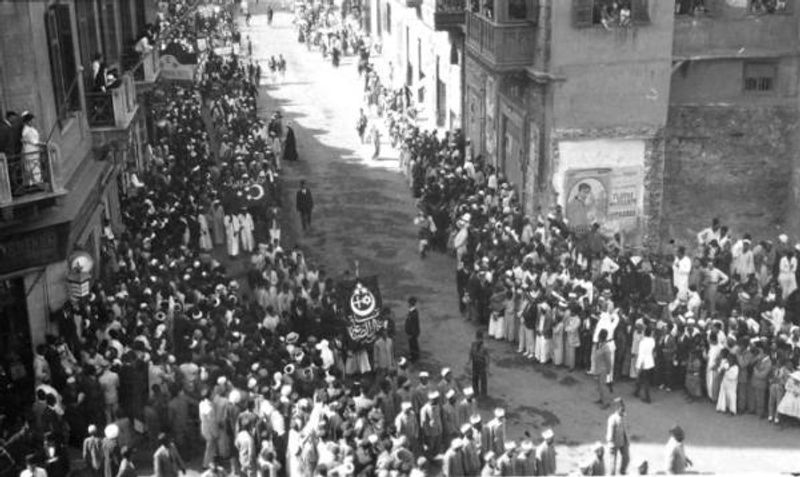
In 1919, Egypt delivered a clear message that imperial control would no longer go unchallenged quietly. The Egyptian Revolution grew after British authorities exiled nationalist leader Saad Zaghlul and other members of the Wafd, sparking demonstrations, strikes, and broad civil resistance across the country.
Students, workers, professionals, rural communities, and many women took part, giving the movement a striking social range.
That breadth is one reason the revolution matters so much. It was not simply an elite political dispute but a national mobilization that linked constitutional demands with anti-colonial sentiment.
The pressure did not produce instant full independence, yet it pushed Britain to recognize Egypt as formally independent in 1922, even with important limits still attached.
The 1919 revolution also changed Egyptian political culture by expanding participation and public debate. Women’s activism, nationalist organizing, and mass protest all gained visibility in ways that shaped later generations.
If global history courses spend more time on European peace settlements than anti-colonial movements happening at the same moment, this event is a strong reminder to rebalance the picture. Egypt was not waiting quietly for history to arrive.
12. The Spanish Flu Pandemic Continued
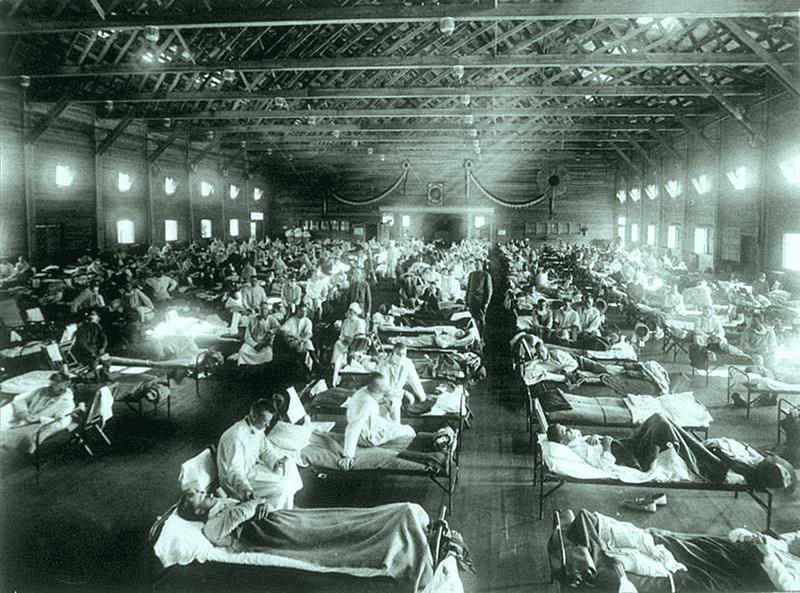
Even when the war was over, public health systems still had a brutal exam left to finish. The influenza pandemic that began in 1918 continued into 1919, affecting communities across the world as governments, hospitals, and families struggled with recurring waves of illness.
Its persistence matters because it revealed just how limited medical coordination, surveillance, and communication could be under modern global conditions.
Officials debated closures, quarantines, mask rules, and public messaging, often with uneven timing and uneven compliance. Newspapers tracked local outbreaks closely, while many cities tried to balance commerce, schooling, and safety with incomplete information.
That combination feels notably familiar, which is one reason 1919 should receive more attention in pandemic history rather than being treated as an afterthought to 1918.
The continuing crisis also accelerated conversations about national health departments, data collection, and the role of government in disease prevention. It exposed gaps in rural care, urban overcrowding, and international reporting.
When people say the twentieth century was shaped by modern bureaucracy, medicine, and mobility, this is one of the years where those forces collided in plain view and left administrators scrambling to catch up.
13. The Paris Peace Conference
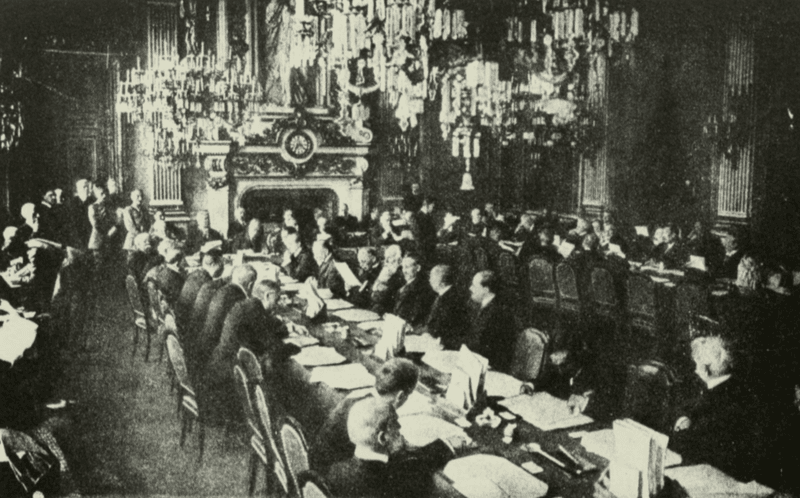
Imagine trying to redesign much of the world in one crowded season of meetings, drafts, and competing agendas. The Paris Peace Conference opened in January 1919 and brought delegates from dozens of nations together to negotiate settlements after World War I.
Although a few major leaders dominated the headlines, the conference was also a giant workshop where borders, mandates, reparations, and minority questions were debated in exhausting detail.
Its importance goes well beyond the Treaty of Versailles alone. Separate agreements addressed former Ottoman and Austro-Hungarian territories, while newly emerging states pressed claims based on ethnicity, strategy, and promises made during the war.
Ideas about self-determination circulated widely, but they were applied unevenly, which left many groups dissatisfied and many disputes unresolved.
The conference deserves bigger treatment because it helps explain why the interwar world looked so unstable despite all the diplomatic activity. It created institutions, expectations, and grievances all at once.
You can see its fingerprints on the Middle East, Eastern Europe, colonial politics, and international law. If 1919 sometimes seems like a hallway between larger events, Paris shows it was actually one of the rooms where the century got arranged.
Share this story