Culture rarely shifts in a straight line, and it almost never stays inside one neat category. A cookbook can change dinner tables, a children’s show can change how families talk, and a legal brief can change who gets heard.
The people here did far more than succeed in their fields – they quietly redirected everyday habits, public values, and the way millions of people understood modern life. Keep reading, and you will see how influence often arrives sideways, through kitchens, neighborhoods, classrooms, courtrooms, and devices you probably touch every day.
1. Mark Twain
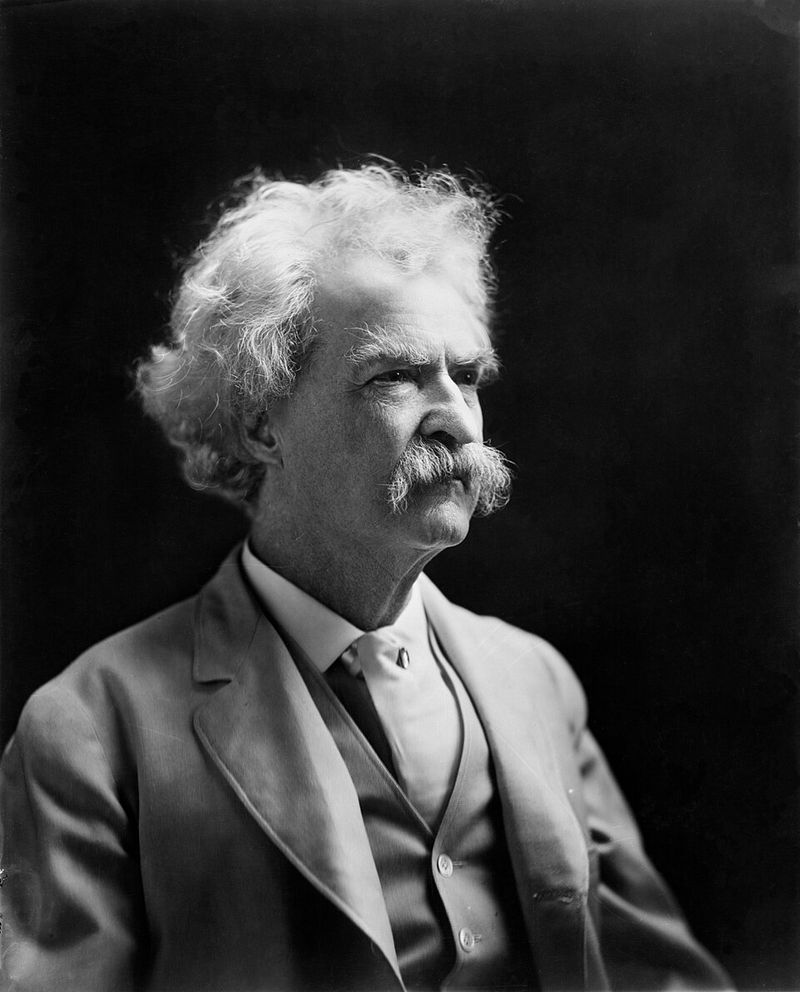
American literature sounded different after one writer decided polished European manners were optional. Mark Twain helped establish a distinctly American literary voice, one that trusted regional speech, satire, and social observation instead of imported prestige.
With works such as The Adventures of Tom Sawyer and Adventures of Huckleberry Finn, Twain used vernacular language in ways that startled readers and expanded what serious fiction could do. He captured the rhythms, contradictions, and absurdities of American life while also exposing pretension, hypocrisy, and the gap between public ideals and actual behavior.
That mattered culturally because language shapes belonging. Twain made room for a national literature that sounded less formal, more local, and more willing to admit that humor can carry serious criticism without wearing a lecture badge.
His style influenced generations of writers who wanted American fiction to reflect the country as it was spoken and lived, not merely as it was approved. If modern storytelling feels freer to be regional, funny, skeptical, and unmistakably American, Twain helped open that door and keep it from swinging shut.
2. Muhammad Ali
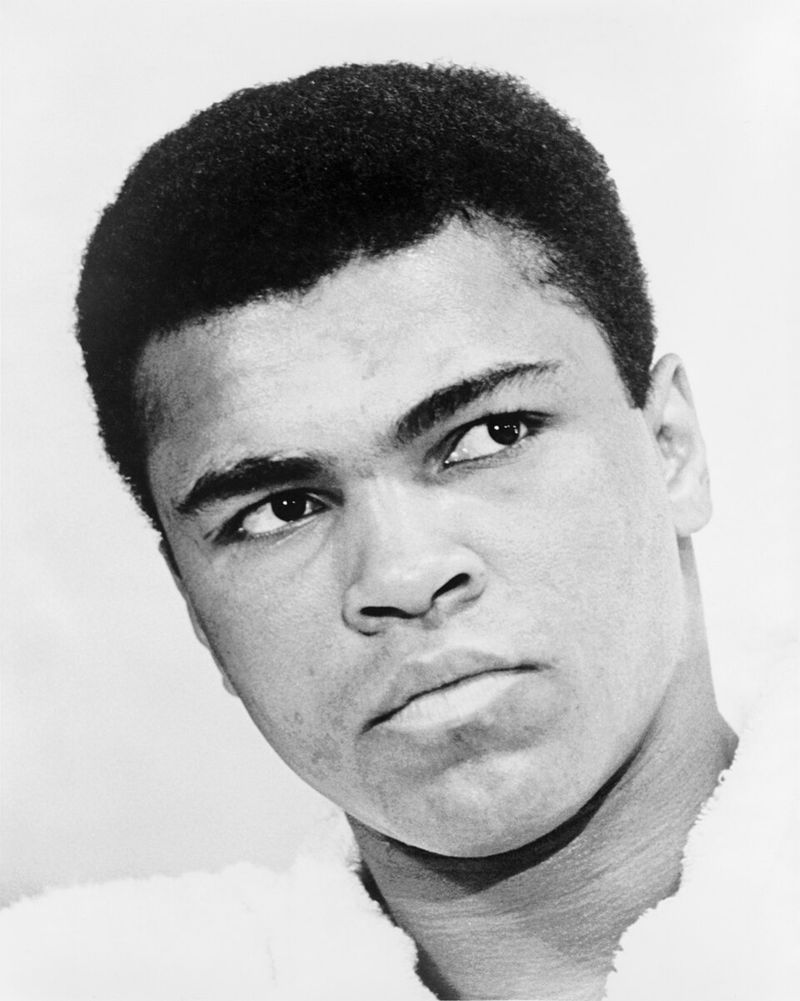
Some athletes win titles, and some rewrite the job description of fame itself. Muhammad Ali did both, turning the public role of a sports star into something louder, riskier, and far more politically visible.
He first captivated audiences with unmatched charisma, verbal flair, and heavyweight dominance, but his cultural force grew when he linked athletic fame to principle. In 1967, after refusing induction into the U.S.
Army during the Vietnam era and speaking openly about race and citizenship, he became a national argument as much as a champion.
That stance cost him years in boxing at the height of his powers, yet it expanded what many people believed an athlete could say in public. Ali showed that sports celebrity could carry moral and social meaning beyond endorsements, trophies, and newspaper back pages.
His influence reached civil rights, media culture, fashion, language, and later generations of players who speak directly on public issues. When modern athletes use their platform with confidence, they are borrowing from Ali’s blueprint whether they admit it or not.
3. Rachel Carson
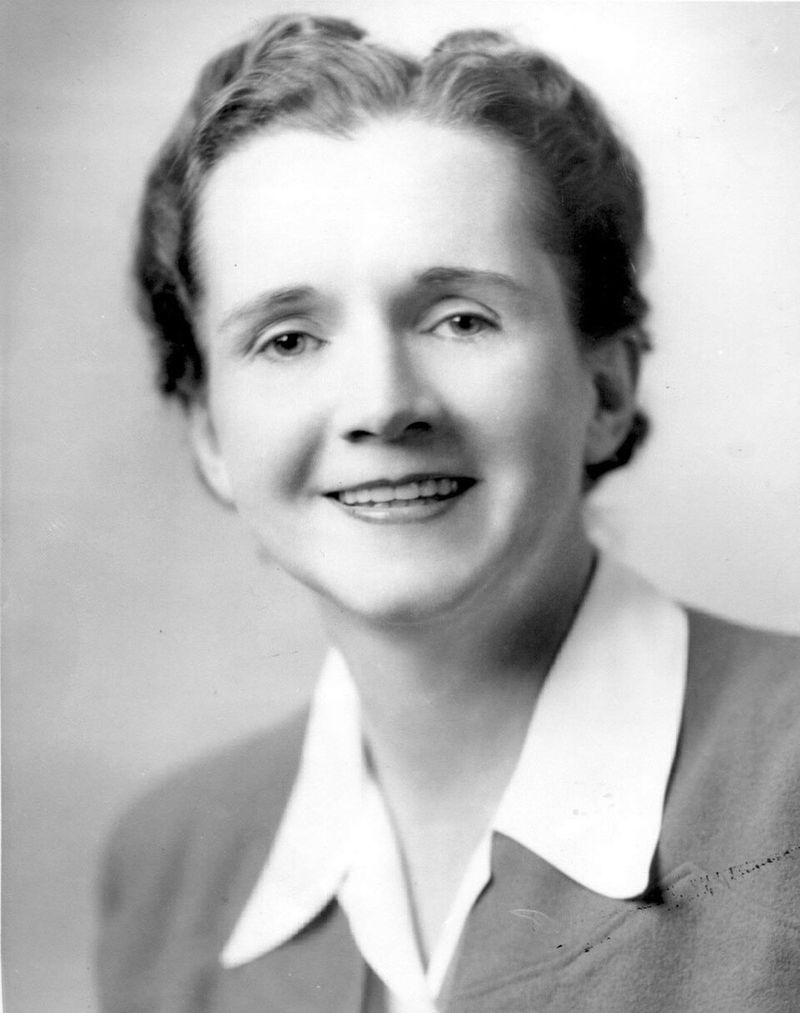
A book about pesticides does not sound like the usual recipe for a cultural turning point, yet Rachel Carson proved otherwise. When Silent Spring appeared in 1962, it translated scientific evidence into public language that ordinary readers could follow and policymakers could not easily ignore.
Carson documented how widespread chemical use, especially DDT, moved through ecosystems in ways that threatened wildlife and raised serious concerns about human health. She did not invent environmental concern, but she gave it a modern vocabulary rooted in evidence, accountability, and the idea that technological progress should face scrutiny.
The response was enormous, including industry pushback, media debate, and eventually changes in public understanding of pollution and regulation. Her work helped energize the environmental movement that grew through the 1960s and 1970s, influencing activism, science communication, and the creation of stronger environmental policy.
If you now expect products, industries, and governments to answer basic questions about ecological impact, you are participating in a cultural shift Carson helped push into the mainstream with unusual precision and persistence.
4. Julia Child
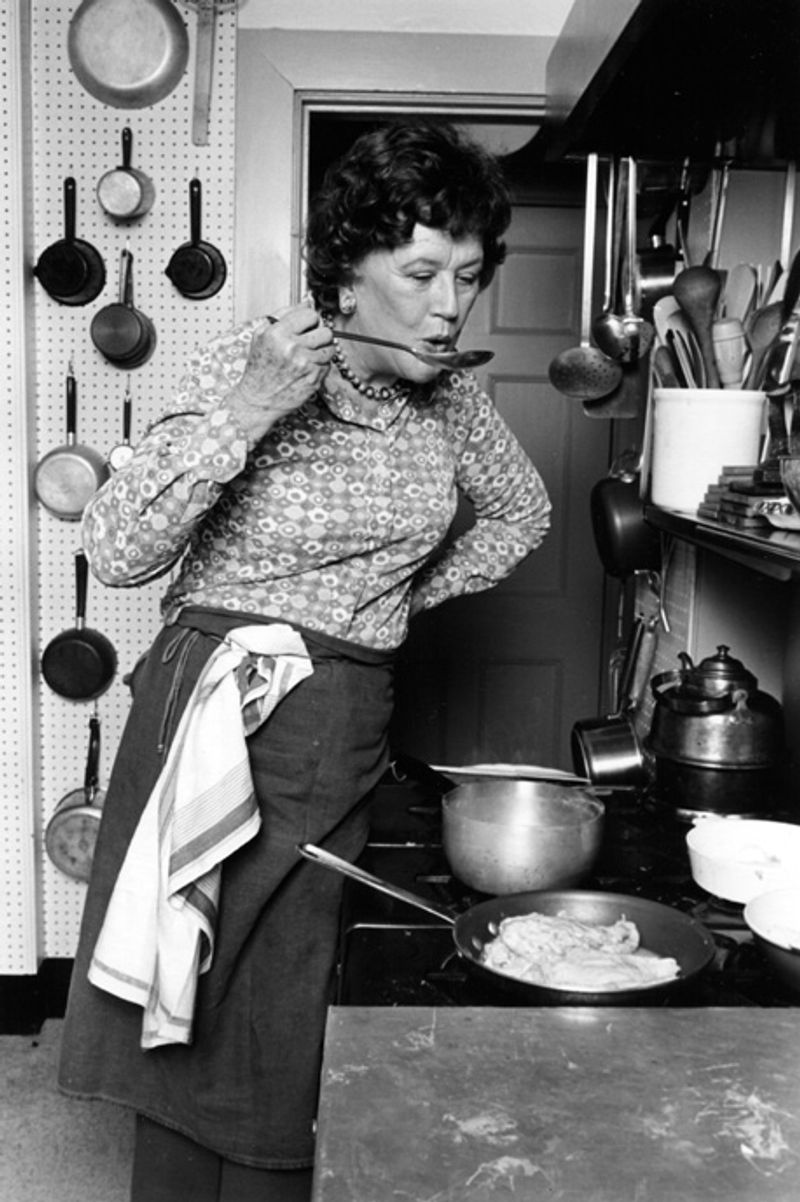
A tall voice in a small television box changed dinner more than many policy debates ever could. Julia Child arrived on American screens in the early 1960s and made French cooking look less like a private club and more like something you could try on a Tuesday.
Her show The French Chef, which debuted in 1963, treated mistakes as part of the process, not proof that you should order takeout. That mattered because postwar American food culture had leaned heavily on convenience products, molded salads, and a belief that elaborate cooking belonged to restaurants or trained experts.
Child blew that up with wit, technique, and an unapologetic respect for butter, knives, and practice. She also helped legitimize television as a place where serious culinary education could happen, influencing later generations of chefs, food writers, and home cooks.
If cooking feels approachable today, even when it is ambitious, you are living in part inside the cultural kitchen she built for millions of households.
5. Jane Jacobs
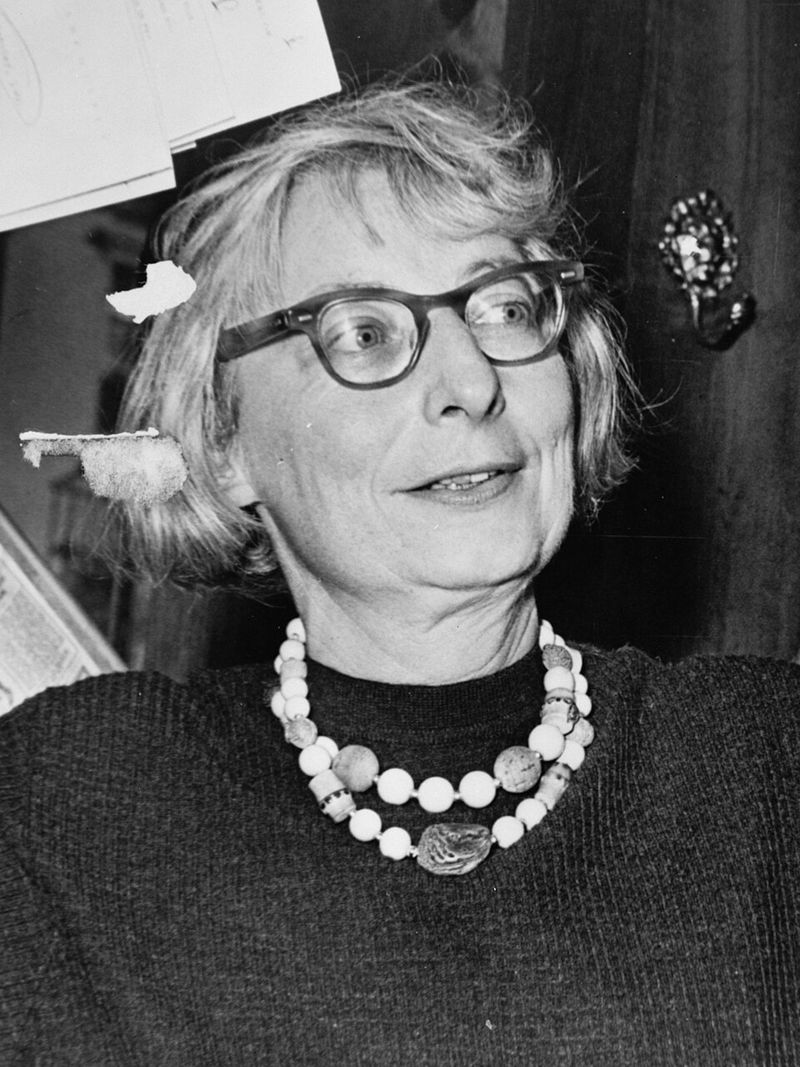
Few people have annoyed powerful planners more effectively than a journalist with a sharp eye for sidewalks. Jane Jacobs entered urban debates without formal planning credentials, then proceeded to reshape them through observation, argument, and relentless civic engagement.
Her 1961 book The Death and Life of Great American Cities challenged the top-down logic that favored superblocks, expressways, and clearance projects. Instead of treating neighborhoods as abstract diagrams, she focused on what you could actually see: mixed uses, short blocks, busy sidewalks, local shops, and the informal public trust created when people share streets.
That was a direct challenge to dominant postwar planning ideas, especially those associated with large redevelopment schemes. Jacobs also became a public symbol of neighborhood activism in New York, helping resist projects that would have displaced communities in lower Manhattan.
Today, if you hear planners praise walkability, density with human scale, or street life, you are hearing arguments she helped popularize. She changed not just city design, but who felt entitled to speak about it in the first place.
6. Mister Rogers (Fred Rogers)

Soft-spoken television usually does not get credit for rewriting cultural rules, but Fred Rogers managed exactly that. When Mister Rogers’ Neighborhood began nationally in 1968, much of children’s television prioritized speed, gags, and selling attention by the minute.
Rogers took a very different route and treated children as thoughtful people whose feelings deserved clarity and respect. He spoke directly about jealousy, anger, divorce, disability, and fear with language that was careful rather than sugary, and that helped normalize emotional literacy long before the phrase became common.
His program also modeled a gentler idea of masculinity, one built on patience, sincerity, and self-control instead of swagger. That influence spread far beyond public television, shaping parenting, early childhood education, and the broader expectation that adults should talk to children honestly without talking down to them.
You can still see his fingerprints in everything from social-emotional learning programs to modern family media. He made kindness look serious, practical, and culturally important, which was a surprisingly radical achievement.
7. Walt Disney
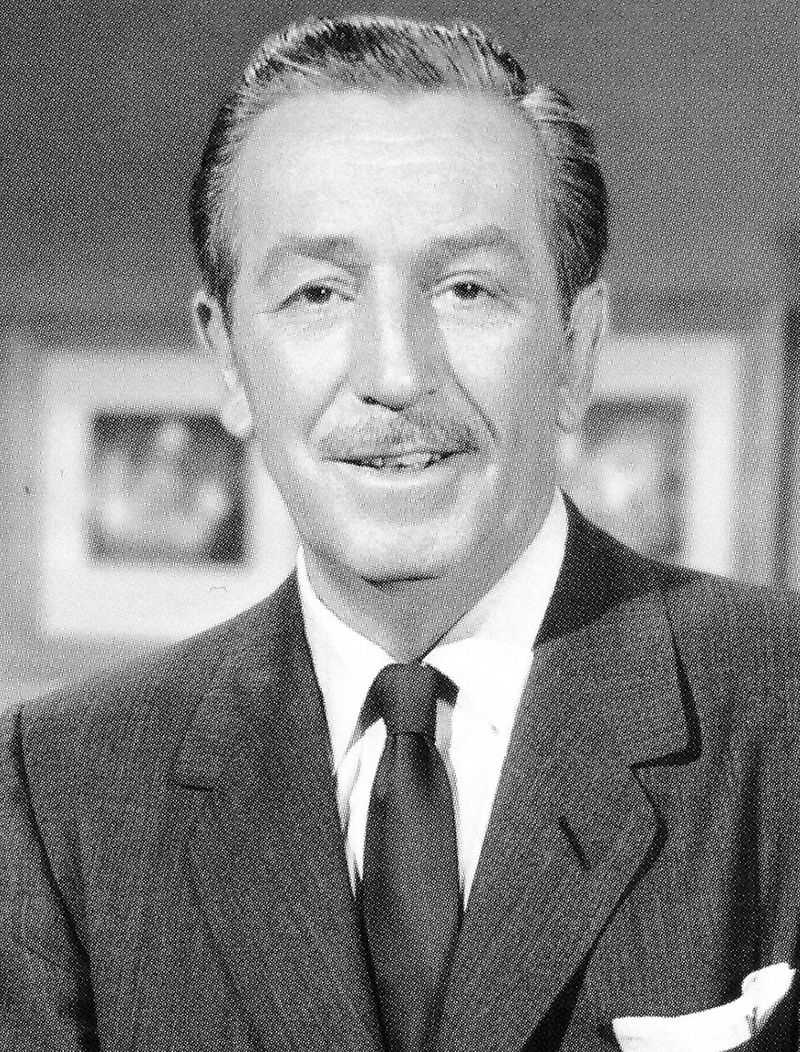
Entertainment changed shape when one animator decided stories could extend far beyond a movie screen. Walt Disney built a cultural system in which characters, music, design, merchandising, television, and themed spaces all reinforced one another.
His early animation work helped establish feature-length cartoons as major commercial storytelling, especially with Snow White and the Seven Dwarfs in 1937. But the larger surprise was his ability to turn narrative into an environment, most famously through Disneyland in 1955, where visitors did not just watch fantasy worlds but moved through them in carefully designed spaces.
That model influenced global entertainment, branding, tourism, and even corporate ideas about customer experience. Disney also standardized a certain kind of family-friendly storytelling and visual polish that became deeply embedded in twentieth-century popular culture, for better and sometimes more complicated worse.
You can trace his impact across streaming franchises, amusement parks, retail design, and nostalgia industries that package memory as a product. He did not simply make cartoons famous.
He changed how culture gets built, sold, and revisited.
8. Steve Jobs
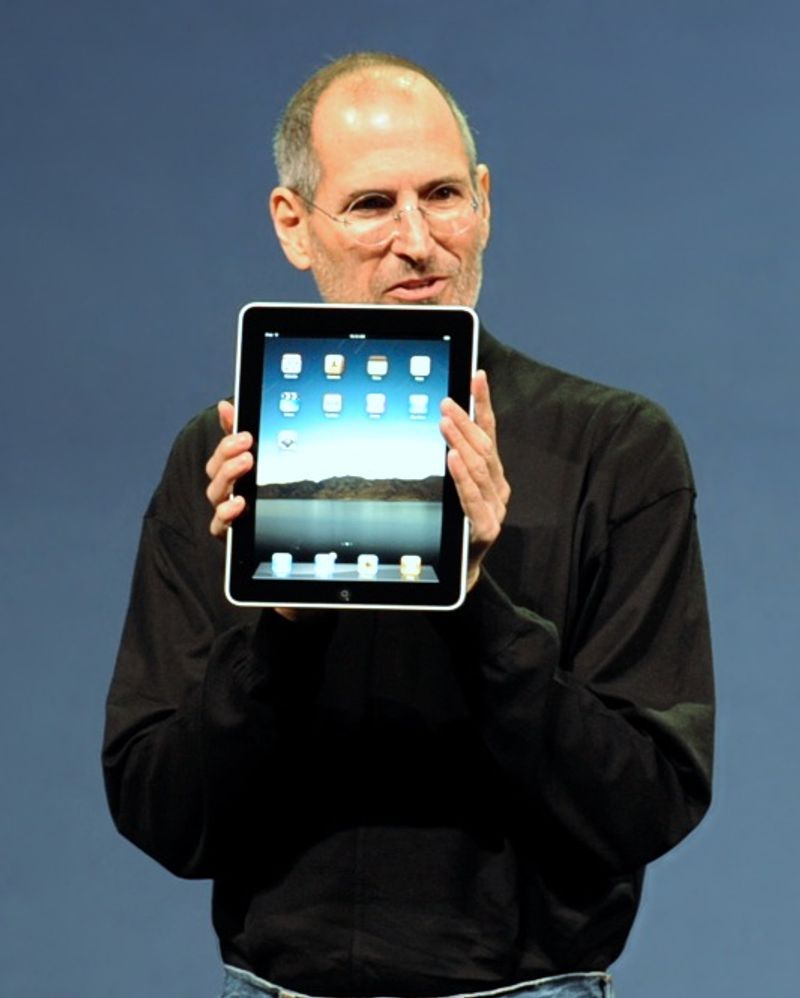
Technology got a new public personality when Steve Jobs insisted that utility alone was not enough. He helped turn consumer electronics into objects of desire, identity, and daily habit by treating design and simplicity as central features rather than decorative extras.
During his key years at Apple, especially with the iMac, iPod, iPhone, and iPad, Jobs pushed products that reduced visible complexity while increasing emotional attachment. That approach changed expectations across the industry, from packaging and typography to touch interfaces and the idea that software and hardware should feel seamless to the user.
His influence was not just technical. It altered how people shop for devices, how companies stage product launches, and how culture talks about innovation as something elegant, personal, and almost lifestyle-adjacent, a phrase Jobs probably would have edited down.
You can see the shift in homes, offices, schools, and pockets everywhere. He did not merely sell gadgets.
He helped normalize a world in which digital tools become extensions of taste, communication, work, and everyday social life.
9. Harriet Tubman
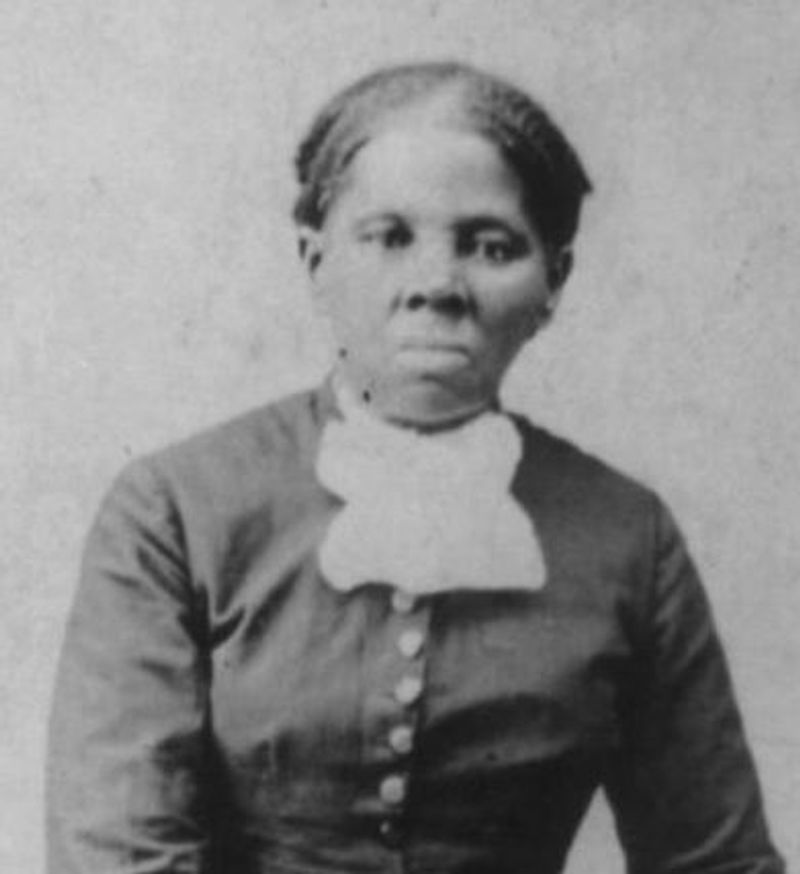
Courage can become culture when one person’s actions force a nation to rethink what bravery really looks like. Harriet Tubman is often introduced through a single role on the Underground Railroad, but her wider cultural significance reaches far beyond one label.
After freeing herself from slavery, she returned repeatedly to guide others to freedom, building a reputation for discipline, strategy, and unusual resolve. Those journeys made her a living challenge to a society that tried to define Black people as property and women as politically secondary, and she refused both definitions with action rather than theory.
Tubman later served the Union cause during the Civil War and remained active in community work and women’s suffrage, expanding her public meaning across generations. Over time, she became a symbol of resistance, self-determination, and moral clarity in American memory, school curricula, public art, and political language.
When people talk about freedom as something defended through risk, organization, and persistence, Tubman stands at the center of that conversation. Her legacy changed culture by changing the scale of what Americans could imagine one person doing.
10. Jonas Salk
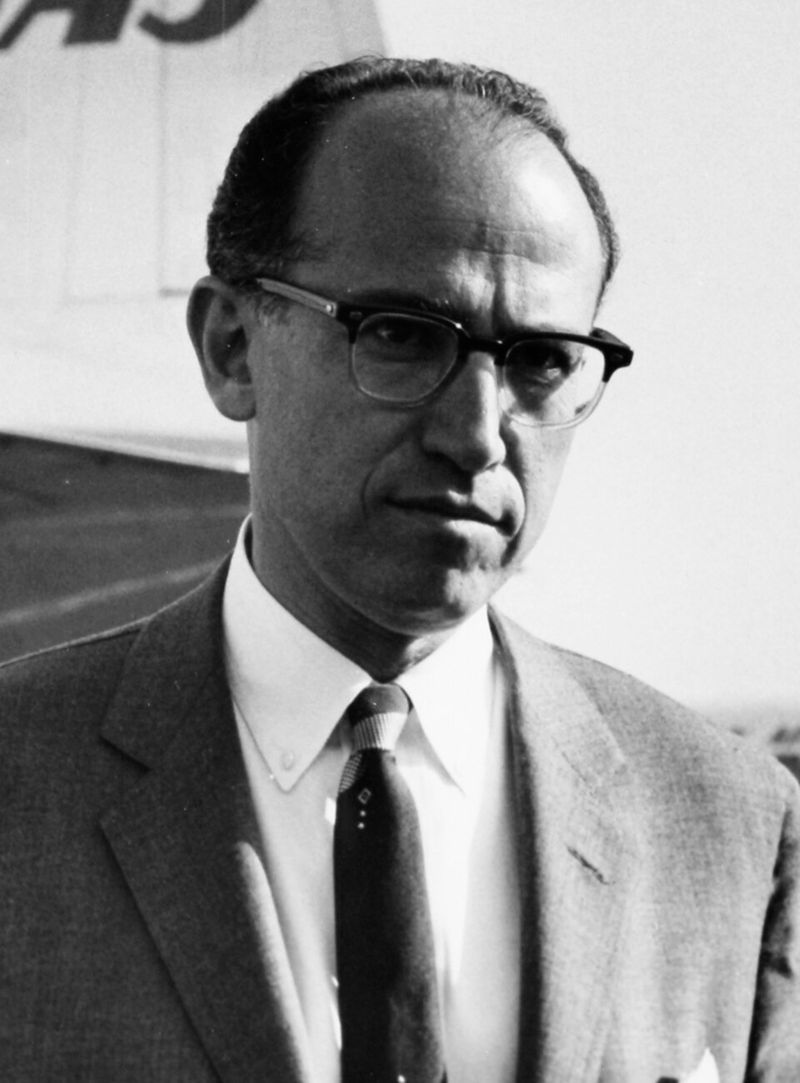
Sometimes the most influential cultural move is deciding not to cash in on a breakthrough. Jonas Salk became a household name in the 1950s for leading the development of the first successful polio vaccine, but his wider impact came from the values attached to that achievement.
At a time when polio shaped family fears, public health campaigns, and summer routines, the vaccine represented a major scientific and social turning point. When Salk was asked who owned the patent, his famous response suggested that such a vaccine belonged to the people, and that answer helped define him as more than a researcher.
Whether or not the legal and economic details were more complicated, the public meaning was unmistakable. Salk came to represent an ideal of science tied to service, and that image influenced expectations around medicine, philanthropy, and the ethical obligations of scientific leadership.
You can still see his cultural effect in debates about access, pricing, and the public good. He changed medicine’s image by making generosity look like part of the job rather than a surprising extra.
11. Ruth Bader Ginsburg
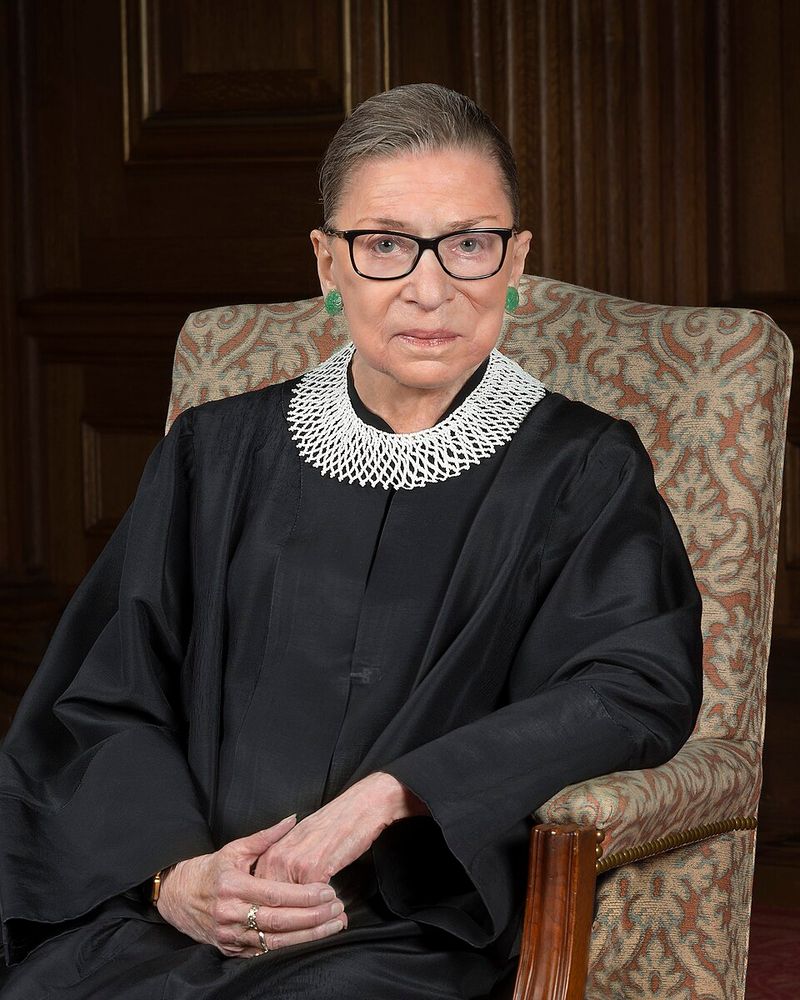
Legal writing rarely becomes pop culture, yet Ruth Bader Ginsburg somehow made briefs, dissents, and constitutional arguments part of everyday conversation. Long before she became a widely recognized Supreme Court justice, she was reshaping the legal framework around gender equality.
In the 1970s, while working with the ACLU Women’s Rights Project, Ginsburg strategically argued cases that challenged laws built on rigid assumptions about men and women. Her method was precise rather than flashy, and it gradually persuaded courts that discrimination based on sex harmed everyone, including men boxed into narrow legal roles.
That careful legal work changed workplaces, schools, benefits policy, and the ordinary expectations people carry about fairness and opportunity. Later, as a justice and public figure, she also became an unlikely cultural icon, especially for younger generations who saw in her a mix of discipline, intellect, and persistence that translated surprisingly well to posters and internet shorthand.
She changed culture twice: first through doctrine, then through symbolism. The combination helped make gender equality feel not abstract, but lived, argued, and publicly visible.
12. Henry Ford
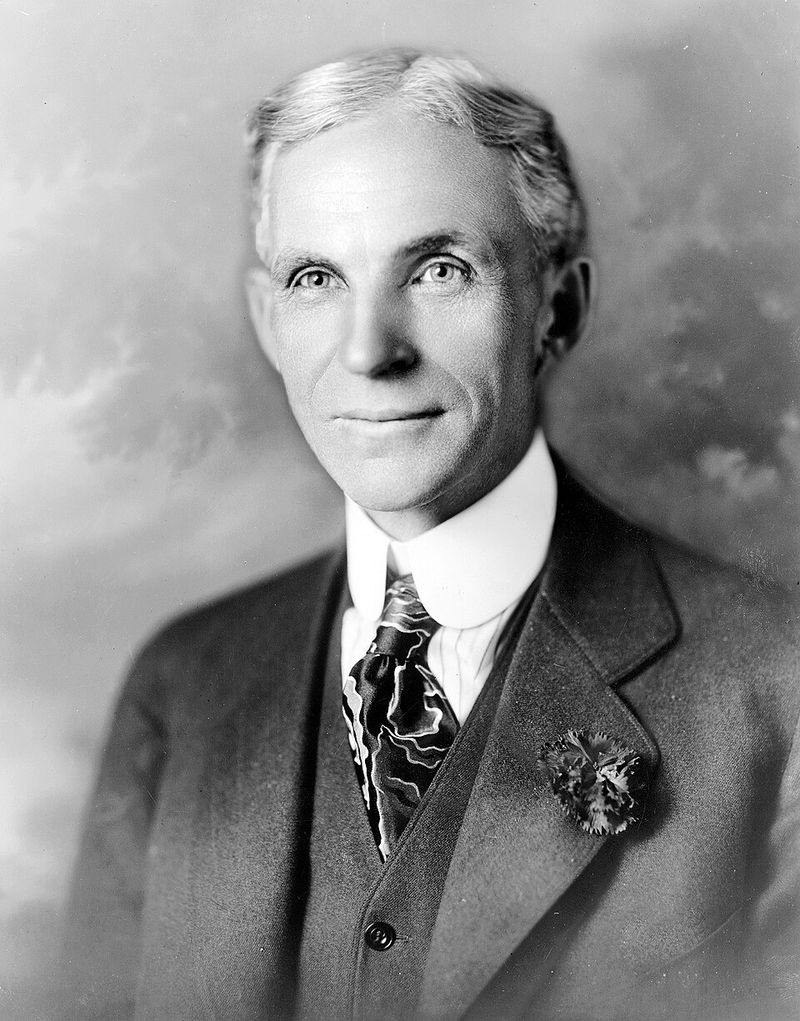
Modern daily life sped up when factory work was reorganized around motion, repetition, and scale. Henry Ford did not invent the automobile, but he transformed how it was built and who could realistically afford one.
With the moving assembly line introduced at the Highland Park plant in 1913, Ford dramatically reduced production time for the Model T and helped make car ownership accessible to a much broader public. That shift changed more than transportation because affordable cars altered housing patterns, commuting, shopping habits, road building, tourism, courtship routines, and the geography of work itself.
Ford’s wage policies and labor practices remain a more complicated story, but culturally his influence is hard to overstate. He helped create a mass-production model that spread across industries and fed the larger twentieth-century belief that efficiency could reorganize society from the factory floor outward.
If suburbia, roadside commerce, and the expectation of personal mobility feel normal, Ford is part of the reason. He changed culture by turning industrial process into a force that reshaped where Americans lived and how they structured everyday time.
13. César Chávez
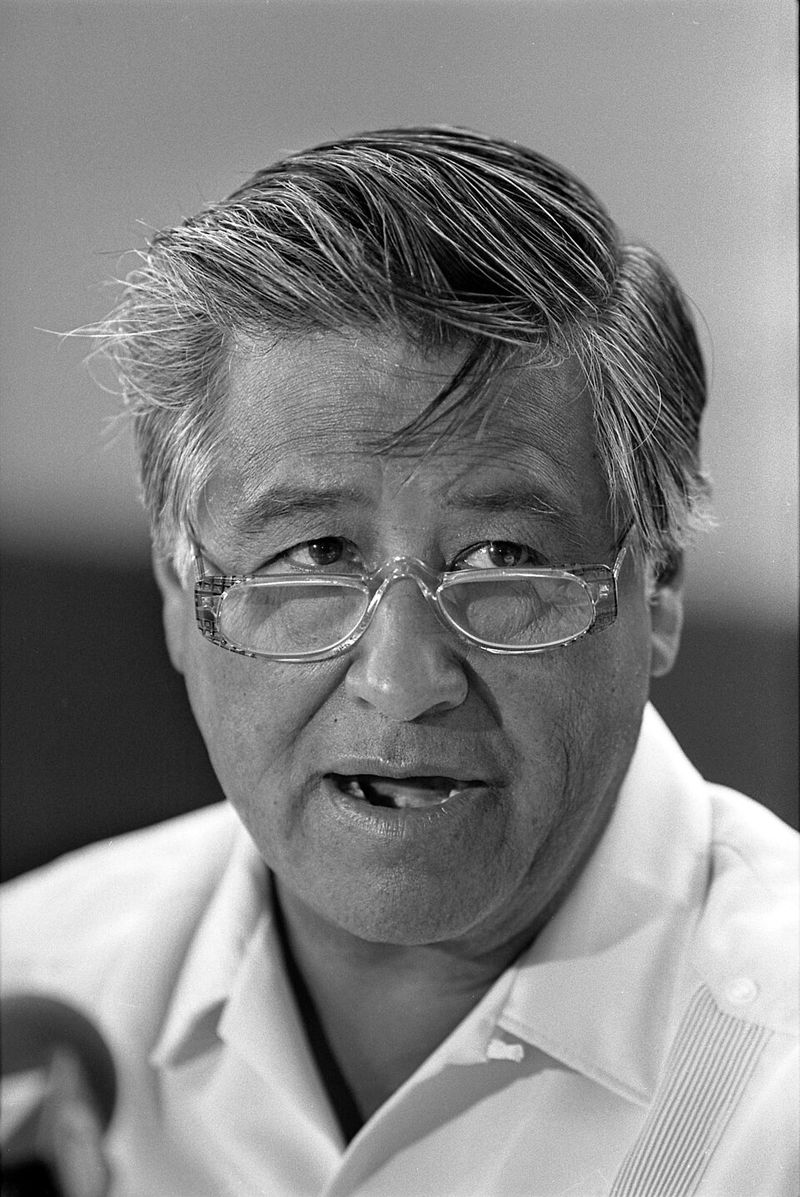
Labor history took a more visible public turn when one organizer brought farm work into the national conversation. César Chávez helped Americans pay attention to the people who harvested food, a group often excluded from mainstream discussions of rights, wages, and dignity.
As a cofounder of the United Farm Workers, Chávez used strikes, marches, boycotts, and nonviolent discipline to draw attention to working conditions in the fields. His campaigns in the 1960s and 1970s connected labor organizing with civil rights language, community identity, and consumer responsibility, asking ordinary shoppers to see their purchasing choices as part of a broader moral economy.
That strategy mattered because it expanded who felt involved in labor issues. Farm workers, many of them Mexican American and Filipino, became central figures in a national debate about fairness, representation, and respect for essential work that had long been treated as invisible.
Chávez changed culture by linking workplace rights to public conscience in a memorable way. When people talk about dignity on the job as a national issue rather than a private complaint, his organizing remains part of that vocabulary.
Share this story