 Unearth The Voyage
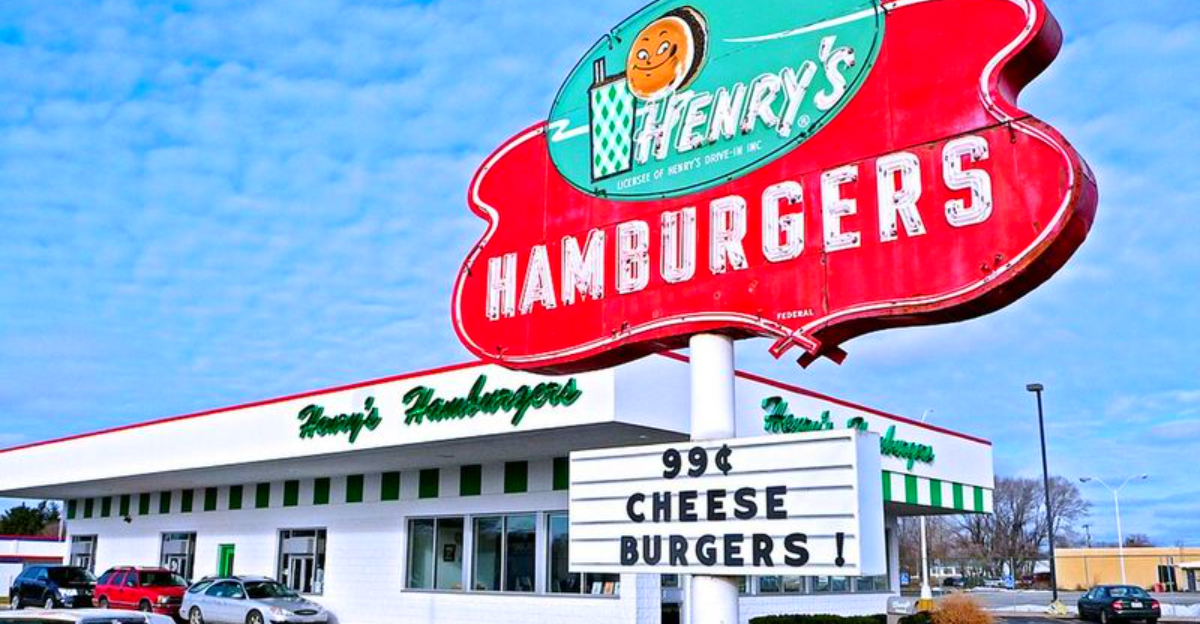
Fast-food favorites come and go, but some names still spark memories of road trips, mall lunches, and late-night stops. This list revisits chains Americans once loved that have since disappeared or faded from view.
You will find what made them popular, why they declined, and where a few surviving locations still hang on. It is a straightforward tour through a slice of dining history you can almost taste.
1. Howard Johnson’s (restaurants)
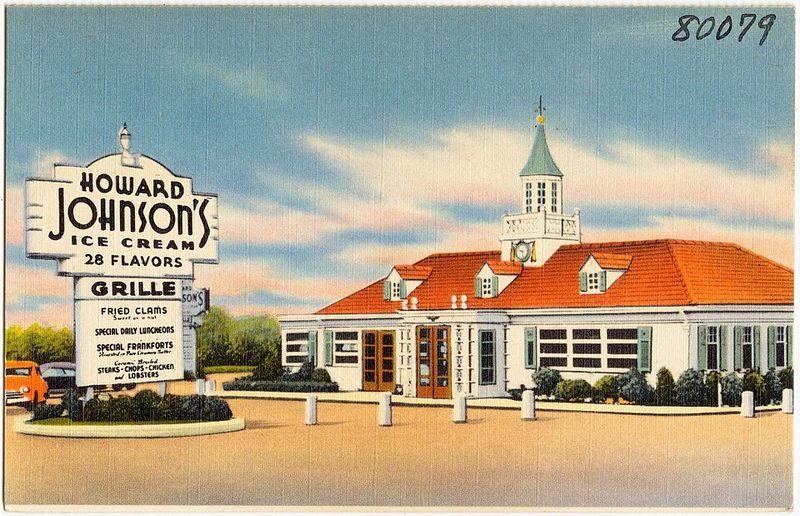
Howard Johnson’s restaurants were once a highway landmark, famous for bright orange roofs, 28 ice cream flavors, and reliable comfort food. At their peak in the 1960s and 1970s, hundreds dotted turnpikes and tourist routes, serving fried clams, frankfurters, and grilled favorites.
Families planned trips around them because the menus were predictable, prices fair, and service quick.
The decline started as interstate exits filled with newer brands and franchising pressure increased. Rising costs, changing tastes, and competition from quick-service burger giants eroded traffic.
Motor lodges modernized faster than the restaurants, and the signature menu felt dated against expanding fast-casual options.
By the 2000s, only a handful remained, many converted or closed as real estate values rose. A few nostalgic revivals have appeared, but the original chain is effectively gone.
What survives is a distinct memory of road-trip America and a model for consistent branding long before social media.
2. Chi-Chi’s
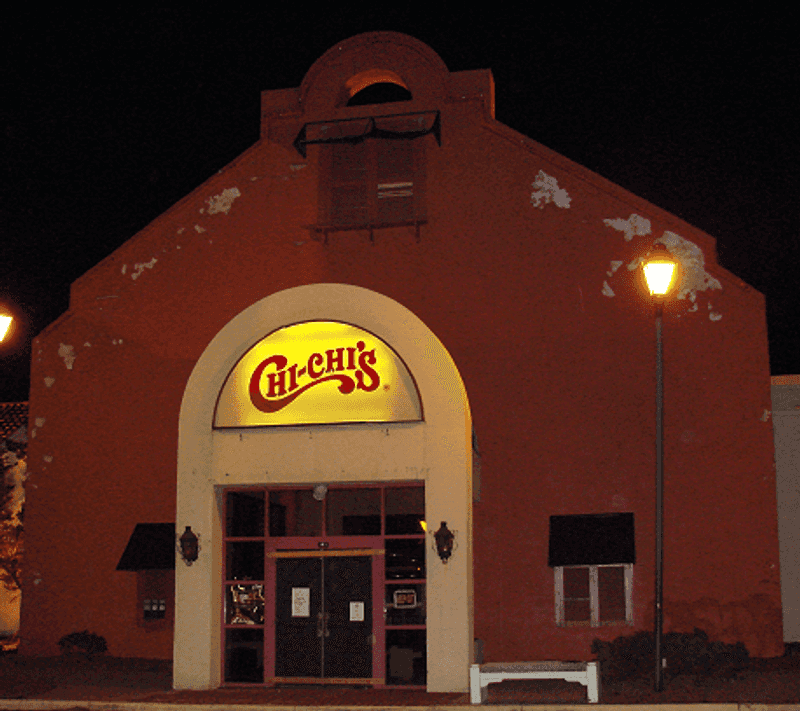
Chi-Chi’s popularized Americanized Mexican fare in the 1980s, with sizzling fajitas, baskets of chips, and very large margaritas. The restaurants emphasized festive dining over speed, but many locations offered quick lunch combos that competed with fast-casual choices.
Bright interiors, celebratory music, and generous portions made it a go-to spot for birthdays and group dinners.
Its troubles mounted in the late 1990s and early 2000s as newer Mexican chains offered faster service and fresher positioning. A devastating hepatitis A outbreak linked to green onions in 2003 severely damaged the brand in the United States.
Bankruptcy followed, and most locations closed or were rebranded by competitors.
While Chi-Chi’s grocery products lingered on shelves, the restaurants in America largely vanished. In some international markets, licensed locations continued for a time, preserving the name abroad.
For many diners, Chi-Chi’s remains a memory of sizzling platters and a party-first approach that paved the way for later Tex-Mex players.
3. Burger Chef
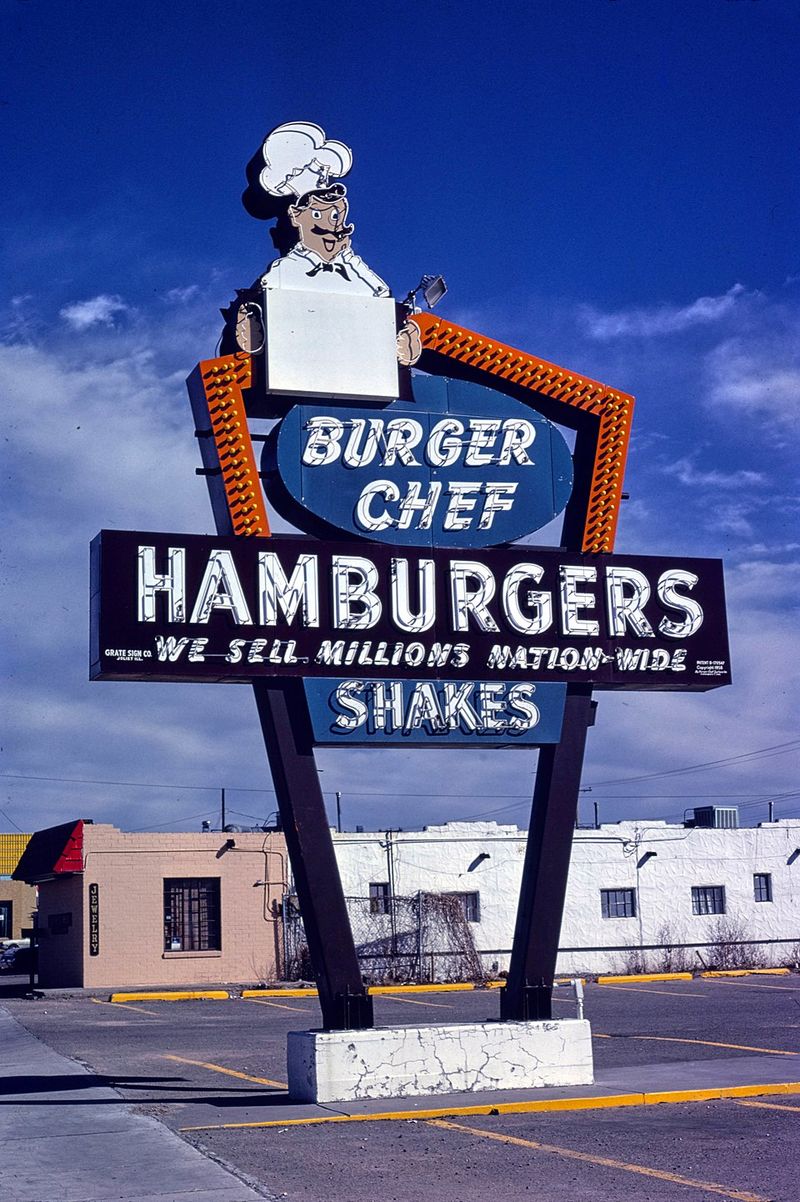
Burger Chef grew rapidly in the 1960s, pioneering innovations that later became industry staples. It introduced value-focused combos and a self-serve toppings bar that let customers customize burgers long before build-your-own became standard.
With thousands of locations at its height, it was a formidable rival to McDonald’s.
Ownership changes and inconsistent marketing hurt momentum in the 1970s. As competitors refined operations and kid-focused promotions, Burger Chef struggled to sustain a distinct identity.
Quality control varied by store, and advertising could not keep pace with rivals’ national campaigns.
Many restaurants were sold or converted after a major acquisition in the early 1980s, effectively ending the brand. Its influence persists through menu ideas and operational concepts others later adopted.
For burger fans, Burger Chef represents a lost competitor that helped shape the modern fast-food playbook.
4. Lum’s
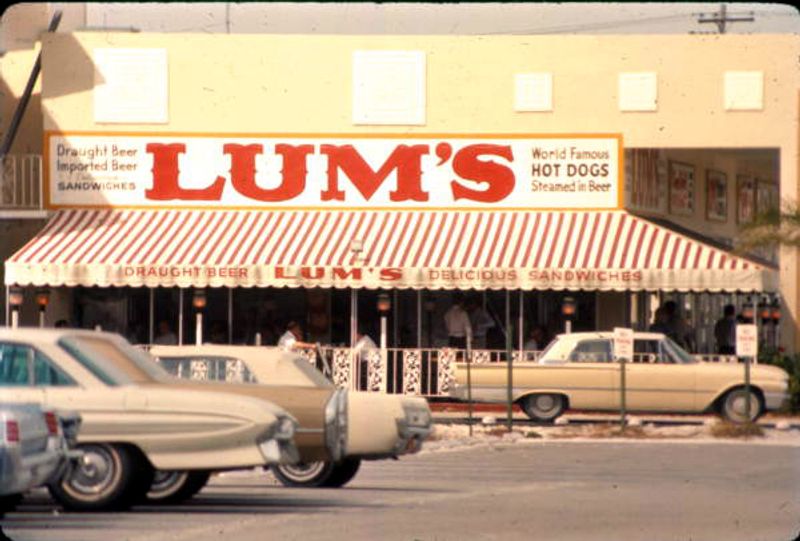
Lum’s gained attention for beer-steamed hot dogs and friendly, casual dining with a beach-town feel. Originating in Florida, it expanded quickly during the 1960s and 1970s through franchising.
Menus featured hot dogs, burgers, and hearty sandwiches served with frosty mugs, capturing a relaxed vacation spirit.
Rapid growth left some locations inconsistent, and management changes complicated operations. As tastes shifted toward healthier or more specialized menus, Lum’s core offerings felt less distinctive.
Financial strains, competition, and changing drinking regulations eroded the brand’s edge.
Most Lum’s restaurants closed by the 1980s and 1990s, with a few last holdouts drawing nostalgic crowds. The beer-steamed hot dog remains a quirky hallmark remembered by longtime fans.
In American fast-food history, Lum’s represents a playful concept that rose fast, influenced beachside dining culture, and then receded as market forces intensified.
5. Red Barn
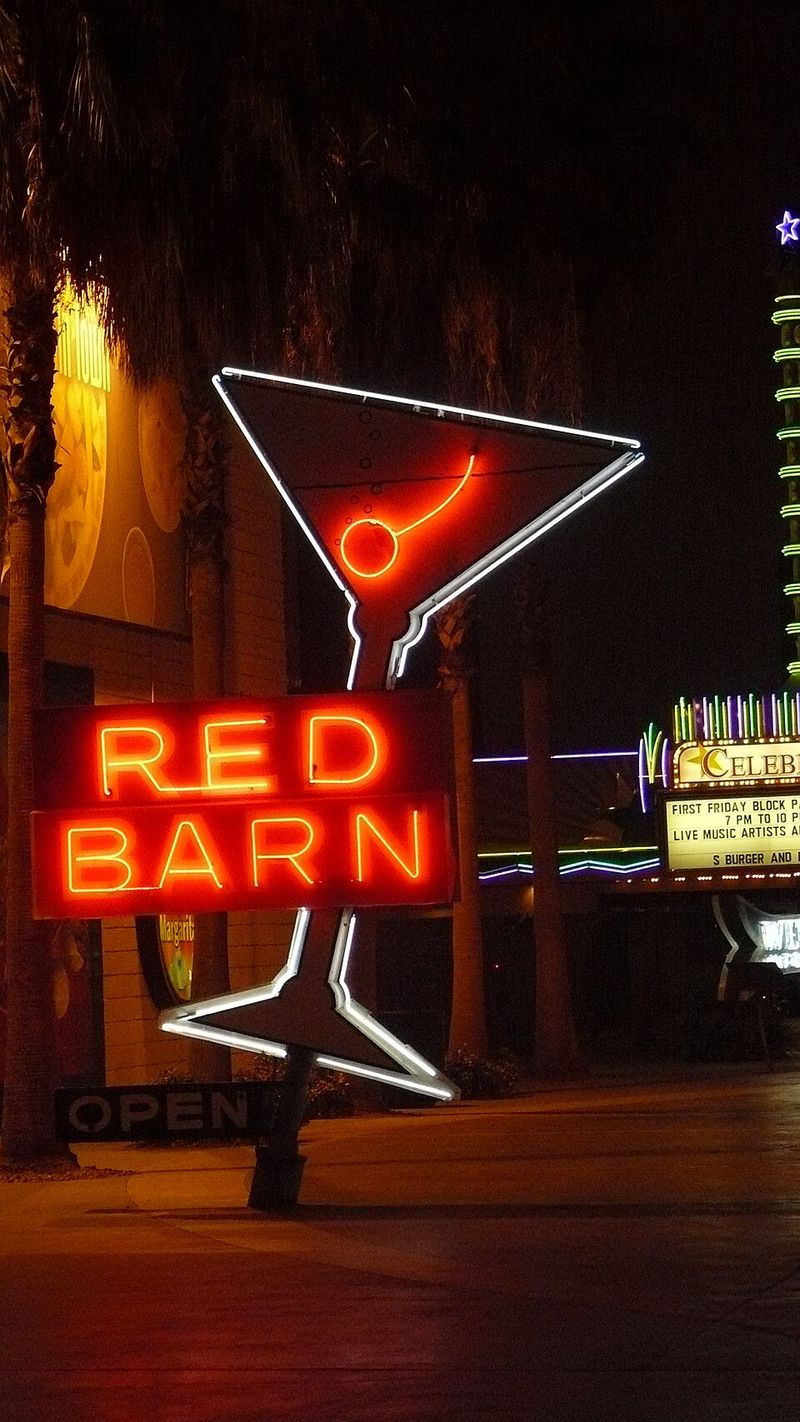
Red Barn stood out with buildings shaped like actual barns, making the restaurants instantly recognizable. The menu covered burgers, fried chicken, and fish, plus salad bars that felt ahead of their time for quick service.
Kid-friendly branding and quirky mascots helped cement a loyal customer base in the 1960s and 1970s.
Corporate ownership changes fragmented support, and advertising lost cohesion. Competitors improved drive-thru speed, while some Red Barn sites struggled with maintenance and modernization costs.
Real estate dynamics favored chains with stronger capital to remodel and advertise nationally.
By the 1980s, many locations closed or converted, though the brand maintains a strong nostalgic following online. Some former franchisees kept similar menus under independent names.
Red Barn’s legacy includes distinctive architecture and early menu breadth that anticipated today’s all-in-one fast-food choices.
6. Wetson’s

Wetson’s was a New York area burger chain that competed head-to-head with McDonald’s during the 1960s. Known for low prices and quick service, it positioned itself as a local alternative with catchy slogans and streamlined menus.
Young customers loved the speedy counter and drive-in feel.
Expansion challenges and intense pressure from national rivals strained the company. As marketing budgets escalated, Wetson’s could not match television buys or uniform remodeling programs.
Operational costs rose, and several locations underperformed as suburban patterns shifted.
By the mid 1970s, most restaurants closed or were absorbed by larger brands. The name lingers in regional memory as a scrappy contender that captured an early fast-food moment.
Wetson’s story highlights how scale, advertising muscle, and evolving consumer expectations can make or break a promising regional player.
7. Henry’s Hamburgers
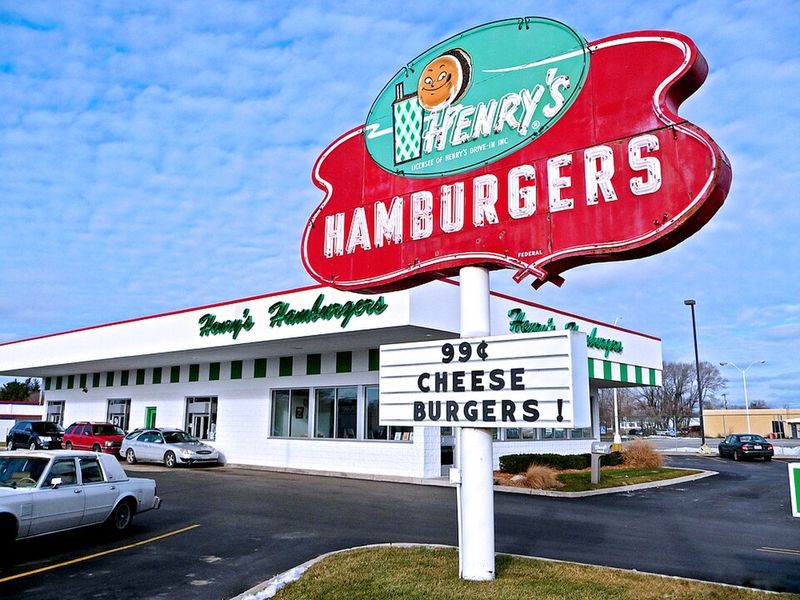
Henry’s Hamburgers grew from a Midwestern base, offering cheap burgers, fries, and shakes served fast at drive-in style locations. In the 1950s and 1960s, it expanded through franchising that promised low startup costs and simple operations.
The brand leaned on car culture and family-friendly prices to build traffic.
Over time, inconsistent franchising standards led to uneven quality and branding. Competitors standardized menus and marketing, while Henry’s struggled to keep a cohesive identity.
Suburban development shifted traffic patterns, and some sites lost visibility to newer, more polished drive-thrus.
Most Henry’s locations closed by the late 1970s and 1980s, with a few independent survivors keeping the name alive. Nostalgic fans still share photos and menus online, remembering bargain pricing and curbside service.
Henry’s illustrates how early momentum can fade without uniform systems, capital for upgrades, and recognizable national campaigns.
8. Pup ’N’ Taco
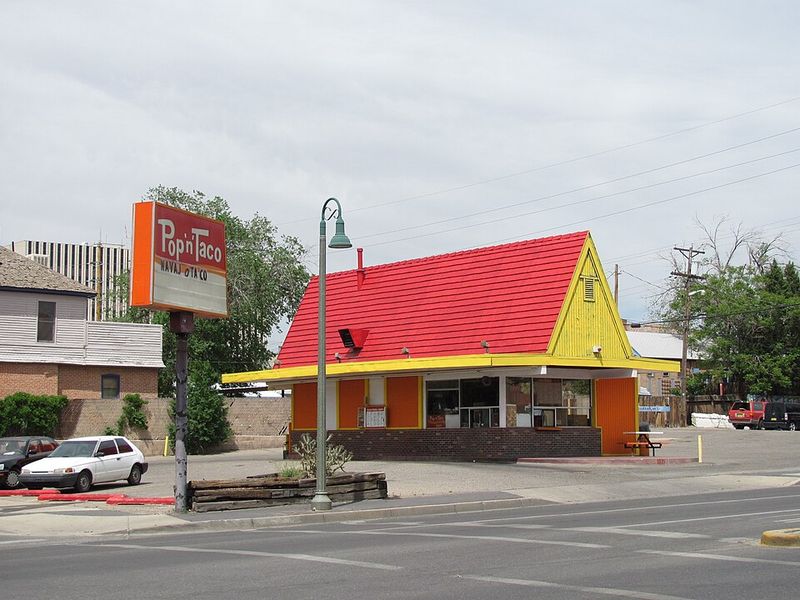
Pup ’N’ Taco was a Southern California chain selling tacos, hot dogs, and slushes under a colorful roadside aesthetic. The unusual mix let customers grab both Mexican-inspired items and classic American snacks in one stop.
Bright signs and simple walk-up windows made it a convenient choice for drivers.
As larger chains refined drive-thru efficiency and streamlined menus, Pup ’N’ Taco faced pressure. Many locations were sold in the 1980s to a major burger brand seeking West Coast expansion.
The remaining units lacked the marketing support needed to compete statewide.
Though the name occasionally reappears in nostalgic references, the unified chain is gone. Its hybrid menu concept foreshadowed today’s cross-cultural fast-food mashups.
For locals, it evokes an era of sun-faded menus, quick counter service, and budget-friendly treats along busy boulevards.
9. White Tower
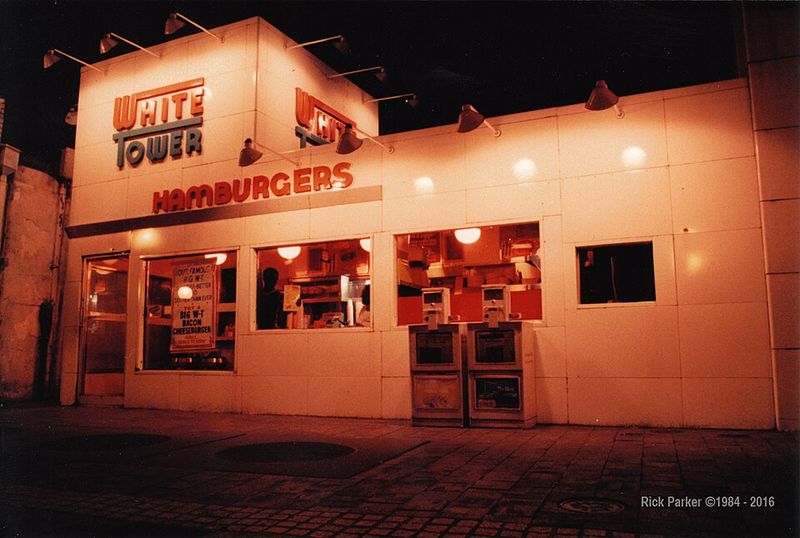
White Tower borrowed design cues from White Castle, building small, gleaming restaurants with a consistent Art Deco look. The menu centered on small hamburgers, coffee, and simple sides served quickly at counters.
Urban locations made the brand a recognizable stop for workers and late-night diners.
Legal disputes with White Castle over trade dress influenced branding and expansion. Postwar suburbanization pulled customers away from downtown street corners to drive-thru formats.
Modernization costs and real estate pressures further reduced the chain’s footprint.
By the late 20th century, most White Tower locations had closed or converted, leaving only scattered remnants. Collectors and historians still celebrate the streamlined architecture and role in early quick service.
The brand remains a window into pre-drive-thru urban dining and the importance of design in fast-food identity.
10. Sambo’s
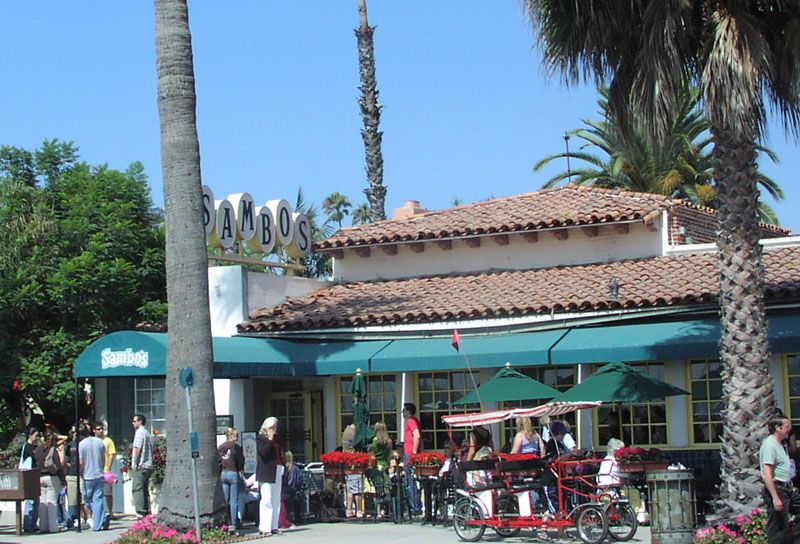
Sambo’s grew quickly as a coffee shop and breakfast-focused chain with pancakes, omelets, and all-day diner staples. It offered fast, affordable meals with table service, blurring the line between quick service and family dining.
Bright interiors, orange-and-brown branding, and kid-friendly menus drew steady morning traffic.
Controversy over the name and branding increased in the 1970s and 1980s, as public awareness of racial insensitivity rose. Economic pressures and lawsuits compounded reputational damage.
Franchises closed or rebranded, and the company went through restructurings that thinned its presence dramatically.
A few legacy locations later operated under different names, focusing on pancakes and coffee. The broader chain, however, faded from national view.
Sambo’s history highlights how branding decisions and cultural shifts can define a restaurant’s trajectory as much as menu or service speed.
11. Valle’s Steak House
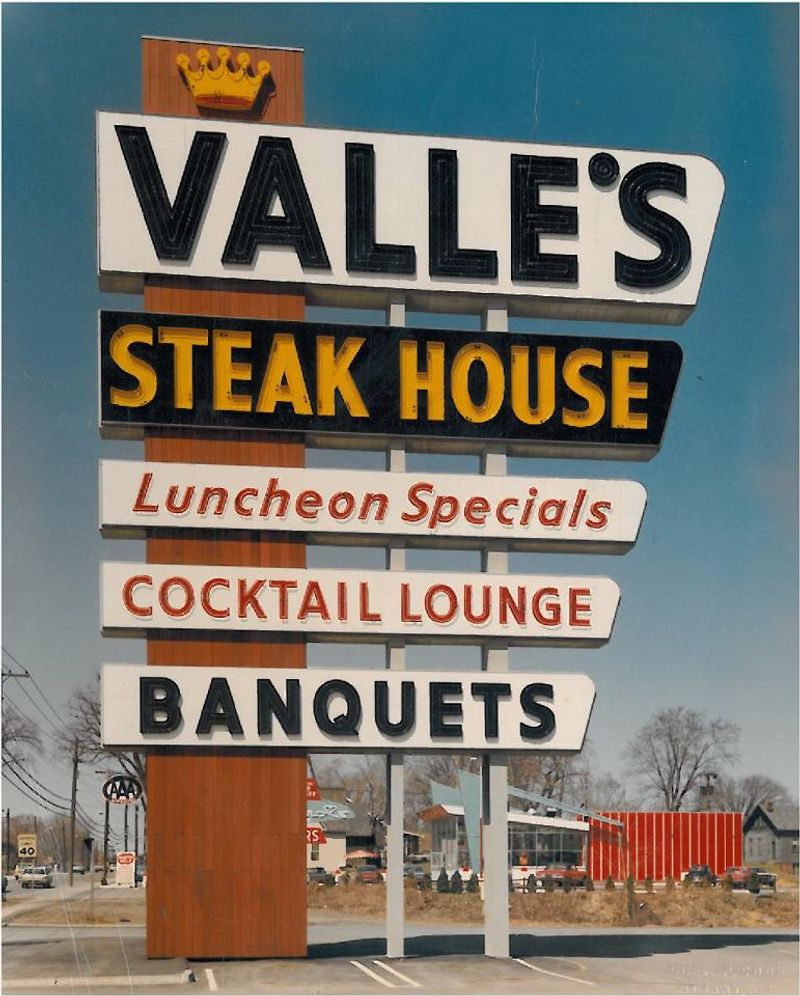
Valle’s Steak House specialized in large-format dining built for crowds, featuring steak and seafood at approachable prices. Many locations were sprawling, with banquet rooms and high-capacity dining that suited celebrations and tour groups.
Though closer to casual dining than fast food, Valle’s emphasized speed, value, and volume.
Rising beef prices, seasonal tourism swings, and changing dining habits challenged the business model. Competition from newer steakhouses and buffets cut into margins.
As operating costs climbed, those cavernous dining rooms became liabilities rather than assets.
By the 1990s, most Valle’s locations had closed, with a few buildings repurposed. The brand remains a New England memory of generous surf-and-turf plates and efficient service for big parties.
Valle’s reflects how scale can help during growth yet hinder adaptation when consumer behavior and cost structures shift.
12. York Steak House
York Steak House brought counter-service steak meals to shopping malls, pairing cafeteria lines with affordable sirloins and sides. Guests ordered at a tray line, paid, and carried plates to wood-paneled dining rooms near anchor stores.
It provided a fast, hearty option during mall trips.
As malls evolved and foot traffic migrated, York struggled to maintain volumes. Rising beef costs and competition from food courts and casual steakhouses squeezed margins.
Some franchisees adapted, but brand cohesion weakened and locations thinned.
By the late 1980s and 1990s, most units closed, though a small number persisted independently. Nostalgic diners remember the tray rails, baked potatoes wrapped in foil, and simple dessert counters.
York’s story captures the tight link between real estate trends and restaurant fortunes, especially for mall-dependent concepts.
13. Doggie Diner
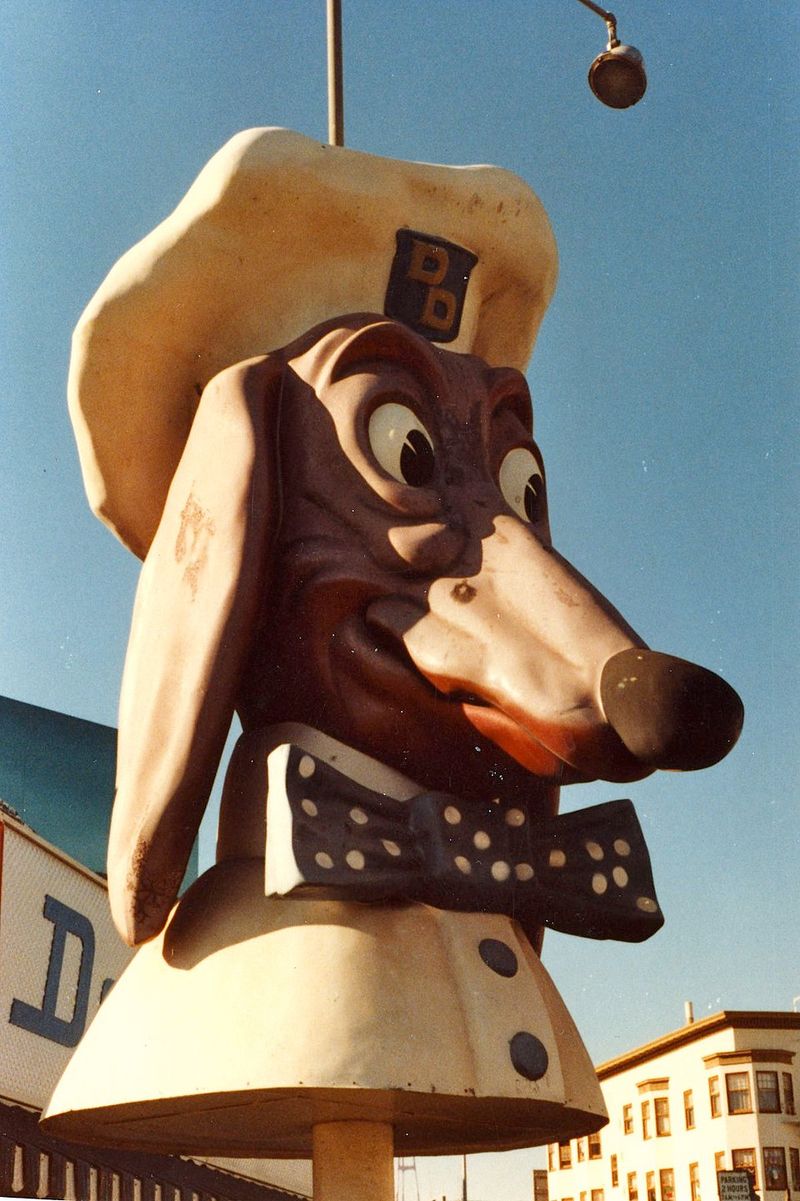
Doggie Diner was a San Francisco Bay Area chain known for hot dogs, burgers, and its iconic dachshund head sign wearing a bow tie and chef’s hat. The playful mascot became a local landmark visible from busy avenues.
Quick counter service and late hours fit the city’s on-the-go rhythm.
Competition from national brands, rising urban rents, and changing neighborhood patterns strained operations. Modernization costs mounted, and brand scale was too small to secure national advertising.
Gradually, units closed, and the famous signs were preserved as local art pieces.
Though the restaurants are gone, the mascot endures as a piece of regional culture. Fans collect memorabilia and share photos of the restored statues.
Doggie Diner’s legacy shows how a strong visual identity can outlive the business that created it.



