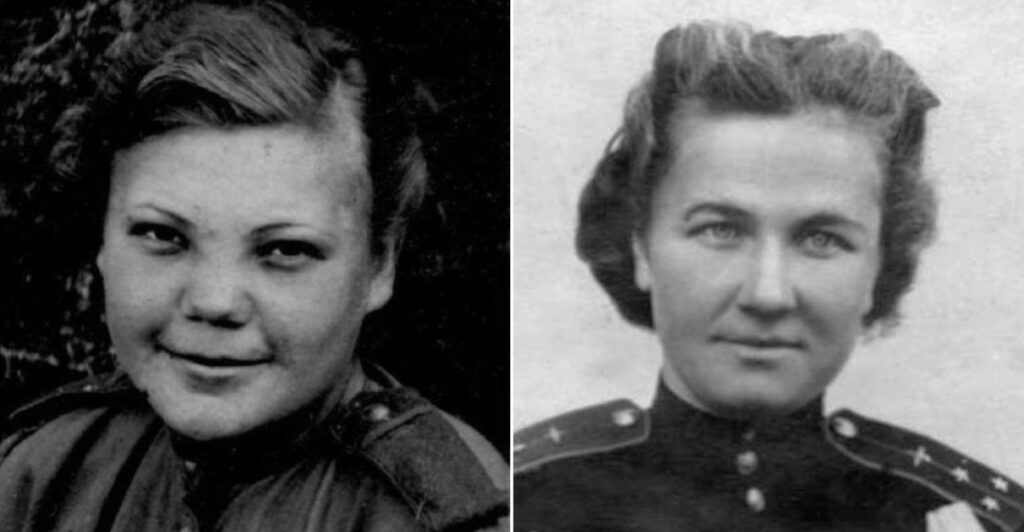
World War II was not just a man’s war. Women stepped onto the front lines, picked up rifles, flew fighter planes, and fought with a ferocity that left enemies shaking.
Some of these women became legends, celebrated as heroes in their home countries but barely known elsewhere. Get ready to meet 20 remarkable women who proved that courage has absolutely no gender.
Lyudmila Pavlichenko
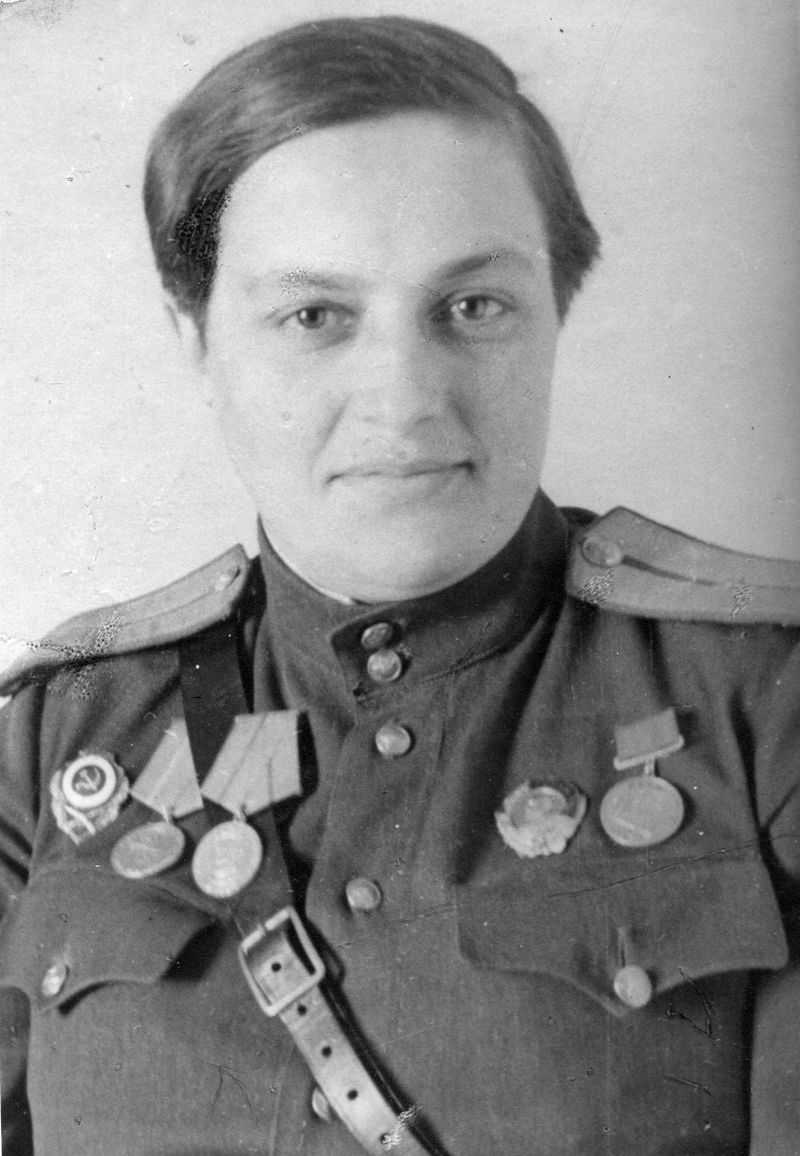
She racked up 309 confirmed kills and made Hitler’s generals sweat through their uniforms. Lyudmila Pavlichenko was the deadliest female sniper in history, earning the nickname “Lady Death” from both allies and enemies alike.
That is not a title you put on a business card lightly.
Born in Ukraine in 1916, she joined the Red Army after Germany invaded the Soviet Union in 1941. She was so skilled that the Nazis reportedly broadcast warnings over loudspeakers, begging Soviet soldiers to hand her over.
Bold strategy. It did not work.
She later toured the United States and Canada, giving speeches that wowed crowds. Eleanor Roosevelt personally invited her to the White House.
When journalists asked about her lipstick instead of her kills, she was famously unimpressed. Pavlichenko was awarded the Hero of the Soviet Union medal, the highest honor possible.
Roza Shanina
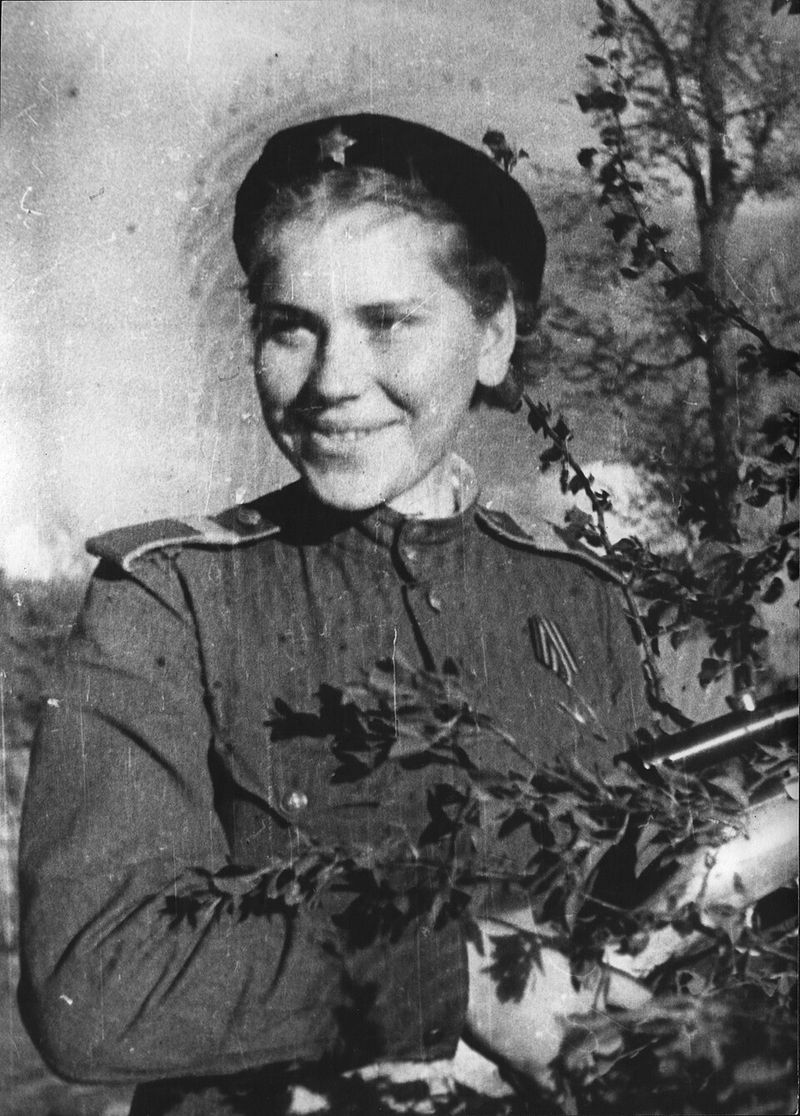
At just 20 years old, Roza Shanina had already become one of the most feared snipers on the Eastern Front. She volunteered for combat despite being offered safer roles, because apparently danger had a standing invitation with her name on it.
Shanina served with the 3rd Belorussian Front and accumulated 54 confirmed kills. She was known for her ability to hit two targets almost simultaneously, a skill that earned her the Order of Glory twice.
Her diary entries show a thoughtful young woman behind the deadly precision.
She was mortally wounded in January 1945 while shielding a wounded artillery commander with her own body. She died the next day at just 20 years old.
Roza Shanina never got to see the war end, but her story has outlasted every bullet she ever fired. Few fighters, male or female, left behind such a powerful legacy.
Nina Petrova
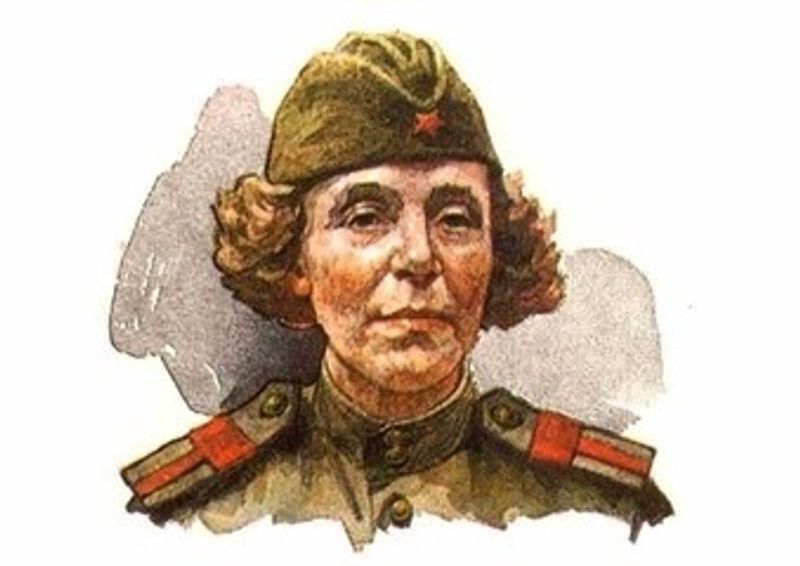
Most soldiers heading to war are in their twenties. Nina Petrova was 48 years old when she picked up a sniper rifle and decided she was not done yet.
She is basically the coolest grandmother who ever lived, except she had 122 confirmed kills to her name.
Petrova had been a sports shooting champion before the war, so accuracy was already in her DNA. When Germany invaded, she enlisted without hesitation and became an instructor as well as an active sniper.
She trained dozens of other female snipers who went on to serve with distinction.
She survived the entire war, which itself is remarkable for a front-line sniper. Petrova received the Order of Glory three times, making her one of a tiny number of women to earn that full set.
She passed away in 1945 in a vehicle accident shortly after the war ended, just weeks from full peace.
Aliya Moldagulova
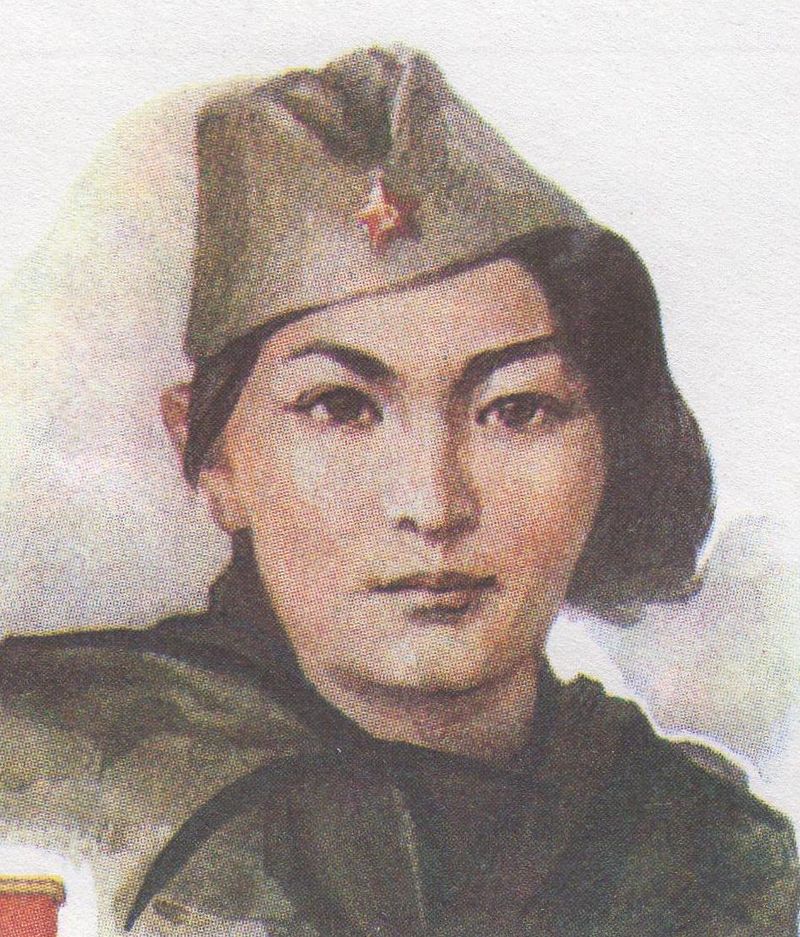
Aliya Moldagulova was only 16 when she enrolled in a sniper school, lying about her age to get in. By the time the truth came out, her shooting scores were too impressive for anyone to send her home.
Born in Kazakhstan in 1925, she became one of the most celebrated snipers of the war with 91 confirmed kills. She fought on the Leningrad Front and was known for her cool nerve under fire.
Her fellow soldiers said she moved through combat zones like she had somewhere more important to be afterward.
In January 1944, during a fierce battle near Pskov, she led a charge against German positions after her commanding officer fell. She was shot during that charge and died from her wounds at just 18 years old.
Kazakhstan named her a Hero of the Soviet Union and she remains a national icon there to this day. Her story is taught in schools across Central Asia.
Nina Lobkovskaya
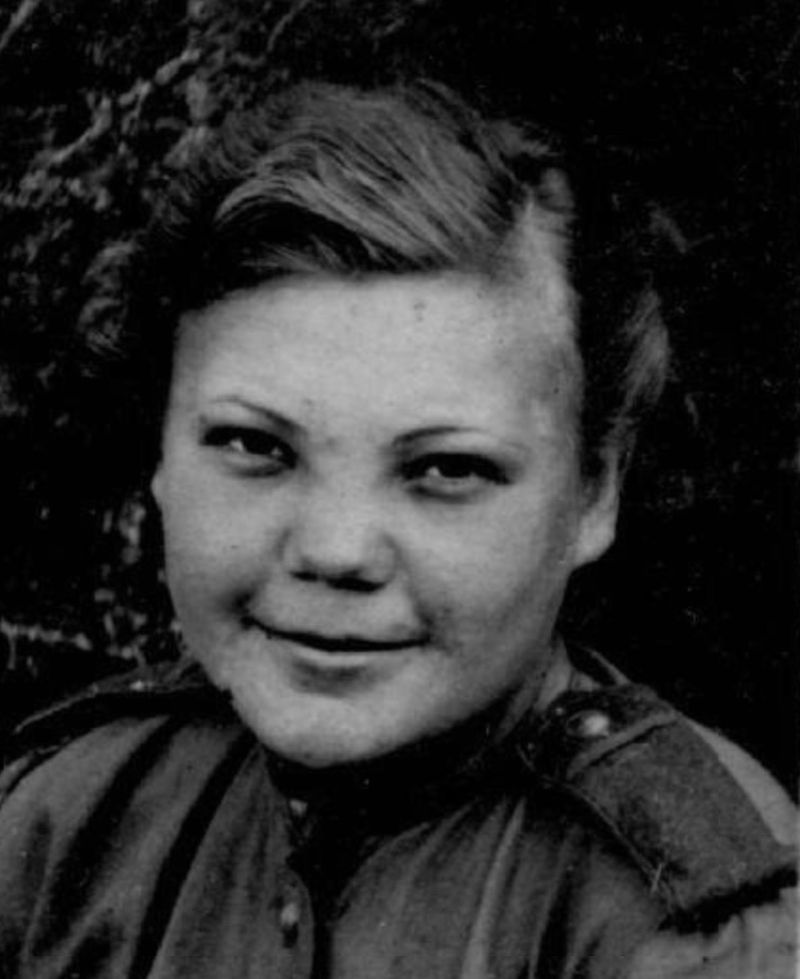
Nina Lobkovskaya did not just become a sniper. She became a commander of snipers, leading a platoon of women who collectively racked up over 3,000 confirmed kills.
That is not a unit you want to be on the wrong side of.
She served with the 3rd Shock Army and was known for her strategic thinking as much as her marksmanship. Lobkovskaya understood that a well-placed sniper could change the outcome of an entire battle, and she used that knowledge brilliantly.
Her platoon became one of the most decorated sniper units of the war.
After the war, she worked tirelessly to preserve the memory of female soldiers who were often overlooked in official histories. She gave lectures, wrote accounts, and pushed for recognition of her comrades.
Lobkovskaya understood that winning the war was one thing, but winning the historical record was an entirely different battle. She fought that one just as hard.
Yekaterina Mikhailova-Demina
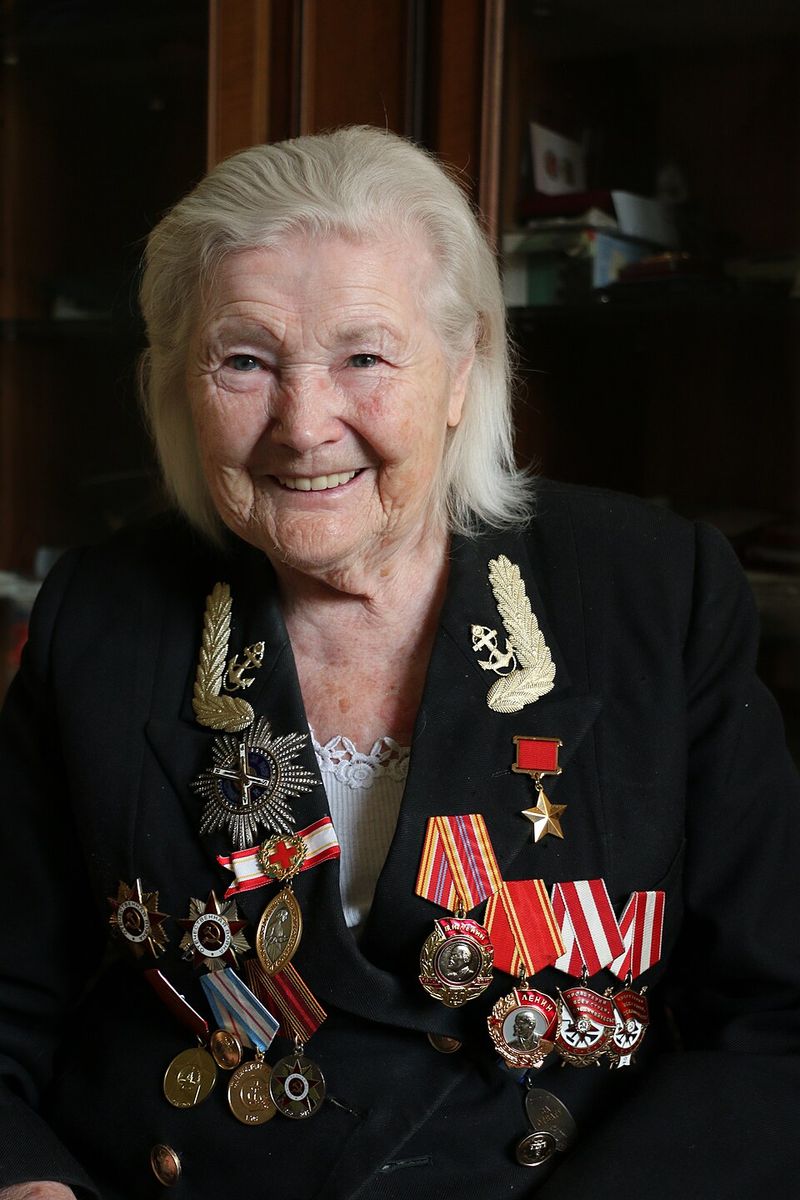
Yekaterina Mikhailova-Demina was a naval marine, which is already impressive enough. But she also served as a medic while fighting, dragging wounded soldiers out of active combat zones under fire.
She did both jobs simultaneously, because apparently one act of heroism at a time was not her style.
She participated in the famous Danube Flotilla operations, including amphibious assaults across rivers while bullets were flying in every direction. Mikhailova-Demina was wounded multiple times but kept returning to the front.
Her resilience became the stuff of legend among her fellow marines.
After decades of being overlooked, she was finally awarded the Hero of the Russian Federation title in 1995, fifty years after the war ended. Better late than never, though she deserved it the whole time.
She lived to be 93 years old, long enough to see her story finally told properly. Few veterans carried their history with as much grace as she did.
Ziba Ganiyeva
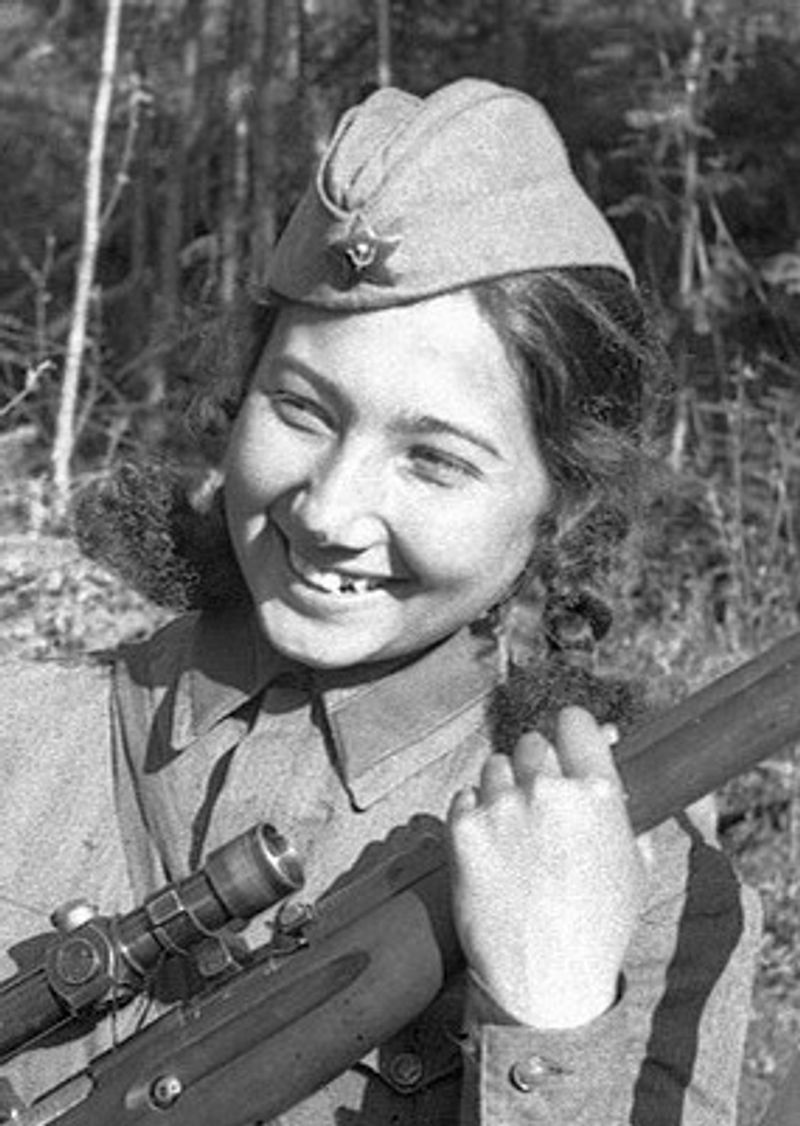
Ziba Ganiyeva came from Azerbaijan and fought on the front lines of one of history’s deadliest conflicts. She served as a machine gunner, which is about as front-line as it gets.
No comfortable desk job for her.
She participated in battles across the Eastern Front and earned a reputation for holding her position even when retreat seemed like the smarter option. Her unit respected her not because she was exceptional for a woman, but because she was exceptional, full stop.
That distinction mattered to her greatly.
Ganiyeva is one of the lesser-known figures on this list, partly because records from her region were not always preserved carefully after the war. But historians who have tracked down her service records describe a soldier of remarkable consistency and nerve.
She represents the thousands of women from Soviet republics beyond Russia who fought and died but rarely made it into the history books. Her story deserves to be told louder.
Mariya Polivanova
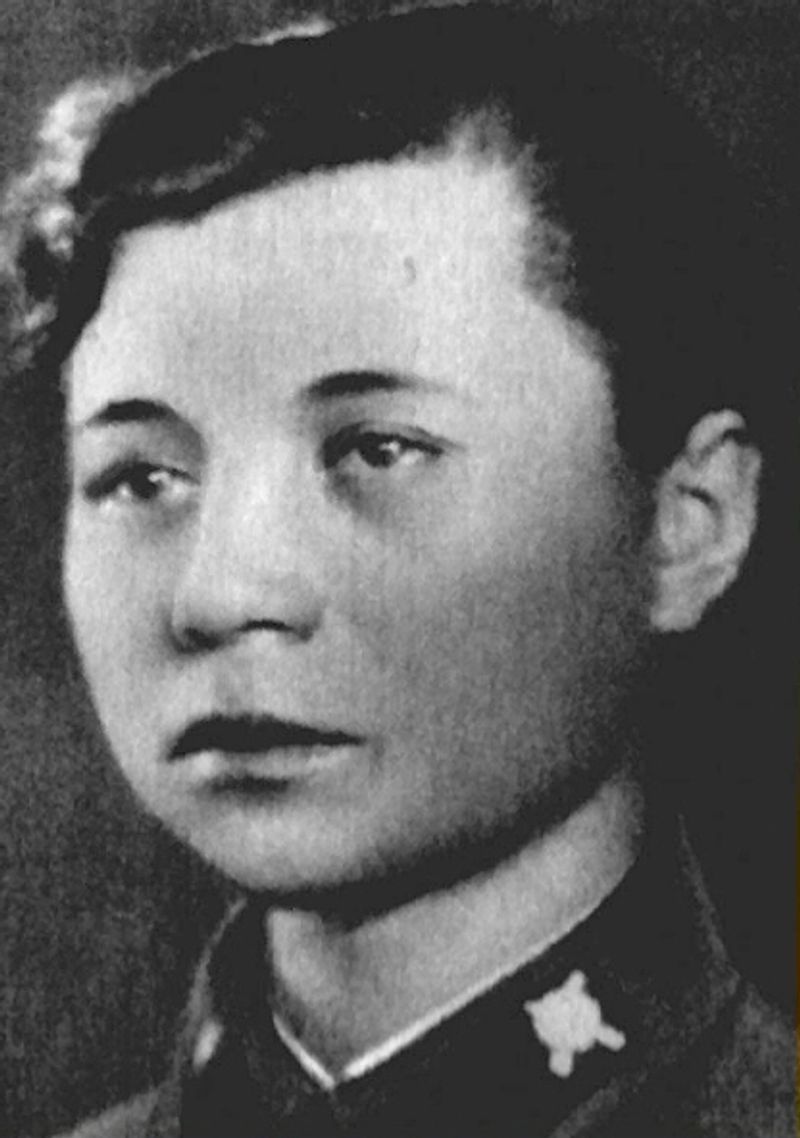
Mariya Polivanova and her best friend Natalia Kovshova fought together, trained together, and ultimately died together in one of the war’s most extraordinary acts of defiance. The two were inseparable, which the German soldiers who faced them probably found terrifying.
Both women were skilled snipers who also served as machine gunners when the situation demanded it. In August 1942, surrounded by German troops with no ammunition left, they chose to detonate their own grenades rather than be captured.
They took several enemy soldiers with them in the blast.
Both Polivanova and Kovshova were posthumously awarded the Hero of the Soviet Union title. Their story became one of the defining tales of female sacrifice during the war.
A monument was erected in their honor in Moscow. I find their bond genuinely moving, proof that friendship forged in war can produce a courage that neither person would have found alone.
Their names are forever linked.
Natalia Kovshova
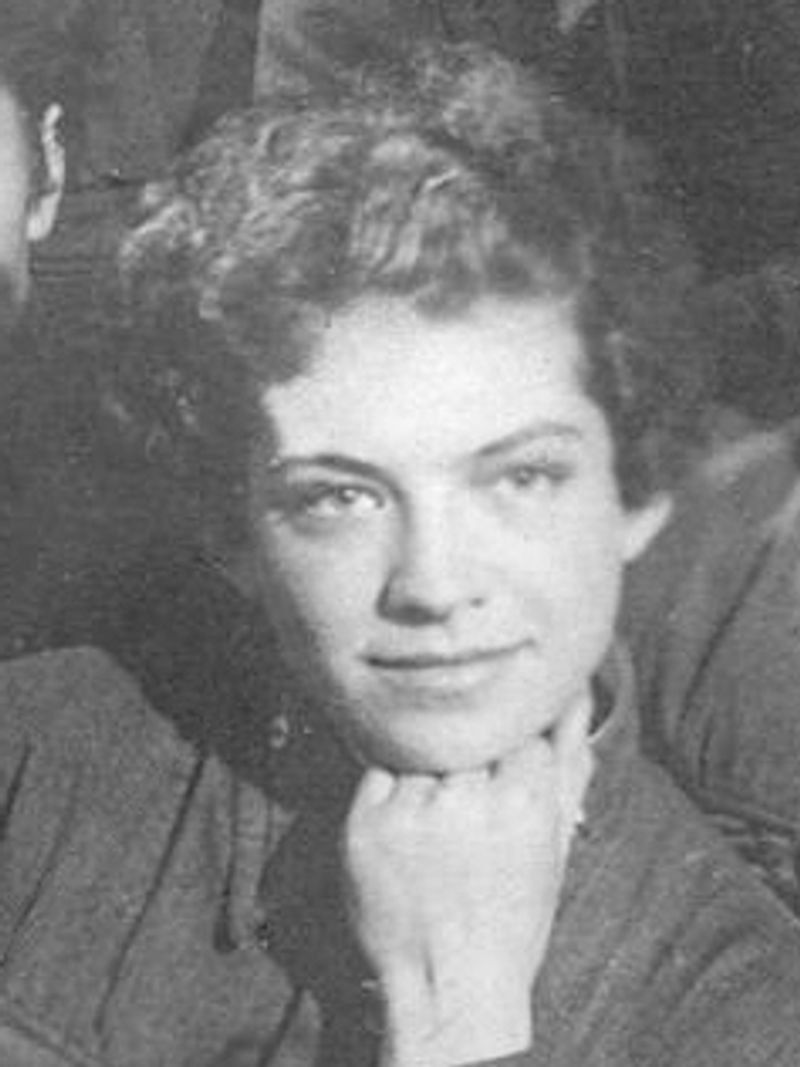
Natalia Kovshova was one of the top female snipers of the entire war, with over 167 confirmed kills before she was 22 years old. She trained under some of the best marksmen in the Red Army and quickly surpassed many of her teachers.
That is the kind of student you brag about, or fear.
She fought alongside her closest friend Mariya Polivanova on the Northwestern Front. The two complemented each other perfectly in combat, covering different angles and communicating without words in the way only true partners can.
Their effectiveness together was far greater than either could achieve alone.
When they were finally surrounded in August 1942, both chose death over capture. Kovshova was awarded the Hero of the Soviet Union posthumously.
She had written letters home throughout the war that survived, giving historians a rare window into her thoughts and fears. She was not fearless.
She was afraid and fought anyway. That is the real definition of courage, no question.
Yelizaveta Mironova
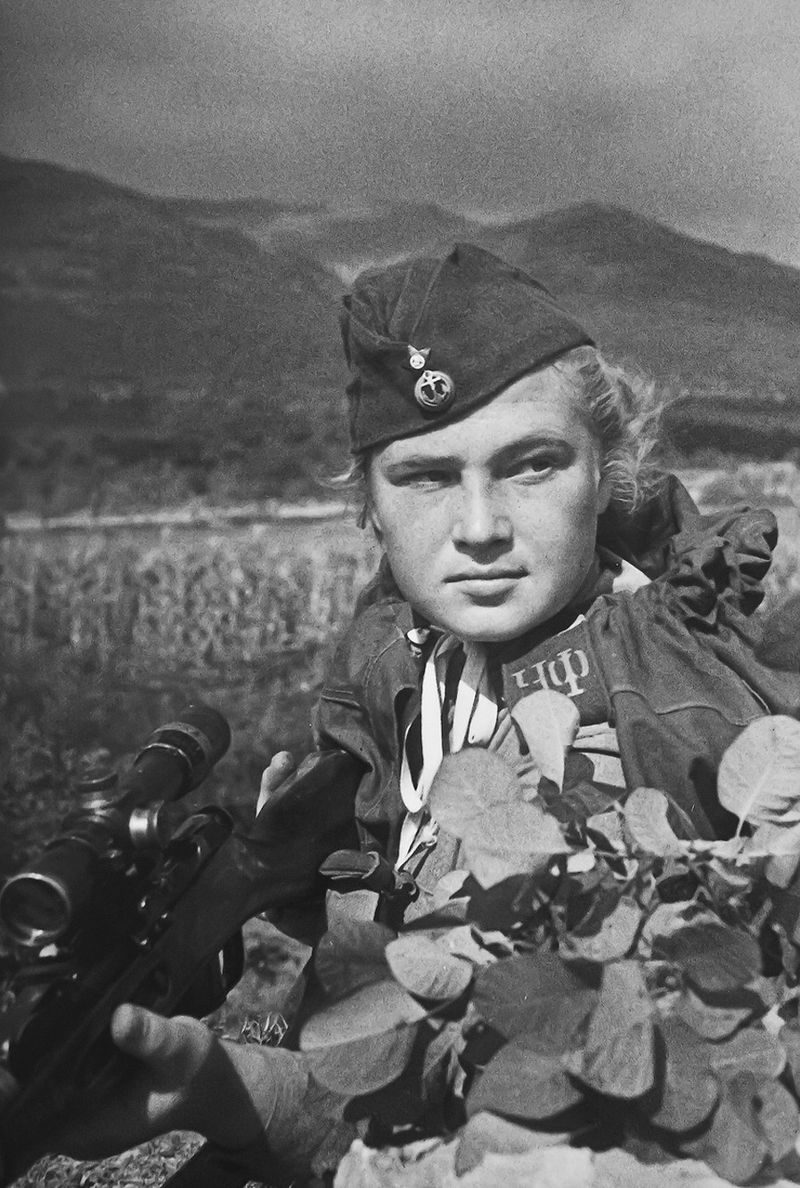
Yelizaveta Mironova served as a sniper on the Eastern Front and earned her reputation through patience and precision rather than dramatic gestures. She was the type of soldier who got the job done quietly, which in sniper terms is literally the job description.
She accumulated a solid record of confirmed kills and was recognized with multiple military decorations. Her unit commanders consistently praised her ability to remain calm under pressure, a quality that saved lives on more than one occasion.
Keeping a cool head when everything around you is chaos is a genuine skill.
Mironova is another figure whose full story is harder to piece together because post-war record-keeping was inconsistent, especially for women. But the fragments that survive paint a picture of a highly competent, deeply committed soldier.
She represents the quiet professionals of the war, the ones who did not seek fame but earned respect from everyone who served beside them. Quiet does not mean small.
Zoya Kosmodemyanskaya
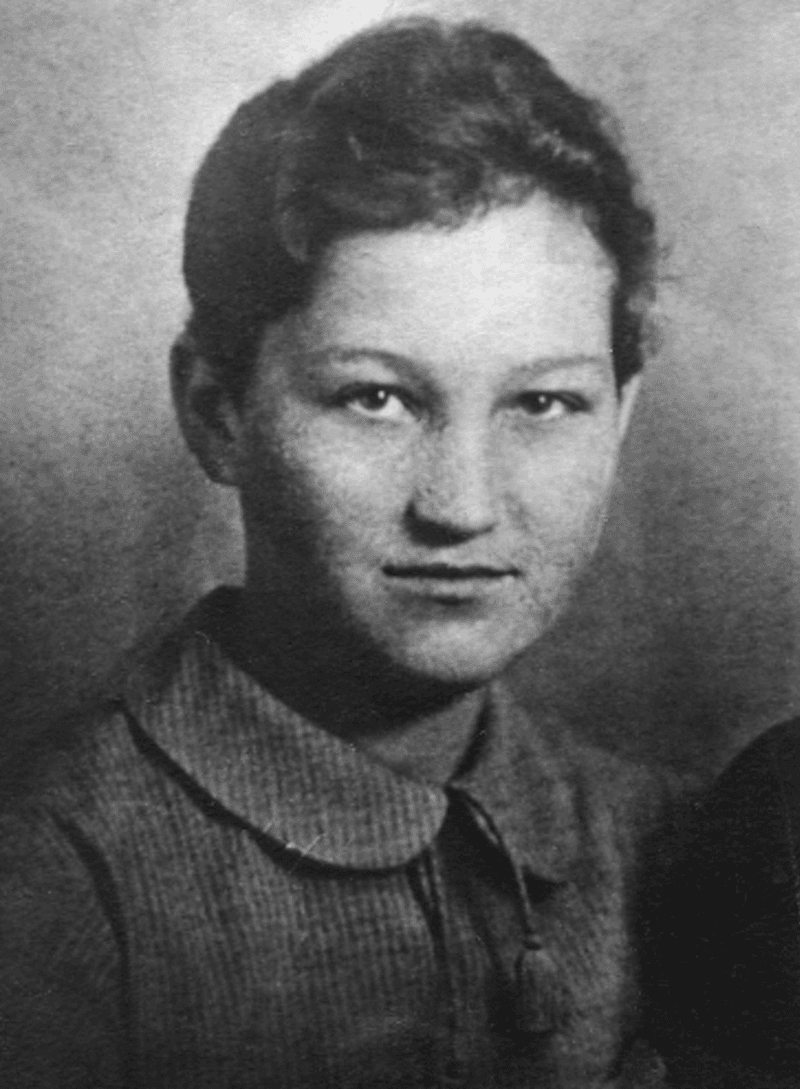
Zoya Kosmodemyanskaya became the first woman awarded the Hero of the Soviet Union during World War II, and the circumstances of that honor are both inspiring and heartbreaking. She was 18 years old and a partisan fighter operating behind German lines.
Captured while sabotaging German operations near Moscow in 1941, she was tortured by the Gestapo and publicly hanged. Her final words to the crowd gathered to watch were reportedly a call to keep fighting.
Even at the moment of her execution, she was still trying to recruit for the resistance. That takes a level of conviction most of us will never understand.
Her story was published in Pravda and spread across the Soviet Union almost immediately, turning her into a national symbol of resistance. Streets, schools, and ships were named after her.
Monuments were built. I read about her years ago and still think about those final words.
Zoya Kosmodemyanskaya refused to be just a victim. She chose to be a message.
Lydia “Lilya” Litvyak
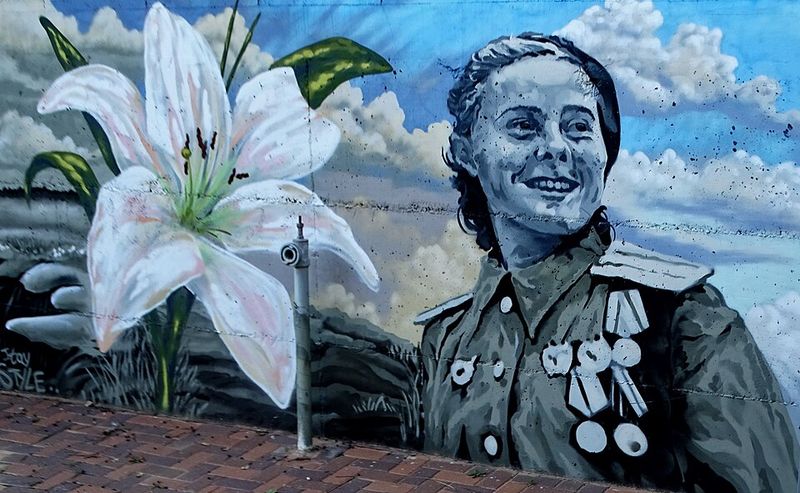
Lydia Litvyak was a fighter pilot who painted a white lily on her aircraft, which is either adorable or terrifying depending on whether you were flying toward her or away from her. She became the first woman in history to shoot down an enemy aircraft in aerial combat.
She flew over 150 missions and scored 12 confirmed aerial victories, making her the highest-scoring female fighter ace in history. Her dogfighting skills were sharp enough that German pilots reportedly requested to know who had shot them down after surviving encounters with her.
She was 21 years old at the peak of her career.
Litvyak disappeared during a mission in August 1943 and was listed as missing in action for decades. Her remains were eventually found in 1979.
She was posthumously awarded the Hero of the Soviet Union in 1990. The white lily on her plane became her permanent symbol, elegant and deadly in equal measure.
Nadezhda Popova
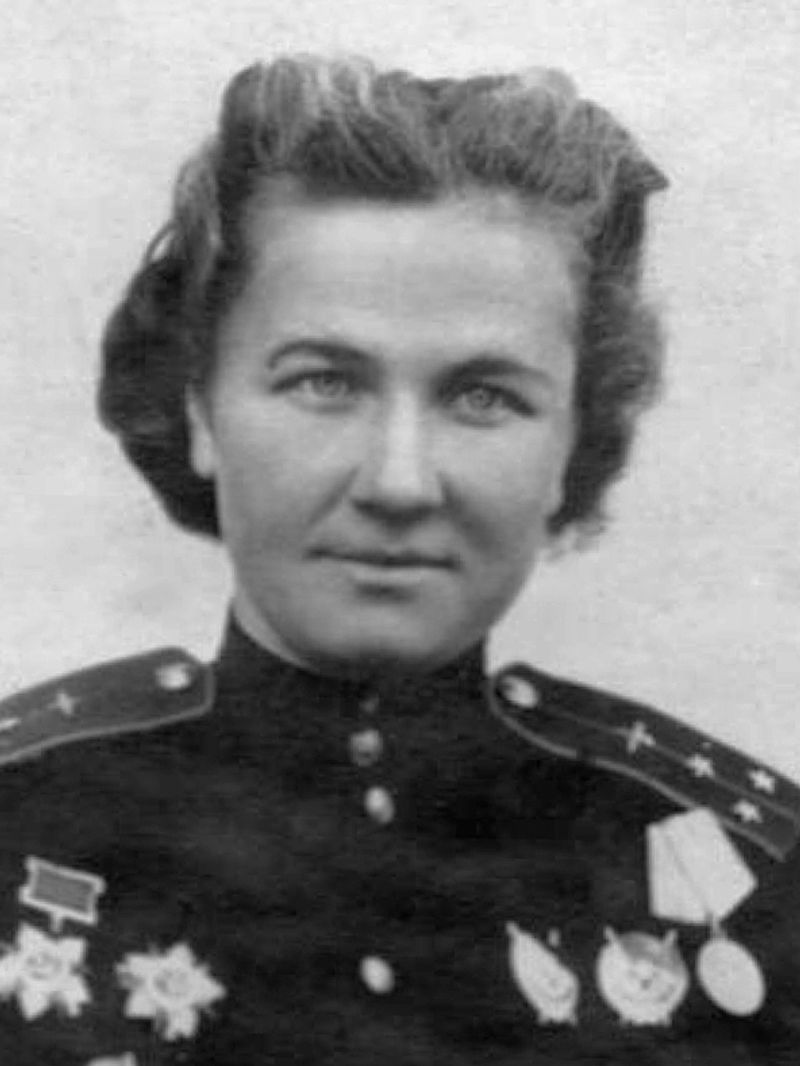
Nadezhda Popova flew 852 combat missions as a Night Witch, which is a number so staggering it sounds made up. It is not.
She started flying at age 15, joined the military the day after Germany invaded, and never really stopped being remarkable from that point forward.
She flew through anti-aircraft fire, searchlights, and enemy fighters in a plywood biplane with an open cockpit. On some nights she flew eight missions before dawn.
Her dedication was so relentless that her commanders had to occasionally order her to rest, because she simply would not stop volunteering.
Popova survived the war, married fellow pilot Semyon Kharlamov, and lived until 2013. She was 91 years old when she passed away, and she gave interviews about her wartime experiences well into old age with the same sharp clarity she brought to her missions.
When asked if she was afraid during those night raids, she said of course she was. She just went anyway.
That is the whole story, really.
Share this story