History is full of people whose real stories got buried under layers of legend, propaganda, and wishful thinking. Some figures became so famous that ordinary people could not resist adding extra chapters to their lives, whether those chapters were true or not.
From ancient rulers to 20th-century pioneers, the gap between what actually happened and what people believed has always been wide. Across centuries and continents, rumors have shaped how entire generations understood their heroes, villains, and everything in between.
What makes these figures so fascinating is not just what they did, but what people chose to believe about them long after the facts were settled. Political enemies invented scandals, devoted followers invented miracles, and tabloid writers invented everything else.
The result is a collection of historical figures whose real lives are almost as hard to pin down as their legends. This list looks at thirteen of history’s most rumor-wrapped personalities, separating documented history from the stories that refused to go away.
1. Cleopatra VII
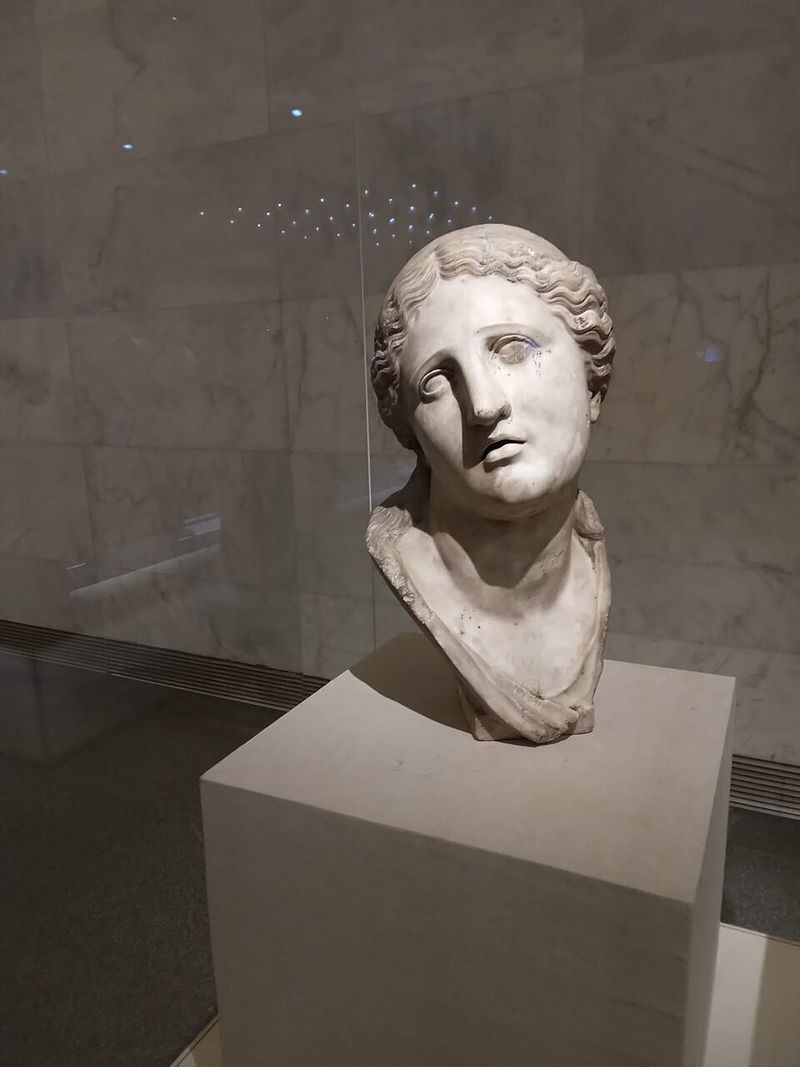
Most people picture Cleopatra through the lens of Hollywood glamour, but that image owes far more to Roman propaganda than to Egyptian history. Cleopatra VII ruled Egypt from 51 BCE and was, by all documented accounts, a sharp political strategist who spoke nine languages.
Roman writers, particularly those loyal to Augustus Caesar, had strong reasons to portray her as a dangerous seductress who manipulated Julius Caesar and Mark Antony. Framing her that way made Rome’s political victories look more heroic and her allies look weaker than they actually were.
Ancient coins bearing her image show a woman with strong, prominent features rather than the idealized beauty later artists imagined. Her real power came from diplomatic skill, economic management, and military alliances, not personal charm.
Modern historians like Stacy Schiff have worked to rebuild her reputation based on documented sources rather than Roman-authored narratives. Cleopatra was a ruler first, and a legend second.
2. King Arthur
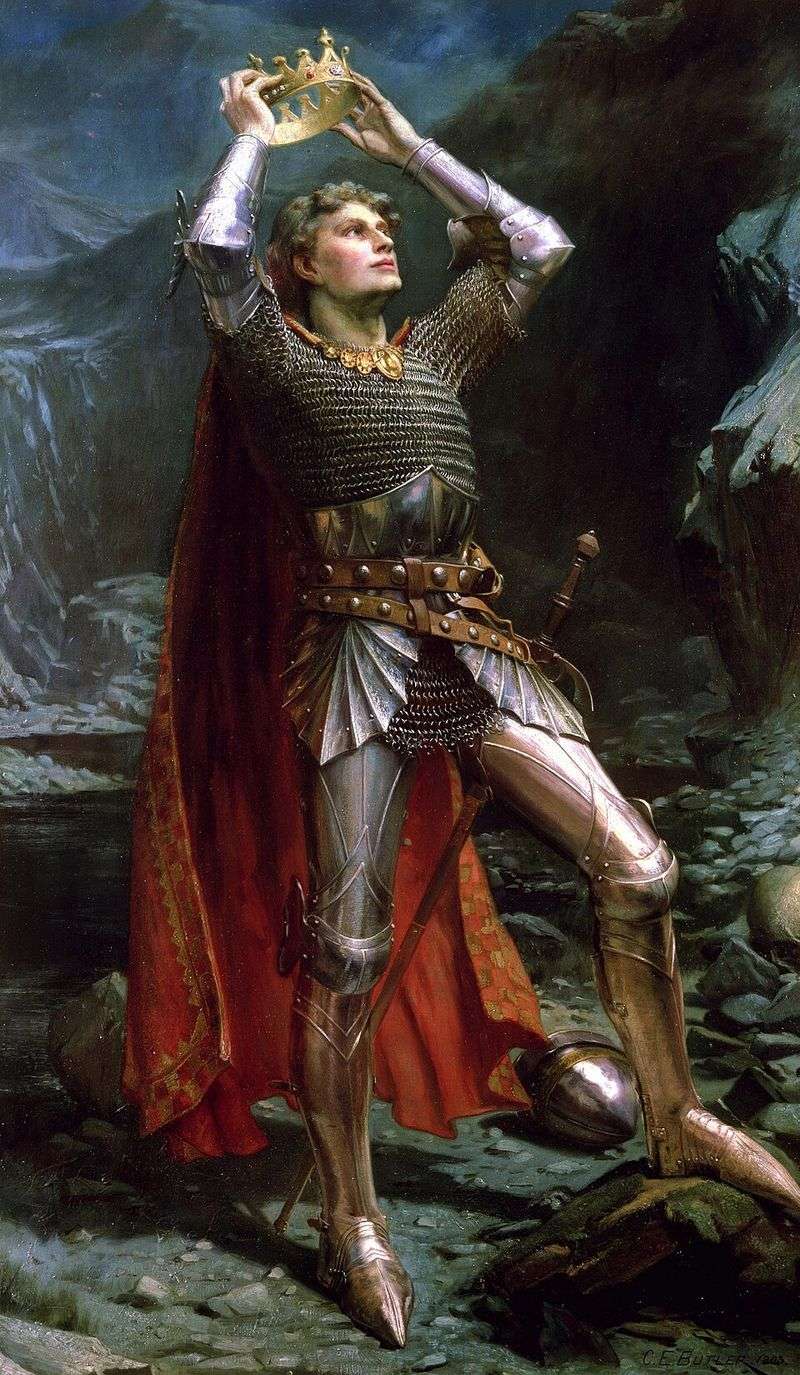
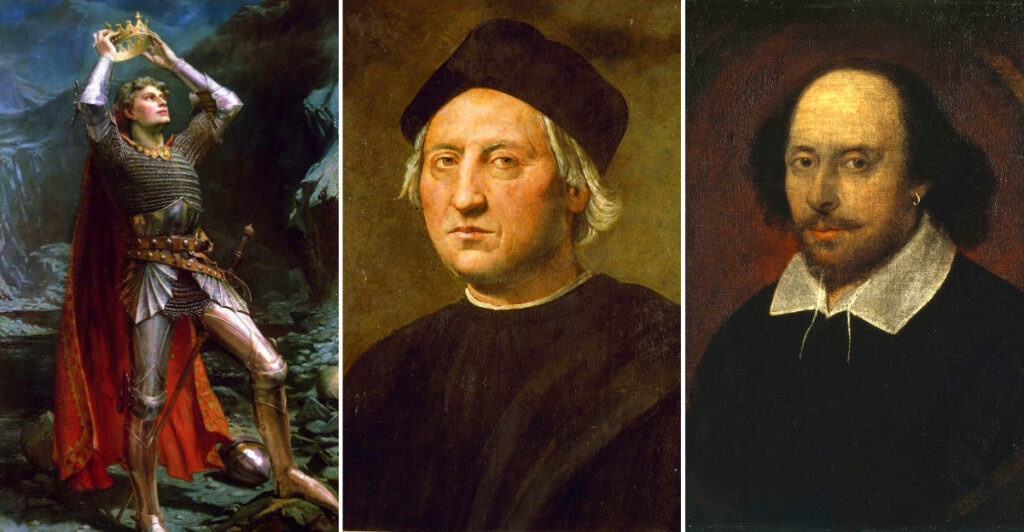
Medieval Britain produced no shortage of warrior leaders, but only one became a legend so powerful that historians still argue about whether he existed at all. King Arthur first appeared in serious written records around the 9th century, centuries after the period he supposedly ruled.
Geoffrey of Monmouth’s 12th-century account transformed scattered references into a full royal biography, complete with Camelot, the Round Table, and the sword Excalibur. Historians today generally agree that if a real Arthur existed, he was likely a Romano-British military commander fighting Saxon invaders around the 5th or 6th century, not a medieval king in a castle.
Archaeological sites like Tintagel in Cornwall have been linked to the legend, but no definitive proof of a historical Arthur has ever been found. The story grew through centuries of retelling, each generation adding new details.
The real Arthur, if there was one, would be almost unrecognizable compared to the legend.
3. Nero
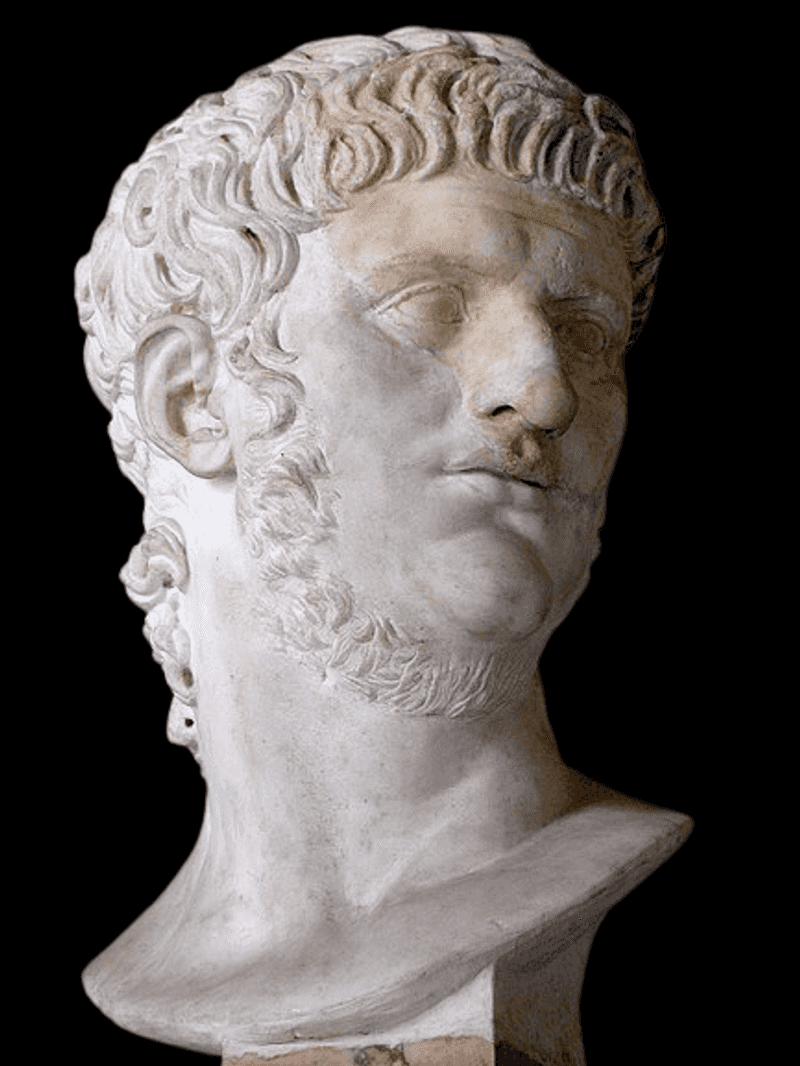
The image of Nero playing music while Rome burned in 64 CE is one of history’s most repeated stories, and also one of its most questioned. The Roman historian Tacitus, writing decades after the fire, acknowledged that some people blamed Nero but also noted that the emperor was not even in Rome when the blaze started.
Nero was reportedly at his villa in Antium when the fire broke out, and accounts suggest he returned to Rome and organized relief efforts. The fire destroyed much of the city and Nero used the cleared land to build his massive Domus Aurea palace, which gave his critics plenty of ammunition.
Early Christians also became scapegoats for the fire, a narrative that served Nero’s political interests. Whether he genuinely caused it remains unproven.
What is clear is that Nero had real enemies in the Roman Senate who were motivated to shape history against him. His reputation was largely written by people who wanted him to look terrible.
4. Joan of Arc
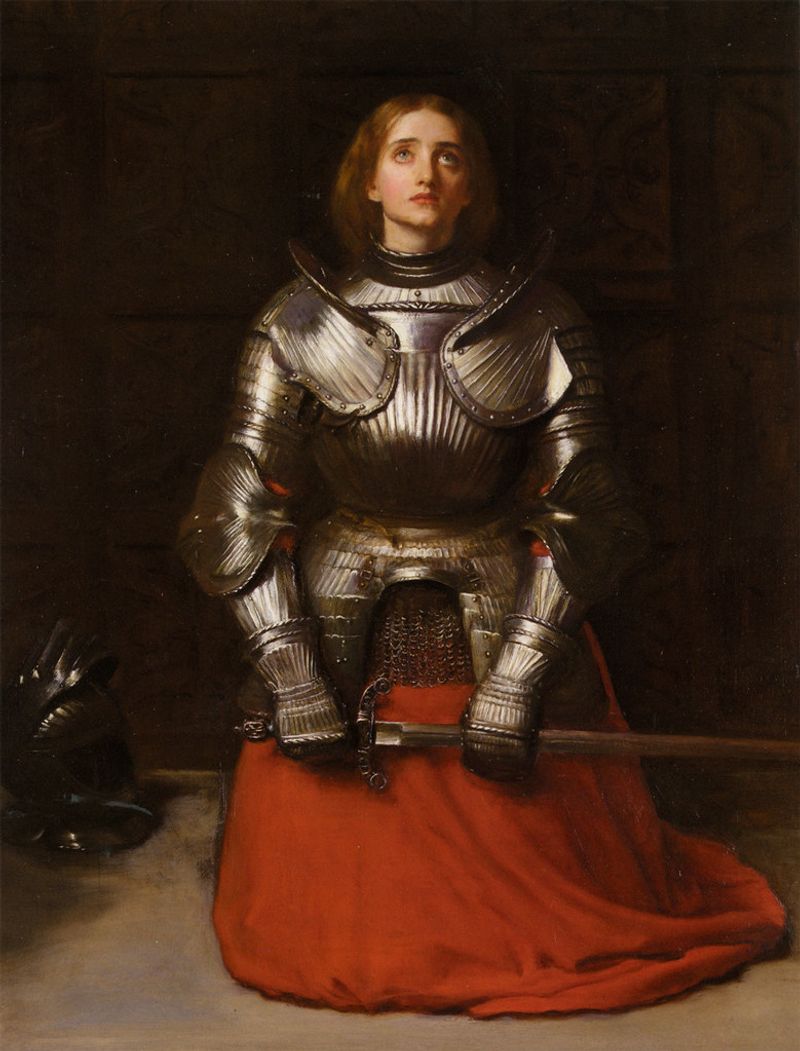
Few historical figures have been pulled in as many political directions as Joan of Arc, the teenager from Domremy who convinced French military commanders to follow her into battle in 1429. Her story is documented in remarkable detail because of the two trials held during and after her lifetime.
The trial that condemned her in 1431 was run by pro-English church officials with a clear political agenda. The rehabilitation trial of 1456, which cleared her name, was equally shaped by French political interests.
Both sets of records tell us a great deal about what her accusers and defenders wanted to prove.
What historians agree on is that Joan was a real person who genuinely influenced the course of the Hundred Years War. Whether her voices came from a divine source, a medical condition, or something else entirely remains a matter of debate.
She was canonized by the Catholic Church in 1920, nearly 500 years after her execution.
5. William Shakespeare
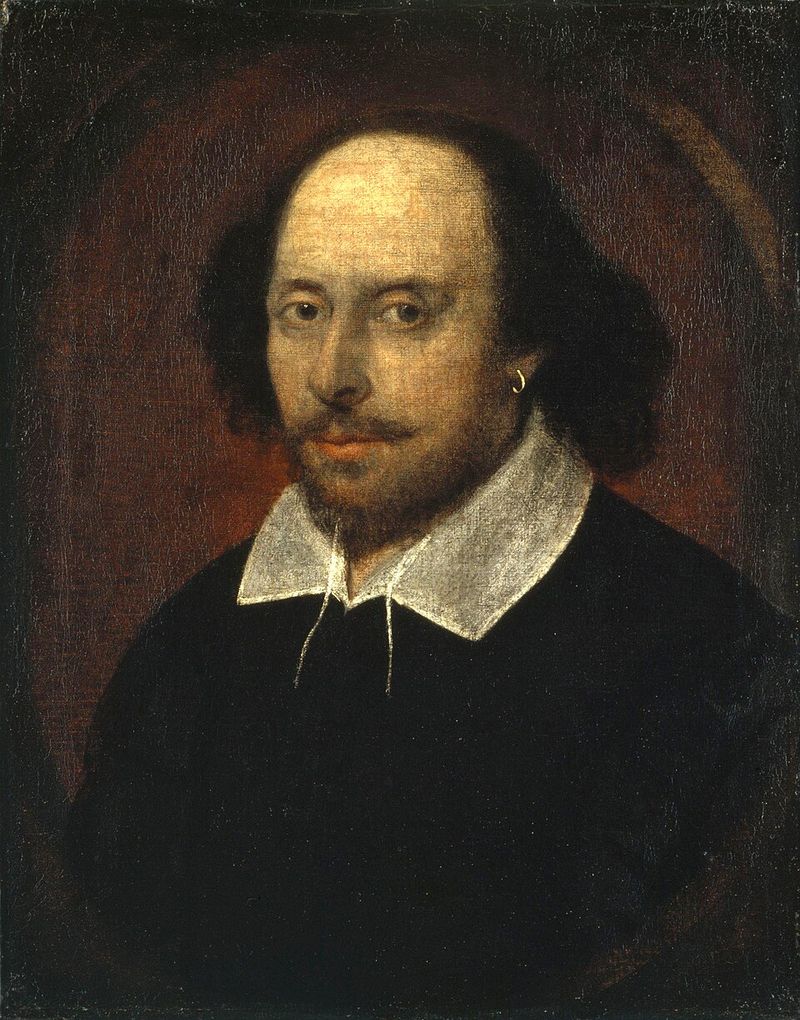
Questioning whether Shakespeare wrote his own plays has been a cottage industry since the 19th century, when scholars began arguing that a glover’s son from Stratford-upon-Avon could not possibly have produced such sophisticated work. The authorship debate has since named over 80 alternative candidates.
Francis Bacon, Christopher Marlowe, and Edward de Vere, the 17th Earl of Oxford, are the most frequently proposed alternatives. Supporters of the Oxford theory point to the plays’ detailed knowledge of court life and Italian geography.
Mainstream academics, however, note that Shakespeare had documented connections to the theater world and that his name appeared on published works during his lifetime.
No contemporary writer questioned his authorship. The doubt emerged more than 200 years after his death, driven partly by class assumptions about who could be considered a great writer.
The First Folio, published in 1623 by his fellow actors, credits Shakespeare directly. The debate continues, but the academic consensus remains firmly in his corner.
6. Rasputin
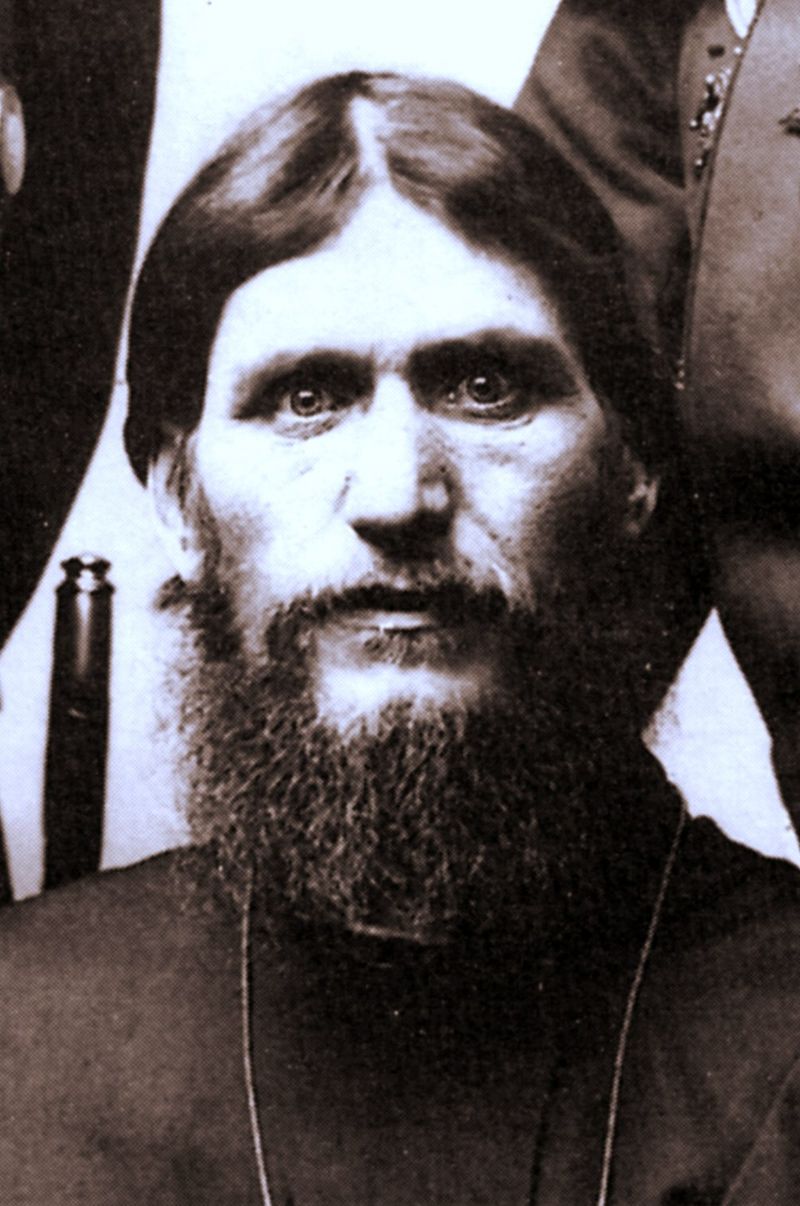
Grigori Rasputin arrived at the Russian imperial court in 1905 with a reputation as a faith healer, and he left history with one of the most exaggerated reputations of any figure from the 20th century. His documented influence over Tsarina Alexandra came from his apparent ability to ease the suffering of her hemophiliac son, Alexei.
Stories about his supernatural powers, his political control over the Romanov family, and his supposedly impossible endurance during his 1916 assassination have been repeated so often that separating fact from fiction requires real effort. The account of his death, involving poison, shooting, and drowning, was largely shaped by one of the conspirators, Felix Yusupov, who had personal reasons to make the story dramatic.
Modern historians point out that Rasputin’s actual political influence was far more limited than legend suggests. He was an unusual figure with genuine access to the royal family, but the idea of him controlling Russian policy was mostly created by his enemies and sensationalized by the press.
7. Christopher Columbus
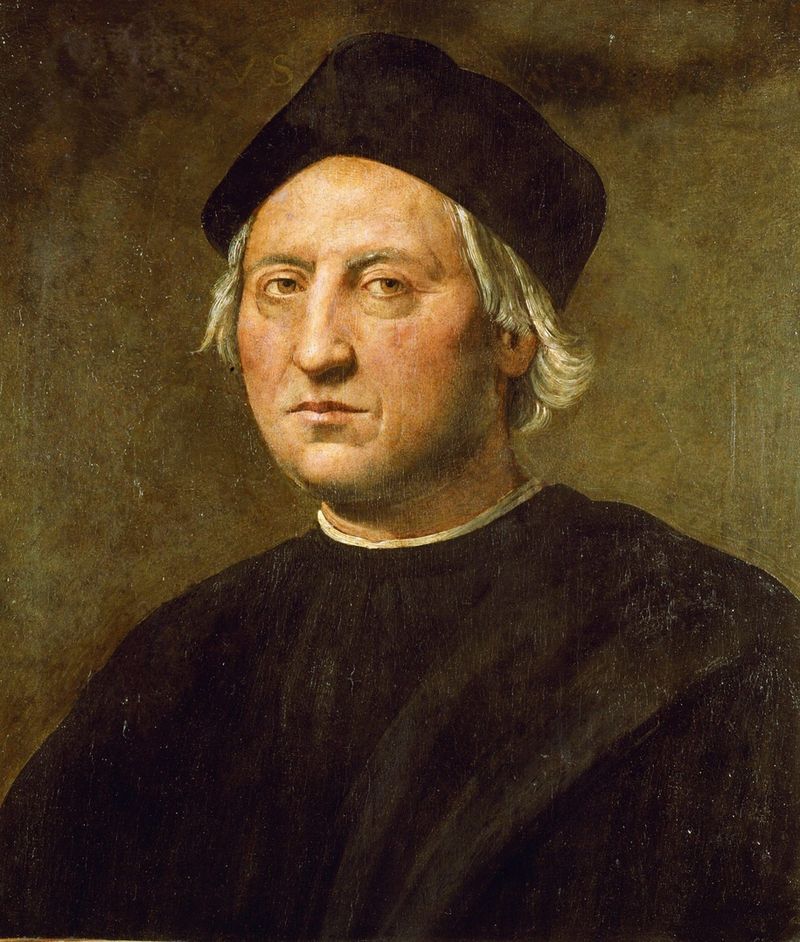
Christopher Columbus has been the subject of competing historical narratives since shortly after his 1492 voyage, and the debates have only grown more complicated over time. Even basic details about his origins are contested, with theories placing his birthplace in Genoa, Spain, Portugal, and several other locations.
His journals, which survive only through a transcription made by Bartolome de las Casas, have been edited and interpreted in ways that make it difficult to know exactly what Columbus himself believed or intended. Whether he knew he had reached a previously unknown continent, or died believing he had reached Asia, is still debated by historians.
The scale of his geographical knowledge and the accuracy of his calculations have also been questioned. Some researchers argue that certain stories in his accounts were exaggerated to impress Spanish royal patrons.
Columbus was a real and consequential historical figure, but the version taught in most textbooks has been shaped by centuries of myth-building on multiple sides of the debate.
8. Anastasia Romanov
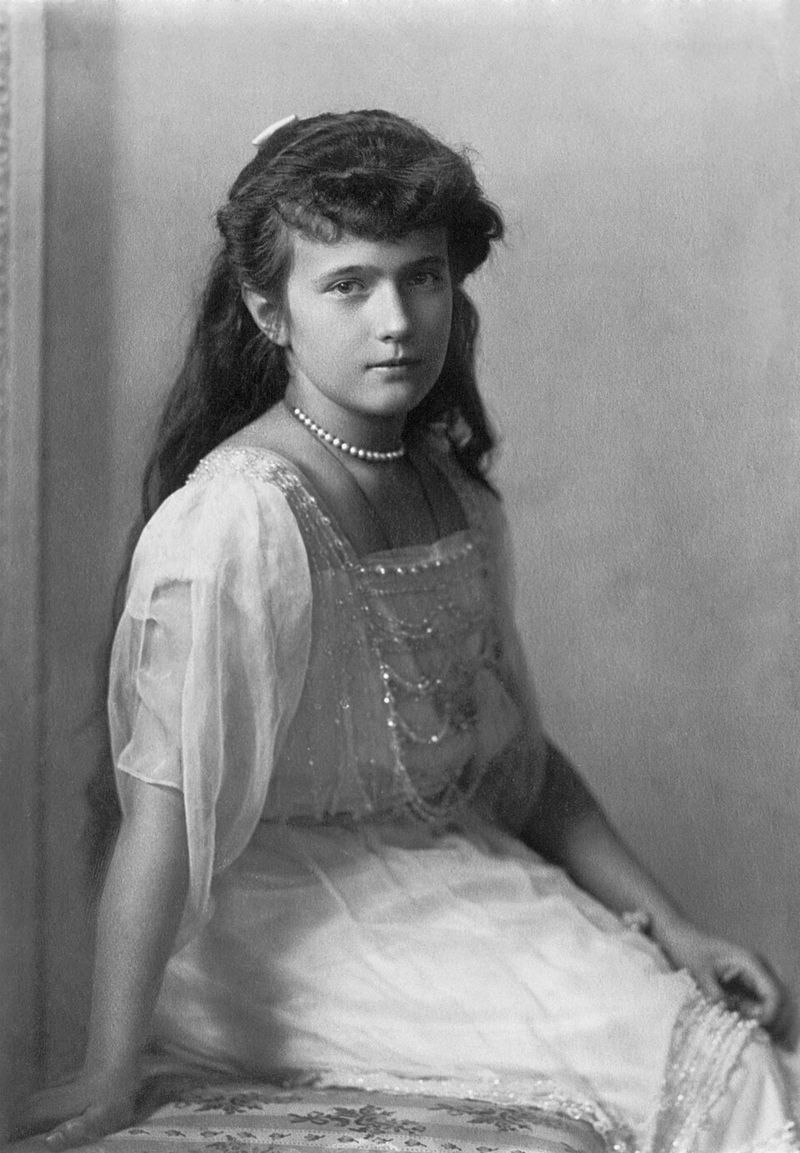
When the Russian imperial family was executed in July 1918, the chaotic circumstances surrounding the event left room for doubt that became decades of speculation. Reports that the bodies were difficult to identify, combined with the secrecy of the Soviet government, created the conditions for one of history’s most persistent survival myths.
Anna Anderson, who appeared in Berlin in 1922 claiming to be Anastasia, attracted international attention and legal battles that lasted until her death in 1984. Dozens of people who had known the real Anastasia either confirmed or rejected her claim, and the case became a defining example of how ambiguity can feed sustained public belief.
DNA testing conducted in 1994 proved that Anna Anderson was not Anastasia. Remains discovered in 1991 and later in 2007 were confirmed through DNA analysis to belong to all five Romanov children, including Anastasia.
The scientific evidence is conclusive, but the romantic appeal of a surviving princess proved remarkably resistant to facts.
9. Napoleon Bonaparte
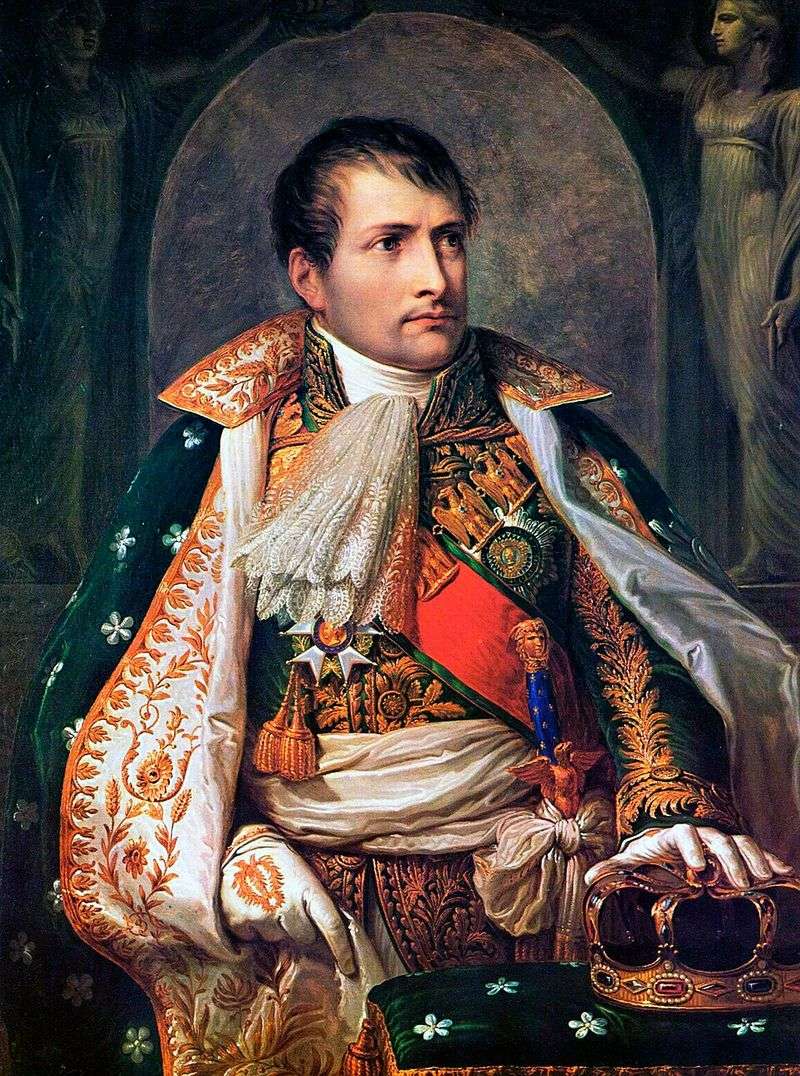
Napoleon Bonaparte spent his final years in exile on the remote South Atlantic island of Saint Helena, where he died in May 1821. The official cause of death was stomach cancer, but within decades, alternative theories began circulating, with arsenic poisoning being the most persistent.
In 1961, Swedish toxicologist Sten Forshufvud published research claiming that hair samples from Napoleon contained elevated arsenic levels. This finding sparked serious academic debate and multiple follow-up studies using samples preserved by Napoleon’s companions.
Some studies confirmed elevated arsenic, while others concluded the levels were consistent with normal 19th-century exposure from wallpaper dyes and other common sources.
The theory that British authorities or French royalist agents poisoned him has never been proven, and most modern medical historians still favor stomach cancer as the primary cause. Napoleon himself reportedly blamed the British for his condition.
His physical decline over several years is well documented by multiple witnesses on the island, and no single piece of evidence has definitively settled the debate.
10. Billy the Kid
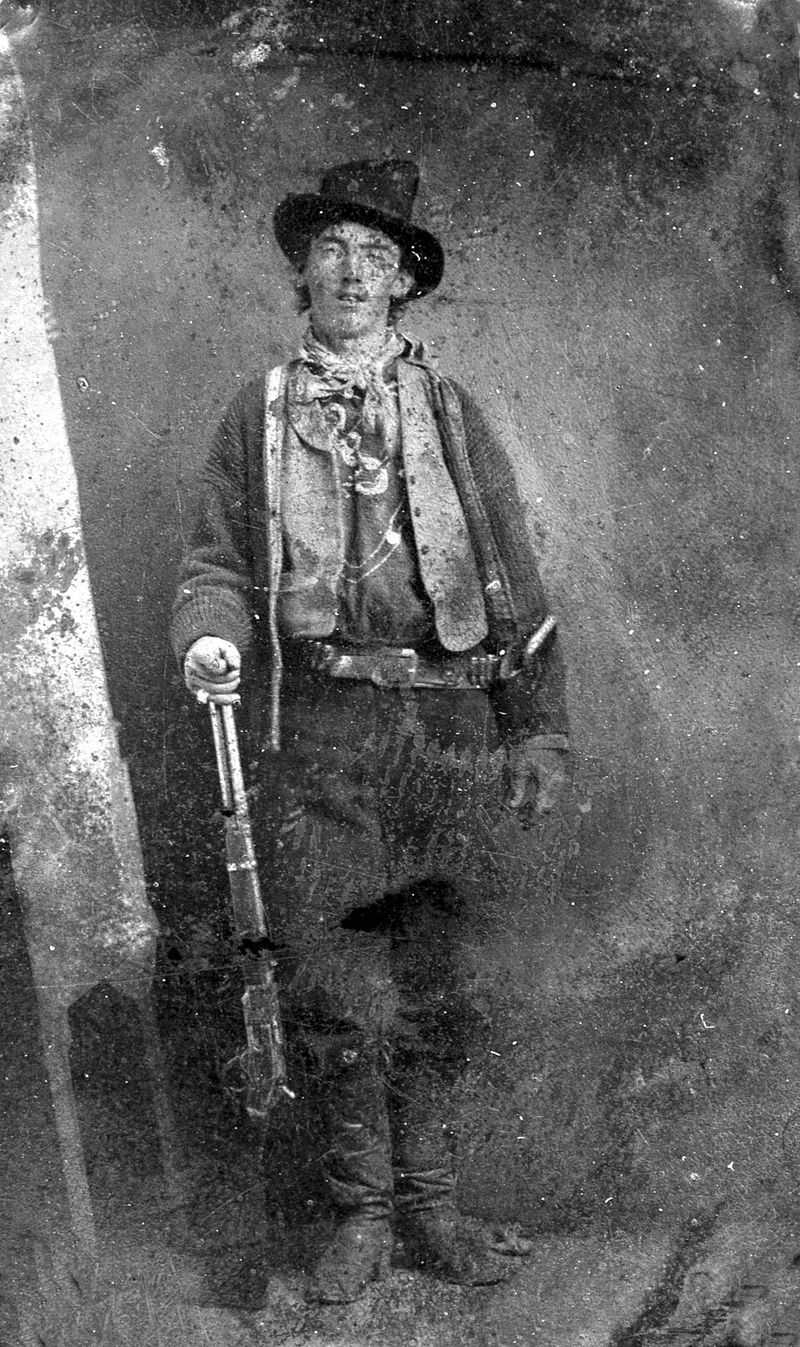
William H. Bonney, better known as Billy the Kid, was reportedly shot and killed by Sheriff Pat Garrett in Fort Sumner, New Mexico, in July 1881.
He was 21 years old. That much is generally accepted.
Almost everything else about him has been debated, embellished, or invented.
Contemporary newspaper accounts described him as a ruthless killer responsible for 21 deaths, one for each year of his life. Historians have since counted a much smaller number of confirmed killings, most of which occurred during the Lincoln County War, a documented range conflict in New Mexico between rival business factions.
The survival theory gained traction in the early 20th century when a man named Brushy Bill Roberts claimed in 1948 that he was the real Billy the Kid and that Garrett had shot someone else. Roberts died shortly after making his claim, and forensic attempts to compare his DNA with known relatives of Bonney have produced inconclusive results.
The legend grew far faster than the documented facts ever could.
11. Leonardo da Vinci
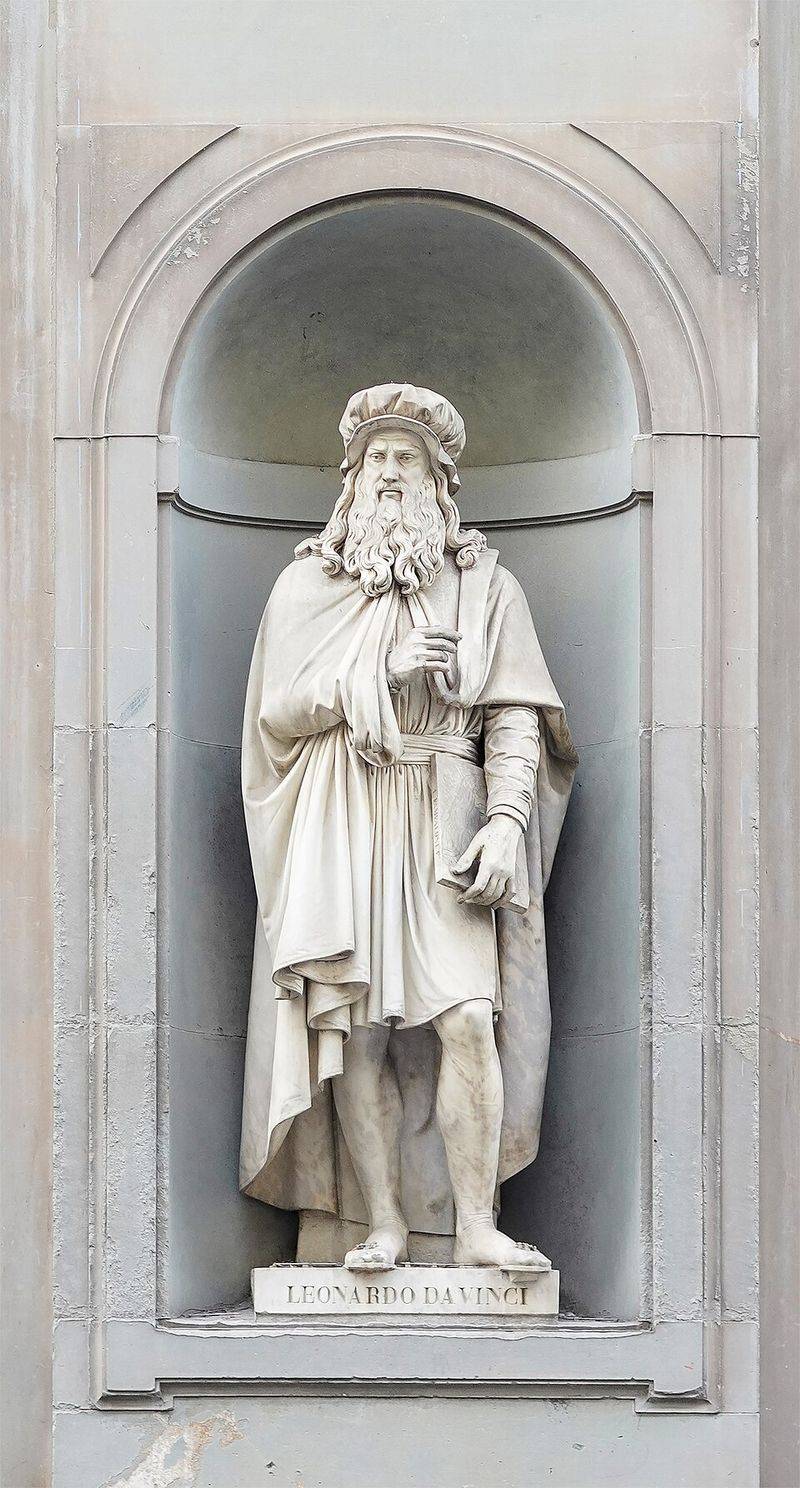
Leonardo da Vinci left behind roughly 7,200 pages of notebooks covering anatomy, engineering, botany, geology, and art. That documented output is so far ahead of its time that it has inspired centuries of speculation about what else he might have known or hidden.
The theory that Leonardo embedded secret messages or codes in paintings like the Mona Lisa and The Last Supper gained wide popular attention after Dan Brown’s 2003 novel, though art historians generally view these claims as creative interpretation rather than documented fact. The proportions and compositions in his paintings reflect the mathematical and scientific thinking of his era, not encoded secrets.
His notebooks were written in mirror script, which some have interpreted as deliberate concealment. Most historians believe it was simply a writing habit, possibly related to his left-handedness.
Leonardo’s actual inventions, including early concepts for flying machines, armored vehicles, and hydraulic systems, are well documented. The real Leonardo is already extraordinary.
The mythologized version just adds layers that the historical record does not fully support.
12. Robin Hood
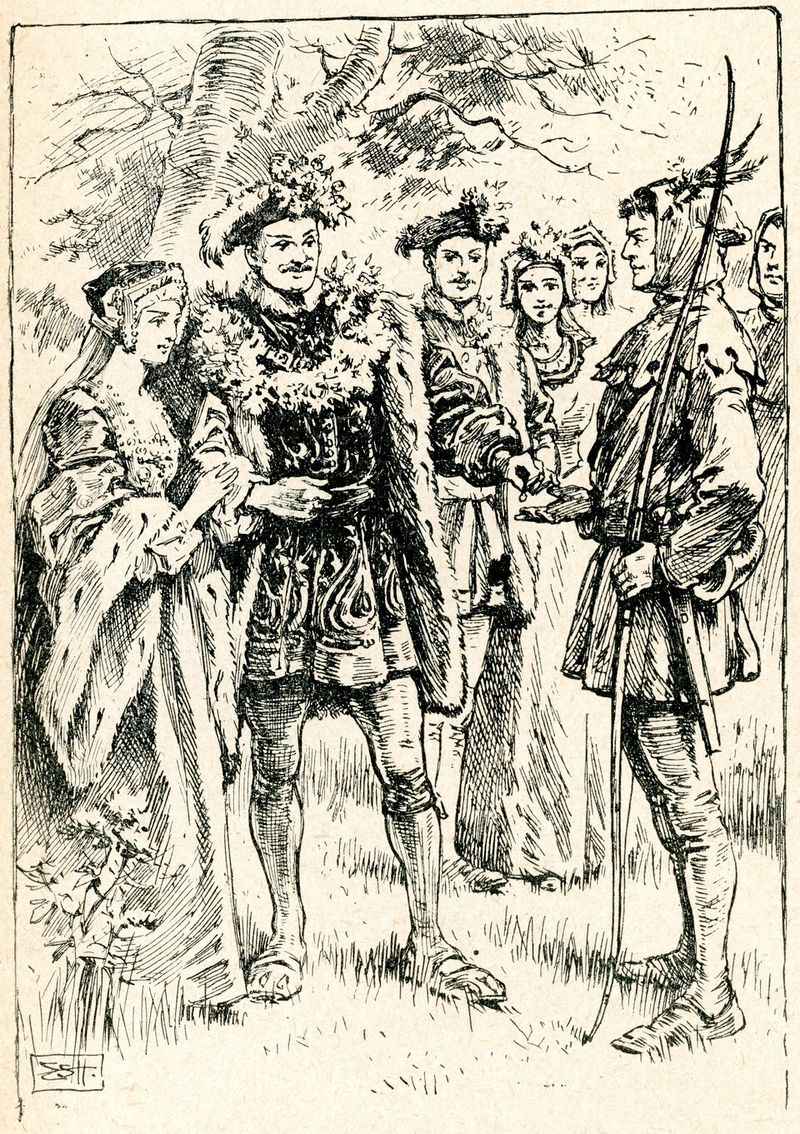
Few legends have sparked as much debate as Robin Hood, the outlaw archer said to steal from the rich and give to the poor. The earliest known written reference appears in the 14th-century poem Piers Plowman, but no solid historical record confirms he was ever a real person.
Some historians point to a Robert Hood listed in 13th-century Yorkshire court records as a possible real-life candidate. Others argue the legend grew entirely from folk tradition.
The character has shifted so dramatically across centuries of retellings that untangling any possible truth from the myth feels nearly impossible today.
13. Jack the Ripper
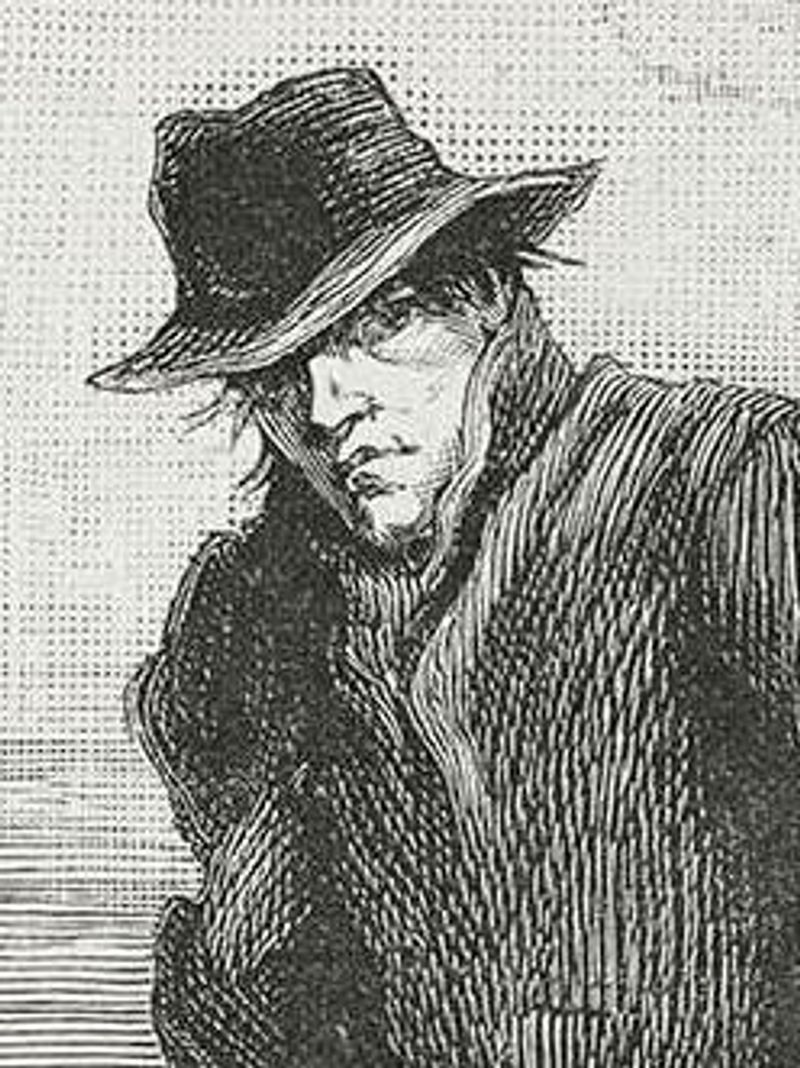
In the fog-drenched streets of 1888 London, an unidentified killer terrorized the Whitechapel neighborhood, murdering at least five women before vanishing completely. His nickname came from a letter sent to police, though many experts believe that letter was actually a journalist’s deliberate hoax.
Over 130 years later, his identity remains one of history’s greatest unsolved mysteries. Suspects have ranged from a royal physician to a Polish barber to a well-known artist.
More than 100 names have been seriously proposed, and every few years, someone claims to have finally cracked the case with fresh DNA evidence or new documents.
Share this story