 Unearth The Voyage
Florida’s warm, crystal-clear waters are home to some of the most incredible marine life on the planet. But not everything swimming, crawling, or clinging to the reef is up for grabs.
State and federal laws protect dozens of species from being caught, sold, or even touched. Knowing what’s off-limits could save you from a serious fine, and maybe even keep an entire ecosystem alive.
Goliath Grouper
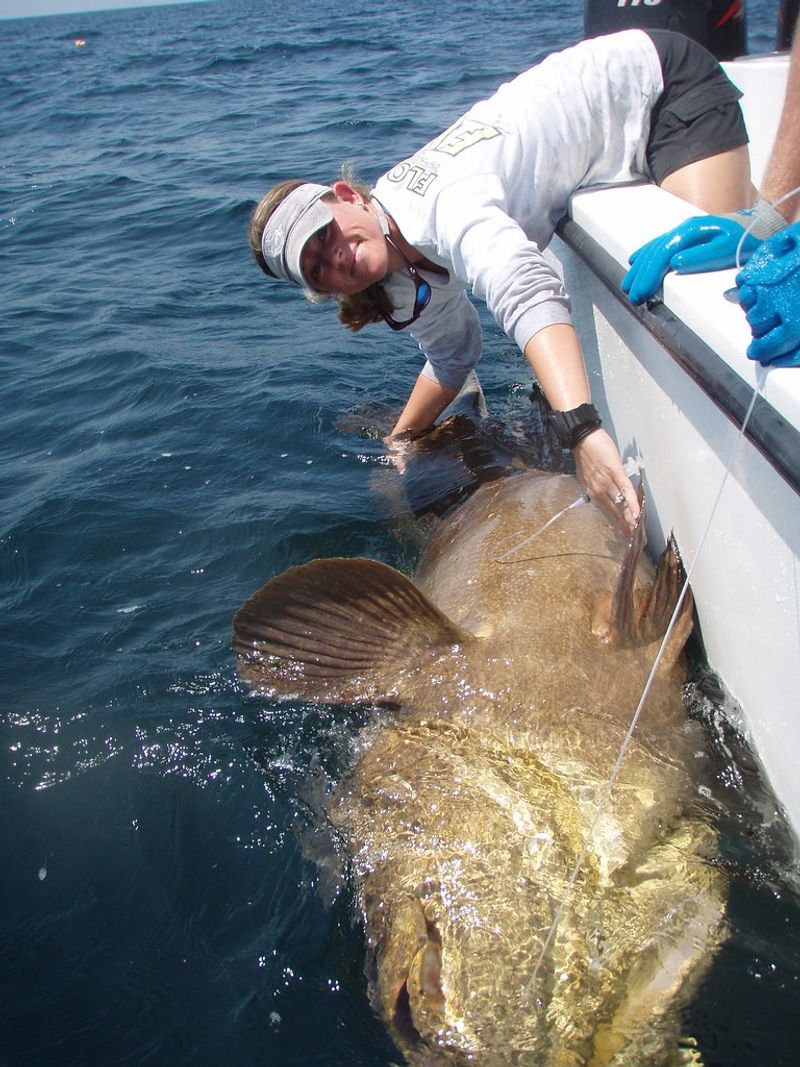
Picture a fish so massive it could swallow a small dog whole. That’s the Goliath Grouper, and it’s one of Florida’s most iconic underwater giants.
These prehistoric-looking beasts can grow over 8 feet long and weigh more than 800 pounds.
After decades of overfishing, their population crashed hard. Florida banned all harvesting in 1990, and commercial sale remains completely off the table.
Some limited state-supervised harvest seasons have been discussed, but nothing has opened the door to selling them.
Catching one by accident requires immediate release. Even keeping it in your cooler for a few minutes could land you in serious legal trouble.
These fish are now a prized attraction for divers, not dinner plates. Respect the giant, and it’ll keep wowing future generations of ocean lovers.
Nassau Grouper
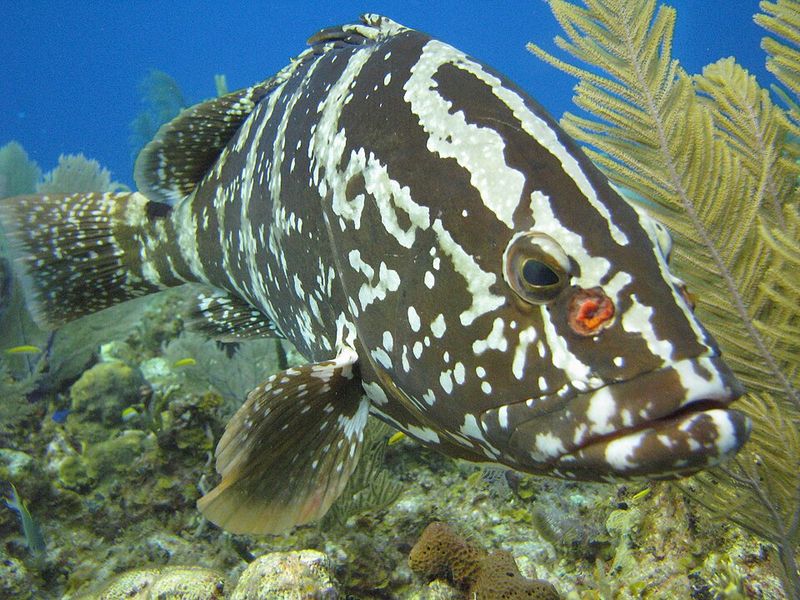
Once a staple on Florida fishing lines, the Nassau Grouper is now strictly hands-off. Overfishing hit this species so hard that populations collapsed across the Caribbean and Florida waters.
Scientists grew alarmed, and regulators acted fast.
Florida now prohibits all harvest of Nassau Grouper in state waters. There are no exceptions, no special permits, and no gray areas.
If you catch one, you release it, period.
What makes this ban so critical is the Nassau Grouper’s slow reproduction rate. They don’t bounce back quickly like some other fish.
A single bad season of overfishing can set the population back by decades.
These fish are also surprisingly curious around divers, often swimming right up to say hello. Watching one glide through a reef is a genuinely magical experience.
Catching one illegally, though? That magic comes with a very expensive ticket.
Smalltooth Sawfish
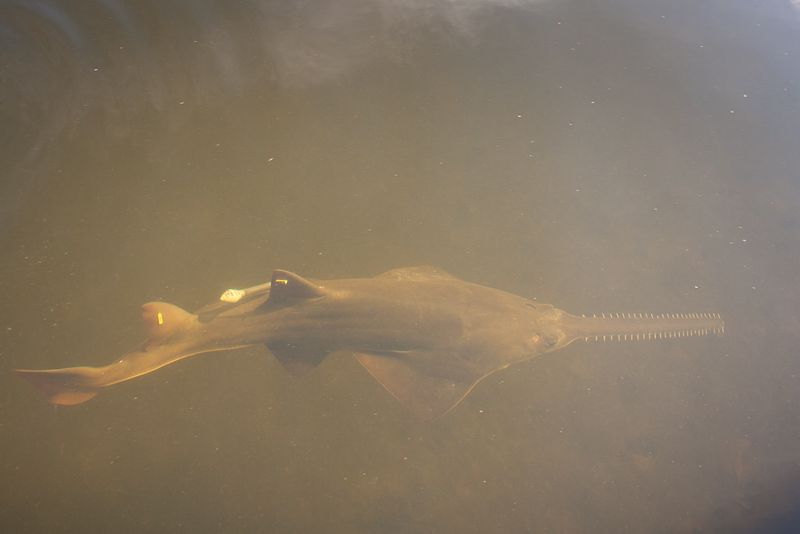
That long, saw-toothed snout isn’t a weapon from a sci-fi movie. It belongs to the Smalltooth Sawfish, one of the most endangered marine animals on Earth.
Florida is actually one of the last places in the United States where they still exist in the wild.
Federally listed as endangered, it is completely illegal to harvest, possess, or sell a Smalltooth Sawfish. Even accidentally catching one requires careful, immediate release and is sometimes required to be reported to wildlife officials.
Their saw-like rostrum can reach up to six feet long and is lined with dozens of sharp teeth. Sawfish use it to detect and stun prey, not to fight fishermen.
Sadly, that same rostrum gets tangled in fishing nets all too easily.
Conservation efforts are slowly helping. Spotting one in the wild is considered incredibly rare and special.
These ancient-looking creatures deserve every legal protection they have.
Queen Conch (in Florida waters)
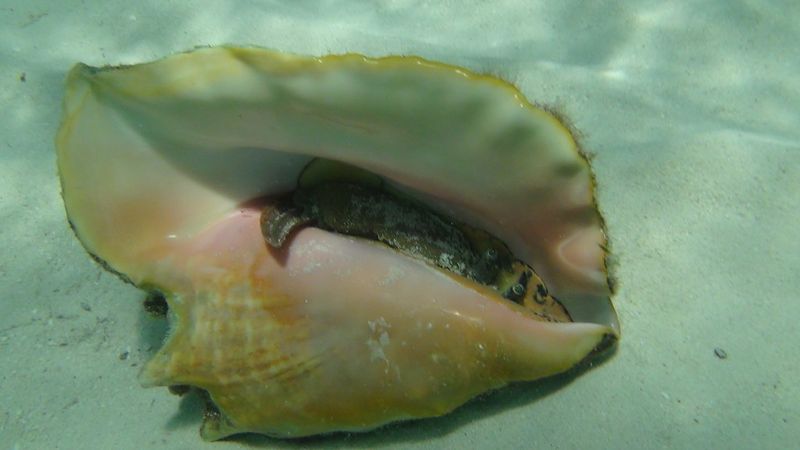
Walk along any Florida souvenir shop and you’ll spot Queen Conch shells everywhere. But harvesting a live one from Florida state waters?
That’s a crime. The ban has been in place since 1985, and for good reason.
Queen Conch populations in Florida collapsed due to decades of heavy harvesting combined with habitat loss. These slow-moving mollusks take years to reach maturity, making them especially vulnerable to overfishing.
You can still legally buy conch meat imported from other countries like the Bahamas or Turks and Caicos. But pulling one from Florida’s shallow grass flats yourself is completely off-limits, shell and all.
Conch are actually fascinating creatures. They move by thrusting their muscular foot into the sand and lurching forward in a hopping motion.
Watching one travel across a seagrass bed is oddly entertaining. Leave them be, and maybe they’ll make a comeback worth celebrating.
Bahama Sea Star
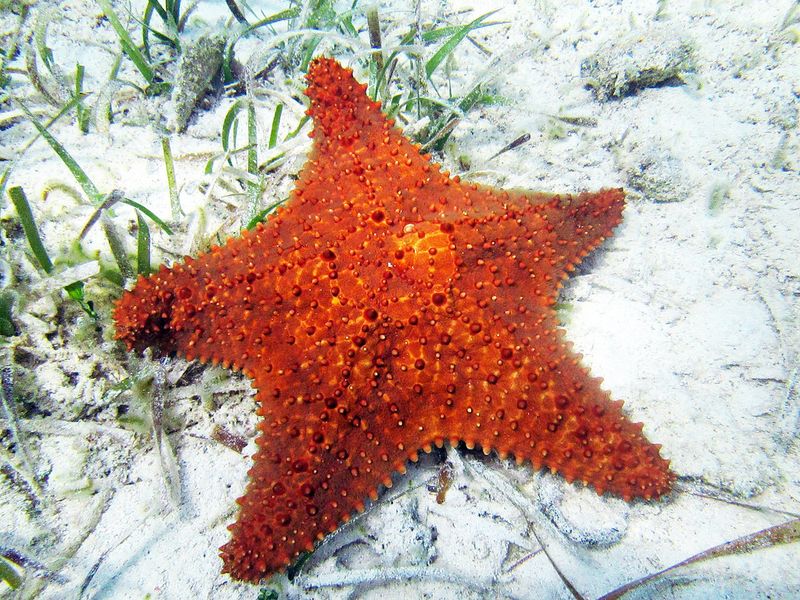
Sea stars look like living decorations, and that’s exactly the problem. People love collecting them as souvenirs, which has led to serious population declines across Florida’s coastal waters.
The Bahama Sea Star is now fully protected under Florida law.
Harvesting, possessing, or selling a Bahama Sea Star is illegal in Florida. That includes picking one up off the beach while it’s still alive.
Many beachgoers don’t realize that a sea star lying in shallow water is often very much alive, just resting.
Sea stars play a critical role in reef ecosystems. They help control populations of mussels, clams, and other invertebrates that would otherwise overrun the seafloor.
Removing them throws the whole system off balance.
Even dead sea stars can be tricky legally, so it’s best to just admire and move on. Snap a photo instead.
A good picture lasts longer than a crumbling souvenir on your bookshelf anyway.
Live Rock (from state waters)
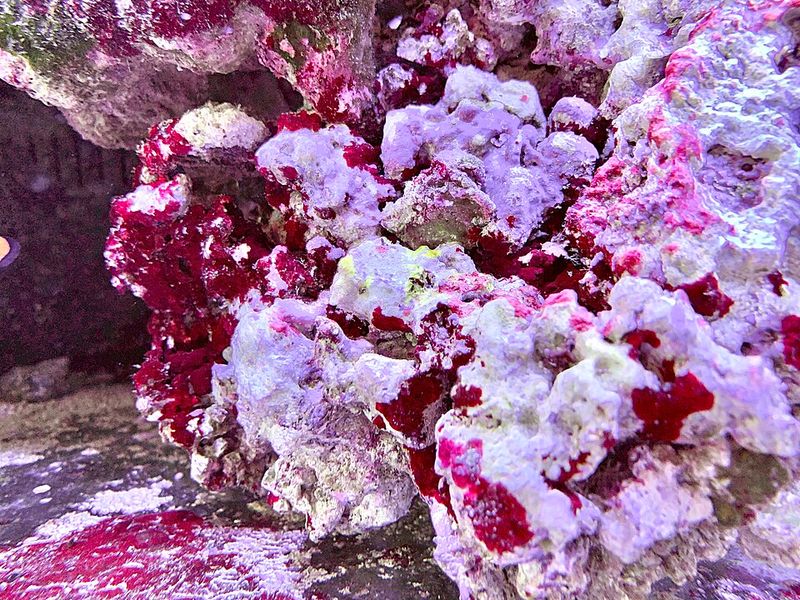
It doesn’t look like much from the surface, but live rock is basically a city for marine life. Every square inch hosts corals, sponges, worms, crabs, and dozens of other creatures that depend on it to survive.
Pulling it from Florida’s state waters is a serious crime.
The collection of live rock from Florida state waters has been banned since 1994. The law exists to protect reef ecosystems that took thousands of years to develop.
Aquarium hobbyists once stripped entire sections of reef bare looking for prized pieces.
Florida does allow aquaculture-grown live rock, which is farmed in controlled ocean environments and harvested legally. That’s the only legal way to get the real thing these days.
Natural live rock supports fish nurseries, filters water, and anchors entire food chains. Ripping it out doesn’t just remove a rock.
It collapses a neighborhood. Florida takes this law seriously, and violations can result in steep fines and even criminal charges.
Hard Coral Species
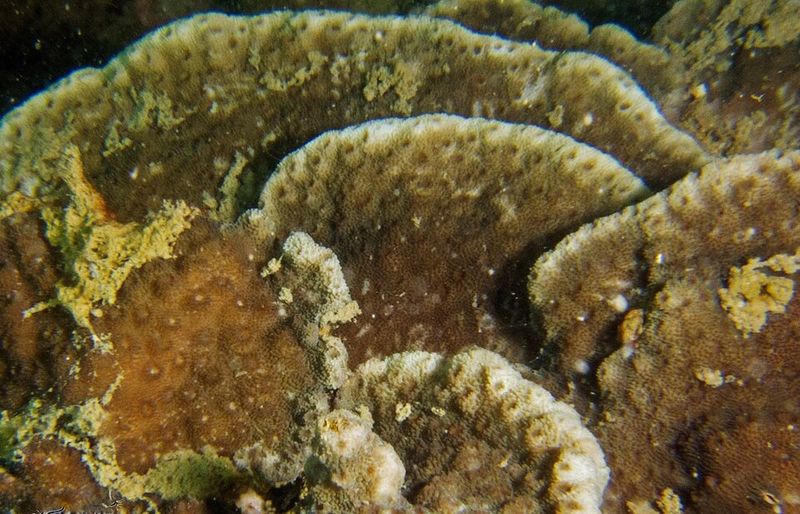
Coral reefs are sometimes called the rainforests of the sea, and Florida is home to the only living barrier reef in the continental United States. Hard corals are the architects of that reef, and harvesting or selling them is completely illegal.
Florida law prohibits taking any reef-building coral species, whether for aquariums, jewelry, or souvenirs. The penalties are steep and can include federal charges, since many species are also protected under the Endangered Species Act.
Hard corals grow incredibly slowly. Some species add less than an inch per year.
A colony that looks small might actually be hundreds of years old. Breaking off even a tiny piece causes damage that takes generations to repair.
Florida’s reef system is already under serious stress from warming ocean temperatures, pollution, and disease outbreaks. The last thing it needs is people chipping off pieces as keepsakes.
Admire the coral, photograph it, and leave it exactly where it is.
Marine Turtles (all species)
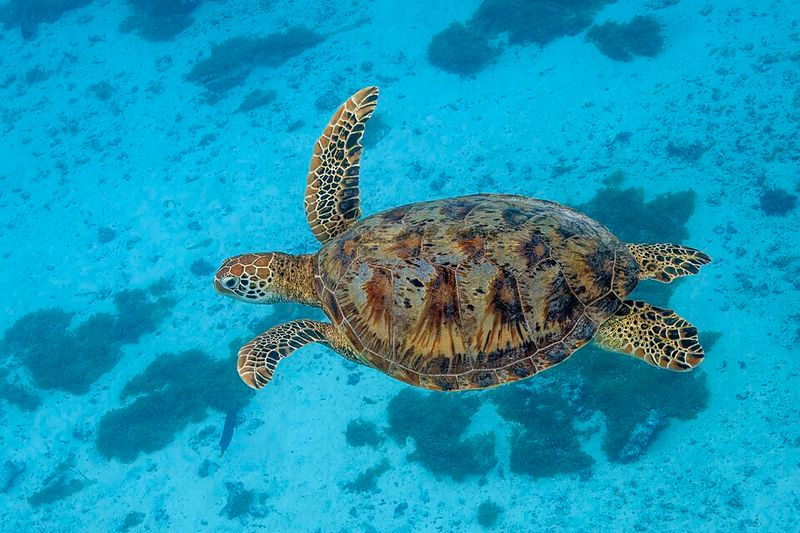
Sea turtles have been swimming Earth’s oceans for over 100 million years. They survived the extinction that wiped out the dinosaurs.
But they couldn’t survive unchecked human hunting, which is exactly why Florida and federal law now fully protect every single marine turtle species.
Harvesting, possessing, or selling any part of a marine turtle is illegal. That includes eggs, shells, meat, and even old turtle products.
All seven species found in Florida waters, including loggerheads, greens, and leatherbacks, are protected.
Florida beaches are some of the most important sea turtle nesting grounds in the world. Tens of thousands of nests are laid each summer along the state’s coastline.
Disturbing nests or hatchlings is also illegal and taken very seriously by wildlife officers.
These animals spend decades at sea before returning to the exact beach where they were born to lay eggs. That kind of loyalty to home is something worth protecting with everything we’ve got.
Manatees
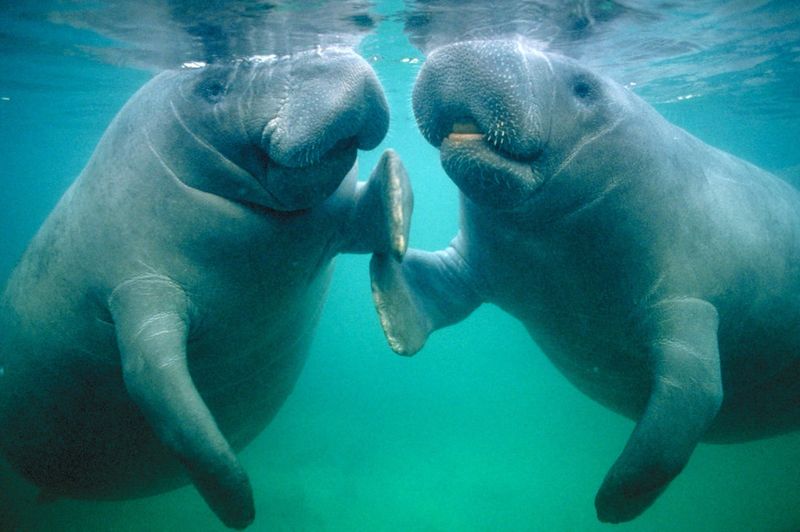
Manatees are basically the big, slow, lovable golden retrievers of the ocean. They paddle around Florida’s warm springs and coastal waterways, munching on seagrass, and minding their own business.
Harming one in any way is a federal offense.
Protected under both the Marine Mammal Protection Act and the Endangered Species Act, manatees cannot be hunted, harassed, or handled without special authorization. Even touching a wild manatee in certain ways can get you fined.
Florida is the year-round home to over 7,000 manatees, and boat strikes remain one of their biggest threats. Their slow speed and tendency to surface near boats makes them extremely vulnerable.
Many manatees carry propeller scars on their backs as permanent reminders.
Conservation efforts have helped their numbers recover somewhat over the years, but the species remains vulnerable. Red tide blooms and loss of warm-water habitat continue to pose major risks.
Manatees need every legal protection they can get, and Florida is serious about enforcing those protections.
Dolphinfish (Mahi-Mahi) Eggs or Undersized Fish
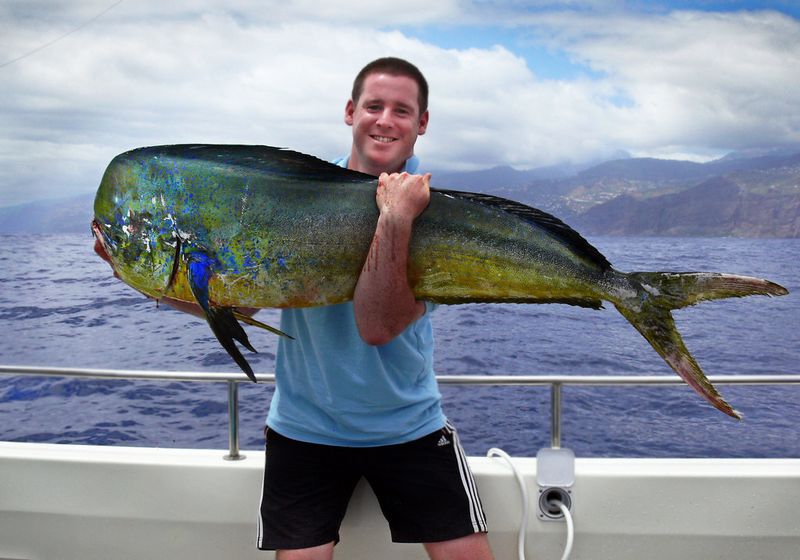
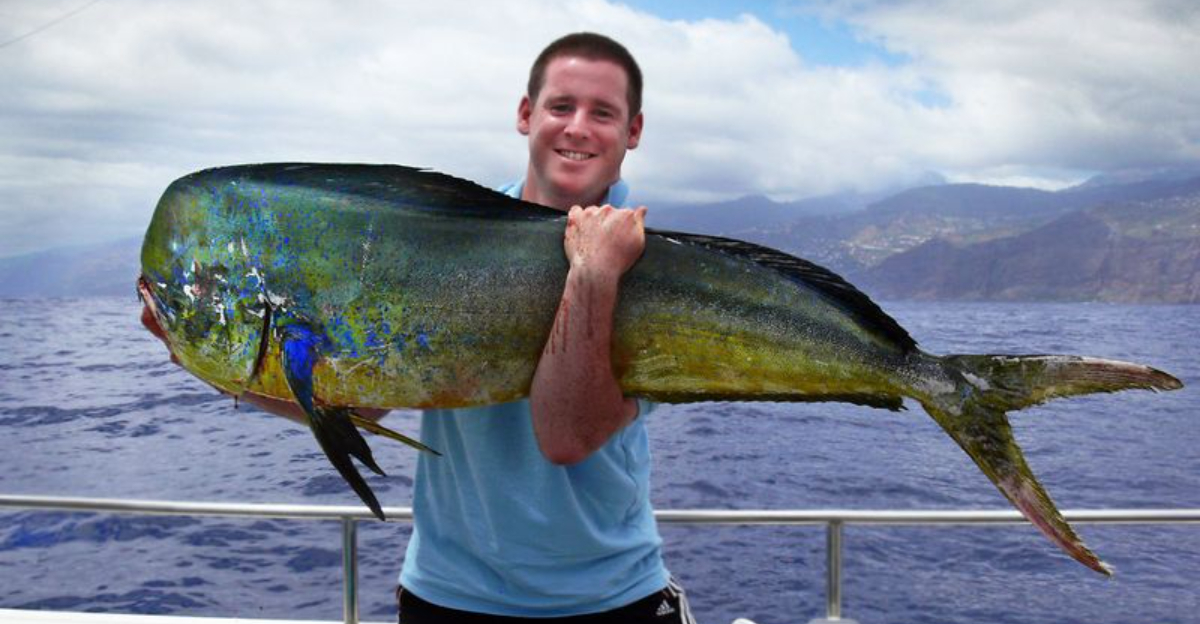
Mahi-Mahi might be one of Florida’s most popular sport fish, but that popularity comes with strict rules. Undersized fish must be released immediately, and harvesting eggs or egg-bearing females is completely off-limits.
Florida takes these size and bag limits seriously.
The minimum size limit for Mahi-Mahi in Florida is 20 inches in fork length. Fish shorter than that go back in the water, no exceptions.
Daily bag limits also apply, capping how many a person can legally keep per trip.
Mahi-Mahi grow fast and reproduce frequently, which helps populations stay relatively healthy. But high fishing pressure can still push numbers down if limits aren’t respected.
The rules exist to make sure the fishery stays productive for decades to come.
Catching a big, colorful Mahi-Mahi is genuinely thrilling. Their iridescent blue and yellow colors are stunning.
Respecting the rules means future anglers get to experience that same rush. Keeping undersized fish ruins that for everyone down the line.
Stone Crabs (out of season or whole-bodied)
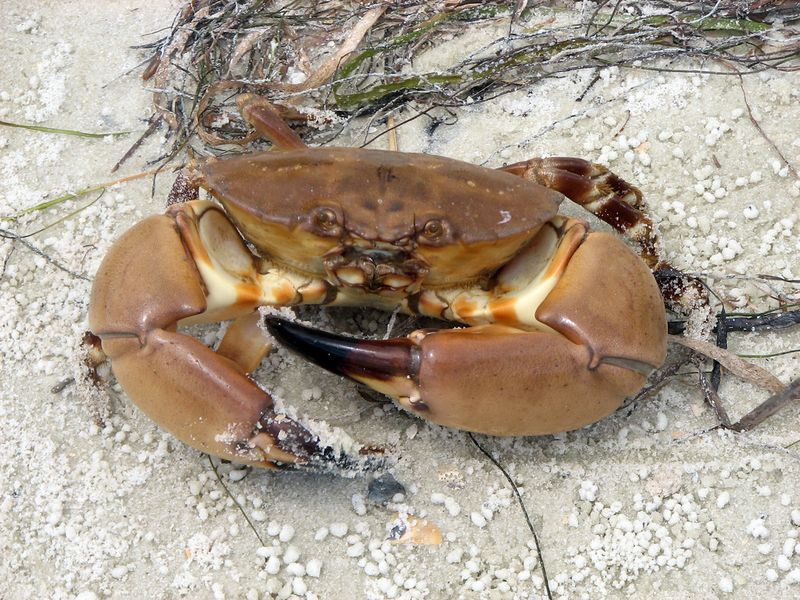
Stone crabs have one of the most unusual harvest rules in all of seafood law. Only the claws can be taken, and only during the official season running from October 15 to May 1.
The crab itself must be returned to the water alive so it can regenerate its claws.
Taking a whole stone crab is illegal. Harvesting claws outside of the season is illegal.
Even taking both claws from a single crab is prohibited, since the animal needs at least one to defend itself and feed while it regrows the missing one.
Stone crab claws are a Florida delicacy, famous for their sweet, firm meat. Fishermen and restaurants take the season seriously because demand is sky-high.
Joe’s Stone Crab in Miami Beach has been serving them since 1913.
The regeneration system is actually brilliant conservation. A crab can regrow a claw in about 18 months.
Managed correctly, the fishery can keep producing without wiping out the population. It’s one of the smarter seafood management systems anywhere in the country.
Lobster (out of season or egg-bearing females)
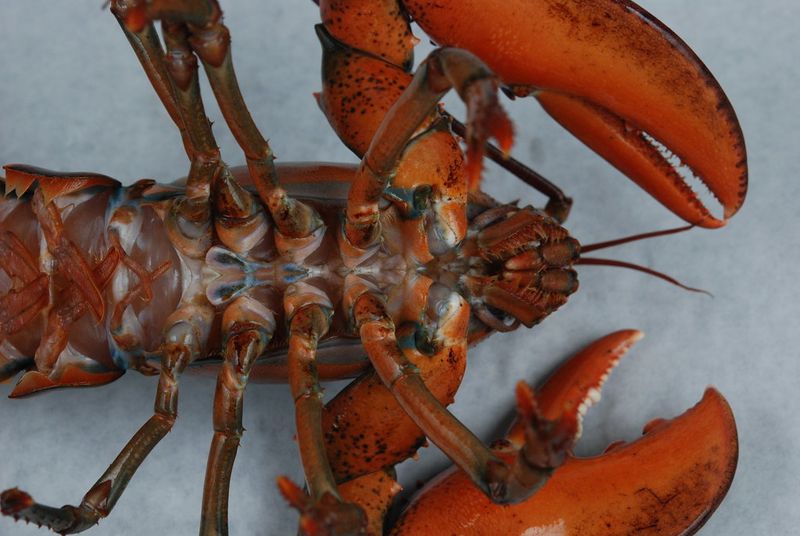
Florida spiny lobster season is practically a holiday in the Keys. Divers flood the water every July for the two-day sport season, coolers ready and excitement high.
But the rules governing what you can keep are strict, and breaking them comes with real consequences.
Harvesting lobster during the closed season is illegal. So is taking egg-bearing females, which are easy to spot by the bright orange egg mass visible under the tail.
These females are off-limits because they’re actively contributing to the next generation of the fishery.
Size limits also apply. Lobsters with a carapace shorter than 3 inches must be released.
Bag limits cap how many each person can take per day during sport season. Commercial trapping has its own separate set of rules and licensing requirements.
Florida’s spiny lobster fishery is one of the most valuable in the state. Keeping it healthy means following every rule, even when the water is full of lobsters and nobody seems to be watching.
Someone always is.
Oysters (from restricted or contaminated waters)
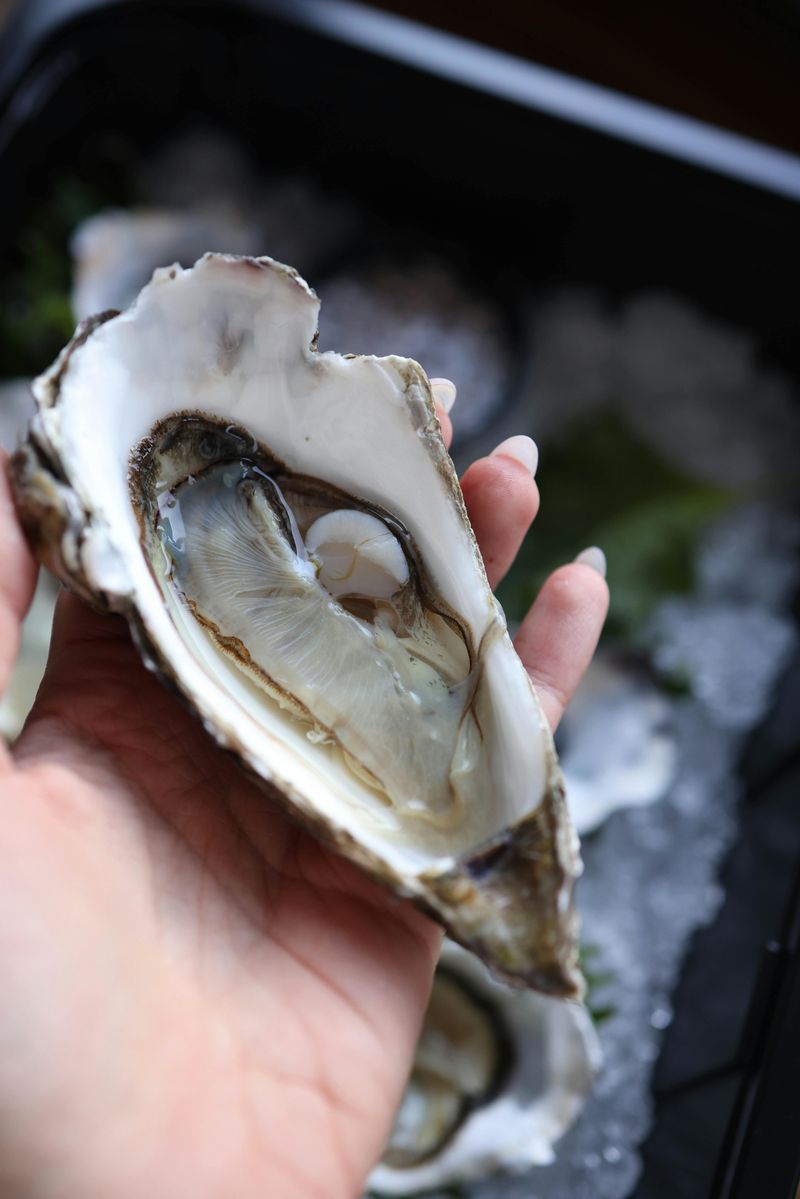
Raw oysters are a beloved Florida tradition, but not all oysters are safe to eat or legal to harvest. Certain waters around the state are classified as restricted or prohibited harvest zones due to pollution, bacteria levels, or proximity to wastewater sources.
Harvesting oysters from these designated areas is illegal and genuinely dangerous. Oysters filter enormous amounts of water and can concentrate harmful bacteria like Vibrio vulnificus, which causes severe illness and can be fatal in people with weakened immune systems.
Florida’s Department of Agriculture closely monitors harvest areas and posts closures when conditions become unsafe. Those closures can happen quickly after heavy rainfall, which flushes contaminants from land into coastal waters.
Buying oysters from a licensed dealer is always the safest bet. They come with documentation proving they were harvested from approved, tested waters.
Pulling oysters from a random shoreline and eating them raw is a gamble that Florida law, and basic common sense, strongly advises against.



