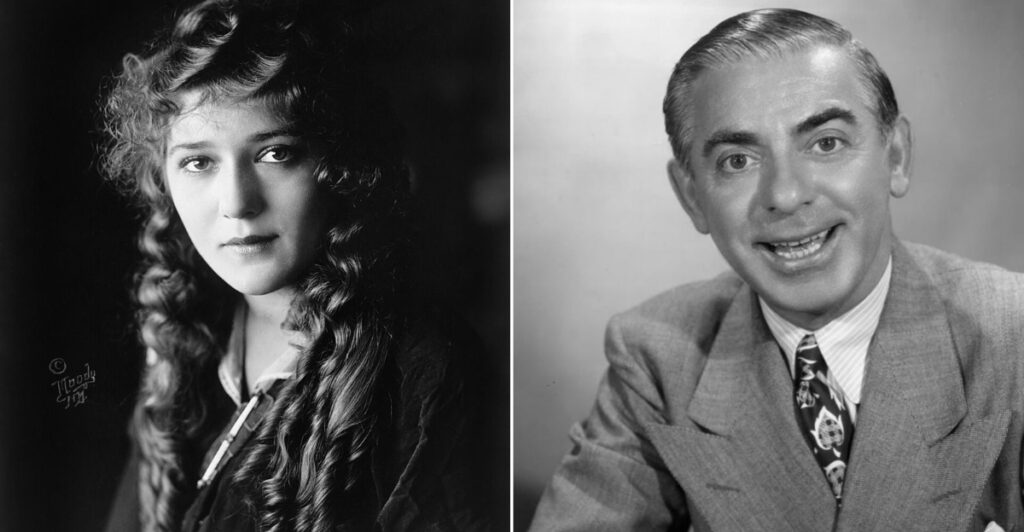
Before Elvis Presley ever stepped in front of a microphone, American entertainment was already packed with massive stars, wild fan reactions, and unforgettable performances. The names that once filled newspapers, theaters, and radio programs have quietly faded from everyday conversation, replaced by the rock-and-roll era that Elvis helped launch.
But the performers who came before him built the very idea of what a celebrity could be. From opera singers who caused ticket riots to silent-film cowboys who sold the dream of the American West, these are the forgotten giants who ruled entertainment before everything changed.
Jenny Lind, The Singer Who Sparked Lind Mania
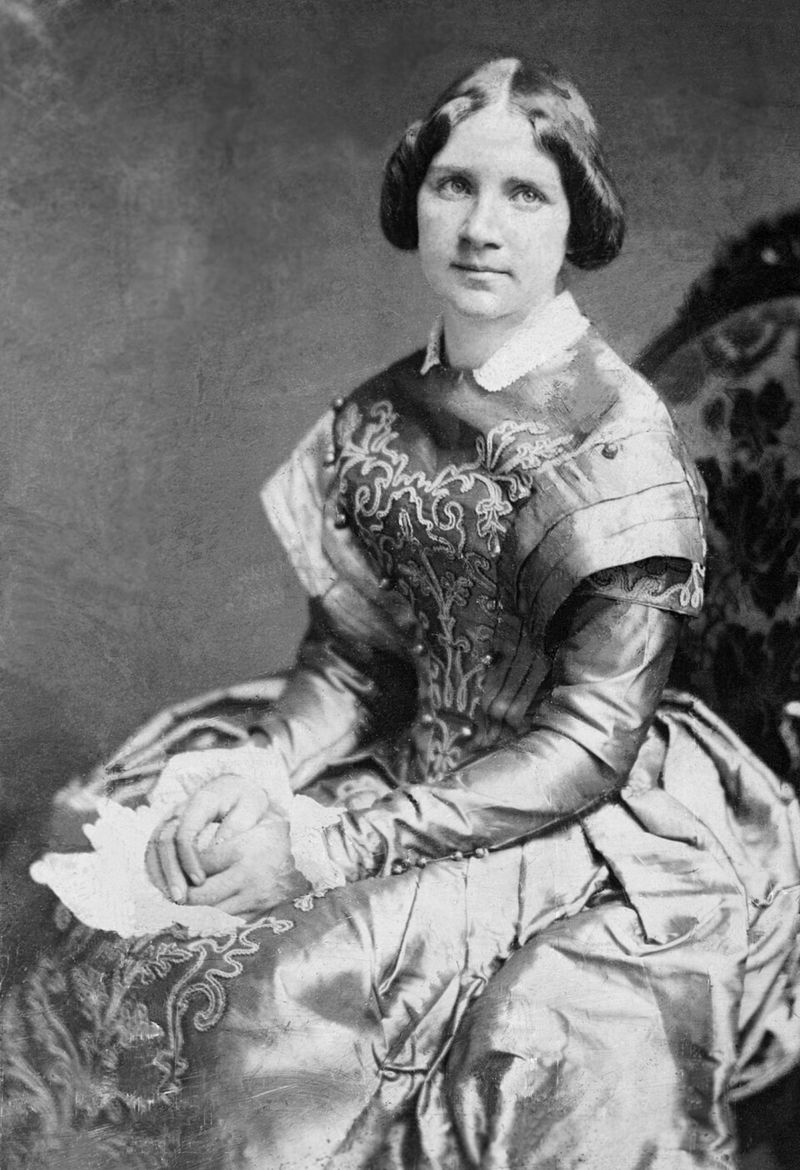
Long before pop stars caused stadium-level hysteria, a Swedish opera singer named Jenny Lind arrived in America and turned the country upside down. She had not yet sung a single note on American soil when her name was already everywhere, thanks to months of publicity engineered by showman P.
T. Barnum.
Her U.S. tour began in 1850, and the demand for tickets was so intense that they were sold by auction. Newspapers coined the phrase “Lind Mania” to describe what was happening in cities across the country.
What set Lind apart from other early celebrities was the combination of genuine talent and carefully managed public image. She was praised for her voice, admired for her modest reputation, and respected for donating large portions of her earnings to charitable causes, including education.
Today, many people recognize her only through The Greatest Showman, but the real Jenny Lind was one of the first international celebrity events in American history.
Enrico Caruso, The Opera Star Who Became A Recording Giant
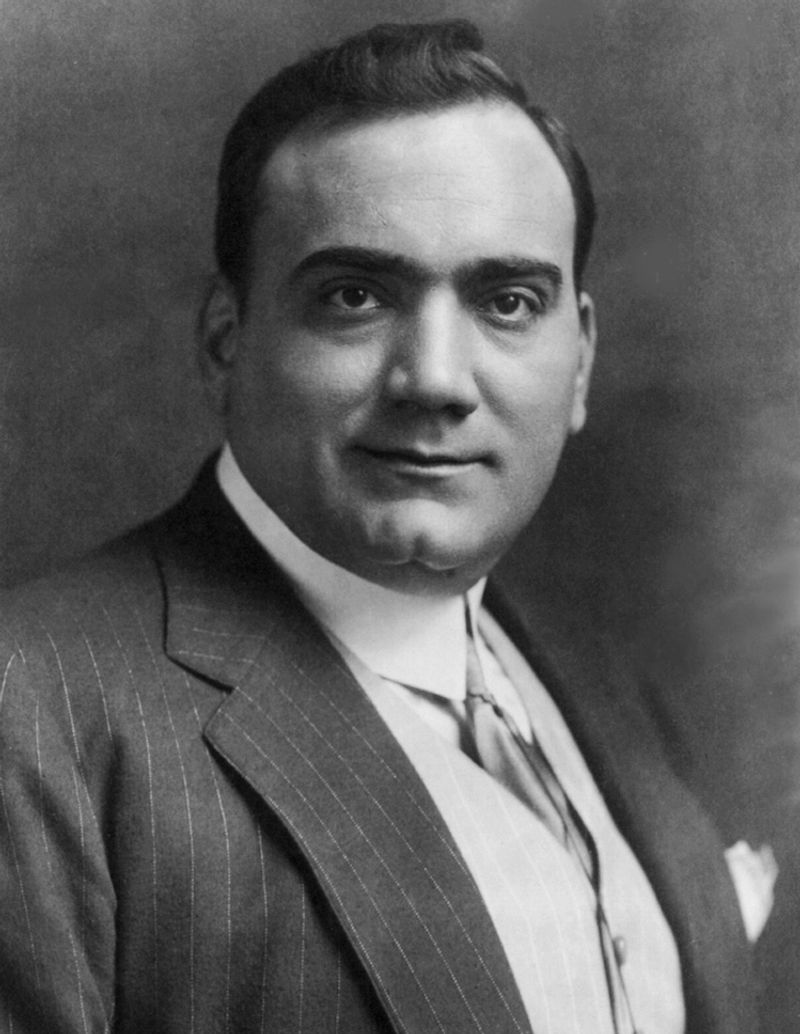
Enrico Caruso did not just sing opera. He helped prove that recorded sound could turn a performer into a global legend without anyone ever seeing them in person.
His 1902 recording of “Vesti la giubba” from Pagliacci became the first record to sell more than one million copies, according to Guinness World Records.
That number matters because it shows how early Caruso understood what a gramophone disc could do. Before radio and television made entertainers instantly accessible, his voice was traveling through living rooms around the world on a spinning record.
The scale of his reach was genuinely remarkable for the era. He helped establish the idea that a recording could create a superstar, not just document a live performance.
Elvis later became a recording phenomenon during the rock-and-roll era, but Caruso demonstrated decades earlier that a voice on a disc could build a legend that outlasted any single concert hall.
Lillian Russell, The Stage Beauty Who Became A National Obsession
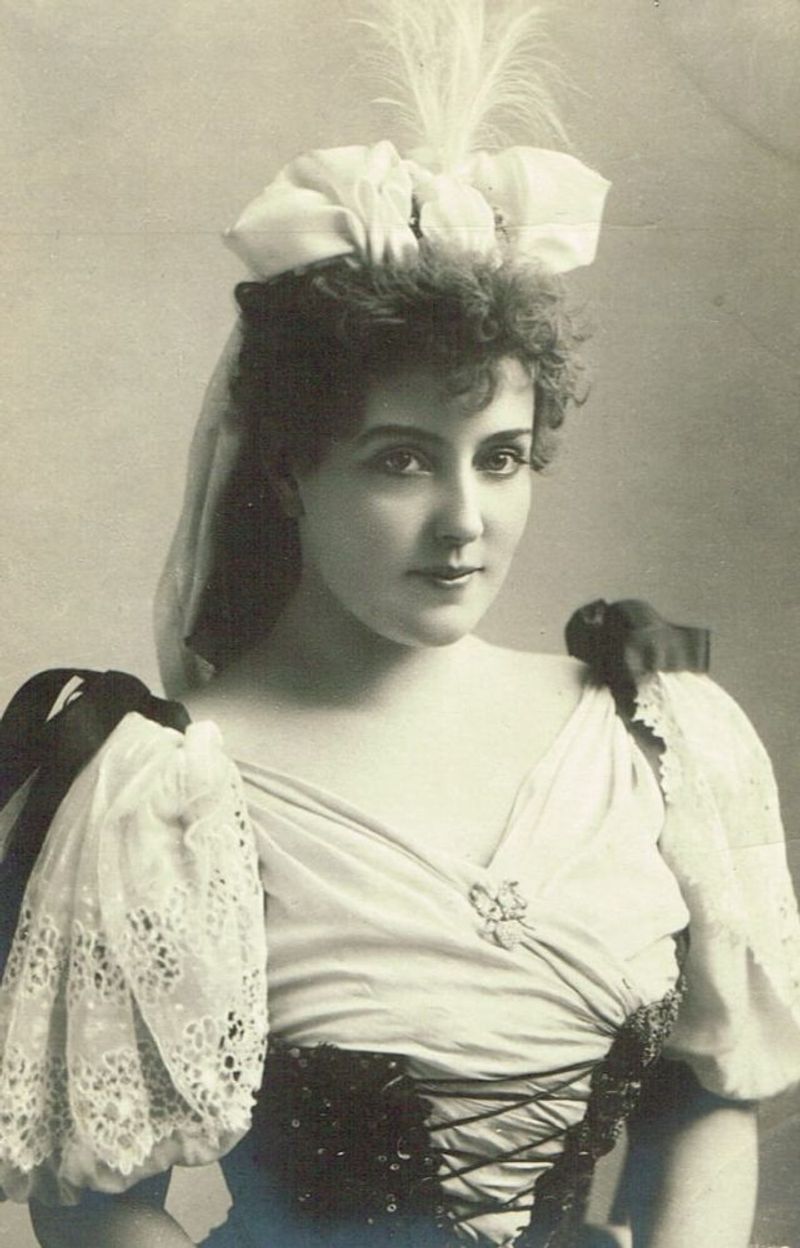
Lillian Russell’s face was on magazine covers and society columns before most Americans had ever seen a motion picture. She was one of the most celebrated actresses and singers of the late 19th and early 20th centuries, known equally for her voice, her stage presence, and her sense of style.
Russell’s fame operated through newspapers, theater audiences, and public fascination in a way that feels surprisingly modern. She was not just watched from a distance.
She was copied. Her fashion choices influenced what women wore, and her name carried a kind of glamour that belonged entirely to the stage era before movie stars took over celebrity culture.
She performed in an age when theater could make someone a national symbol, and she did exactly that. Today, her name rarely comes up outside of history books, but in her prime, Lillian Russell was the kind of celebrity people talked about even if they had never seen her perform.
Al Jolson, The Self-Proclaimed World’s Greatest Entertainer
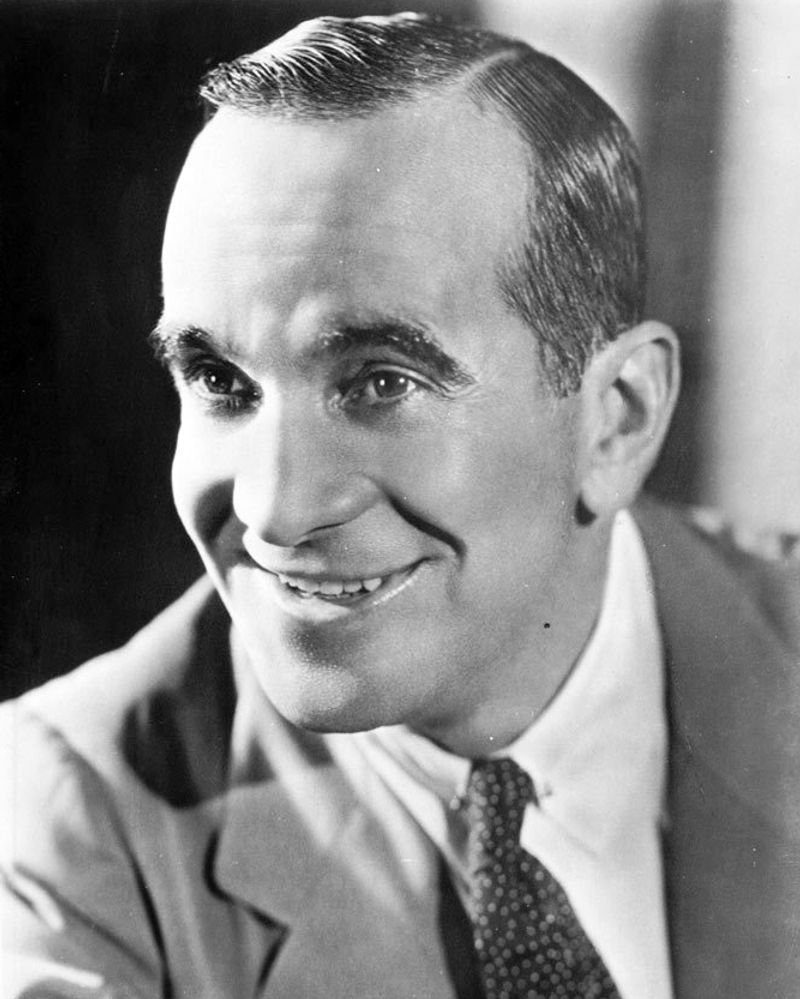
Al Jolson billed himself as “The World’s Greatest Entertainer,” and for a stretch of American history, that claim was hard to argue with. He was one of the highest-paid performers of the 1910s and 1920s, dominating vaudeville, Broadway, and the recording industry at the same time.
His starring role in The Jazz Singer in 1927 placed him at the center of one of the most significant turning points in film history. The movie is widely recognized as a landmark moment in the transition from silent pictures to talking films, and Jolson’s voice was the one audiences heard.
His legacy carries serious complications because of his use of blackface, a practice that is rightly condemned today. But when measuring the sheer scale of his fame before Elvis changed the entertainment world, Jolson belongs on this list.
He was a massive cultural force, even if modern audiences now encounter him mainly as a historical controversy rather than a celebrated star.
Mary Pickford, The Woman Once Called America’s Sweetheart
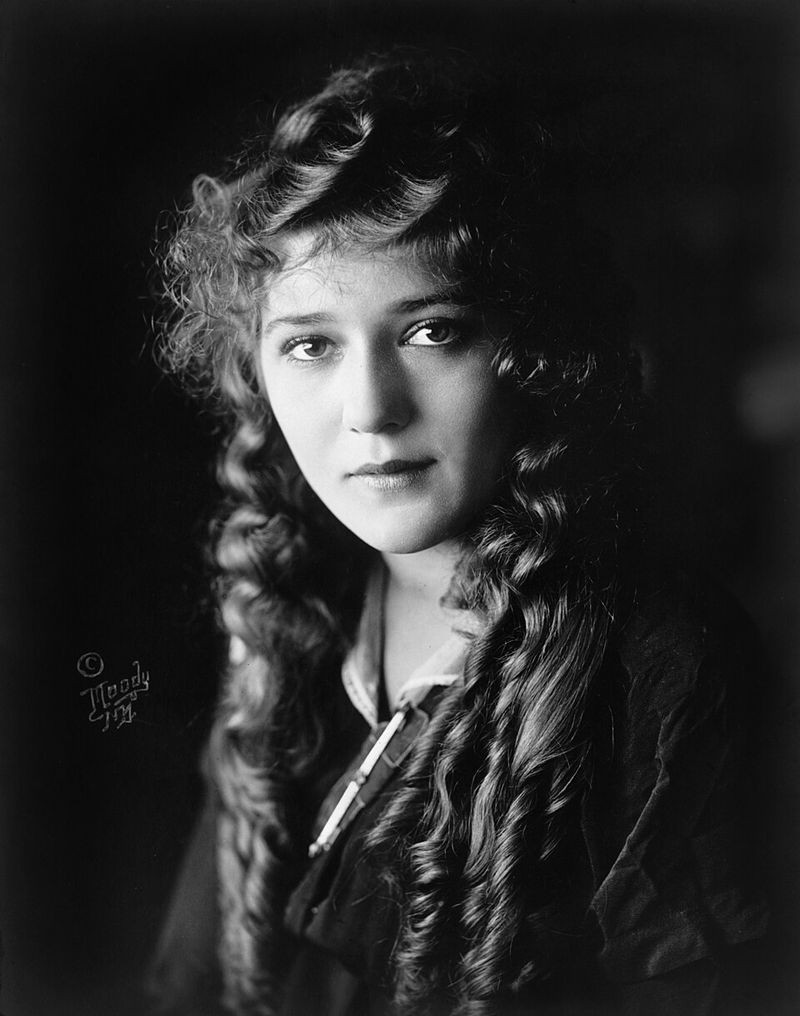
Mary Pickford became Hollywood’s first millionaire by 1916, and she did it without the benefit of sound, color film, or social media. She was one of the defining stars of silent cinema, recognized across the world at a time when movies were still a relatively new invention.
Her fame went well beyond acting. Pickford was a producer, a savvy businesswoman, and a co-founder of United Artists alongside Charlie Chaplin, Douglas Fairbanks, and D.
W. Griffith.
She also helped establish the Academy of Motion Picture Arts and Sciences, which still hands out the Oscars today.
The title “America’s Sweetheart” has been attached to many performers since, but Pickford was among the first to earn it, and she backed it up with genuine creative power behind the camera. She demonstrated that movie fame could become international fame, and that a performer could hold real authority over her own career long before that was considered normal in Hollywood.
Douglas Fairbanks, The Original Action Superstar
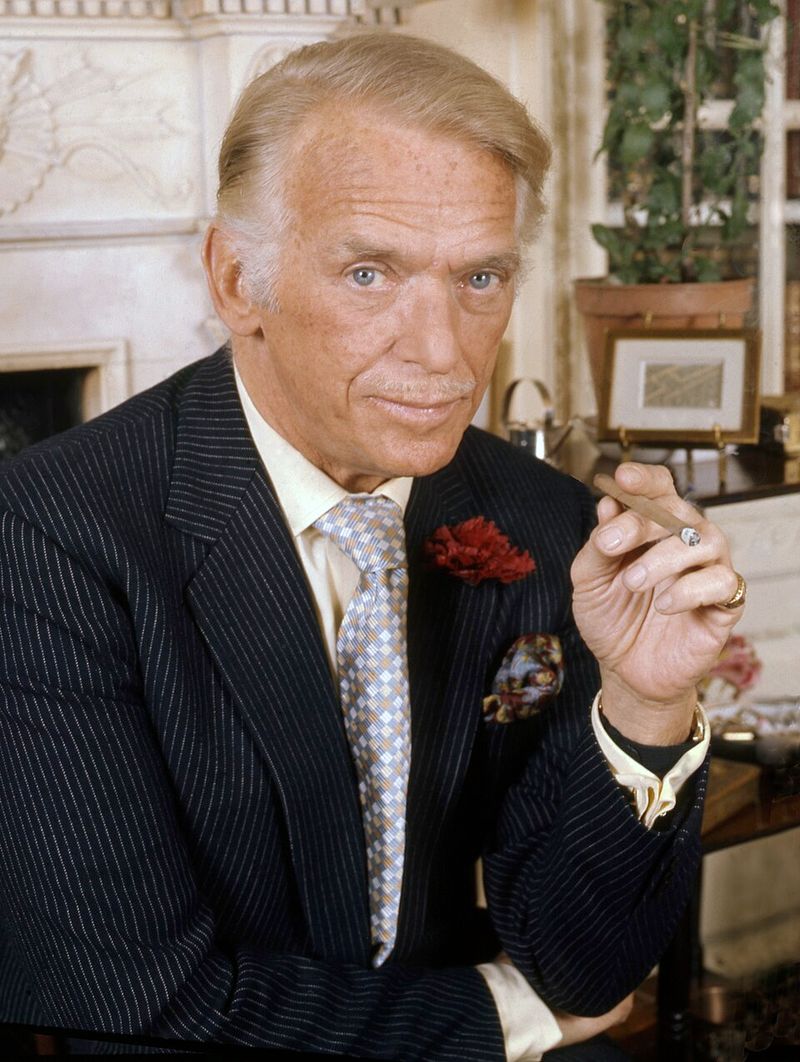
Douglas Fairbanks was doing backflips and sword fights on the big screen decades before action movies became a Hollywood genre. Known as “The King of Hollywood,” he built his career on athletic adventure films that gave audiences something they had never quite seen before: a star who made physical danger look genuinely fun.
His most famous roles came in The Mark of Zorro, Robin Hood, and The Thief of Bagdad, films that combined spectacle, charm, and impressive physical performance. Before superhero franchises took over multiplexes, Fairbanks was the closest thing cinema had to that kind of larger-than-life screen presence.
He also co-founded United Artists with Mary Pickford, Charlie Chaplin, and D. W.
Griffith, and served as the host of the very first Academy Awards ceremony in 1929. Film historians still respect his contributions, but casual modern audiences rarely mention his name.
In the 1920s, Douglas Fairbanks was Hollywood royalty in every sense.
Rudolph Valentino, The Silent-Film Idol Who Caused Mass Mourning
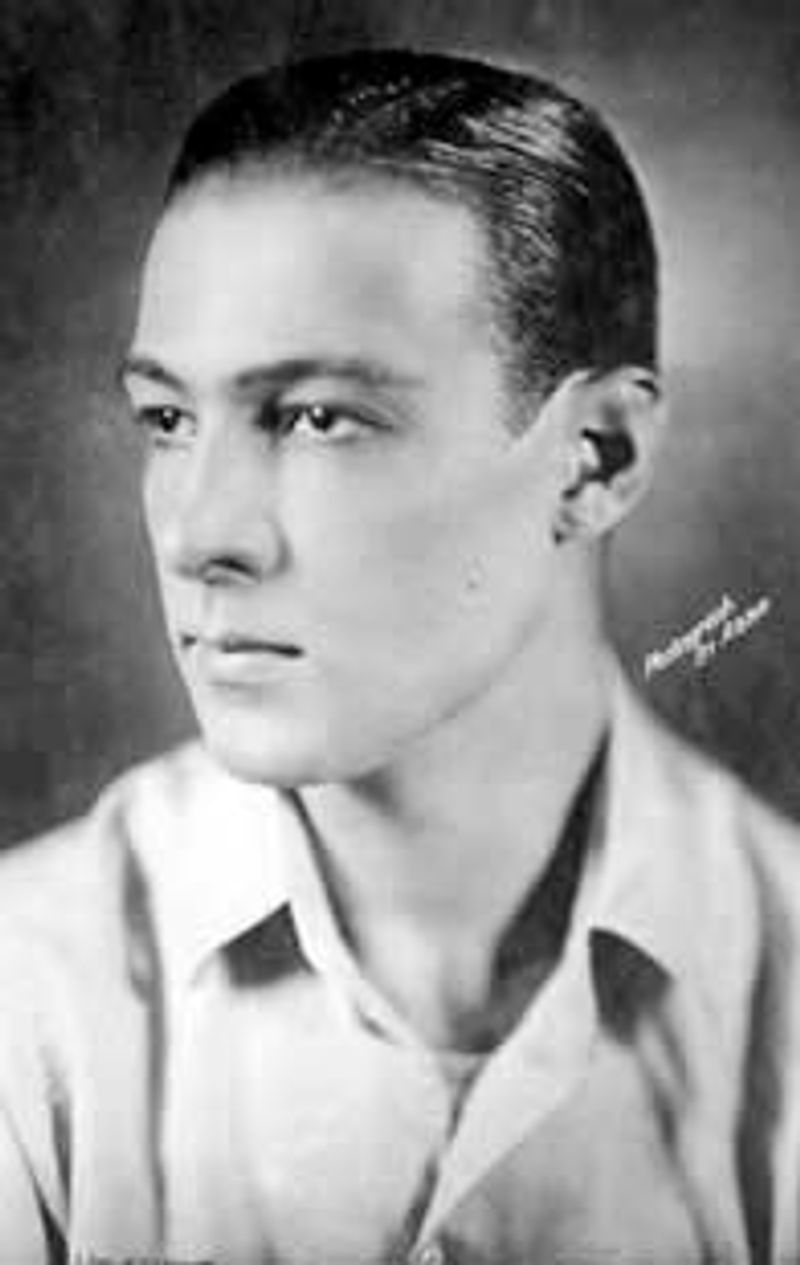
Rudolph Valentino became famous for making audiences feel something they could not quite explain. Known as the “Latin Lover,” he was one of the most magnetic screen presences of the 1920s, and his roles in films like The Sheik and Blood and Sand turned him into a genuine cultural phenomenon.
When he passed away in 1926 at only 31 years old, the public reaction was unlike almost anything American entertainment had seen before. British Pathe’s archive documents the scenes from his New York funeral, where massive crowds gathered and notable figures including Douglas Fairbanks attended to pay their respects.
Valentino’s fans did not simply admire him from a comfortable distance. They grieved him as if they had lost someone personal.
That kind of intense, emotional celebrity connection would become familiar in later decades after the loss of other music and film icons, but Valentino was experiencing it in the silent-film era, long before the modern celebrity machine existed.
Tom Mix, The Cowboy Star Who Ruled Early Westerns
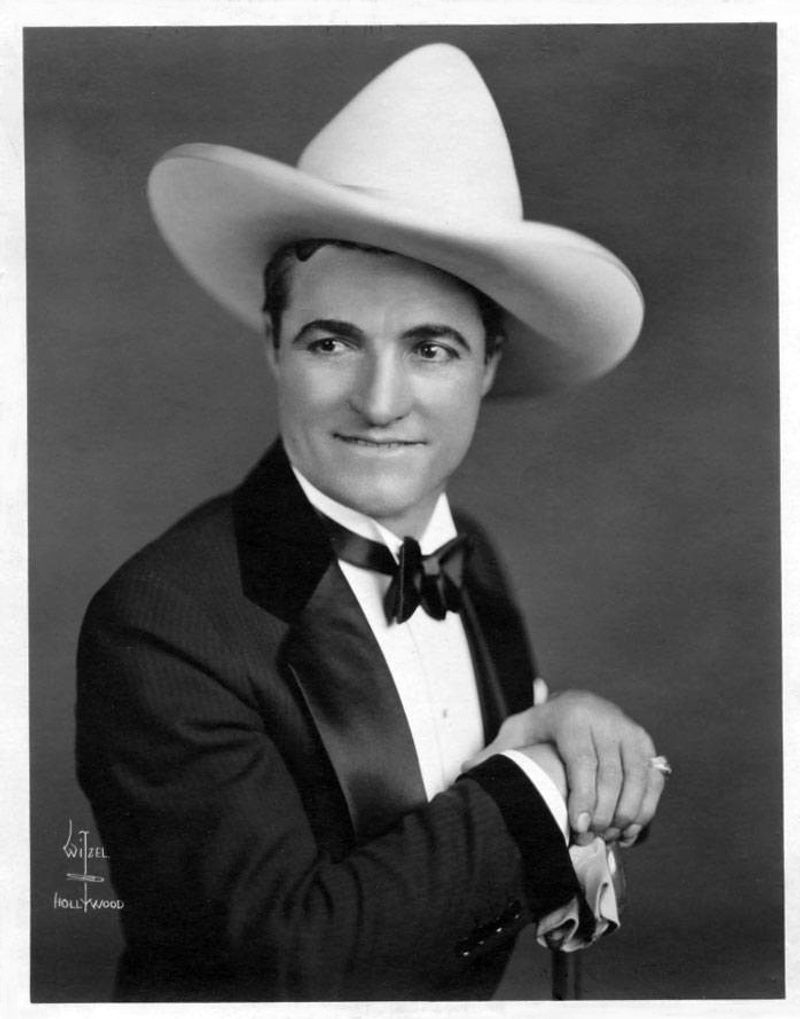
Tom Mix did not just play cowboys on screen. He turned the Western hero into a full-blown entertainment spectacle.
The Oklahoma Historical Society describes him as “the most flamboyant and popular of all the early movie cowboys,” and notes that his colorful approach helped shape the B-Western heroes who followed him.
Mix brought showmanship and stunt work to a genre that could have settled for simple horse-and-trail stories. He was brightly dressed, physically daring, and larger than life in a way that made early film audiences genuinely excited to see what he would do next.
Before Hollywood had action franchises or superhero sequels, Tom Mix was selling the fantasy of the American West to enormous audiences across the country. Western fans may still recognize his name today, but mainstream audiences rarely bring him up.
That gap between his former fame and his current obscurity is exactly what makes his story worth knowing.
Paul Whiteman, The Bandleader Once Called The King Of Jazz
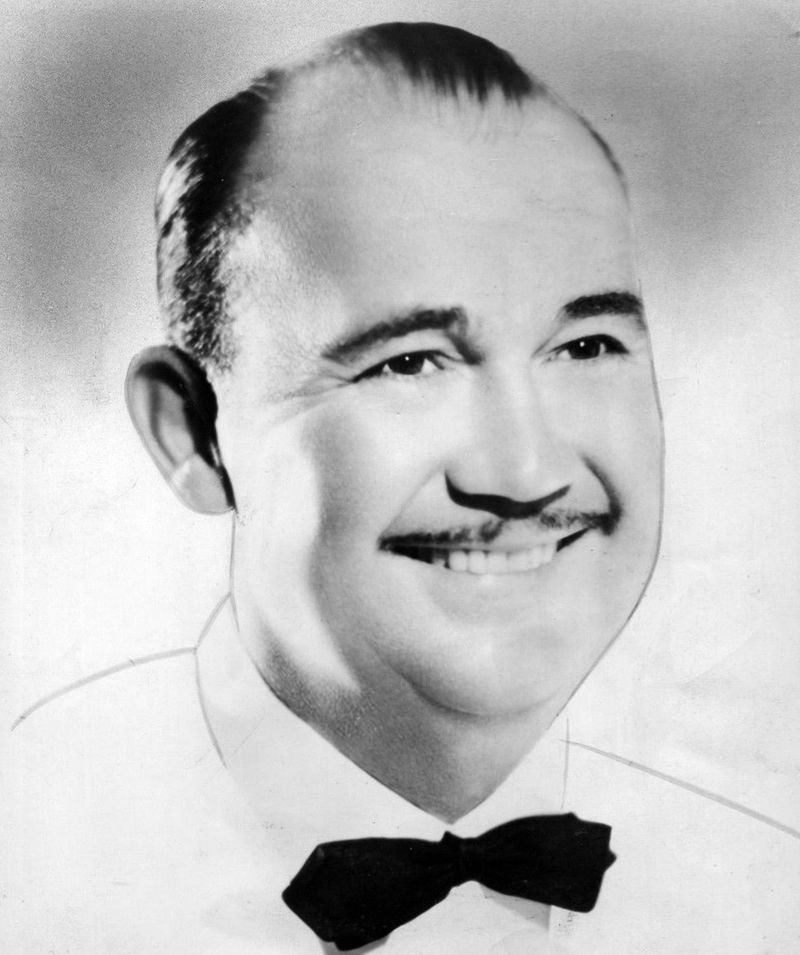
Paul Whiteman had a title that carried enormous weight in the 1920s: “The King of Jazz.” His orchestra was one of the most commercially successful musical acts of the decade, and his name was a shorthand for sophistication and the modern sound of the Jazz Age.
One of his most historically significant moments came in 1924, when he presented George Gershwin’s Rhapsody in Blue at Aeolian Hall in New York City. That concert helped introduce jazz-influenced orchestral music to audiences who might not have encountered it otherwise.
His legacy is genuinely complicated. The “King of Jazz” title has long been criticized because it largely overlooked the Black musicians who created and developed jazz as an art form.
But as a commercial force and a bandleader with mainstream celebrity status, Whiteman was undeniably enormous in his era. His story reflects both the reach and the blind spots of early 20th-century American entertainment culture.
Rudy Vallee, One Of America’s First Pop Idols
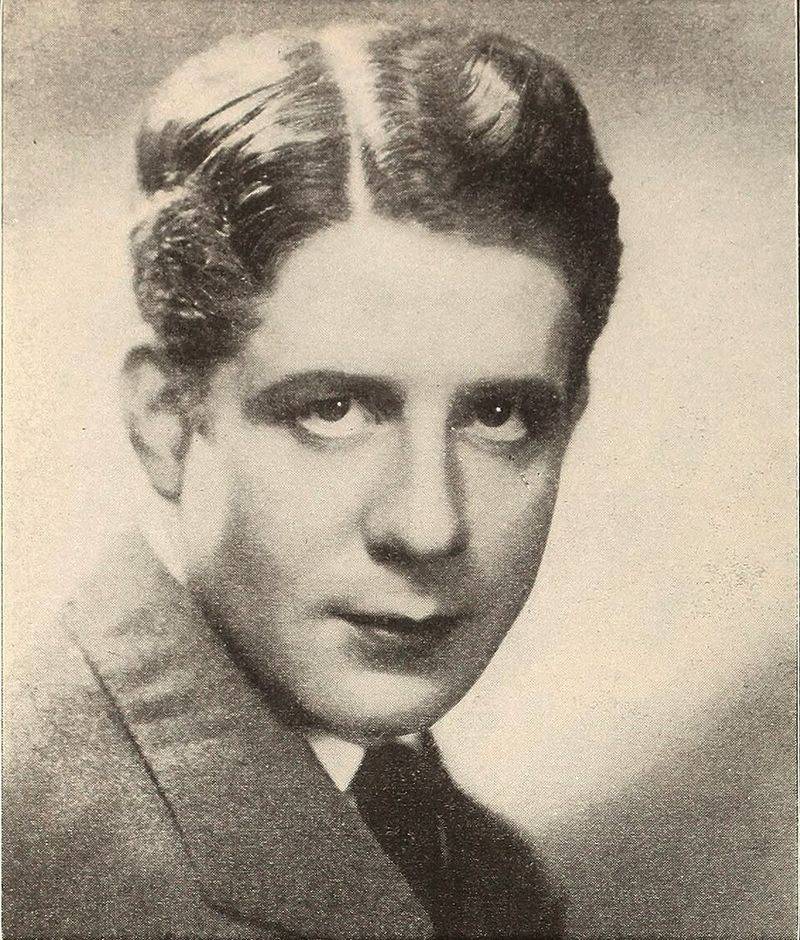
Rudy Vallee was doing something genuinely new in the late 1920s. While most popular singers still relied on big, projecting voices built for large halls, Vallee leaned into the microphone and made his soft, intimate style work for radio in a way that felt almost conversational to listeners at home.
That shift matters more than it might seem. Amplification changed what audiences wanted from a singer, and Vallee was one of the first performers to understand that fully.
His approach helped build the template that Bing Crosby and Frank Sinatra would later refine, and that many modern pop singers still use in some form today.
His live appearances were reliably sold out, and his radio presence made him one of the earliest heartthrobs of the broadcast era. Rudy Vallee is not a household name in the 21st century, but he helped invent the idea of the dreamy male pop idol long before Elvis made it look effortless on television.
Sophie Tucker, The Last Of The Red-Hot Mamas
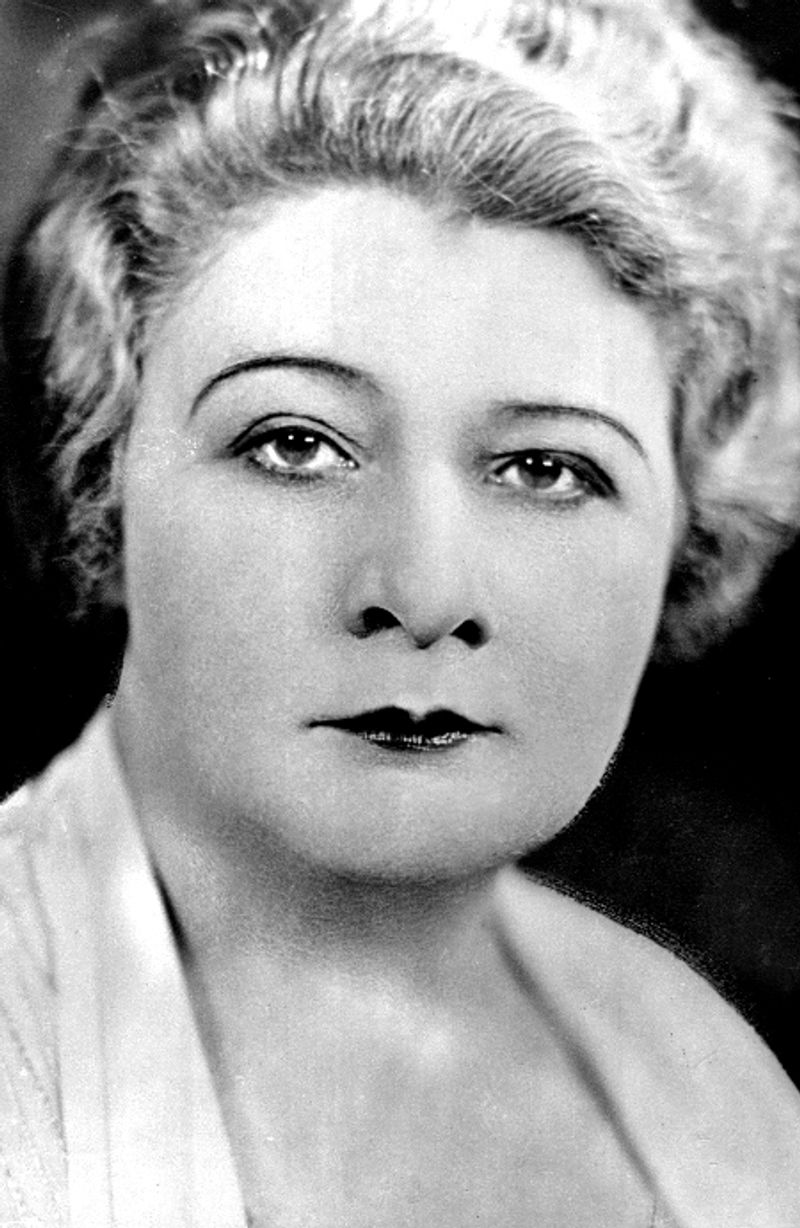
Sophie Tucker did not just perform. She commanded a room.
Known as “The Last of the Red-Hot Mamas,” she built a career on bold songs, sharp humor, and a stage confidence that made audiences feel like they were in the presence of someone genuinely larger than life.
Her career stretched from the early 1900s all the way into the 1960s, which meant she navigated more entertainment shifts than almost anyone on this list. Vaudeville, records, radio, film, and television all changed the industry around her, and she adapted through all of it without losing her core appeal.
Tucker was one of the most popular entertainers in the United States during the first half of the 20th century, yet she remains far less recognized by general audiences today than many performers she influenced. Theater historians know her work well, but casual fans rarely encounter her name.
In her prime, Sophie Tucker was a genuine powerhouse who needed no introduction.
Eddie Cantor, The Wide-Eyed Star Of Stage, Film, And Radio
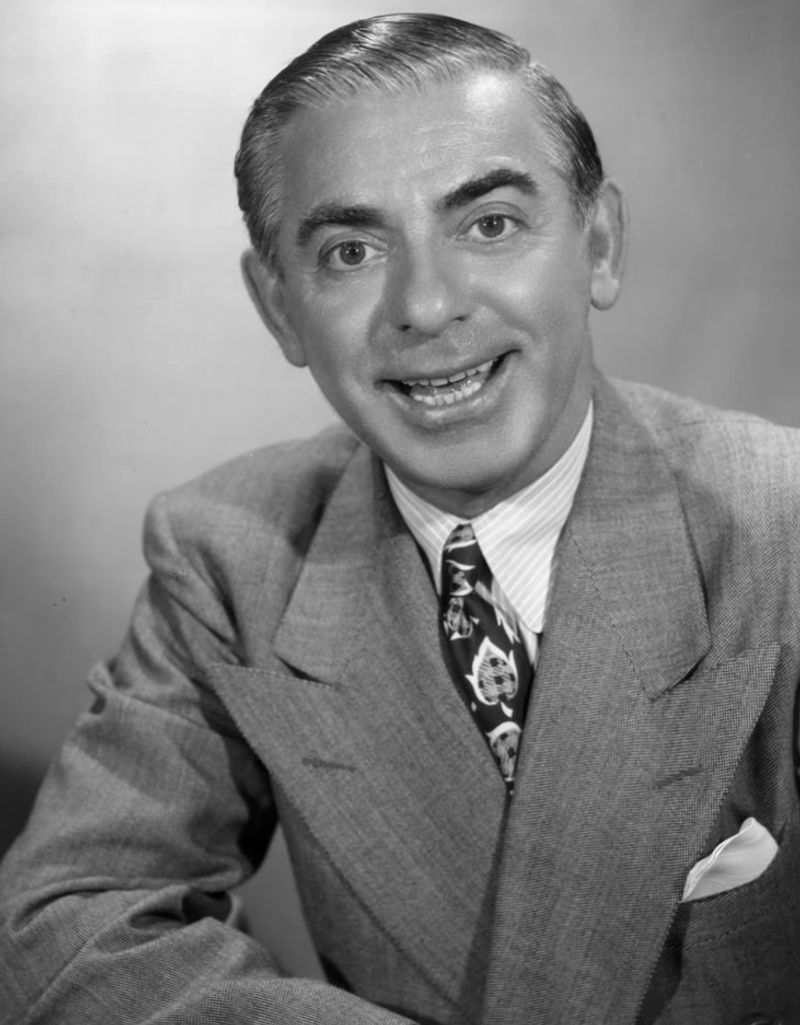
Eddie Cantor had a face that audiences remembered the moment they saw it. His wide eyes and elastic comic expressions made him instantly recognizable across Broadway, Hollywood, and radio, which was a rare combination for any performer to master in any era.
He appeared in the Ziegfeld Follies, starred in the early Hollywood musical Whoopee, and built a radio career that kept his name in living rooms across America for years. Cantor moved between formats because his personality was the product, not any single medium or role.
That kind of multimedia celebrity was unusual in the early 20th century, when most entertainers found one format and stayed there. Cantor followed the audience wherever the audience went, which is a strategy that sounds very familiar in today’s entertainment world.
During his peak years, his name carried real weight. Today, he is largely a footnote outside of entertainment history circles, but for a stretch of American pop culture, Eddie Cantor was genuinely everywhere.
Fanny Brice, The Comedy Star Behind Baby Snooks
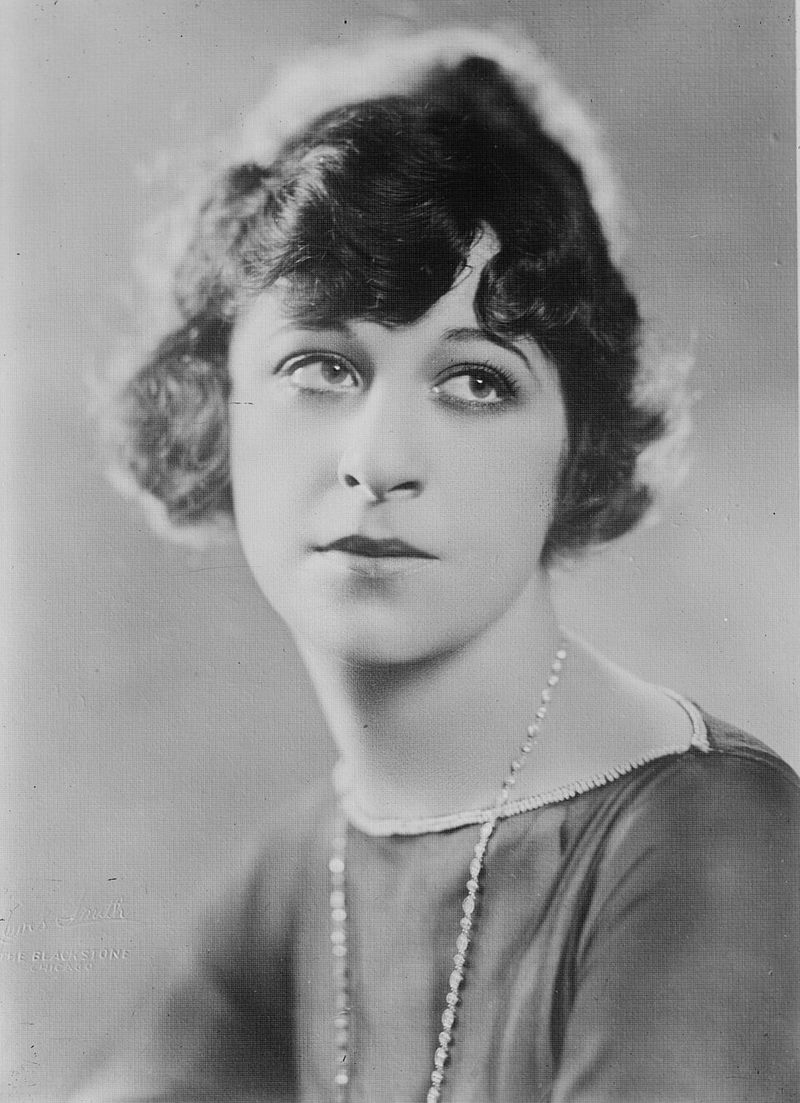
Fanny Brice built one of the most devoted radio audiences of her era by doing something deceptively simple: she made people laugh every single week without anyone ever seeing her face. Her character Baby Snooks became the centerpiece of The Baby Snooks Show, a radio comedy series that drew millions of listeners.
Modern audiences often encounter Brice indirectly through Funny Girl, the musical where Barbra Streisand portrayed a fictionalized version of her life. But Brice was not simply a character waiting to be adapted into someone else’s story.
She was a major performer in her own right, with a career that moved from vaudeville and the Ziegfeld Follies all the way into the early television era.
Her story is a useful reminder of how powerful radio comedy once was. Before television sitcoms organized family evenings, millions of listeners built weekly routines around voices and characters coming through a speaker.
Fanny Brice was one of those essential voices, and for a long time, she was impossible to miss.
Share this story