 Unearth The Voyage
Some gas stations sell fuel, a fountain drink, and a receipt you immediately lose. Others somehow become the place people bring up at family dinners, recommend in group chats, and detour for on purpose.
This list is about the second kind: the oversized roadside palace with a fan club, the tiny Route 66 survivor that lives on postcards, and the regional chain people defend like a hometown sports team. Keep reading and you will get the stories behind fourteen stops that turned practical errands into local tradition, complete with the food counters, signs, routines, and oddball details that made drivers say, “We are stopping there,” with remarkable confidence.
1. Buc-ee’s (Texas and Beyond)
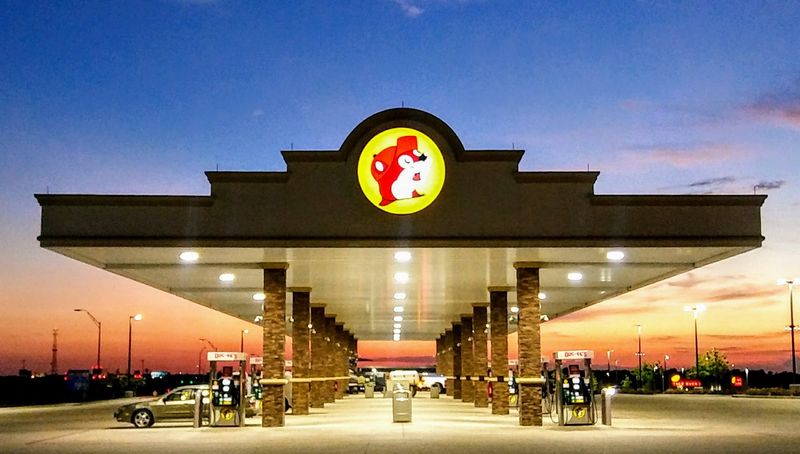
This is the gas station equivalent of showing up to a county fair with a corporate logo and a very organized floor plan. Buc-ee’s started in Texas in 1982, and over time it stopped being just a refueling point and became a full road-trip agenda item.
People talk about the famously clean restrooms, but the real legend grows from scale and consistency. The stores are huge, the snack walls seem endless, and signature items like Beaver Nuggets, jerky, fudge, and brisket sandwiches turn a quick stop into a strategic shopping session.
There is also a certain sport to visiting one. You dodge carts, debate souvenir beaver gear you do not need, and leave with far more snacks than your car cupholders can reasonably supervise.
Expansion beyond Texas only made the reputation bigger, because every new location confirms the same basic truth: this place knows exactly how to turn convenience into spectacle without forgetting the gas pumps outside.
2. Wall Drug (Wall, South Dakota)
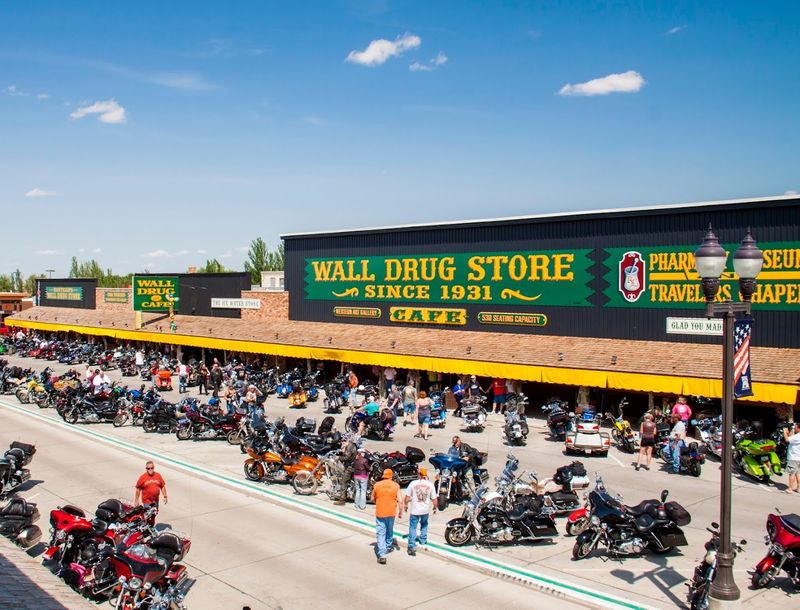
A promise of free ice water built one of America’s most famous roadside detours, which is a pretty strong argument for old-school marketing. Wall Drug began as a small drugstore in 1931, then grabbed highway travelers with simple signs that multiplied across the region until curiosity did the rest.
Today it is less a single stop than a sprawling complex with restaurants, souvenir counters, Western-themed displays, and enough signage to qualify as its own road-trip subplot. The place leans into its history instead of pretending to be polished, and that is exactly why people remember it.
Visitors come for the novelty, then stay longer than expected because there is always one more room, one more storefront, or one more photo setup to check. Wall Drug works because it understands the roadside better than almost anyone: give travelers a clear reason to pull over, keep the tone playful, and make the stop feel like a story worth retelling later.
3. Casey’s General Store (Midwest)
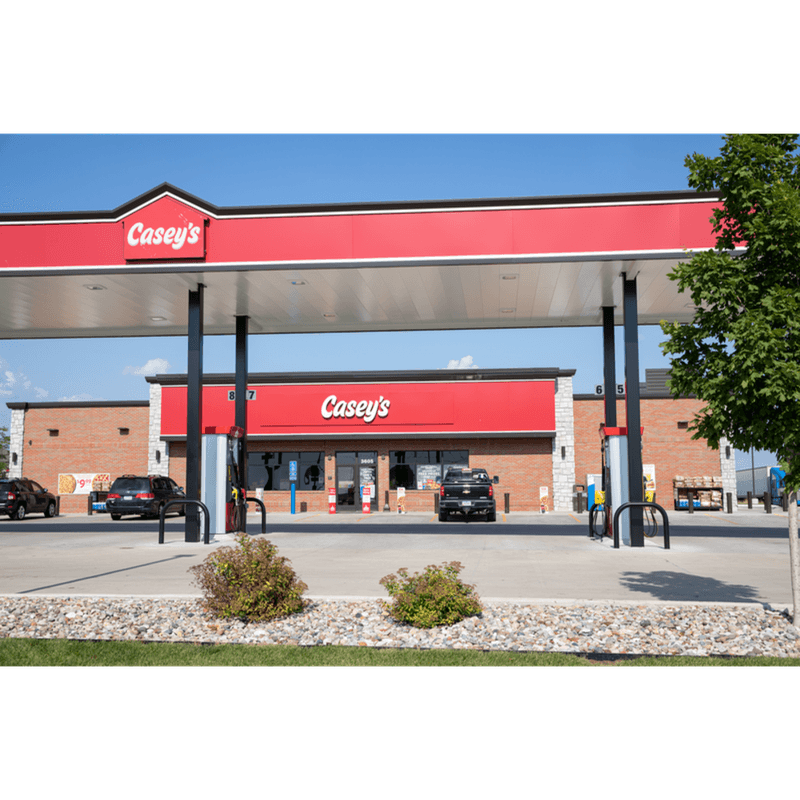
Pizza made this gas station chain part of local routine, and that still sounds like a sentence designed to start an argument. Casey’s began in Iowa in 1968, growing through Midwestern towns where a convenience store often doubles as a community bulletin board, snack stop, and practical daily errand.
The chain’s kitchen is what pushed it past ordinary status. Whole pizzas, breakfast pizza, donuts, and simple grab-and-go food gave people a reason to show up even when the fuel gauge was behaving itself.
In plenty of small towns, Casey’s is where neighbors cross paths, kids wait for rides, and someone inevitably leaves with pizza for a gathering they forgot to plan properly. That community role matters as much as the menu.
The stores are not flashy, but they are dependable, and dependable has real charm when paired with hot slices and familiar faces. Casey’s became a legend because it understood local habits better than many places built exclusively around food.
4. Love’s Travel Stops (Nationwide)
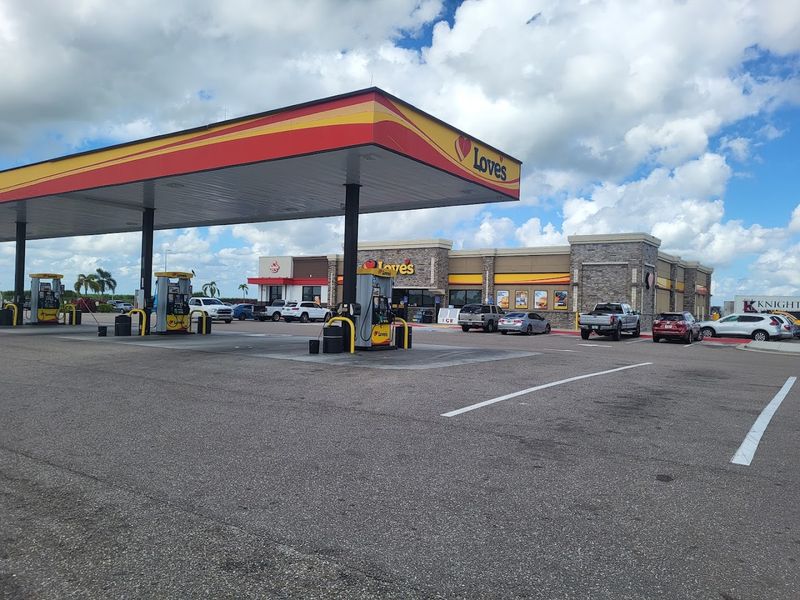
Reliability is not flashy, but on a long highway run it can feel like a minor superpower. Love’s Travel Stops built its reputation by giving drivers, especially truckers, a stop they could count on for fuel, food options, clean facilities, and a layout that does not turn simple tasks into a scavenger hunt.
Founded in 1964, the chain grew steadily instead of trying to act mysterious or trendy. That straightforward approach matters more than people admit, because road fatigue makes consistency feel like luxury very quickly.
Travelers know what they are getting at Love’s, and that predictability is part of the legend. You can stretch, grab a meal, handle supplies, and get back on the road without a lot of confusion or disappointment.
Truckers helped give the brand its credibility, but regular road trippers noticed the same thing soon enough. Love’s became memorable not through gimmicks but through competence, which might be the least glamorous path to fame and also one of the smartest.
5. Stuckey’s (Southern U.S.)
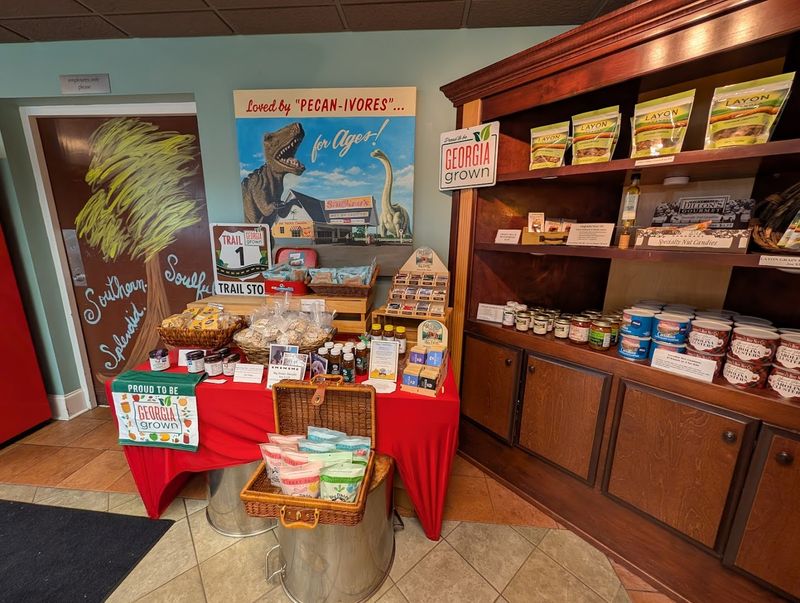
Nostalgia does a lot of heavy lifting here, but the pecan log roll deserves equal billing. Stuckey’s began in Georgia in 1937 and became a familiar highway name across the South, blending gas, candy, souvenirs, and roadside curiosity into one very recognizable package.
Its stores were built for travelers who wanted a break with personality instead of a purely functional stop. Candy counters, novelty goods, and branded treats made Stuckey’s feel like part convenience store, part memory machine, especially for families who passed the signs year after year.
The chain faded from its peak, yet that only strengthened its legend. People kept talking about the snacks, the road trips, and the old stores with the same fondness usually reserved for family vacation photos and slightly chaotic station wagons.
Recent efforts to revive the brand have tapped directly into that affection. Stuckey’s still matters because it represents a style of American travel that valued a little character with every pit stop, plus one sweet snack you definitely meant to share.
6. South of the Border (South Carolina)
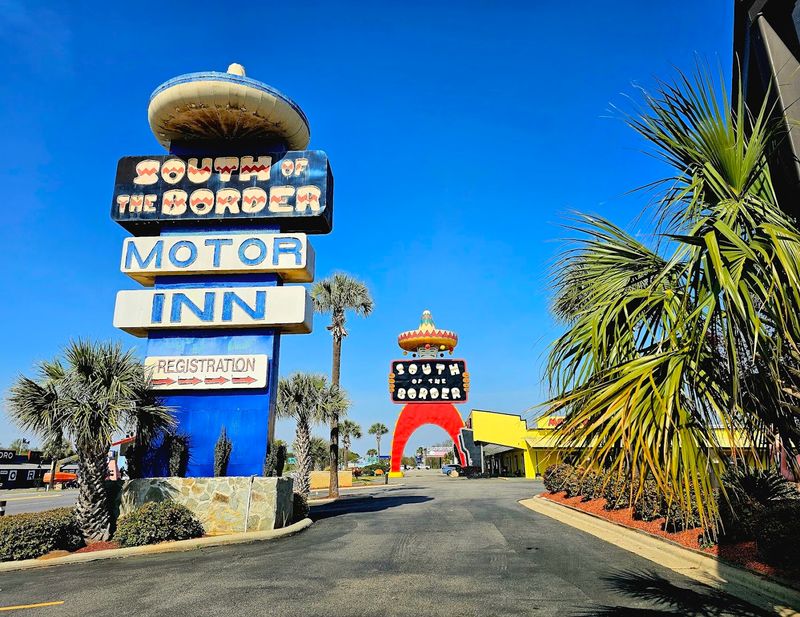
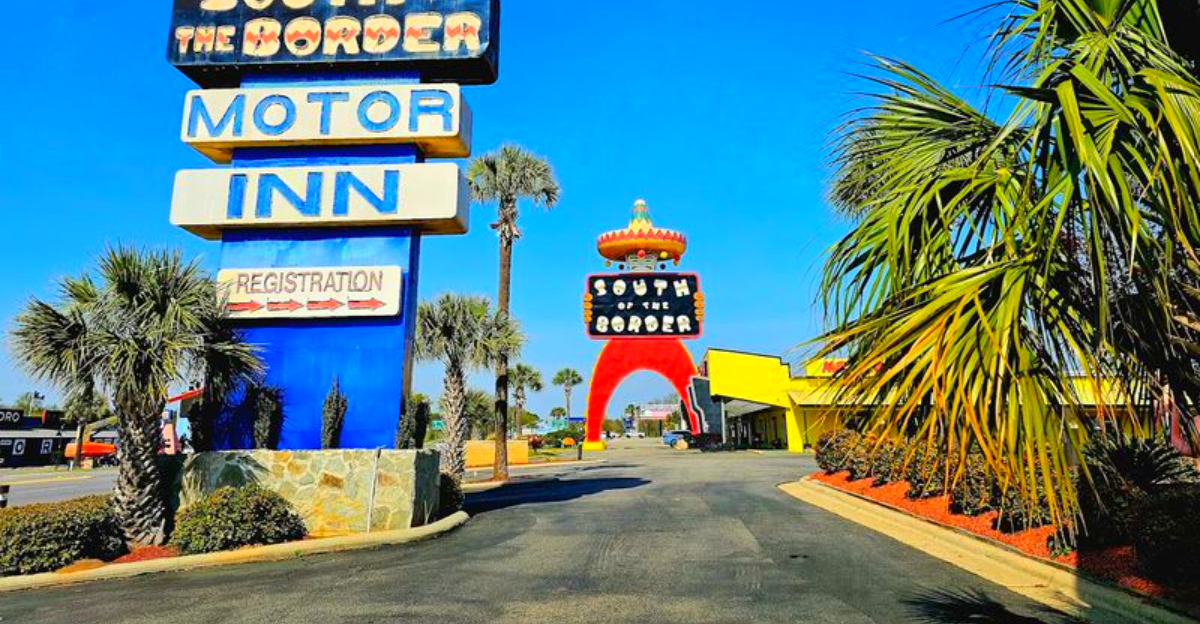
Miles before you arrive, the billboards begin their campaign, and by the time you get there the place already feels familiar. South of the Border opened in the 1940s near the North Carolina and South Carolina line and gradually expanded from a roadside business into a full-on highway spectacle.
Gas pumps may have started the transaction, but the legend comes from sheer persistence and personality. Neon, gift shops, themed buildings, restaurants, and the tall observation tower give it the feel of a place that never learned the word restraint and decided that was a feature.
That excess is exactly why it lasts in public memory. Some travelers stop because they grew up seeing the signs, others because they want proof that this giant roadside oddity really exists, and plenty do both.
South of the Border remains beloved because it commits completely to being unusual, which is harder to forget than any standard exit with a snack aisle and two tired pumps.
7. Roy’s Motel & Café (Amboy, California)
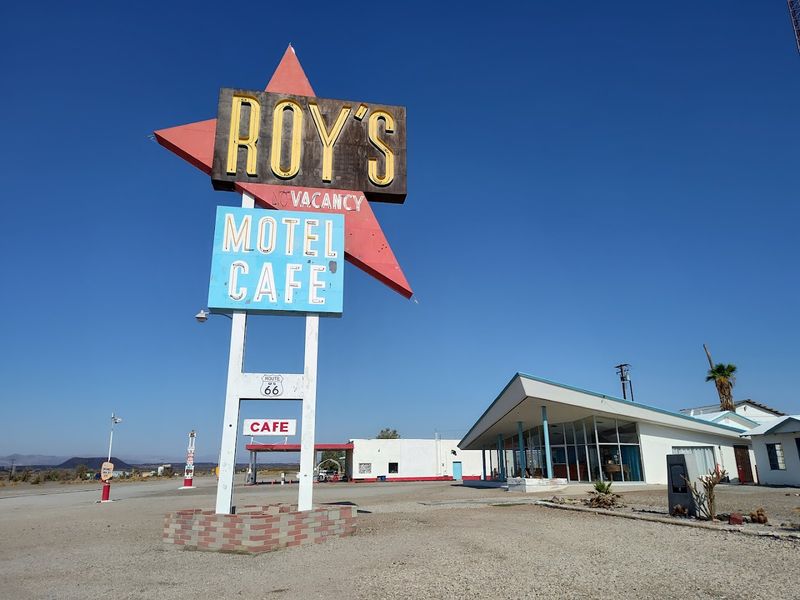
Few roadside signs do more work than the one standing over Roy’s in Amboy. This Mojave Desert stop opened in the 1930s along Route 66 and became one of those places that turns up in photos so often you feel like you have already been there.
The appeal comes from preservation, not reinvention. Roy’s Motel and Café, along with the gas station and its famous sign, captures a very specific slice of American highway history without trying to smooth away the emptiness and distance that define the setting.
Travelers stop because the location feels tied to the old road in a direct, unpolished way. You are not there for endless shopping aisles or novelty overload.
You are there to see a landmark that still looks like Route 66 means something concrete, not just decorative. That distinction matters.
Roy’s became a legend because it stayed visually clear and historically recognizable, and because one glance at that sign against the desert is enough to remind people why classic road trips still hold such power.
8. Busy Corner (Goodfield, Illinois)
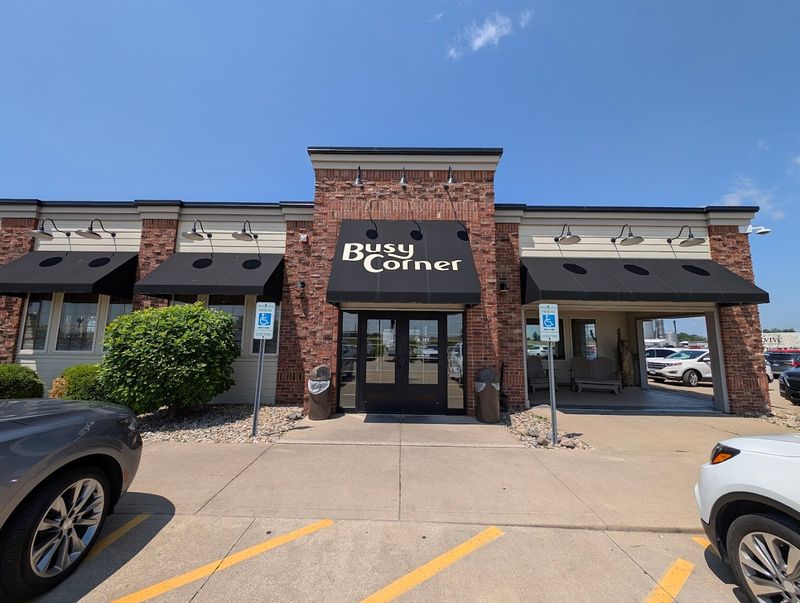
Breakfast changed the math at this stop, and pie finished the argument. Busy Corner in Goodfield, Illinois, is the kind of roadside place where the practical reason for stopping quietly gives way to pancakes, comfort food, and the realization that many other travelers had the exact same idea.
It is not oversized, theatrical, or trying to become a brand empire. That is part of its charm.
The restaurant built its reputation on dependable meals, generous portions, and homemade pie that gives people a second reason to exit the highway.
What makes Busy Corner legendary is how naturally it slides into trip planning. Families time their drives around breakfast, regulars speak about favorite slices with suspicious seriousness, and first-timers quickly understand why this humble stop keeps turning up in conversation.
The place feels rooted in habit rather than hype, which often creates stronger loyalty than trendier concepts. Good roadside legends do not always need giant signs or novelty architecture.
Sometimes they just need a full parking lot, a menu people trust, and pie worth carrying carefully to the car.
9. The Purple Cow (Little Rock, Arkansas)
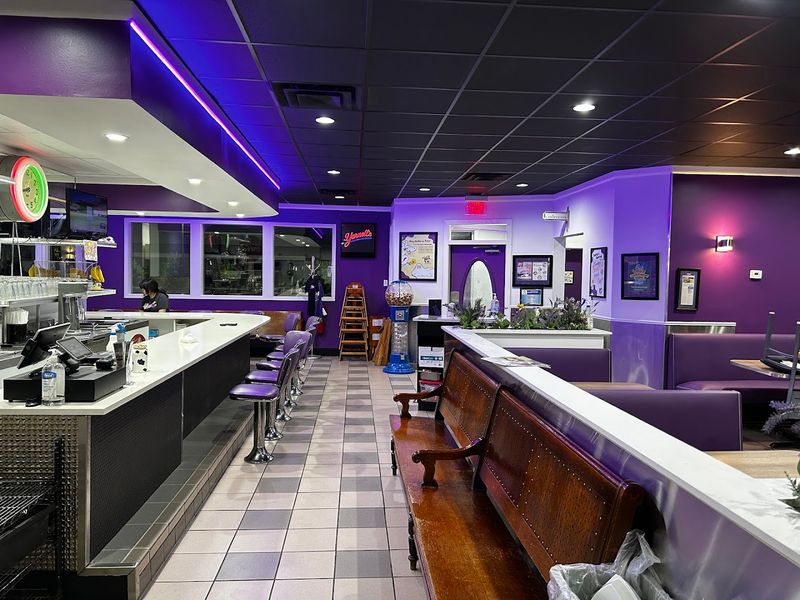
Retro style can be a gimmick, but this place backs it up with actual staying power. The Purple Cow in Little Rock pairs diner fun with roadside convenience, and over time it has become one of those stops people mention with a grin because they already know what they are ordering.
The menu leans classic, yet the milkshakes and playful branding do much of the legend-building. Families like it, road trippers remember it, and locals treat it as a dependable answer when someone asks for a place with personality and easy crowd appeal.
Its connection to the roadside tradition matters more than technical labels about diner versus gas stop. Travelers care about the experience, and here that means a meal that feels a little more memorable than standard highway fare.
The Purple Cow keeps its identity simple and distinct, which is harder than it sounds. In a world full of interchangeable stops, it offers a clear look, a familiar menu, and enough fun to turn a practical break into something people actively plan for on the next pass through town.
10. Stewarts Shops (New York)
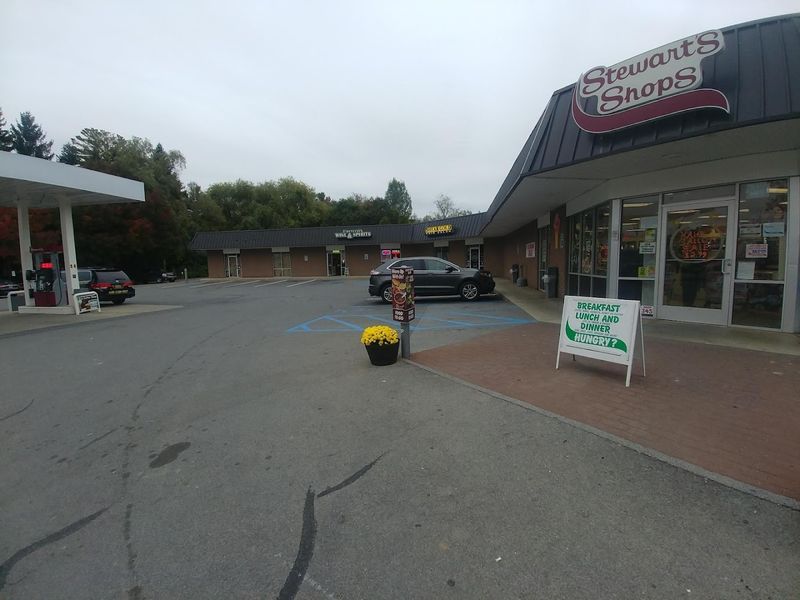
Ask a New Yorker from the upstate part of the map about Stewart’s, and you may get a loyalty speech instead of a quick answer. Stewart’s Shops built a regional following by mixing convenience-store basics with gas pumps, ice cream counters, coffee, and a local familiarity that national chains struggle to copy.
The company traces its roots to the 1940s, and that long history shows in how tightly it fits daily life. It serves road trippers, but it also works as a neighborhood stop where regulars know the routine and the scoop flavors matter more than outsiders might expect.
Affordable ice cream helped turn Stewart’s from practical stop into genuine favorite. Families stop for cones, commuters swing in for coffee, and plenty of people measure summer in scoops rather than calendar dates.
That blend of usefulness and ritual is what creates legend status. Stewart’s does not need oversized theatrics because it has something tougher to manufacture: regional affection that formed over decades.
When a gas station also handles dessert, errands, and hometown pride, it stops being just a convenience store very quickly.
11. Kum & Go (Midwest)
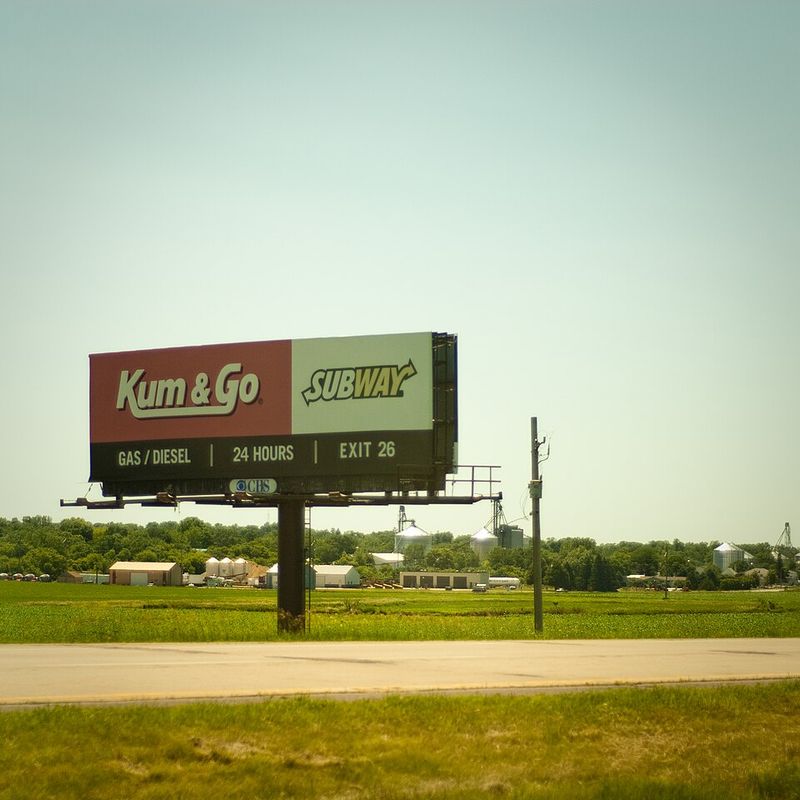
The name gets the first laugh, but the redesigns are what kept people from treating it like a one-note joke. Kum & Go, founded in Iowa in 1959, became widely recognizable across the Midwest through a mix of memorable branding, modernized stores, and food options better than many drivers expect.
That combination matters because curiosity may pull people in once, but only competence brings them back. Updated interiors, cleaner layouts, and a stronger focus on fresh items helped the chain move beyond novelty and into regular rotation for travelers and commuters.
There is also something very Midwestern about a place being both slightly funny and highly practical. People mention Kum & Go because the name is impossible to ignore, then continue mentioning it because the stop actually works.
The stores feel contemporary without losing the convenience that made them useful in the first place. A lot of roadside legends start with oddity and never progress.
This one managed to turn a chuckle into loyalty, which is a tricky move and probably deserves more respect than the roadside punchline usually gets.
12. Wawa (East Coast)
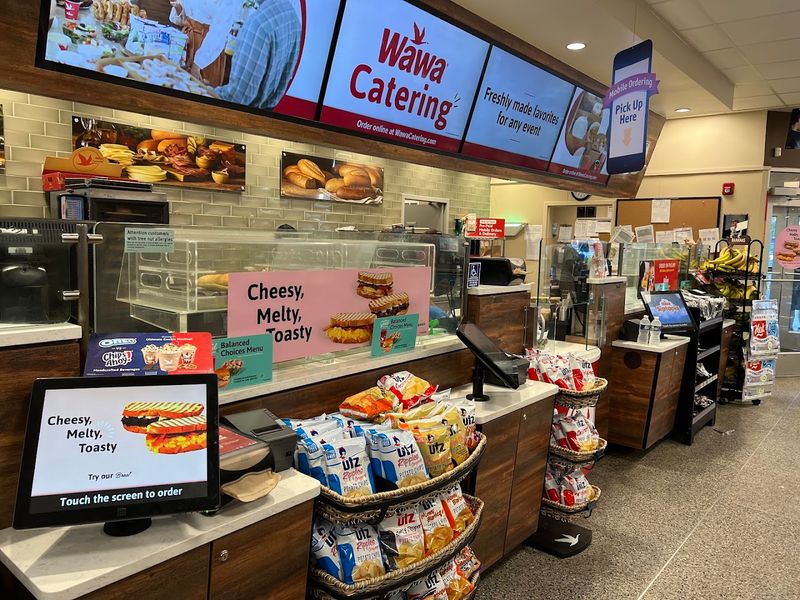
Mention Wawa on the East Coast and watch people become unexpectedly serious about sandwiches. The company began as a dairy business in Pennsylvania and evolved into a convenience-store powerhouse known for gas, coffee, and made-to-order hoagies that inspire a level of loyalty many full restaurants would envy.
Part of the appeal is speed without feeling stripped down. Touchscreen ordering, reliable coffee, and a menu that covers breakfast, lunch, and snack duty make Wawa feel useful at almost any hour, which is exactly why it becomes part of people’s routines.
The legend comes from repetition mixed with regional pride. Commuters count on it, beach traffic lines up for it, and former locals miss it the minute they move somewhere without one nearby.
That kind of attachment is not accidental. Wawa learned how to be convenient without feeling generic, and that is a rare trick.
The stores function like everyday infrastructure, yet fans talk about them with the enthusiasm of club members protecting a treasured institution. For a gas station chain, that is a remarkably strong cultural lane.
13. Sheetz (Pennsylvania and Beyond)
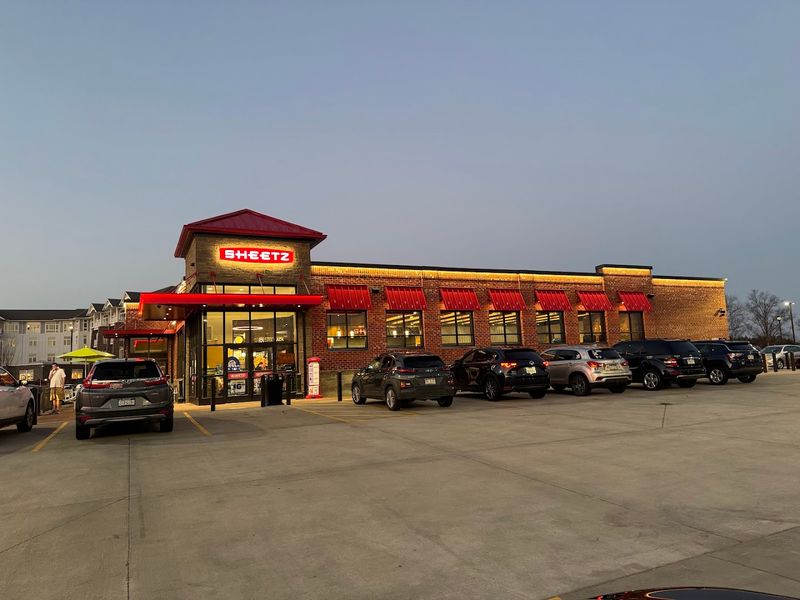
Late-night hunger gave Sheetz a major advantage, and touchscreen menus sealed the deal. Founded in Pennsylvania in 1952, the chain grew by offering far more than basic convenience-store fare, turning the roadside stop into a place where people could customize food quickly and argue over favorite orders with impressive dedication.
The made-to-order system helped define its identity early. Instead of settling for a roller item and moving on, customers could build sandwiches, snacks, and breakfast foods that felt closer to a fast-casual meal than a standard gas station compromise.
That flexibility made Sheetz especially memorable for students, shift workers, and anyone on the road at odd hours. It became part routine, part craving, and part regional personality contest whenever Wawa entered the chat.
Beyond the rivalry, though, the appeal is simple: Sheetz took convenience seriously enough to make it interesting. The stores are designed for movement, but the menu gives people reasons to linger over choices.
When a fuel stop turns ordering into a personal strategy, legend status starts to look pretty understandable.



