 Unearth The Voyage
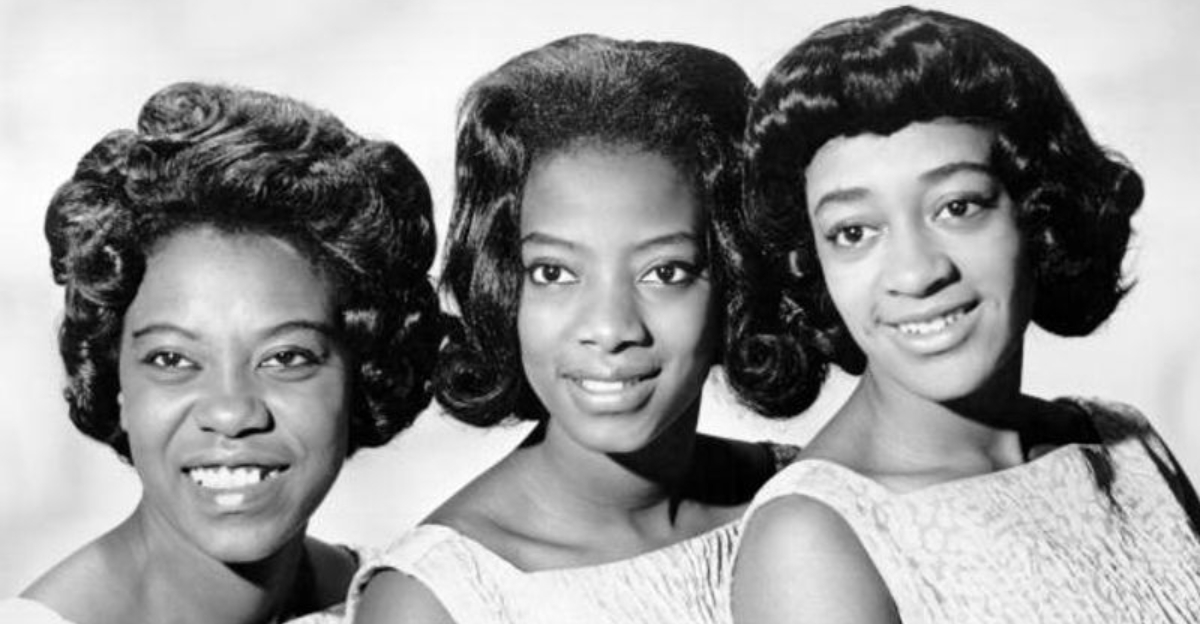
The sound of the 1960s was shaped by harmonies, sharp hooks, and a wave of girl groups that set the stage for modern pop and soul. These artists delivered timeless singles, refined studio craft, and chart presence that still echo in playlists today.
You will recognize the songs, but the stories behind them reveal how producers, labels, and young voices defined an era. Here are 13 essential groups that captured the spirit of the decade.
1. The Supremes
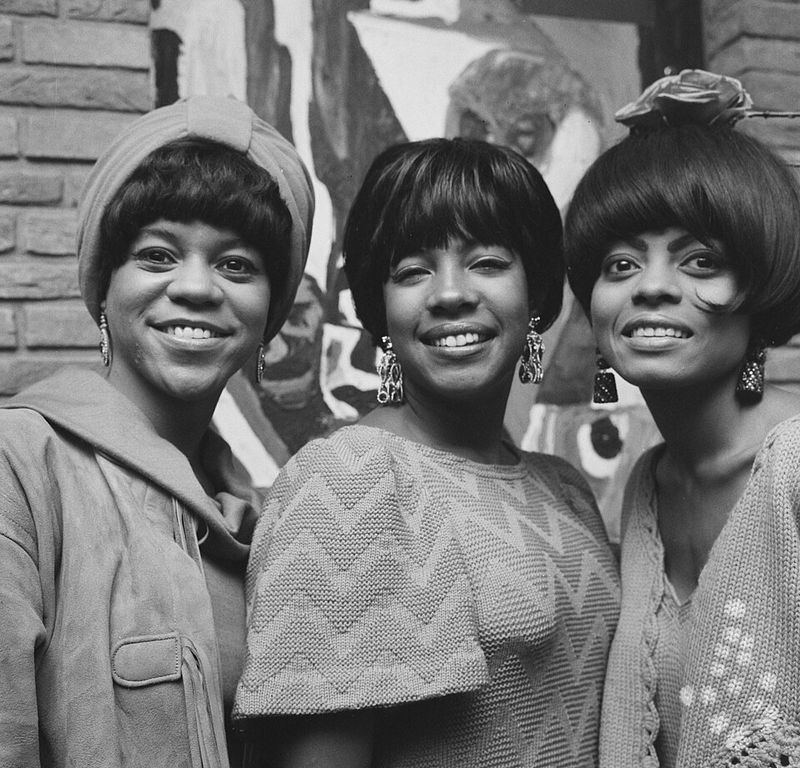
The Supremes became Motown’s most successful act of the 1960s, pairing Diana Ross’s distinctive lead with precise harmonies and immaculate songwriting. Hits like Where Did Our Love Go, Baby Love, and Stop In The Name Of Love established a polished, danceable sound that crossed radio formats.
Backed by the Funk Brothers and guided by Holland Dozier Holland, they set a commercial standard few could match.
Beyond chart records, The Supremes defined Motown’s visual identity with coordinated gowns, choreographed gestures, and television-ready poise. Their success on The Ed Sullivan Show and in international markets helped carry Detroit soul into mainstream pop culture.
The group’s lineup shifts and eventual Ross-led spotlight mirrored changing industry dynamics.
The Supremes influenced later R and B and pop groups through their vocal blend, material quality, and studio excellence. They helped normalize Black female stardom on prime-time television and integrated venues.
Decades later, their singles remain staples for DJs, soundtracks, and cover bands, proving that sleek arrangements and strong melodies never age.
2. The Ronettes
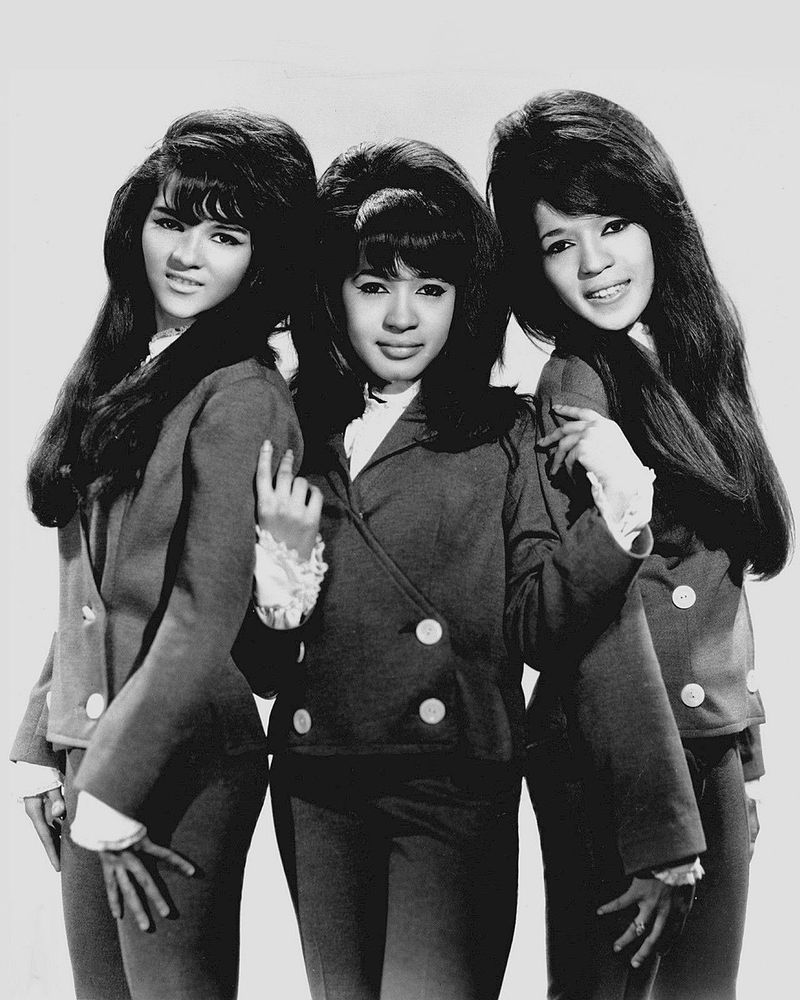
The Ronettes brought a cool, New York edge to 1960s pop, anchored by Veronica Ronnie Bennett’s bold, emotive lead. Be My Baby, with its thunderous drum intro, remains one of the most recognizable openings in pop history.
Their records showcased the Wall of Sound approach, where dense layers of instruments merged into a cinematic wave.
In the studio, echo chambers and orchestrated textures surrounded the trio’s harmonies, delivering a grand scale that felt both intimate and towering. The Ronettes cultivated a visual style of teased hair, eyeliner, and confident posture that influenced fashion as much as music.
Their stage presence matched the records’ intensity.
Although their discography is compact, its impact is disproportionately large. Producers, arrangers, and artists cite Be My Baby as a blueprint for building hooks and rhythmic drama.
The Ronettes set a template for balancing vulnerability with swagger, a combination that still shapes modern pop ballads and midtempo anthems.
3. The Shirelles
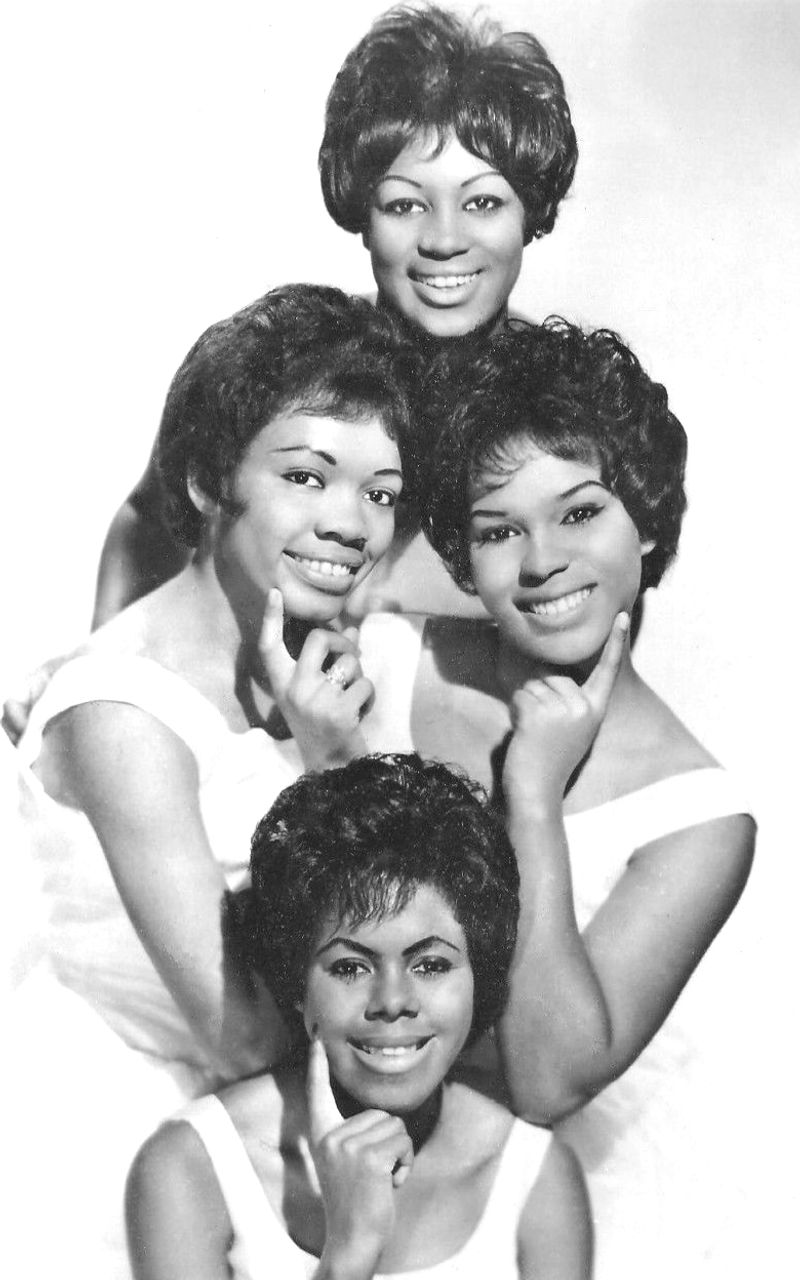
The Shirelles bridged doo wop roots with emerging Brill Building pop, becoming the first girl group to top the Billboard Hot 100. Will You Love Me Tomorrow, written by Carole King and Gerry Goffin, introduced mature themes of trust and intimacy to teen pop.
Their clear harmonies and conversational delivery made complex feelings sound direct.
Producer Luther Dixon refined their sound with string touches and restrained rhythm sections, giving space to the vocals. The Shirelles balanced innocence with candor, setting a lyric tone other groups would adopt.
Soldier Boy and Mama Said broadened their reach while maintaining personal, diary-like storytelling.
The group opened the door for subsequent girl groups at labels and on television. Their success confirmed that female voices could carry nuanced narratives on mainstream radio.
The Shirelles’ catalog remains a reference for song structure, melody-first arrangements, and vocal blend that feels both classic and immediate.
4. The Crystals
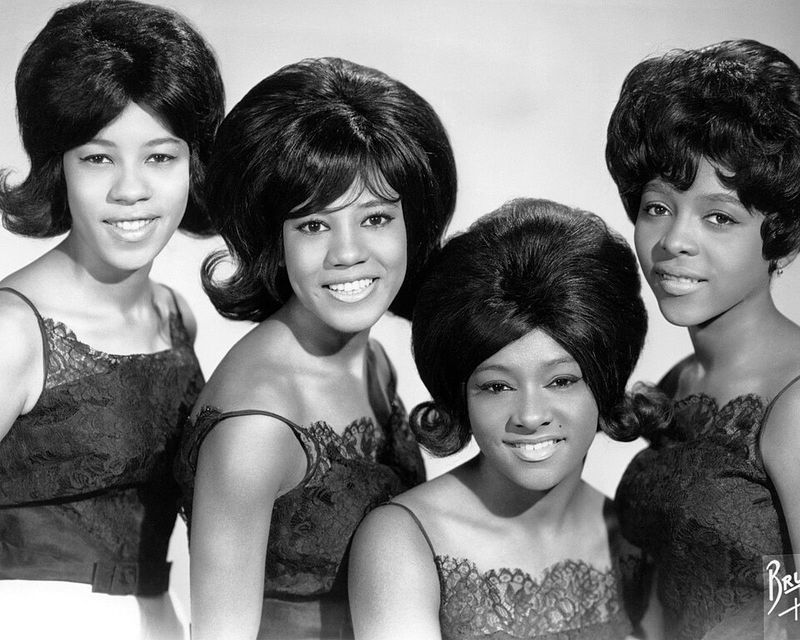
The Crystals delivered high drama within concise pop singles, benefitting from big-room production and striking leads. Tracks like Da Doo Ron Ron and Then He Kissed Me married catchy nonsense syllables with cinematic storytelling.
The percussion-forward mixes, prominent handclaps, and chimes created momentum that felt built for radio.
Vocalists projected clarity and attitude, supported by dense instrumental beds that suggested spacious ballrooms. The group’s sessions illustrated how arrangement choices can spotlight a storyline.
Their music videos and TV spots reinforced the image of youthful energy paired with polished performance.
The Crystals influenced later producers who favored rhythmic immediacy and layered textures. Their singles continue to appear in films to evoke 1960s optimism and sparkle.
For listeners exploring the era, The Crystals show how brevity, melody, and studio craft can fuse into songs that feel instantly familiar yet carefully constructed.
5. Martha and the Vandellas
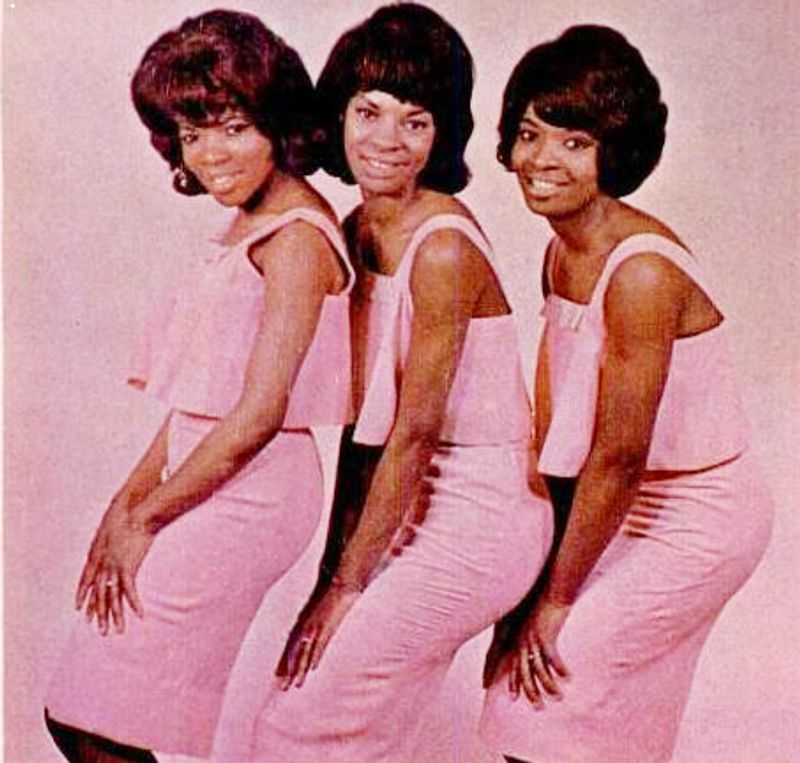
Martha and the Vandellas brought dance floor urgency to Motown with a gospel-charged lead and tight harmonies. Heat Wave, Dancing In The Street, and Nowhere to Run combined punchy horns, driving drums, and call-and-response hooks.
The energy felt communal, inviting audiences to move with every chorus.
Unlike more polished ballad-heavy acts, their catalog leaned into rhythm-forward arrangements and brassy accents. The vocals carried grit and warmth, balancing control with exuberance.
On television and tours, the group’s choreography felt approachable, turning stages into celebrations rather than showcases.
Their records provided cultural snapshots of urban vitality in the 1960s. Dancing In The Street became an anthem that traveled from parties to public gatherings.
For understanding Motown’s range, Martha and the Vandellas represent the label’s ability to translate live electricity into radio-ready anthems that still ignite crowds.
6. The Shangri-Las
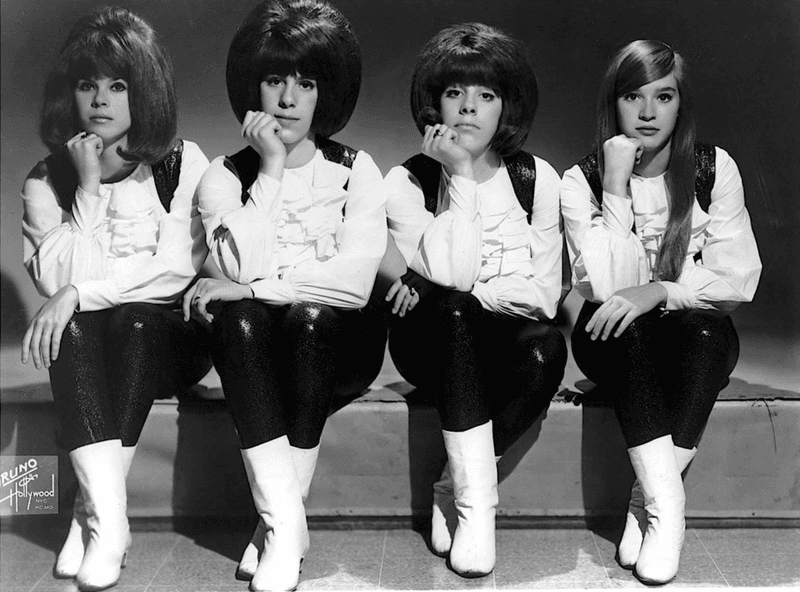
The Shangri-Las specialized in teenage drama with a cinematic edge, pairing spoken interludes with soaring choruses. Leader of the Pack and Remember Walkin in the Sand used sound effects, echo, and narrative tension to command attention.
Their image blended toughness with vulnerability, setting them apart from polished showroom acts.
Studio techniques like sudden dropouts and layered backing vocals heightened the theatrical mood. The lyrics tackled heartbreak and decisions under pressure, reflecting real teenage anxieties.
Live appearances emphasized attitude, with choreography giving way to storytelling gestures and focused stares.
Their influence reaches into punk, indie, and alternative pop, where narrative candor and stylized minimalism often meet. The Shangri-Las showed that pop could embrace shadows without losing hooks.
For listeners tracing 1960s storytelling in song, their catalog remains a compelling masterclass in mood and economy.
7. The Marvelettes
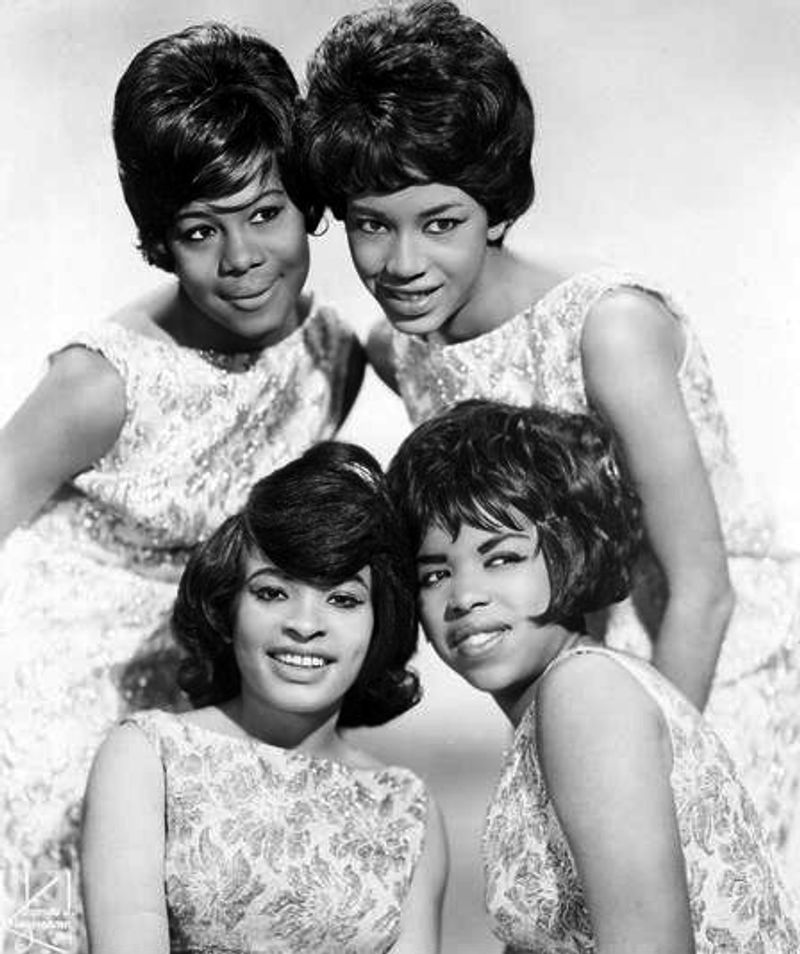
The Marvelettes gave Motown its first number one with Please Mr. Postman, a brisk single that spotlighted everyday anticipation and youthful nerves. Their voices blended sweet leads with confident harmonies, riding snappy drums and chiming piano.
Follow-ups like Beechwood 4-5789 and Playboy kept the phone-and-letters motif alive.
As Motown evolved, The Marvelettes adapted with smoother arrangements and more intricate backing vocals. Producers refined the sound but preserved the group’s approachable charm.
Onstage, they projected friendly charisma that fit radio-friendly songwriting.
The Marvelettes helped establish the label’s identity as a home for relatable stories and tight pop craft. Many later acts, including British Invasion bands, covered their material.
Their legacy endures as a reminder that direct hooks and everyday details can carry songs to wide audiences without excess.
8. The Chiffons
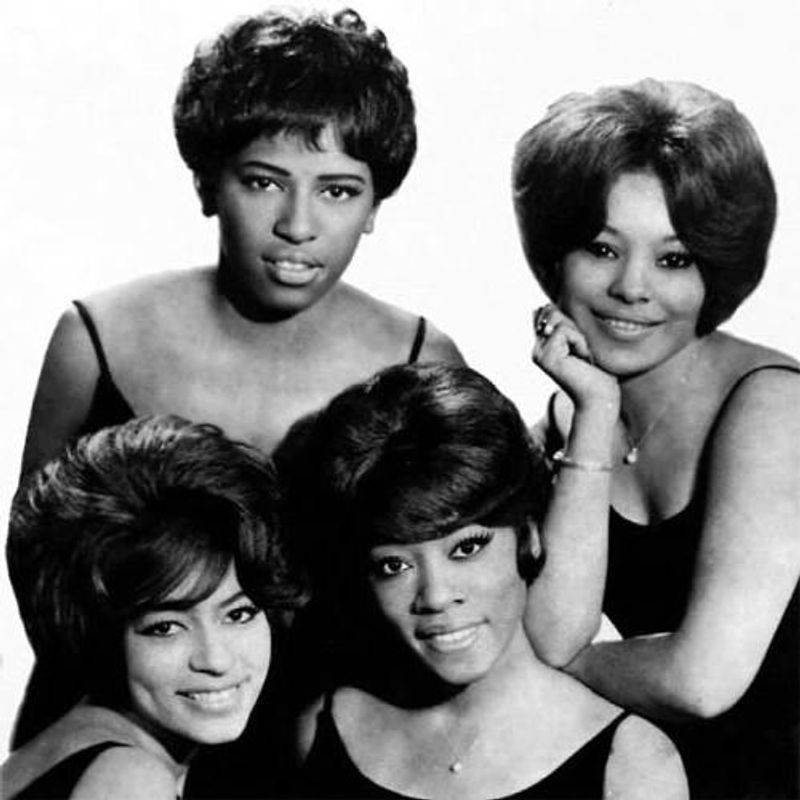
The Chiffons excelled at upbeat pop with sparkling harmonies and playful lyrics. He’s So Fine and One Fine Day captured breezy optimism without losing vocal precision.
Their arrangements leaned on handclaps, sax accents, and bright piano, creating a light lift that suited radio rotation.
Lead lines cut cleanly through mixes while backups added rhythmic punctuation. The group’s tone suggested confidence and fun, making their songs reliable crowd pleasers.
Television appearances and touring cemented a reputation for tight singing and unfussy staging.
The Chiffons’ catalog illustrates the Brill Building’s knack for melody-first writing and concise structure. Producers shaped the sound to keep verses short and choruses immediate.
Today, their tracks still feel fresh on oldies playlists, offering a quick mood boost rooted in craft and clarity.
9. The Dixie Cups
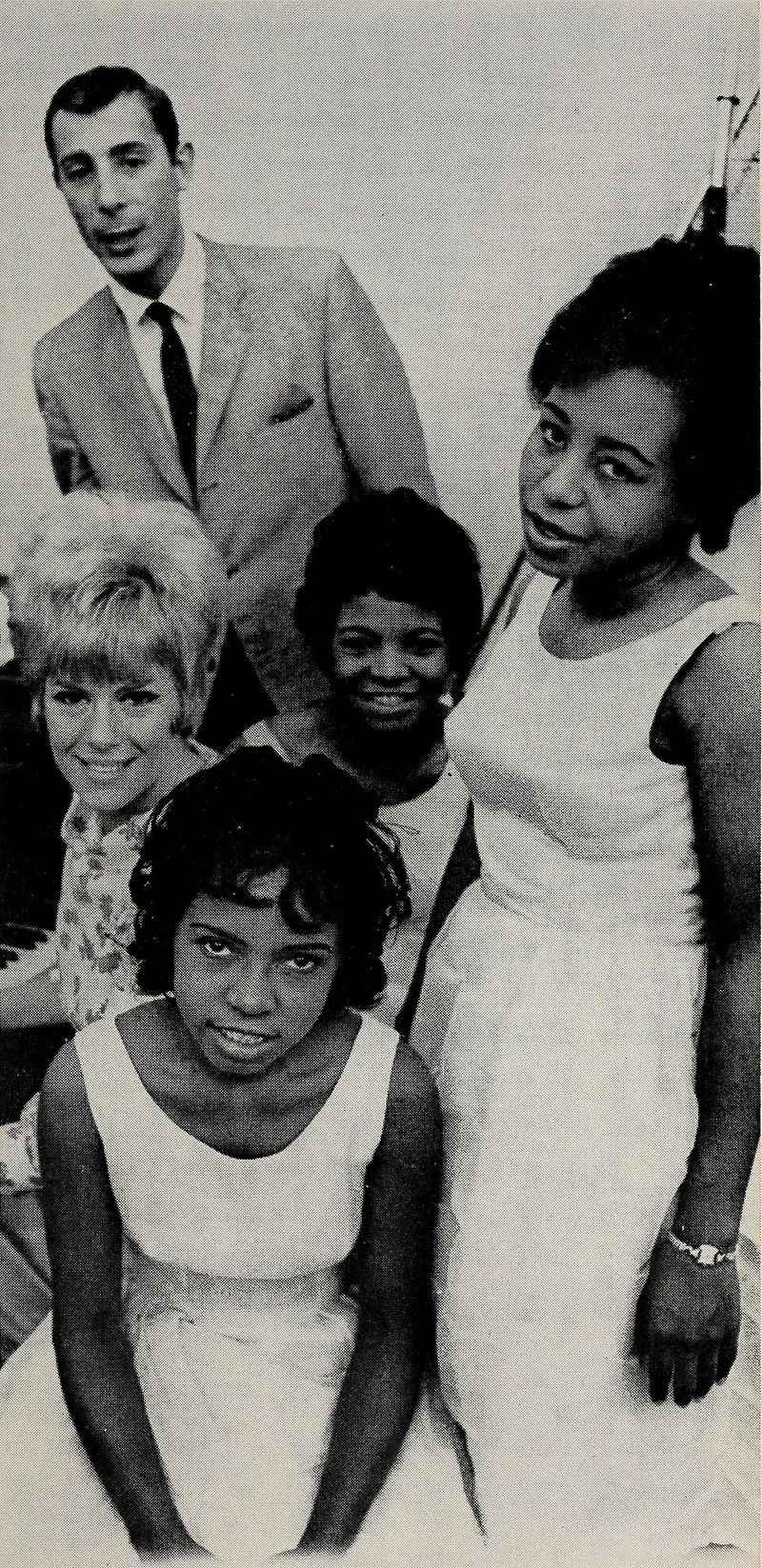
The Dixie Cups brought New Orleans spirit to national pop with Chapel of Love, a joyful wedding anthem anchored by simple, singalong phrasing. Their sound mixed girl group harmonies with regional rhythmic sway, giving the records a friendly, porch-front feel.
The casual charm set them apart from more orchestrated productions.
Follow-up singles like People Say kept the formula breezy and direct. Handclaps, percussion rolls, and call-and-response vocals suggested community participation.
They balanced sweetness with rhythmic bounce, ensuring dance floor appeal without heavy instrumentation.
Though best known for a signature hit, The Dixie Cups showed how regional sensibilities could travel widely when paired with sturdy songwriting. Their recordings fit summer radio and celebratory occasions equally well.
The group’s work remains a reminder that warmth, clarity, and an inviting hook can outlast complex studio tricks.
10. The Angels
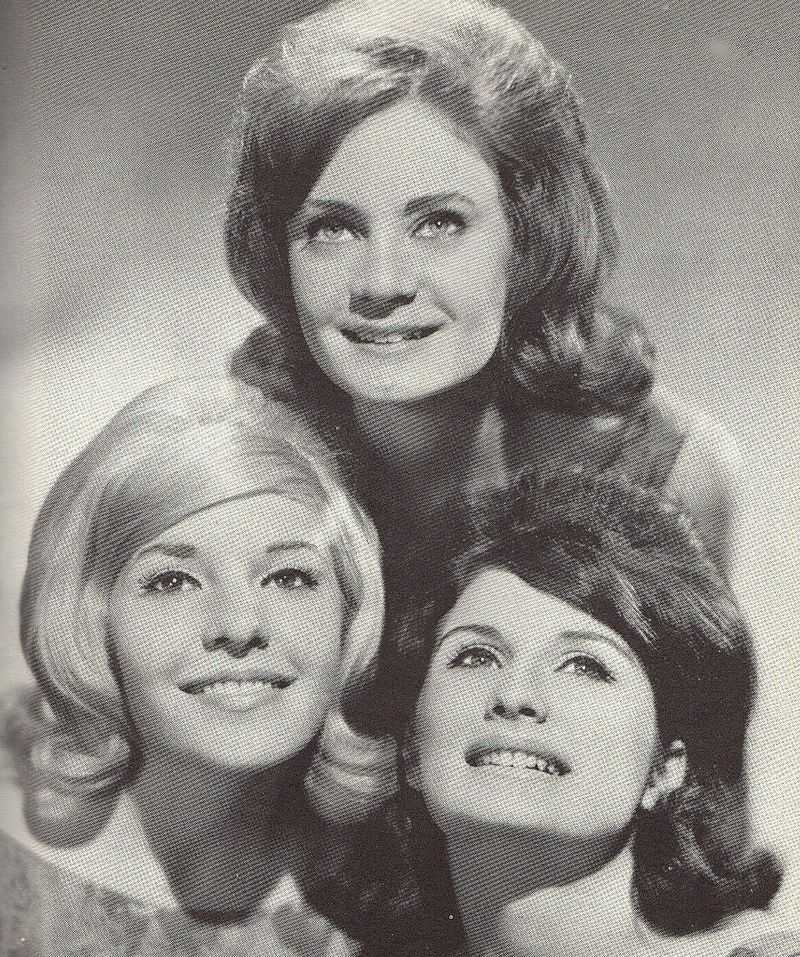
The Angels scored a defining hit with My Boyfriend’s Back, a track that merged sass, humor, and crisp harmonies. The lyric’s conversational tone and callouts made it feel like a direct address, perfect for radio.
Guitars and drums kept the arrangement lean, letting vocals carry the message.
The group’s delivery balanced playful warning with melodic sweetness. Their television performances emphasized clear enunciation and synchronized gestures.
The Angels demonstrated how attitude could live inside a tidy pop structure without overwhelming it.
Beyond the single, their catalog reveals consistent attention to hooks and tempos that favor quick impact. The Angels contributed to the era’s dialogue-style songwriting, where verses feel like scenes.
Their approach influenced later acts that used humor and point-of-view to keep pop narratives lively and accessible.
11. The Exciters
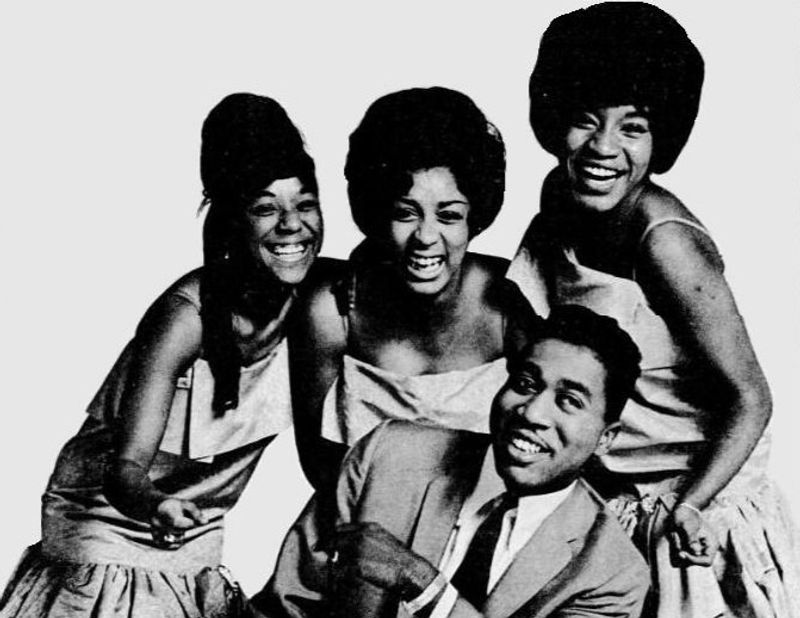
The Exciters erupted onto radio with Tell Him, a high-energy single driven by Arlene Smith’s commanding lead. The arrangement bursts with tambourines, brass punches, and rapid harmonies, creating a sense of urgency.
Its message is direct: speak up and claim love.
The group’s performances matched the record’s intensity, with choreography emphasizing punctuation points in the chorus. Producers kept the mix tight to preserve momentum.
As a result, the track became a go-to example of early 1960s exuberance.
While later releases did not eclipse Tell Him, the single’s architecture influenced uptempo pop and Northern Soul selections. DJs and filmmakers return to it for quick emotional lift.
The Exciters showed how concise writing, assertive vocals, and brisk pacing can turn a two-minute track into a lasting staple.
12. The Toys
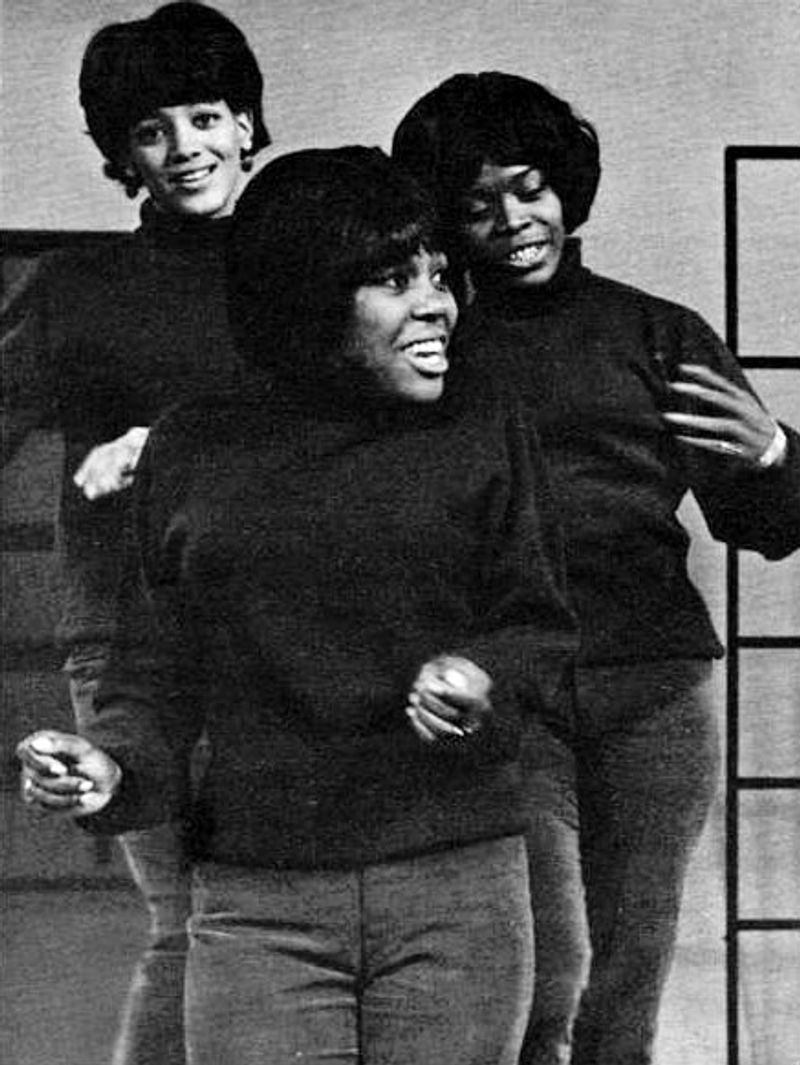
The Toys turned a classical theme into pop gold with A Lover’s Concerto, adapting a melody from Bach’s Minuet in G. The single’s lilting progression and precise phrasing created a graceful feel.
Strings and rhythm locked into a gentle swing that framed the vocals elegantly.
Follow-ups explored similar sophistication, pairing youthful sentiment with polished arrangements. The group’s image leaned refined rather than streetwise, underscoring the musical concept.
Television spots highlighted the novelty of classical-pop fusion without gimmickry.
The Toys demonstrated that formal music ideas could suit radio if presented with clarity and warmth. Their biggest hit remains a case study in borrowing old motifs for new audiences.
For listeners, it showcases how melody, arrangement, and performance can bridge genres while staying accessible.
13. The Cookies
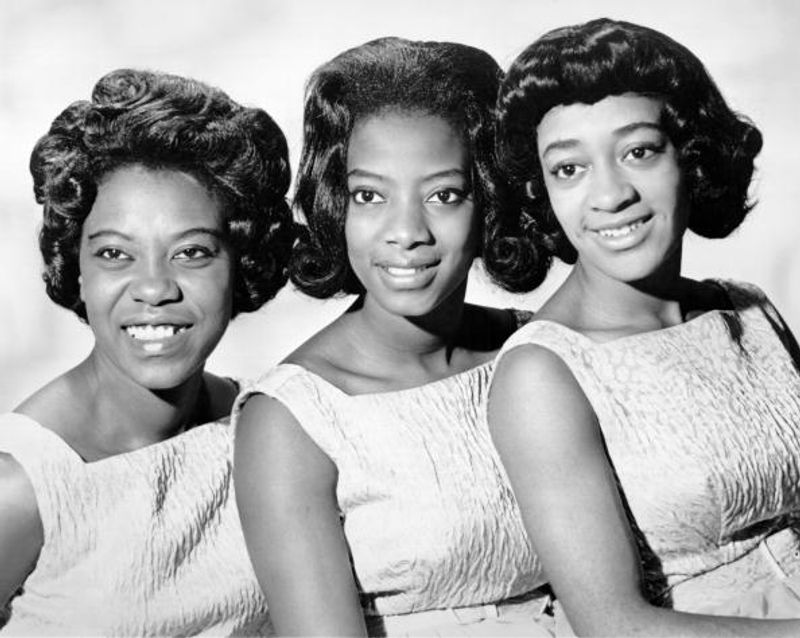
The Cookies worked closely with Brill Building writers, delivering sharp harmonies on tracks like Chains. Their vocals balanced precision with a faint blues tint, riding steady rhythms and guitar lines.
As backing singers, members also supported major artists, showcasing versatility that shaped the era’s studio sound.
Chains earned later fame through a Beatles cover, which broadened its audience and highlighted the song’s sturdy structure. The Cookies’ version carries a measured intensity that complements the lyric’s restraint.
Production choices kept the focus on interplay among voices.
The group’s role within New York’s songwriting ecosystem illustrates the tight loop between demo rooms and charts. Their catalog remains a guide to economical arrangements and purposeful harmonies.
The Cookies show how supportive craft and spotlight moments can coexist within a dynamic pop environment.



