The American West from the 1850s through the 1890s was a period of extraordinary transformation, driven by gold rushes, cattle drives, and railroad expansion. Thousands of people abandoned their established lives to chase opportunity in places that barely existed on a map. What they found was rarely the fortune-filled dream they had imagined. The towns themselves were remarkable experiments in rapid human settlement, but they came with a brutal set of conditions that tested every resident daily.
From dangerously unstable housing to runaway prices and rampant disease, boomtown life demanded far more than ambition. The following realities pull back the curtain on what it actually took to survive, and sometimes fail, in these fleeting frontier communities. Each entry draws on documented history to show how ordinary people navigated extraordinary challenges in some of the most unforgiving corners of North America. Read on to discover what the history books and Hollywood films rarely tell you.
1. Most Boomtowns Appeared Almost Overnight
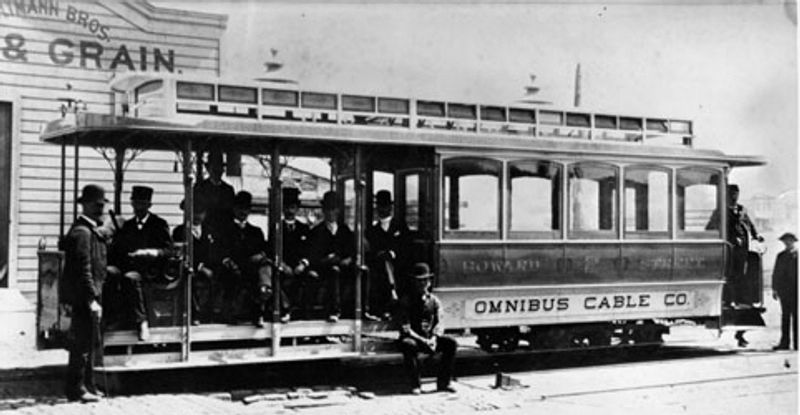
A gold discovery in 1848 turned San Francisco from a village of 800 people into a city of nearly 25,000 within just three years, and that kind of explosive growth was not unique to California.
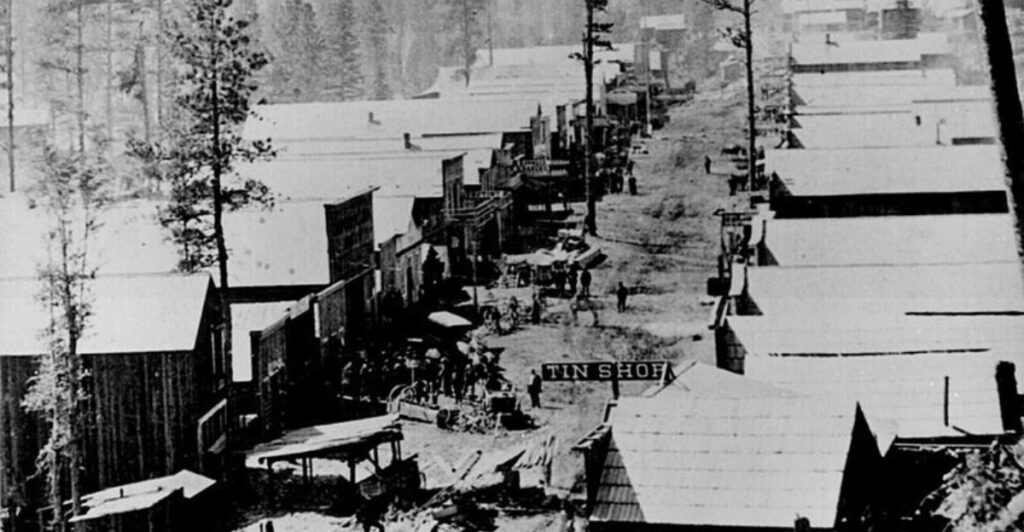
Across Nevada, Colorado, and Arizona, similar transformations occurred wherever precious metals were found. Prospectors, merchants, and laborers converged on a single location with remarkable speed, often establishing streets and businesses before any formal government structure existed.
The buildings erected during these early days were functional rather than durable, typically made from whatever timber or canvas was available nearby. Planning was almost nonexistent, and sanitation was an afterthought at best.
What resulted was a chaotic but energetic urban form unlike anything seen in established eastern cities. The speed of construction created structural weaknesses and public health vulnerabilities that would haunt these communities for years. The boomtown was less a planned settlement and more a collective improvisation driven entirely by the hope of profit.
2. Fire Could Destroy Everything in a Single Night
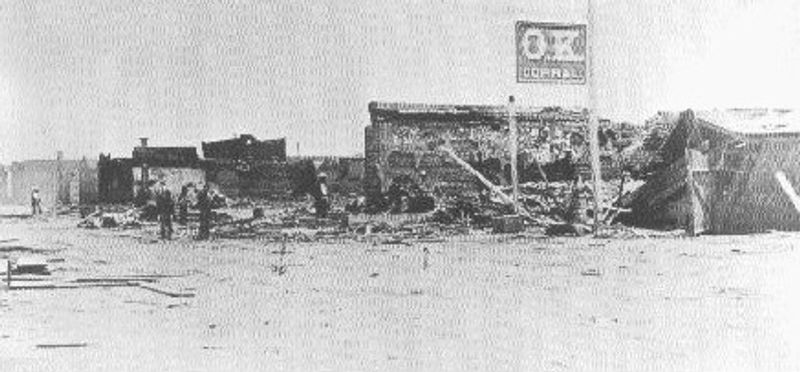
Wooden buildings packed tightly along a frontier main street, each one heated by wood stoves and lit by oil lamps, created conditions where a single careless moment could trigger catastrophic loss.
Boomtowns like Bodie, California, and Virginia City, Nevada, experienced repeated fires that leveled entire commercial districts. Bodie alone suffered multiple major fires between 1876 and 1932, each one destroying dozens of structures built with no firebreaks between them.
Volunteer fire brigades existed in some larger towns, but their equipment was often limited and their response times slow given the unpredictable nature of frontier emergencies. Water supplies were inconsistent, and pressurized hydrant systems were a luxury few boomtowns could afford.
Rebuilding after a fire was common, but each reconstruction came with the same vulnerabilities as before. Residents understood the risk and often kept essential belongings ready to grab at a moment’s notice, treating fire not as a possibility but as a recurring certainty of frontier life.
3. Clean Water Was Never Guaranteed
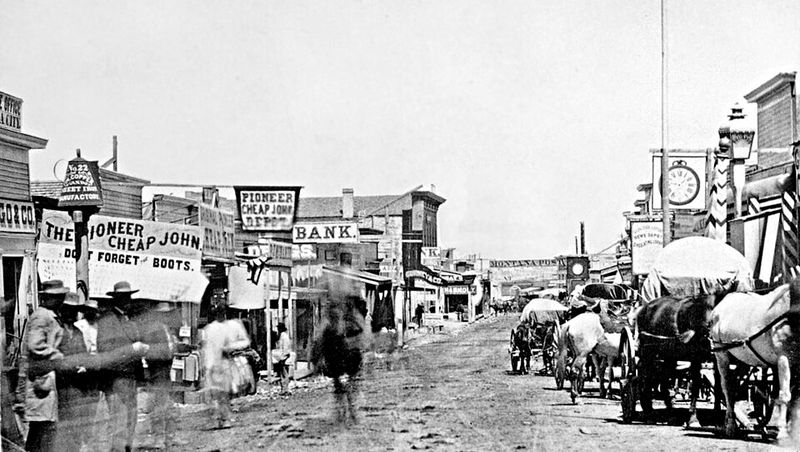
Water in a boomtown was rarely the clean, reliable resource that modern residents take for granted. Most settlements depended on rivers, creeks, or shallow wells that were vulnerable to contamination from multiple directions simultaneously.
Mining operations introduced heavy metals and sediment into waterways. Livestock waste, human sewage from pit latrines, and garbage dumped near water sources created a dangerous mix that residents had little ability to test or treat.
Germ theory was not widely accepted in American medicine until the 1880s, meaning many residents had no scientific framework for understanding why their water was making them sick. Boiling water was not a universal practice, and the connection between contaminated water and illness was not always clear to ordinary settlers.
Towns that grew rapidly near active mines faced the worst conditions, as industrial runoff compounded the existing sanitation problems. For many boomtown residents, finding a relatively clean water source was a daily logistical challenge that carried genuine health consequences if solved incorrectly.
4. Disease Was Often Deadlier Than Violence
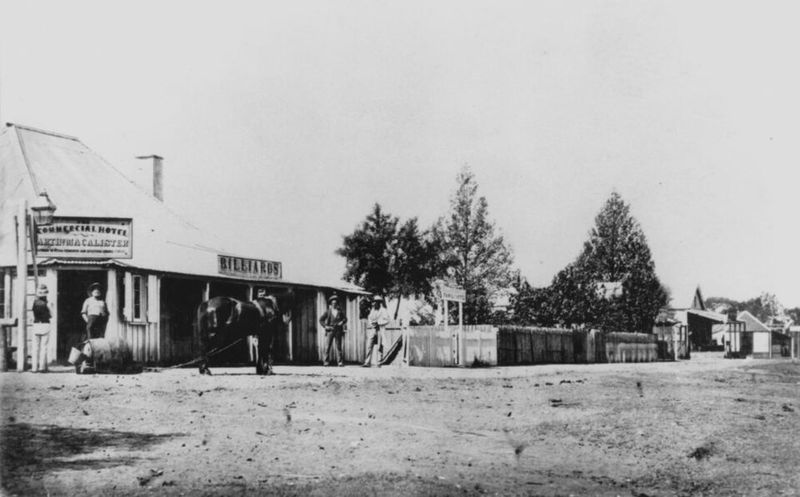
Cholera could kill a healthy adult within 24 hours of the first symptoms appearing, and in boomtowns with contaminated water supplies, it spread with terrifying efficiency through entire communities.
Smallpox, typhoid fever, tuberculosis, and influenza were equally destructive forces in these settlements. Medical care was severely limited not just in quality but in availability, as trained physicians were scarce and often had to serve enormous geographic areas with minimal supplies.
The 19th-century understanding of infectious disease was incomplete, and treatments that doctors did provide were frequently ineffective against bacterial or viral infections. Patients were often prescribed rest and basic remedies while the underlying illness ran its course unchecked.
Nutritional deficiencies worsened the situation considerably. Many boomtown residents ate poorly balanced diets heavy in preserved meats and starches, which compromised their immune systems and made recovery from illness far more difficult. Unmarked graves near abandoned boomtowns across the West remain a quiet record of how thoroughly disease shaped life and survival in these communities.
5. Crime Was a Constant Concern
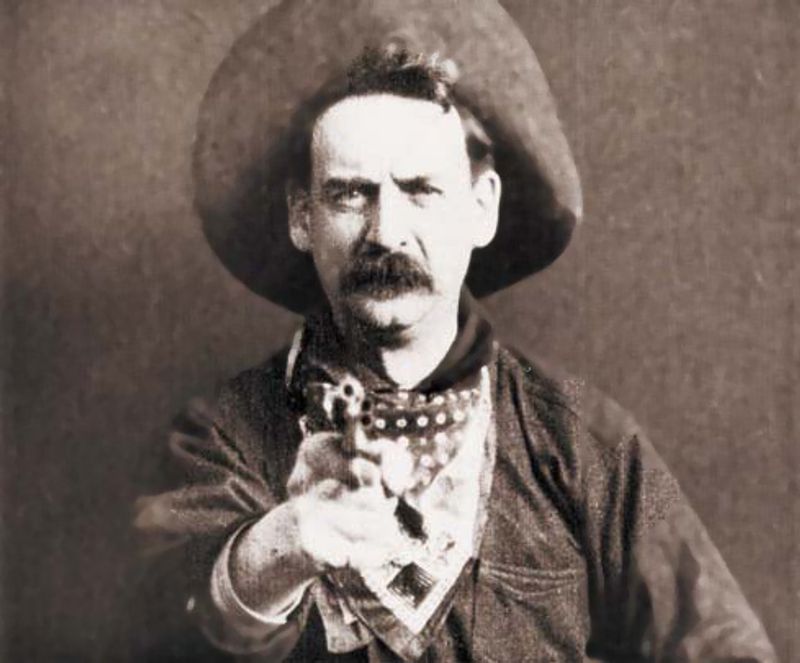
Horse theft was not a minor inconvenience in the 1870s West; it was a potentially life-ending event, since a stolen horse could strand a person in genuinely dangerous wilderness with no practical way to recover their situation.
Beyond theft, gambling scams, burglary, and physical altercations were routine features of boomtown life. Populations grew far faster than the legal institutions designed to manage them, leaving law enforcement perpetually understaffed and underfunded during the critical early years of a settlement.
Some boomtowns actually implemented gun regulations as a practical crime-control measure. Dodge City, Kansas, famously required visitors to surrender their firearms to the marshal upon entering town, a policy that contradicted the Hollywood image of a weapon-filled free-for-all.
Homicide rates in cattle and mining towns were elevated compared to national averages, but the violence was concentrated primarily among young, transient men rather than distributed evenly across the population. Families and established merchants experienced a different, though still uncertain, relationship with the persistent undercurrent of lawlessness that defined frontier social order.
6. Mining Was One of the Most Dangerous Jobs
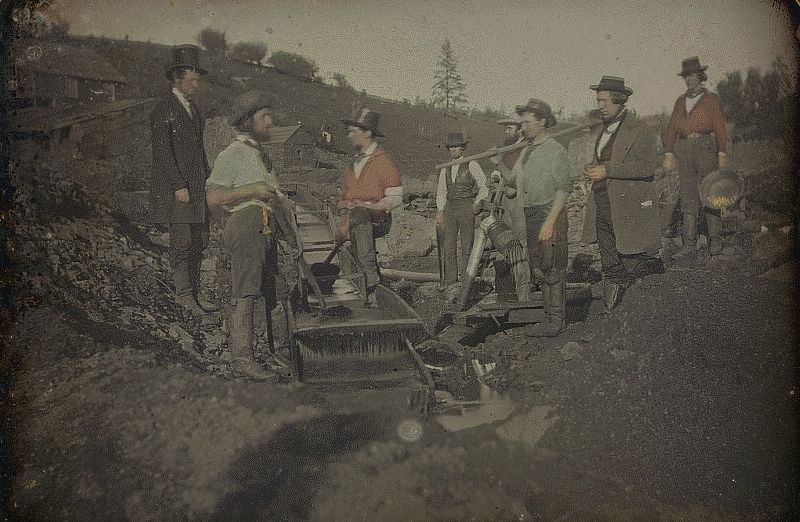
Between 1830 and 1900, the mining industry in the United States recorded thousands of fatalities from cave-ins, explosions, and gas exposure, making it statistically one of the most hazardous occupations available to working men of that era.
The 1907 Monongah coal mine explosion in West Virginia killed 362 miners in a single event, illustrating how catastrophically wrong underground work could go when safety standards were absent or ignored. That year alone saw 18 separate coal mine disasters across the country.
Beyond acute accidents, chronic health damage was nearly universal among long-term miners. Silicosis, caused by inhaling fine rock dust over years of drilling and blasting, slowly destroyed lung tissue and left workers debilitated well before old age. The condition had no effective treatment in the 19th century.
Safety regulations were minimal and inconsistently enforced. Mine owners prioritized extraction speed and profit over worker protection, and injured miners had little legal recourse. The dangerous reality of underground work stood in stark contrast to the adventurous image that drew so many men westward in the first place.
7. Winters Could Be Brutal
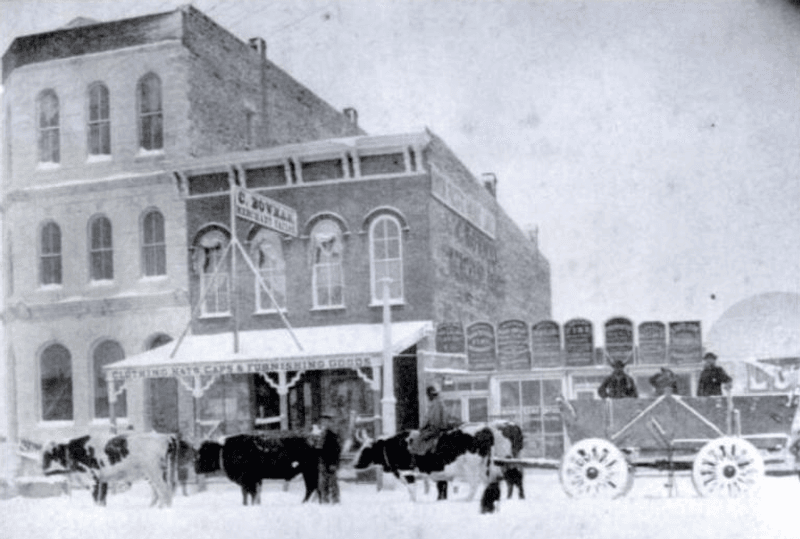
Leadville, Colorado, sits at an elevation of over 10,000 feet, and during its peak years in the late 1870s and early 1880s, it regularly experienced winters that buried the town in snow for months at a stretch.
High-elevation boomtowns across Montana, Idaho, Nevada, and the Dakotas faced similar conditions. Supply wagons could not navigate mountain passes clogged with snow, which meant that food, medicine, and fuel had to be stockpiled before the first major storm or residents would face genuine shortages.
Blizzards were not rare events but expected seasonal realities. The Great Blizzard of 1888 struck the northern plains with particular ferocity, killing an estimated 235 people across the region and stranding entire communities for days. Livestock perished in enormous numbers, wiping out the livelihoods of ranchers who had invested everything in their herds.
The physical toll of surviving a mountain winter without central heating, reliable insulation, or modern weatherproofing was substantial. Frostbite, respiratory illness, and the sheer exhaustion of managing basic survival tasks in extreme cold were defining features of boomtown life from October through April.
8. Prices Were Shockingly High
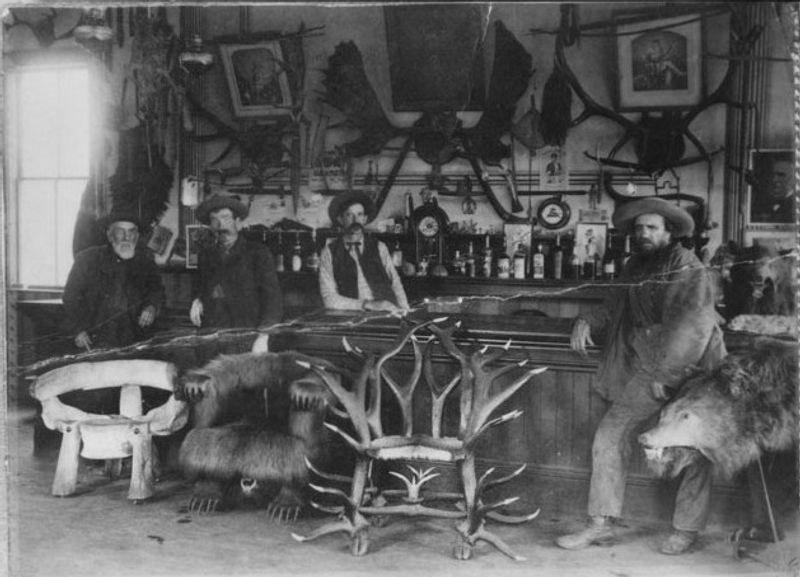
A single breakfast in a California mining camp in 1850, consisting of bread, cheese, butter, sardines, and two bottles of beer, was documented to cost $43, which translates to well over $1,200 in modern purchasing power.
The economics behind these prices were straightforward. Every item sold in a remote boomtown had to be transported overland by wagon across hundreds of miles of rough terrain, and that transportation cost was passed directly to the consumer. A pound of flour, a dozen eggs, or a simple hand tool all carried the same logistical premium.
This pricing reality meant that many prospectors who did find gold were not actually accumulating wealth. After paying for food, equipment, clothing, and claim fees, their net earnings were often negligible. The merchants who supplied miners consistently outperformed the miners themselves in financial terms.
Prices fluctuated dramatically based on supply disruptions, seasonal road conditions, and competition levels. A sudden snowstorm blocking a mountain pass could double the price of staple goods overnight, leaving residents with no alternative but to pay whatever was asked or go without entirely.
9. Law and Order Was Still Developing
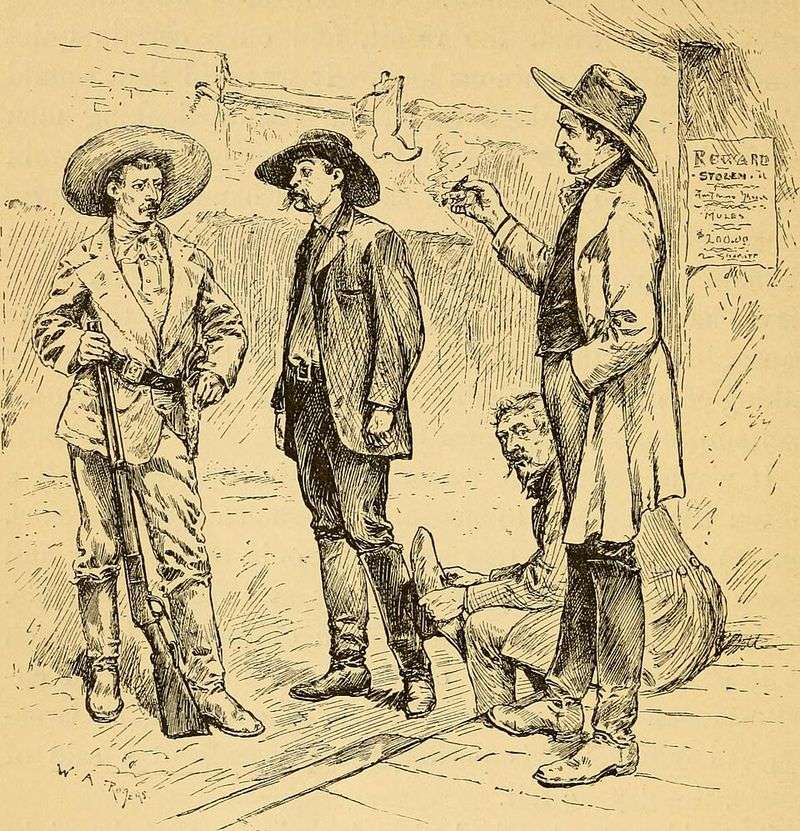
San Francisco’s Committee of Vigilance, formed in 1851 and reconstituted in 1856, arose directly from public frustration with a municipal government widely viewed as corrupt and incapable of controlling rising crime rates in the rapidly expanding city.
Similar committees formed across boomtowns throughout the West, operating outside formal legal structures and administering their own version of justice with varying degrees of fairness. Some were effective at removing genuinely dangerous criminals from communities; others were accused of targeting political rivals or individuals from marginalized groups.
Professional law enforcement was slow to develop in frontier settlements. Sheriffs and marshals were often appointed rather than trained, and their jurisdiction could be unclear in areas where county and territorial boundaries had not been formally established. Jails were frequently makeshift structures that provided minimal security.
The gradual development of territorial courts, formal legal codes, and professional police forces throughout the 1870s and 1880s brought more stability to boomtown governance. But during the earliest and most chaotic years of any settlement, the gap between written law and actual enforcement remained wide and consequential for ordinary residents.
10. Housing Was Cramped and Temporary
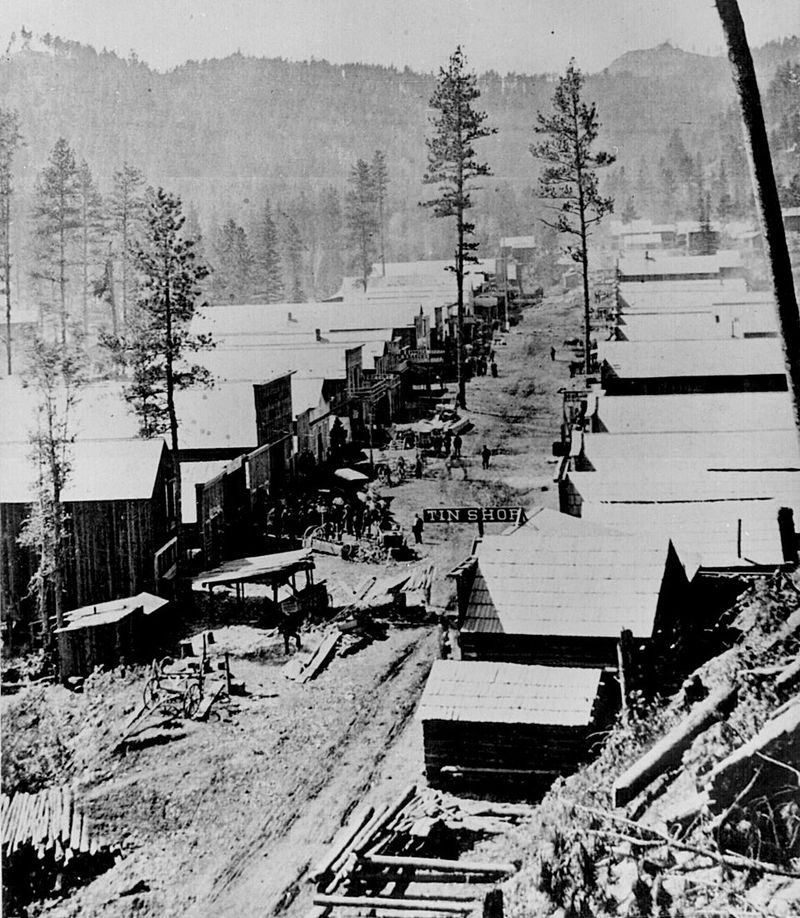
Sod houses, known as soddies, were a practical solution in treeless areas of the Great Plains where timber was simply unavailable, but they came with their own significant drawbacks. They were dark, prone to roof leaks during rain, and frequently infested with insects and rodents that found the earthen walls hospitable.
In mining regions where timber was accessible, rough wooden cabins went up quickly but were rarely built with insulation or durable construction methods. Boarding houses served the overflow population, offering shared rooms where multiple men might sleep in rotation depending on shift schedules.
The hierarchy of boomtown construction was telling. Saloons and gambling establishments were typically among the first permanent structures erected, while schools, churches, and family homes followed much later as communities stabilized. This prioritization reflected the economic logic of a transient male workforce rather than the needs of a settled community.
Families who arrived expecting established neighborhoods found instead a construction zone in constant flux. Moving frequently between temporary accommodations was a normal part of boomtown life, and the concept of a stable home address was a goal rather than a given for most new arrivals.
11. Most Fortunes Never Materialized
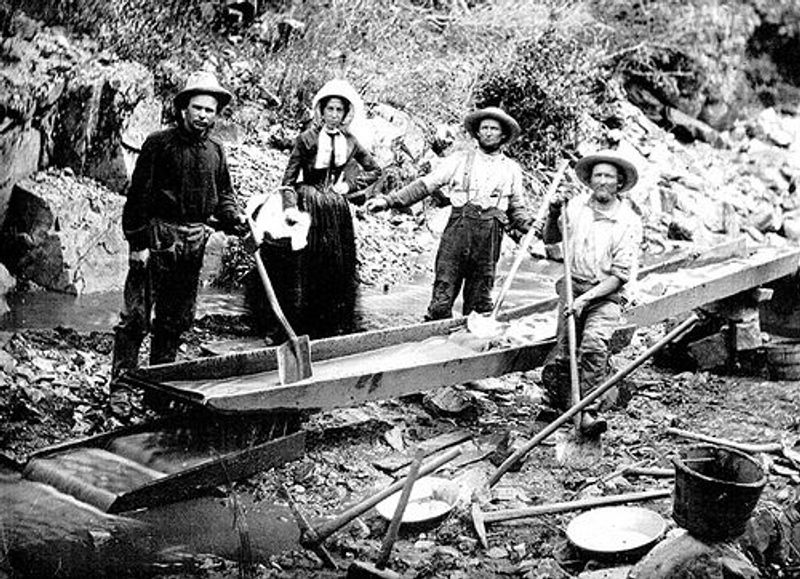
The California Gold Rush of 1848 generated enormous wealth, but that wealth was distributed with remarkable inequality. The prospectors who arrived earliest in 1848 found the most accessible surface deposits; those who came later faced diminishing returns and rising costs.
Claim fees, equipment purchases, and the inflated cost of food and shelter consumed a substantial portion of whatever a miner earned. After accounting for these expenses, many workers found themselves essentially breaking even or falling into debt, despite months of physically demanding labor.
The people who reliably profited were merchants, outfitters, and transportation operators. Levi Strauss built a successful business selling durable work pants to miners rather than mining himself. Samuel Brannan, who sold mining supplies in San Francisco, became California’s first millionaire without ever working a claim.
This pattern repeated across subsequent booms in Nevada, Colorado, and South Dakota. The Comstock Lode in Nevada generated enormous wealth, but much of it flowed to the mining corporations and financiers who had the capital to purchase industrial equipment, not to the individual prospectors who had first arrived with a pan and a shovel.
12. When the Boom Ended, People Left Quickly
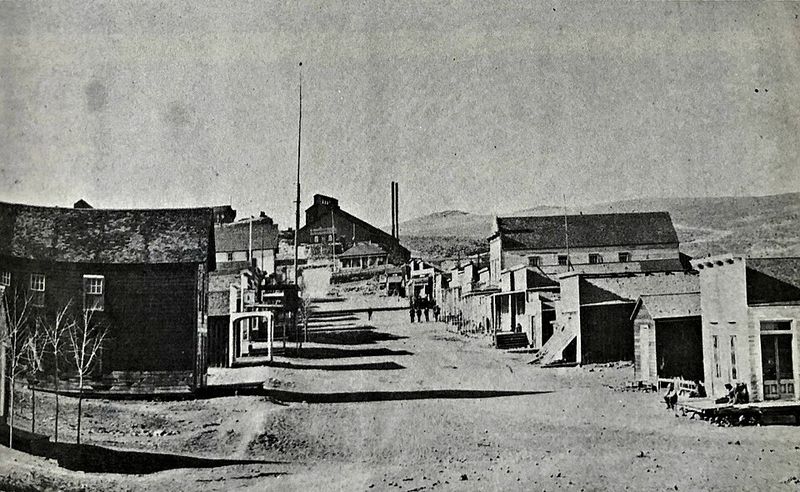
Bodie, California, reached a peak population of around 10,000 people in 1880. By 1920, fewer than 120 residents remained, and today it stands as a state historic park, its buildings preserved in a state of arrested decay that documents the speed of its abandonment.
The pattern was consistent across the West. Once a mine’s most accessible ore was extracted, the cost of deeper or more complex extraction often exceeded the market value of what could be recovered. Businesses that depended on a large workforce had no economic reason to remain, and they folded rapidly.
Cattle towns experienced the same dynamic through a different mechanism. The expansion of railroads and the spread of barbed wire fencing ended the long cattle drives that had made towns like Abilene and Dodge City profitable. When the cattle stopped coming, the commerce that sustained those communities evaporated within a few seasons.
Departing residents frequently salvaged usable materials from abandoned buildings, stripping lumber, hardware, and fixtures for use elsewhere. This accelerated the physical deterioration of empty towns and left behind only the structures too damaged or too large to move, creating the skeletal ghost towns that still dot the western landscape today.
13. Everyday Life Required Constant Hard Work
A blacksmith in a 1870s boomtown was not simply shoeing horses; he was producing and repairing the tools, wagon parts, and mining equipment that kept the entire local economy functional. His workday began before sunrise and ended when the light was gone.
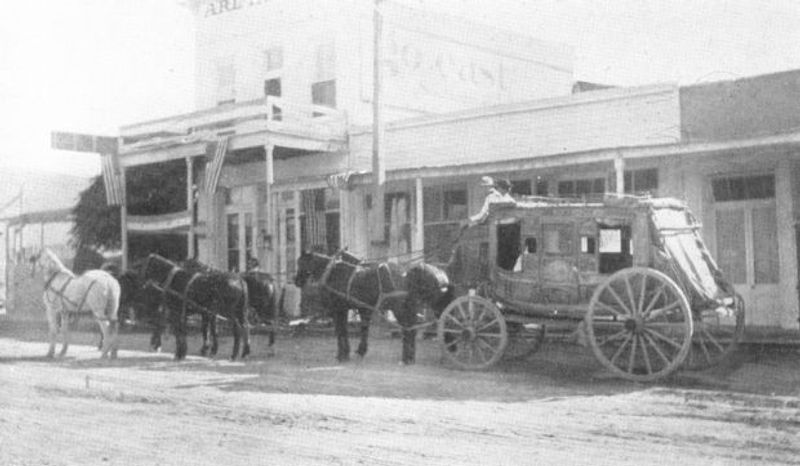
Freight haulers faced equally demanding conditions. Moving goods across unpaved mountain roads required managing teams of horses or mules through terrain that regularly damaged wagons and injured animals. A single broken axle in a remote canyon could strand an entire delivery for days.
Women who operated boarding houses or cooked for mining crews worked schedules that rivaled any industrial labor of the period. Preparing three meals daily for dozens of workers using wood-fired stoves, without refrigeration or reliable ingredient supplies, was an organizational and physical challenge of considerable scale.
Farmers and ranchers contended with unpredictable rainfall, locust swarms, and market prices set far away in cities they had never visited. Teaching school in a frontier settlement often meant managing a single room with students of wildly varying ages and no standardized curriculum. Persistence was not a virtue in boomtown life; it was a basic requirement for anyone who intended to stay.
Share this story