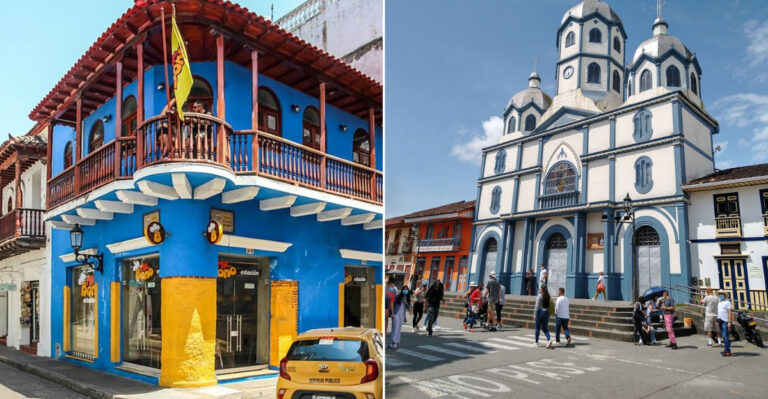
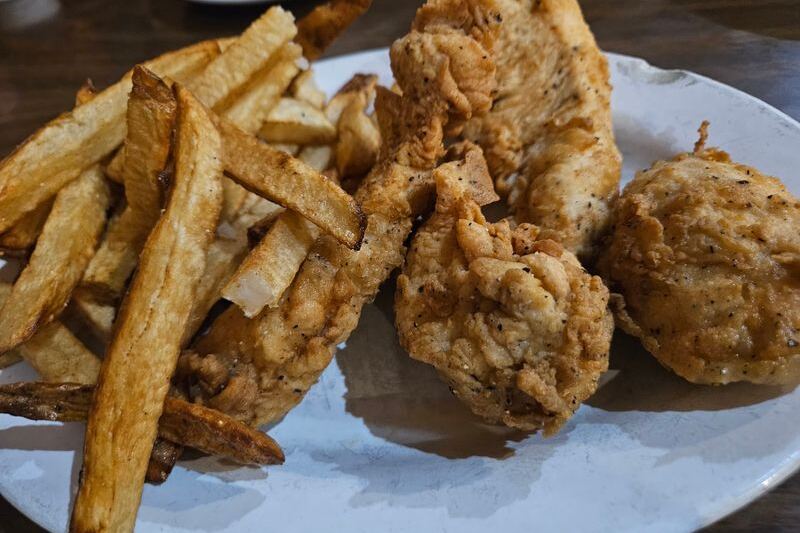
Colombian food is as diverse and vibrant as the country itself, with every region bringing its own flavors, traditions, and culinary style to the table. The restaurants on this list go far beyond the typical tourist spots, offering meals that reflect authentic local culture, regional history, and creative cooking.
Some are quietly earning international praise, while others remain hidden gems known mostly to locals. What they all share is unforgettable food and a dining experience that reveals a deeper side of Colombia.
1. Casona Colombia, Bogotá
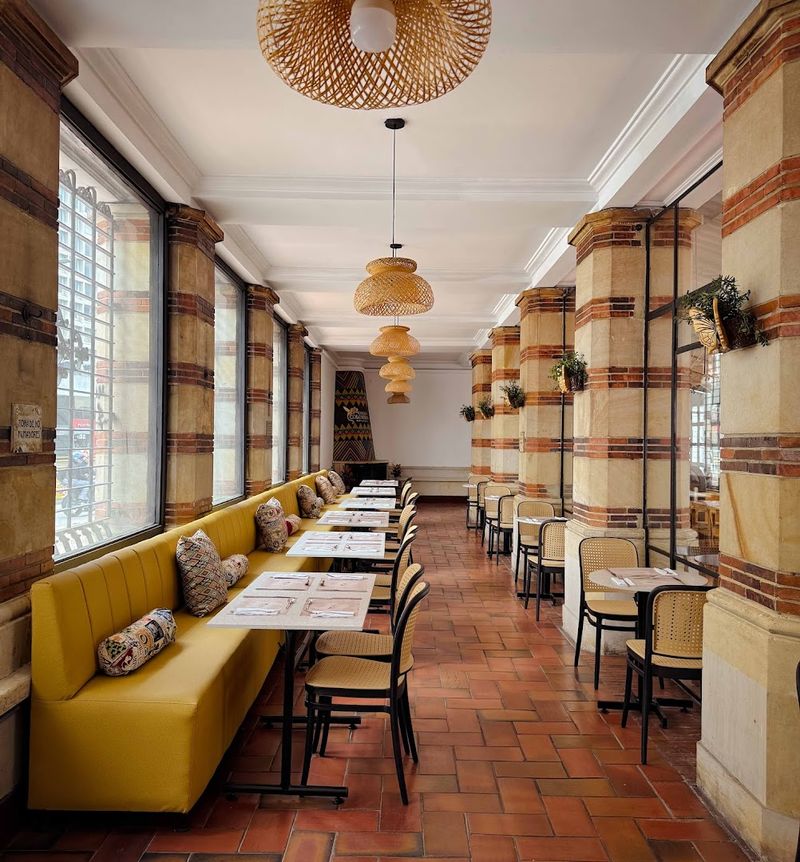
A restaurant that looks like a grandmother’s dining room but cooks like a professional kitchen, Casona Colombia is one of Bogotá’s most sincere culinary addresses.
Most tourists pass right by it, which is exactly why regulars love it so much.
The menu reads like a catalog of traditional Colombian cooking, featuring dishes that have been passed down through generations rather than invented for a trendy crowd.
Expect hearty portions of ajiaco, bandeja paisa, and slow-cooked stews that reflect the country’s diverse regional heritage.
The space itself is a restored colonial building, and the décor leans into that history without trying too hard.
Service here is warm and unhurried, which makes the whole experience feel genuinely personal rather than transactional.
First-time visitors often leave wondering why they wasted any meals at more commercial spots nearby.
Reservations are recommended on weekends, as locals fill the tables early and the kitchen does not slow down for stragglers.
2. Restaurante Gabo.mde Poblado, Medellín
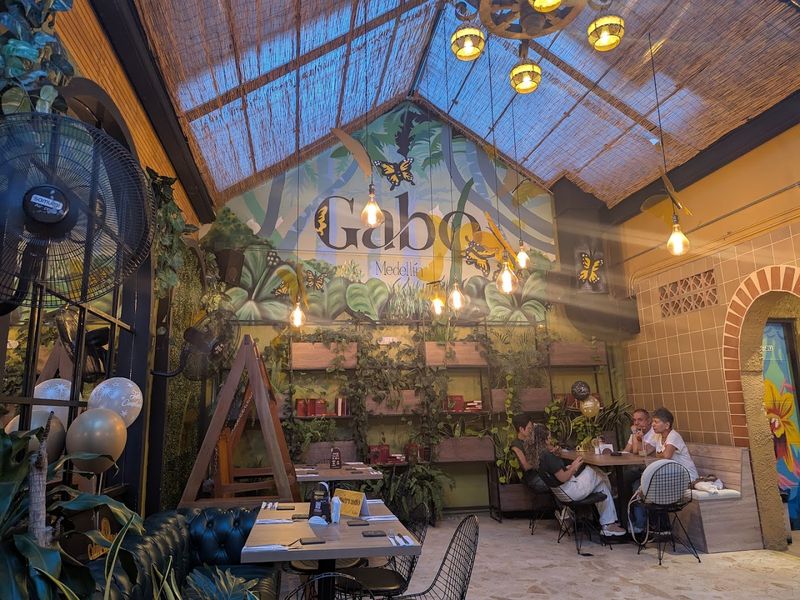
Named with a nod to Gabriel García Márquez, this El Poblado restaurant carries its literary inspiration with confidence rather than gimmick.
The menu is built around modern Colombian cuisine, using locally sourced ingredients that change with availability and season.
Presentation here is notably artistic, with dishes plated in ways that suggest the kitchen takes both aesthetics and flavor seriously.
The neighborhood itself is one of Medellín’s most dynamic, and Gabo.mde fits that energy without becoming just another trendy spot chasing the same crowd.
Regulars point to the creative use of native Colombian ingredients as the restaurant’s defining quality, particularly produce sourced from small regional farms.
The service style is attentive but relaxed, which keeps the atmosphere from feeling stiff despite the elevated presentation.
For travelers who want to understand where Colombian cuisine is heading rather than where it has been, this restaurant offers a genuinely compelling answer.
3. El Chato, Bogotá
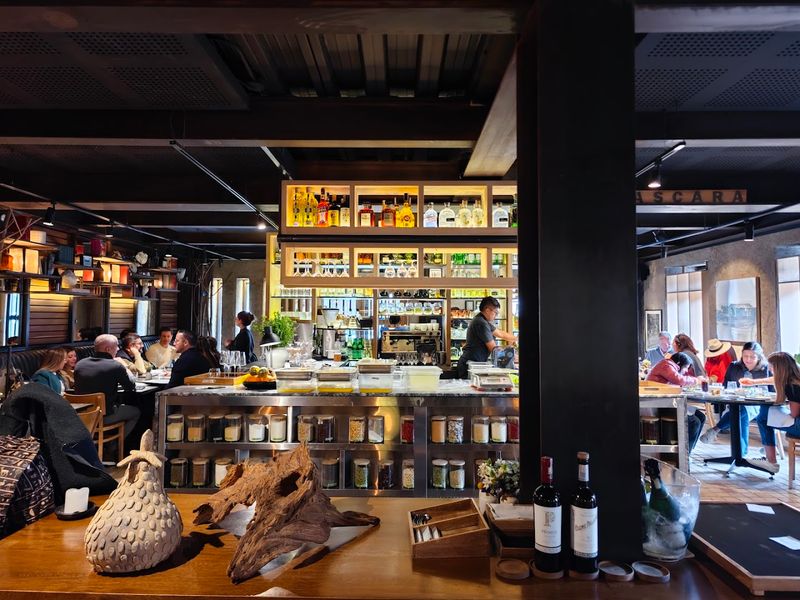
Quietly and without much noise, El Chato has built a reputation that puts it among the most respected restaurants in Latin America.
Chef Álvaro Clavijo opened this intimate Bogotá spot with a clear philosophy: let Colombian ingredients lead, and let technique serve the ingredient rather than dominate it.
The tasting menu format allows the kitchen to take diners on a structured journey through regional flavors and native produce that most people have never encountered before.
The dining room is deliberately understated, with no dramatic design elements competing for attention. The food does all the talking here.
El Chato has appeared on the Latin America’s 50 Best Restaurants list, which is a notable achievement for a restaurant that actively avoids flashiness.
Reservations fill up quickly, so planning ahead is not optional.
Visitors who have eaten at hyped fine dining spots around the world consistently describe El Chato as one of the most genuinely memorable meals they have had.
4. Elcielo Restaurant Bogotá, Bogotá
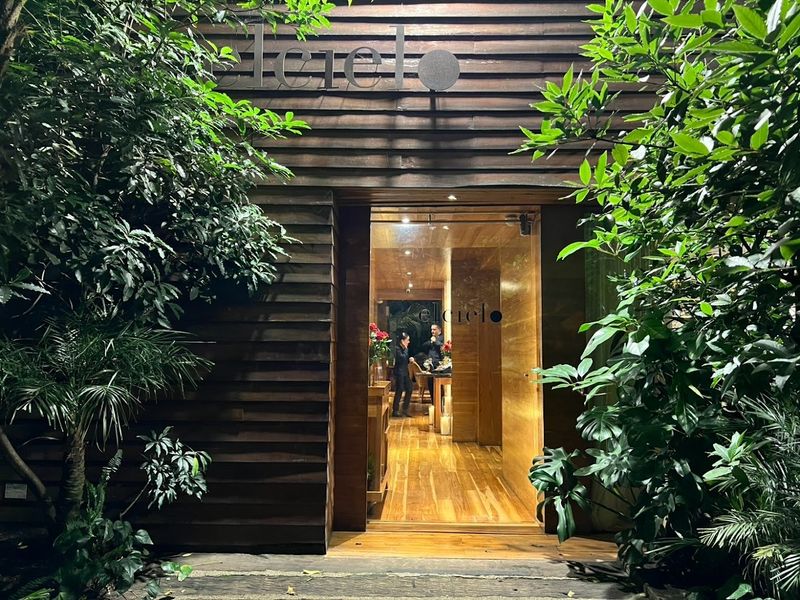
Chef Juan Manuel Barrientos built Elcielo into an internationally recognized brand, but the Bogotá original remains the most compelling version of his vision.
The restaurant is known for its multi-course tasting menus that combine Colombian flavors with avant-garde culinary techniques borrowed from molecular gastronomy.
Each course is designed to be an experience in itself, with some dishes arriving in unexpected forms or requiring unconventional interaction from the diner.
The menu structure changes regularly, which means repeat visitors rarely encounter the same meal twice.
Elcielo has locations in Miami and New York as well, but the Bogotá kitchen has a connection to local ingredients and Colombian identity that the international outposts simply cannot replicate.
The service team is well-trained and knowledgeable, able to walk guests through each dish with genuine enthusiasm rather than rehearsed scripts.
For a special occasion meal in Bogotá, very few restaurants offer this level of ambition paired with consistent execution.
5. Banquete tradicional Colombiano, Bogotá
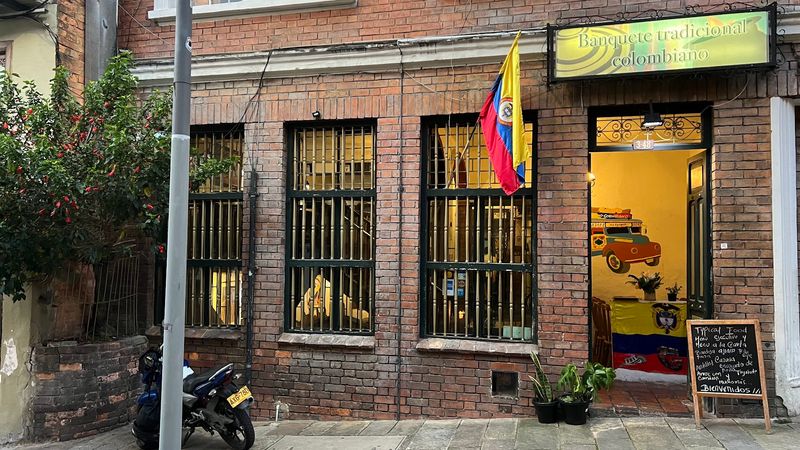
Tucked into the historic La Candelaria neighborhood, this restaurant operates less like a commercial dining room and more like a family celebration that happens to be open to the public.
The menu rotates around regional Colombian dishes that reflect different parts of the country, giving each visit a slightly different character.
What makes this place stand out is the sheer generosity of the portions and the evident pride the kitchen takes in traditional preparation methods.
Nothing here is deconstructed or reimagined for a fusion crowd. The food is direct, honest, and deeply satisfying.
The interior is lively and colorful, decorated with folk art and regional textiles that give context to what you are eating.
Groups tend to do especially well here, as the communal-style service encourages sharing plates and conversation.
Budget travelers will also appreciate that the price-to-quality ratio is genuinely hard to beat anywhere in central Bogotá.
6. Harry Sasson, Bogotá
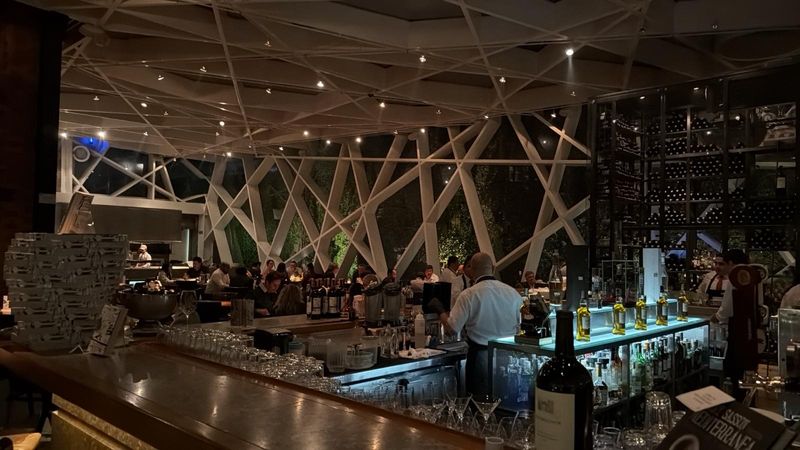
Few restaurants in Colombia carry the kind of long-standing prestige that Harry Sasson has maintained without ever becoming complacent about it.
The setting alone is worth mentioning: a stunning colonial mansion in Bogotá’s Chicó neighborhood, with multiple dining spaces that manage to feel grand and comfortable at the same time.
Chef Harry Sasson has been one of Colombia’s most recognized culinary figures for decades, and his restaurant reflects a career built on blending local Colombian ingredients with international culinary influences.
The menu spans a wide range, from beautifully prepared Colombian classics to dishes that draw from Mediterranean and Asian traditions.
Despite its upscale positioning, the restaurant does not operate with the stiffness that sometimes accompanies fine dining in major cities.
The staff strikes a balance between professional and approachable that keeps the experience feeling celebratory rather than intimidating.
Portions are generous for the price point, which is a detail that long-time regulars frequently cite as one of the restaurant’s most appreciated qualities.
7. La Cevichería, Cartagena
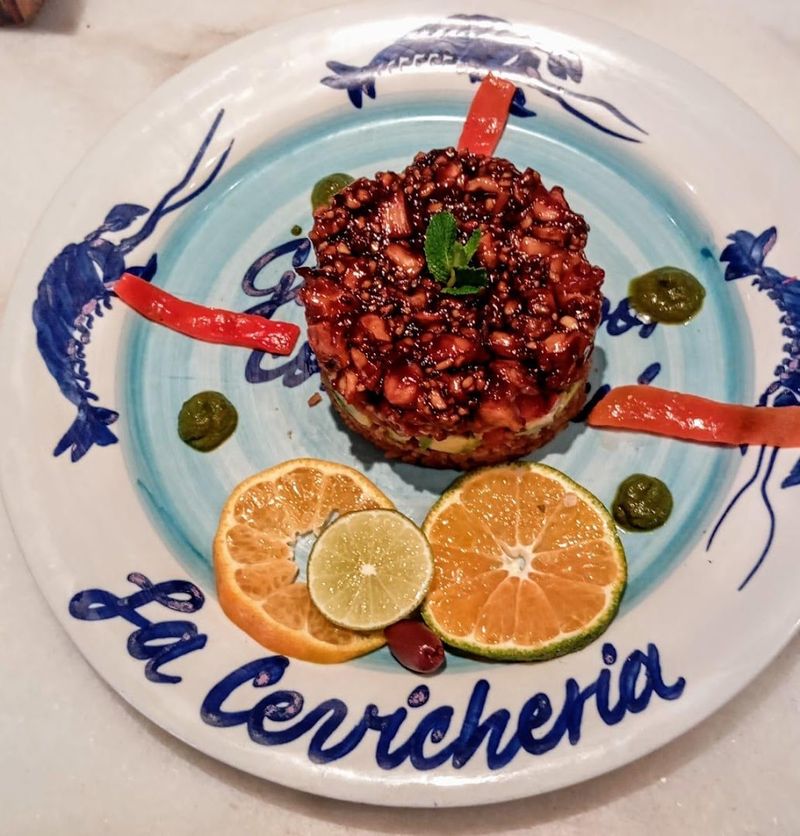
Anthony Bourdain ate here, and the restaurant has been honest enough to acknowledge that fact without letting it become the entire identity of the place.
La Cevichería in Cartagena has been serving some of the Caribbean coast’s best ceviche for years, and its reputation among locals predates any celebrity endorsement by a significant margin.
The menu centers on fresh seafood prepared with Colombian Caribbean flair, with ceviche variations that reflect both local tradition and occasional creative departures.
The interior is colorful and unpretentious, with a layout that keeps the focus on the food rather than the furniture.
Lines can form outside, particularly during peak tourist season, and the wait is generally considered worthwhile by those who have been before.
Cartagena has no shortage of seafood restaurants, but La Cevichería consistently ranks among the most reliable for quality, freshness, and a genuinely local atmosphere that does not feel staged for visitors.
8. Carmen, Medellín
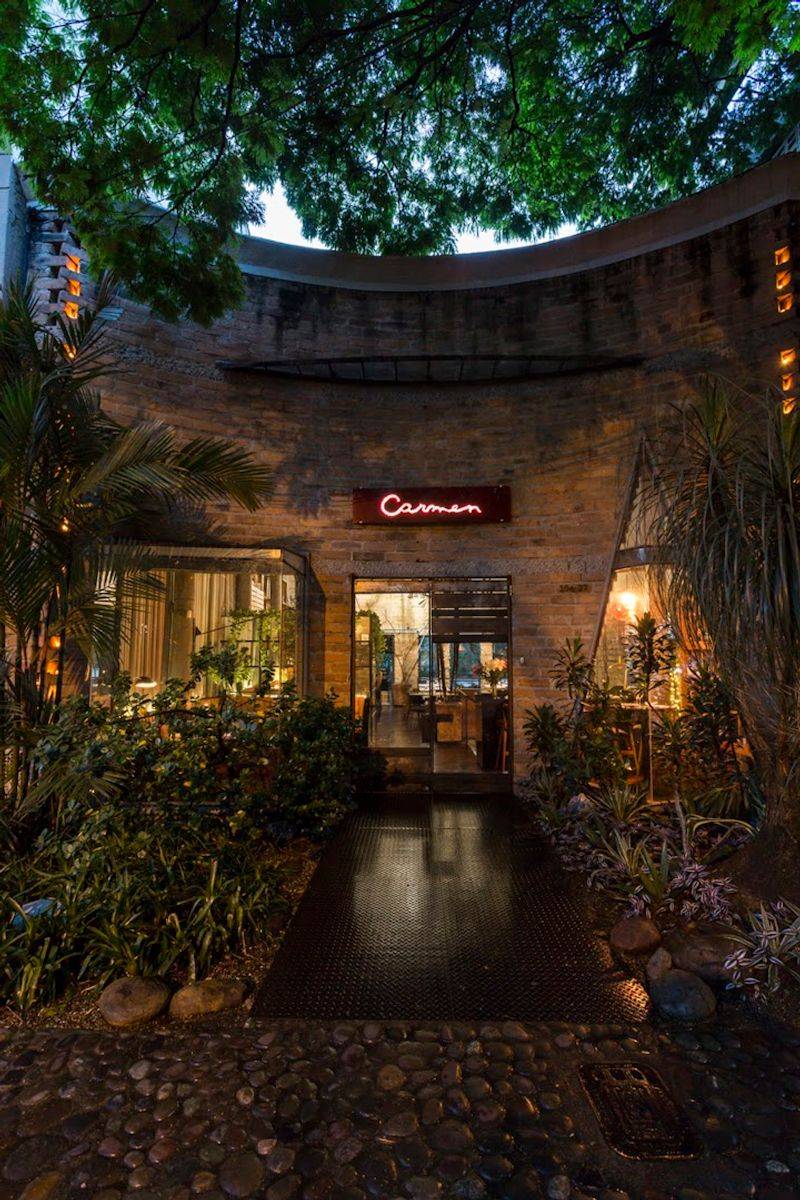
Carmen operates out of a quiet Medellín neighborhood and has built a following based almost entirely on the quality and originality of its chef-driven menu.
Chef Rob Pevitts leads a kitchen that approaches Colombian cuisine as a starting point rather than a fixed destination, layering local ingredients with international techniques in ways that feel considered rather than chaotic.
The tasting menu format is the recommended way to experience Carmen, as it gives the kitchen the opportunity to show range and progression across multiple courses.
The dining room is intimate, with seating that keeps the atmosphere focused and unhurried throughout the meal.
Carmen has appeared on regional best restaurant lists, though the team seems far more interested in cooking well than collecting accolades.
The wine and beverage program is thoughtfully curated to complement the food rather than overshadow it.
Visitors consistently describe the experience as one of the most surprising meals they have had in Colombia, which is a meaningful compliment in a country with strong culinary competition.
9. Mistura, Cartagena
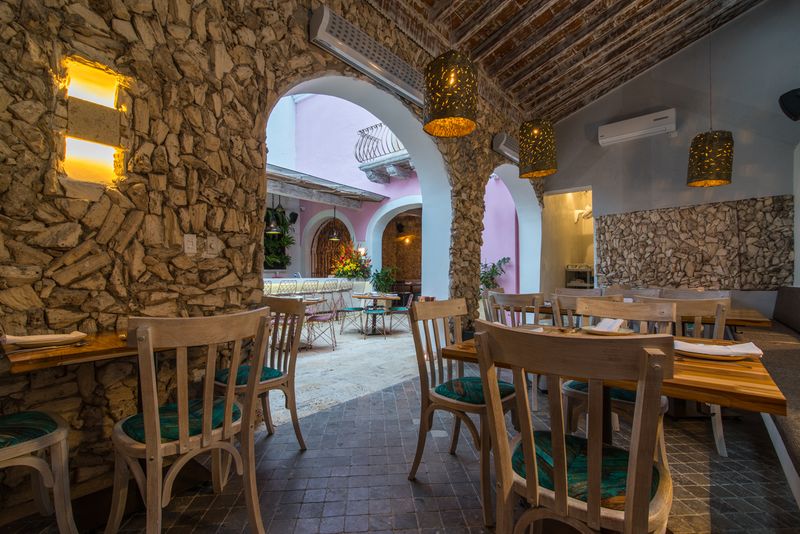
Cartagena’s colonial architecture provides a spectacular backdrop for many restaurants, but Mistura uses its setting with more restraint and purpose than most.
The menu combines Caribbean seafood with Peruvian and Colombian culinary influences, a combination that sounds ambitious on paper and delivers consistently well in practice.
Dishes like tiradito and ceviche appear alongside Colombian coastal preparations, giving the menu a coherent cross-cultural identity rather than a confused one.
The interior reflects the building’s colonial character without turning it into a museum piece, keeping the atmosphere elegant but genuinely functional as a dining space.
Mistura tends to attract a mix of well-traveled tourists and Cartagena locals who appreciate the kitchen’s precision and the thoughtful menu structure.
Portions are measured rather than oversized, which suits the refined presentation style and encourages diners to order across multiple courses.
For a meal that captures Cartagena’s position at the intersection of multiple culinary traditions, Mistura makes a very strong case for itself.
10. Oci.Mde, Medellín
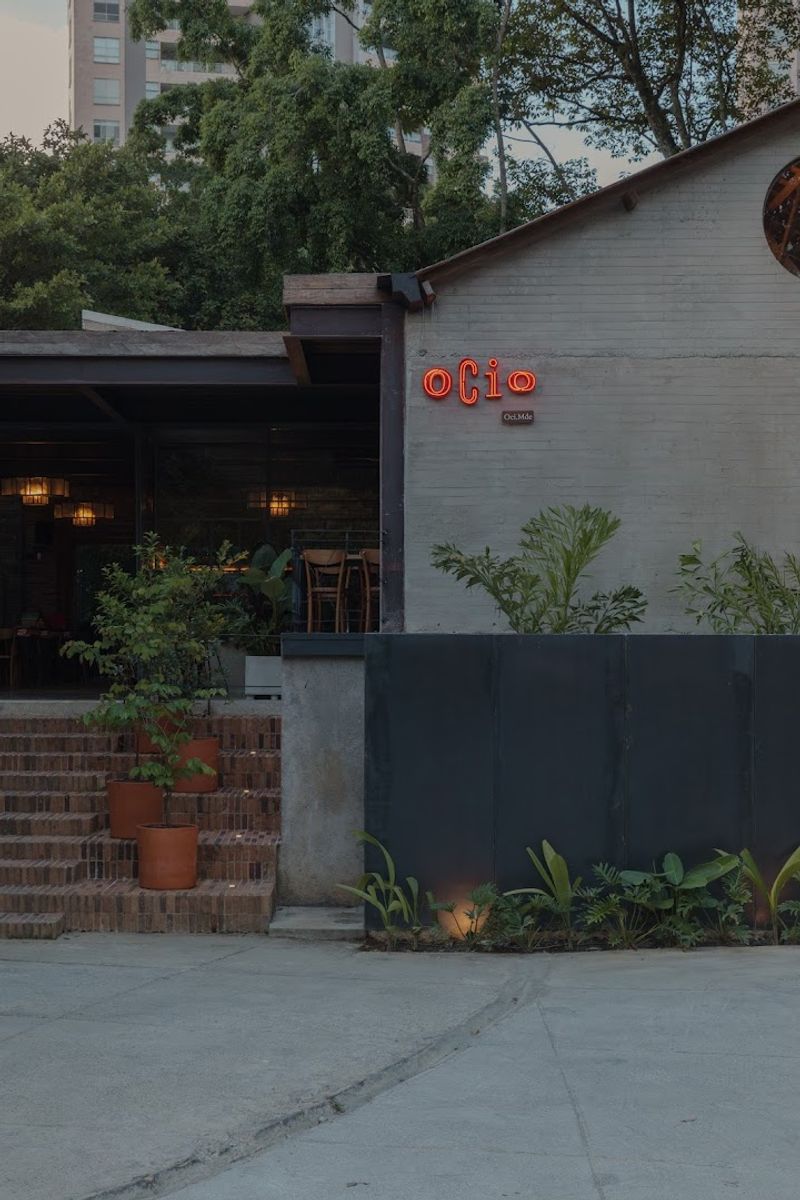
Small plates and a seasonally rotating menu have made Oci.Mde one of Medellín’s most talked-about restaurants among food-focused travelers who do their research before arriving.
The kitchen’s commitment to locally sourced ingredients is not just a marketing phrase here. The menu genuinely changes based on what regional producers have available, which keeps the cooking honest and the experience different on each visit.
The format encourages sharing, and the staff actively recommends ordering several dishes across the menu rather than sticking to individual plates.
The interior is cozy without being cramped, with a design that feels considered and personal rather than assembled from a restaurant supply catalog.
Oci.Mde sits comfortably in the space between casual neighborhood restaurant and serious culinary destination, which is a difficult balance to maintain.
The price point is accessible for the quality on offer, making it a reliable choice for travelers who want a memorable meal without a fine dining budget.
11. Leo, Bogotá
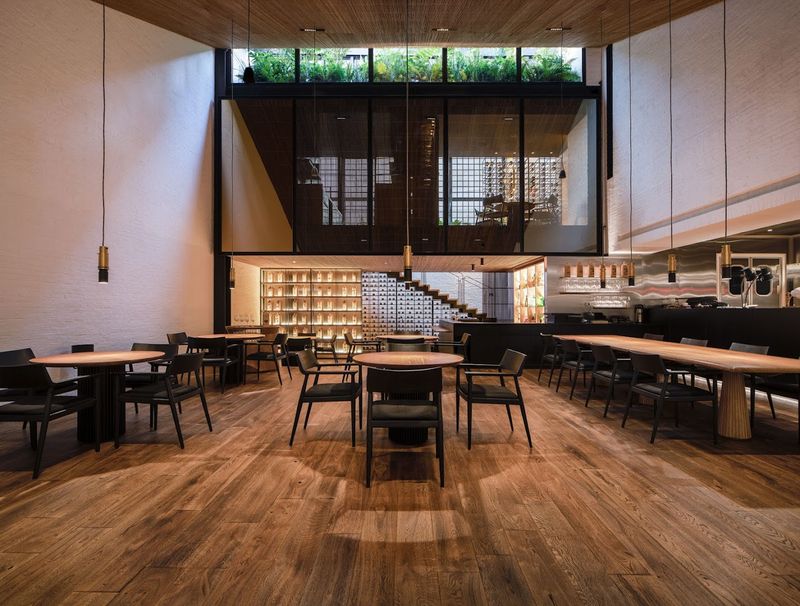
Chef Leonor Espinosa is one of the most significant figures in Colombian gastronomy, and Leo is the restaurant where her philosophy about food, culture, and social responsibility takes its most complete form.
The menu at Leo is built around ingredients sourced from remote Indigenous and Afro-Colombian communities across the country, with each dish serving as a direct connection to those communities and their culinary traditions.
Espinosa has been recognized on the World’s 50 Best Restaurants list, and Leo has earned a reputation as one of Latin America’s most intellectually ambitious dining experiences.
The tasting menu format is the only way to experience Leo properly, as the progression of courses is designed to tell a coherent story about Colombia’s extraordinary biodiversity.
The dining room is sophisticated and calm, with a service team that brings genuine knowledge and enthusiasm to every course.
Reservations are essential and should be made well in advance, particularly for visitors traveling specifically to eat here.
12. Sambombi Bistró Local, Cartagena
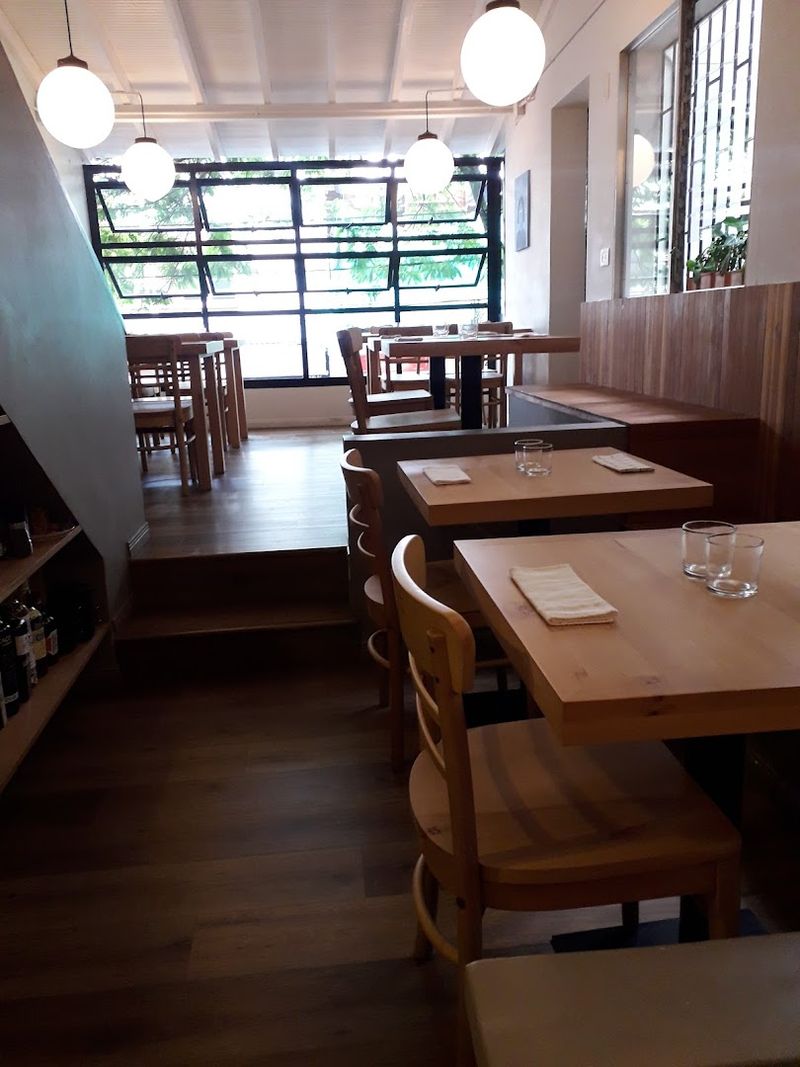
Getsemaní is one of Cartagena’s most culturally rich neighborhoods, and Sambombi Bistró Local fits into that identity with a menu that takes Caribbean cuisine seriously without dressing it up in unnecessary formality.
The bistro format keeps things relaxed and approachable, with small plates that allow diners to explore the menu broadly rather than committing to a single main course.
Modern Caribbean cooking is the kitchen’s stated focus, and the dishes reflect a clear understanding of local ingredients and regional flavor profiles rather than a generic tropical aesthetic.
The space is intimate, with limited seating that creates an atmosphere closer to a private dinner than a commercial restaurant.
Local identity runs through every aspect of the operation, from the sourcing philosophy to the artwork on the walls, which gives the experience a coherence that larger restaurants often struggle to achieve.
Sambombi Bistró Local is the kind of place that becomes a standing reservation for visitors who return to Cartagena regularly.
13. Idílico, Medellín
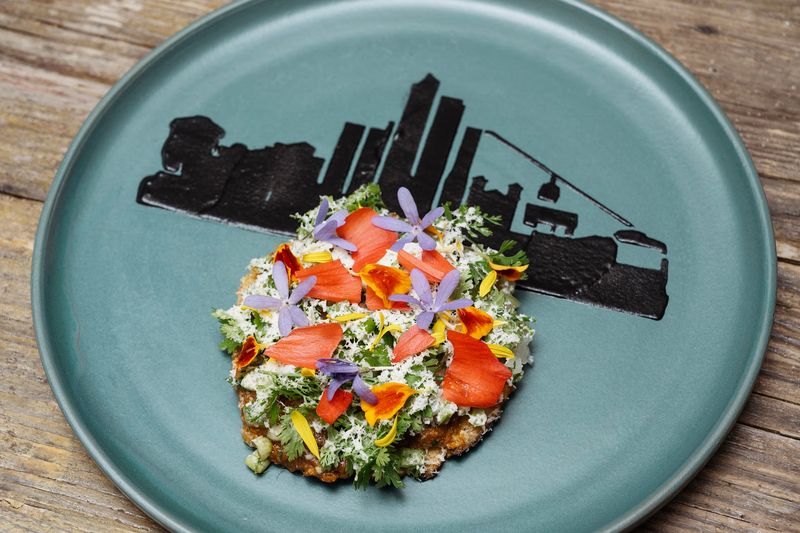
Idílico arrived on Medellín’s restaurant scene relatively recently, but it has wasted no time establishing itself as one of the city’s most visually distinctive and culinarily ambitious addresses.
The décor leans into jungle-inspired design, with abundant plant life and natural materials creating an interior that feels connected to Colombia’s extraordinary natural environment without being theatrical about it.
The menu draws from Colombian culinary traditions and reinterprets them with modern plating techniques and a clear attention to visual composition.
Dishes are photographed constantly by first-time visitors, which is understandable given the presentation, though regulars will tell you the flavor justifies the visit far more than the aesthetics do.
The kitchen sources ingredients with clear intention, and the menu reflects seasonal availability rather than a fixed list designed for convenience.
Service is attentive and well-paced, with staff who understand the menu in enough depth to make genuine recommendations rather than reciting descriptions.
For a newer restaurant, Idílico has developed a consistency that many established competitors would envy.
Share this story