Croatia gets a lot of love for Dubrovnik and Split, and honestly, fair enough. But the country has a whole other side that most tourists zoom past without a second glance.
From a town so small it fits on a postcard to a heart-shaped island that sounds made up but isn’t, Croatia is full of places worth slowing down for. Pack an extra day or two, because this list is about to reroute your entire itinerary.
Hum, Istria’s Tiny Hilltop Town
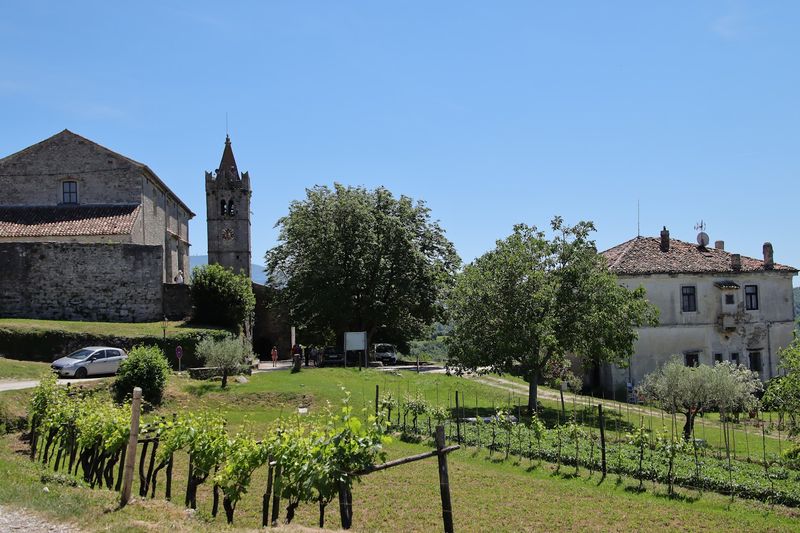
Hum holds the title of the world’s smallest town, and it takes that claim very seriously. The population hovers around 20 people, yet the town has its own mayor, its own church, and its own attitude.
I walked through the entire place in under ten minutes and still felt like I had stepped into a different century.
The stone lanes are perfectly preserved, and the medieval walls look like they were built last Tuesday by someone who really cared. Biska, the local mistletoe brandy, is the drink of choice here.
It tastes like tradition with a kick.
Hum sits close to Roč, making it easy to pair both into one slow afternoon. Come for the quirky world record, stay for the views over inland Istria.
Just do not expect a coffee shop on every corner, because there is barely one corner to speak of.
Kotli, the Stone Village by the Mirna River
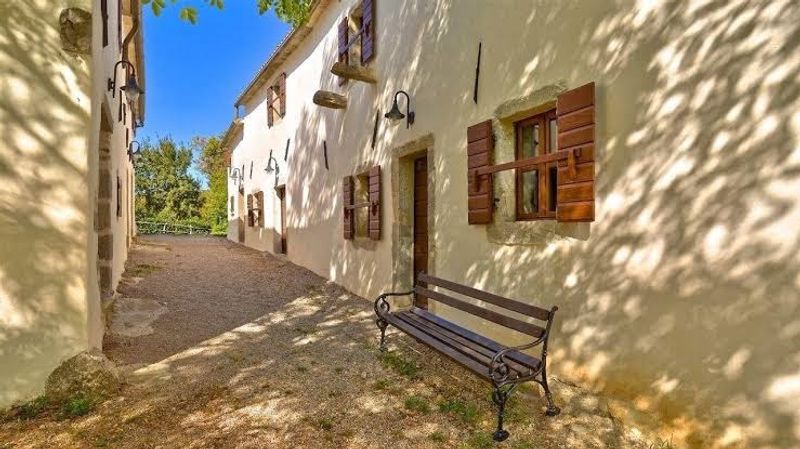
Kotli is the kind of place that makes you wonder why you ever bothered with crowded tourist spots. This old mill village near Hum and Buzet looks like it was designed by someone who wanted nature and architecture to share the same address.
Stone houses sit alongside natural river pools carved into the rock by the Mirna River. In spring and early summer, water rushes through the rocks with real energy, turning the whole village into a living postcard.
The sound alone is worth the detour.
Almost nobody visits Kotli, which is either a tragedy or a gift depending on how much you like having a beautiful place to yourself. There are no souvenir shops, no queues, and no entrance fees fighting for your wallet.
Just old stones, cool water, and the satisfying feeling that you found something most tourists completely missed.
Zavratnica Bay, a Fjord-Like Cove Near Jablanac
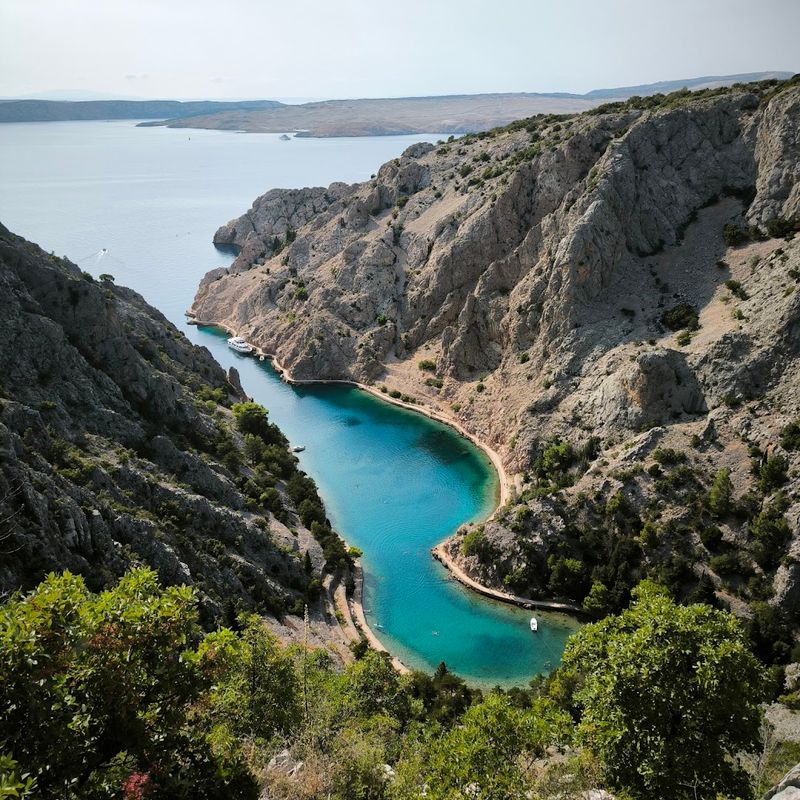
Croatia has plenty of pretty coves, but Zavratnica plays in a different league. This protected nature monument near Jablanac cuts so deep into the mainland that it genuinely looks like someone borrowed a Norwegian fjord and placed it on the Adriatic coast.
A walking trail from Jablanac leads you there, which means the reward feels earned. The trail is not brutal, but it filters out anyone who only wants beach loungers and cocktail menus.
What you get instead is dramatic cliffs, still turquoise water, and an almost eerie quiet that is surprisingly hard to find on the Croatian coast.
Zavratnica is officially a geomorphological nature monument, which is a fancy way of saying the geology here did something remarkable. Boat access is also possible, and some visitors arrive that way.
Either route works, but walking in through the trees and suddenly seeing that cove open up in front of you is genuinely one of those travel moments that sticks.
Kopački Rit Nature Park, Croatia’s Wild Wetlands
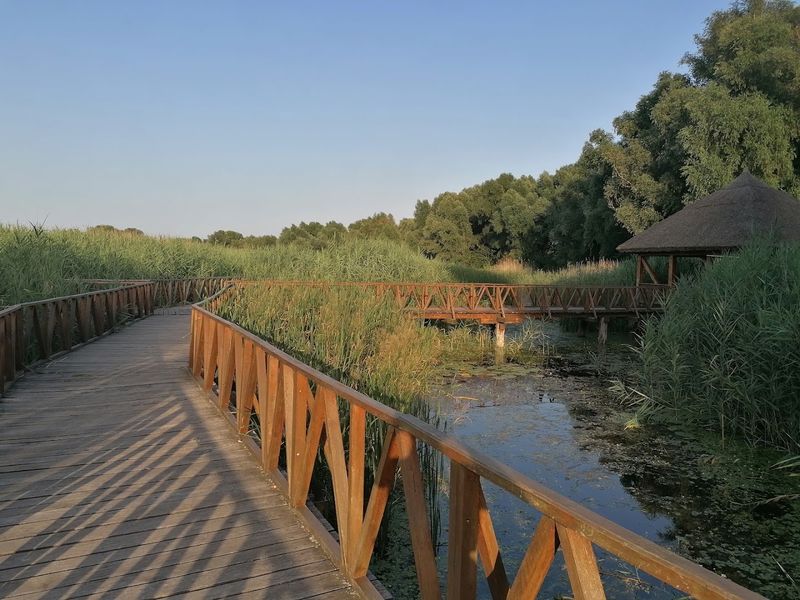
Most people hear Slavonia and think flat farmland and good food, which is fair. But Kopački Rit near Osijek quietly holds one of Europe’s most significant wetland ecosystems, and it deserves a lot more attention than it gets from the average Croatia itinerary.
The park sits where the Drava meets the Danube, and the result is a sprawling mix of floodplain forest, lakes, and reed beds that hosts hundreds of bird species. Boat tours move slowly through the channels, and if you stay quiet, the wildlife practically poses for photos.
I spotted more herons in one hour than I had seen in my entire life before that trip.
Some experiences require advance reservations, so check the park’s official visitor programs before showing up with binoculars and high hopes. The park is genuinely wild in the best possible way, and it proves that Croatia’s natural highlights extend well beyond its famous coastline.
Lastovo, the Remote Island Under the Stars
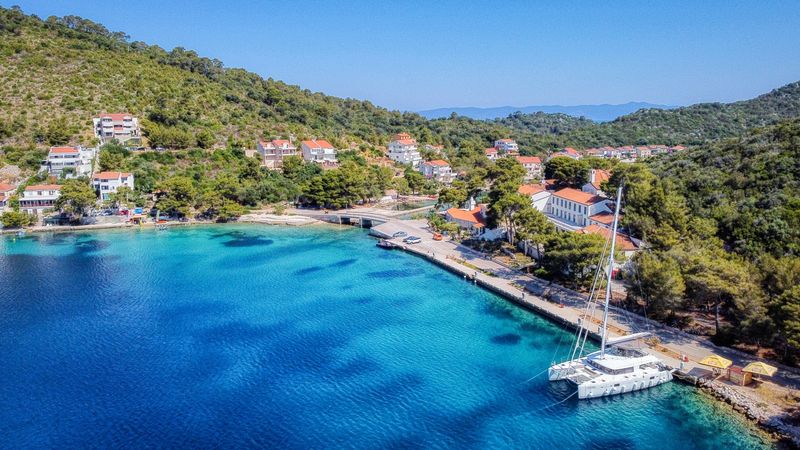
Lastovo is the island Croatia forgot to over-develop, and that is the nicest thing you can say about a place. It sits far out in the Adriatic, takes genuine effort to reach, and rewards that effort with some of the darkest, clearest night skies in the whole Mediterranean.
The island is part of a nature park, which keeps the coastline clean and the atmosphere calm. The sea is clear enough to make you feel slightly embarrassed about every beach you visited before this one.
There are no mega-resorts, no cruise ship crowds, and no one trying to sell you a boat trip every thirty seconds.
What Lastovo does have is unusual architecture, quiet bays, and a character that feels genuinely its own. The official tourist board actively promotes visits, so getting there is easier than the remote reputation suggests.
But the moment you arrive, it still feels like a secret somebody forgot to tell the rest of Europe.
Papuk Nature Park, Slavonia’s Geological Surprise
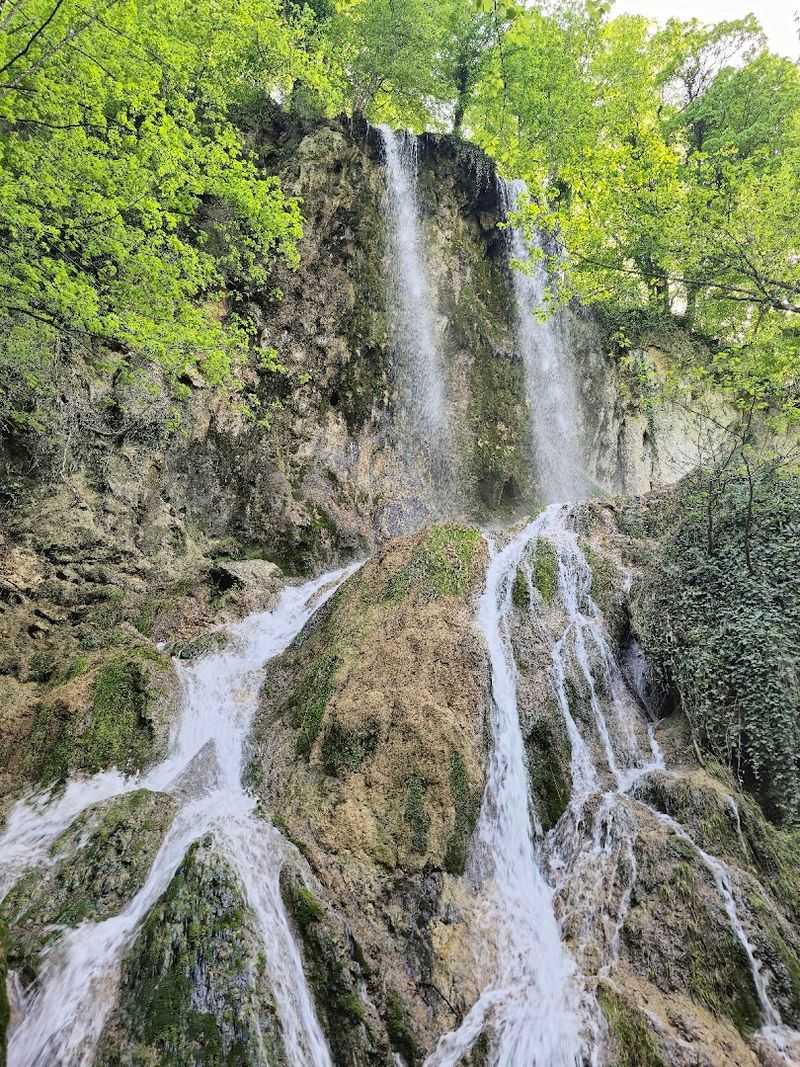
Croatia’s coastline gets all the geological glory, but Papuk in Slavonia has been quietly doing extraordinary things with rocks for millions of years. This nature park became Croatia’s first UNESCO-recognized geopark, which is exactly the kind of credential that should be on more travel bucket lists.
The star attraction is Rupnica, a geological site featuring dramatic columnar rock formations that look almost architectural. Forests cover most of the park, broken up by waterfalls and hiking trails that give you a proper workout before rewarding you with scenery that feels completely different from the Adriatic world most visitors stick to.
Papuk is a strong argument for spending at least a day or two in Slavonia rather than racing straight to the coast. The region is underrated in general, and the park gives it a genuine natural anchor worth building a detour around.
Pack boots, not flip-flops. This is mountain Croatia, and it means business.
Cerovac Caves, the Underground World of Velebit
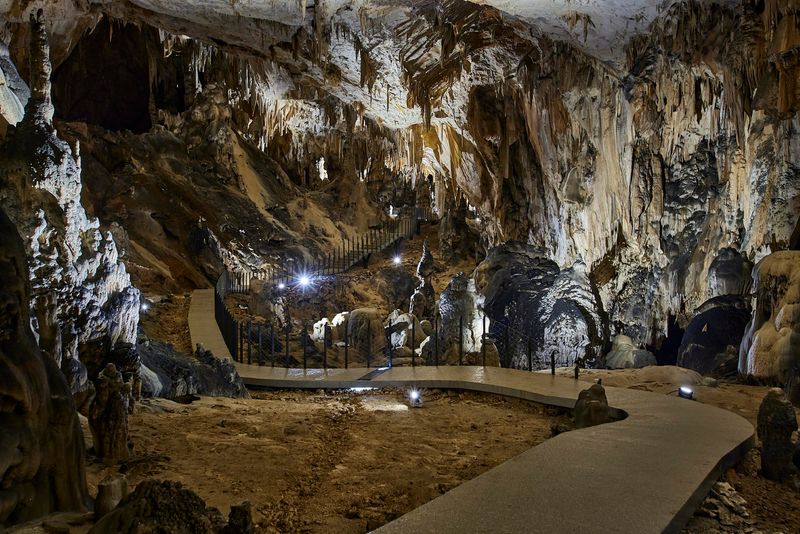
Not everyone needs a beach day. Some of us want to go underground and stare at formations that took hundreds of thousands of years to grow.
Cerovac Caves, tucked inside Velebit Nature Park, deliver exactly that kind of deep-time perspective.
The caves contain large underground halls, long canals, and an impressive collection of stalactites and stalagmites. What makes Cerovac extra interesting is the evidence of prehistoric cave bears found inside, which adds a layer of ancient drama to the already dramatic setting.
These bears were enormous, and they clearly had excellent taste in real estate.
Cerovac ranks among Croatia’s most significant speleological sites, and it is well set up for visitors without requiring any caving experience. The Velebit mountain range surrounding the caves is stunning in its own right, so combining a cave visit with some time on the trails above makes for a genuinely full and varied day out in one of Croatia’s wildest corners.
Rastoke, the Watermill Village of Slunj
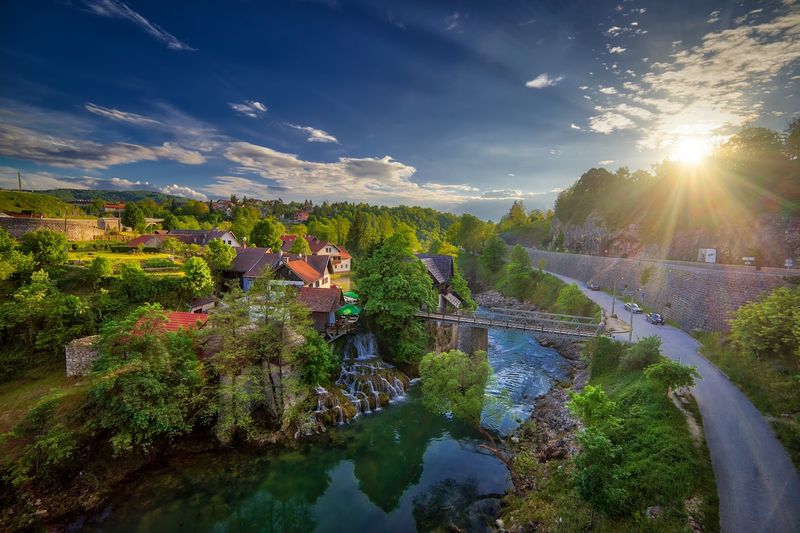
Rastoke looks like someone built a village directly on top of a waterfall system and then decided that was completely normal. The Slunjcica River flows over travertine barriers and drops into the Korana below, creating a maze of cascades, small lakes, and rapids that run right underneath and around the old mill houses.
This is a real historic settlement, not a theme park recreation of one. People have lived and worked here for centuries, and the wooden mills and stone paths carry genuine history rather than the polished version sold at tourist attractions.
I spent far longer here than planned and did not regret a single extra minute.
Rastoke sits close to Plitvice Lakes, making it an easy and very worthwhile addition to that itinerary. Most visitors drive past on the way to the national park without stopping.
That is their loss and your opportunity. Give Rastoke at least two hours, and it will probably take three.
Nin Saltworks and the Museum of Salt

Nin is one of Croatia’s oldest towns, and salt has been part of its story for over a thousand years. The saltworks here are not just a historical footnote.
They are a working production site that visitors can actually walk through and learn from.
An educational trail winds through the salt fields, explaining the traditional harvesting process in a way that makes it genuinely interesting rather than a dry museum lecture. The Museum of Salt and the House of Salt add more context for anyone who wants to understand why this white mineral shaped so much of Croatian coastal history and trade.
Nin also has a remarkable small cathedral, a Roman forum, and a lagoon known for its therapeutic mud. The town is compact and very easy to explore on foot.
Most people visit as a quick stop near Zadar, but the saltworks alone justify staying longer. Salt has never been this fascinating, and that is not something I expected to write.
Galešnjak, the Heart-Shaped Island
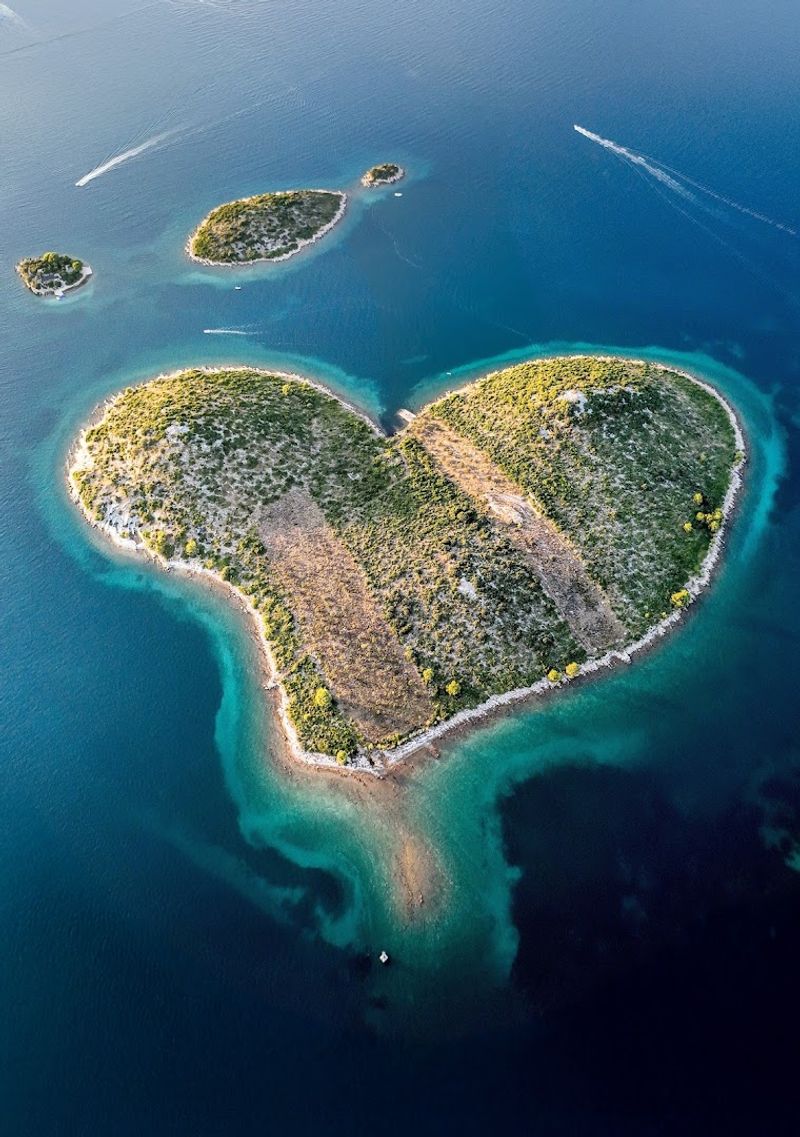
Geography does not usually have a sense of romance, but Galešnjak is the exception. This small uninhabited island in the Pasman Channel is naturally shaped like a near-perfect heart, and no one planned it that way.
Nature just felt like doing something adorable.
The island became internationally famous after satellite images circulated online, and it has been a curiosity and a romantic landmark ever since. The Pasman tourist board promotes it as a distinctive destination, and visiting by boat is the obvious way to appreciate the shape properly from the water.
Galešnjak is uninhabited, so there are no facilities, no cafes, and no gift shops selling heart-shaped keychains. What it offers is a genuinely unusual natural formation and a great story to tell.
It pairs well with a boat trip around the Pasman Channel area, where the broader scenery is lovely enough to justify the trip even if you have no particular feelings about heart-shaped geography.
Ston, the Town of Walls and Salt
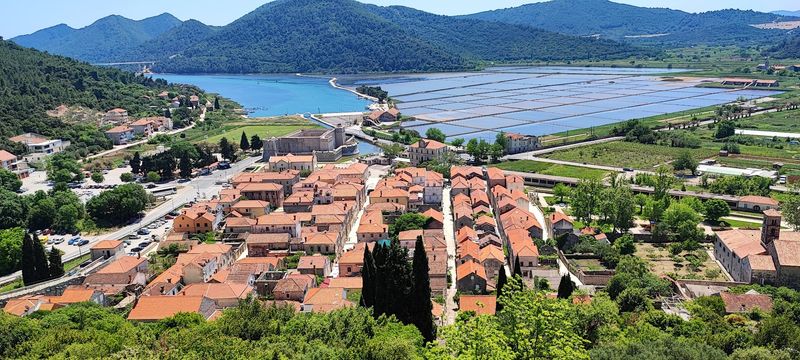
Ston has walls. Not just any walls, but a medieval defensive system that stretches for over five kilometers across the hills of the Peljesac Peninsula.
The only longer medieval walls in the world are in China, which tells you something about how seriously Ston took its borders.
The walls protected the town’s saltworks, which were the real economic engine behind Dubrovnik’s medieval wealth. Walking the walls gives you a physical sense of that history while also delivering views over the salt pans and the sea that are genuinely spectacular.
The climb is real, so wear shoes with grip.
Ston also has excellent oysters and mussels from the surrounding bay, making it a strong candidate for the best lunch stop on the Peljesac Peninsula. Most people treat it as a ten-minute photo stop on the way to Korcula or Dubrovnik.
Giving it a proper half day instead transforms it from a checkpoint into an actual highlight.
Baredine Cave, Istria’s Accessible Underworld
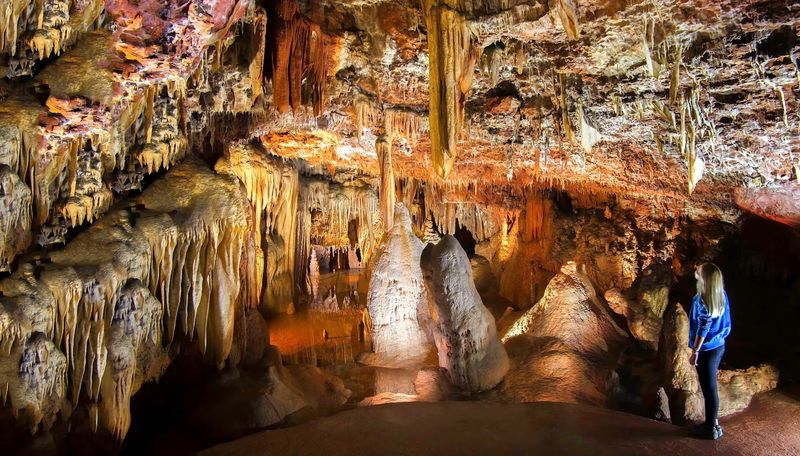
Baredine Cave has been welcoming visitors since 1995, which makes it one of Istria’s more established underground attractions. That accessibility is actually the point.
No ropes, no helmets, no prior caving experience required. Just a guided tour through some genuinely impressive geology.
The cave contains stalactites, stalagmites, and unusual formations that have been growing in the dark for a very long time. It is a protected geomorphological natural monument, which means the geology inside is taken seriously by people who study these things.
The guided format keeps the visit manageable and informative without feeling rushed.
Baredine sits in central Istria, making it an easy add-on to a road trip through the region. If your Istria itinerary is heavy on coastal towns and truffle hunting, this is a good way to add some variety.
Going underground for an hour also provides a welcome break from summer heat, which is a practical bonus that the official monuments committee probably did not consider when granting protected status.
Jankovac Forest Park in Papuk
Inside Papuk Nature Park, Jankovac is the quieter reward for people who venture further than the main road. This mountain valley is ringed by old beech forest that has the kind of dense, cathedral quality that makes you walk more slowly without quite knowing why.
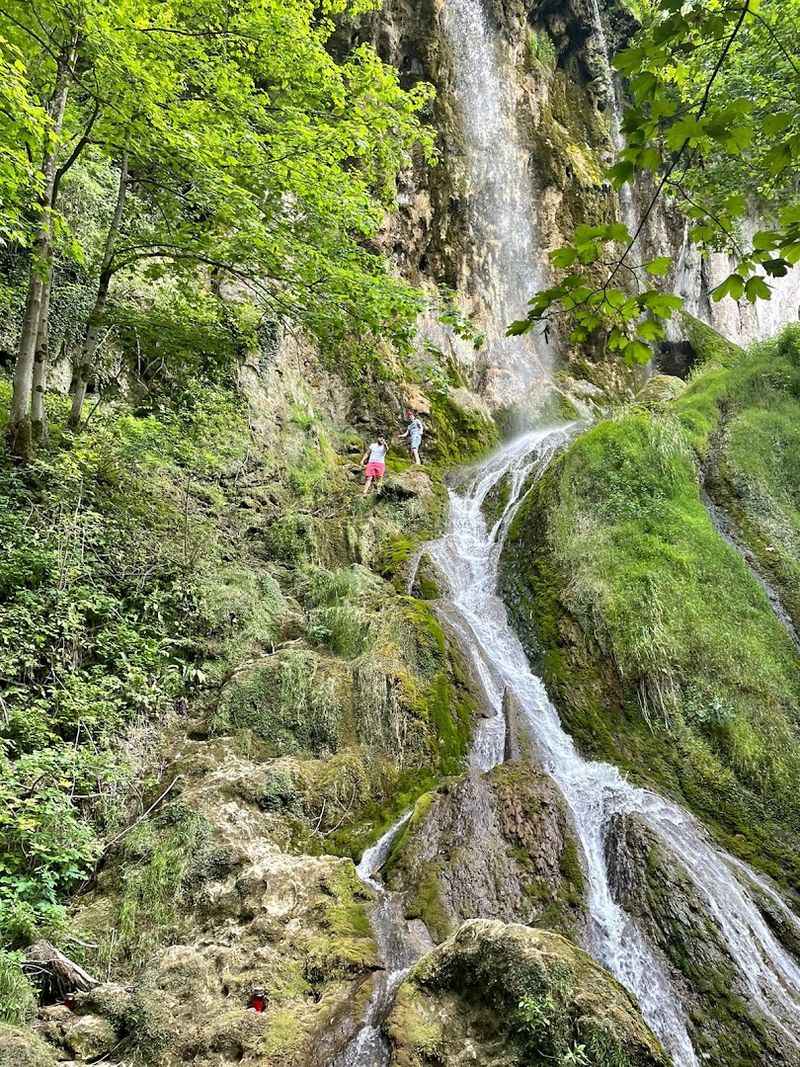
The Jankovac Waterfall is the headline feature, and it earns the attention. Water drops into a pool surrounded by mossy rock and old trees, and the whole scene has a stillness that most tourist spots actively work against.
Regional tourism sources describe the valley as one of Slavonia’s most beautiful natural corners, and for once, the tourism copy is not exaggerating.
A mountain lodge in the area provides a base for longer stays, and walking trails connect Jankovac to other parts of Papuk. It works as a day trip from Osijek or Požega, but staying overnight gives you the valley in the early morning before anyone else arrives.
That version of Jankovac is something else entirely.
Share this story